

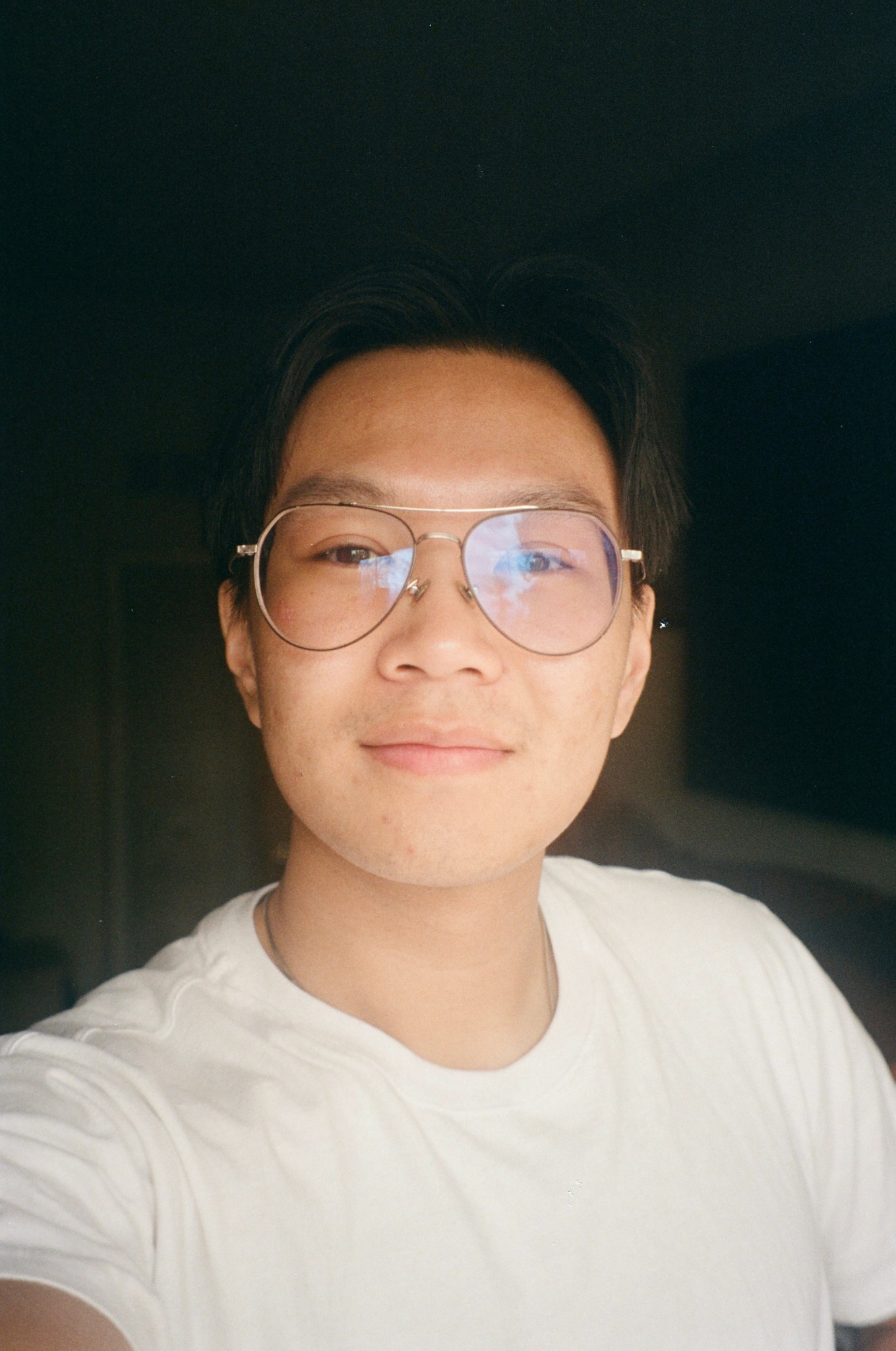

We recently connected with Brandon Tran and have shared our conversation below.
Alright, Brandon thanks for taking the time to share your stories and insights with us today. Can you talk to us about how you learned to do what you do?
Growing up I never had much of a father figure. I didn’t know what it meant to be a “masculine” man. And so I never really got along with my father. However, we did share one common thing, the love of movies. The days that he’d come back home early from work and would ask if I wanted to join him in watching the new Mission Impossible were peaceful. After that, I decided to watch as many old films as I could. Films like Goodfellas, Dances with Wolves, Rashomon, everything, to maybe connect with him and tell him, about the movies he may have seen in his youth. I was rewinding the clock too much and watched films he had never heard about. That didn’t stop us from spending time watching and laughing together.
Going into high school I found myself wanting to step into the craft a little more, though I didn’t have any preconceptions on how to make an actual film. I took a production in film class, saw more life-changing movies, and met people who turned out to be creative pillars to this day. And thus, I was catapulted into this field of filmmaking.
If I could take back the knowledge I had now and go back in time in hopes of somehow accelerating my learning, I would watch even more movies and read up on their cultural and historical significance. I would try to replicate them and create my own films to feel what it’s like to make something. I would’ve invested my time in the books and biographies of great directors, to know that I’m not the only one struggling to make something meaningful to me.
To me, the most essential skill I could’ve developed even more was reading. It’s important to read a lot of everything to grasp what a good story is and can be.
However, the biggest obstacle to that when I think about all that was simply the lack of resources, financially or practically. I got into watching movies pretty late and I was in Asheville, North Carolina. The filmmaking scene there is somewhat limited and the resources surrounding that field were sparse. I wished I was more tech savvy, perhaps I could’ve pirated some readings online.
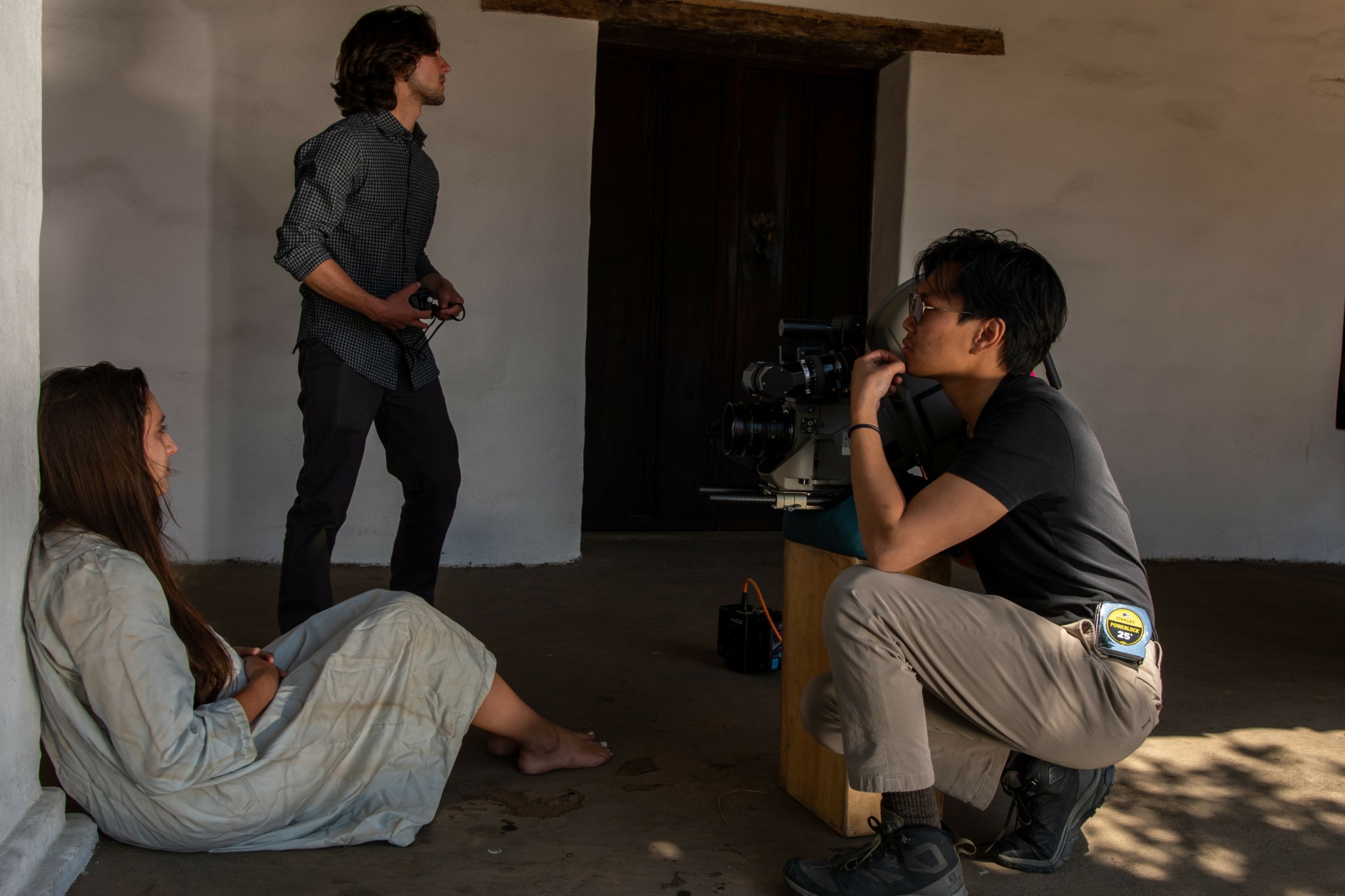
Brandon, before we move on to more of these sorts of questions, can you take some time to bring our readers up to speed on you and what you do?
As a Vietnamese American, I fall into a gray liminal space, caught between two cultures,
two forms of understanding. Within it, a constant need to readapt to specificities, ideologies, and
cultural idiosyncrasies. As much as I tell myself that pressure forms diamonds, it still inundates
me, causing me to believe that perhaps there’s something wrong with me. I felt my words and
call for help ignored, not because they were unworthy, but because the people around me didn’t
understand.
Even now, while writing this, I acknowledge my deficiency when articulating literary-ly
or verbally. I came to terms with this and proclaimed that maybe this form of expression that
requires words and speech is not for me. Perhaps it’s because English was my second language,
but even I feel incomplete with Vietnamese. Words seemed to be a poor attempt at expressing
one’s thoughts and feelings.
At such a young age, I still struggled to understand the nuances and thematic intricacies typically seen in a film, but as filmmaker Stanley Kubrick once said, “A film is – or should be – more like music than like
fiction…The theme, what’s behind the emotion, the meaning, all that comes later.” So, I learned
to feel the images more than understand them. As such, I decided to pursue this art form and
utilize this medium to understand myself and more importantly, other people. My philosophy
aligns very much with John Cassavetes in that making a film was about discovering more about
our human condition. Why make a film about something you have the answers to? Eventually,
through my studies, I learned the grammatical structure of film and its literary connections with
Agnes Varda while connecting deeply with the realist tendencies of Yasujirō Ozu. Unlike words, cinematography transcends the conventional understanding of language and redefines what
language can be, attacking the human psyche and heart.
This discipline came out of my own necessity to understand the relationship between me and the world around. I found myself searching for a community of unrepresented people, specifically Vietnamese Americans in film, and truthfully, there wasn’t much of a community. So being in this craft, I hope to contribute and provide people with some form of visual truth and representation, a taste of my culture. I think though at the end of it all, I just hope to connect to people.
I’m most proud of this personal philosophy of mine and more importantly my upbringing. My struggles and lived experiences have allow me to enter every project with intentionality and passion. My coworkers have described me as diligent and focused. Everything I’ve filmed, or worked as a DP for, has been something meaningful to me, so I’m always putting 110% in.
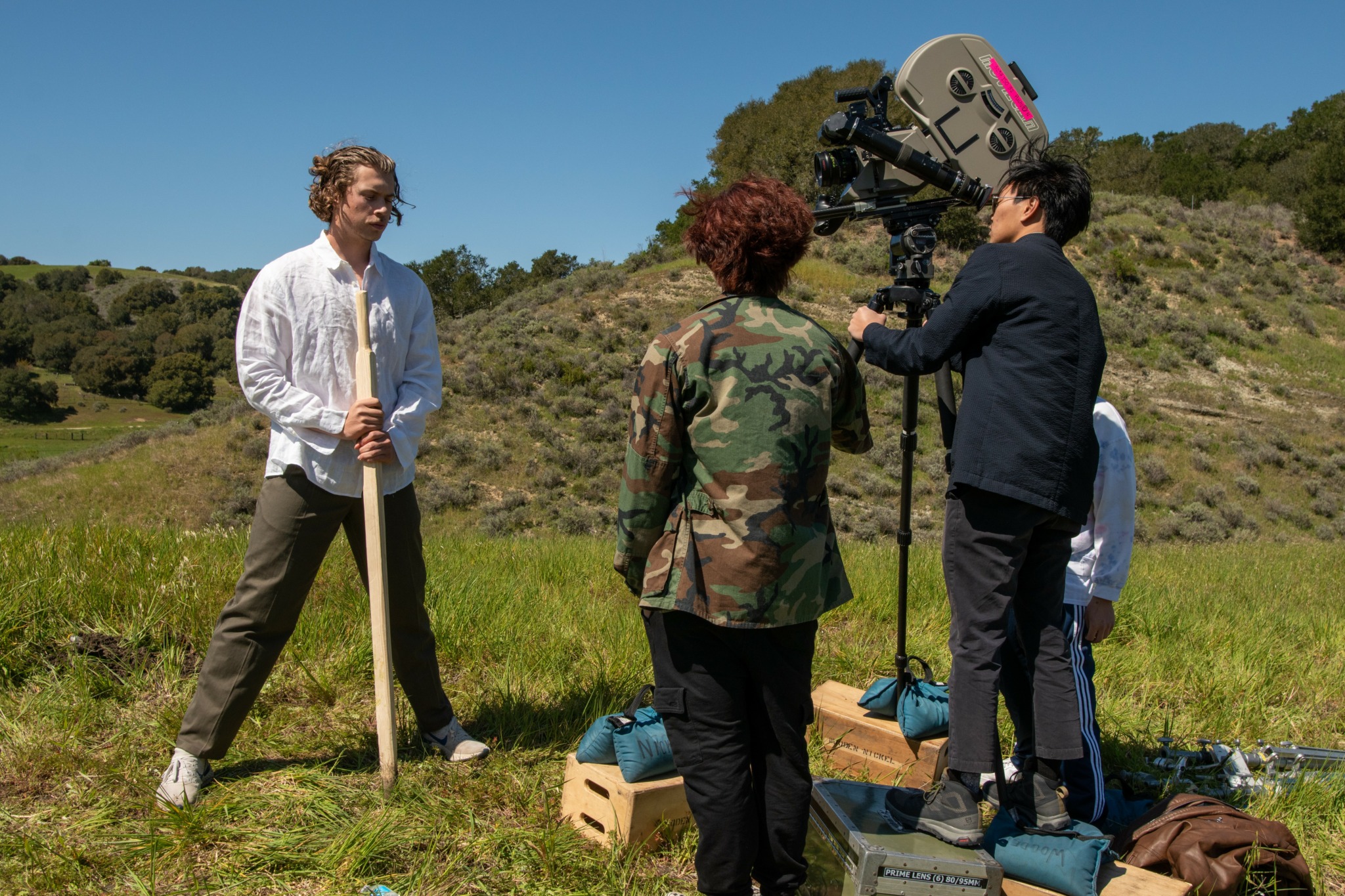
Have you ever had to pivot?
I wanted to be a math major because for the longest time I thought that was the only thing I was good at. Turns out there were plenty of other people that were way better at it than I am. Though that didn’t discourage me. The biggest thing that discouraged me was the idea of a monotonous, routined lifestyle of an office job. I could never see myself working that kind of job. I don’t even know how to work an excel sheet.
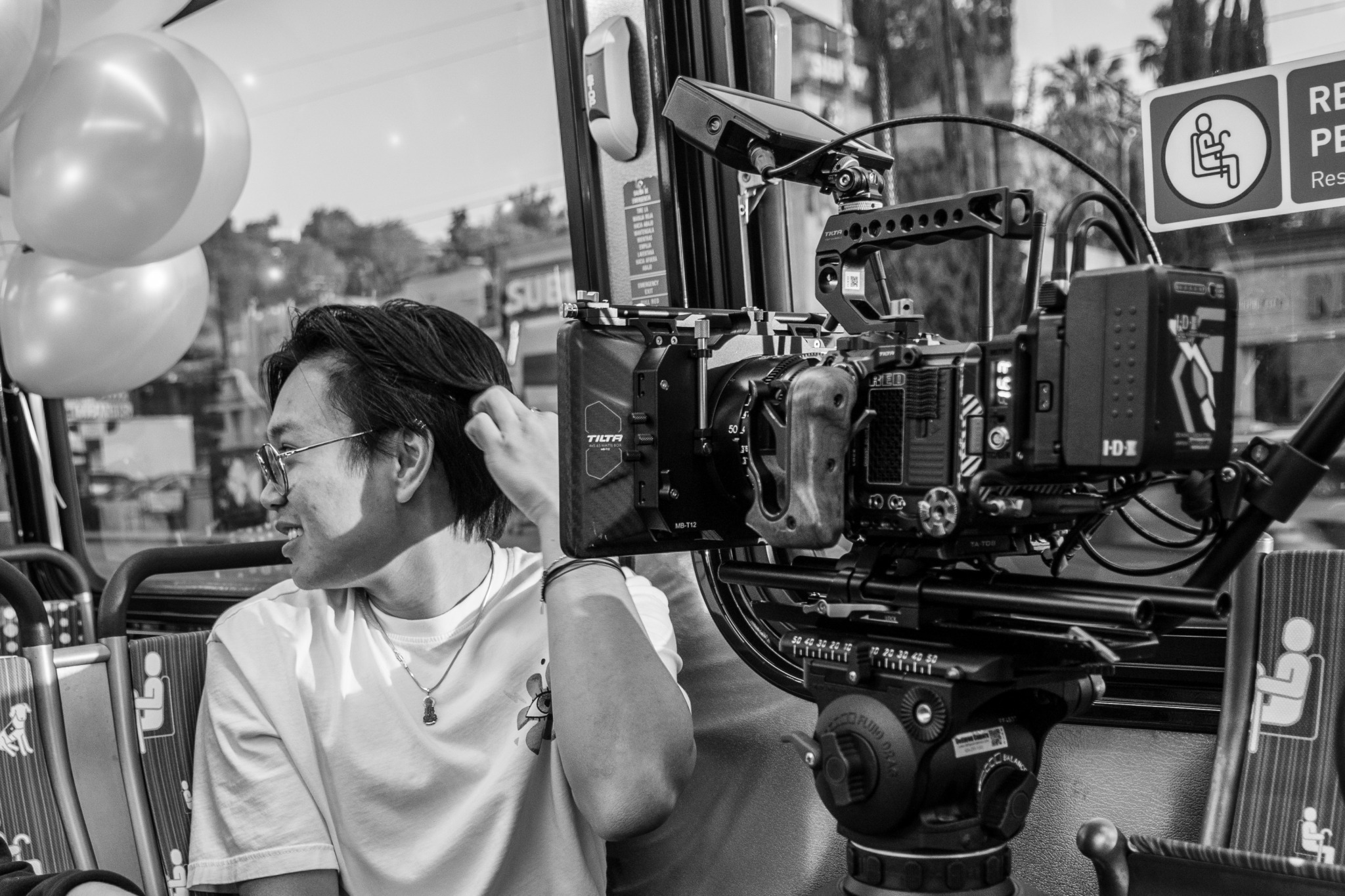
What do you think is the goal or mission that drives your creative journey?
My mission is to be happy and most importantly fulfilled. Perhaps I’m naive, but I can care less about money. I have a feeling this mindset will be my downfall, especially because filmmaking is an incredibly expensive art, but I only want to enter this field for pure reasons, my love for finding images that I connect with and that others connect too as well.
Contact Info:
- Website: https://www.brandontrandp.com
- Instagram: https://www.instagram.com/brandontran0/
- Youtube: https://www.youtube.com/@brandontran3072
- Other: https://youtu.be/h1qCvifAt8c?si=–UZnqccqU_rdK3f
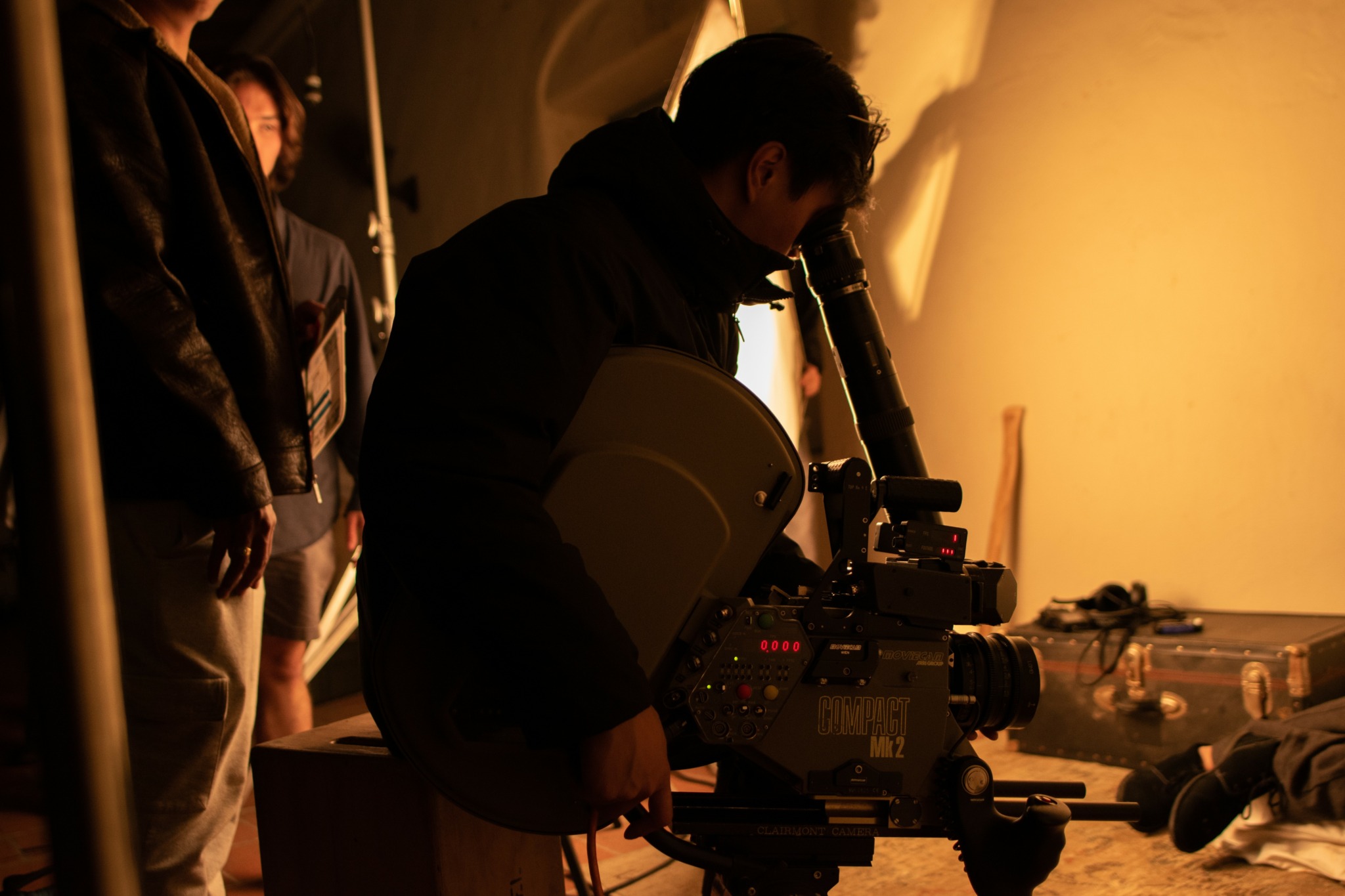
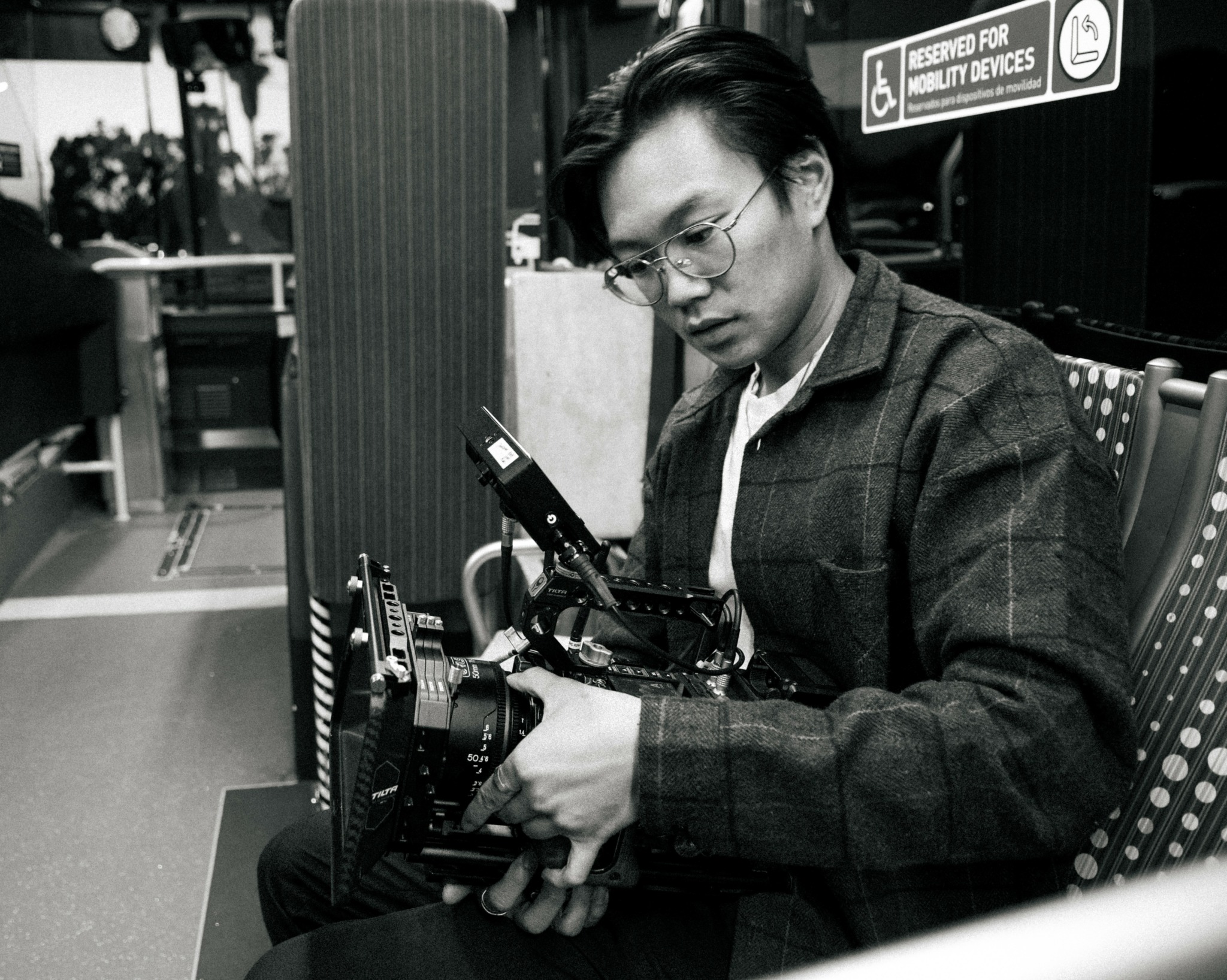
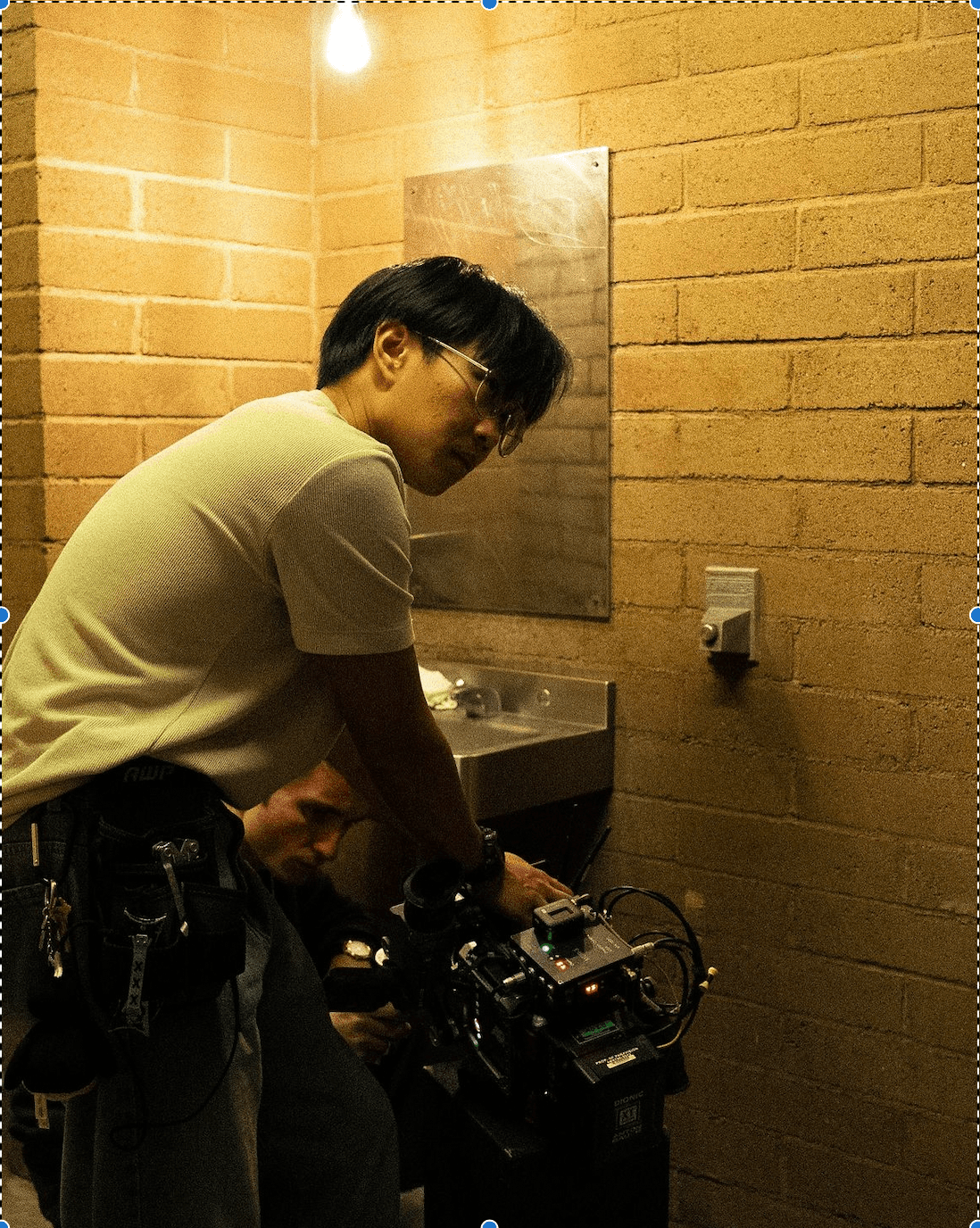
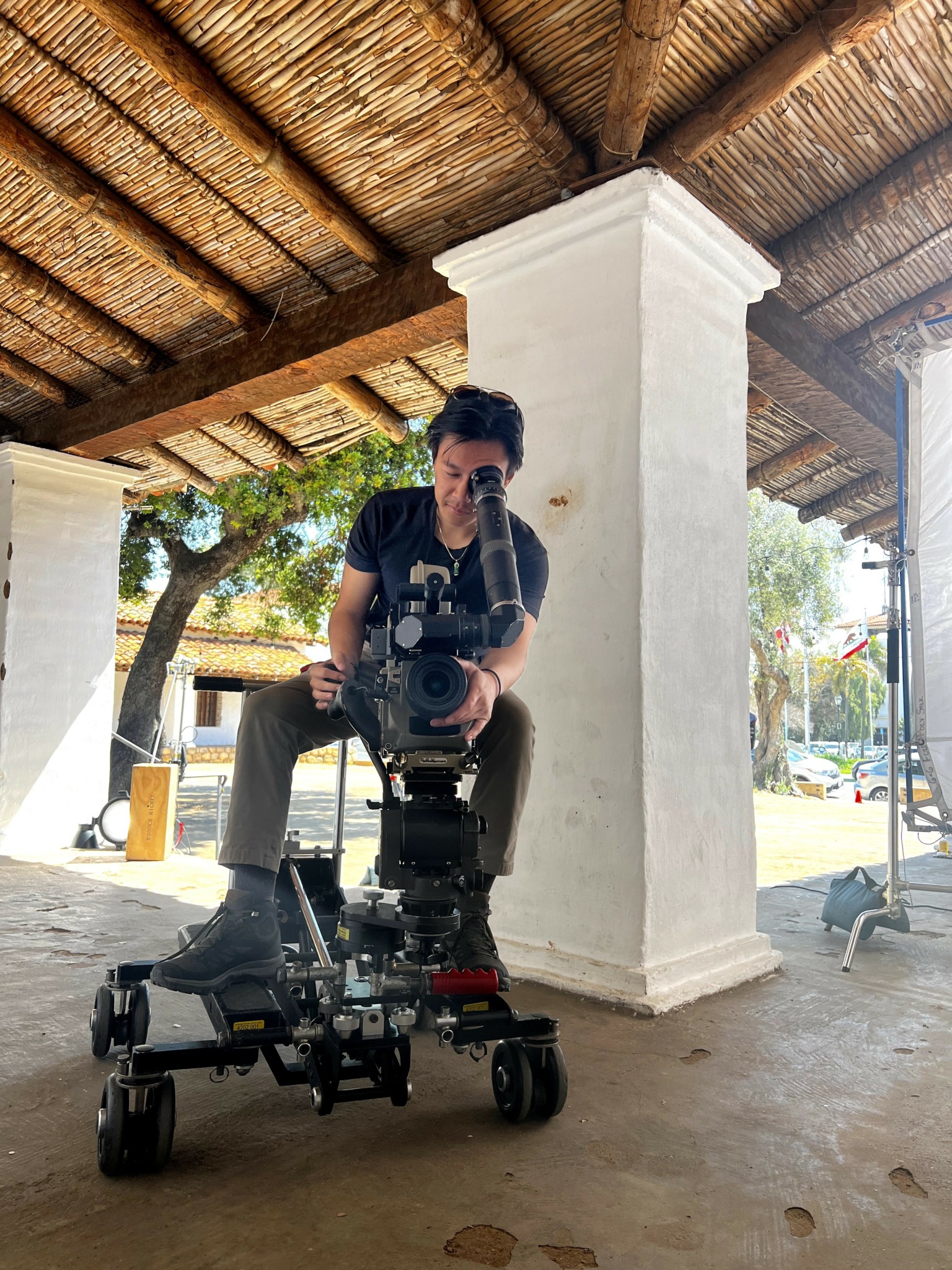
Image Credits
Nolan Doherty (Ones specifically with the large 35mm Film Camera)
Marcello Paul Frisina (Black and White)
Andrea Zhang (Picture in Bathroom)