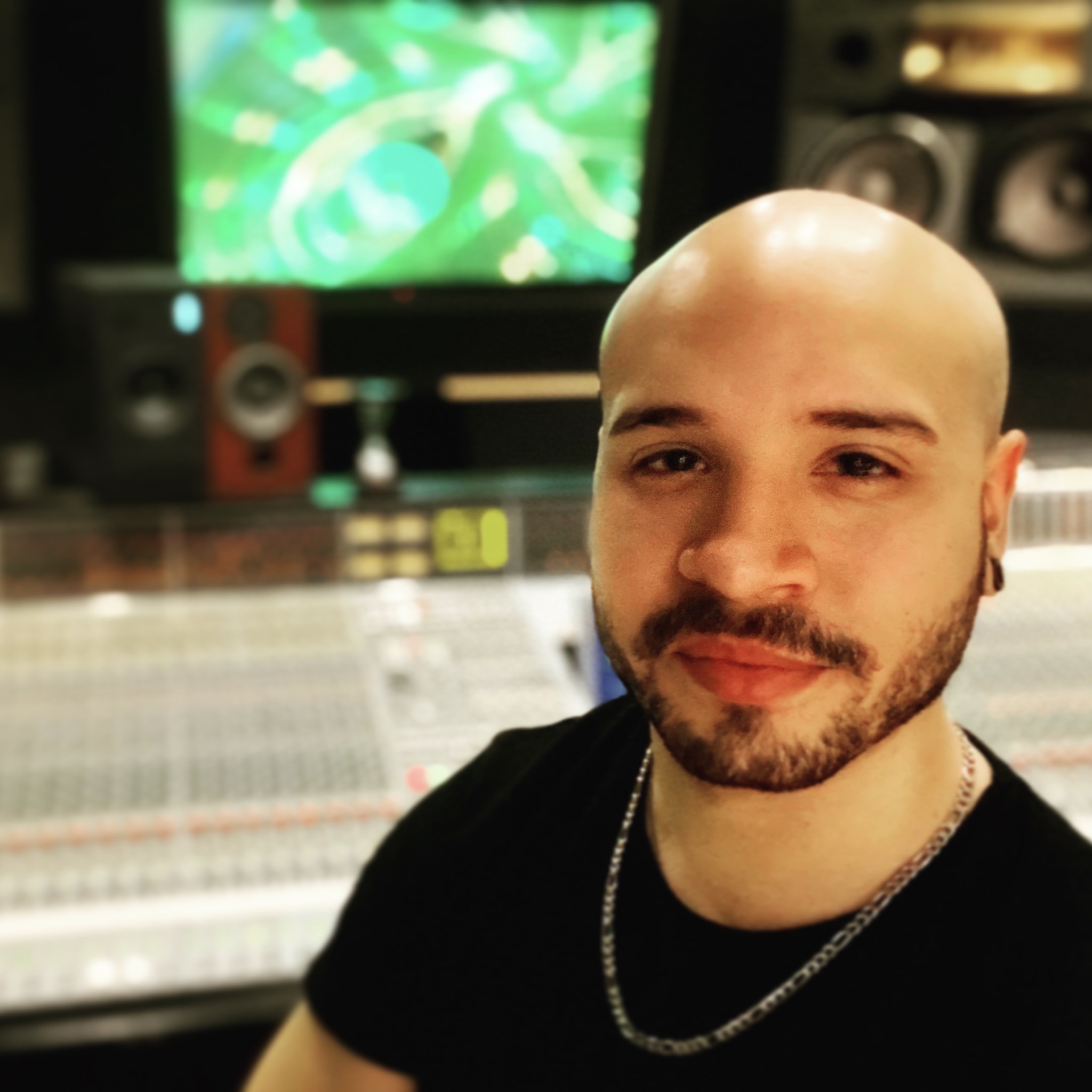

We were lucky to catch up with Brandon Peralta recently and have shared our conversation below.
Brandon, looking forward to hearing all of your stories today. Coming up with the idea is so exciting, but then comes the hard part – executing. Too often the media ignores the execution part and goes from idea to success, skipping over the nitty, gritty details of executing in the early days. We think that’s a disservice both to the entrepreneurs who built something amazing as well as the public who isn’t getting a realistic picture of what it takes to succeed. So, we’d really appreciate if you could open up about your execution story – how did you go from idea to execution?
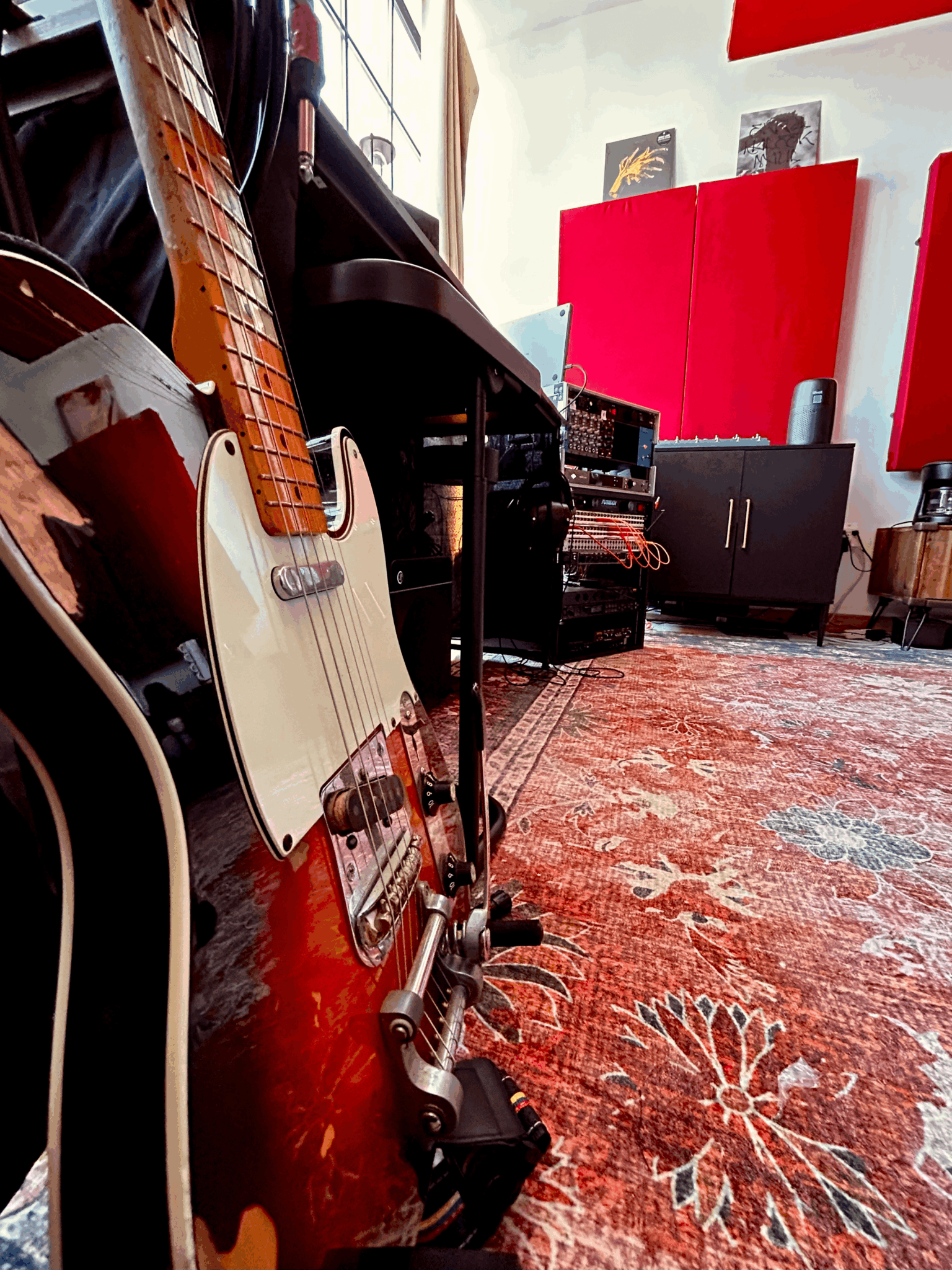
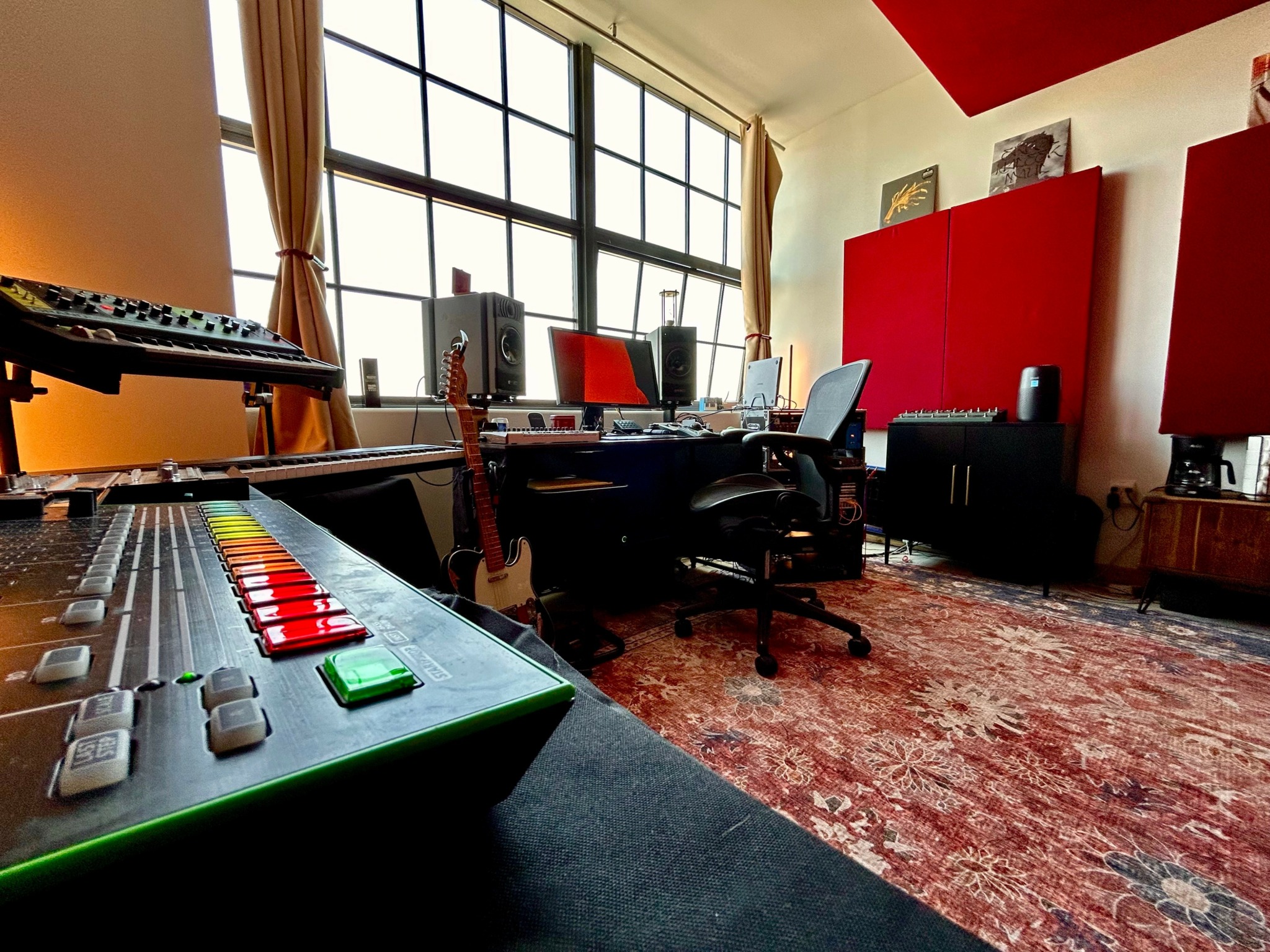
I first had the idea of opening my own space in January 2024. I had spend the last two years as the lead engineer for a recording studio owned by a major label in New York City. Working there not only afforded me the opportunity to work with huge musical artists – such as Chappell Roan, Post Malone, Marcus Mumford, and many others – but also taught me a lot about how a recording studio needs to be run in order to function properly, and deliver an experience clients will remember.
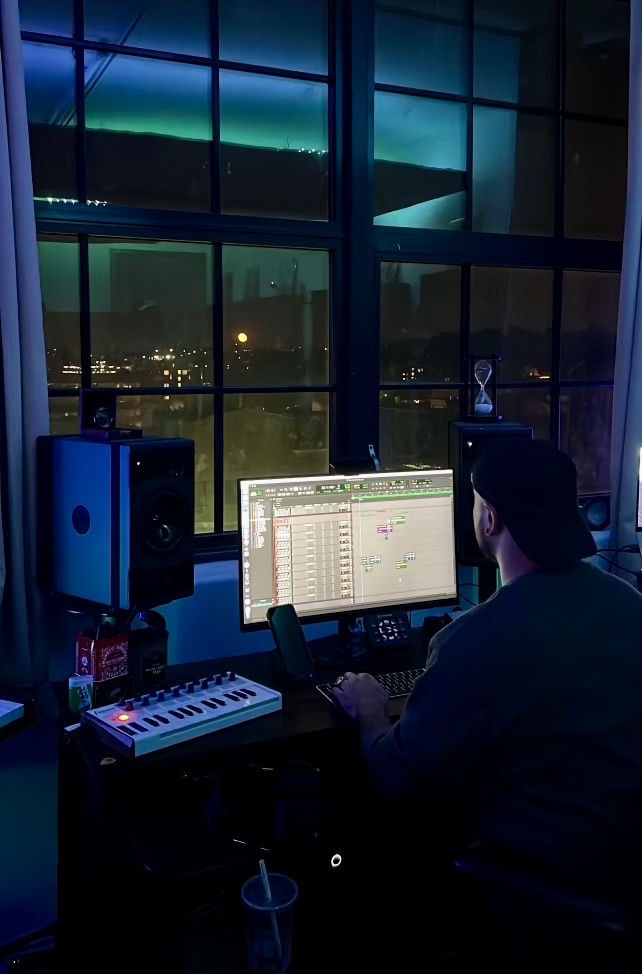
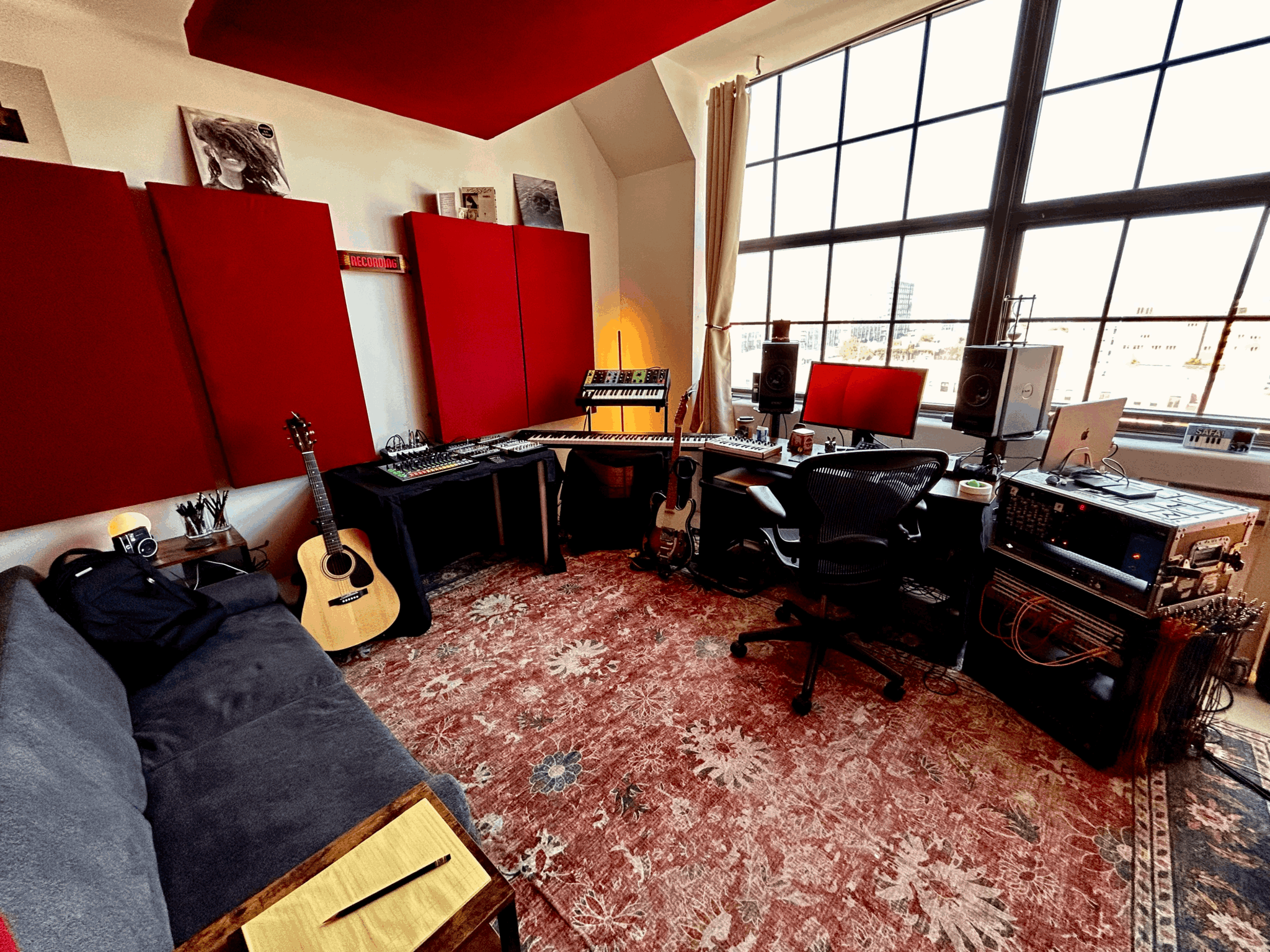
I began the planning stages for my studio during my down time at work, mostly as a pipe dream. I would make sketches on notepads for where the couch would be placed, where the speakers would go, how large my live room should be to fit musicians comfortably. The more I dreamt, however, the more detail I started to add. The sketches became more realistic. I started thinking about what KIND of speakers would be placed there. What it would I even need to build an effective live room in a small-format studio? How much acoustic treatment would I need to buy? If it’s too expensive can I build it myself? Soon after I found myself researching lumber and construction material distributors to find out how much it would actually cost. Once I started attaching dollar-values to the dream, it actually proved to be well within my reach. So I decided in early March that I would open my own recording studio, and began looking at real estate in Brooklyn.
Before I could open, I would need to find funding. I didn’t want to borrow money from friends or family, since that could get messy. I also didn’t want to find investors, as I wanted to retain all of the ownership in the studio for myself. If I was going to do this, it had to be done my way. So I took all of the sketches I made for everything I needed to build, like the Acoustic Live Room Walls, Acoustic Wall Panels, and Ceiling Acoustic Panels and calculated how much material I would need. I carefully selected the equipment I wanted that would provide clients with much more recording power than they’re used to, while still not breaking the bank. Lastly, I started building an Amazon Wish List for the furniture and appliances I would need to fill the space. Once I calculated the total cost for everything that would be in the room, I factored in the rent I was looking to pay and added 3-4 months worth on top of that to get the total start-up cost of… more money than I was comfortable borrowing from friends or family. So, I took out a personal loan for that amount, and set off on opening my studio.
Over the next few weeks, I began construction on the acoustic treatment for the space. I had already calculated the amount of acoustic treatment I would need, and where they would need to be placed to achieve the best sound. My younger brother Brian and his friend Sean are carpenters by trade, so I brought my plans and quotes to them to check my work and make sure I had everything I needed. When they saw the designs they offered to help, and we set off on building out the space. It took about four days to build all of the acoustic wall panels by hand, and another three to build the walls for the live room and ceiling clouds. Once everything was hung in place, I was able to order my furniture and audio equipment. My friend Jaydee Deleon helped me to configure all of my audio routing over the next few days, and also provided a bunch of extra equipment such as guitars, effects, and synthesizers. Once we tested everything, we invited some musician friends over for a test session, just to see how the workflow would be in the space, and to check that we didn’t leave any stone unturned. We were pleasantly surprised to find that our test session went even better than expected. So after about a week and a half of non-stop work: we finally had a recording studio.
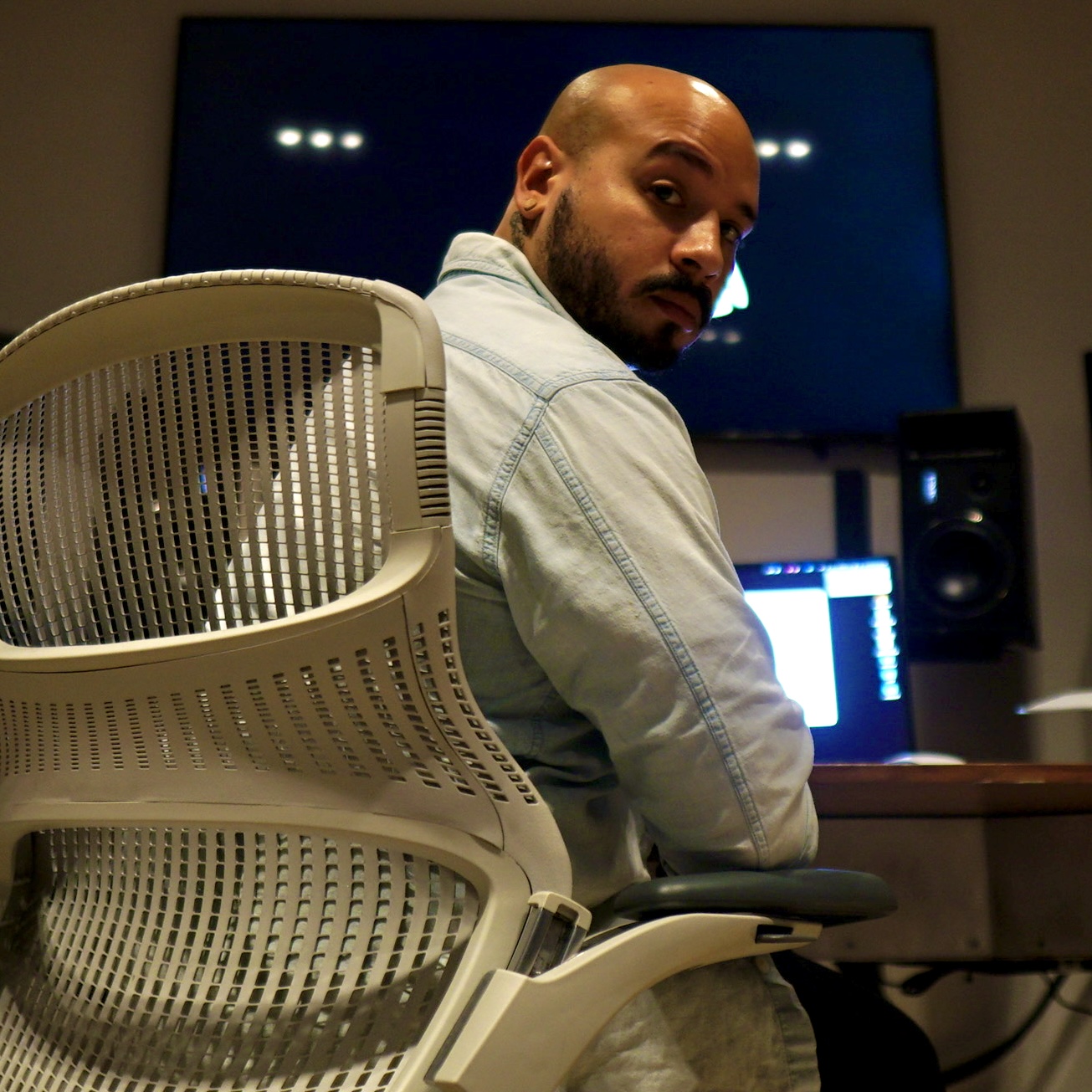
Brandon, love having you share your insights with us. Before we ask you more questions, maybe you can take a moment to introduce yourself to our readers who might have missed our earlier conversations?
I work as an Audio Engineer, in every capacity. I am a Music Producer, Recording Engineer, Mix Engineer, and Mastering Engineer. As a Music Producer, you will rarely find that I supply an artist with an instrumental and call it a day. I like to build the song around what you have to say. I want my music to react to your voice and your voice to react to my music. Music should feel like a conversation, and my goal is to get your point across in the most powerful and innovative way I can. As a Recording Engineer, I focus on capturing the most accurate and clear sound as possible for my clients. But I also like to experiment and find that unique sound that will make that artist shine. I pride myself on being one of the fastest in the industry, so the time between having an idea and capturing it is as short as possible. As a Mixer, I aim to make your song sound the way it did in your head while you wrote it. Mixing can often take your focus away from the creative side if you get too sidetracked on mixing the song instead of making the song. I like to take the technical weight of the music off the artist’s shoulders and have them focus on the artistry instead. Even when I receive notes on a mix, I always encourage artists to use visually descriptive language, rather than technical jargon. Tell me you want the strings to float like they’re made of clouds, or the bass needs to growl in anger. Tell me what you want the listener to feel or see when they listen to your music and I will get you there. Lastly, as a Mastering Engineer I aim to ensure that the mix you finalized is represented as accurately as possible across all platforms. I take great care to honor the mix as it comes in and not over process the music just for the sake of it. At the end of the day, every decision needs to serve the music first.
One of the projects I’m most proud of is my work with Kelela on their 2023 album, Raven. When this album received Pitchfork’s Best New Music the day of its release and I was listed as a producer, I actually cried. In the summer of 2022, I was contacted by Kelela to assist with organizing the project. There were a number of producers on the album, and the files were all over the place. Some were in Splice, some were in Google Drive, some were with the producers in other countries, just everywhere. I spent a good day at the kitchen table organizing the files. After I finished she thanked me and said that she could finally record the remaining vocals. She asked if I would be interested in recording them. I was extremely interested, of course, so we set up a microphone in the living room area and began recording the vocals for Contact. After we finished, we imported the vocals to the production session and as the chorus played she said something like “I wish there was a key part right there behind my vocals”. So I grabbed her midi keyboard from the table and started playing sounds while she sang the notes she was hearing. This is how we continued working for the next song, and the next song, until eventually I had added production to more than half of the record! It was an amazing experience, I still remember how excited we were when we programmed the bass parts for the bridge sections of Holier and Sorbet – we were standing over the keyboard on the table, she’d sing the parts she wanted and once we got it right we would jump around and blast it back over the speakers. I’m most proud of this, not only for how well the record came out, or the accolades it received, but also as a testament to what can be done with the simplest of tools. You can make beautiful music with what’s at your immediate disposal. Most of the vocals were recorded on a Shure Sm7b.The entire album was made with a Mac Book Pro, Yamaha Hs5 Speakers, and a 24-key midi keyboard, all sitting on the kitchen table.
Can you tell us about a time you’ve had to pivot?
I think many people have the unfortunate belief that pivot is a result of failure. I believe that pivot is a necessary result of strength and resilience. Ever since I was a child I knew I wanted to work in music. I spent my entire young adult life as a classical musician I dreamt of one day performing with the New York Philharmonic. But somewhere in my third year in conservatory, something started to shift mentally. The people around me were all so stressed and unhappy. The 6 hours we spent alone in a practice room no longer felt rewarding, and began to make us feel alone. The classical music space is so competitive, and we put so much pressure on ourselves to succeed that it came at the cost of our mental health. I remember watching the movie Whiplash, and realizing that I had been having similar conversations with the people in my life – that I had to end my relationships to focus on music, that I had to sacrifice everything to succeed as a classical musician, that being a classical musician meant being unhappy.
After third year I decided to take a gap year and re-center myself. My older brother was a resident DJ at a popular club in Manhattan called Pacha. He told me if I took my musical knowledge and applied it to electronic music, I would have potential as an artist. I didn’t think much of it, until I went to my first club in 2016. I was underaged, using a f*ke ID, and had no business being in a warehouse at 3am. Until then, I thought DJs were a joke, just pushing buttons and playing playlists. But on the dance floor, it made sense: the DJ was almost like the conductor of the dance floor. He was reading the crowd and moving them with music in a way that I could never with classical music. I decided I wold shift my focus towards electronic music. At first this pivot seemed like a failure, that I couldn’t hack it in the classical world. But truthfully, it took strength to be able to acknowledge and save my mental health. This would also allow me to stay in the field of music.
If I had stayed and tried to push myself into the world of classical music, I would have inevitably crumbled and I would have left music behind and probably went back to school and gotten a job as a pharmacist. But this pivot brought me to a school for Audio Engineering. This school was on top of the recording studio where I got my first job – and where I fell in love with engineering. This studio is where I met some of the best people in the business, and where I worked on the first albums, and first two movies of my career. This led me to where I am today, a multi-platinum Audio Engineer with their own studio in Brooklyn. I shudder to think of where I would be if I hadn’t made that pivot.
What’s a lesson you had to unlearn and what’s the backstory?
The most important lesson I had to unlearn was that perfection is the enemy of good. I believe this is a quote from Voltaire, but it applies directly to the music industry. So many artists and engineers get sidetracked by chasing the “perfect snare”, or the “perfect vocal”, or the “perfect guitar tone”. Over the last few years, I’ve come to realize that such a thing just doesn’t exist. There isn’t a simple setting you can use that will make every vocal sound perfect, or an amp that will make every guitar great, or a reverb that will make your drums huge. It’s entirely based on the context of the music. Instead of trying to fit the song into the shape of what “perfection” sounds like in my head, I instead try and make the sound the best version of itself it can be.
This often means breaking the rules. Everyone in music knows that when you record professional vocals, you should try and isolate them as much as possible to avoid things like room echo and reverb. I’ve received plenty of vocals, however, that were recorded in bedrooms with no acoustic treatment. As a matter of fact, over the pandemic I mixed a single where the vocal sounded like it was in a small concert hall. Most engineers might have told the artist to re-record the vocals, or try to clean them up to the point that it destroyed the original character of the vocal, just because a vocal recording isn’t “supposed” to have room echo in it. However, when you ask an artist to re-record a vocal, sometimes they are unable to capture the same energy in the new performance.
This performance was perfect, so instead of doing this I just didn’t add any additional reverb to the vocal! I instead added reverb to other elements in the song, to make it feel like they were in the same space as the vocal. So instead of taking the smeary vocal and destroying it with over-processing, I decided to smear the instrumentation a little to make it feel like more of a conscious artistic choice. Once I achieved that, I was able to mix the song just as I would any other song. By not focusing on chasing the “perfect vocal recording”, and focusing on the performance and the song, we were able to deliver a fantastic sounding product.
Contact Info:
- Website: https://www.enamouredsound.com
- Instagram: https://www.instagram.com/brandonperalta
- Youtube: https://www.youtube.com/@enamouredsound
- Other: Tik Tok: https://www.tiktok.com/@enamouredsound
Threads: https://www.threads.net/@enamouredsound
Personal: https://www.brandonperalta.com