

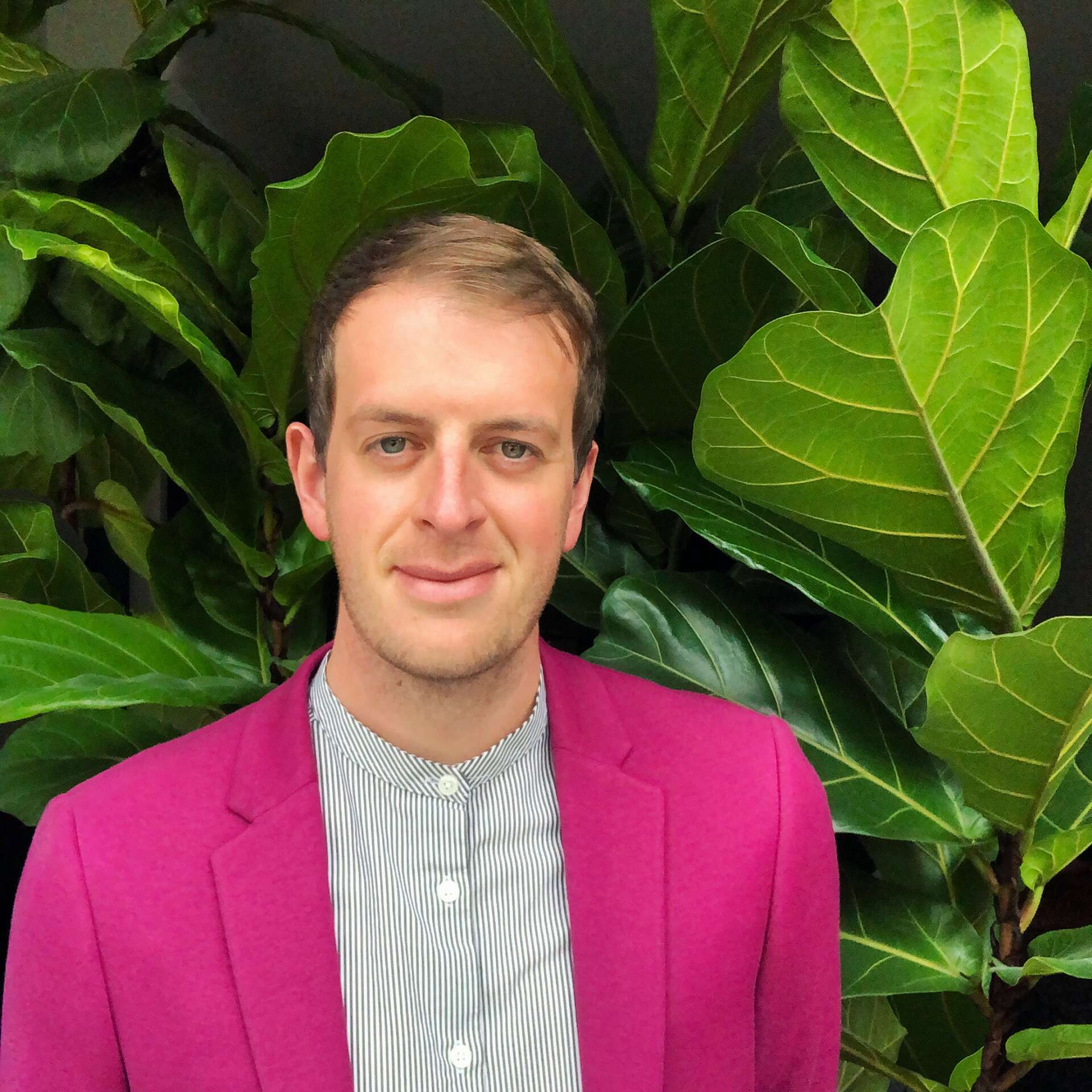

We were lucky to catch up with Brandon Cordrey recently and have shared our conversation below.
Brandon, thanks for taking the time to share your stories with us today We’d love to hear about a project that you’ve worked on that’s meant a lot to you.
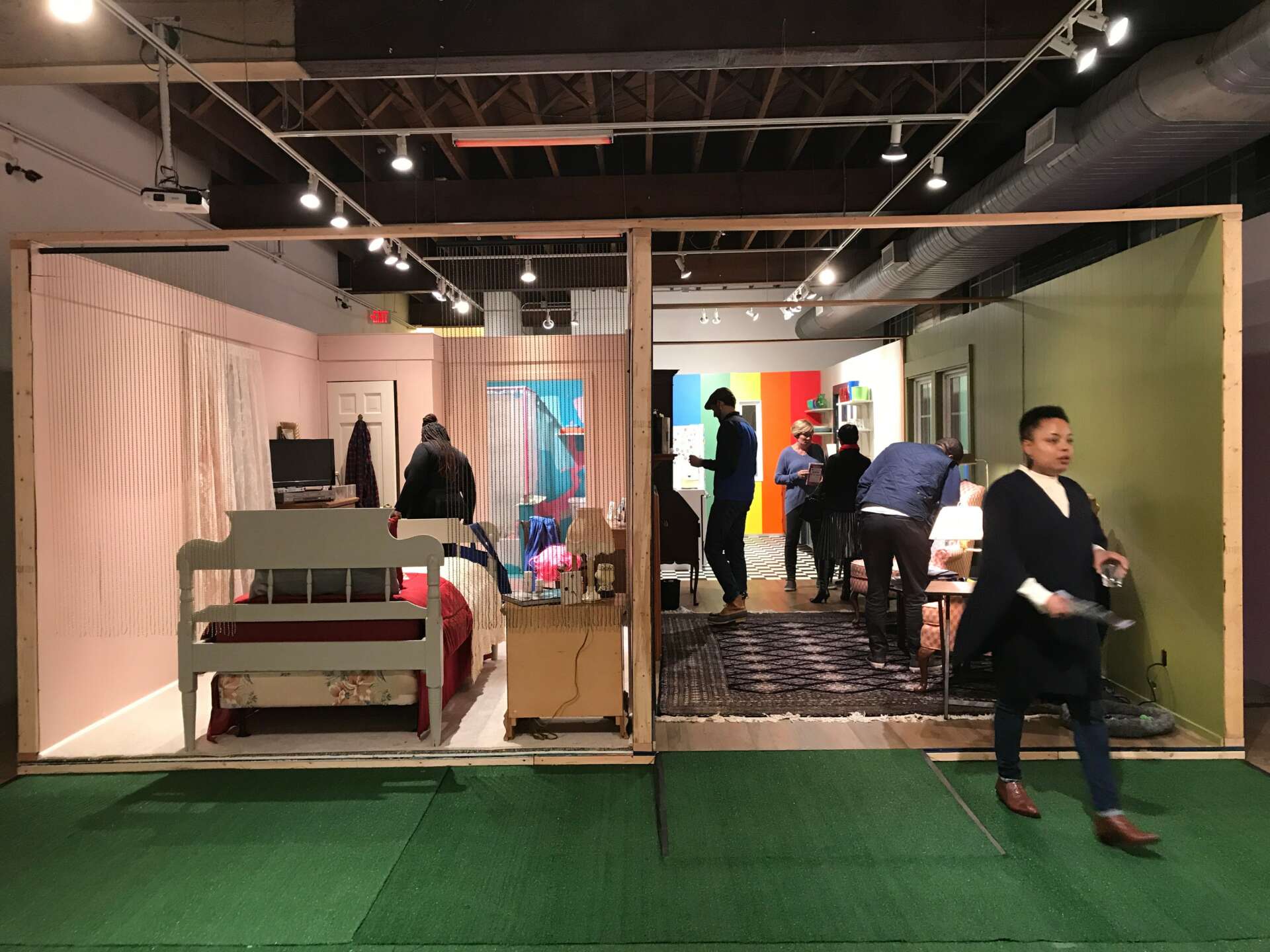
During my tenure as the executive director of VAE Raleigh we produced a project entitled “Queer Home” with participants from the LGBT Center of Raleigh. It required my team to construct a four-room house in the middle of our main gallery. The director of exhibitions, Kyle Hazard, and I built the majority of the structure, complete with raised floor, front yard, full kitchen, bathroom, living room, and bedroom. The participants from the LGBT Center were all members of four groups that regularly meet as programs of the center: The Trans Initiative, SAGE (older queer individuals), Black Literary Lesbians, and a support group for queer youth. Each group took on a room and fully transformed it to provide an immersive experience for viewers that depicted their queer experience. Details included an AIDS quilt and closeted costume changed in the SAGE group’s bedroom, a Sharps Container in the Trans Initiative’s bathroom, and a bright and proud rainbow wall in the youth group’s kitchen. As a queer artist, the impact of this project was very personal. It was also special because I was able to contribute my own creativity and elbow grease, combining my role as an administrator in the arts and an artist myself. I constantly look back at this project with a mix of awe and fond feelings for the team I got to create with and the thought-provocking spectacle we were able to create.

As always, we appreciate you sharing your insights and we’ve got a few more questions for you, but before we get to all of that can you take a minute to introduce yourself and give our readers some of your back background and context?
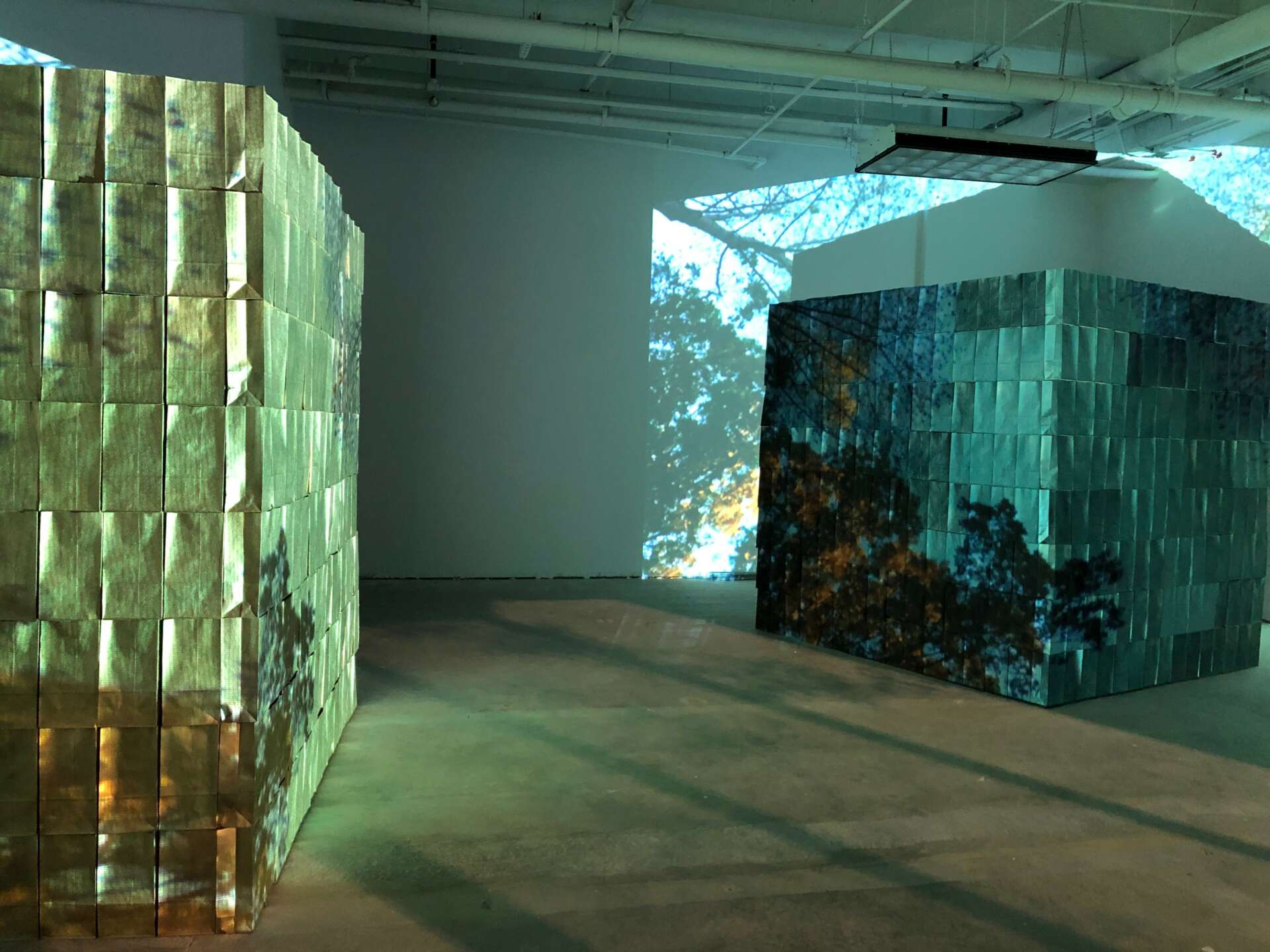
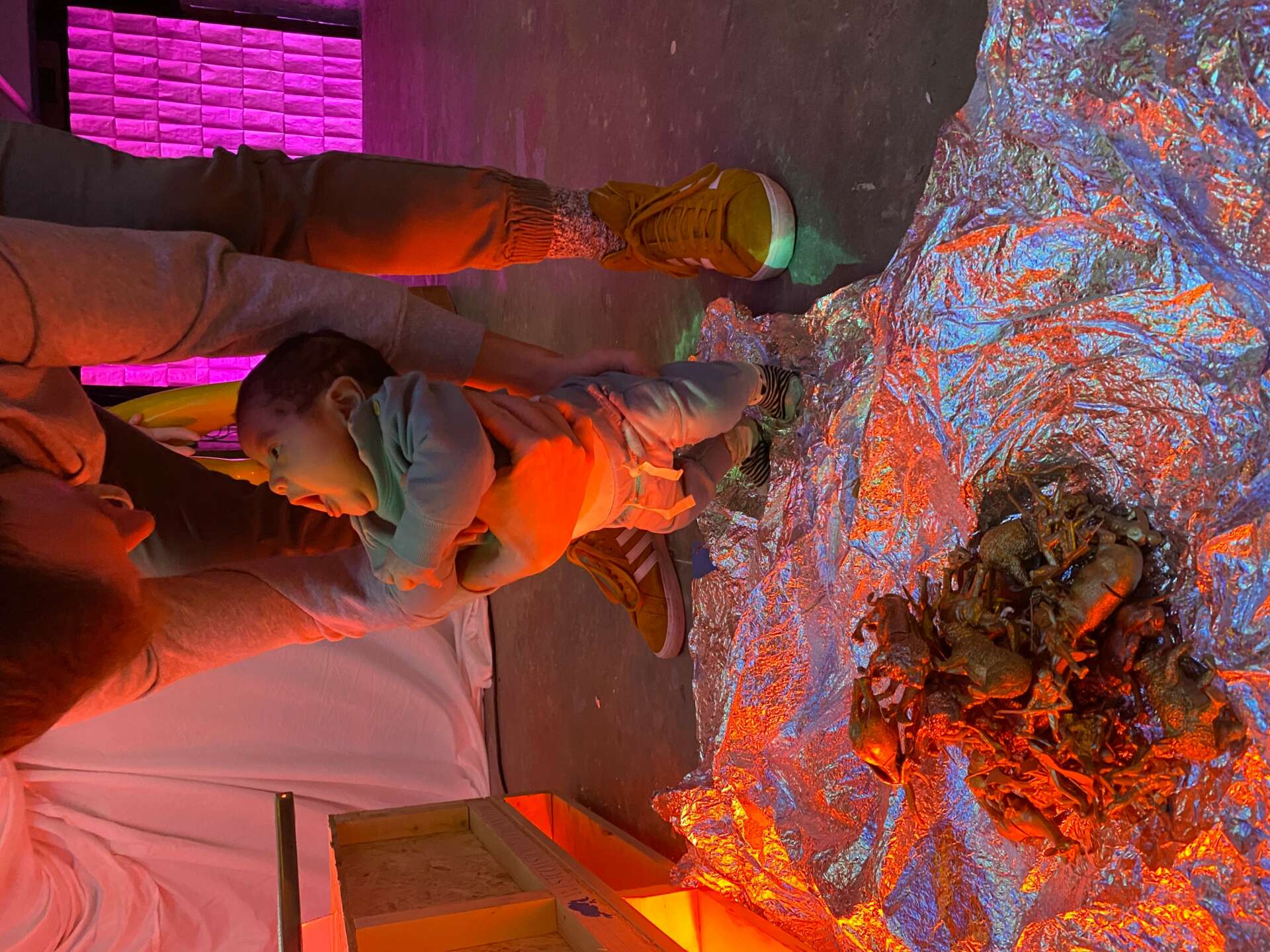
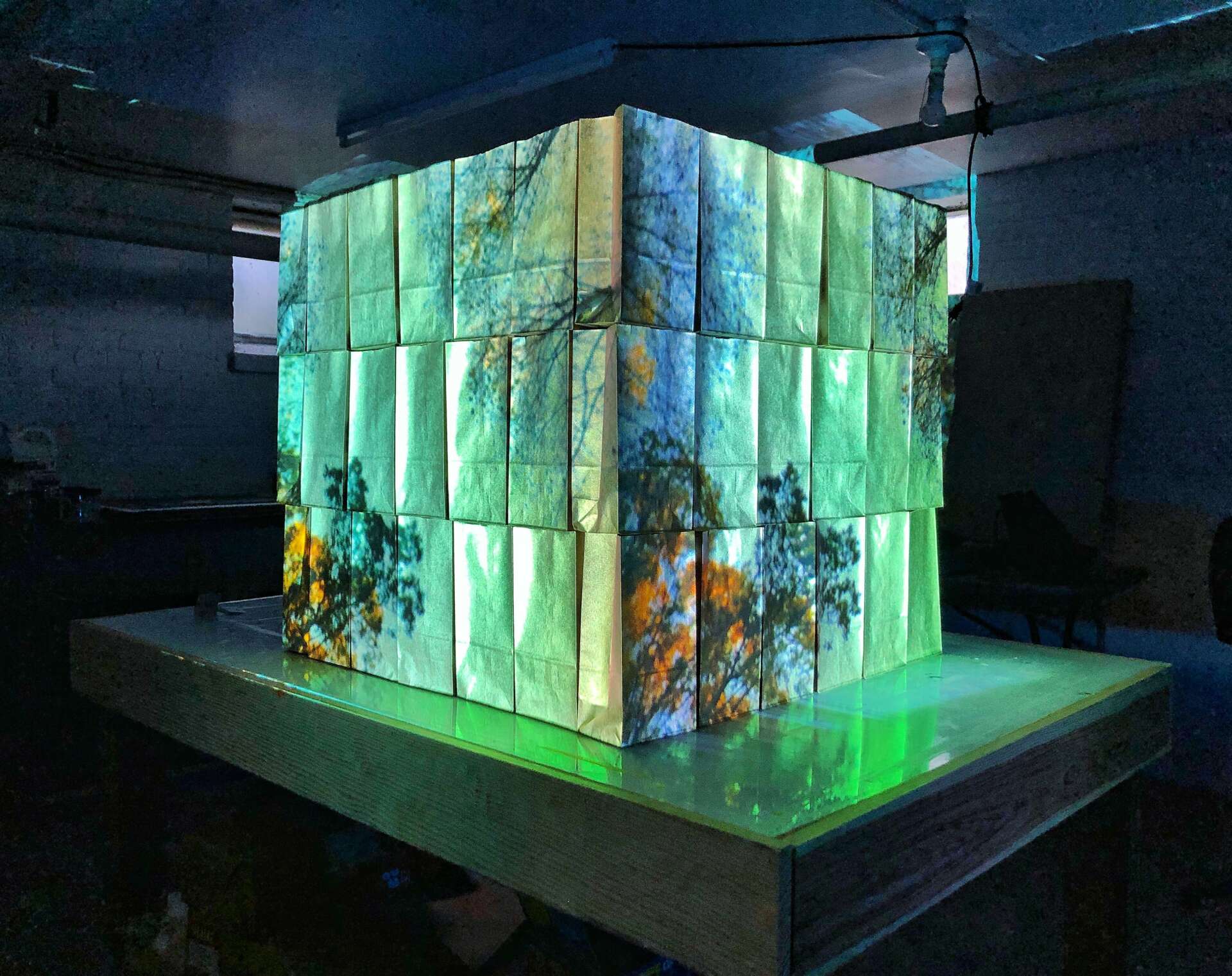
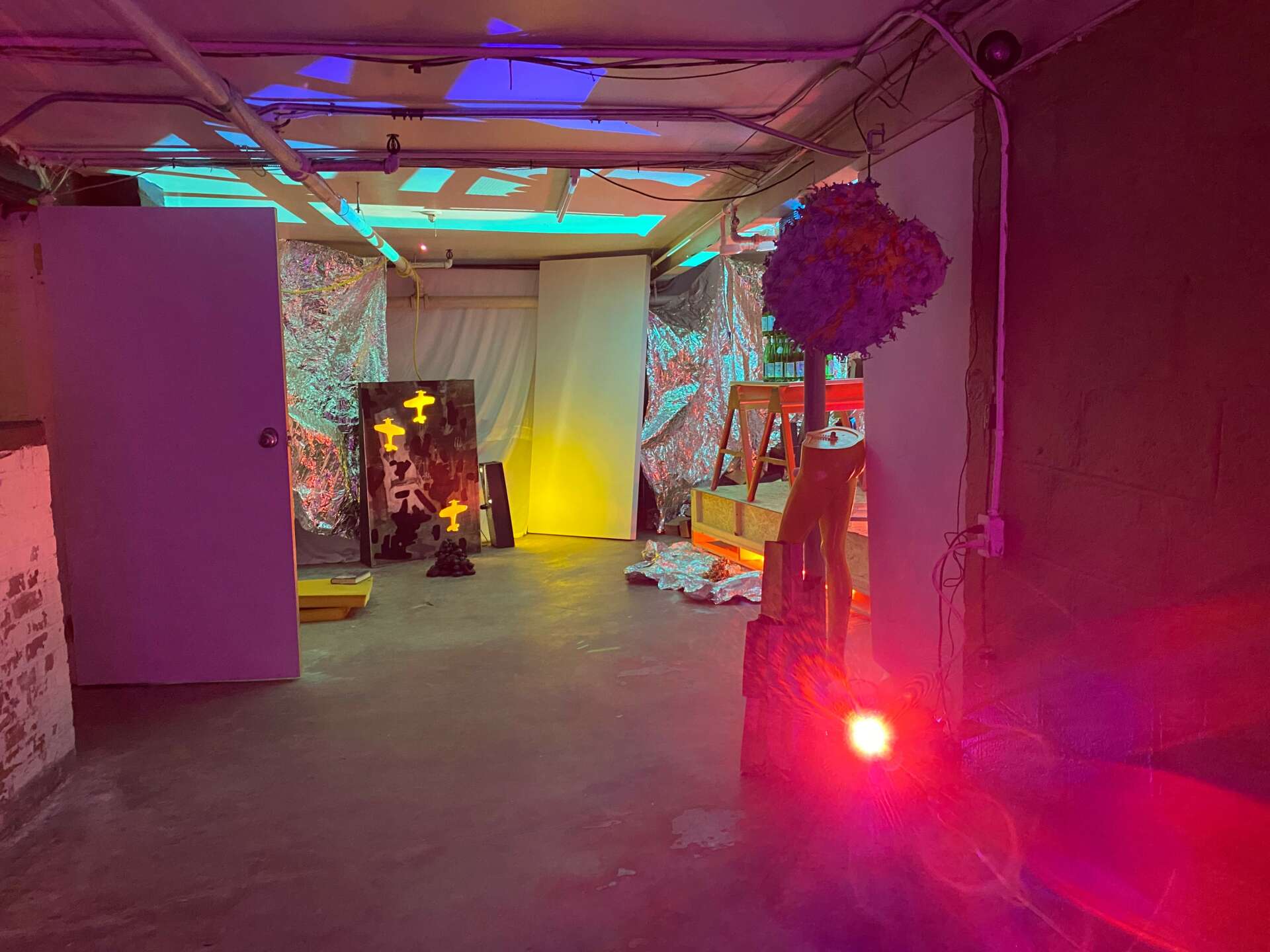
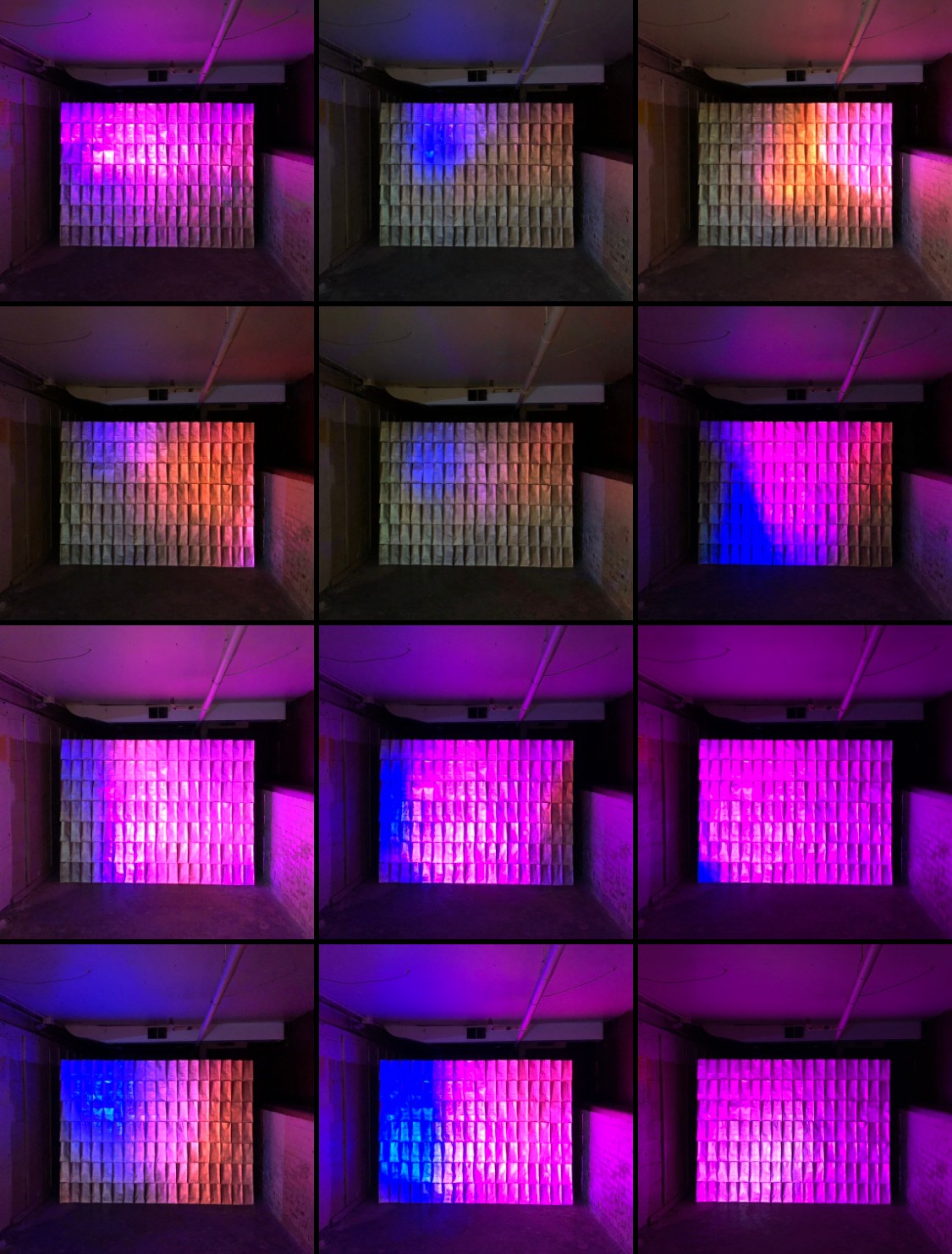
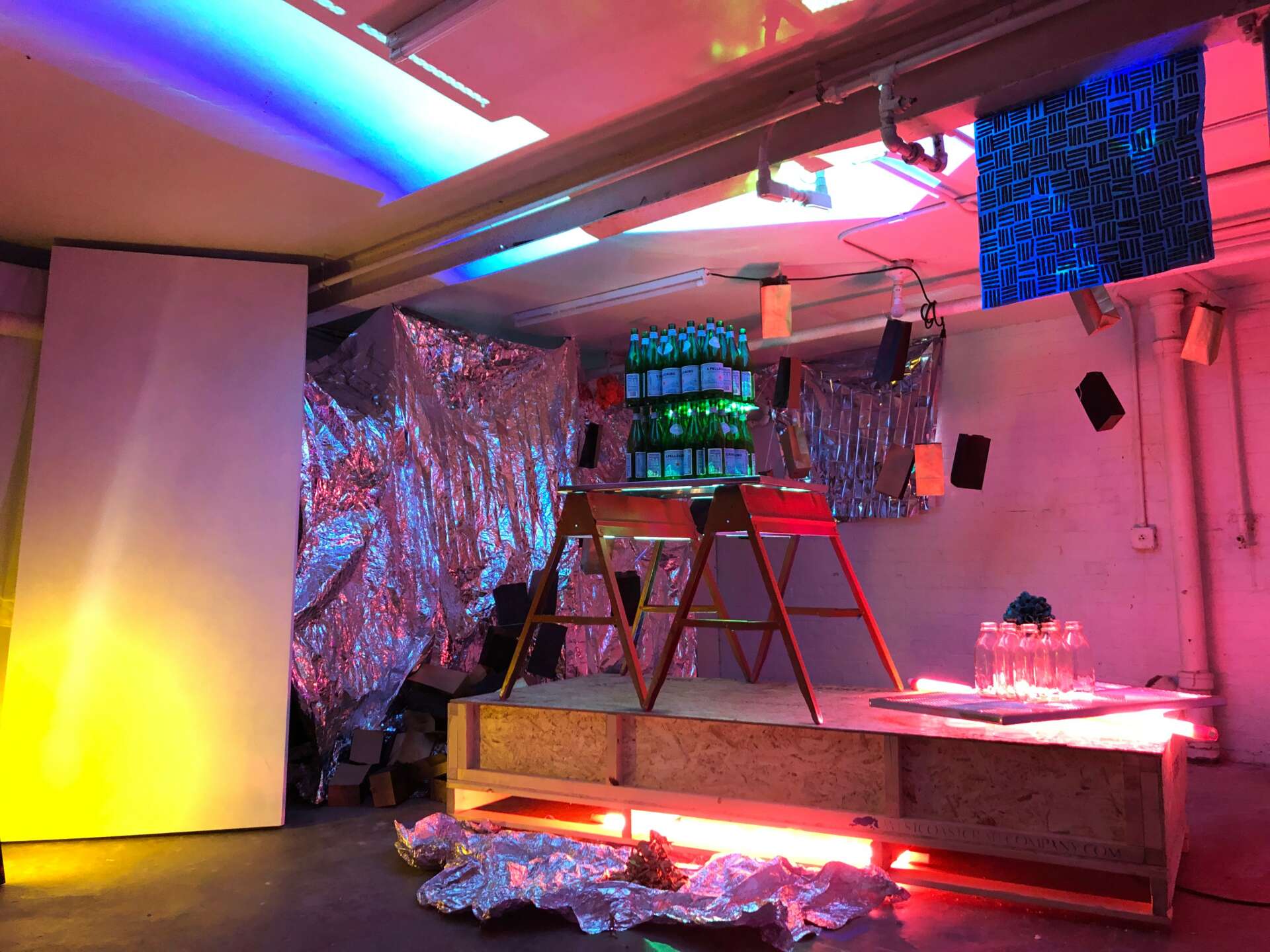
I was creative from a very young age and it was sort of never questioned that I would study studio art in college. I attended ECU’s School of Art with a concentration in painting and drawing. It was a very formative experience for me and the first opportunity I had to spend so much time with other people who had decided that their art would also be their professions. I began working at the Greenville Museum of Art during my sophomore year. In my mind, arts administrative work just made sense because it enabled me to fully immerse myself in the arts while maintaining a studio practice and paying my bills. That first job opened the doors to working at two galleries, two museums, and multiple arts nonprofits before eventually joining the team at VAE and then becoming the Executive Director. In the 15 years since I landed my first arts administrative job, the pendulum has constantly swung back and forth between spending the majority of my time in my personal studio and in my role as an arts leader. My studio practice has also consistently changed to match my creative and conceptual ambitions. Ranging from traditional charcoal drawing to full-scale installations. During this past year I transitioned out of my role at VAE and also had my first child. Right now I am really focusing on being a parent and a homemaker, but I’m also proud to say I’ve built a full-scale installation for my studio building’s latest open house with my son in mind. He loves light so I filled the space with projections, lights, and reflective surfaces and it was fantastic to see the work through his eyes. He is by far my favorite client I’ve ever worked with. I’m looking forward to taking him to the studio and hopefully making work with him in the future.
What can society do to ensure an environment that’s helpful to artists and creatives?
Direct funding for artists is key. I live in North Carolina and while corporations, the state, and many municipalities provide strong funding for arts non-profits, there is very little funding going directly to artists in support of their individual ideas. This means we have a lot of presenting organizations with not a lot to present. It’s hard to convince creatives to move to your region of there is no direct support for their work. We have to invest more money into the creative class if we want to have a thriving, regenerative, and fresh community of artists who produce the work that drives economic development and tourism.
What do you think is the goal or mission that drives your creative journey?
I am in a very experimental phase of my creative life. I have multiple paths in front of me and a lot of time to explore where I want to go next. At the moment, my main mission is to be a good parent, but that also leaves me with some spare time and a lot of underutilized creativity. I am really excited to make art for my son to experience, so this is likely going to mean a lot of installation work with lights, projections, and build outs. I had entered a period of creative burnout before his birth, but getting to see my own work through his eyes is extremely invigorating. So I’m mostly looking to build things that will astound and delight him (and my inner child).
Contact Info:
- Website: [email protected]
- Instagram: bmcordrey
Image Credits
All photos were taken by me.