

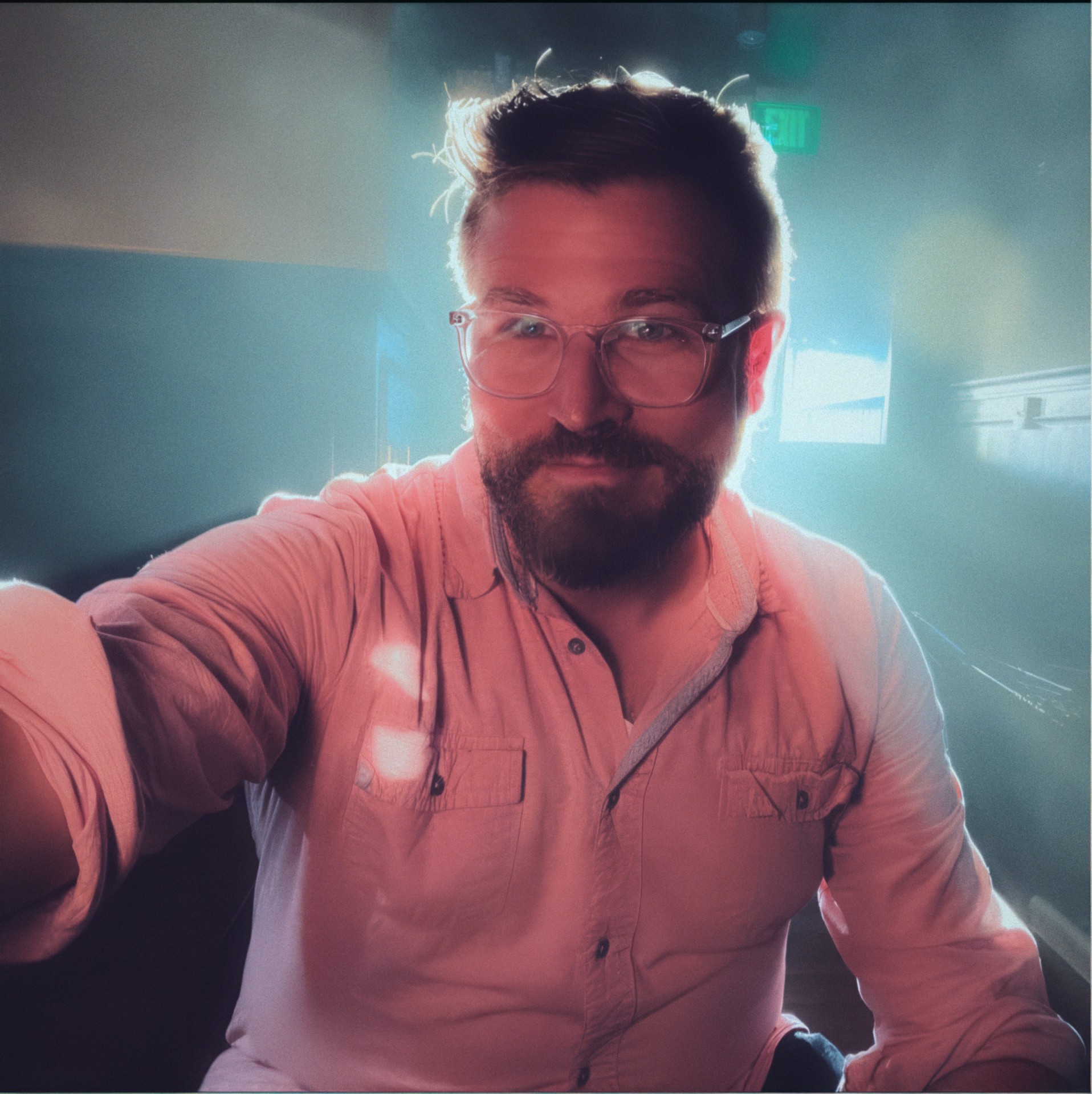

We caught up with the brilliant and insightful Bradley Torreano a few weeks ago and have shared our conversation below.
Alright, Bradley thanks for taking the time to share your stories and insights with us today. f you needed to find a key partner or facility – how did you find them, what was the process of striking a deal like and what would you do differently knowing what you know now?
I started filming a documentary in Detroit with no contacts, only a director who I had just met a month earlier. His work was impressive and I put my trust into him much earlier than I was used to. That was hard to do, but I felt like he was honest and measured in our conversations, and I appreciated his candor. I was wary of unearned enthusiasm, and he did not offer any of that. In turn, he was collaborative in the best way possible: he shared his contact list. His endorsement of production staff led to further recommendations, and soon I had pulled together a firm crew that stayed relatively untouched from the first day to the last.
What made the difference was the word I used earlier: trust. I gave myself up to the process, abandoning the caution that had swaddled me tightly in a 16-year career as a corporate video producer. I still maintained a level-headedness that kept me mildly guarded, but just the smallest bit of basic conversation and goal setting made for the best working relationship I’ve ever maintained with a staff. I led with a large dollop of truth: this is how much money I have, this is the expected workload, and this is the time allocated to finish the shoot. Within those confines, I was pleasantly surprised to find that I landed everyone I wanted to work with in deals that benefitted both of us. They could see I was prepared, I had considered the variables, and I knew where to move around budget to make things work. When we travelled out of town, I used the same mentality and often found a reliable whisper network of professionals that I could tap into once I found the right person to chat with.
Even when things went wrong – and in 2022, COVID did its best to create that chaos – I was educated by those around me about the common courtesies I should extend crew. Navigating kill rates, LLC payment structures, and permit fishing became easy when I simply asked people what I should understand about their local crews. Are you unfamiliar with these terms? I was too, until I was honest about my desire to lead truthfully. I did not always get it right the first time, but I tried to make it right when I didn’t, and 99% of the people appreciated the effort.
Filmmaking is half enthusiasm-fueled belief and half budget-dependent reality. I had a small crew with enough backing to do all of this without the latter being a problem, while the former is harder to guarantee. What everyone could see is that I worked very hard to maintain a level of honesty, and that freedom to speak freely was the magic key to get people on board with the vision. Leaving key decisions up to people who were hired to be better than me fosters enthusiasm more than any fancy catering or empty promises of future work, i.e. the tools of people who value being liked over being real. Learning to say “I don’t know, what do you think?” bought me as much good will as I needed to get the best result, regardless of my budget.
Great, appreciate you sharing that with us. Before we ask you to share more of your insights, can you take a moment to introduce yourself and how you got to where you are today to our readers.
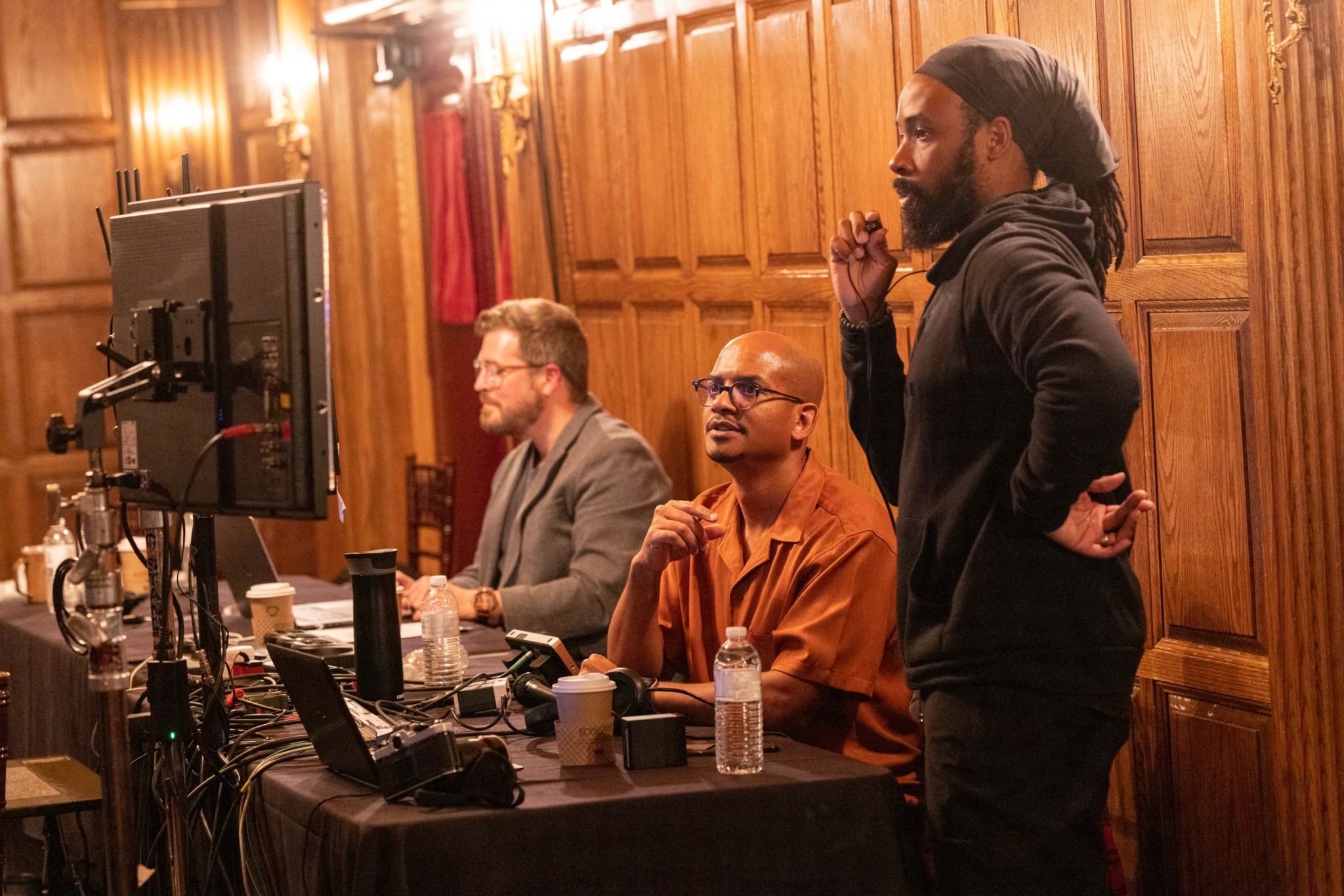
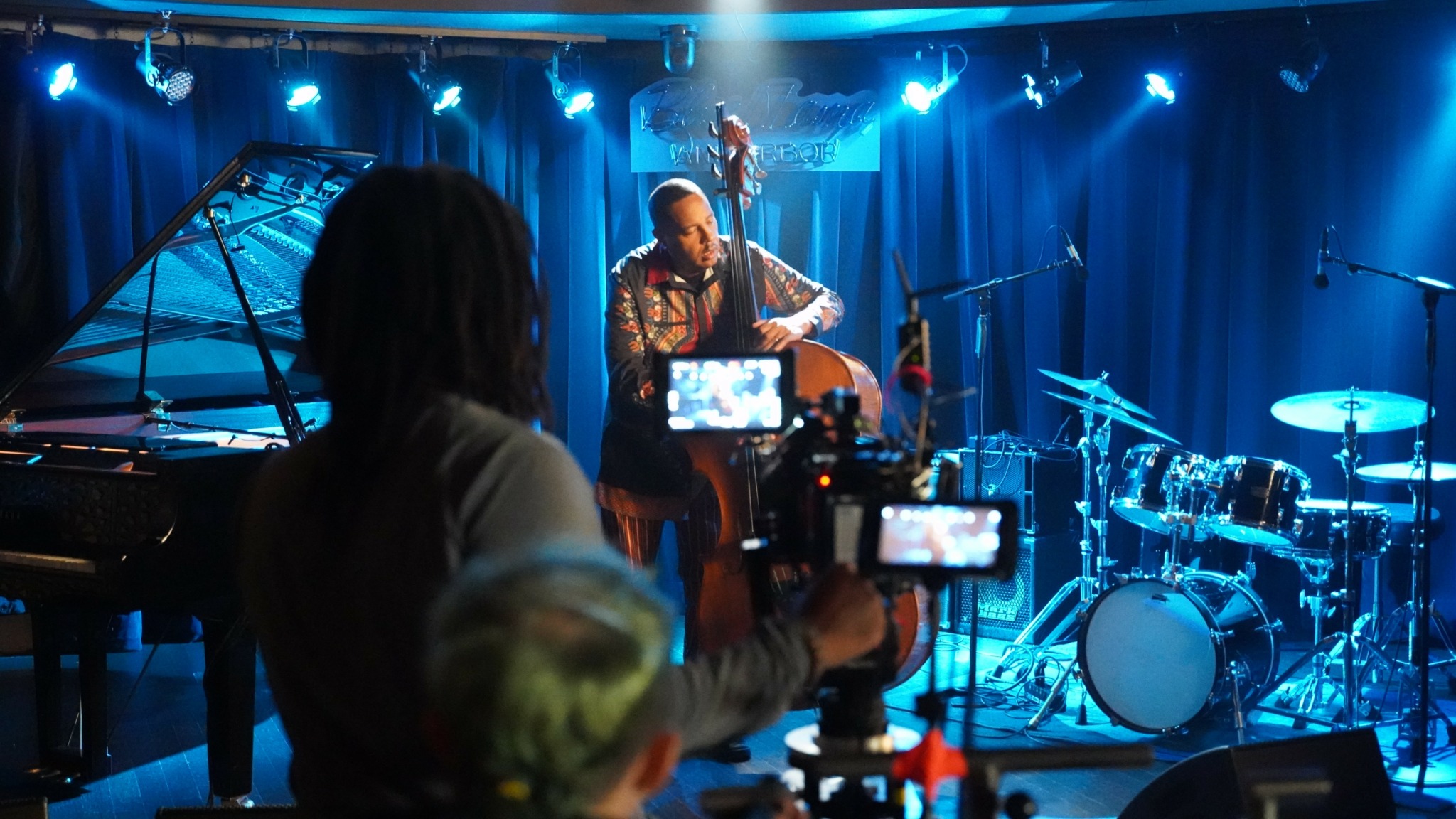
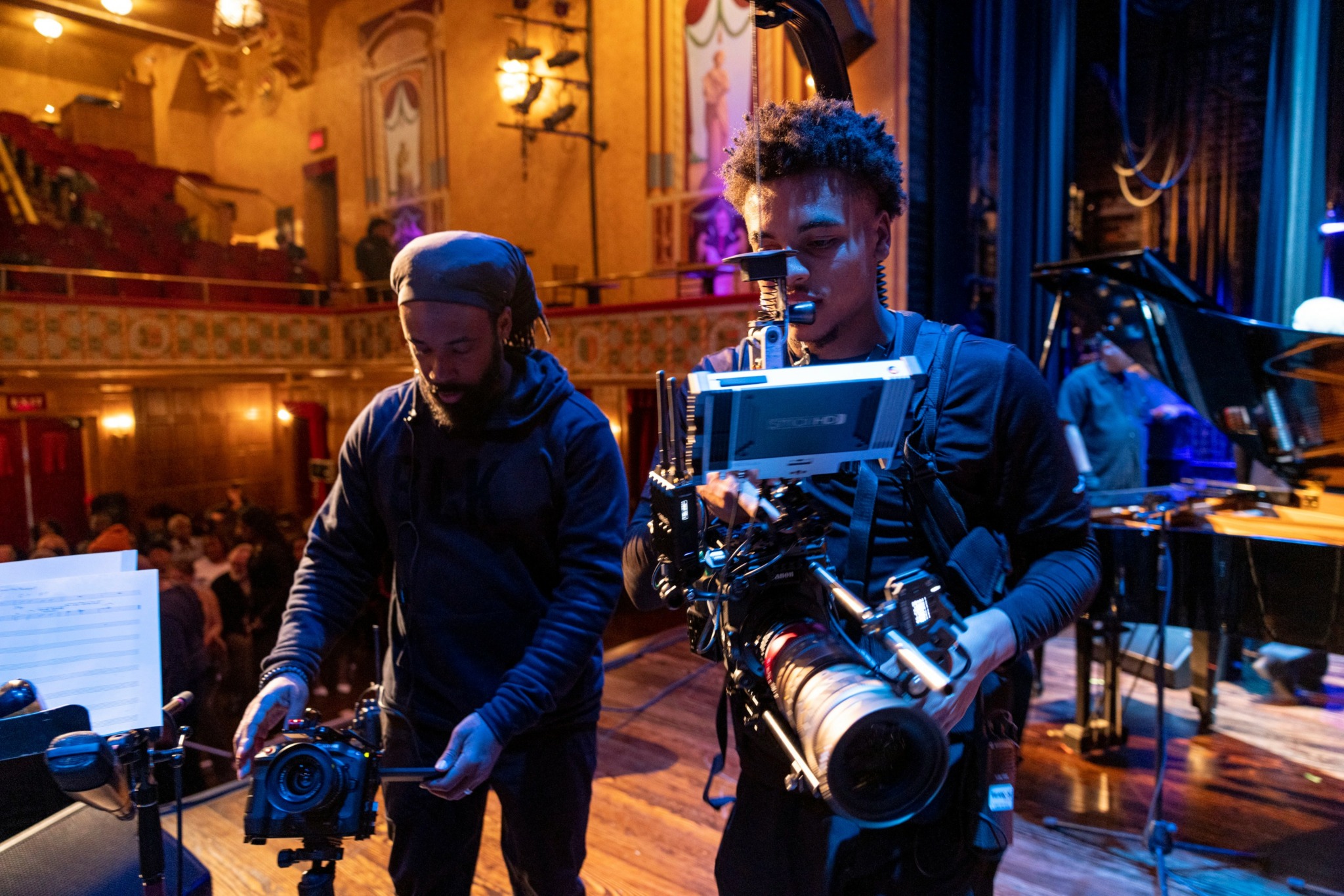
I am a filmmaker that operates Sunne Side Productions, a production office in Michigan. Outside of my own projects as a producer, I help creative film projects at any stage of development, from pre-production to remastering previously released films. I work with filmmakers to help navigate their funding path and security, set them up with appropriate creative associates, and often fill a producer-level role on their project. I take away the stressful elements of creative filmmaking and construct appropriate boundaries for the budget a filmmaker is working with. Most importantly, I treat people fairly and find ways to help them through difficult situations with a level of calm and truthfulness that concentrates on solutions, not hard stops.
How did you put together the initial capital you needed to start your business?
I started with little understanding of what I needed outside of advice and capital. I started with advice, and so I looked at my list of corporate clients and zoned in on 10 people whose feedback I would want to hear. As I requested conversations, I saw quickly that my clients fell into two camps: happy to help, and permanently busy. I eventually found myself sitting at an outdoor deli with a successful entrepreneur who had similar tastes to my own, as well as a penchant for risk.
As I explained my desire to branch into the film industry and leave the safety of my job, he made me a fascinating offer: work for him and learn best business practices under his roof, and branch off within the first year and start my LLC as a part-time endeavor in which I would get support from his team of professionals. It wasn’t perfect (nothing is) but my enthusiasm led to garnering significant seed money from him when I was ready to start my LLC, which in turn kick-started my first project and the landslide of information and gear that came with it.
I am well aware that’s a rare golden ticket situation, but I never would have encountered it if I hadn’t reached out to a variety of individuals who didn’t need anything from me. By showing up prepared and with a realistic understanding of what I didn’t know about starting a business, it set me up for a successful business relationship when I was still at the advice stage.
Is there a particular goal or mission driving your creative journey?
I spent years working with filmmakers that wore their low budget roots as a suit of armor that “protected” them from planning ahead, scheduling responsibly, or confirming deals, I watched people throw away thousands of dollars as they pretended they were saving money by avoiding payments, trusting unreliable sources of talent/money, and embracing a comfortable laziness that felt good to them. When I was finally at the top of a film’s org chart, I approached every conversation with “what would I want to know?” as the guiding principal.
It was tremendously uncomfortable at first, and it made me realize how much easier it would have been to move forward with a hope and a prayer instead of planning and budgeting. That might sound backwards, but I realized that anything that felt easy had two paths: it was easy because I was overlooking major issues, or it was easy because I worked hard beforehand on a plan. The former is a surefire way to kill your relationships or budget, and the latter feels easy in the long run even when it feels stressful and difficult as you first start.
Contact Info:
- Website: https://www.sunneside.com
- Linkedin: https://www.linkedin.com/in/brad-torreano/
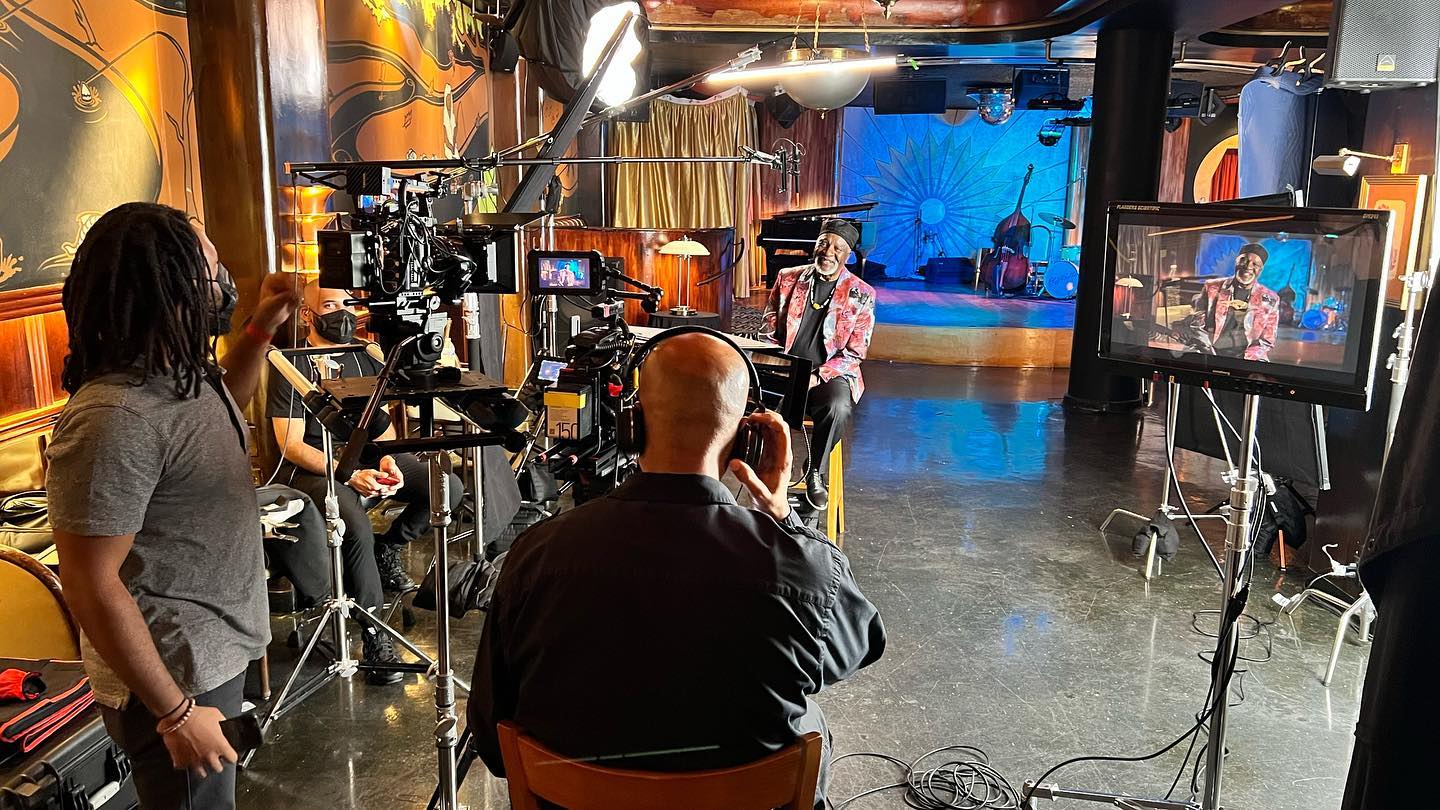
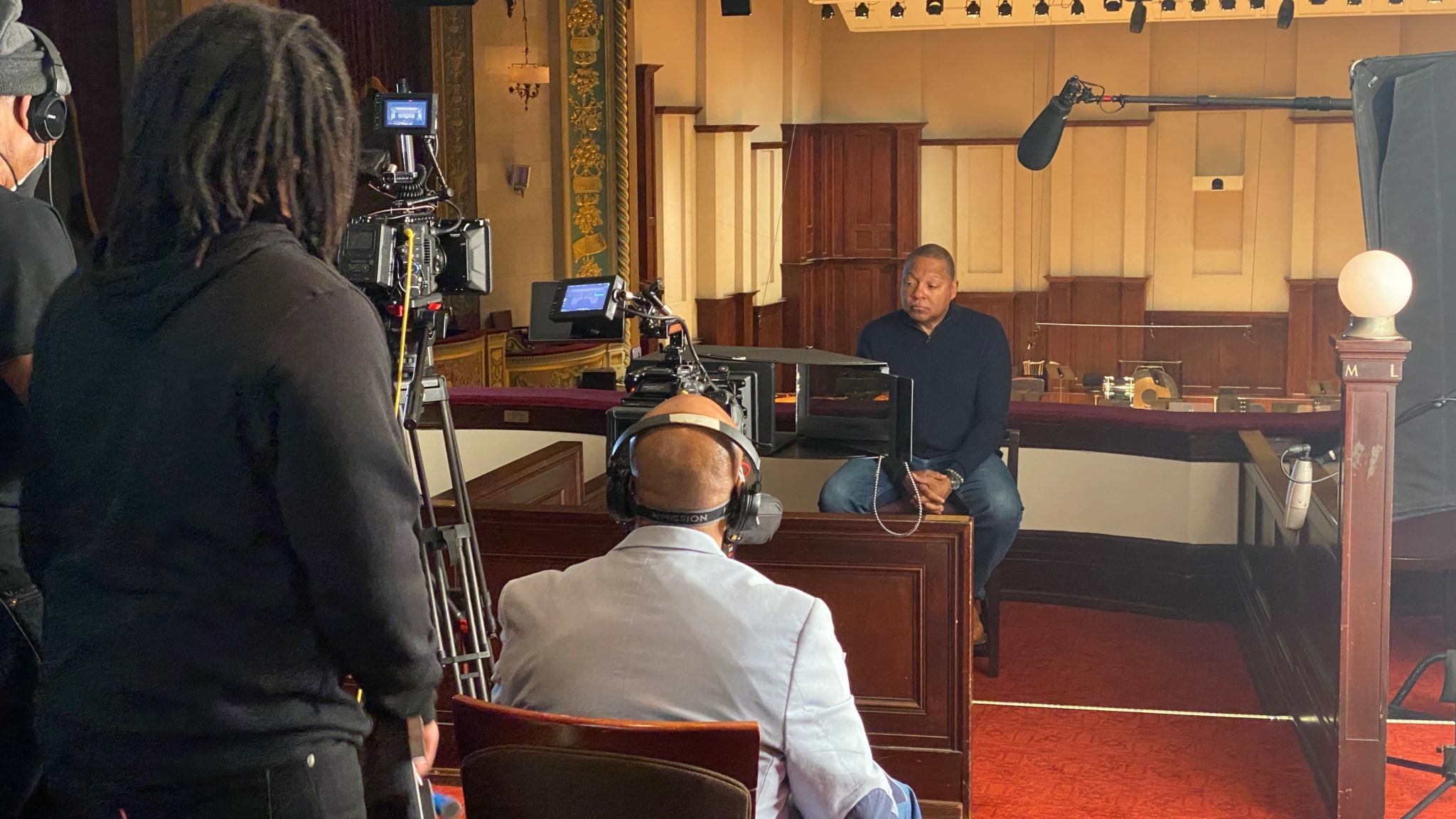
Image Credits
D87A6445.jpg and D87A6205.jpg taken by Monica Morgan Photography