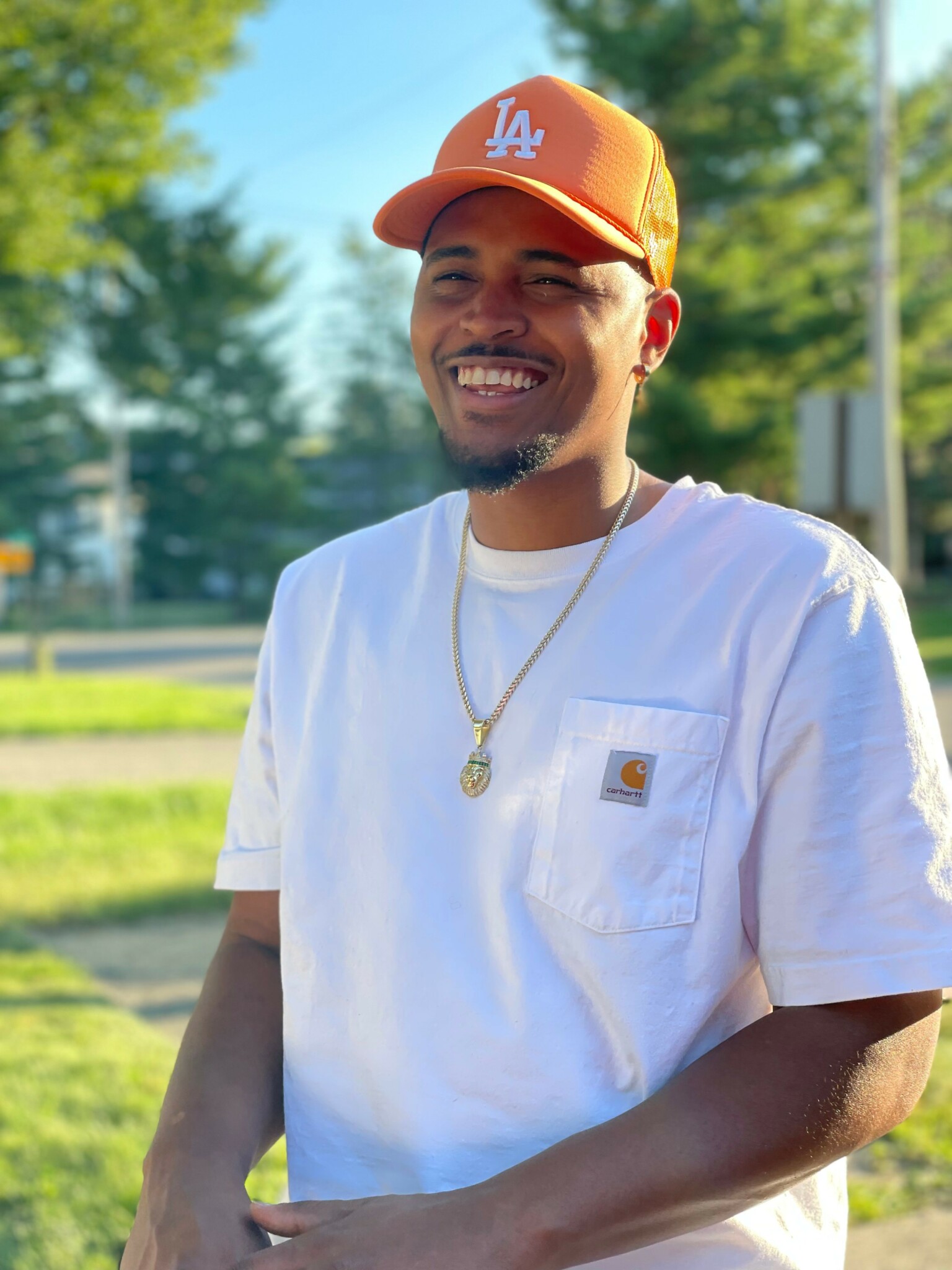

We were lucky to catch up with Booker Newton recently and have shared our conversation below.
Hi Booker, thanks for joining us today. Did you always know you wanted to pursue a creative or artistic career? When did you first know?
I’ve always loved music. Growing up, my parents played music throughout the day and taught us about the artists behind the songs. They introduced us to a wide range of music, from The Temptations to 2Pac, sharing not just the songs but the stories behind the artists and how that music impacted their own lives. My cousins also played a big role in shaping my taste, introducing me to artists like Paramore and Daft Punk. Being exposed to such diverse sounds and styles helped me develop a deep appreciation for music as both an art form and a storytelling tool. The biggest lesson I learned through all of this was the importance of understanding and appreciating the lyrics—every song tells a story, and that story deserves to be heard and valued.
My introduction to making music came through Kanye West’s College Dropout. I was captivated by how he sampled different artists in his beats, but it was the song “All Falls Down” that truly drew me in. The way he guided me through the song with his lyricism left a lasting impact.
From that moment, I knew this was something I wanted to pursue. I started diving deeper into the art of songwriting—focusing on what was being said, how it was being said, and how each idea connected from one verse to the next. The details matter, and I love sifting through them to create songs that feel cohesive and meaningful.
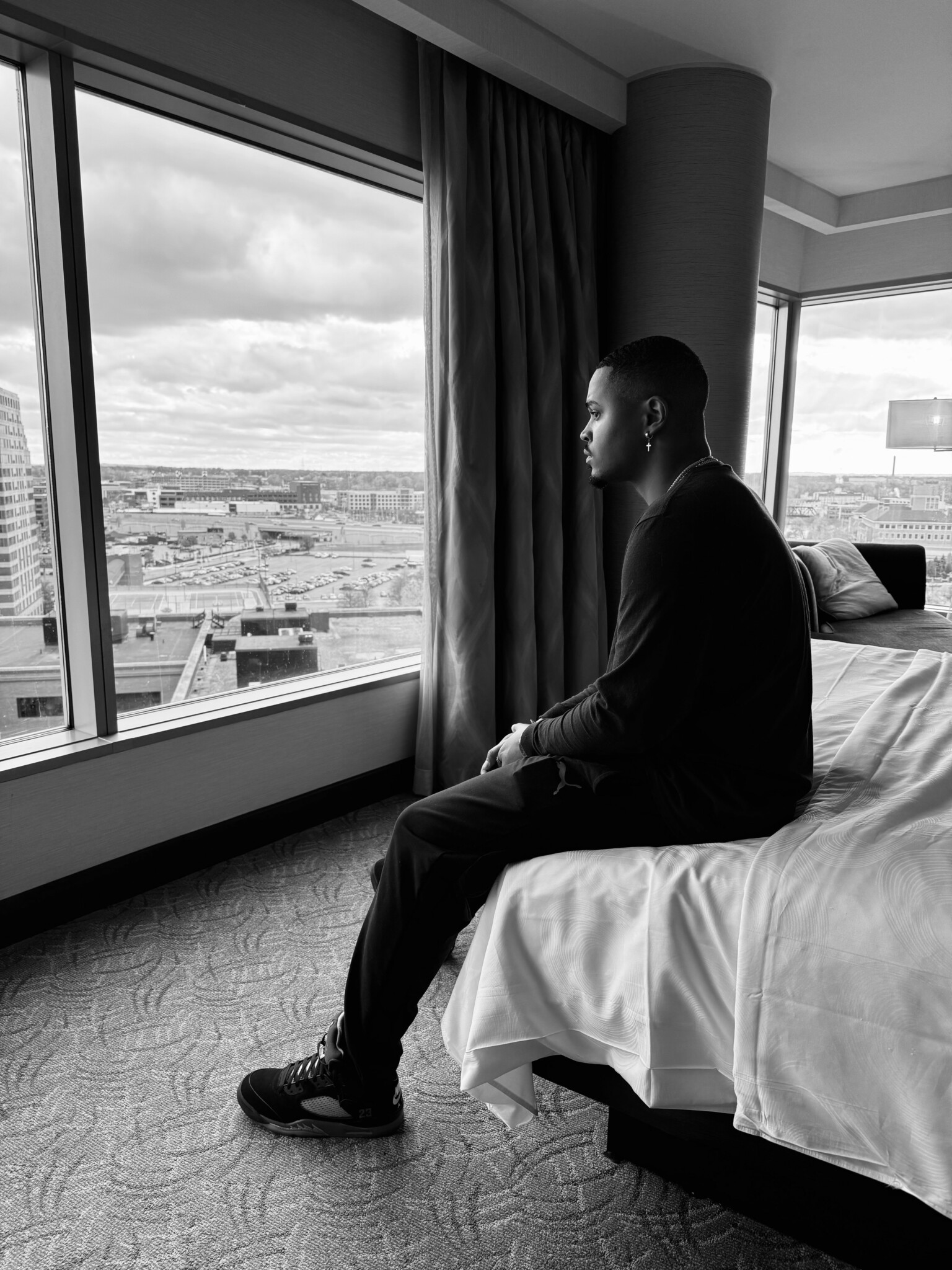
Awesome – so before we get into the rest of our questions, can you briefly introduce yourself to our readers.
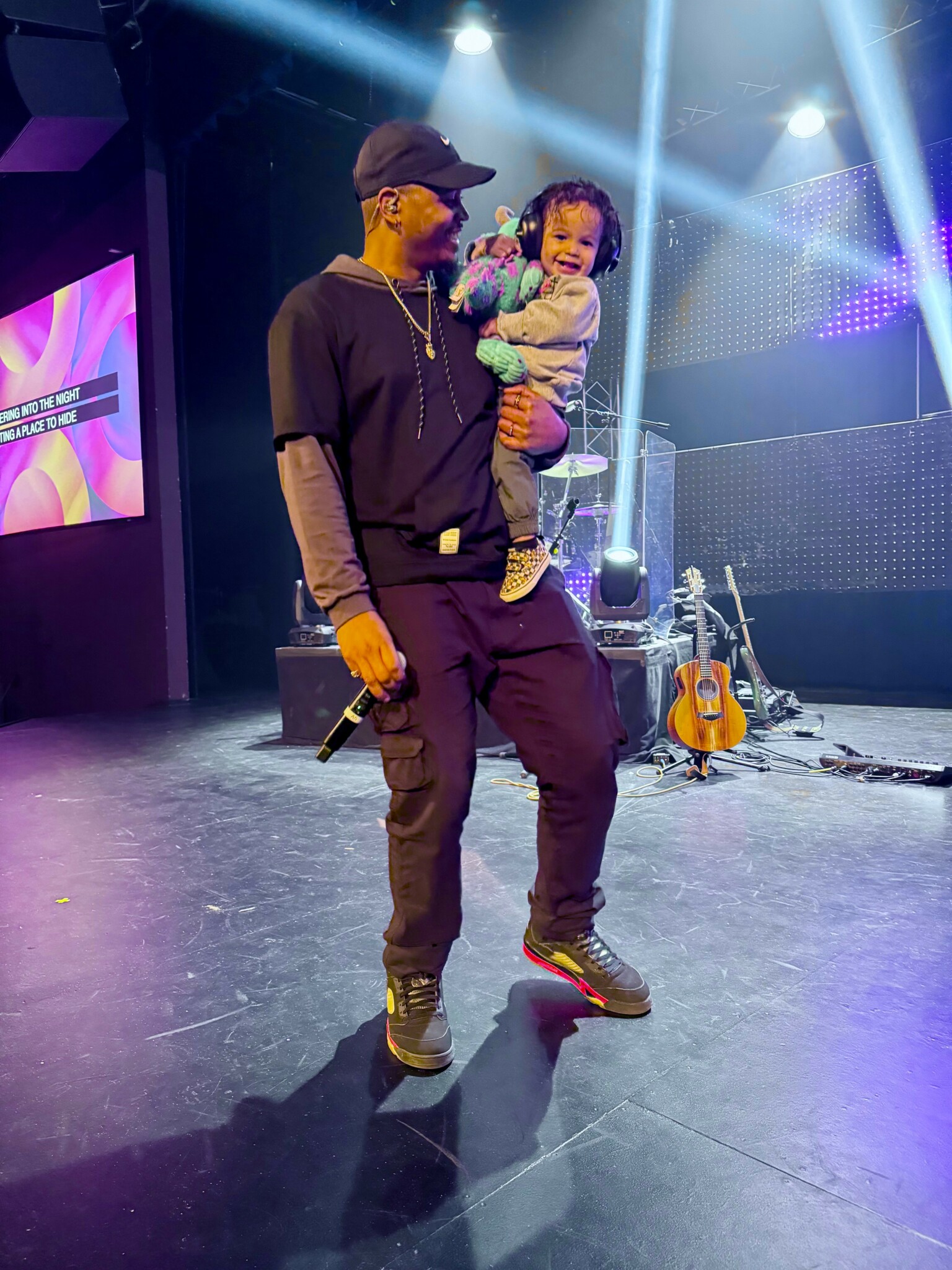
I’m a Christian Hip-Hop artist with a passion for storytelling through music. Growing up, my parents played everything from The Temptations to 2Pac, teaching me to appreciate the stories behind the songs. My cousins introduced me to artists like Paramore and Daft Punk, which helped shape my diverse musical taste. I’ve always been drawn to lyrics and the power they have to tell meaningful stories.
My journey into making music started in middle school, freestyling with my cousins until someone suggested I take it seriously. In high school, a friend took me to a studio where I recorded my first song—don’t bother looking for it; trust me, you won’t find it (and that’s probably a good thing!). Later, I joined a group called 100 Banxx in Oklahoma City, where I performed on stage for the first time and recorded consistently.
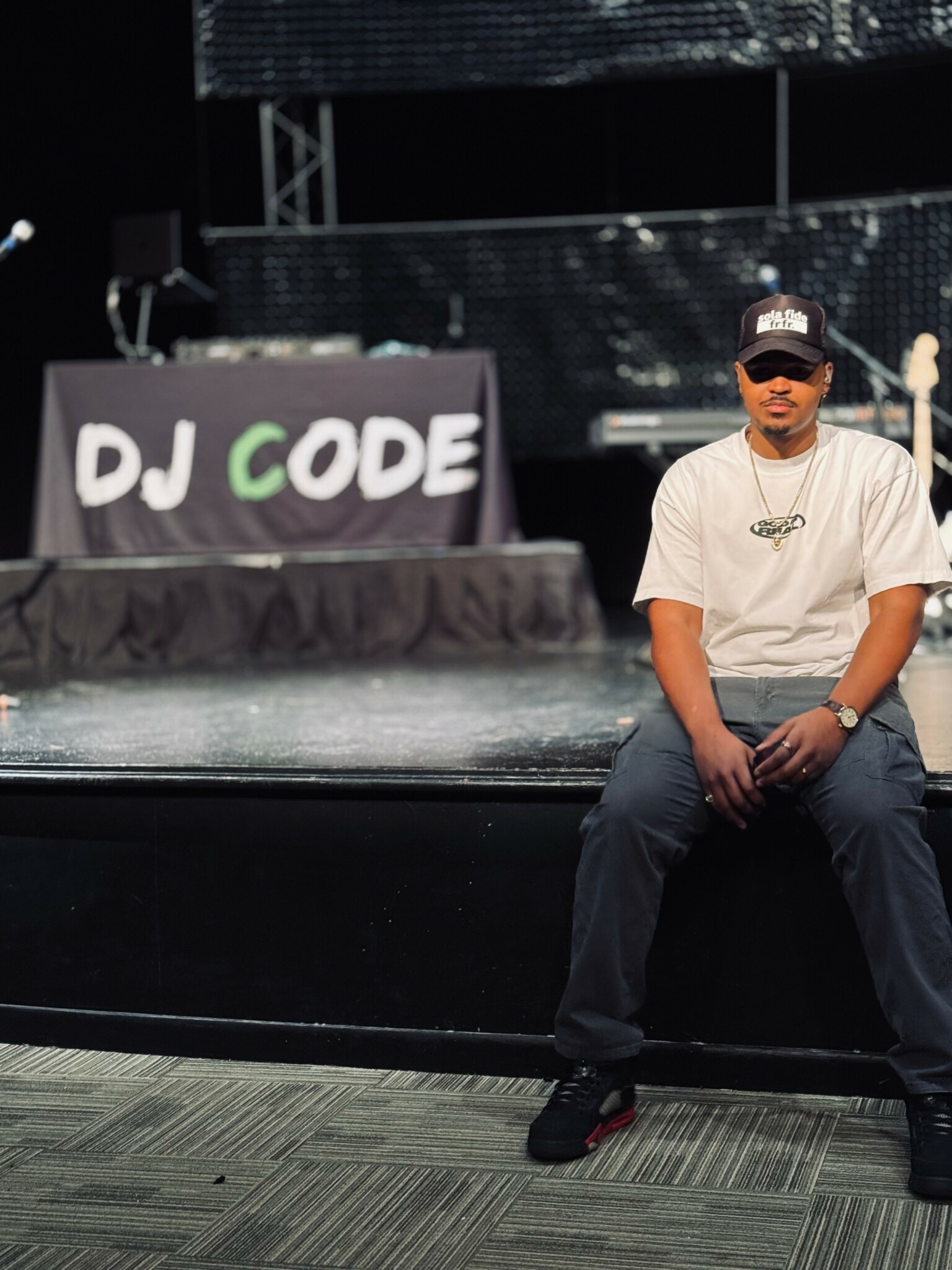
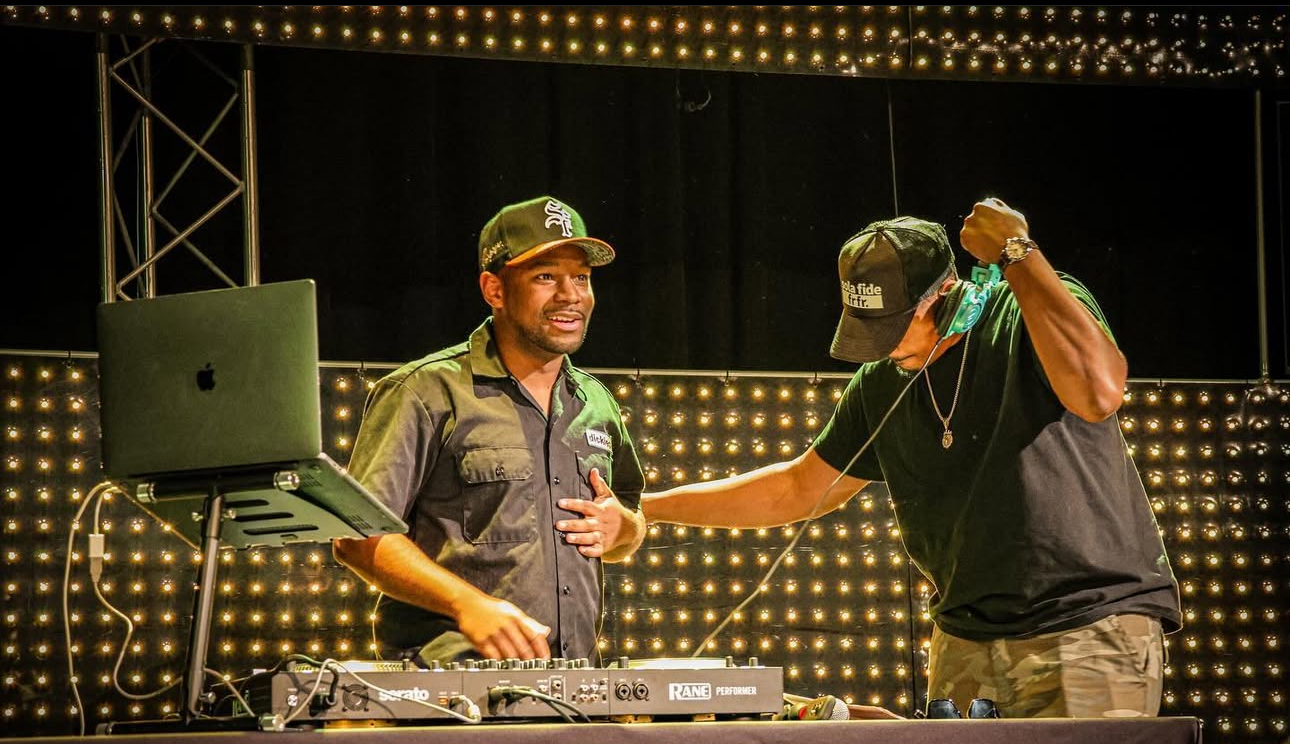
When I first started, my music was more secular, focused on what I thought would get attention. But over time, as I grew personally and spiritually, I felt a shift. After moving to Michigan, I leaned more on God while continuing to write and create, holding onto the faith that this would grow into something more. That’s when I realized my purpose was bigger than just making music—I wanted my art to reflect my faith and give glory to God. Meeting DJ Code was a turning point—he brought me into his world and taught me invaluable lessons about music, the industry, and the business side of things. Over time, he’s become more than just a mentor; he’s a friend who’s still by my side to this day. It’s true what they say: “It’s not what you know, but who you know.”
Through my music, I aim to create authentic, faith-based content that reflects growth, faith, and real-life experiences. I’m most proud of my personal and artistic growth, and my goal is to inspire and connect with people through honest, meaningful music and collaboration.
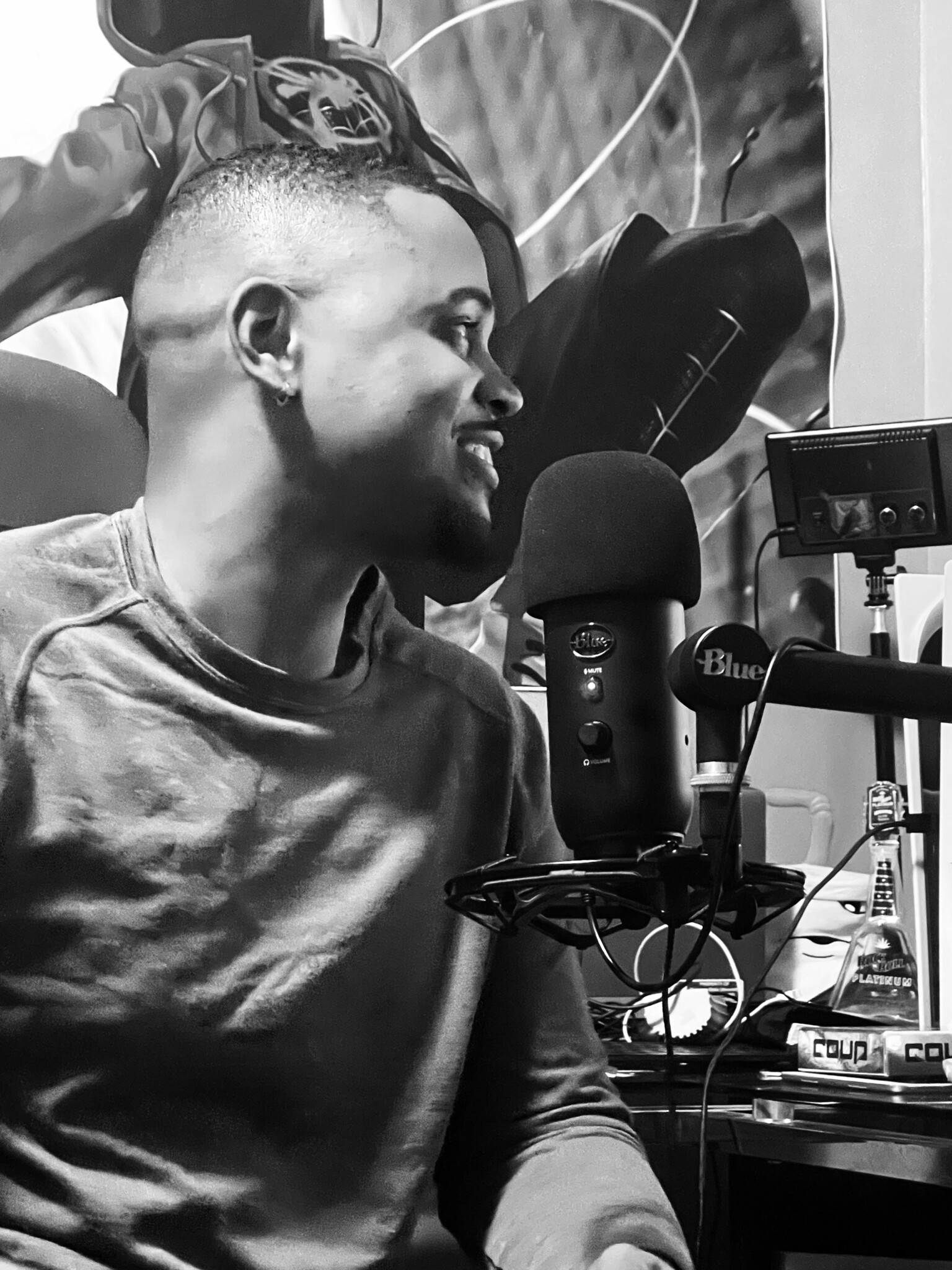
For you, what’s the most rewarding aspect of being a creative?
For me, the most rewarding aspect of being a creative isn’t about chasing financial success. Sure, there’s a possibility to make a great living if things go the right way, but that’s not the goal. What I truly love is making an impact and bringing others closer to Jesus through my music.
At the end of the day, if the goal was just to get rich, I’d basically be trying to figure out how to get a dollar from someone I’ve never met into my bank account. And to do that, I’d still need to make some kind of impact on that person. So why not take that same energy and focus on genuinely connecting with people and communities, sharing the message of Jesus along the way? Who knows, maybe a dollar comes from that too—but either way, the impact is what really matters.
In your view, what can society to do to best support artists, creatives and a thriving creative ecosystem?
In my view, the best way society can support artists, creatives, and a thriving creative ecosystem is by valuing authenticity over trends. When artists feel free to express their true selves without the pressure to fit into a specific mold, it fosters genuine creativity. Providing accessible platforms, resources, and opportunities—especially for independent artists—can make a huge difference.
Most importantly, love the artists themselves. This is an optional industry—no one has to listen to your music, watch your content, or engage with your art. That can be both freeing and terrifying. Being creative can feel vulnerable, and knowing there are people who genuinely support you and appreciate what you make can be the driving force behind the next project. Sometimes, it’s that one message, that one person showing love, that keeps an artist going.
Also, creating spaces where art is not just consumed but appreciated, discussed, and supported helps build a strong community. Whether it’s attending local shows, sharing an artist’s work, or simply engaging with their content, those small acts go a long way. Ultimately, it’s about recognizing that creativity isn’t just entertainment—it’s a powerful tool for connection, change, and impact.
Contact Info:
- Instagram: Bookernewton_
- Other: https://linktr.ee/bookernewton