
We caught up with the brilliant and insightful Bobby Bancalari a few weeks ago and have shared our conversation below.
Bobby, thanks for joining us, excited to have you contributing your stories and insights. Did you always know you wanted to pursue a creative or artistic career? When did you first know?
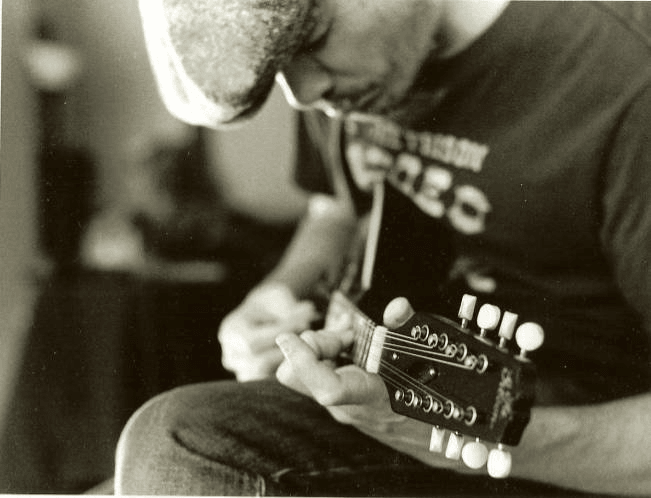
When I was around 11 years old, I took flute lessons at my elementary school. At first it was a struggle, and I stumbled through the lessons until one summer day, the music notes in the books made sense and in the span of an afternoon, I could read music. That was a game-changer. Once I understood music notation, I dove into learning other instruments, starting with most wind instruments. By the time I was 14 years old, I started taking violin and viola lessons and ended up performing with the Burbank Philharmonic. It was around this time I knew I would become a professional musician.
Great, appreciate you sharing that with us. Before we ask you to share more of your insights, can you take a moment to introduce yourself and how you got to where you are today to our readers.
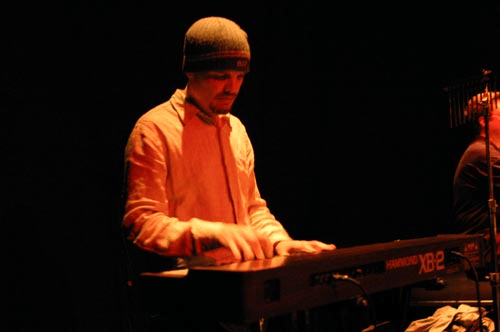
I consider myself a working-class musician. I’ve been performing in bands since I was a teenager, whether it was playing organ doing funk covers, or writing originals on guitar. On occasion, I would be hired to write out horn parts, which led to a better understanding of orchestration. Having learned most wind and string instruments also helped when I decided to study composition.
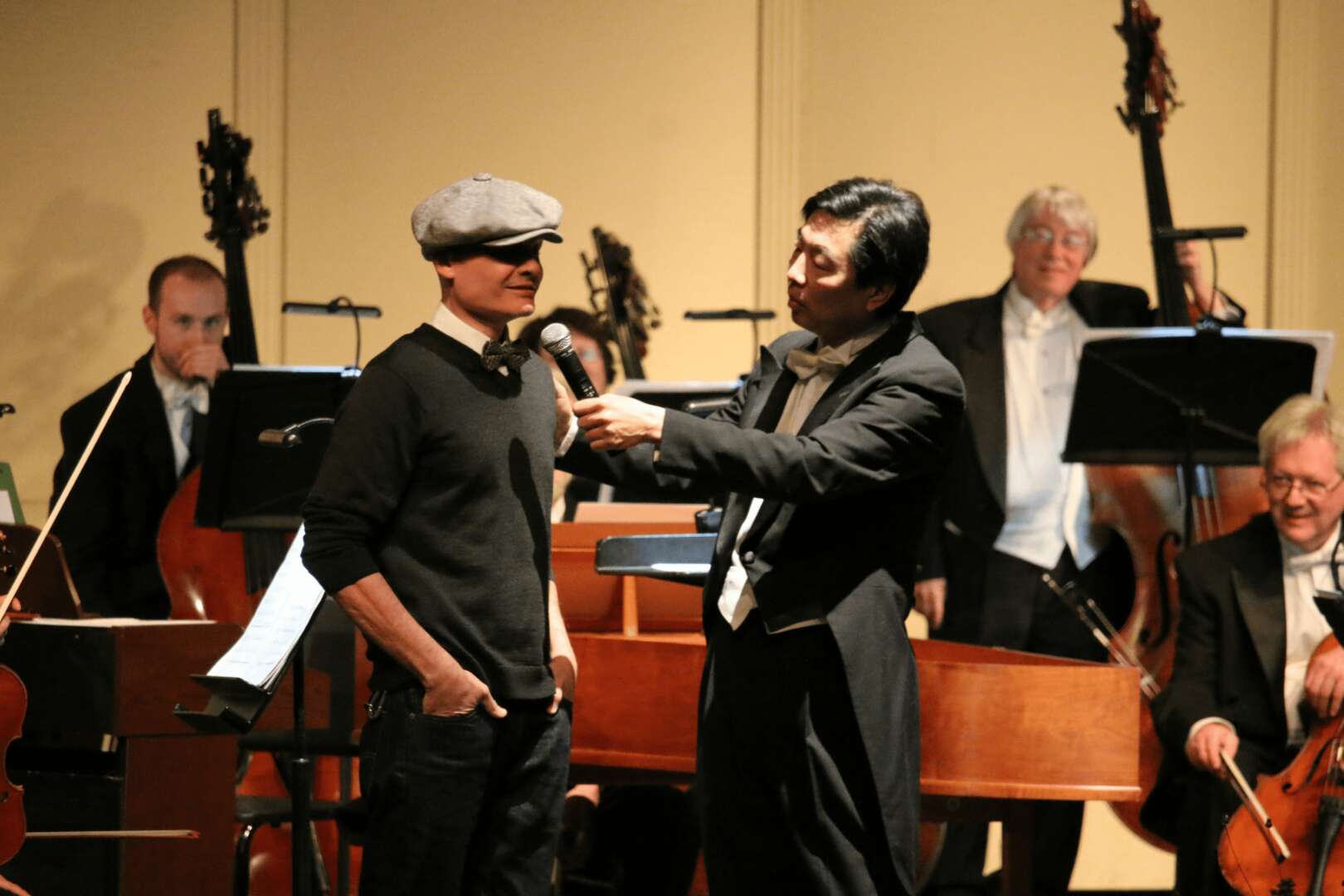
You asked about a proud moment. I’d say having my original Overture in G performed by a live orchestra was probably one of the highlights of my career.
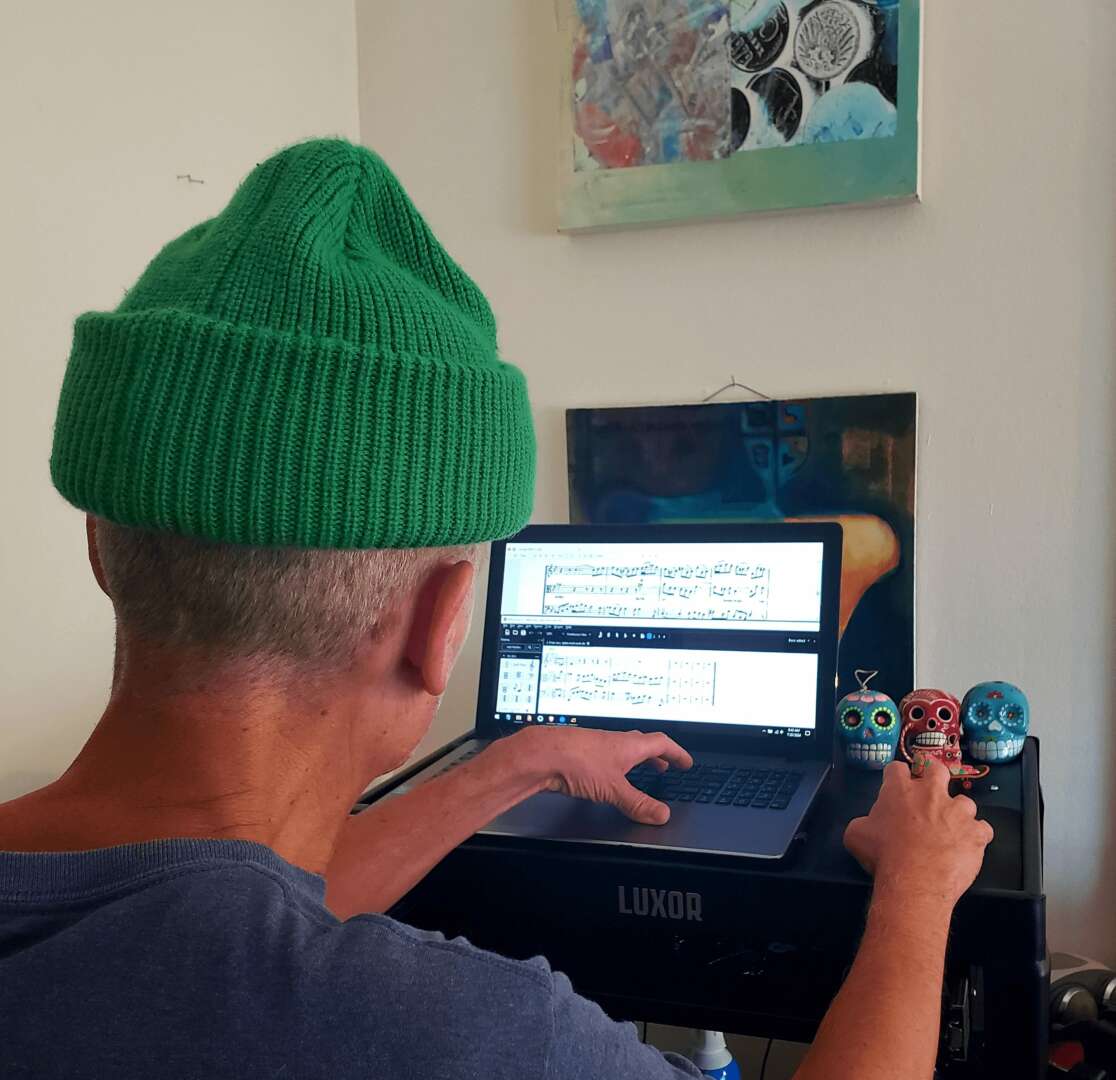
For the most part, I’ve made my living doing gigs and touring, but have also had the opportunity to author transcription books for Mel Bay. Throughout these endeavors, I’ve continued to compose and developed a technique of arranging 17th & 18th century music electronically. First, I take the score and type it note by note into the music notation program MuseScore. Then I listen back to make sure it’s accurate before saving each part individually as a midi file. The midi files are then loaded into Reason, a digital audio workstation (DAW), where they are assigned to different synthesizers.
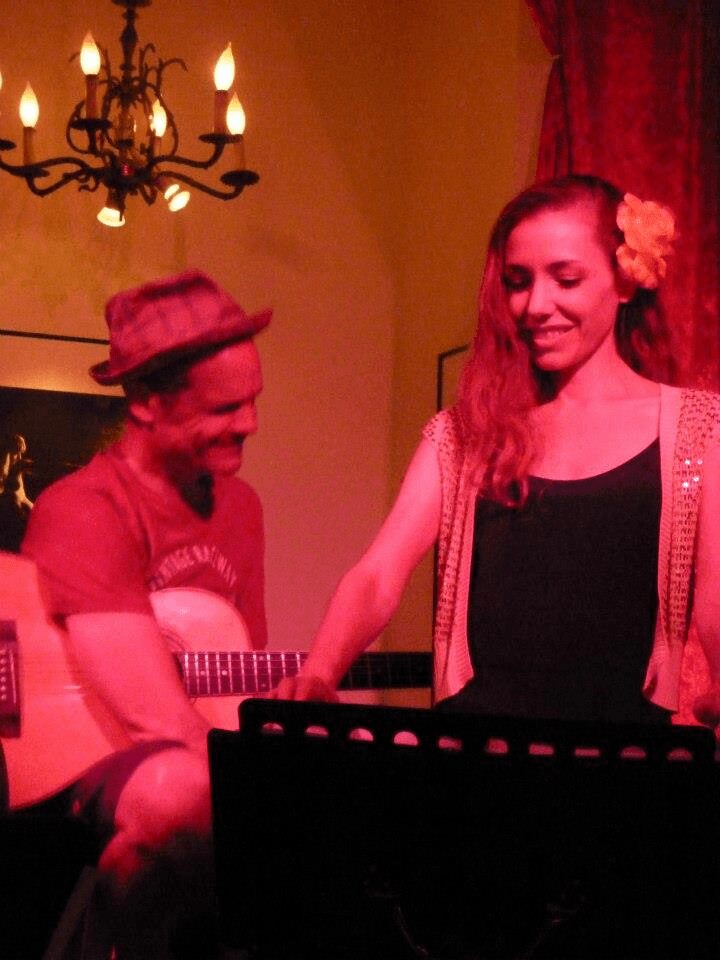
Occasionally, I still write original pop music with my partner, Michele Rene, but most of my time is spent tweaking these arrangements. I love how the electronic versions allow you to hear every part.
Can you share a story from your journey that illustrates your resilience?
As a freelance musician, it’s hard to turn down any gig you’re offered because you never know what the future might look like. Before I was able to solely make money with music, I worked day jobs in addition to playing clubs at night. There were times I operated on very little sleep, but I never gave up because I couldn’t *not* do music.
What do you find most rewarding about being a creative?
Being a creative is part of who I am. It’s in my DNA, so the reward is being able to express that through music. It’s part of my wellness.
Contact Info:
- Website: https://www.baroquenoise.com
- Youtube: https://www.youtube.com/@Baroquenoise