
We were lucky to catch up with Blake Forkner recently and have shared our conversation below.
Blake, looking forward to hearing all of your stories today. Let’s kick things off with talking about how you serve the underserved, because in our view this is one of the most important things the small business community does for society – by serving those who the giant corporations ignore, small business helps create a more inclusive and just world for all of us.
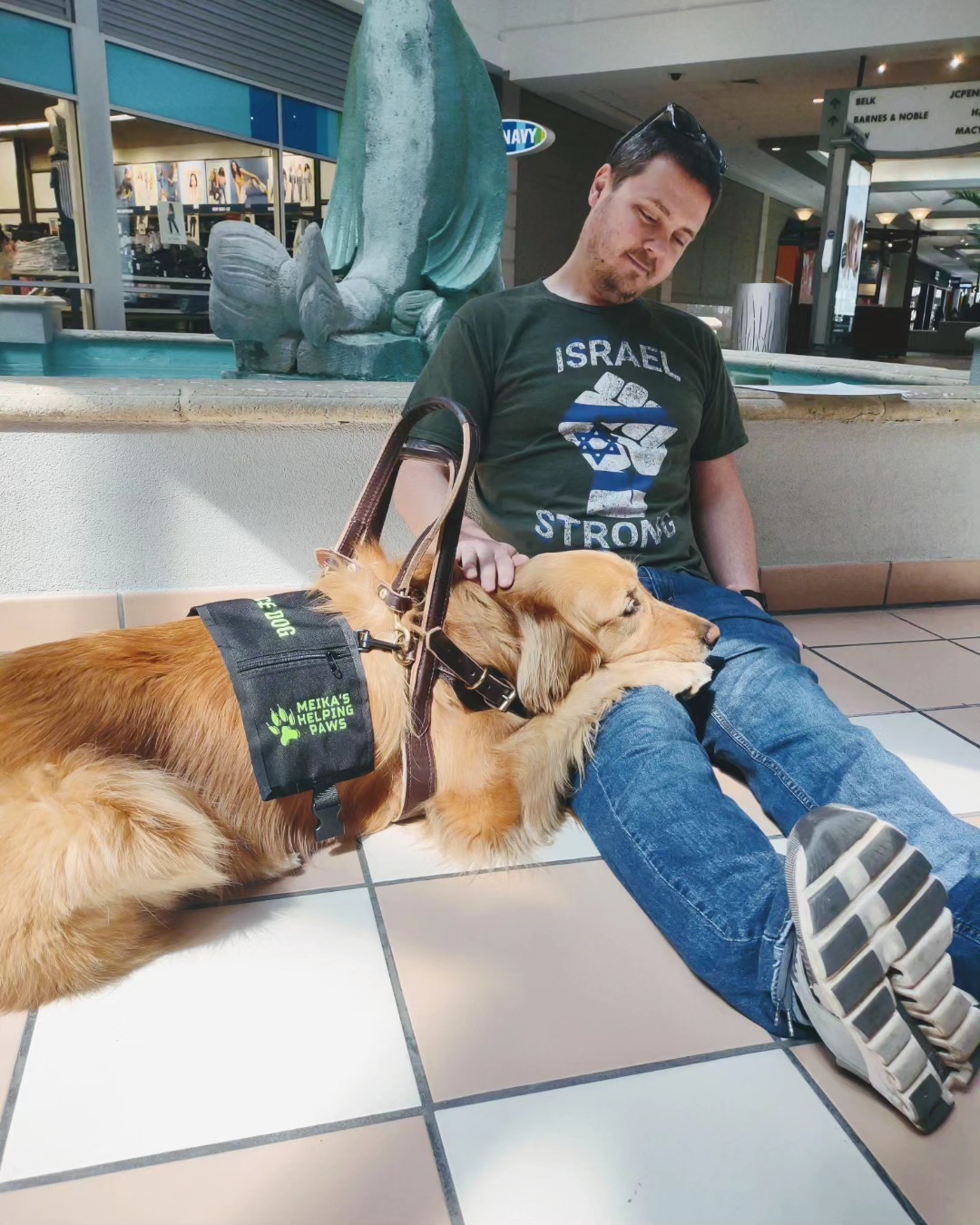
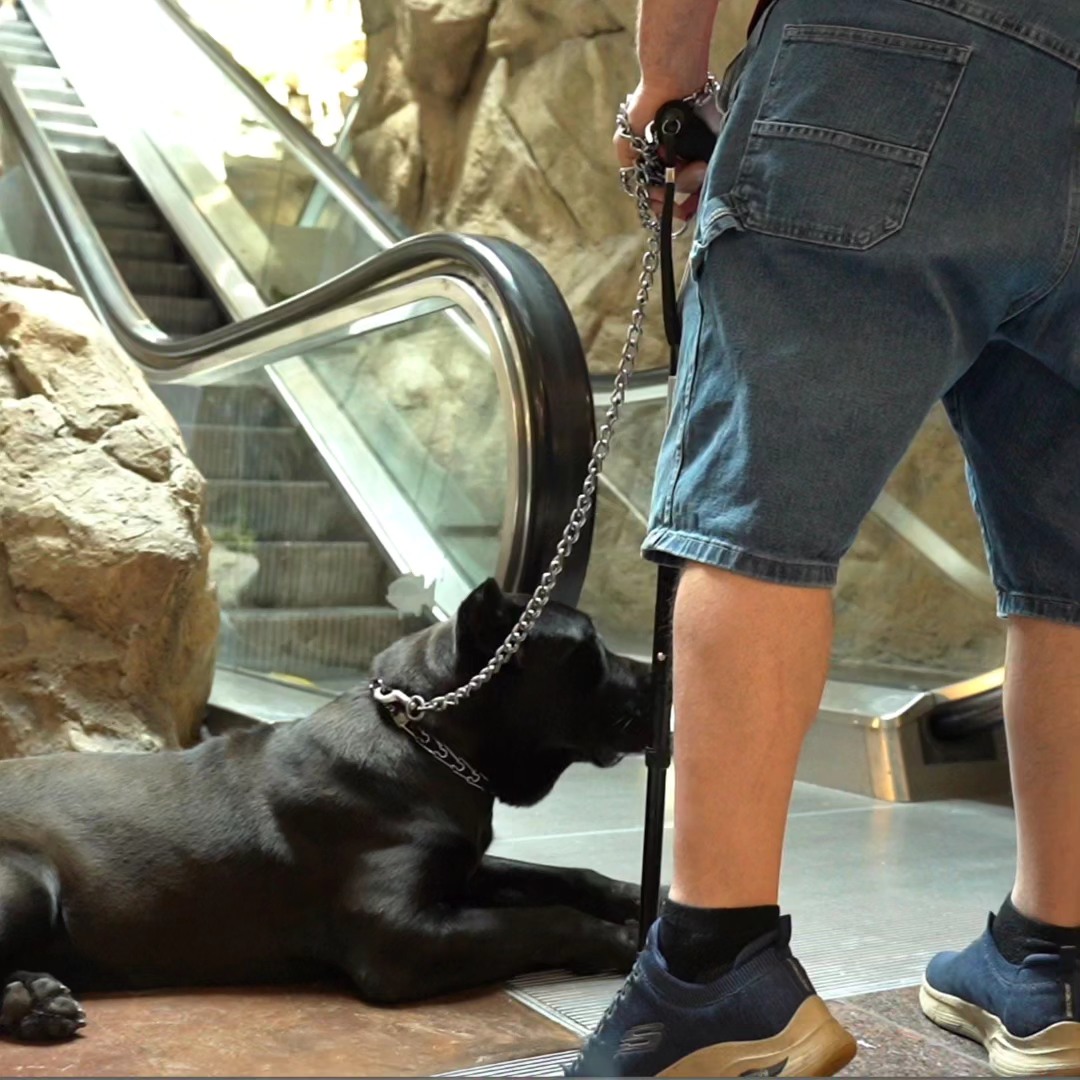
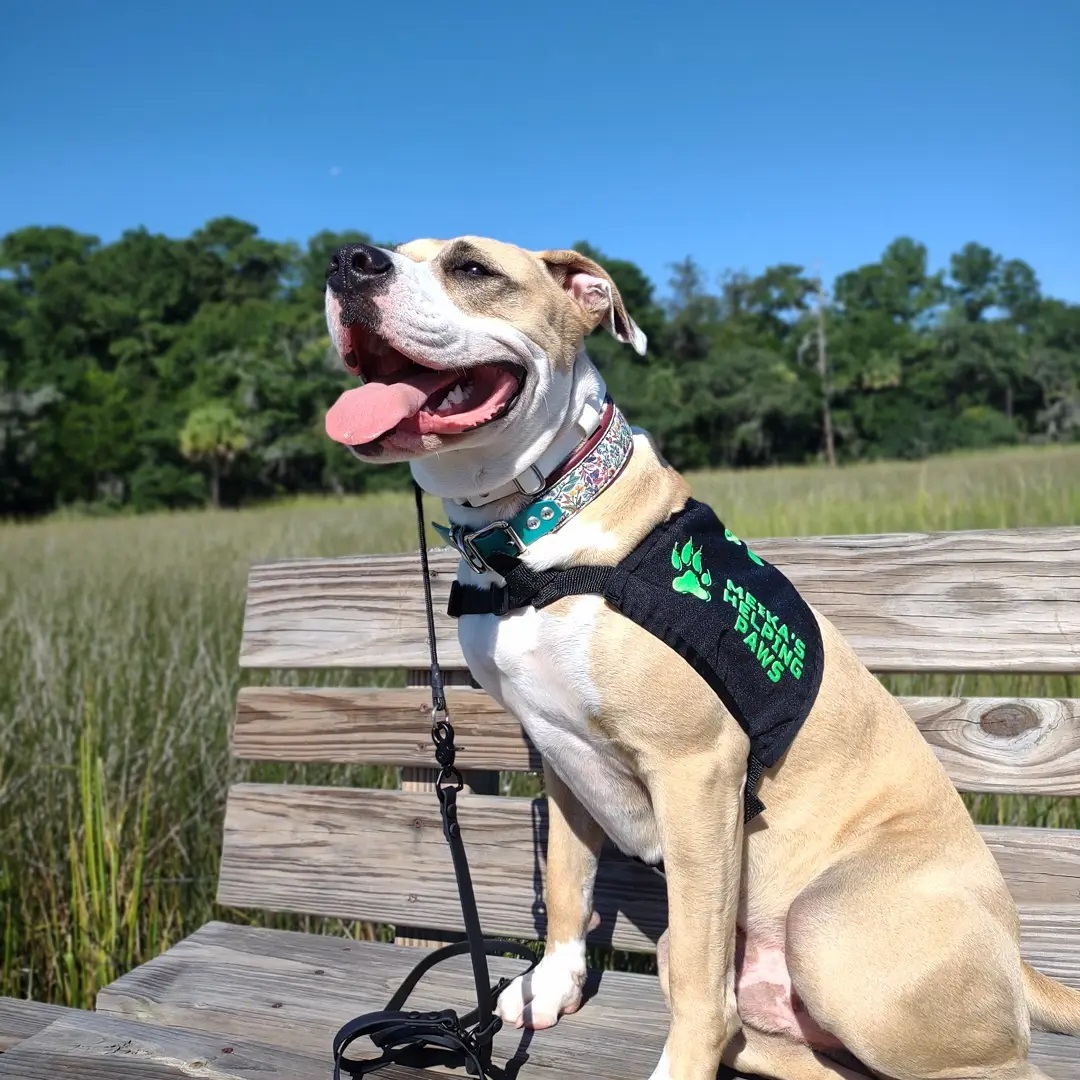
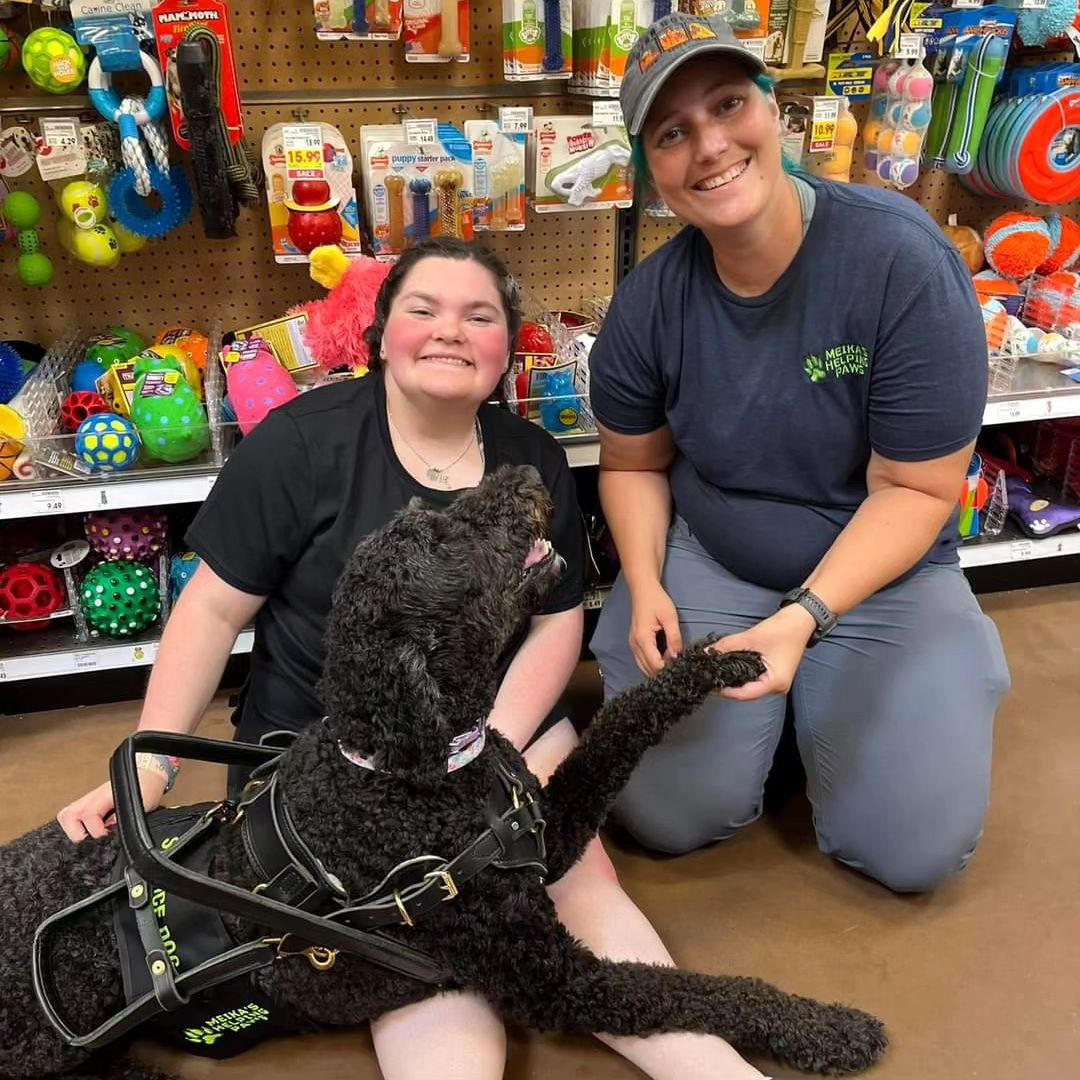
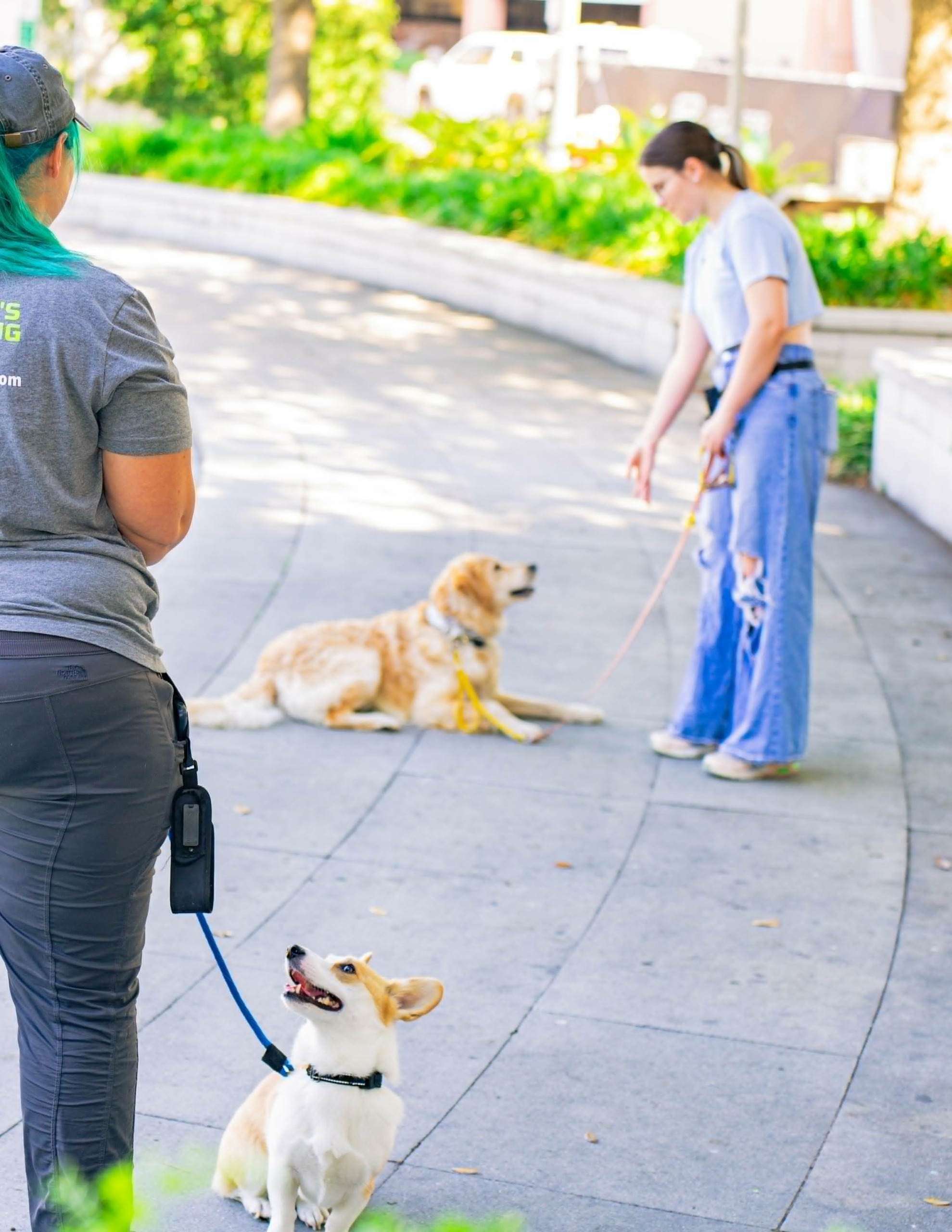
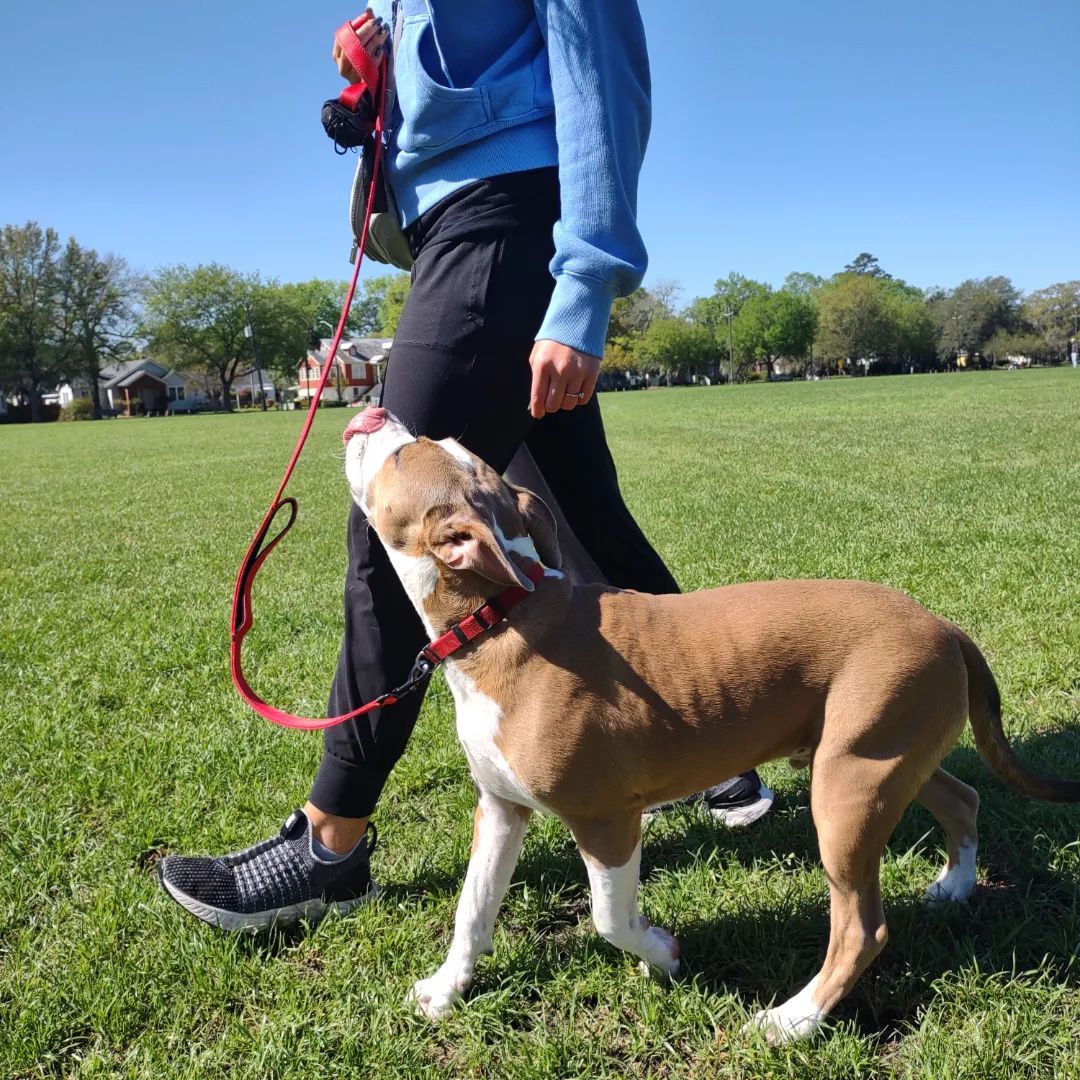
By training service dogs, I can provide invaluable assistance to individuals with a variety of disabilities. Service dogs not only improve the quality of life for their handlers but also promote independence, inclusion and a sense of community and belonging.
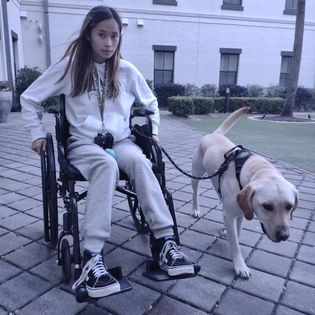
Service dogs can assist the underserved by enhancing their mobility and independence. For example, a service dog can help a person with a physical disability by retrieving items, opening doors, or even pulling a wheelchair. These tasks may seem simple, but they have a profound impact on the individual’s ability to navigate the world with confidence and autonomy. Service dogs also provide a sense of safety and security, particularly for individuals with conditions such as PTSD. By being trained to create a physical barrier between their handler and others, these dogs offer a sense of comfort and protection in challenging situations.
Training service dogs not only benefits the individuals who directly rely on them but also contributes to breaking down barriers and raising awareness about the needs of this underserved community. Through educational outreach and advocacy efforts, service dog trainers can highlight the importance of accessibility and accommodation for individuals with disabilities. By showcasing the capabilities and contributions of service dogs, we can foster a more inclusive society that recognizes and respects the rights of all individuals, regardless of their abilities. In this way, training service dogs goes beyond individual assistance to create a more compassionate and equitable world for everyone.
As always, we appreciate you sharing your insights and we’ve got a few more questions for you, but before we get to all of that can you take a minute to introduce yourself and give our readers some of your back background and context?
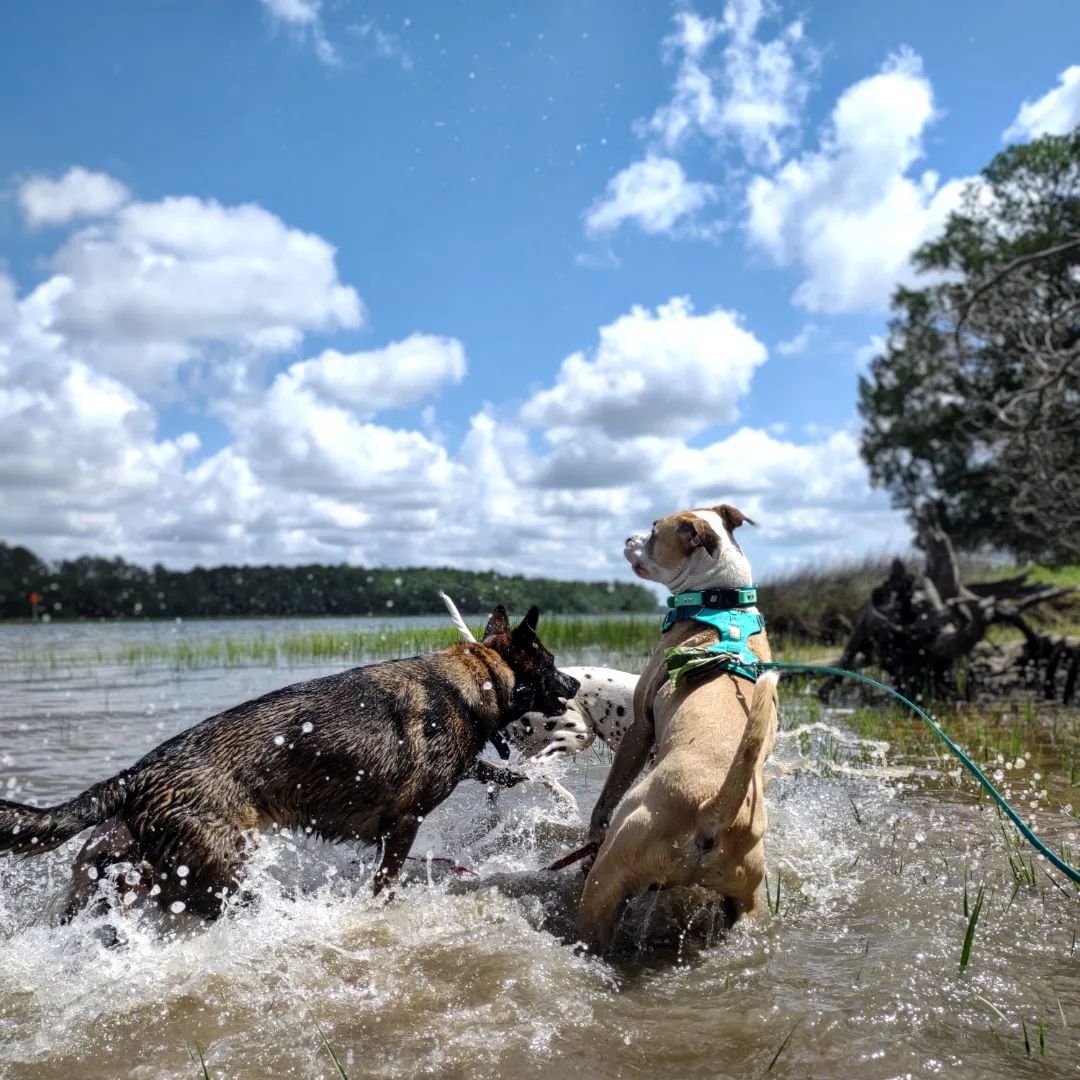
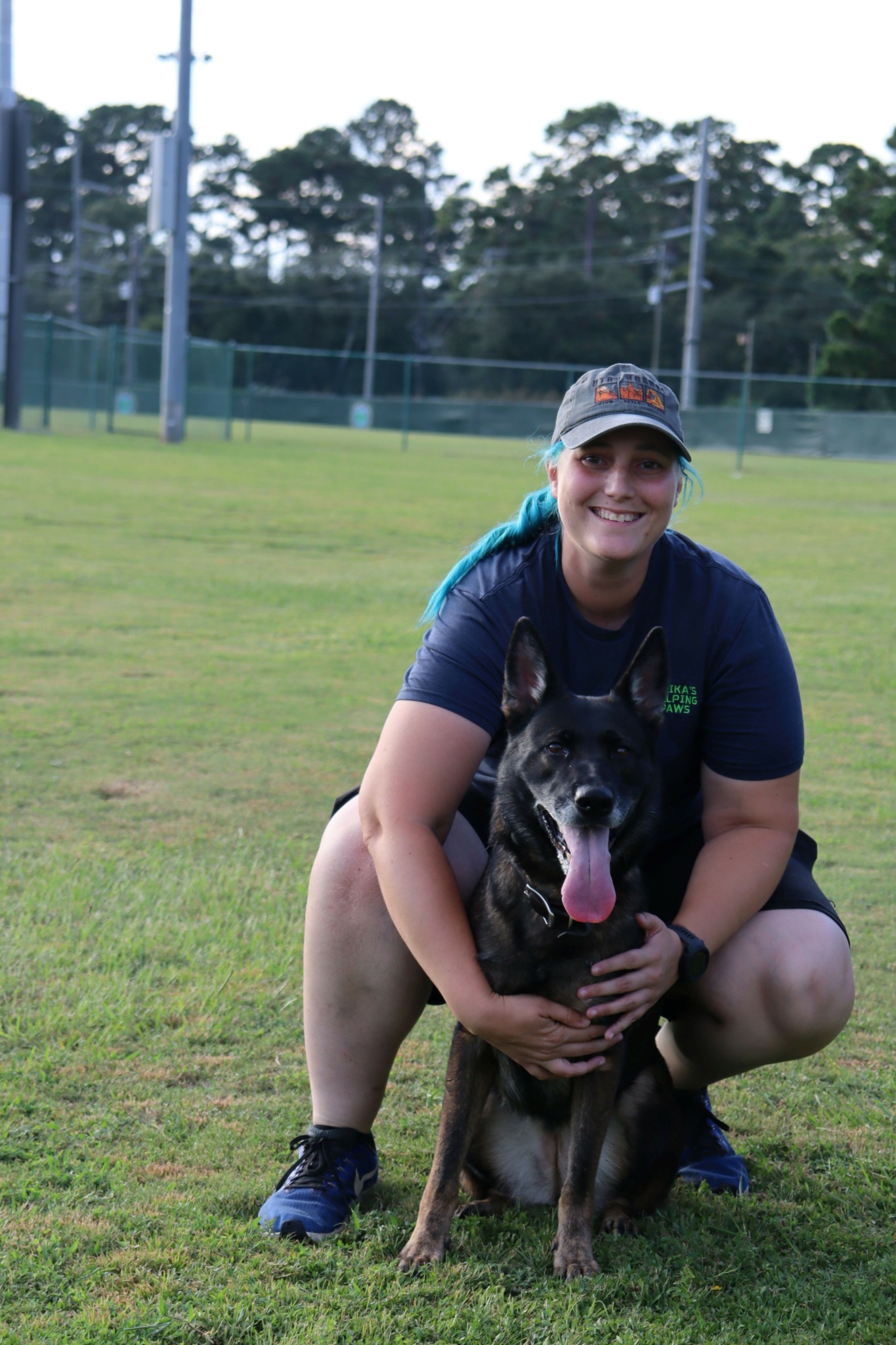
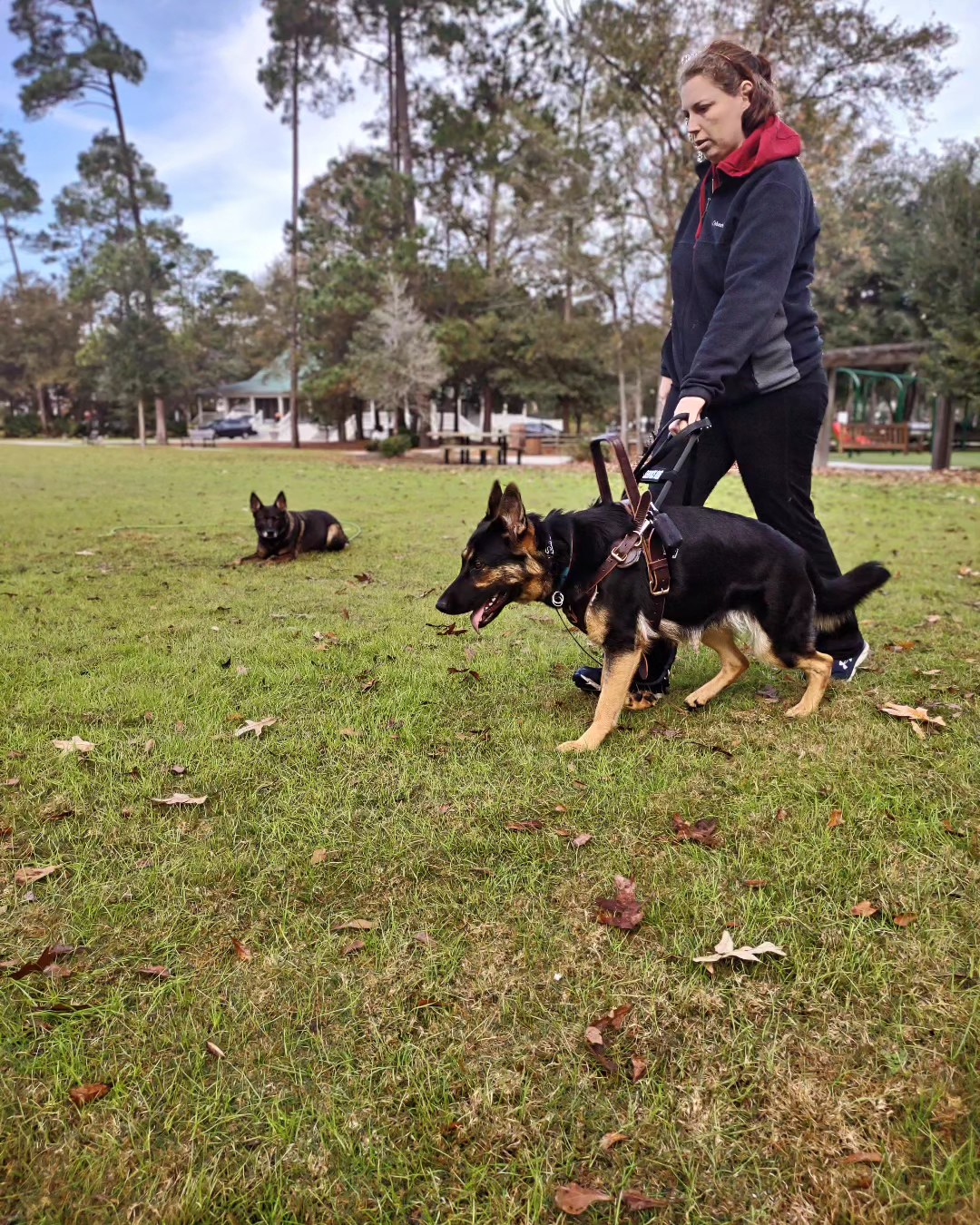
My name is Blake Forkner, and I am the owner and trainer for Meika’s Helping Paws. I have dedicated my career to training service dogs for individuals with disabilities and working with fearful and reactive dogs. My journey in this field began during my sophomore year of college when I started volunteering with a German Shepherd breeder and trainer in North Carolina. It was there that I met my first dog, Meika, who played a significant role in shaping my passion for training dogs.
Meika taught me valuable lessons about dogs and their unique way of thinking. Through this experience, I gained a deep understanding of their loyalty and unwavering companionship. As I continued my education and training, I faced health challenges that motivated me to train Meika as my own service dog. This process not only strengthened our bond but also highlighted the incredible abilities that dogs possess in assisting individuals with disabilities.
Training Meika to be my service dog was a transformative experience that solidified my commitment to helping others who may be going through similar challenges. My training journey with Meika reaffirmed my belief in the powerful connection between humans and dogs, inspiring me to continue expanding my knowledge and expertise in training service dogs for other people. I am excited to share my insights and experiences in service dog training with you.
Can you tell us about a time you’ve had to pivot?
After completing my college education, I was excited to start working at a veterinary office as a veterinary assistant. I spent several years in this role, gaining valuable experience and knowledge in animal care and decided to further my career by enrolling in the Penn Foster online program to become a registered veterinary technician.
Unfortunately, I began experiencing unexplained blackouts both at work and at home. These episodes not only posed a risk to my safety but also affected my ability to fulfill my duties effectively. After undergoing extensive medical evaluations, I was diagnosed with Postural Orthostatic Tachycardia Syndrome (POTS), a condition that explained my symptoms. Consulting with my medical team, we concluded that the physical demands of my job were exacerbating my health issues, leading me to the difficult decision to resign from my position.
Stepping away from my career in veterinary care was a challenging moment for me, yet it was a necessary step to prioritize my health and well-being. Although it was disheartening to leave a job I loved, I understood that my health should always come first. Throughout this experience, I learned the importance of self-care and listening to my body’s needs. This chapter in my life taught me valuable lessons about resilience, adaptation, and the significance of making difficult choices for the sake of personal welfare.
Can you talk to us about how your side-hustle turned into something more.
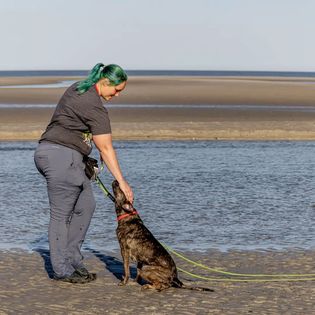
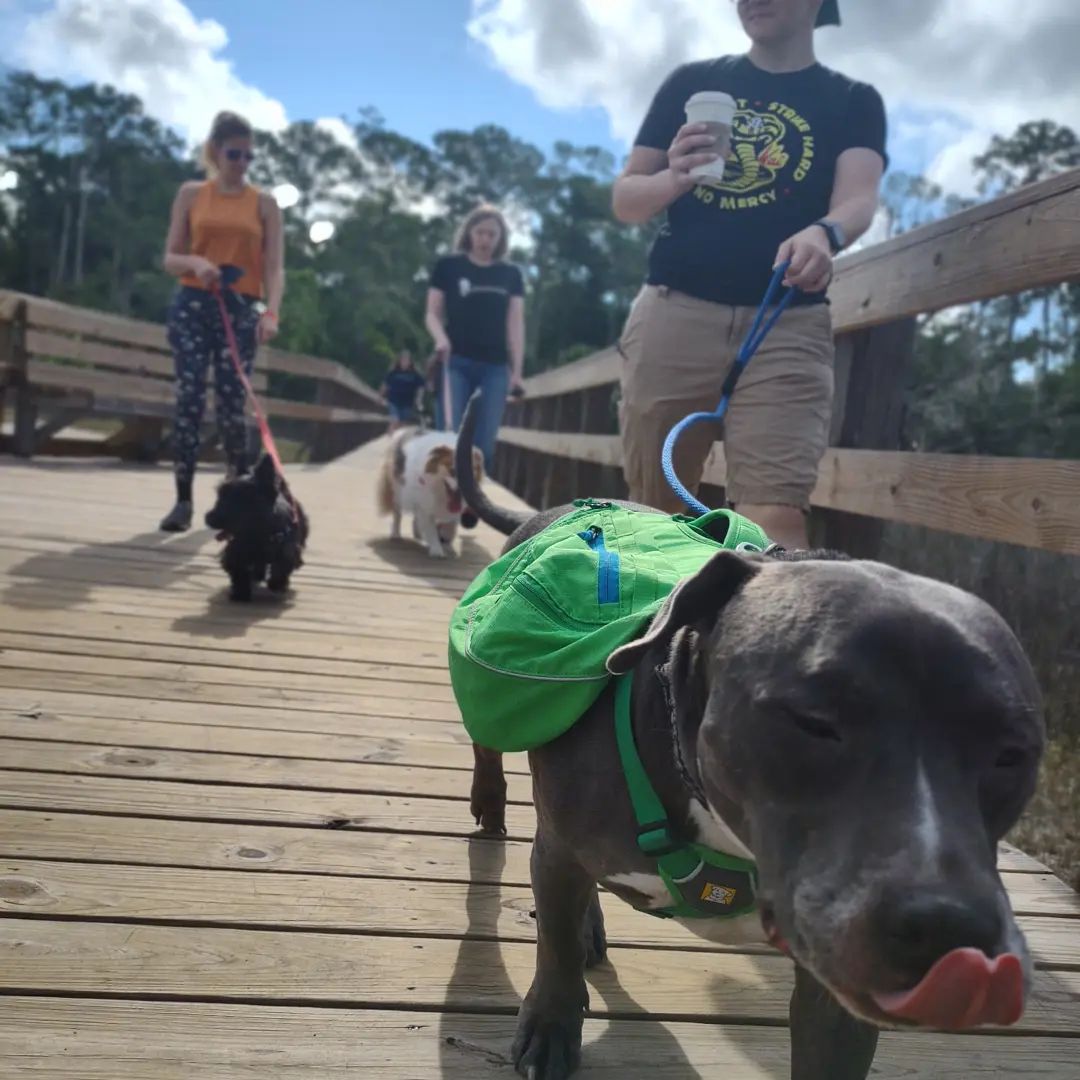
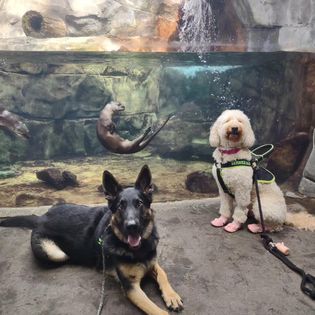
When I was working at the vet office, I was training dogs as a part time job. Seeing the transformation in these dogs fueled my desire to learn more about dog training methods and techniques. As I gained more experience, I realized that I had a natural talent for understanding canine behavior and effectively communicating with dogs. This realization motivated me to explore dog training as a full-time career.
Unfortunately, my journey took an unexpected turn when I had to resign from the vet office due to health issues. This challenging period in my life forced me to reevaluate my career path and priorities. Despite the setbacks, I saw an opportunity to pursue my passion for dog training on a more dedicated level. I decided to take a leap of faith and start my own dog training business. This career change allowed me to have more flexibility in setting my schedule and adjusting my workload to accommodate my health needs.
Transitioning to full-time dog training was a significant change for me, but it also brought a sense of fulfillment and purpose that I had never experienced before. I found joy in helping pet owners build strong bonds with their dogs through training and communication. By sharing my knowledge and skills, I was able to make a positive impact on the lives of both dogs and their owners. This journey not only transformed my career but also enriched my life in ways I could have never imagined. It truly reinforced for me the power of following your passion and turning challenges into opportunities for growth and success.
Contact Info:
- Website: https://meikashelpingpaws.com/
- Instagram: https://www.instagram.com/meikas.helping.paws/
- Facebook: https://www.facebook.com/meikashelpingpaws
- Other: TikTok handle: @meikashelpingpaws