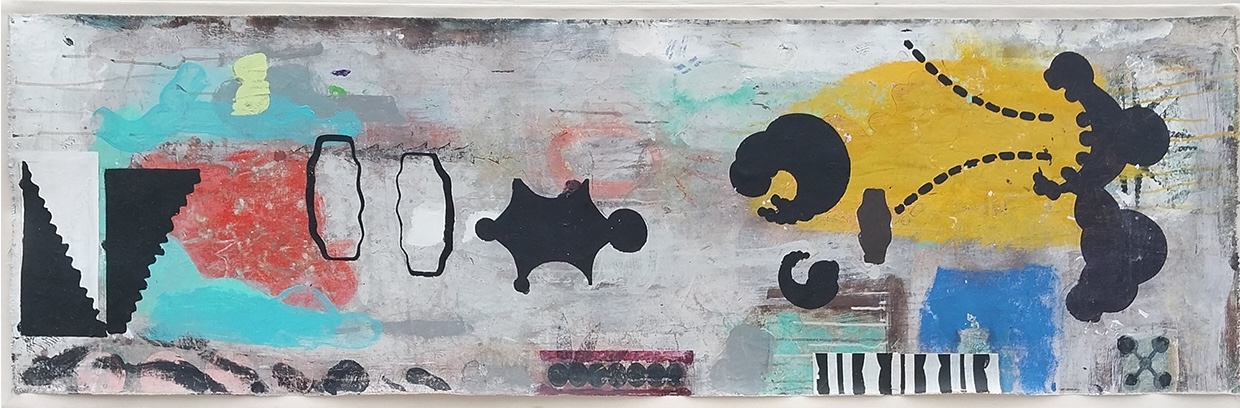
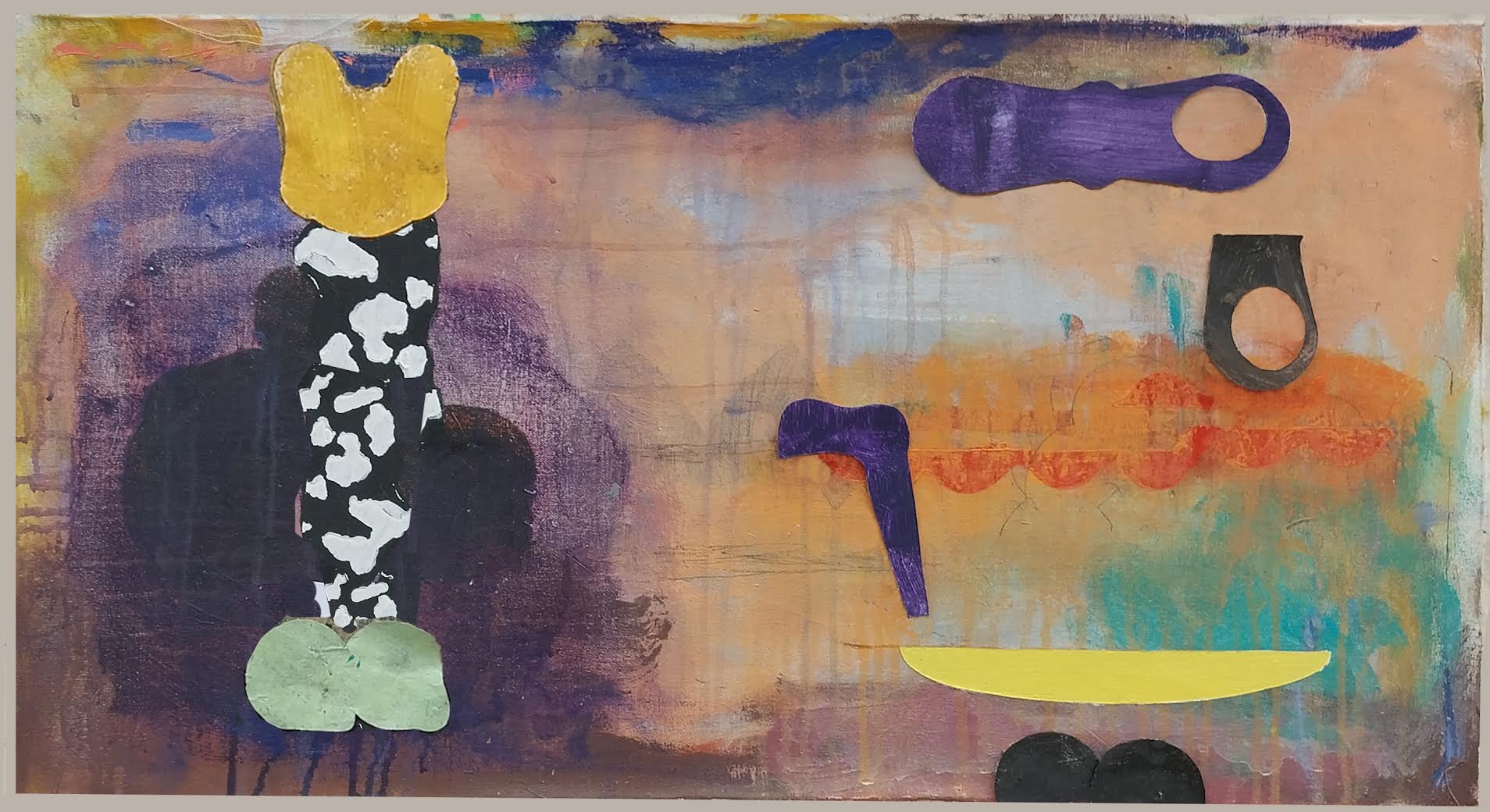
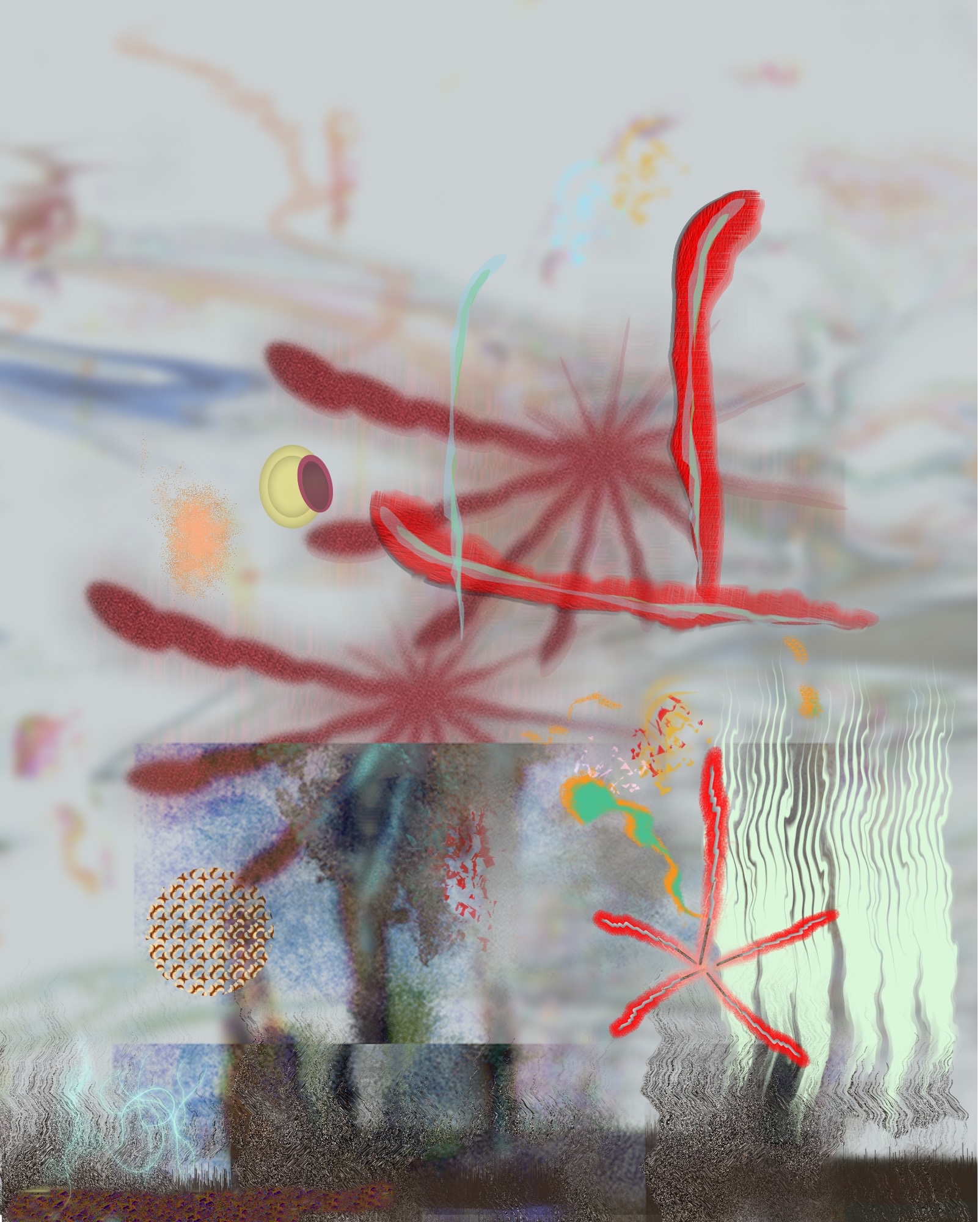
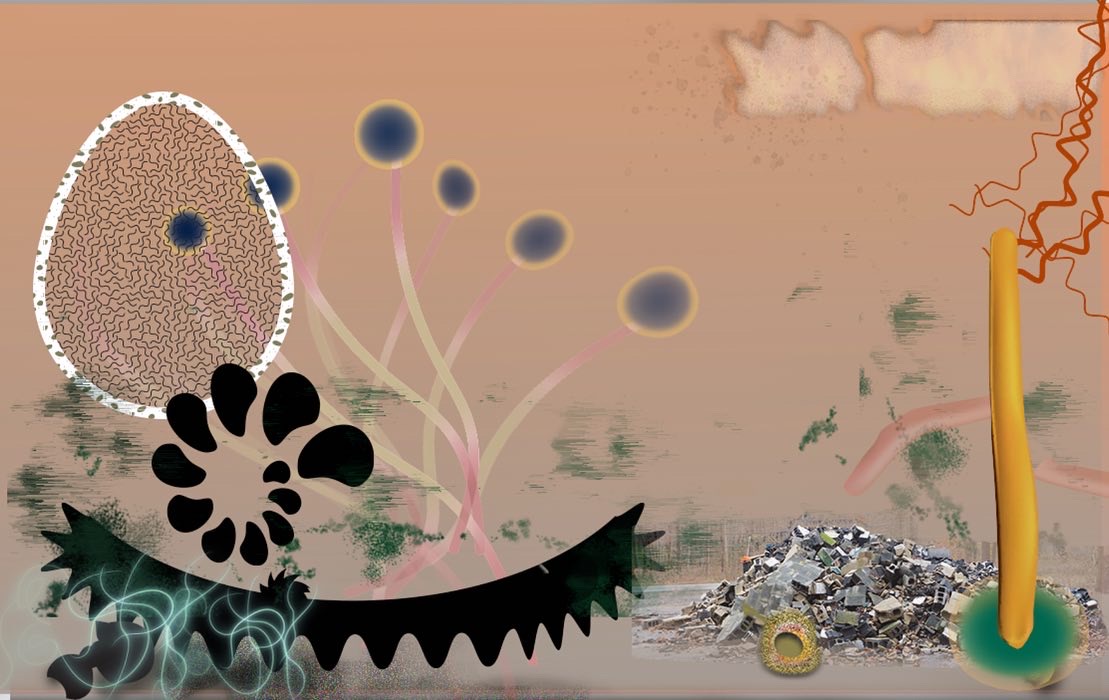
We recently connected with Bill Leech and have shared our conversation below.
Bill, appreciate you joining us today. Did you always know you wanted to pursue a creative or artistic career? When did you first know?
I think I sensed that I wanted to be an artist at a very young are. I don’t even know if it was a conscious choice but rather some kind of compulsion that came from someplace unknown to me. Perhaps it came from some long gone ancestor who always wanted to paint pictures but painting hadn’t been invented yet. I only know that the desire to create and make things was always there.
I was 14 or 15 when I attended a 6 week summer music and art camp at the University of Kansas in Lawrence where we could use the facilities of the art department. I loved being there and thats when I began to see art as a possible profession. There were courses in fashion Illustration, mechanical drafting, graphic design painting and ceramics. Thats when I got a clearer picture of what might be out there for an aspiring artist.
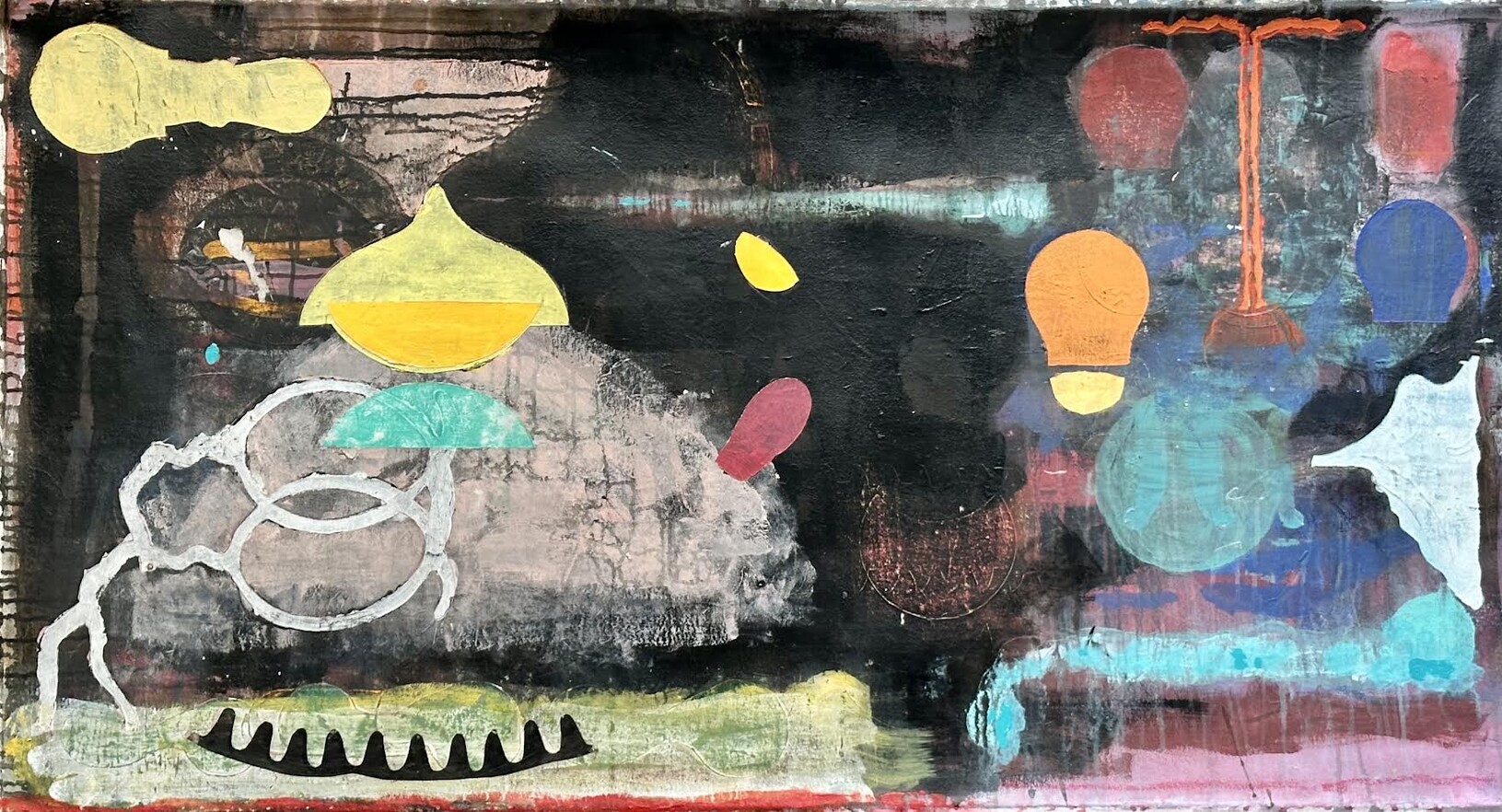
As always, we appreciate you sharing your insights and we’ve got a few more questions for you, but before we get to all of that can you take a minute to introduce yourself and give our readers some of your back background and context?
I grew up in a small town of Oskaloosa, Kansas that was situated in the more populated portion of of the state nestled between Kansas City, Lawrence and Topeka. I think that I had a pretty typical American middle-class upbringing with some quirks thrown in now and then.
My surroundings geographically were part of the “big sky”country of the plains where the landscape opens up and there is an expansive and freeing feeling as you drive around. I think people kind of absorb their surroundings when they grow up and as an artist some of these things come out ones art.
One thing that was unusual about my upbringing was that my parents were musicians and our home was filled with music. I didn’t have any friends around whose parents were musicians. They were both from Kansas and both had gone to college there and then continued on to new New York City to complete their education. My father got his Law degree at Columbia, and my mother got her degree from Julliard. We were were fortunate enough to take some trips to many of the great cities in the United States and Europe, and I had an opportunity to go to some great museums.
This was all very exciting but it never had any kind of effect as far as making me want to be an artist. I really didn’t have a clue what it would take to become an artist and I had never met a practicing visual artist. Of course there were hobbyists around but full time visual artist seemed exotic to me. I suppose that I thought that artists were from the past and art was made in far away places made with expensive materials that I didn’t know anything about. I enjoyed the beauty of many paintings, sculptures and drawings but it felt a little bit intimidating the way they were presented as priceless objects that had to be very well protected and felt somewhat remote from the everyday world.
Since I was or six years old, like many other kids, I loved to draw and I spent a lot of time doing it using pencils or crayons or tempera paints. I was a child of television age so I drew a lot of the things that I saw on TV. I used to attempt to depict cowboys and Indians and things like that, at least when I wasn’t running around with my friends playing with cap guns.
Whatever fascinated me, I drew. My dad had an album – book titled “Songs of the Civil War” which featured old photos of some of the battles that took place, so I decided to make drawings or illustrations from the photos. It was quite a project and I made a book out of it. I still have it.
In my last 2 years of high school I enrolled in a figure drawing class at the Kansas City Art Institute. The Nelson Atkins museum was a short walk from the school and I was able to go over to the Nelson Atkins Museum to study from some of paintings there. The museum had a nice collection and I remember there were several works of art that I liked to draw. One was a Carivaggio painting (“St.John the Baptist in the Wilderness”) and also a Rembrandt portrait and several others. After High school I worked for a year at various jobs while also trying to become a hippy, at which I failed at big time, so when the fall semester came around I enrolled at the Kansas City Art Institute where I eventually majored in painting. In my junior year I attended the Skowhegan School of Painting and Sculpture. After graduation I stayed in Kansas City for a year before moving to Boston where I knew some former KCAI and Skowhegan friends. There was a small, at least compared to NewYork City, art scene there and I benefited from being around some of the very good artists that were around at the time.
The art world was booming in NYC in the early 80’s and I could feel the pull of it. It was an exciting time there. My wife and I decided to move down to Roosevelt, New Jersey which was located 40 miles outside of New York. It had a small population nand was a home to quite a number of writers, artists and musicians. One reason for that is because it was established in the 1930’s as an experimental utopian community called Jersey Homesteads. It is a good fit being so close to New York and Philadelphia and it has a relaxed small town feeling about.
Here is a little bit more about me. I have had many one person shows and also I haver been included in group shows in Boston, New York, Miami, Chicago, Kansas City, Los Angeles and more. I have also had my work shown in museums, art centers, college art galleries etc. in the United States. My painting drawings and prints are in private collections across the US and Europe and have had my work reviewed in many different publications and art magazines.
Throughout my adult life Ihave had to do other things to make a living, most of them related to art. I have painted murals and also done decorative painting in public institutions, and private homes. I have executed and interpreted the plans of architects, designers and illustrators to fit into various exterior and interior spacers. With some of this commercial work I found it necessary to master Photoshop and Illustrator and other digital software programs to keep my skills up to date. I also have used computers for textile design as well as a way to create digital art.
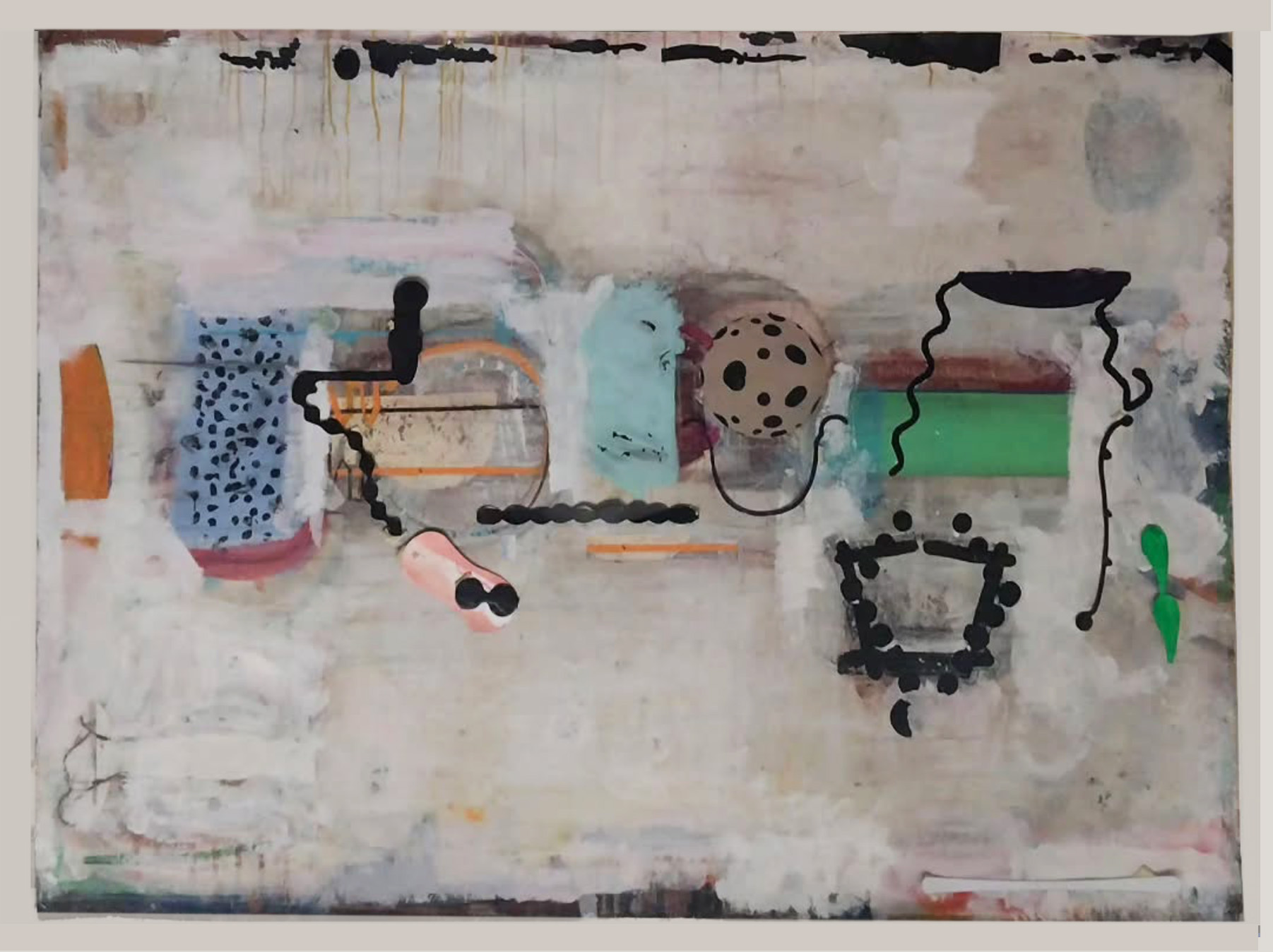
What do you think is the goal or mission that drives your creative journey?
I know that after working at my art for a lifetime is in some ways difficult to explain and in other ways is very simple. I have always wanted to make art that is inspiring and meaningful and I don’t think that I am very unique in that aspiration. When things are going right with my work and things are really clicking all is right with the world. For me I am always looking for that perfect painting or drawing that is almost visible over the horizon but it doesn’t quite reveal itself to me.
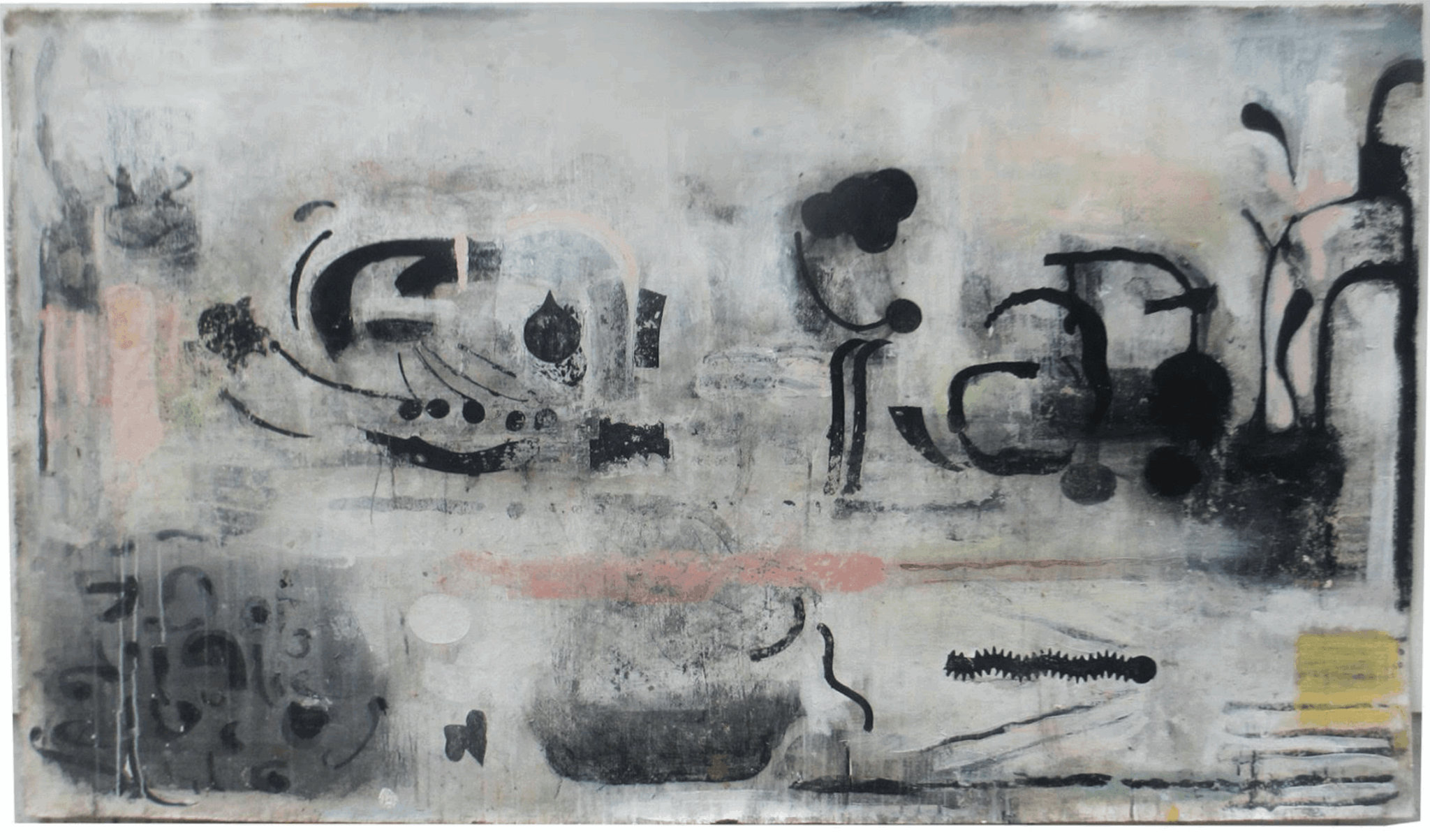
We’d love to hear a story of resilience from your journey.
Artists absolutely need resilience in the way the artwork is received or rejected in the art world. No one sees my art the way I see it. Sometimes when I think a painting is my best, but doesn’t get much of a reaction or no reaction at all, it can throw me off. And it works the other way around. Like so many things in life so many things are out of my control.
Resilence is absolutely part of being an artist’s DNA. There are several different areas that an artist has to move around which can be difficult to balance. When I was young, I sometimes would be be overly influenced by trends and styles that were ever changing in the small art world. As I matured as an artist and found my own voice, I was able to see the bigger picture. Much of the art world belongs to the extroverts and self promoters, who take up much of the air space, but good art still keeps getting made in spite of this reality. Inspiration strikes from time to time but it is not always consistent or something that can be depended on. Making art has been for me, a journey through the unknown. Since I am a perfectionist it is easy for me to sometimes overthink and be too critical and impatient as things are slowly moving along. It’s good to set things aside if they aren’t going well or if I’m at a tough spot with something and turn my focus onto something else. Solutions or partial solutions usually come in their own time. The work ethic can sometimes get in the way. This is mostly about the – usually solitary – working art in the studio.
Contact Info:
- Website: https://billeechart.com
- Instagram: billleechartist
- Facebook: Bill Leech