



We recently connected with Bill Barclay and have shared our conversation below.
Bill, thanks for taking the time to share your stories with us today Have you been able to earn a full-time living from your creative work? If so, can you walk us through your journey and how you made it happen? Was it like that from day one? If not, what were some of the major steps and milestones and do you think you could have sped up the process somehow knowing what you know now?
We’re all unique in the arts. There are labels like “painter,” “musician,” and “actor,” but those largely confuse the central premise: to be a successful artist is to successfully defy categories almost completely.
When I was in my 20s and 30s, I had to force-fit my skillset into containers that came with dollars and sense, and so I did. It was never an easy fit. I taught Shakespeare in prisons, taught acting at universities, gave music lessons, sound designed over 50 plays, and started directing theatre.
When I was 31 my life totally changed – I became director of music at Shakespeare’s Globe in London. The opportunity was to feel protected by a brand and a salary that bestowed a kind of momentary security. But as I stayed through seven years, and 130 different productions, that security became a snakeskin like any other. It was not going to satisfy a true artistic path.
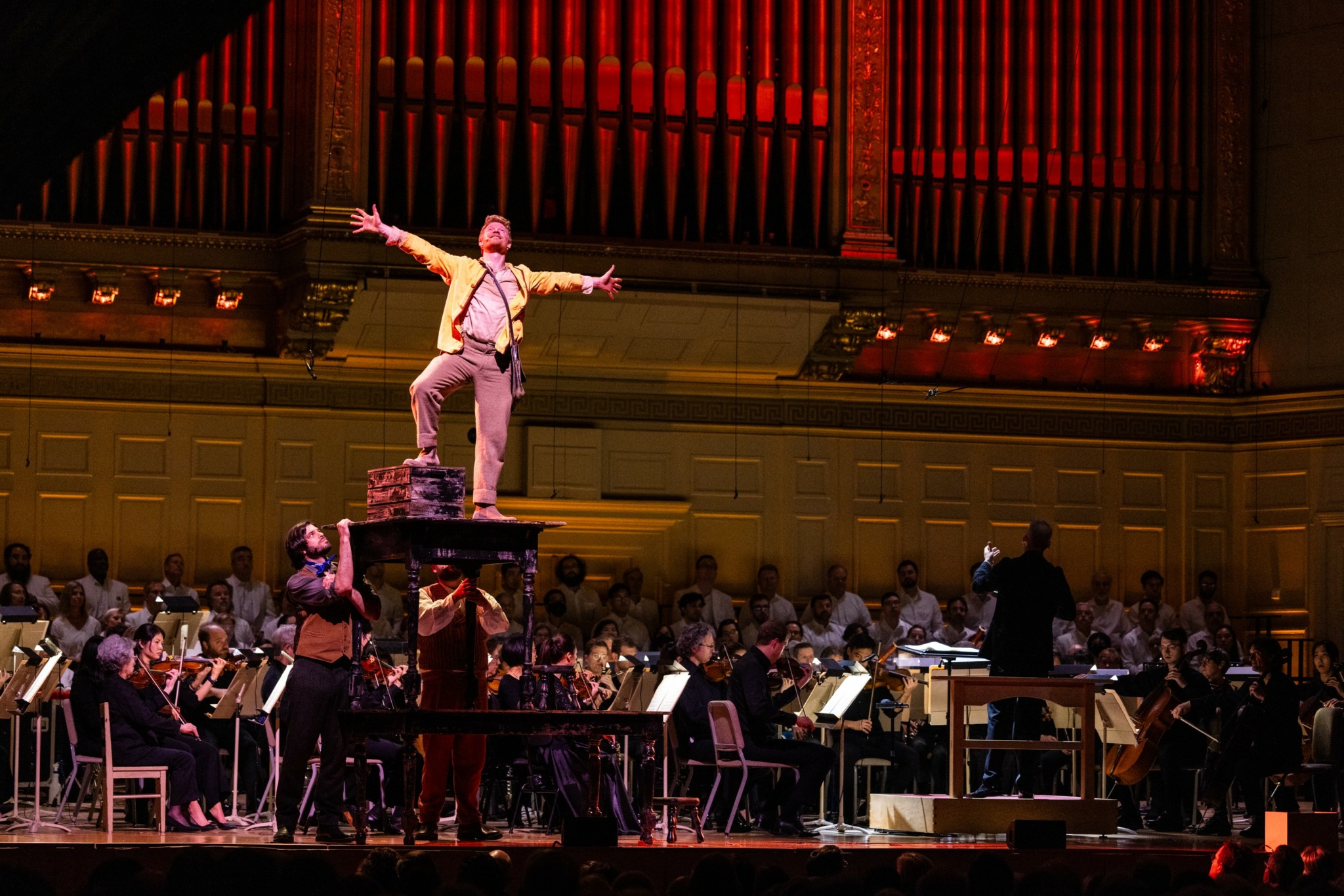
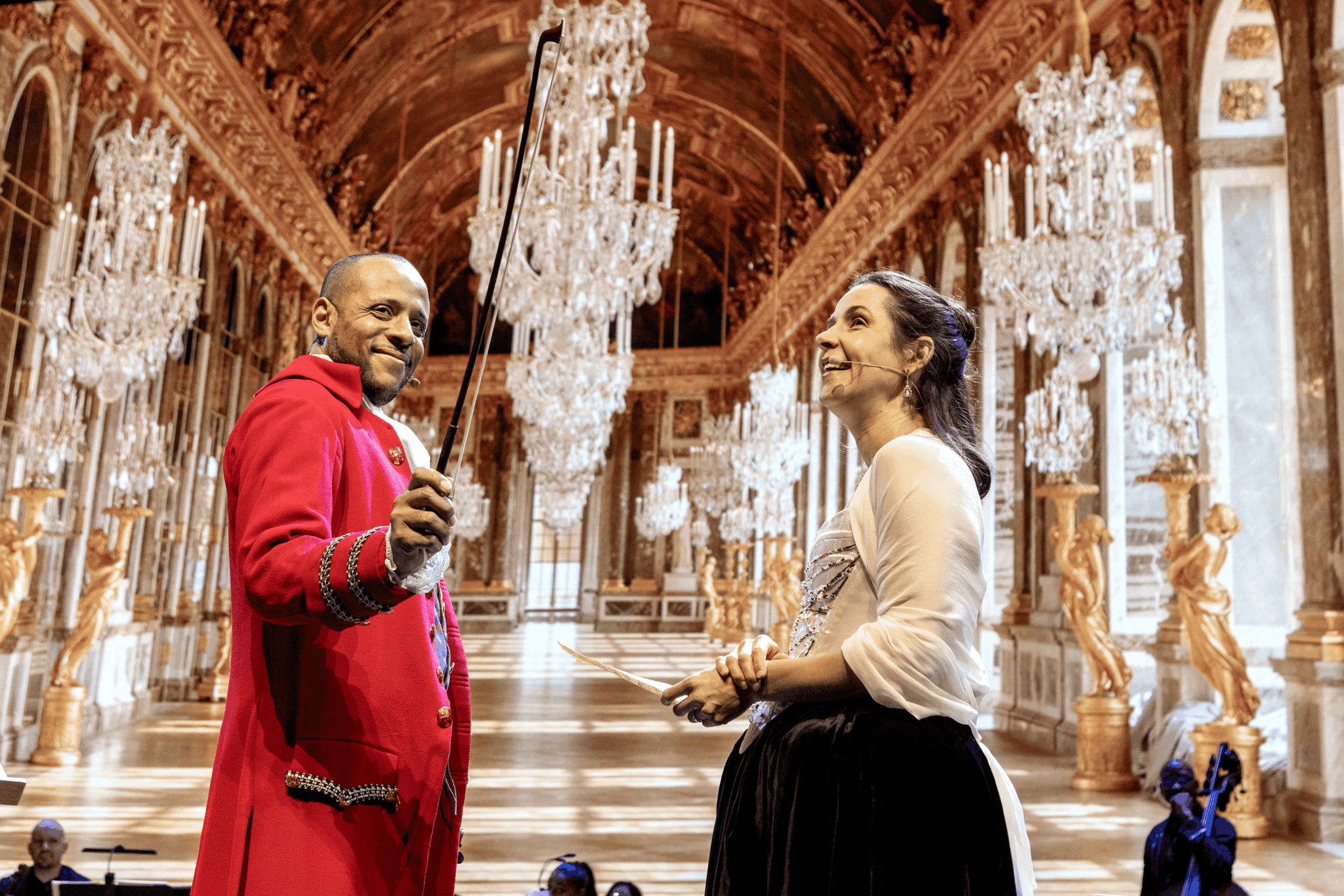
I had to start my own company, Concert Theatre Works, which mounts and tours my now 20+ theatrical concerts. We are unlike any other theatre company in that we tour to full orchestras. We perform in concert halls. And because there is demand for making classical music more innovative, the company can afford to pay its founder a small but liveable salary.
It has only been in the last two years, in my 40s, that I have a work situation that can go the distance for someone who has a family and lives in New York City. Never did I think this would be how it would happen. I always thought I would be employed by another major organization or freelance my entire life. But successfully defying categories often means going into business to create at original work at scale. I’m proud of having gotten to this point. No one warned me it was even likely, difficult, or possible.
Great, appreciate you sharing that with us. Before we ask you to share more of your insights, can you take a moment to introduce yourself and how you got to where you are today to our readers.
My brain is split 50/50 down the middle: I am both a musician (composer, conductor, producer, instrumentalist), and a storyteller (writer, director, presenter). I have always been both since I discovered a passion for the arts. Theatre and music: no preference.
Before anyone claims this to be some kind of humble brag, this bifurcated identity frustrated absolutely everyone in school – all my teachers for nearly 20 years, many of my peers, my parents and my siblings. I was pathologically overcommitted, permanently exhausted, and typically rudderless about longterm vision and which career would eventually win.
I couldn’t choose a conservatory because that meant picking a winner, so I attended Vassar College where one could elect to be a glutton for punishment and double major in music and drama at the same time (they no longer allow this). I recall my senior advisor saying to me once: “Bill, no one has any idea what’s going to happen to you.”
It took me 10 more years of leading a double life before a bizarre series of events airlifted me out of my artistic schizophrenia and I became director of music at Shakespeare’s Globe – only 1 of 2 Americans who had ever worked there, and running the most dynamic live music ecosystem in world theatre.
They needed someone who was fluent in music, but who knew their Shakespeare, and could translate between musical and theatrical cultures. My imposter syndrome was readily visible on my sleeve for the first several years, but I slowly got used to being the American who stuck out in Britain. It was an outsized reward for someone who was mitigating a professional crisis for many years. And it only delayed the inevitable – deciding what I truly stood for.
Are there any resources you wish you knew about earlier in your creative journey?
I wish I knew to relax and trust this process that leads someone to where they ought to go.
Mentorship is so difficult for artists and good mentors for me were always in short supply. One often comes across a good mentor in the wild who just doesn’t understand how to help, and the student doesn’t know how to ask.
There’s something about being a vulnerable child that makes this easier, but when one is grown, and presenting as virile and confident – that’s the moldable moment artistically, and in my case it was a series of difficult moments as I built my body of work and identity. How I wish there had been someone there to tell me a few key things:
Relax, sleep, look after yourself.
Be on time like your life depended on it.
Befriend yourself, and love yourself, before you seek friends and lovers.
The one who is relaxed, happy, on time, internally fed – that’s the one that gets hired, promoted, helped, married, adored.
In your view, what can society to do to best support artists, creatives and a thriving creative ecosystem?
There ought to be a freelancer’s benefits package that gets doled out when you have persisted with quality work for a period of time, making art for more than 20 years.
That would be an excellent thing to shoot for. It would be impossibly competitive, no doubt fraught with bias like all the rest, but would provide the confidence that at least on some level, the state valued art.
Making commercial art is deliciously fun – it’s a deeply fulfilling reward when a project washes its own face and then some. But the work that moves culture forward requires risk and sacrifice – there is no way of getting around it. No safety net means less exciting gestures of aspiration. It’s just how most of us our built.
In the absence of the state, a bevy of foundations who make strong commitments to artists making the lifetime commitment – regardless of their race, gender, ability, or orientation – is essential.
Contact Info:
- Website: https://concerttheatreworks.com
- Instagram: @barclayarts
- Youtube: @barclayarts
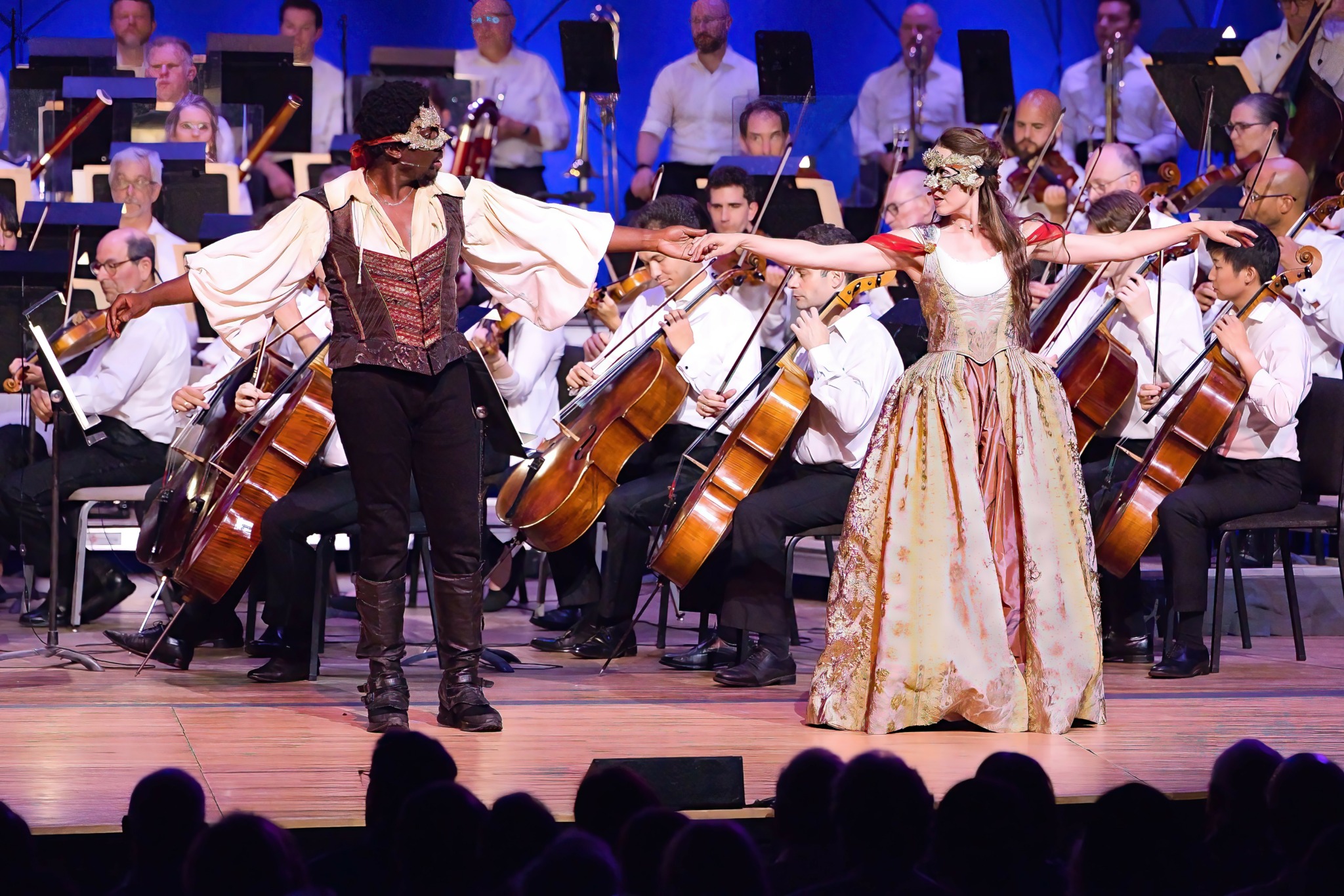
Image Credits
Bronwen Sharp
Tatiana Daubek
Hilary Scott
Robert Torres