

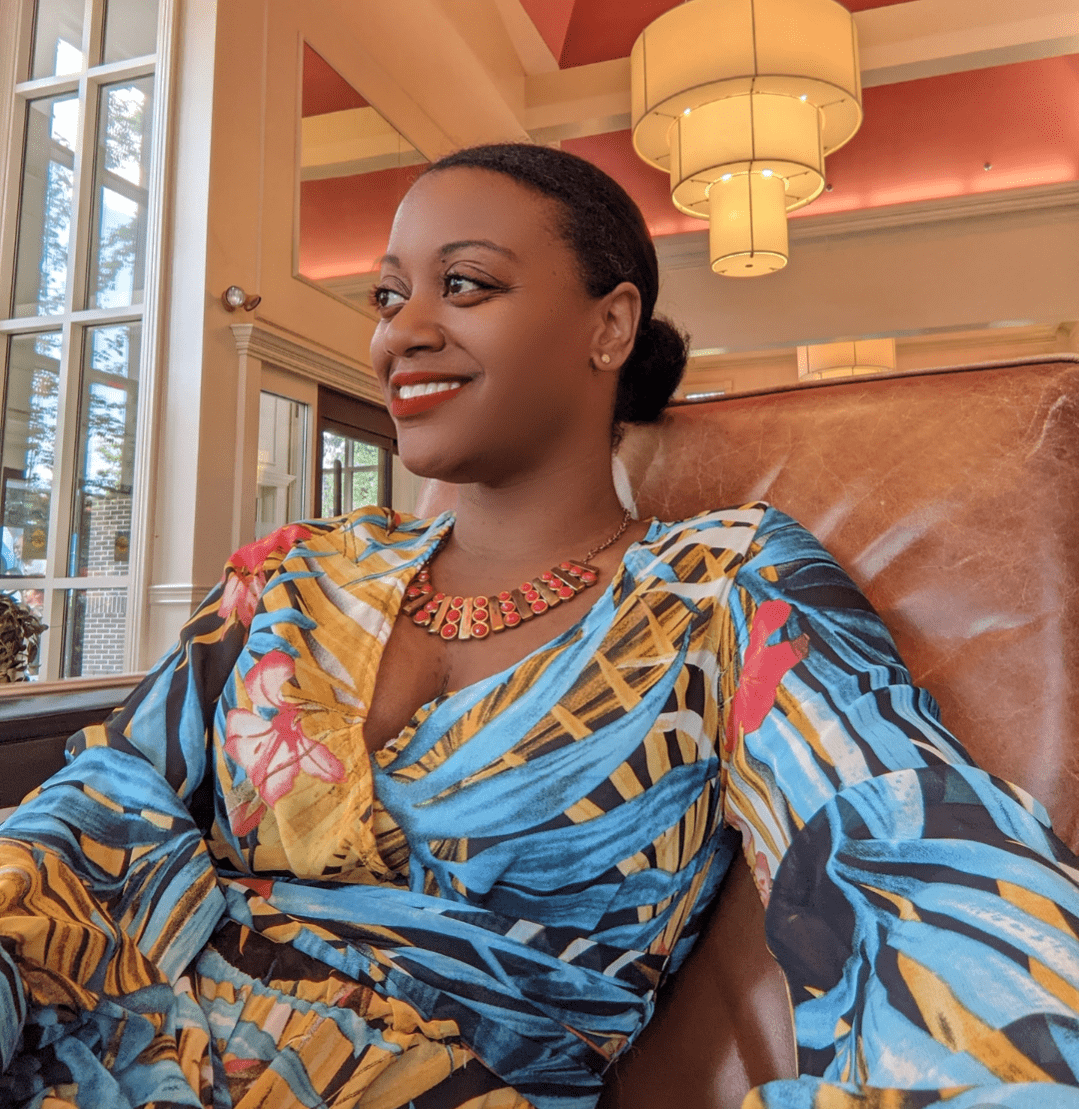

We caught up with the brilliant and insightful Bianca Jackson a few weeks ago and have shared our conversation below.
Alright, Bianca thanks for taking the time to share your stories and insights with us today. One of the toughest things about entrepreneurship is that there is almost always unexpected problems that come up – problems that you often can’t read about in advance, can’t prepare for, etc. Have you had such and experience and if so, can you tell us the story of one of those unexpected problems you’ve encountered?
One of the most unexpected challenges we faced was the impact of the COVID-19 pandemic, and it hit us just after purchasing a commercial building in Baltimore. If I had known the pandemic was coming, I would have made different decisions, but like everyone, we couldn’t foresee the future. We found ourselves in a position where we had a business that relied heavily on foot traffic, but with the lockdowns and restrictions, there was no foot traffic at all.
It was a truly difficult moment, and we had to ask ourselves: how do we save a business in the middle of a pandemic with no customers coming through the door? This forced us to get creative and think outside of our traditional business model.
The turning point came when Facebook changed its name to Meta, signaling a shift towards the metaverse and virtual reality. This sparked a question in my mind: “Would people actually want to attend events in virtual reality?” Prior to that, in December 2021, we held our first VR art show. Artists showcased digital versions of their work inside a virtual reality museum, and collectors from all over the world attended. They met the artists, viewed the art, and even purchased pieces—all without any physical interaction. The pieces were then delivered to the buyers’ homes.
The success of that event showed us that people were not only willing but excited to engage in virtual reality events. This realization allowed us to pivot our business model. What started as an uncertain experiment turned into a whole new direction for BrickRose, as we embraced VR events. That unexpected challenge, though daunting at first, ultimately led to growth and innovation for our business. It taught us the power of adaptability and the importance of staying open to new opportunities, especially in the face of adversity.
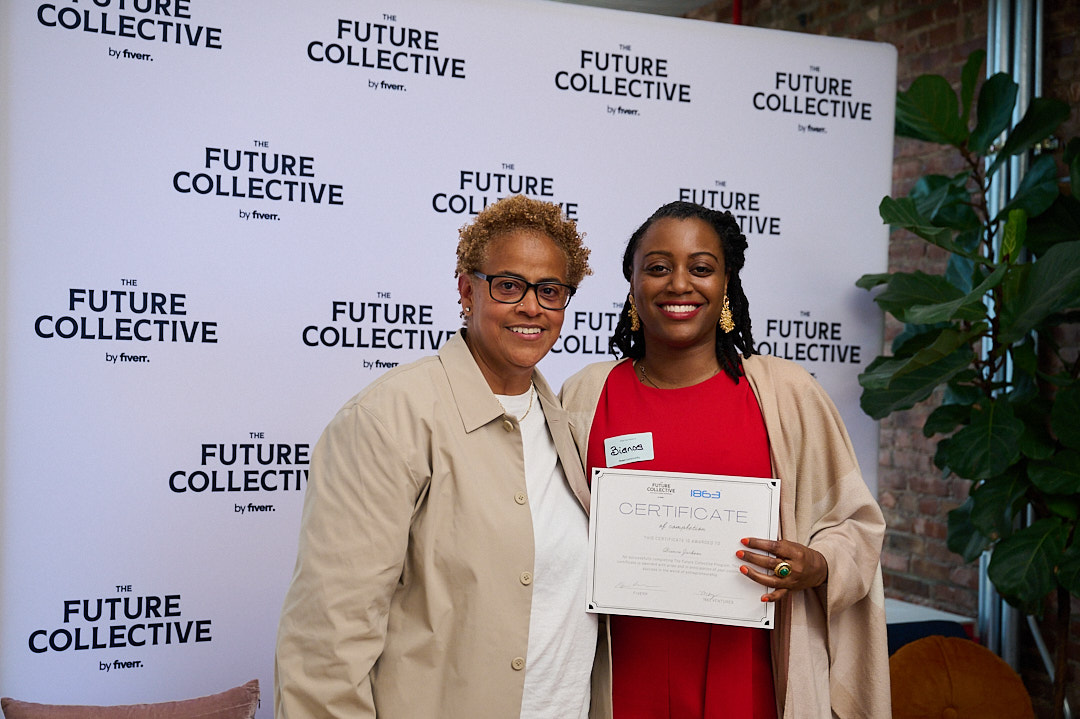
As always, we appreciate you sharing your insights and we’ve got a few more questions for you, but before we get to all of that can you take a minute to introduce yourself and give our readers some of your back background and context?
My journey into the world of technology, particularly virtual reality, began in a somewhat unexpected way—by slicing virtual fruit! Back in 2016, while working with USA Today, I stumbled upon a group of colleagues playing Fruit Ninja in VR after a long day at work. Naturally, I joined in and quickly found myself ducking, dodging, and sweating from the immersive experience. But that moment sparked something deeper than just fun and games—it sparked curiosity. After the game, I couldn’t stop asking questions about VR technology, its potential, and how it worked. A week later, I was reassigned to the emerging tech team, or as I jokingly called them, the Fruit Ninja team. It was a pivotal shift in my career.
As I immersed myself in the world of virtual reality, I quickly learned that there was so much more to it than entertainment. I took on the role of project manager, starting from the ground up, and began absorbing as much knowledge as I could—about the history of the tech, the current landscape, and what the future could hold. This curiosity and drive to explore new frontiers in technology became the foundation of my approach in business.
Today, as the CEO of BrickRose Exchange, we are positioned as a resource for innovation and emerging technologies. We provide virtual reality (VR), augmented reality (AR), and even artificial intelligence (AI) solutions, catering to both for-profit and non-profit organizations. Our services allow businesses and creatives to engage with their audiences in new, immersive ways. For example, we’ve hosted virtual reality art shows where artists can showcase digital representations of their work, and collectors from all over the world can attend and purchase art without ever leaving their homes.
What sets us apart is our ability to take these “crazy science fair questions,” as I call them, and turn them into real, tangible solutions. We challenge traditional models and explore new ways for people to interact with each other and the world around them, whether through virtual events, immersive storytelling, or technology-driven business solutions.
What I’m most proud of is how we’ve helped our clients navigate uncharted territories, especially during challenging times like the pandemic. When foot traffic to our physical space stopped, we pivoted by moving events into virtual reality. This adaptability and willingness to experiment are core to who we are.
For potential clients or followers, I want them to know that BrickRose Exchange is a place where creativity, technology, and innovation converge. We’re not just thinking about what’s happening now; we’re asking the big questions about what the future could look like and helping businesses and creators stay ahead of the curve. Whether you’re looking to solve a problem with emerging tech or explore the possibilities of virtual and augmented realities, we’re here to make it happen.
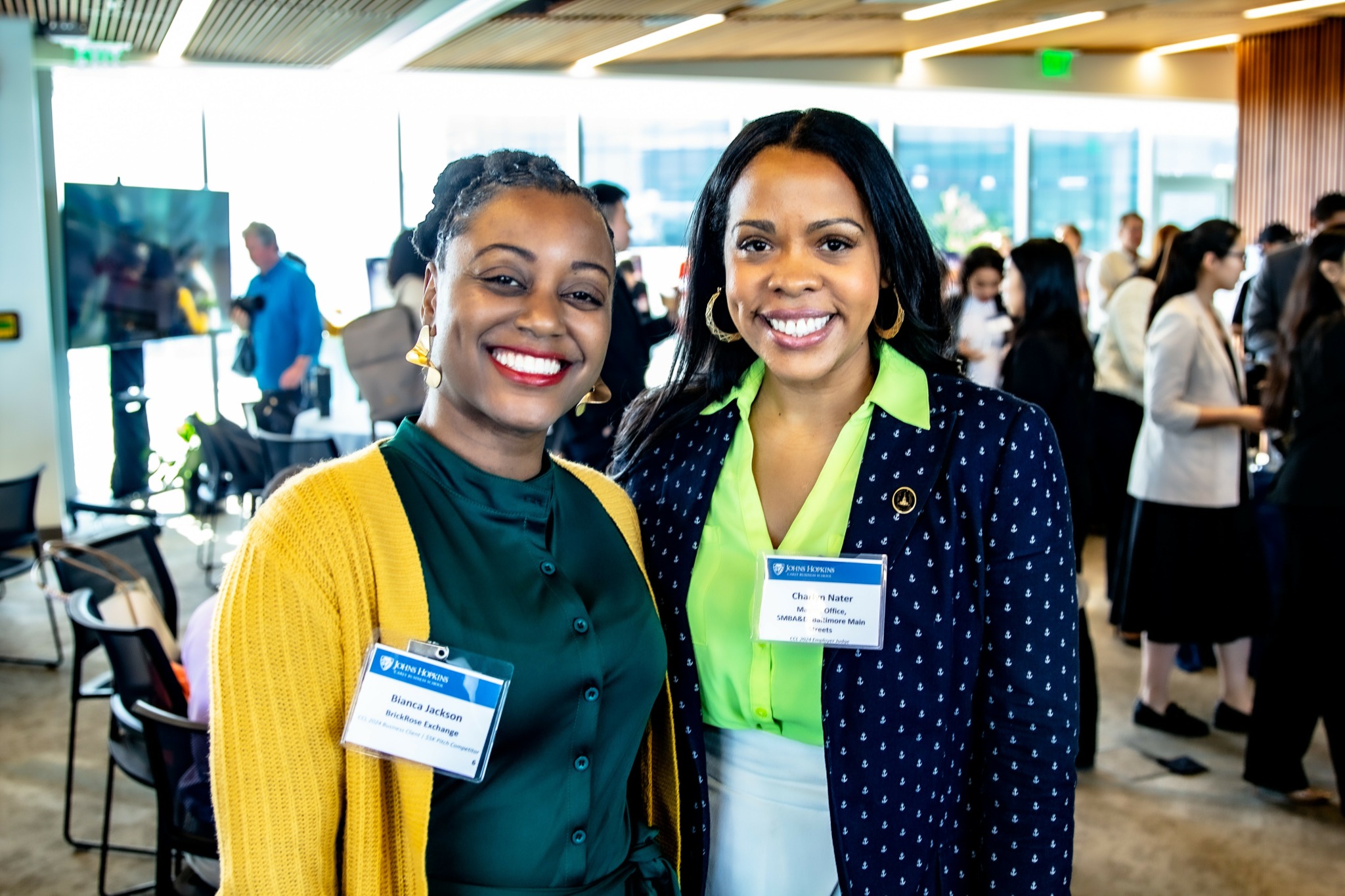
Let’s talk about resilience next – do you have a story you can share with us?
A story that illustrates resilience for me is our response to the pandemic, especially not knowing how long it would last. Early on, my accountant predicted that the pandemic could stretch as long as four years, and while I found that hard to believe at the time, she was right. In 2020, we were still operating our regular event business, which relied heavily on in-person gatherings. However, by the end of 2021, we recognized that we needed to pivot, and that’s when we started shifting toward virtual reality events.
That transition wasn’t smooth. In 2021 and 2022, although there was a lot of curiosity about virtual reality, we faced skepticism. Some people embraced it wholeheartedly, but many others didn’t quite see how it could work for them. Sales were inconsistent, and there were moments where we could have given up. But I believed in the potential of VR. Even when the market leaned more toward gaming and our original focus on gathering people through virtual events wasn’t catching on right away, I saw the bigger picture.
Our persistence paid off as we adapted and improved our VR offerings. As more people became interested in artificial intelligence and other innovative tech, we expanded our expertise, addressing social issues like inequities through these technologies. This evolution, driven by market demand, required constant adjustment and perseverance.
The ultimate test of our resilience was deciding to shift the focus of our business model.
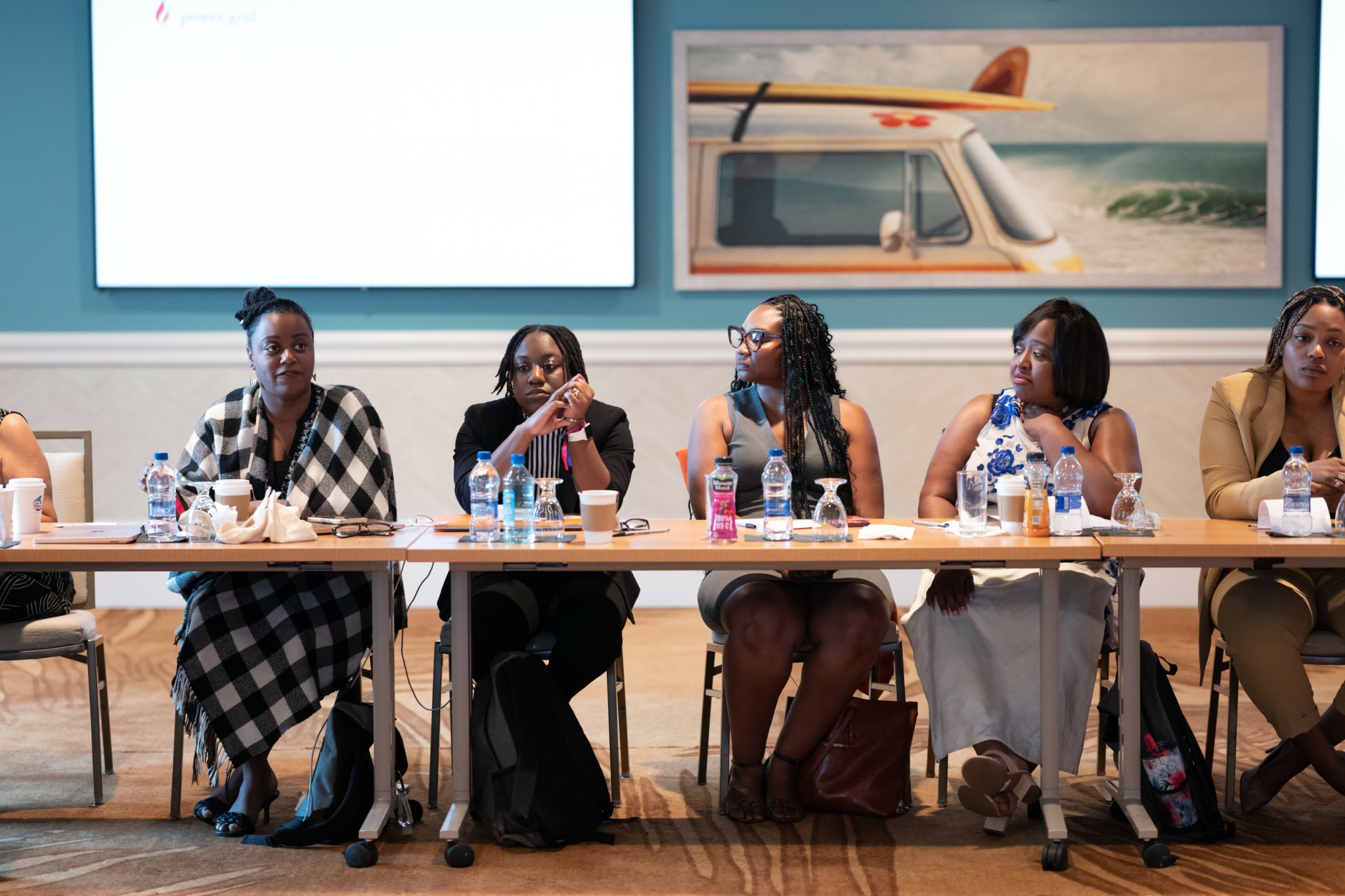
How about pivoting – can you share the story of a time you’ve had to pivot?
Despite owning a physical commercial building meant for hosting events, we made the tough decision to prioritize virtual events when we saw the ROI from metaverse events surpassing physical ones. Running physical events was expensive, with high overhead and lower returns, whereas virtual events proved to be more cost-effective and profitable.
I had to be honest with myself and recognize that sticking to the original business model wasn’t sustainable. Listening to the market allowed us to pivot and set up BrickRose Exchange in a way that made the business resilient to both recessions and pandemics. Now, no matter what happens—whether we face another lockdown or further disruptions—we’re in a position to thrive, because our virtual platform doesn’t require anyone to be physically present to generate revenue.
Contact Info:
- Website: https://www.brickroseexchange.org/
- Linkedin: https://www.linkedin.com/company/brickrose-exchange
Image Credits
Fiverr, John Hopkins, Black Innovation Alliance