

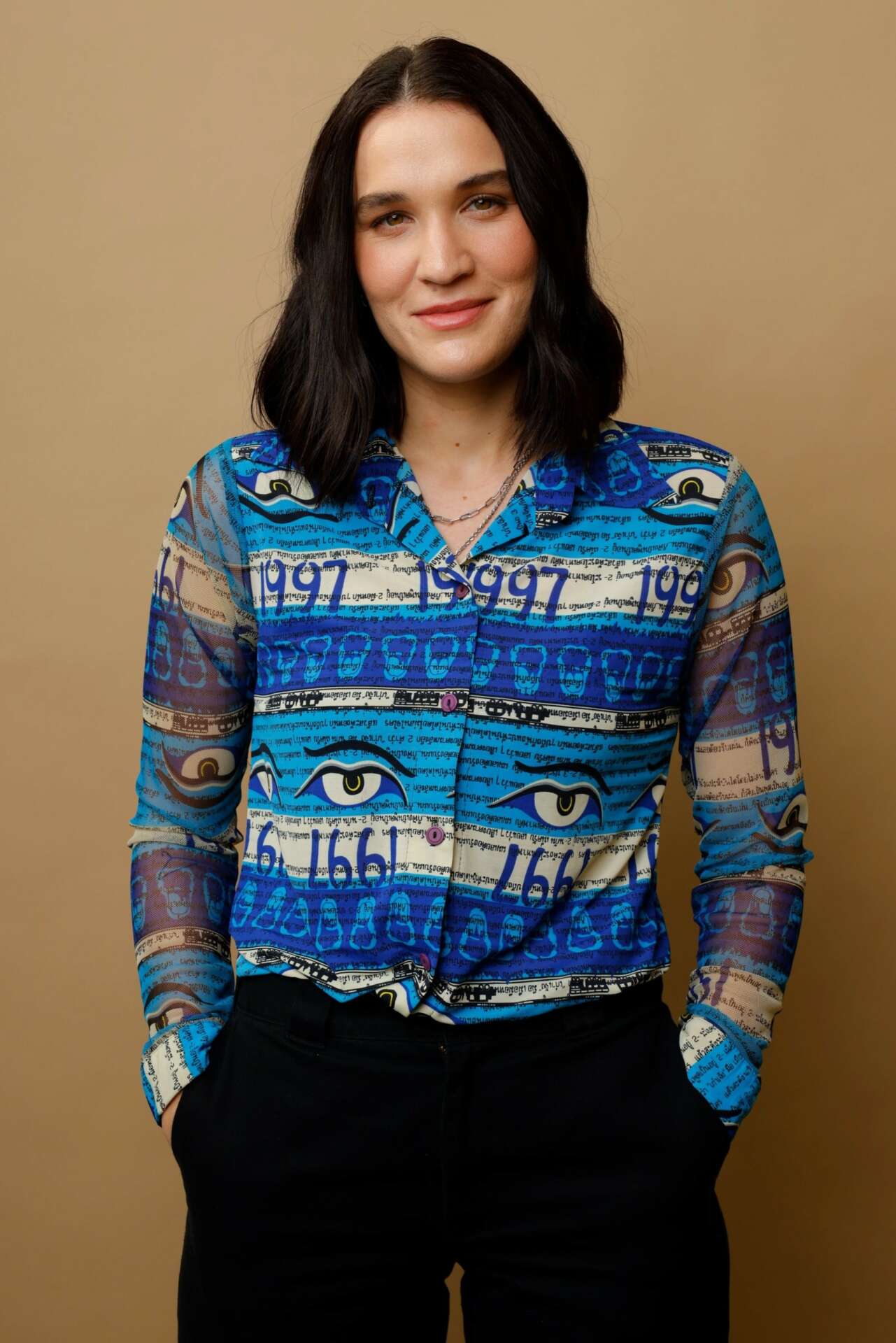

We recently connected with Bia Jurema and have shared our conversation below.
Bia , thanks for taking the time to share your stories with us today Have you been able to earn a full-time living from your creative work? If so, can you walk us through your journey and how you made it happen? Was it like that from day one? If not, what were some of the major steps and milestones and do you think you could have sped up the process somehow knowing what you know now?
Making a living from my creative work is a privilege I’ve strived for since arriving in Los Angeles. I came without a job or a place to live – all I had was my car packed with all my personal belongings and the tools I had to get started. Looking back at that time, from where I’m at now, things looked very different. It was about surviving. Which meant saying yes to most opportunities that came my way, even if that meant sacrificing favorable conditions in order to build a body of work.
When it’s no longer about surviving, creatives alike are presented with a whole new set of nuances to navigate. I operate my business in a very different way now. There is a new process that ensues when thinking about embarking on a job. First, it’s usually big picture questions that I ask myself, like: ‘Am I aligned with the messaging?’ ‘Are these people that I would be happy to collaborate with?’ ‘Is this something I have bandwidth and emotional energy for?’ ‘Is this really something I have a desire to do?’ I’ve noticed that when the answers to those questions are “No”, the project is never a good idea.
But, if I can confidently say “Yes” to those questions, I move on to a more specific checklist that ensures my rate, boundaries, and mental health aren’t sacrificed within the confines of the job. This creates a basis of ethics that allow me to pick projects that are right for my business. Sometimes the project is about the money. Sometimes it’s about passion. Either way, I know I have a criteria that will at least set me up for success, in some way.
Now that I have a semblance of security, there is a question I’m still in the process of unraveling and understanding as I continue to grow my career – ‘What do I really want to focus on and do?” As a director who is also an editor and a photographer, my projects can span a variety of genres: from narrative films, commercials, branded content, social media, stills, and documentaries. It’s a rather large umbrella which can allow for different streams of revenue when a particular discipline is slower than the others. This feels comforting, since being a freelance artist is a bit unpredictable. But – while I genuinely do enjoy all these worlds – there is a part of me that wants to zero in on a single mission, a specific goal. I think these next few years will be a time of exploration and focus as I continue to chip away at this question.
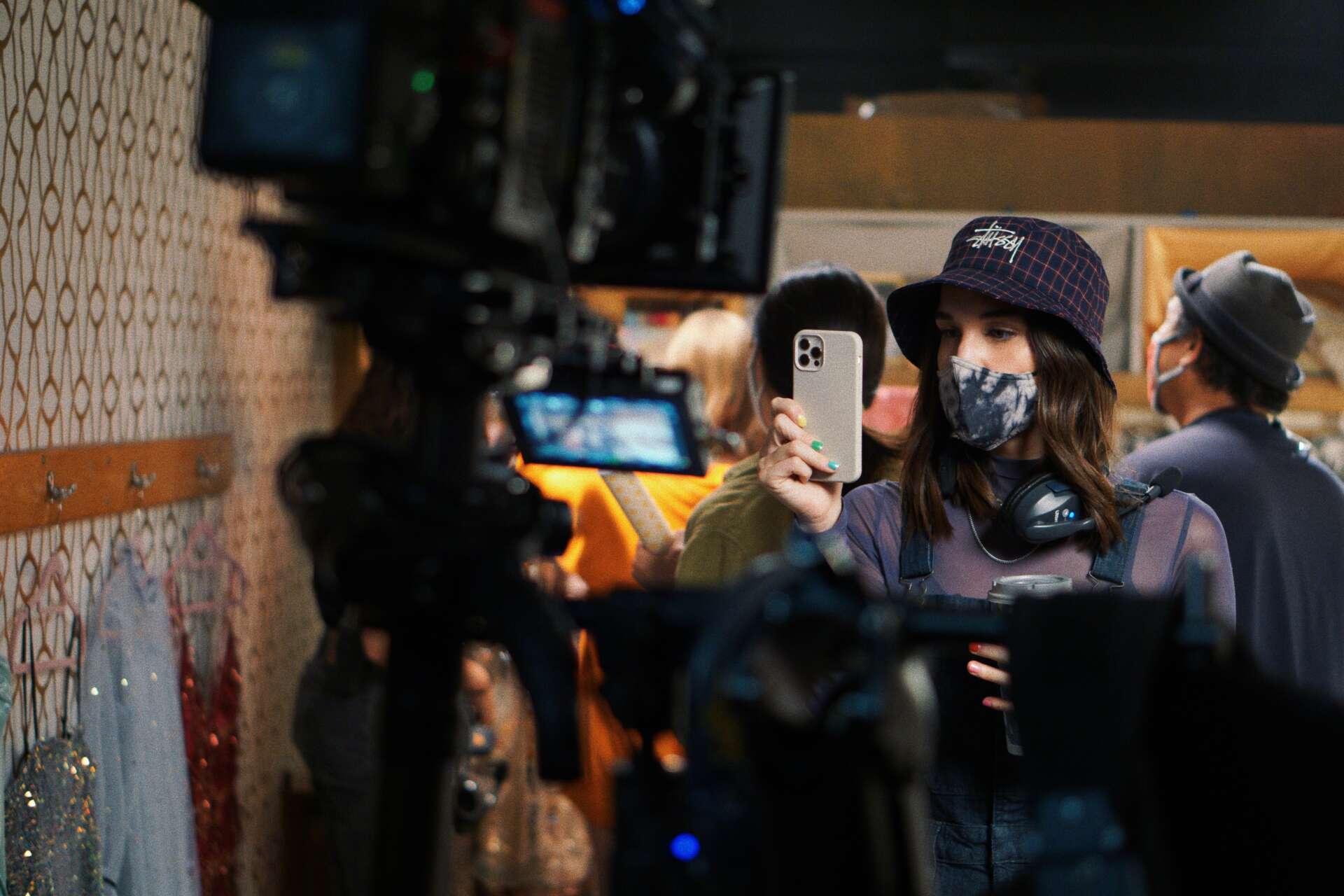
As always, we appreciate you sharing your insights and we’ve got a few more questions for you, but before we get to all of that can you take a minute to introduce yourself and give our readers some of your back background and context?
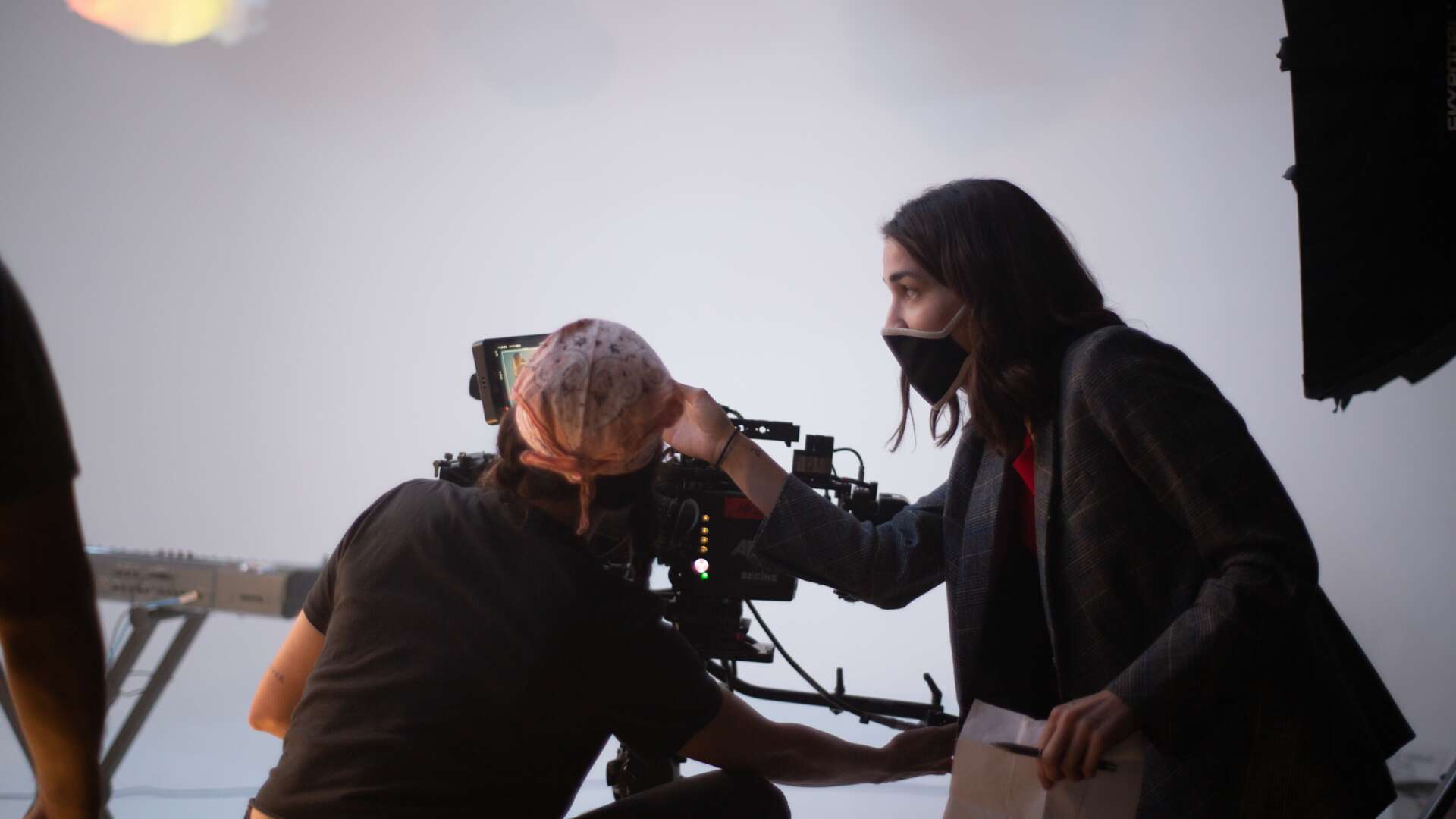
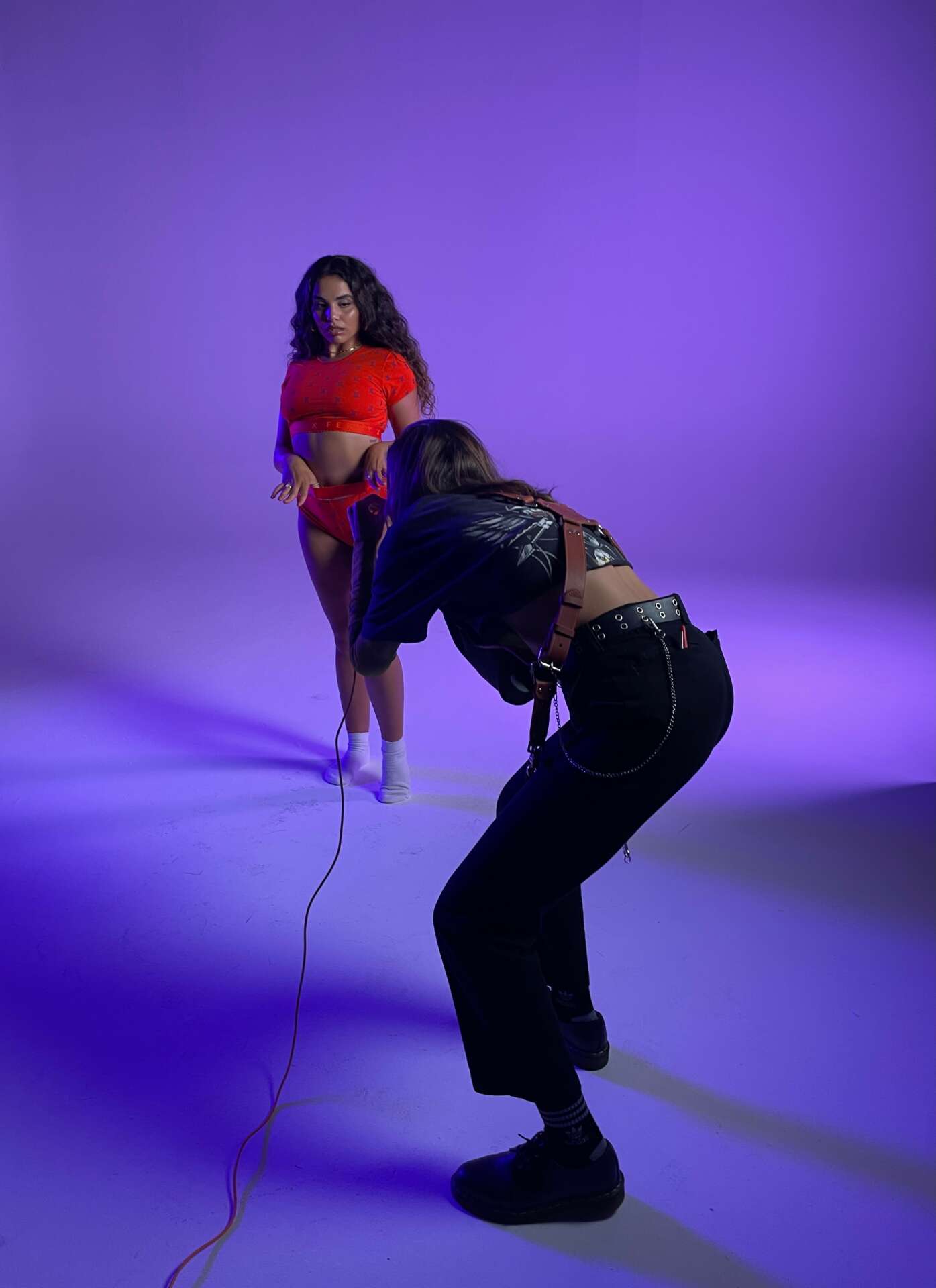
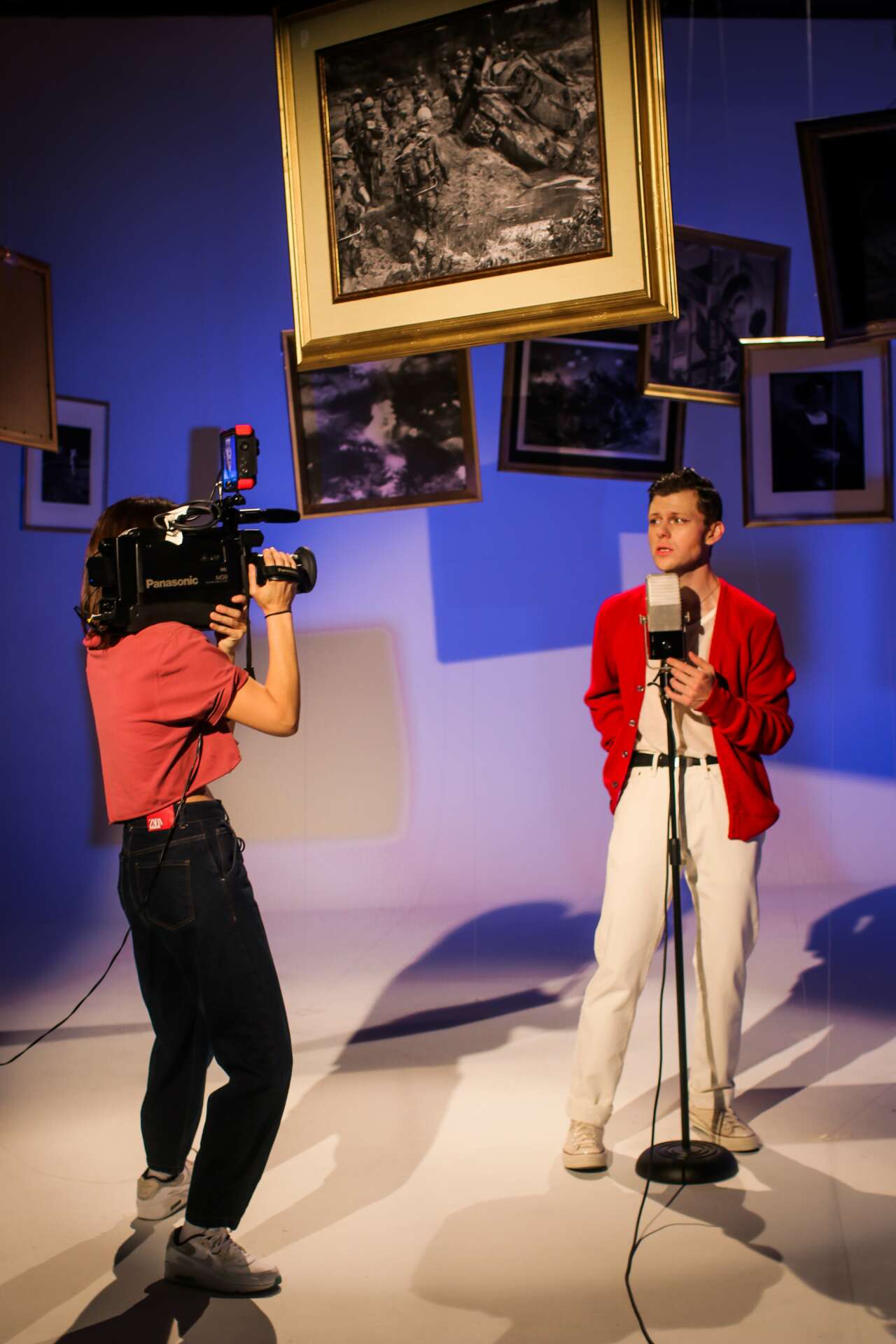
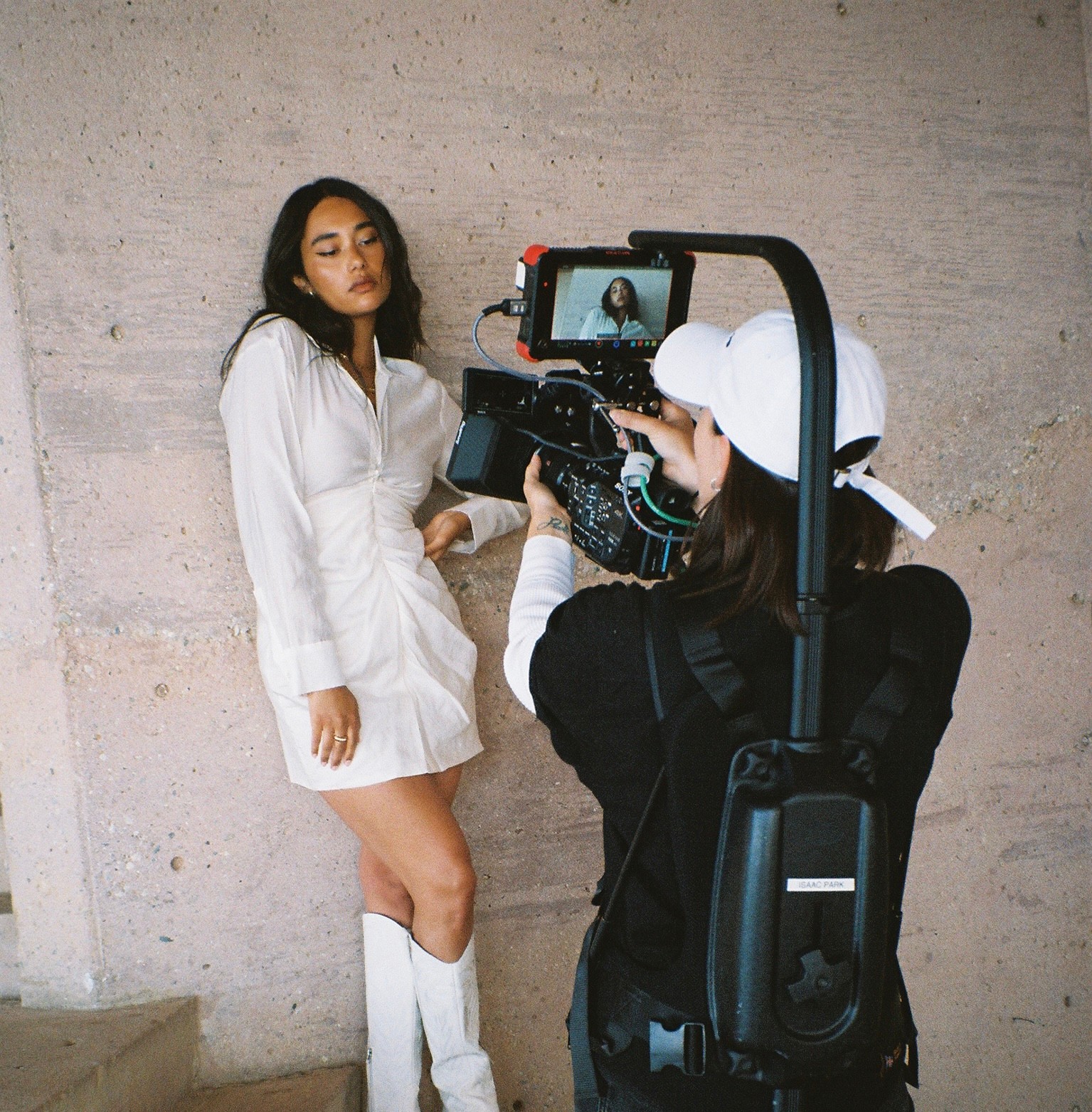
I’m a Brazilian director, editor, and photographer based in Los Angeles, specializing in branded, commercial, music, and narrative content. I was born on the metropolitan coast of Recife, which is definitely a source of inspiration for me. I make videos that are vibrant, emotional, yet energetic; emblematic of the unique spirit of my hometown and culture. I strive to bring three-dimensional, queer and Latin characters and stories to the forefront of cinema.
I always knew that I wanted to do something creative, so I began filming and editing silly little mockumentaries in high-school. I was instantly hooked – there was something about bringing my peers together to lead a common artistic goal, and the trial and error of putting it all together, that really excited me. Pretty soon, I decided to go to college for it, and never looked back.
Since then I’ve collaborated with companies and brands such as Google, Netflix, Vans, Paramount, Sony, Warner Music, Snapchat, Adidas, Burger King, Savage x Fenty, Refinery29, BET, Billboard, Live Nation, and the New York Times. Collaborating with innovative artists and forward-thinking brands is what I will always love to do.
My work has explored topics, characters, and stories I never got to see as a queer kid in the suburbs. I’ll be happy if I can continue upholding space for the things I care deeply about through my art.
Are there any resources you wish you knew about earlier in your creative journey?
Free The Work is a global community of underrepresented creators changing the lens through which we look at production. This website is a wonderful database/tool for filmmakers to get discovered. I’ve had a few job opportunities come from being a part of this collective. This is particularly helpful if a client is searching for a specific criteria. Along with their work samples, filmmakers can list unique qualities or skills in their bios. These niche traits are easily searchable to onlooking employers. For example – this company was looking for a Brazilian editor, fluent in Portuguese, for a project surrounding the deforestation of the Amazon rainforest and the displacement of the surrounding indigenous people. The head of post-production found my profile/portfolio through Free The Work, and I became the lead editor on the project. This job turned into one of my favorite experiences of the last year.
For directors and DPs, I highly recommend signing up for ShotDeck. ShotDeck is the largest collection of fully searchable high-definition movie images in the world. This is such a crucial tool when it comes to building any type of treatment and deck where visual references are so important in communicating your vision. You can pretty much search any film ever made, or you can use keywords, shot/lens type, or even a color, to track down an image that you’re looking for. Gone are the days or Google, where you’re faced with the impossible task of finding workable images in a sea of low-res, watermarked, stock photos.
Are there any books, videos or other content that you feel have meaningfully impacted your thinking?
There are two books that have significantly impacted my experience as a director and editor.
‘In the Blink of An Eye’ is an amazing read by the celebrated editor, Walter Murch. Every editor should read this book. Some of the things I was instinctually doing as an editor were put into context for me, to the point where I could truly understand the reasoning and purpose behind every cut. He explains why cuts work, and why they don’t. With his extensive experience and knowledge of the craft, Murch gives technical and philosophical insight into editing – and the result is a set of guidelines for evaluating any edit, and most importantly, the quality of your own work.
‘Directing Actors’ by Judith Weston is such an important book for both aspiring and working directors today. It demystifies so many aspects of directing into clear and concise coaching, especially when it comes to handling and channeling actors and performances. A lot of directors are versed in visual and technical language, but struggle to communicate with talent in productive, collaborative ways. This book made so many things click for me.
Contact Info:
- Website: biajurema.com
- Instagram: @biuh
Image Credits
Personal photo/headshot by Huebner Headshots. BTS photos by Serena Romaya, Sydney Wolstein, Emma Kopkowski, and Charlotte Condy.