

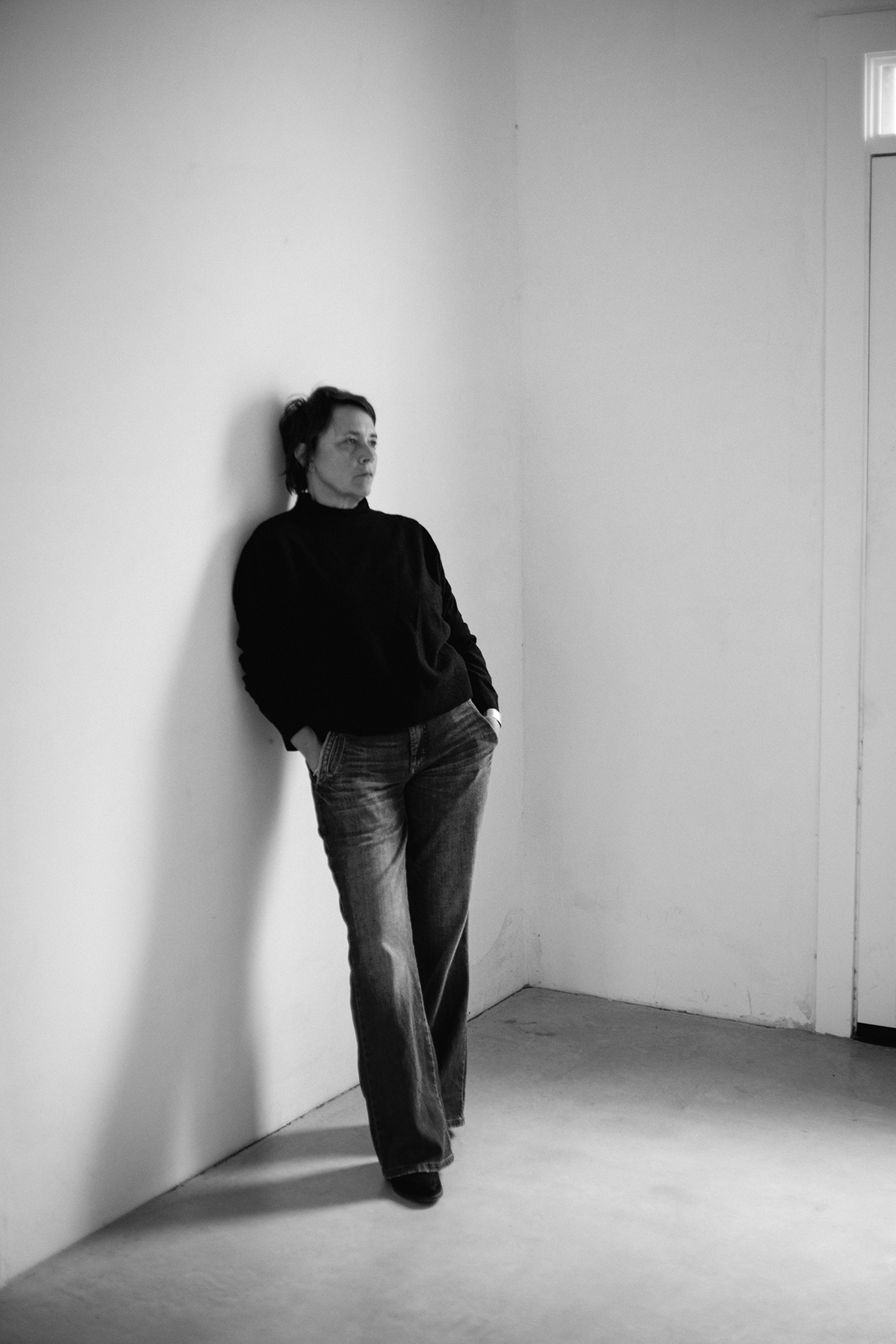

We caught up with the brilliant and insightful Beverly Fisher a few weeks ago and have shared our conversation below.
Beverly, looking forward to hearing all of your stories today. We’d love to have you retell us the story behind how you came up with the idea for your business, I think our audience would really enjoy hearing the backstory.
I was writing a list of names when I came up with Studio light | space for my art and design firm. It seemed to encapsulate everything that I love when curating an exhibition or designing a space. After an epic road trip that included Marfa, White Sands, and Salt Lake, visiting art sites such as the Chinati and Judd Foundation, Spiral Jetty by Robert Smithson, and indigenous sites—Chaco Canyon and Mesa Verde—I knew that I wanted to move to the Southwest.
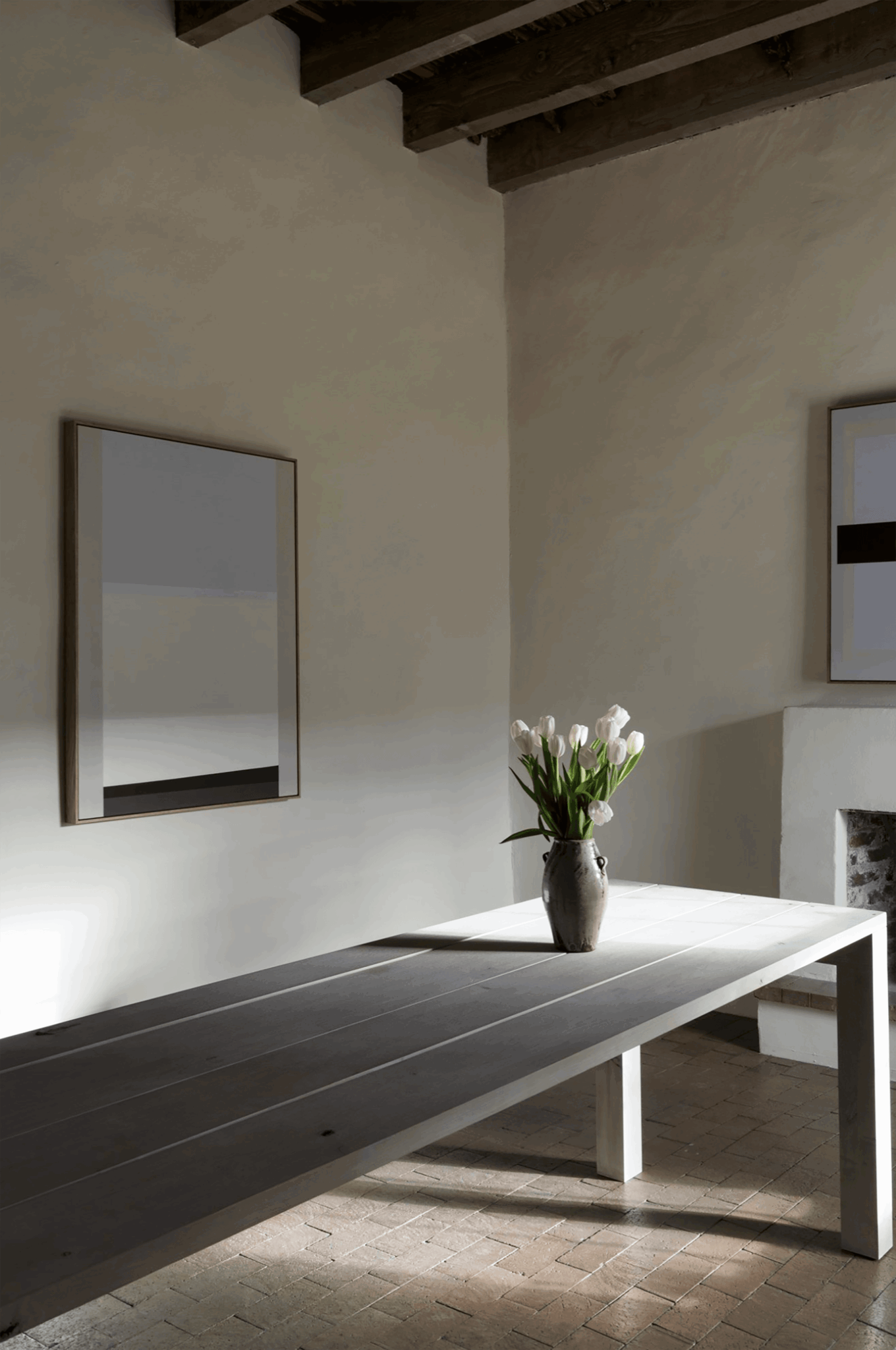
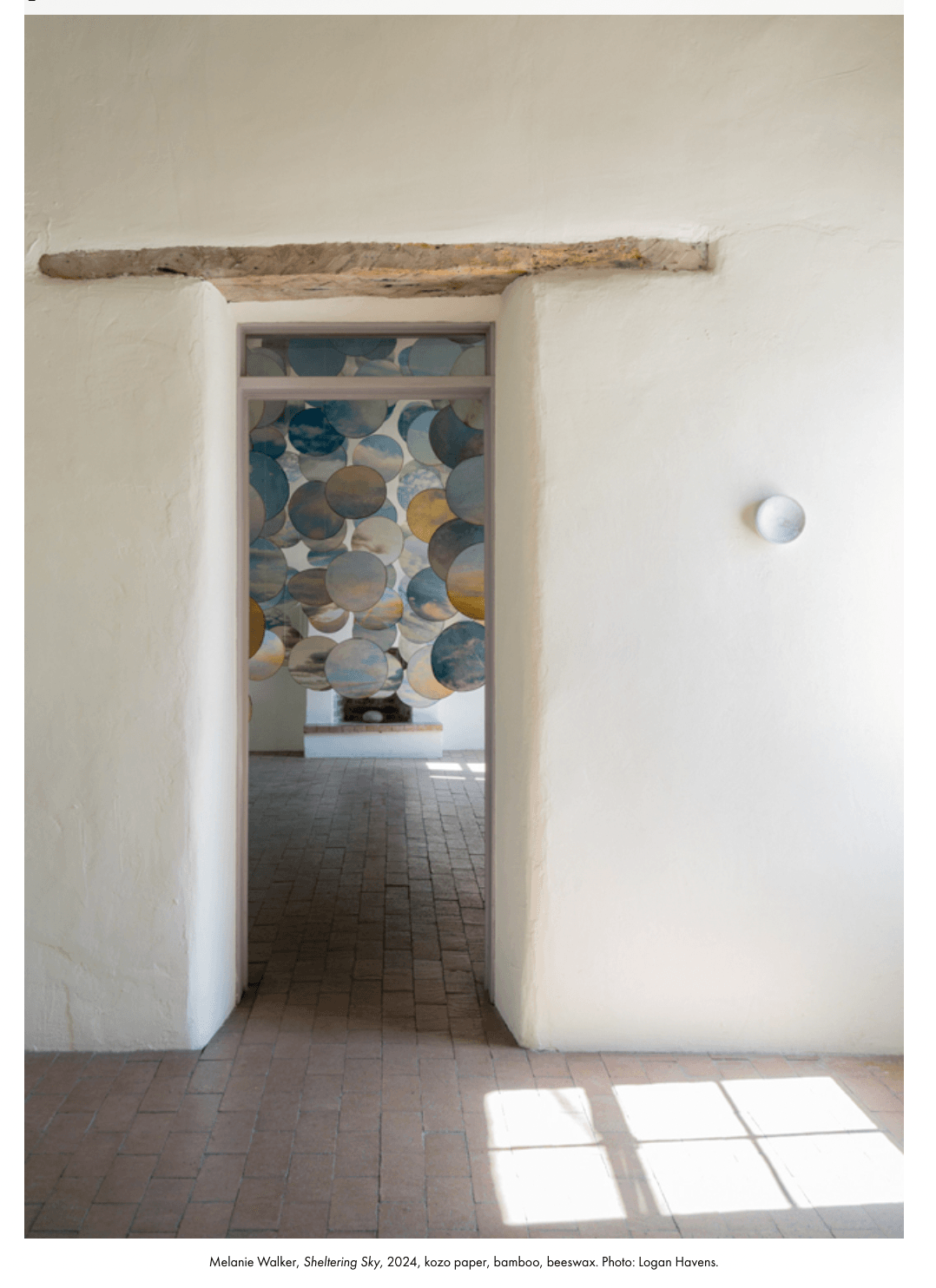
When I moved to Tucson in 2020, I found an 1850s Sonoran Territorial adobe building in the historic Barrio Viejo neighborhood. The space itself had this incredible quality of light, with thick walls and deep-set windows, that suggested a certain kind of art. I realized there was an opportunity to create a gallery focused specifically on reductive, atmospheric work. Most galleries were showing a broader range of contemporary work, but I wanted to focus on art that works on you slowly, the way light itself does. The logic felt clear: Tucson is in the Sonoran Desert, yet there wasn’t a gallery presenting this kind of contemplative work. What excited me most was the possibility of creating a space where the architecture, natural light, and the artwork were in conversation with each other.
The goal of the design practice is to closely observe the site and to anchor the design in the place, using light and tactile materials to ground sensory experiences and to make spaces where people feel connected to the land and immersed in nature. Atmosphere, plants, light, and hardscape are at the forefront of experience. Spending time in the Chihuahuan and Sonoran, Deserts has been transformative for me.
Beverly, before we move on to more of these sorts of questions, can you take some time to bring our readers up to speed on you and what you do?
I was born in Lancaster County, Pennsylvania. My family has lived in this area for thirteen generations, so the interface of bone, body, and landscape is deep. The aesthetics of Amish home life and farms has informed my sensibility as an artist and curator. The directness of quilt patterns that reference fence rows and field lines, the colors and the simplicity of design in all of its manifestations. The rhythm of seasons, weather, and multiple income streams from farming, beekeeping, apple orchards and cider, and the incredible material culture there had a huge impact on me.
I got my MFA at Tyler School of Art, Philadelphia. I was teaching and working as a public artist for Mural Arts in the Restored Spaces initiative, and after designing a children’s splash pad using Pennsylvania bluestone, inset water jets, solar-powered lights, and millstone “benches,” I was inspired to go back to school for landscape architecture at the University of New Mexico.
My background sets light | space apart. I bring a curator’s eye and a designer’s spatial intelligence to every exhibition and project. The result is programming that honors both the work and the experience of encountering it: installations where natural light, material presence, and artistic vision exist in genuine dialogue. The underlying motivation has always been the desire to show work that is quiet, in the sense that it reveals itself slowly over time.
From the gallery: I help clients select and place paintings, sculpture, and objects in their homes or offices. From pottery and stone plinths for the table to large-scale paintings and wall sculptures for the perfect spot in a home or commercial space. I have a design studio in the gallery where I hang my ink drawings and wall sculpture. The paintings and work are sometimes monochromatic, black or white on white, sometimes incredibly sensitive color studies. Huge floating wall sculptures in wood, or handmade paper mobiles. We offer workshops and artist talks, and openings with musicians from the community.
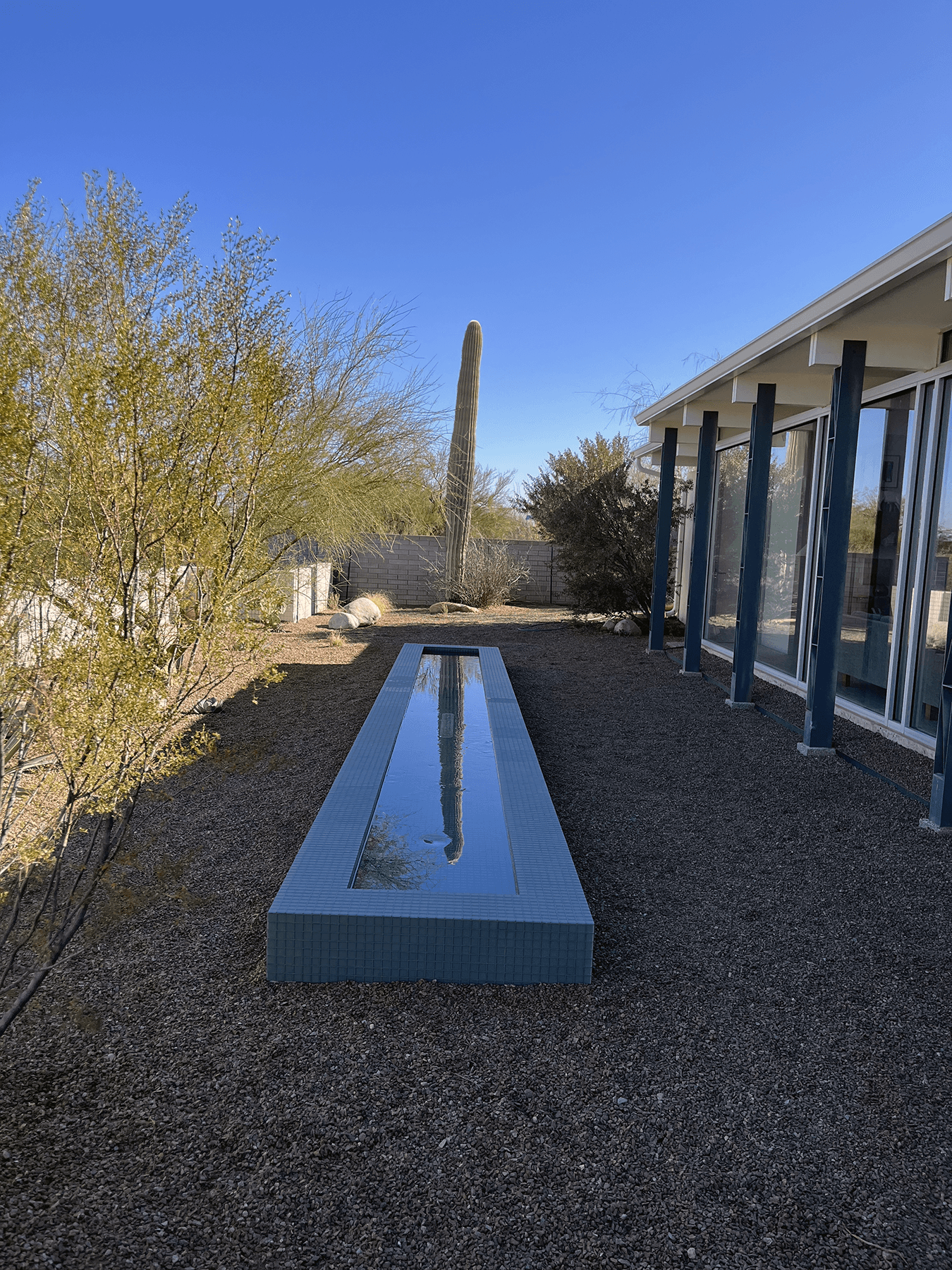
From the design side: I work with clients’ home landscapes to create an indoor-outdoor lifestyle. In the desert especially, but in other locations as well, using architecture as regulating lines is how the scale and proportion of a site comes to life. We come up with a wish list of walls, outdoor kitchens, water fountains or a pool, shade structures to add protection from the intense sun. Some materials to consider are limestone, decomposed granite, wood, and metal. Stone troughs and cushioned bancos enhance small courtyards. Plants add softness and movement; the structure of a large agave against the softness of a blue grama grass is satisfying to look at. The smell of orange blossoms and rosemary along the path.
I am most proud of the way the business expresses a dual purpose: introducing national and international art to Tucson and placing work here, and the way the design side approaches a site with observation and collaboration with the clients and the land. Each site has challenges and opportunities. Listening to clients and walking the site provides time to consider the best way forward for each situation.
I come at design from a different vantage point. I look for opportunities, not problems to solve. Simply, I want people to feel protective of and connected to this dynamic, luminous ecosystem.
Have any books or other resources had a big impact on you?
One book and one YouTube channel have fundamentally shaped how I approach light | space: Yvon Chouinard’s “Let My People Go Surfing” and Eric Reinholdt’s YouTube channel, Thirty by Forty (https://www.youtube.com/@30by40/videos).
Chouinard’s book was inspirational in starting a multi-disciplinary firm in Tucson, knowing that it would be a slow, organic build. His philosophy that profit is a natural outcome of doing the right things, not the primary goal, keeps me focused. The idea of flexible culture and well-being, reflected in Patagonia’s famous flextime policy, influences how I structure my own days. The book emphasizes authenticity and transparency. Learning from failure is another crucial takeaway; bad things happen, and the key is to learn and keep going.
Eric Reinholdt’s YouTube channel provided practical tools for running a niche firm. His focus on creating systems, looking for passive income opportunities, and using process work as content for social media has been transformative. The way he uses videos and podcasts as marketing tools, creating a sense of familiarity before people even meet him, has shaped my approach to making content and building relationships with clients and artists. He also influenced my daily schedule, referring to Paul Graham’s concept of “making in the morning, managing in the afternoon” (https://paulgraham.com/makersschedule.html), which has helped me protect my creative time while running the business effectively.
Have you ever had to pivot?
When I started university at 18, I thought I was heading into a writing or English literature career. I was a voracious reader as a kid—biographies, memoirs, journals, and nature writing.. I always wrote journals too. I loved the Leonard Cohen line “I hope you’re keeping some kind of record.”
My first university was a disaster. It just wasn’t the right fit, but I didn’t know that at the time. I was devastated because university was going to be my ticket out. Right before I left that school, my Philosophy Professor convinced me to do a semester abroad, so I applied and went to France to study the language. That trip emancipated me. I was completely alone, unable to speak the language. I learned to figure things out on my own.
After I got home from that trip, I ended up taking a break from university.. I worked, traveled, kept reading and started making art; there was something about clay that clicked for me. I knew that even if I didn’t return to school, I would be learning for the rest of my life. After a couple of years, I decided to go back to school for fine art, and I was ready and focused.
Contact Info:
- Website: https://studiolightspace.com/
- Instagram: https://www.instagram.com/studiolightspace/
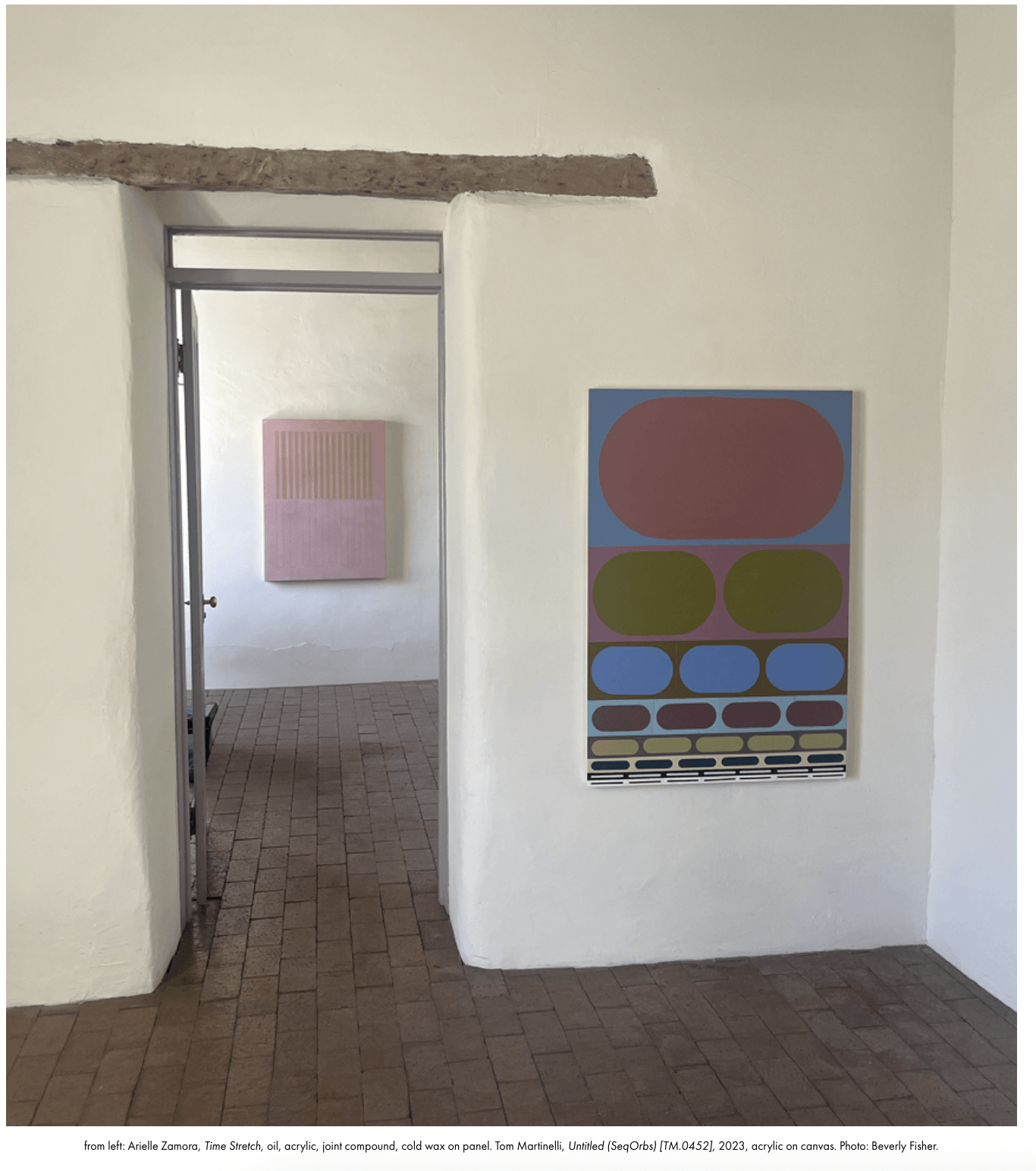
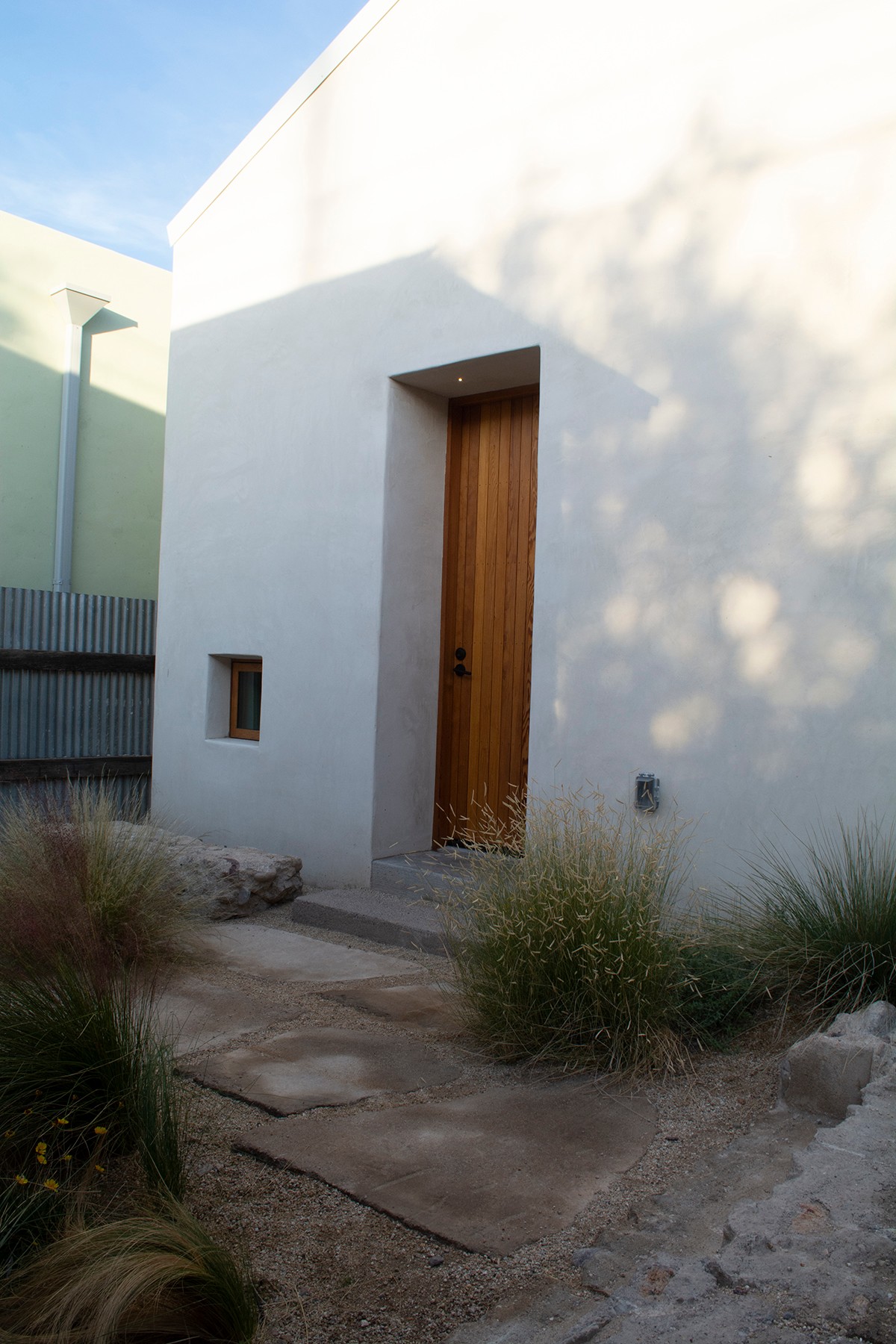
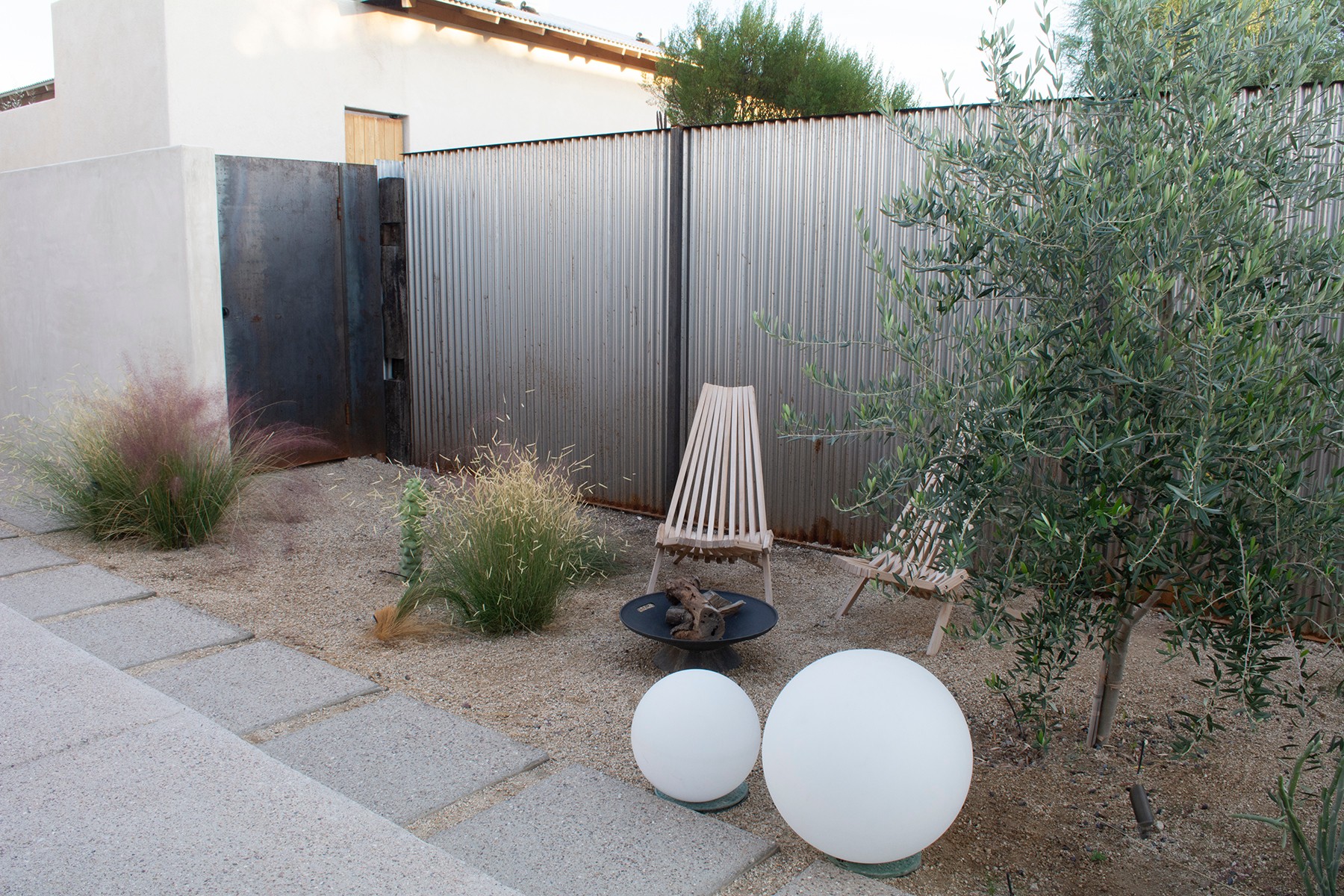
Image Credits
Portrait of Beverly | katie burkholder
WW House landscape | Beverly Fisher (long Low water feature)
Gallery shots | Logan Havens
Shotgun Rowhome Photos (the last2) Shannon Smith