

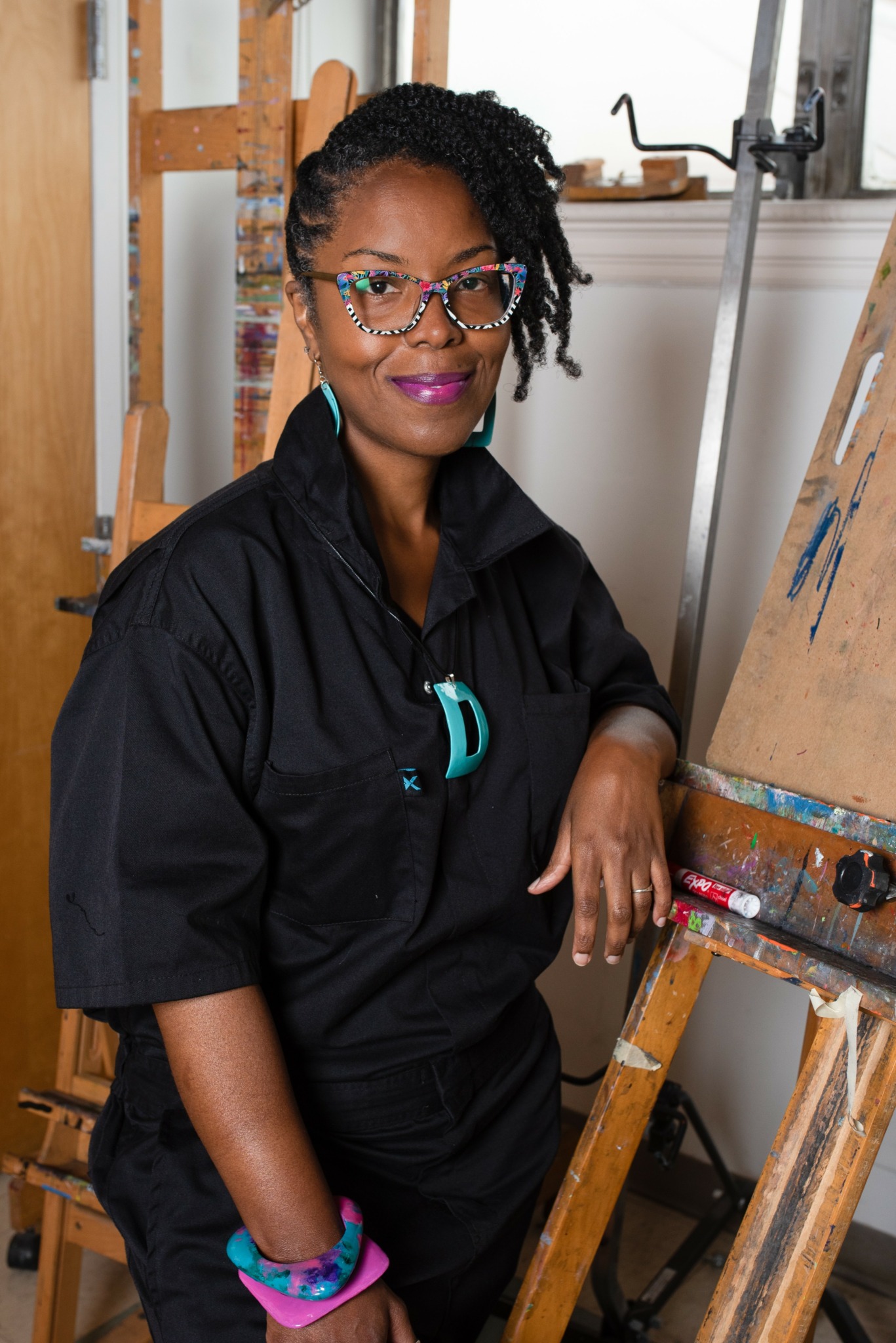

We’re excited to introduce you to the always interesting and insightful Beth Younger. We hope you’ll enjoy our conversation with Beth below.
Beth, appreciate you joining us today. The first dollar you earn in a new endeavor is always special. We’d love to hear about how you got your first client that wasn’t a friend or family.
I’ll never forget the moment I made my first large four-figure sale of an original painting. It was a 24×32-inch piece, sold during a three-day Black Friday pop-up at my local shopping center. So many people stopped by my table that weekend—admiring my work, asking questions, and sharing kind words.
One man in particular seemed genuinely drawn to one of my paintings. He asked about the price, said he’d check back later, and left his number before walking away. I wasn’t sure if I’d ever hear from him again. But after the show, I decided to follow up. When I called, he immediately said he was still interested. The next day, I hand-delivered the painting—beautifully gift-wrapped and accompanied by a signed Certificate of Authenticity. We took photos together, and that moment became one of the biggest highlights of my creative career.
That same Black Friday weekend brought another unexpected win. A woman stopped by my table and asked, “Have you ever reached out to the Virginia Museum of Fine Arts? They might be interested in your work.” I took her advice to heart. I called the museum store, asked to speak with the buyer, followed them on social media, and sent an email introducing my brand.
That outreach led to my first wholesale order—several of my scarves for the museum store. That moment changed the entire direction of my business. I realized I didn’t have to rely solely on selling directly to individual customers; there was a much bigger opportunity in the wholesale and institutional markets.
From there, I learned everything I could about wholesale pricing, line sheets, and professional presentation. Before long, my products were featured with incredible partners such as The Smithsonian, The National Museum of African American History and Culture, Seneca Women, and Bank of America.
What I’ve learned since then is that success is built over time. If you commit to doing at least one small thing each day to move your dream forward, those consistent efforts compound—and eventually, your work comes to life in ways you couldn’t have imagined.
One key to success is showing up and representing your brand at its best, even when it’s hard. It’s easy for creatives to connect with other artists—and that community is important—but growth often comes from going where you stand out. That’s why I sometimes choose to vend at non-art-related events. In those spaces, I might be the only artist or designer, which makes it easier to shine and reach new audiences.
This path hasn’t been easy—there’s constant research, long nights, and endless learning—but it’s absolutely worth it. Because I know this is my purpose: to serve people seeking original art and custom-designed merchandise that fits their vision, whether it’s for a museum store, personal collection, corporate gift, or cultural event.

Great, appreciate you sharing that with us. Before we ask you to share more of your insights, can you take a moment to introduce yourself and how you got to where you are today to our readers.
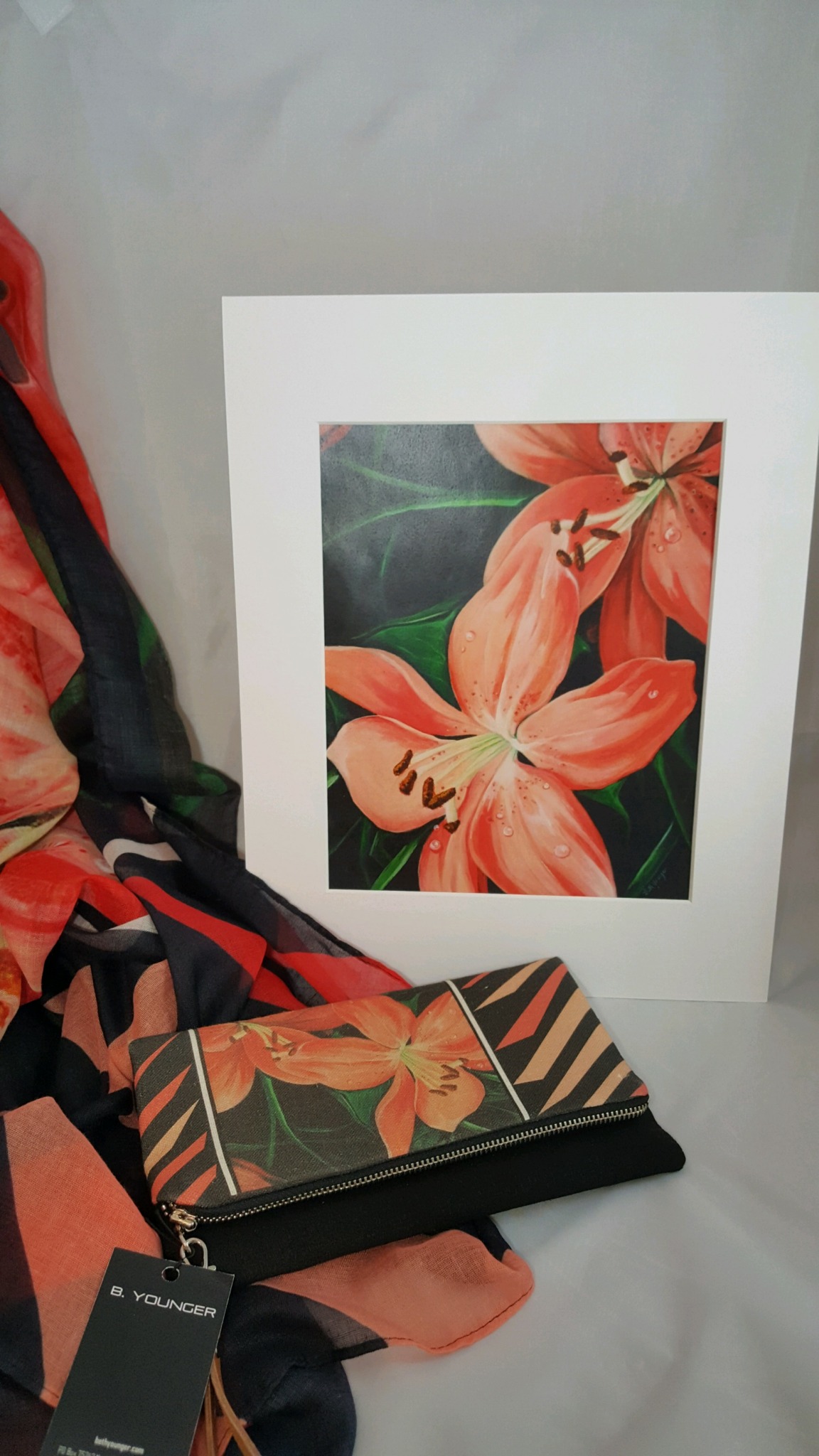
I dreamed of being an artist since elementary school. I studied in college with the intention of working in the commercial arts and printing field. And I also realized that I had a unique way of dressing myself. I merged the two, and started using my art and making accessories that I like to wear, which were scarves. Later, I realized that people also like to coordinate hats and bags with scarves. And that people might also like a print of the original art and that lead me to offer greeting cards, and notebooks.
My service is to provide art in accessory form that no one else has. In addition to giftable art, my company also makes custom items, for events.
Can you open up about how you funded your business?
In the early stages of my business, I funded everything myself — using my own savings and credit cards. Like many creative entrepreneurs, I believed deeply in my vision and was willing to take personal financial risks to bring it to life. But in those first few years, I didn’t fully understand how to manage credit strategically. I misused my cards and eventually found myself in debt, which affected my credit and limited my options for growth.
That setback became one of my greatest teachers. Once I repaired my credit, I made it a priority to learn how money truly moves in business. I began studying business credit — taking courses, applying for my EIN, and learning about credit tiers and net-30 accounts. I discovered how to use business credit lines responsibly to manage cash flow and separate my personal and business finances.
Through that process, I realized that building a solid business structure and credit profile isn’t just a formality — it’s a foundation. Having a DUNS number, business bank account, and proper structure opens doors to funding, partnerships, and credibility that personal credit alone cannot provide.
Today, I understand that while business credit isn’t a magic solution, it’s a powerful tool for growth and sustainability. My journey taught me discipline, financial literacy, and the importance of building a business that can stand on its own.

Have you ever had to pivot?
At the very beginning, I was exhibiting and vending, I was sometimes discouraged because customers would say, they had no space on their walls, or the colors didn’t match their rooms color scheme. I learned that there was another opportunity. I started incorporating my art into fashion everyday practical living. It’s very important to ask customers questions and listen to what they say and sometimes pivoting is the best thing for you and your business.
Contact Info:
- Website: https://www.shopbyounger.com
- Instagram: @shopByounger
- Facebook: @ShopBYounger
- Twitter: @shopByounger


Image Credits
Photographers Mark Peyton and Destiny Martinez, and Beth Younger