
We’re excited to introduce you to the always interesting and insightful Benjamin Strong. We hope you’ll enjoy our conversation with Benjamin below.
Hi Benjamin, thanks for joining us today. Finding those key vendors can often be make or break for a brand. Can you talk to us about how you found your key vendors?
When I set out to build my associate team of photographers and videographers, I quickly realized that finding a “vendor” — in my case, consistent, teachable, positive shooters — wasn’t just about skill or price. It was about finding people who aligned with my values and could represent my business with the same care I do.
At first, I did what most people probably do: I posted on local creative job boards, Facebook groups, and even tapped my existing network. But it was a little chaotic — lots of portfolios, lots of conflicting personalities. Some clearly had the technical chops but weren’t good with people. Some had the right attitude but no experience. That’s when I stopped looking at it as a “transaction” and started approaching it as a relationship.
I began reaching out directly to people whose work I admired, but more importantly, whose reputation I respected. I’d ask around at weddings, talk to other vendors, and even approach second shooters I’d seen quietly excelling at someone else’s event. When I sat down with them, my “deal” wasn’t really about negotiating rates — it was about setting clear expectations, being transparent about pay and growth, and showing them that working with me wasn’t just a one-off gig but an opportunity to be part of a trusted team.
I think they agreed to work with me because I made it clear that I valued them as professionals and as people. I wasn’t just asking them to help me make money — I was asking them to help me deliver an incredible experience to clients, and in turn I invested in their growth. That kind of mutual respect is rare in this industry, and it made a difference.
If I could go back and do it again, I’d spend less time casting a wide net and more time cultivating individual relationships. The temptation to fill spots quickly can lead you to lower your standards, and that’s something I’ve learned to avoid. Every associate I bring on reflects my brand, so now I take my time.
The biggest lesson for me? A good attitude really is everything. I can teach someone to adjust their camera settings. I can’t teach them to care about people. So today, when I interview or test someone, I’m looking first and foremost for someone who is consistent, humble, and genuinely invested in making clients feel good — the technical details can always come later.
In hindsight, the best “deal” you can strike is one where both sides feel respected and excited to work together — not just paid. That mindset has kept my associate team strong and my clients happy.
Great, appreciate you sharing that with us. Before we ask you to share more of your insights, can you take a moment to introduce yourself and how you got to where you are today to our readers.
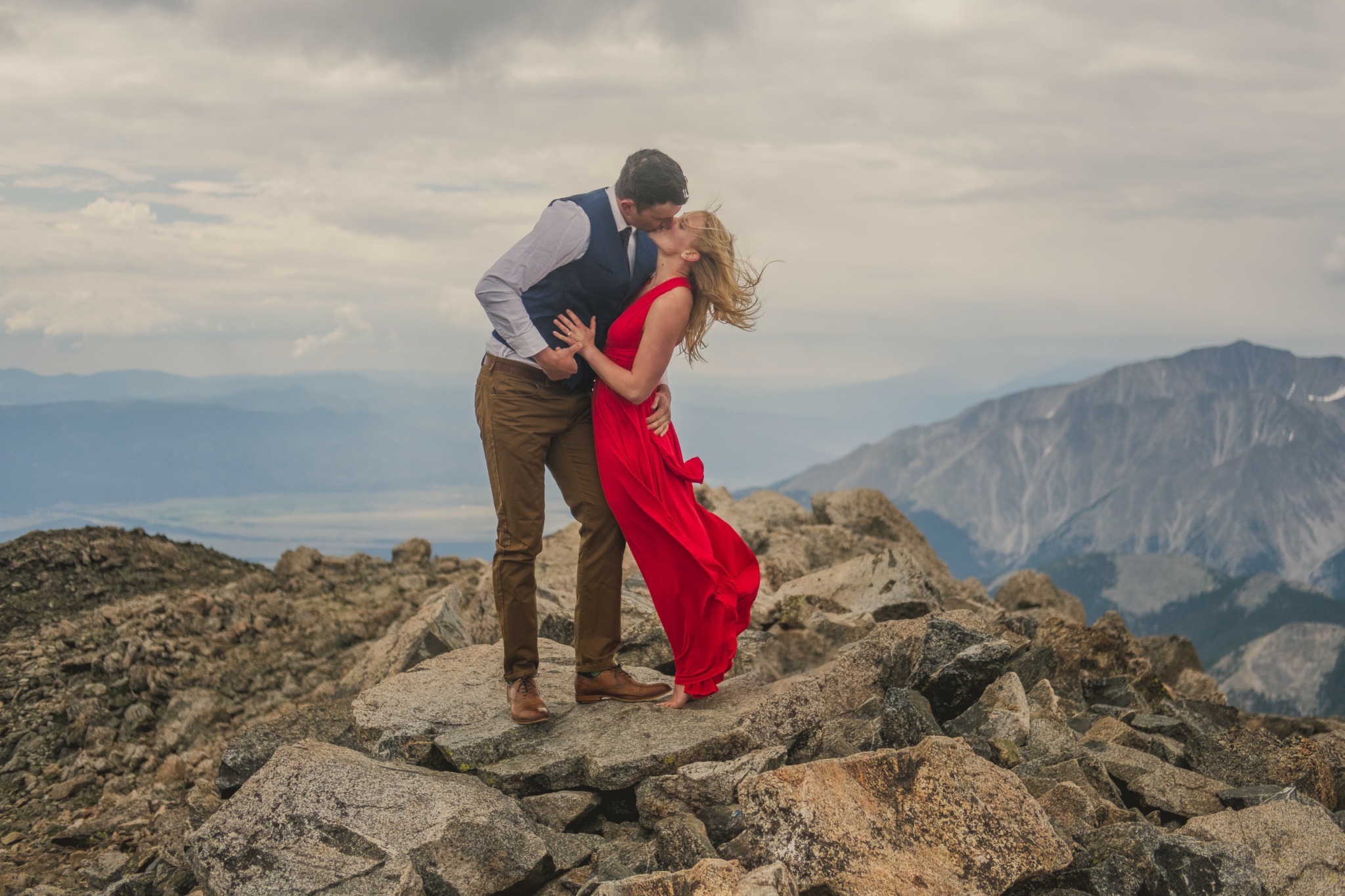
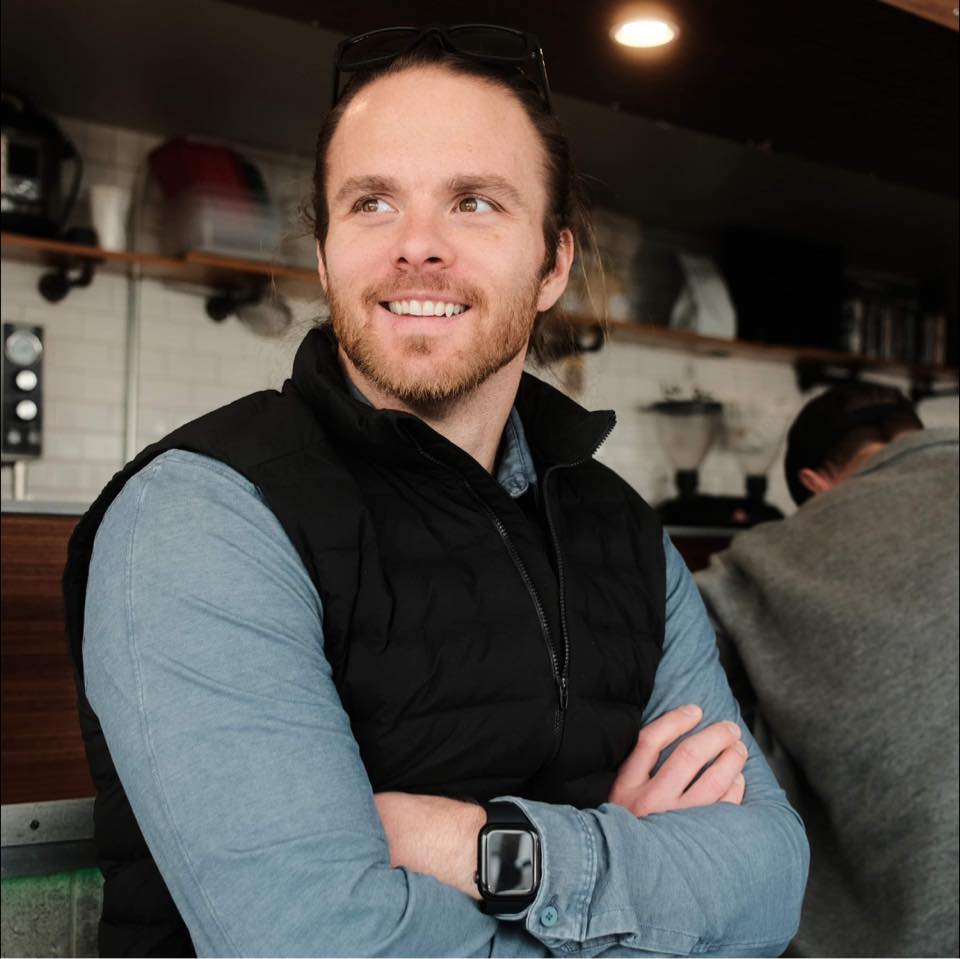
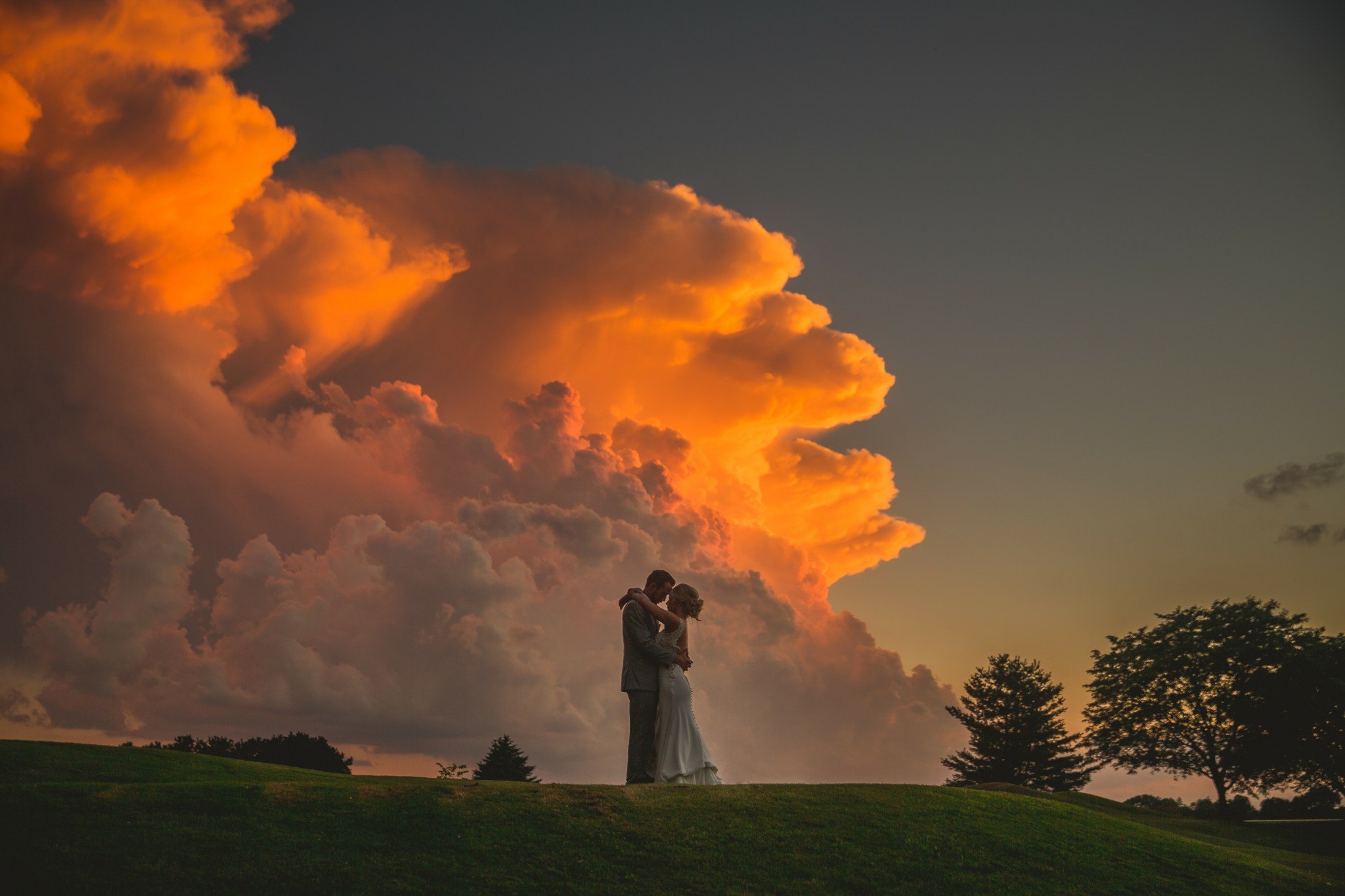
I’m Ben Strong — a wedding photographer, videographer, and creative director who’s built a career at the crossroads of storytelling, emotion, and craft. My journey into this industry wasn’t a straight line. I’ve always been fascinated by how people connect — to each other, to moments, to memories — and over the years, I found photography and filmmaking to be the most honest way I could help people hold onto those connections.
What started as a side hustle during my corporate years has grown into a full-service wedding photography and videography business that operates in Wisconsin, Colorado, and beyond. I work with couples, families, and sometimes even businesses who want more than just pretty pictures — they want an experience that feels intentional, calm, and deeply personal.
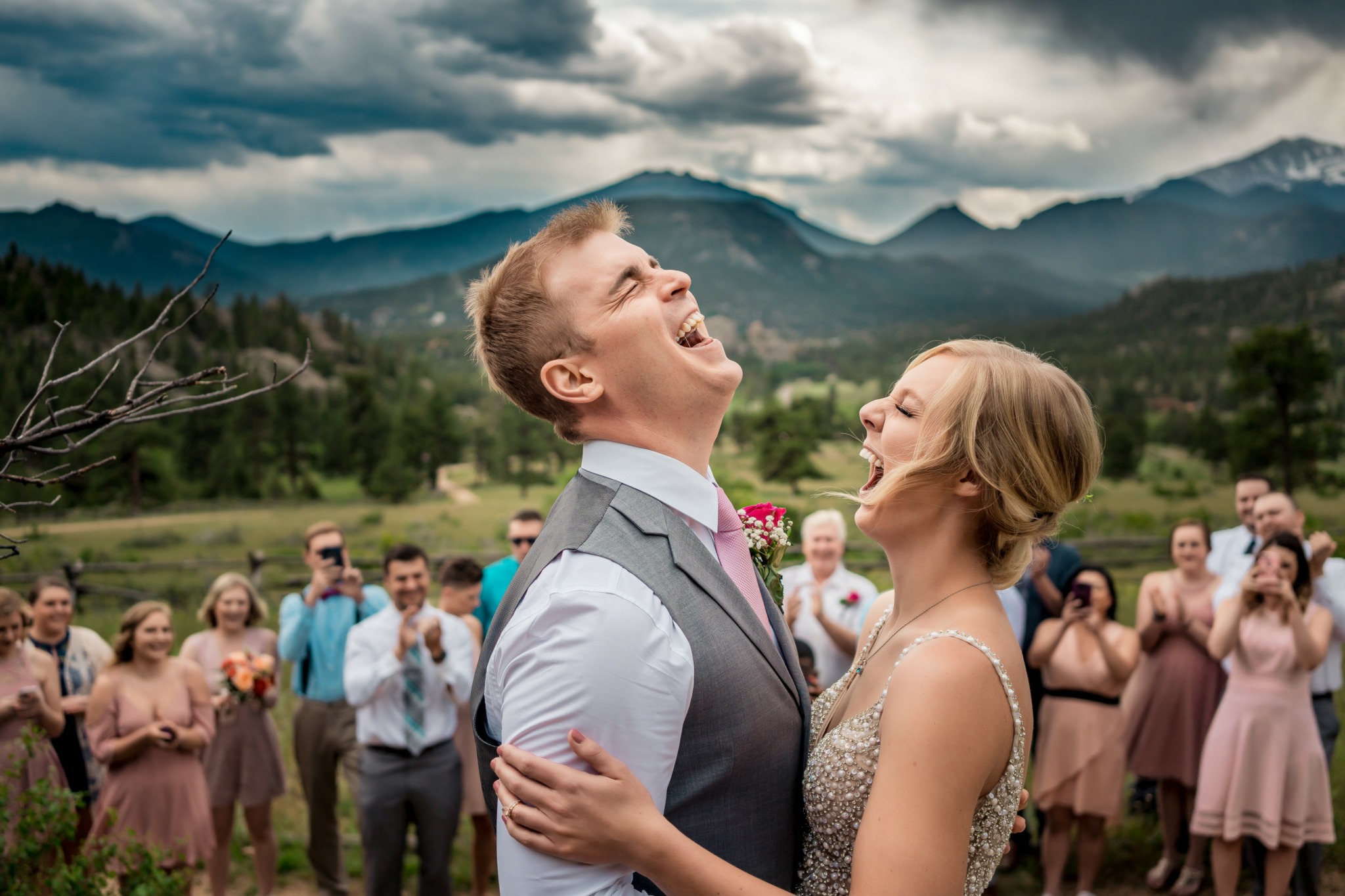
At my core, I’m here to solve a deceptively simple problem: how do you preserve not just what a moment looked like, but what it felt like? Anyone can set up a camera and click a shutter. But creating work that’s alive — that moves, breathes, and reflects who you really are — takes more. It takes a quiet presence, a careful eye, and the ability to make people feel at ease so their authentic selves come through. That’s what I bring.
What sets my brand apart is that I approach every wedding and every client relationship with curiosity and care. I don’t show up with a template or force people into my aesthetic. Instead, I learn who you are and build the day around you — while still guiding with confidence and skill so you don’t feel lost or overwhelmed. And it’s not just me — I’ve built an associate team of photographers and videographers who share that same ethos of consistency, teachability, and good energy.
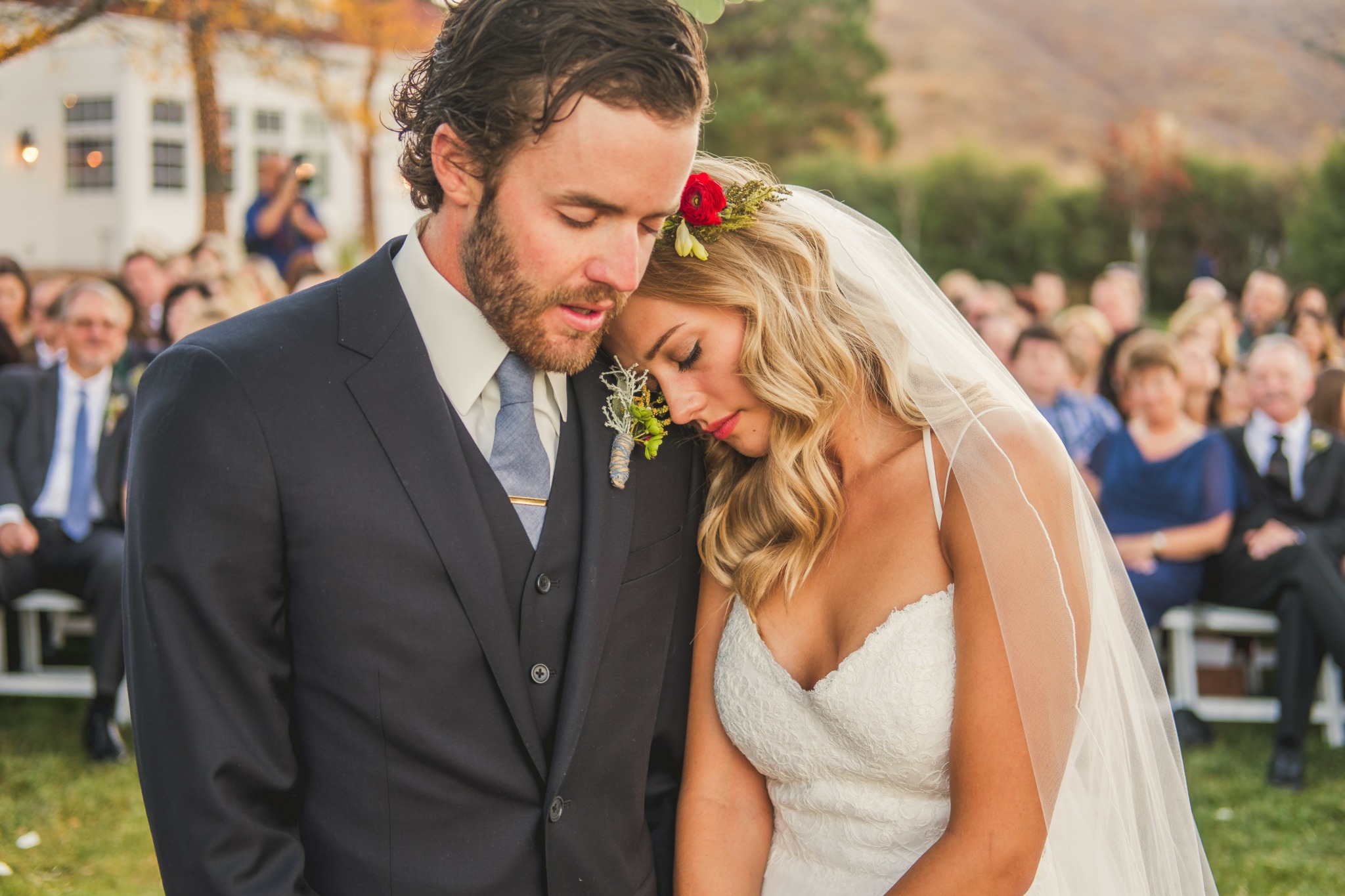
I’m most proud of the trust my clients place in me. This is one of the most intimate, vulnerable moments of someone’s life, and people invite me into it without reservation. To me, that’s a privilege I don’t take lightly. I’m also proud of how I’ve grown my business while staying true to my values — keeping the work people-centered, never transactional, and always striving to deliver more than what was promised.
If there are a few things I’d want potential clients and followers to know about me and my work, it’s this:
I don’t believe in cookie-cutter. Every couple’s story is different, and your photos and video should reflect you.
I keep the process calm and easygoing, even on a high-stakes day. My presence is there to support, not add stress.
I care about the little things — the look your dad gives you before you walk down the aisle, the way your best friend fixes your veil, the quiet moments you didn’t even notice but will cherish later.
At the end of the day, my brand is about making you feel seen and celebrated, while delivering work that feels honest, timeless, and full of heart.
How about pivoting – can you share the story of a time you’ve had to pivot?
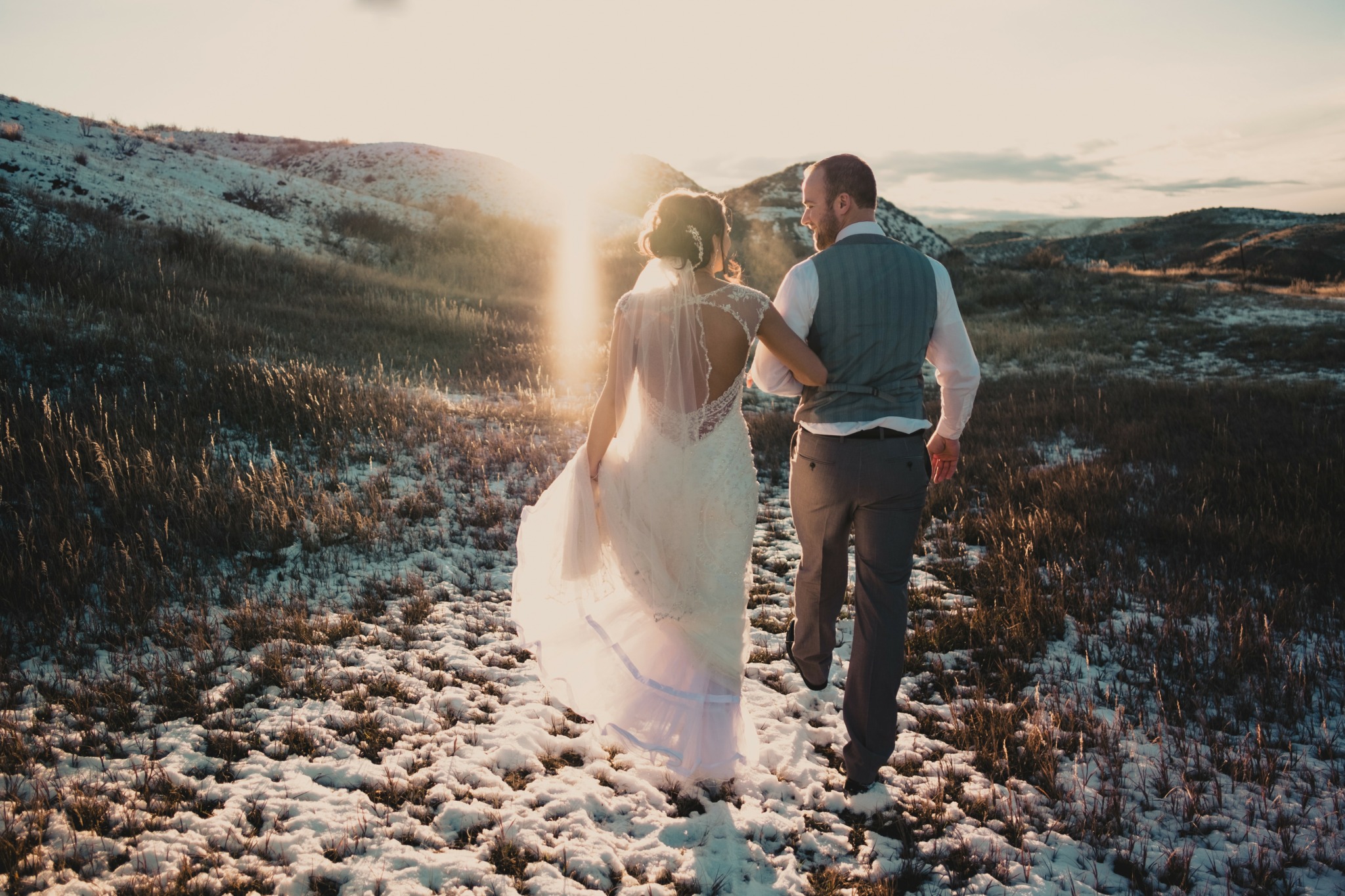
One of the most pivotal moments in my business was when I decided to bring on associate photographers and videographers. At the time, I was at capacity — fully booked, running myself ragged, and still turning away clients because I simply couldn’t be in two places at once. It was flattering, but also frustrating.
For years, I’d built my business around being a one-man show. Every client got me, every time, and I had full creative control. But as demand grew, I started to realize that clinging to that model was limiting the business — and more importantly, limiting the number of couples I could serve.
So, I decided to pivot. I started training and hiring associates who shared my vision and values: consistent, teachable, and above all, kind people with great attitudes. That shift didn’t just mean adding more hands on deck — it meant completely rethinking how my business was structured.
I introduced different pricing tiers to accommodate a wider range of budgets, offering associate-led packages at more accessible rates while keeping my own premium offerings intact. That way, clients who might not have been able to afford me directly could still enjoy the same level of care and style my brand was known for.
That pivot was a little scary at first — I worried clients might not want anyone but me, or that the quality might slip. But over time, I saw that what people valued most wasn’t just me, but the experience and values I brought into the business and instilled in my team.
If I learned anything from that moment, it’s that growth sometimes requires letting go of a little control in order to make space for something bigger. And I also learned that making your business more inclusive — by meeting people where they are, budget and all — isn’t just good business. It’s good humanity.
Now, I’m proud that we can serve more couples, more stories, more communities — without sacrificing the heart of what makes us different. That pivot taught me to embrace change as an opportunity rather than a threat.
How do you keep in touch with clients and foster brand loyalty?
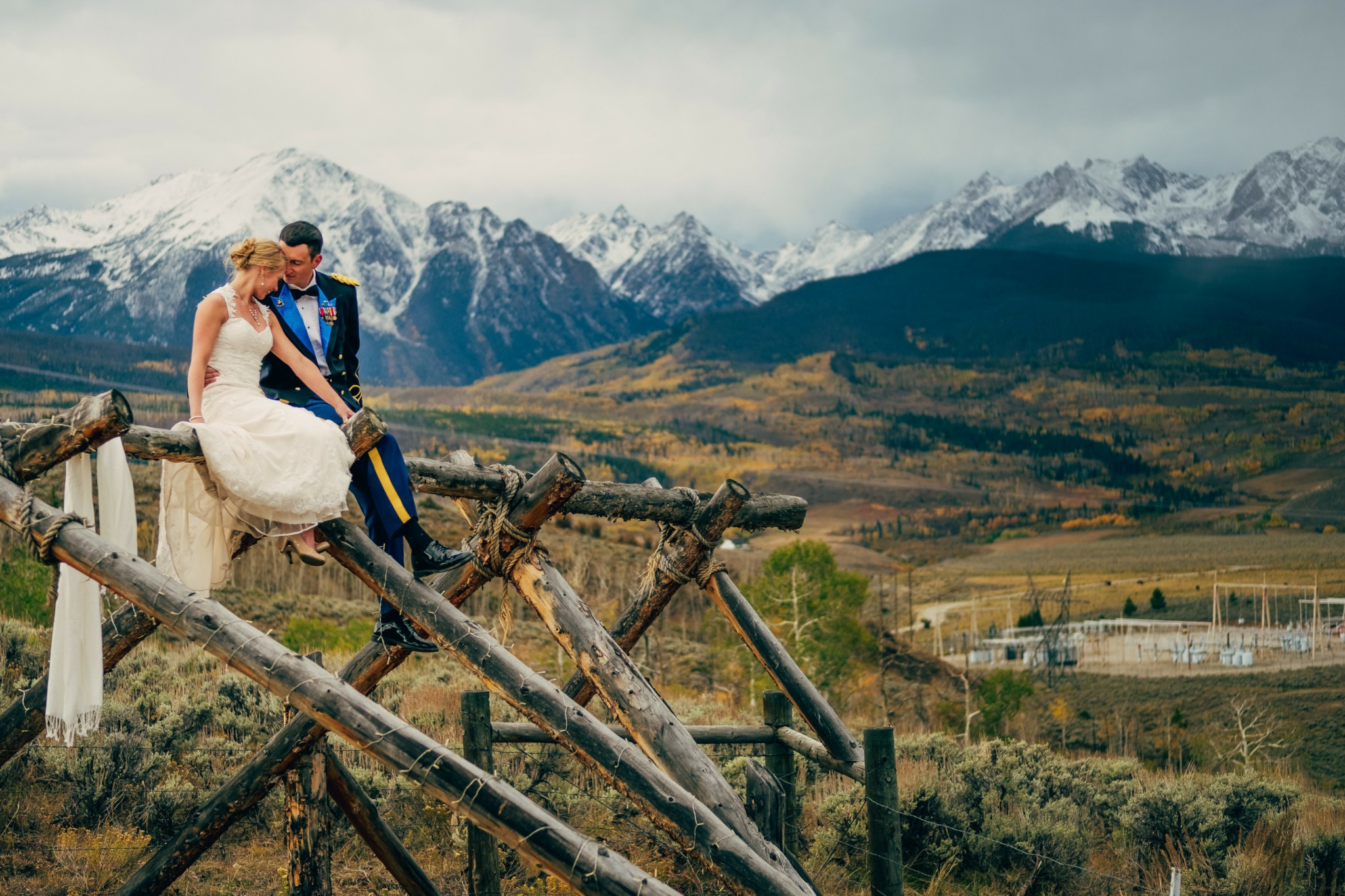
For me, keeping in touch with clients and fostering loyalty has never been about gimmicks or heavy-handed marketing — it’s about staying genuinely invested in their story, even after the wedding day is over.
I stay in touch in a few simple, human ways. Sometimes it’s as easy as sending a handwritten thank-you after delivering their gallery or checking in months later to see how newlywed life is treating them. I also send out a handful of personalized holiday cards every year to couples I’ve built a strong connection with — just to remind them they’re still on my mind.
On the business side, I make a point of keeping my social media and website fresh, not just as a way to market but as a way to showcase their wedding day and keep that emotional connection alive. I tag and credit my couples, encourage them to share their galleries, and celebrate their milestones when they tag me back.
What really builds loyalty, though, happens before and during the wedding day. It’s creating an experience that’s calm, seamless, and kind, so that by the time they leave their wedding, they already know they’ll recommend me to friends and come back for family portraits, anniversaries, or vow renewals down the road.
One of the biggest lessons I’ve learned is this: you don’t have to over-engineer loyalty. Just show up for your clients, treat them better than they expected, and make their lives easier in the process. People don’t forget that.
At the end of the day, I see my work as more than a service — it’s a relationship. And I approach every client like they might just become a lifelong friend. Many of them do.
Contact Info:
- Website: https://www.boxcarphotography.com
- Instagram: https://www.instagram.com/boxcarphotography/
- Facebook: https://www.facebook.com/BoxcarPhotography