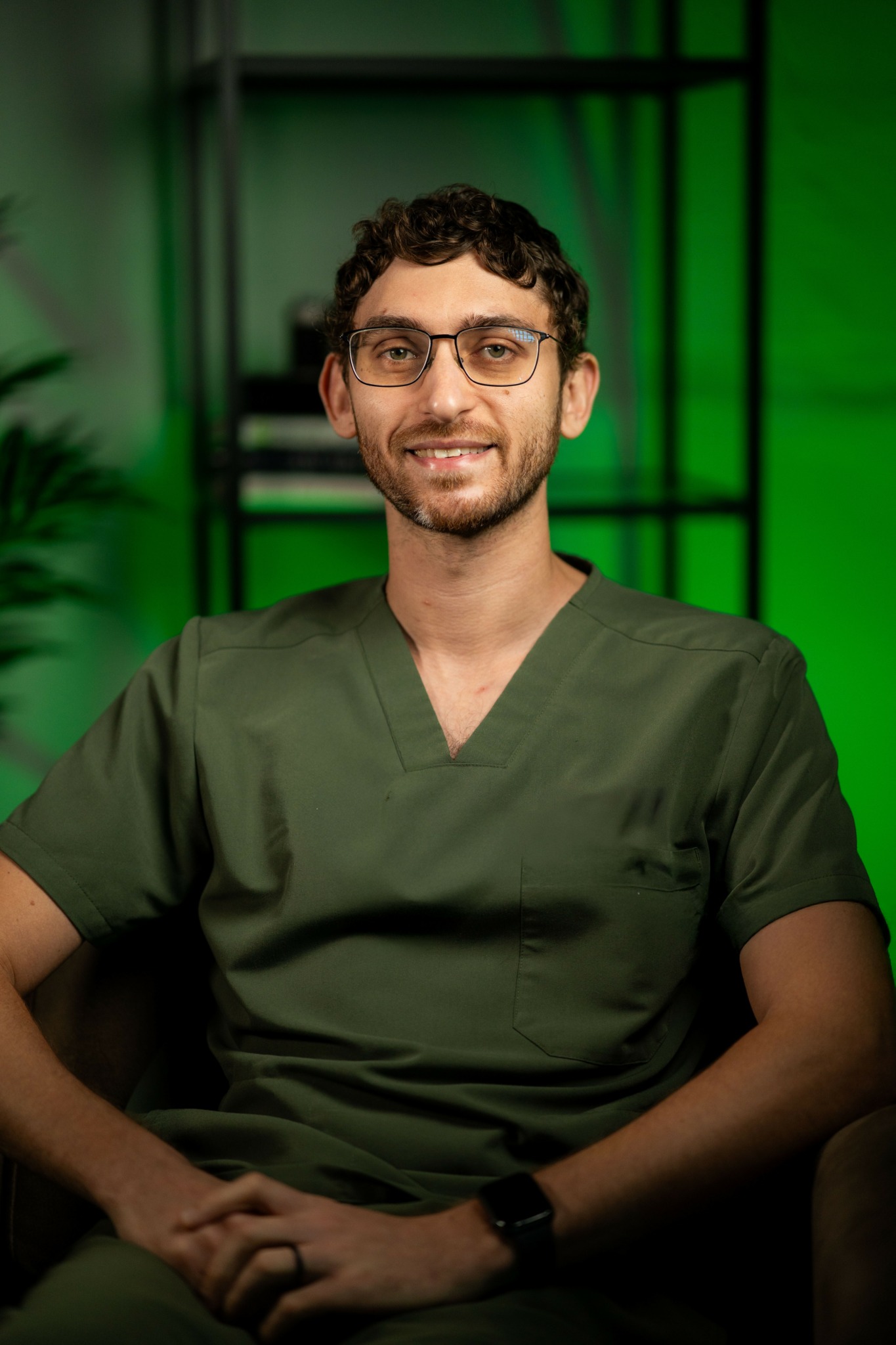

We caught up with the brilliant and insightful Benjamin Kosubevsky a few weeks ago and have shared our conversation below.
Benjamin, appreciate you joining us today. It’s always helpful to hear about times when someone’s had to take a risk – how did they think through the decision, why did they take the risk, and what ended up happening. We’d love to hear about a risk you’ve taken.
When I decided to open Longevity Centers of Florida in West Palm Beach in October 2024, I wasn’t chasing a dream. I was walking away from three of them.
At the time, I had medical director offers on the table from new ventures in regenerative medicine — the kind of roles most physicians in this space spend years trying to land. Each one came with a title, a salary, a built-in patient base, and someone else absorbing the risk. On paper, any of them was the smart move. My wife and I had a mortgage. We had savings we’d worked hard to build. I had a steady paycheck from the physician I was working under, and I knew exactly what my life looked like if I said yes to one of those offers.
I said no to all of them.
I did it because I had spent years watching the same story play out in exam room after exam room. A patient would come in, often after bouncing through the conventional system for months or years, and I’d finally be able to tell them what was actually wrong and how regenerative medicine could help. Then we’d get to the number. And I’d watch their face change. Some of them tried to make it work. Most of them didn’t come back. I wasn’t losing patients because the science didn’t work. I was losing them because the price tag did.
That’s not a failure of medicine. That’s a failure of how we’ve chosen to deliver it.
The regenerative medicine industry has built itself around exclusivity. The messaging, the marketing, the pricing — all of it says the same thing: this is for a certain kind of person. Executives. Pro athletes. Retirees with disposable income. Meanwhile, the teacher with chronic joint pain, the contractor who can’t work because of an old injury, the mom whose hormones have been off for a decade — they’re told to keep taking the pills, keep living with it, or find $40,000 somewhere. I couldn’t keep being part of that. Joining another venture doing the same thing, just with my name higher on the org chart, would have made me complicit in the exact problem I wanted to solve.
So I took the harder path. I put my paycheck, my savings, and my mortgage on the line. I partnered with Kyle Hulbert, and we opened a small clinic in West Palm Beach with a front desk and a vision. That was it. No safety net, no corporate backing, no fallback plan. If it didn’t work, I wasn’t just out of a job. I was out of everything.
What we built in West Palm wasn’t glamorous. It was a proof of concept — proof that you could deliver cutting-edge regenerative therapies at prices that regular working people could actually consider. That you could run a clinic on honest economics instead of luxury markups. That “access” didn’t have to be a marketing word.
Since then, we’ve grown. But the mission hasn’t shifted an inch. Every decision we make, every clinic we open, every protocol we bring in-house runs through the same filter: does this make cutting-edge regenerative medicine more accessible, or less? If the answer is less, we don’t do it — no matter what the margin looks like.
I took the risk because someone had to. Cutting-edge regenerative medicine shouldn’t be inaccessible. It shouldn’t be a luxury good. It should be what it actually is: medicine. The kind that helps people heal, feel like themselves again, and get their lives back.
And I’d rather bet everything on that than take the safe job and pretend the problem isn’t mine to fix.
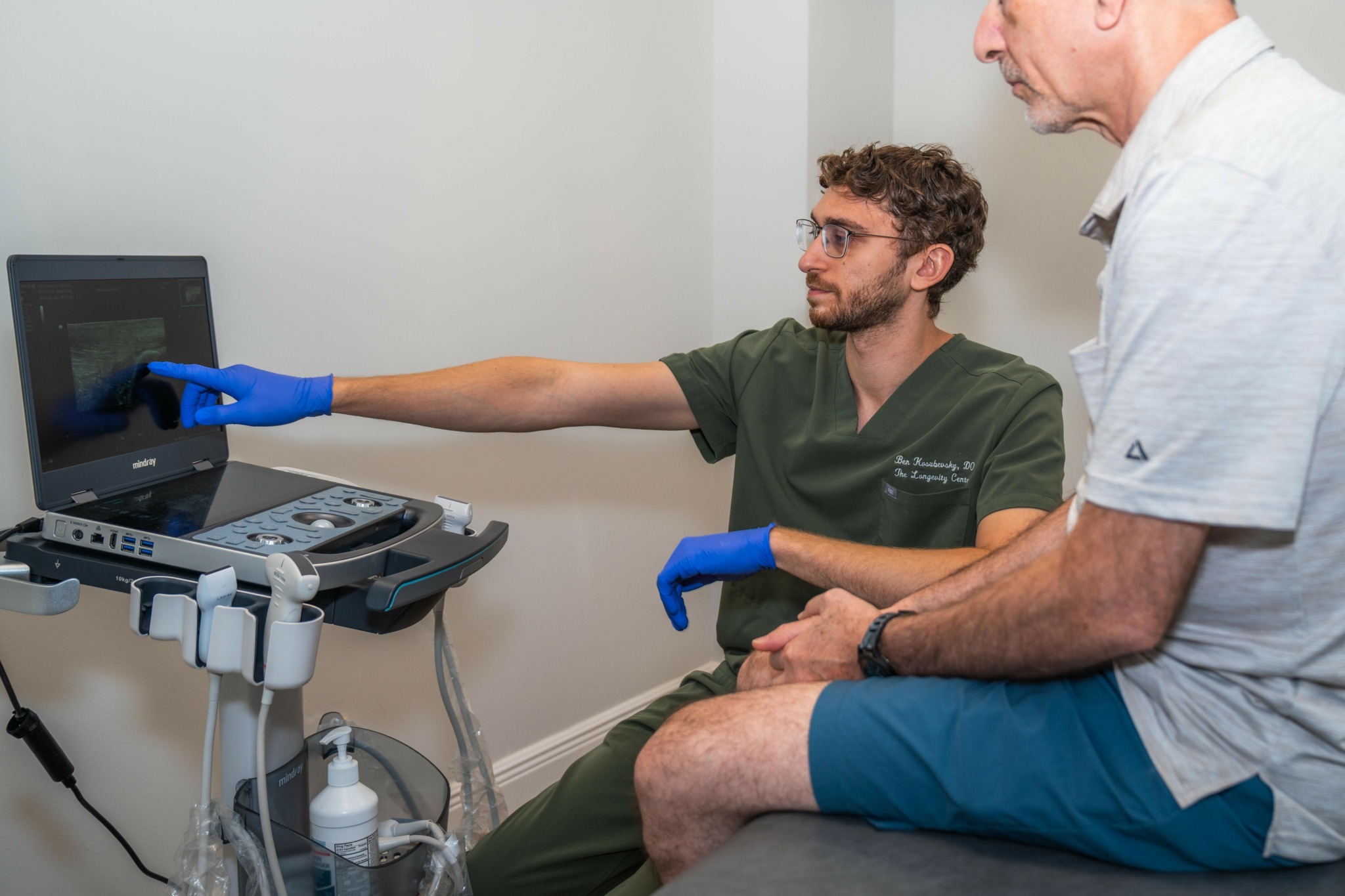
As always, we appreciate you sharing your insights and we’ve got a few more questions for you, but before we get to all of that can you take a minute to introduce yourself and give our readers some of your background and context?
For anyone reading about me for the first time, let me start with the simple version: I’m a physician, and my job is to help people feel like themselves again.
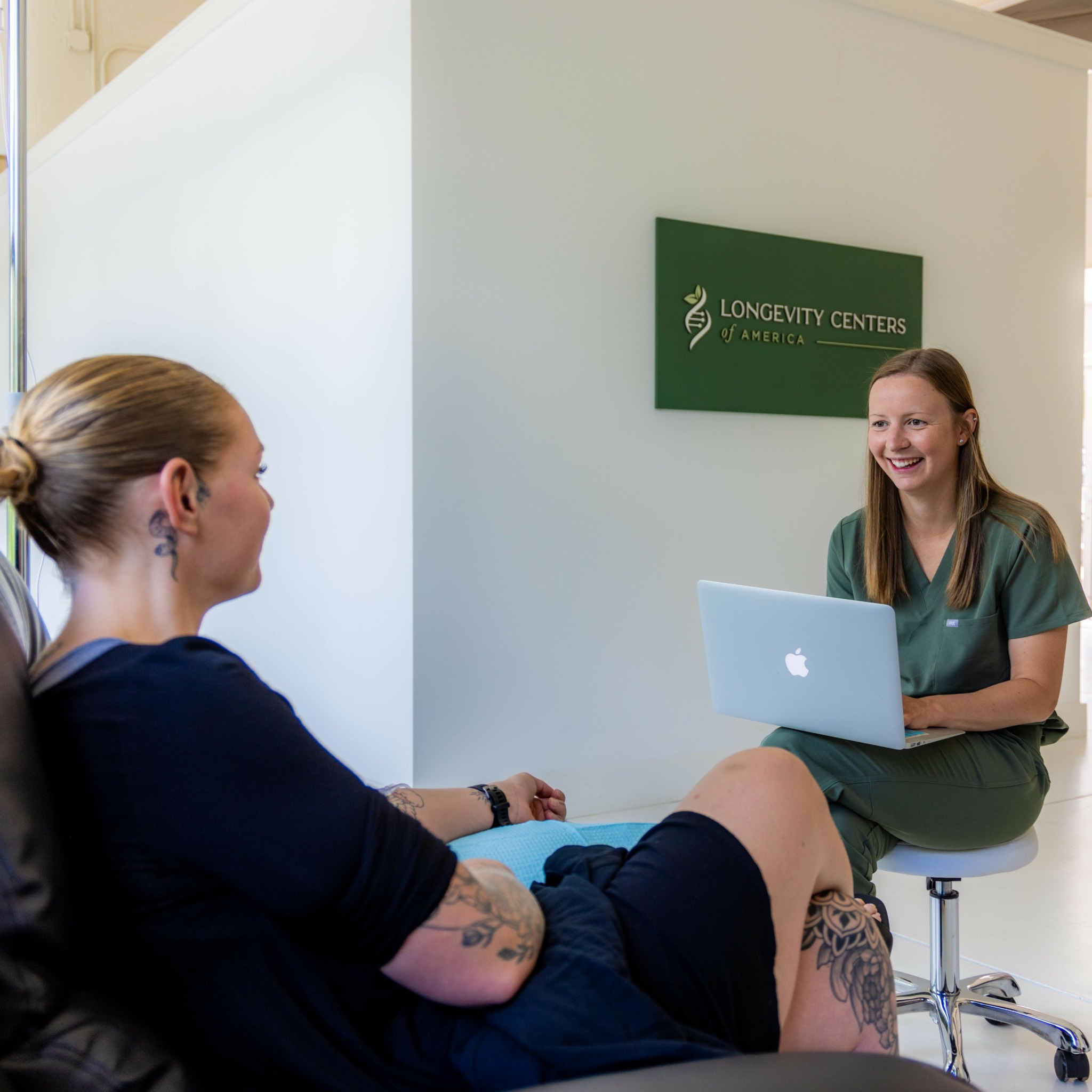
The longer version is that I’m the founder and Chief Medical Officer of Longevity Centers of America, a regenerative and longevity medicine group with clinics in West Palm Beach, Florida and Greenville, South Carolina. We opened our first location in West Palm in October 2024, and we’ve been growing steadily ever since.
My path into this field wasn’t academic — it was personal. I had TMJD, a painful jaw disorder. For anyone who’s lived with it, you know it’s not just jaw pain. It’s headaches, disrupted sleep, tension that follows you through your whole day. I tried the conventional route and got the conventional results: some relief, no resolution. Then I tried regenerative medicine. It fixed what nothing else had. That experience changed the way I thought about what medicine could do — not just manage symptoms, but actually help the body heal. Once I saw it work on myself, I couldn’t unsee it, and I committed to building a career around delivering that same kind of outcome to other people.
What we do at Longevity Centers of America
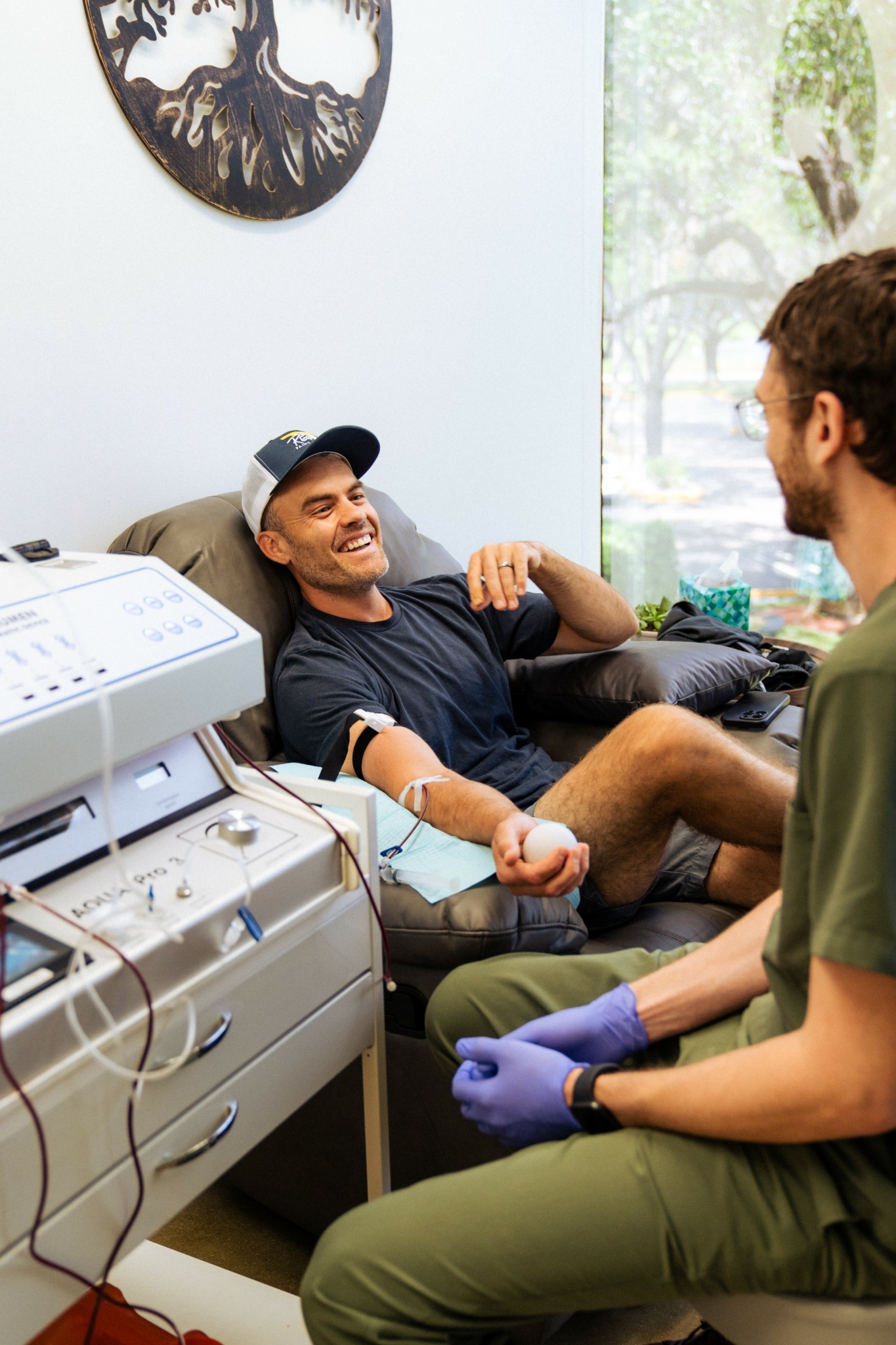
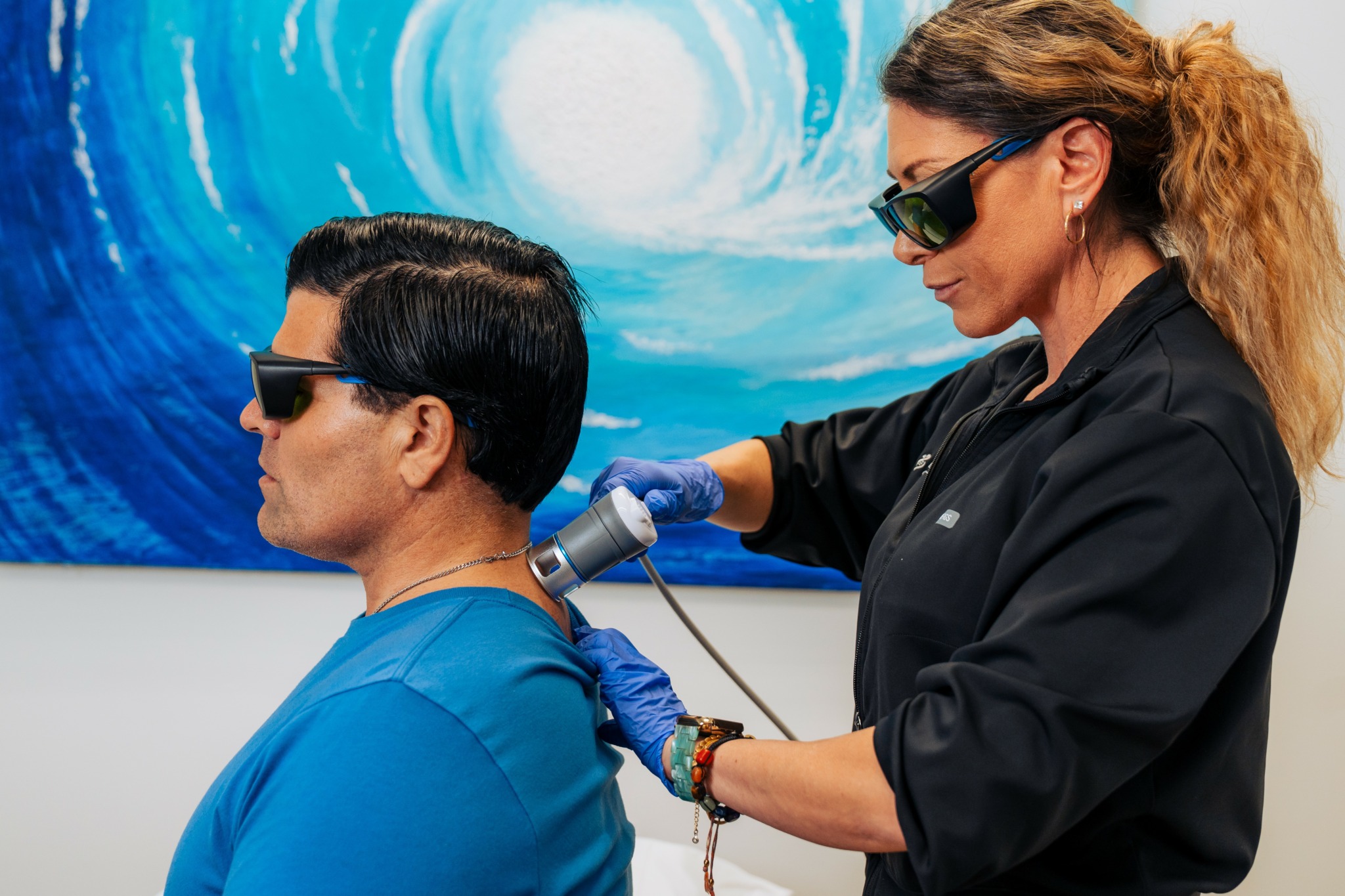
Our clinics provide a full spectrum of regenerative and longevity therapies — stem cell treatments, peptide therapy, IV therapy, hormone optimization, EBOO, Class IV laser therapy, and advanced diagnostic workups that go after the root cause of how someone actually feels: hormones, heavy metals, parasites, mold, Lyme, autoimmune markers, and the things most primary care visits never touch.
The people we help generally fall into a few groups. Patients whose conventional care has failed them — exhausted, in pain, or watching their performance drop, with no real answers. High performers who want to optimize their healthspan, not just treat disease. And people who simply want to age differently than their parents did.
What sets us apart
The thing I’m most proud of is that we refuse to price this field the way it’s usually priced. Regenerative medicine has a reputation — fairly earned — for being a luxury product. Clinics charge $30,000, $40,000, $50,000 for treatments that don’t need to cost anywhere near that. I watched that pricing model push working people out of the room for years, and I decided from day one that we’d do it differently.
That doesn’t mean we cut corners. We use the same high-grade biologics, the same advanced diagnostics, the same clinical protocols as anyone operating at the top of this field. What we cut is the markup. What we cut is the gatekeeping. We built the business model around access instead of exclusivity.
The other thing I’d want readers to know is that this isn’t a wellness brand to me. It’s medicine.
What I’m most proud of
I’m proud that we built this from a single clinic in West Palm Beach with a front desk and a belief. I’m proud that patients walk out saying they haven’t felt this good in a decade. And I’m proud that we’ve stayed stubborn about the one thing that matters most to me: cutting-edge regenerative medicine should be accessible. Not one day. Now.
If there’s one thing I want readers to take away, it’s this — you don’t have to accept feeling like a diminished version of yourself. There’s a different kind of medicine out there, and it’s closer than you think.
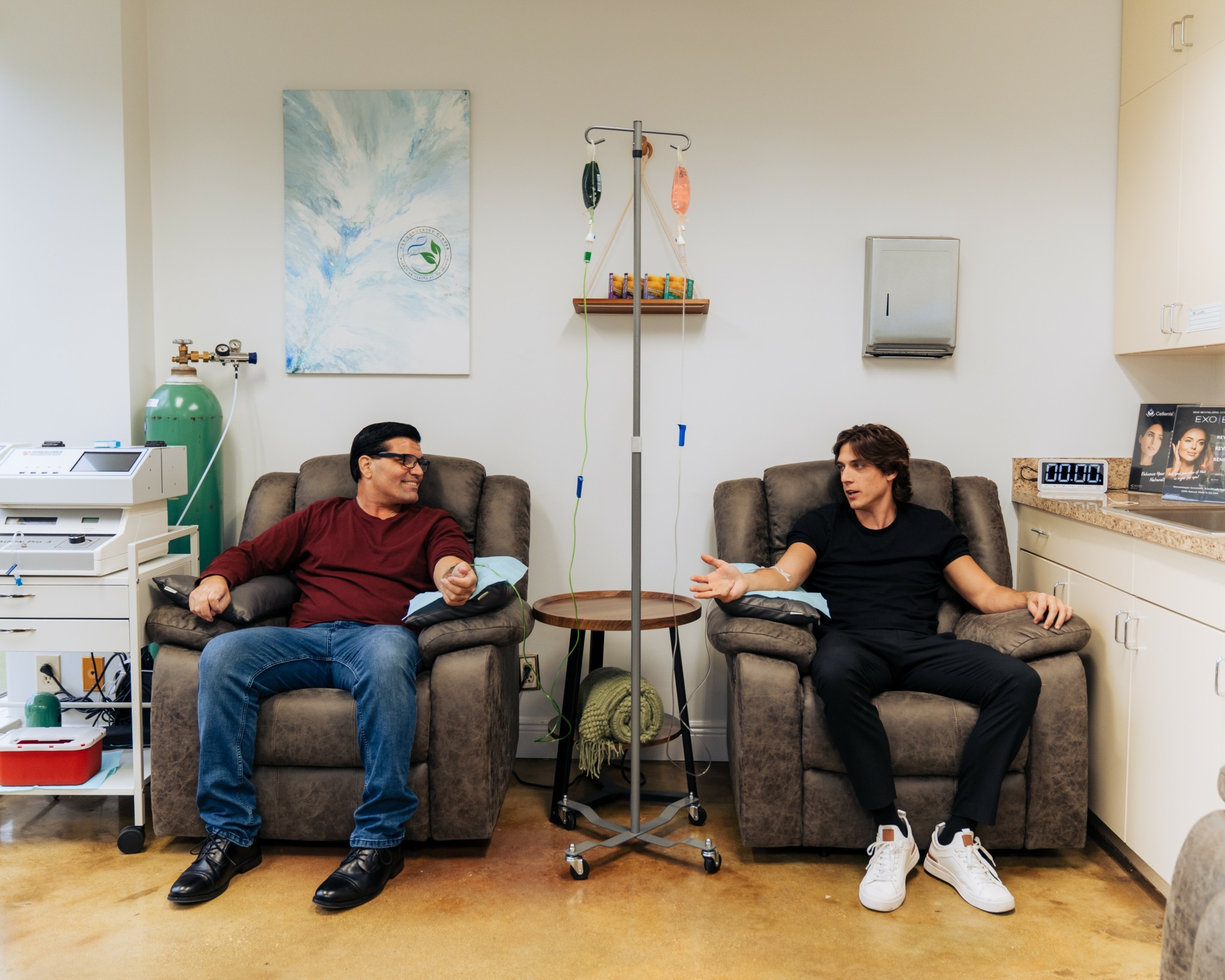
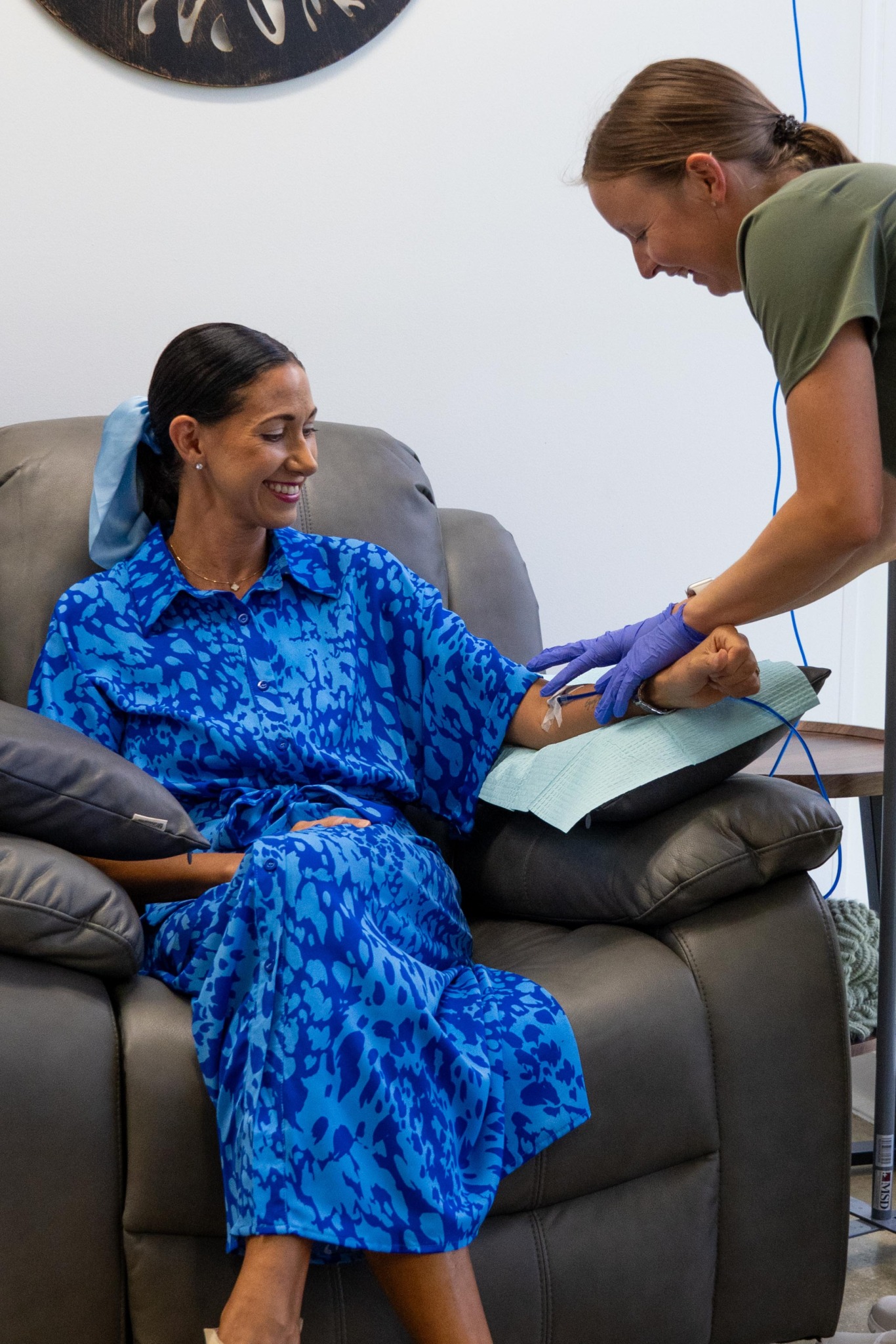
How’d you meet your business partner?
Kyle Hulbert walked into my clinic in 2022 as a patient, not a partner. At the time, I was still practicing under another physician, and LCOA didn’t exist — not even as an idea.
My first impression of Kyle? He was a little bit out there. Intense. The kind of guy who shows up to a medical appointment with a notebook full of questions and theories, most of them correct, all of them delivered at full volume. I liked him immediately, but I also thought, okay — this one’s going to keep me on my toes.
He came in because his life was falling apart, even though from the outside it probably didn’t look like it. He was a high performer on paper — running businesses, getting things done — but underneath, the wheels were coming off. Fatigue he couldn’t push through. Weight gain that didn’t respond to anything. Hormones out of range. Mental health struggling under the load. Mercury poisoning was his root,I built a detox protocol around it and got to work.
What I noticed during treatment wasn’t just that Kyle was committed to getting better — it was how he approached the problem. Most patients want a protocol; Kyle wanted to understand the protocol. He asked the kind of questions a physician asks. He tracked his own labs. He read the studies. He didn’t stop until he understood what was happening inside his own body and why. That kind of relentlessness — that refusal to accept “we’ll figure it out eventually” — is rare, and it’s the same trait that, I’d find out later, had built every business he’d ever touched.
The transition from patient to business partner wasn’t a pitch meeting. It was a friendship. After Kyle finished his detox, he came and stayed at my house for a stretch, and that’s really when I got to know him. We talked about medicine, business, family, the future — all of it. Somewhere in those conversations, I realized we were aligned on almost everything that mattered. We both believed regenerative medicine shouldn’t be a luxury. We both had zero patience for gatekeeping. And we both wanted to build something that actually helped people, not just generated revenue.
What really sealed it for me was recognizing how complementary we were. I’m a physician — my brain is wired for clinical thinking, patient care, and protocols. Kyle’s brain is wired for operations, negotiation, purchasing, and scale. He’d spent years in the trenches of multiple businesses, figuring out how to build things from nothing and run them profitably. The idea that I could focus entirely on patients and clinical medicine while someone I trusted handled the admin, the vendor relationships, the growth strategy — that wasn’t just appealing. It was the thing that made LCOA possible.
So when we finally sat down and talked seriously about opening a clinic together, it wasn’t really a leap. The partnership had already been forming for months. We just gave it a name.
Looking back, I’m genuinely grateful that Kyle walked into my exam room intense, a little out there, and very sick. If he’d been any less of any of those things, we probably wouldn’t be building what we’re building today.
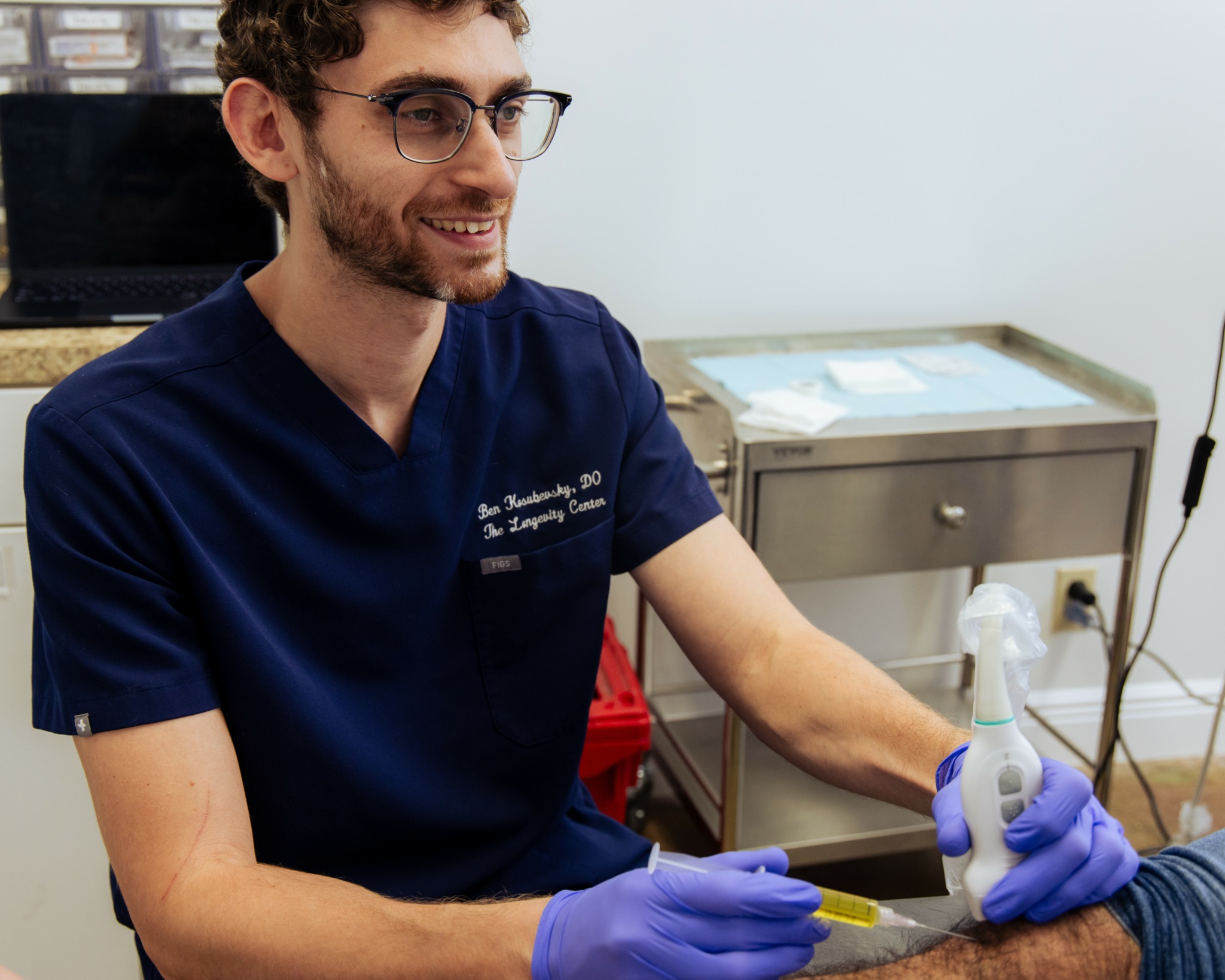
Can you tell us about what’s worked well for you in terms of growing your clientele?
Honestly? Taking care of people.
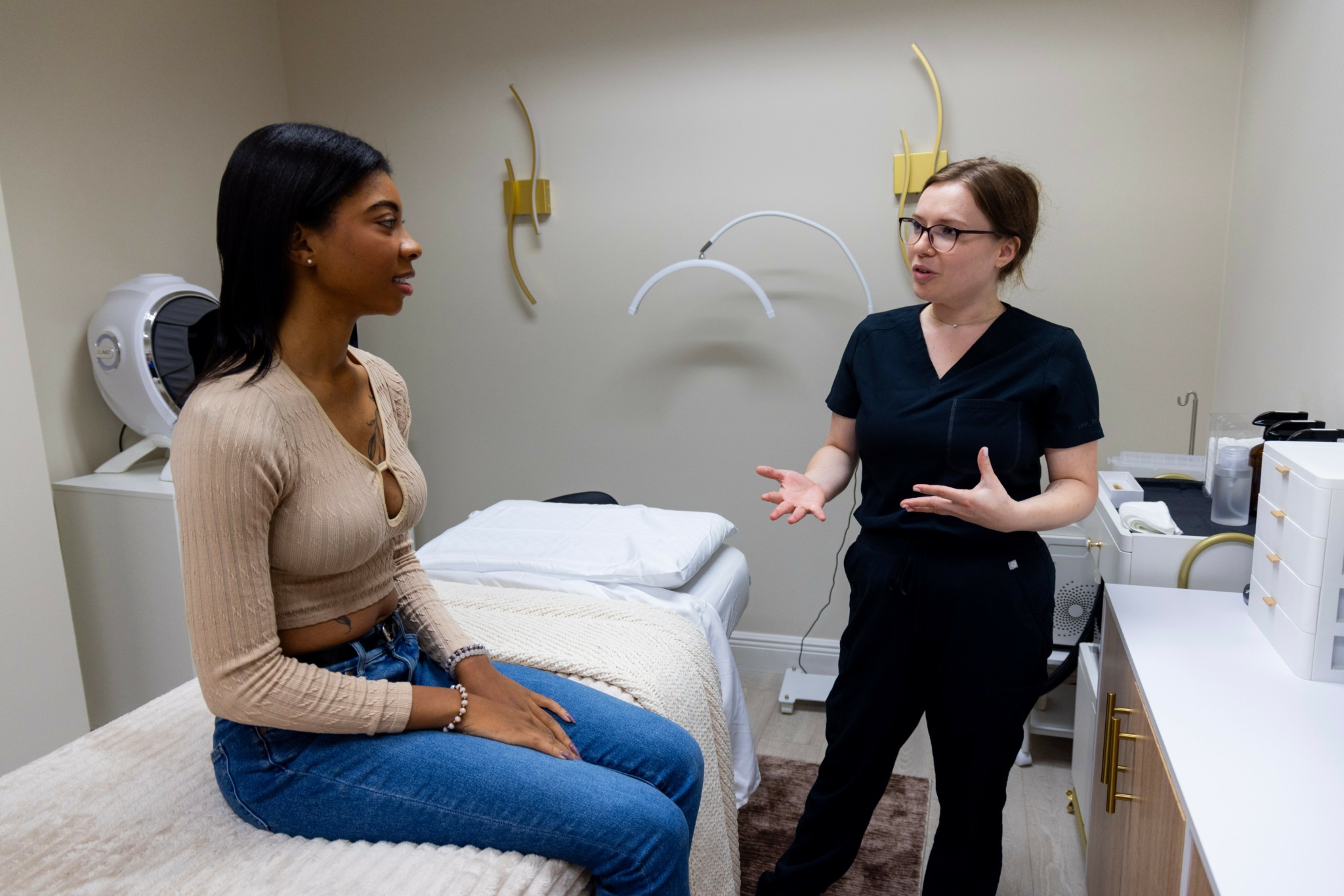
I know that sounds like the kind of answer every business owner gives when they’re being polite. But in our case, it’s the literal truth — the single biggest driver of growth at Longevity Centers of America has been patient referrals, and patient referrals only happen when patients get results. Not “they felt a little better.” Results. The kind that make someone tell their spouse, their coworker, and their brother-in-law about us before they’re even out of the parking lot.
Everything we’ve built operationally is designed around that. We take the time to actually understand what’s going on with someone — the full diagnostic picture, not just the presenting complaint. We build protocols around the person in front of us, not around a treatment menu. We follow up. We adjust. We stay in it with them. When you run a clinic that way, patients notice, and they talk. We’ve had entire families come through our doors because one person got their life back and couldn’t shut up about it. That’s the growth engine. It always has been.
The second thing that’s moved the needle is our podcast, Longevity Unlocked, which I co-host with Kyle. But it works for a specific reason — we don’t treat it as a marketing channel. We treat it as an education channel. We’re not on there selling treatments or pushing the LCOA brand. We’re breaking down the science, talking through protocols, explaining what actually works and what doesn’t, and giving people the kind of information most clinics keep behind a paywall.
The interesting thing is that by not selling, we end up growing faster than we would if we were. People find the podcast, listen for a while, and eventually realize they’ve been learning from us for months. By the time they reach out to book a consult, they already trust us — because trust doesn’t come from a sales pitch, it comes from showing up consistently with something useful to say. That’s been the whole approach. Educate first. Let the relationship form naturally. And when someone’s ready to take the next step, we’re here.
Between the two — excellent clinical results driving word-of-mouth, and an education-first podcast that compounds over time — we’ve built something that grows on its own momentum. No gimmicks. No aggressive funnel. Just the two oldest marketing strategies in the world: do great work, and tell the truth.
Contact Info:
- Website: https://www.thelcoa.com/
- Instagram: @thelcfl
- Facebook: The Longevity Center FL
- Other: Podcast: Longevity Unlocked (Apple Podcasts, Spotify, YouTube)
Podcast Instagram: @longevityunlockedpod