



We caught up with the brilliant and insightful Benjamin Brockman a few weeks ago and have shared our conversation below.
Benjamin, thanks for taking the time to share your stories with us today Can you talk to us about a project that’s meant a lot to you?
Sometimes you just get this feeling, like everything, you’ve done leads up to a point. You can look back from that point and everything behind you makes sense – even the stuff that, at the time, made no sense or seemed like a waste of effort. I can say now I have been doing this long enough to have had a few of those moments, and I’ve found it’s a trust I have built with myself to just trust my process. There’s plenty of distractions, and temptations towards self-indulgence or frivolity, and I’ve found that if I just embrace things and trust they will work into the bigger picture, there’s really nothing I can do that doesn’t get me closer to where I want to go. It all ties in, I just have to keep doing it.
My full time gig is a job working with artists in a behavioral health treatment capacity, and that’s definitely a rewarding thing I’m doing right now. The things I remember usually involve other people – teaching printmaking, working with other artists, or in the times I’ve done live puppetry – you build a bond with people you perform with that is hard to describe. I miss that. I’m pretty shy, so it takes a ton of energy to work with other personalities, but I have carved out a path working in mental health that uses art, and that’s pretty cool. Also doing murals is a very rewarding process – especially when you’re working with a client who is really excited and trusts you. I really value that.
Benjamin, before we move on to more of these sorts of questions, can you take some time to bring our readers up to speed on you and what you do?
I grew up loving stories. My parents worked in theater and there was always a lot of art and music in my life as a kid. My grandfather would make movies with me and my brother when we were little and that definitely planted a seed. Film and video are something I have come back to a lot over the years. I studied film and art in college and then started working with special needs kids as a volunteer, which later turned into my job, and it’s something I take seriously, advocacy for mental health, having had my own struggles over the years.
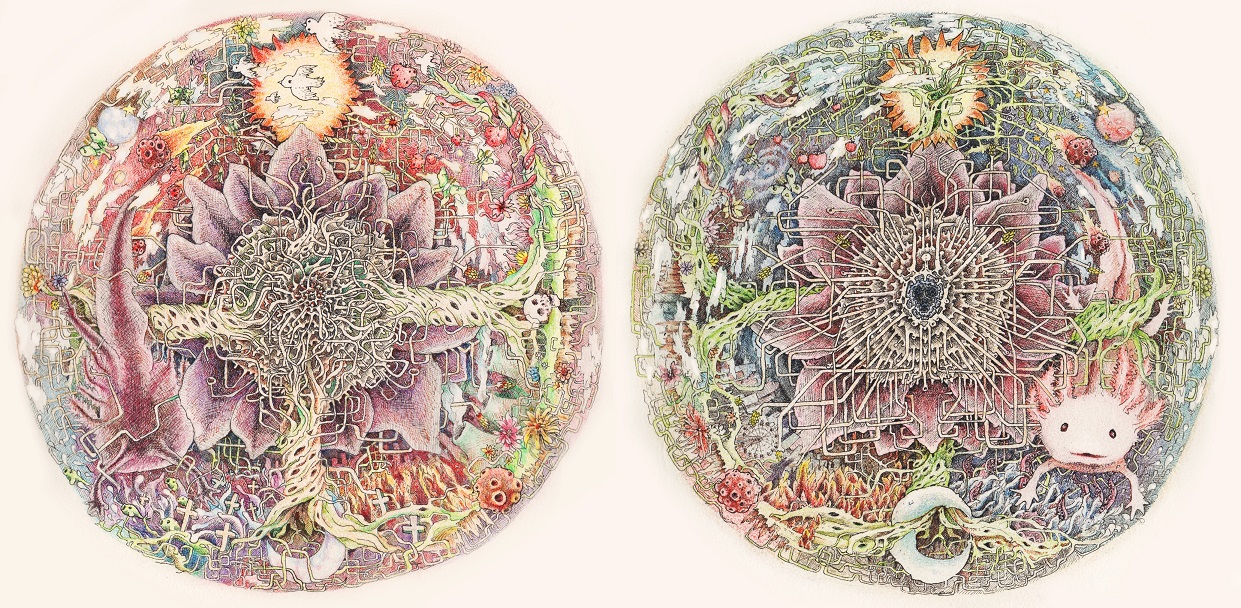
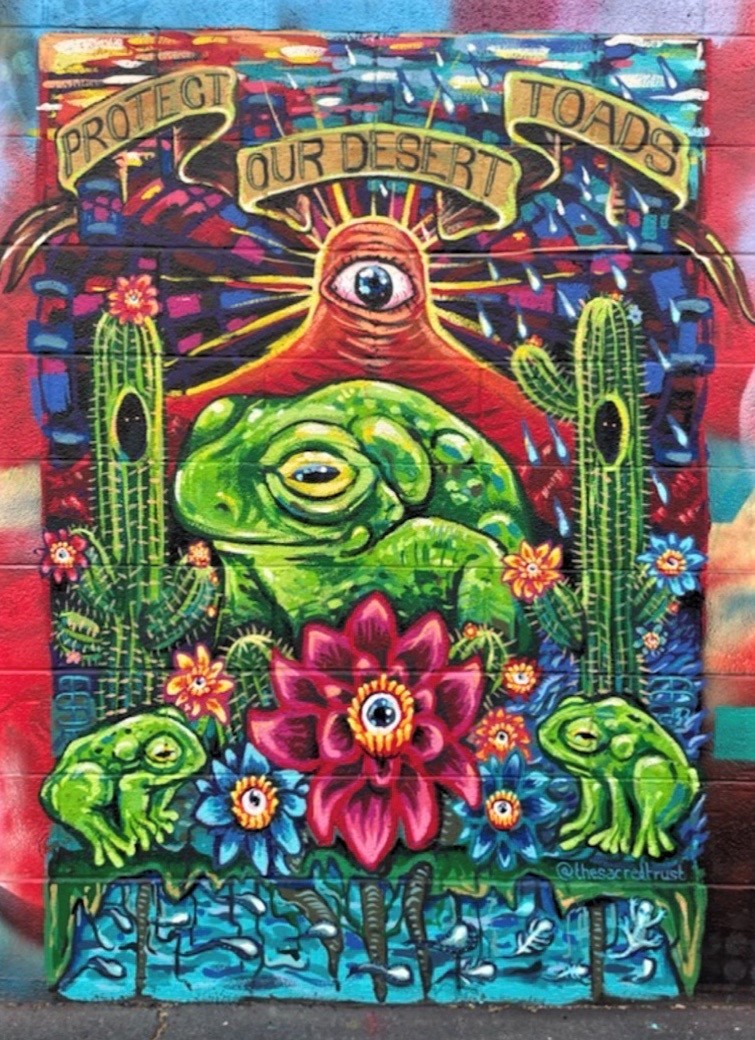
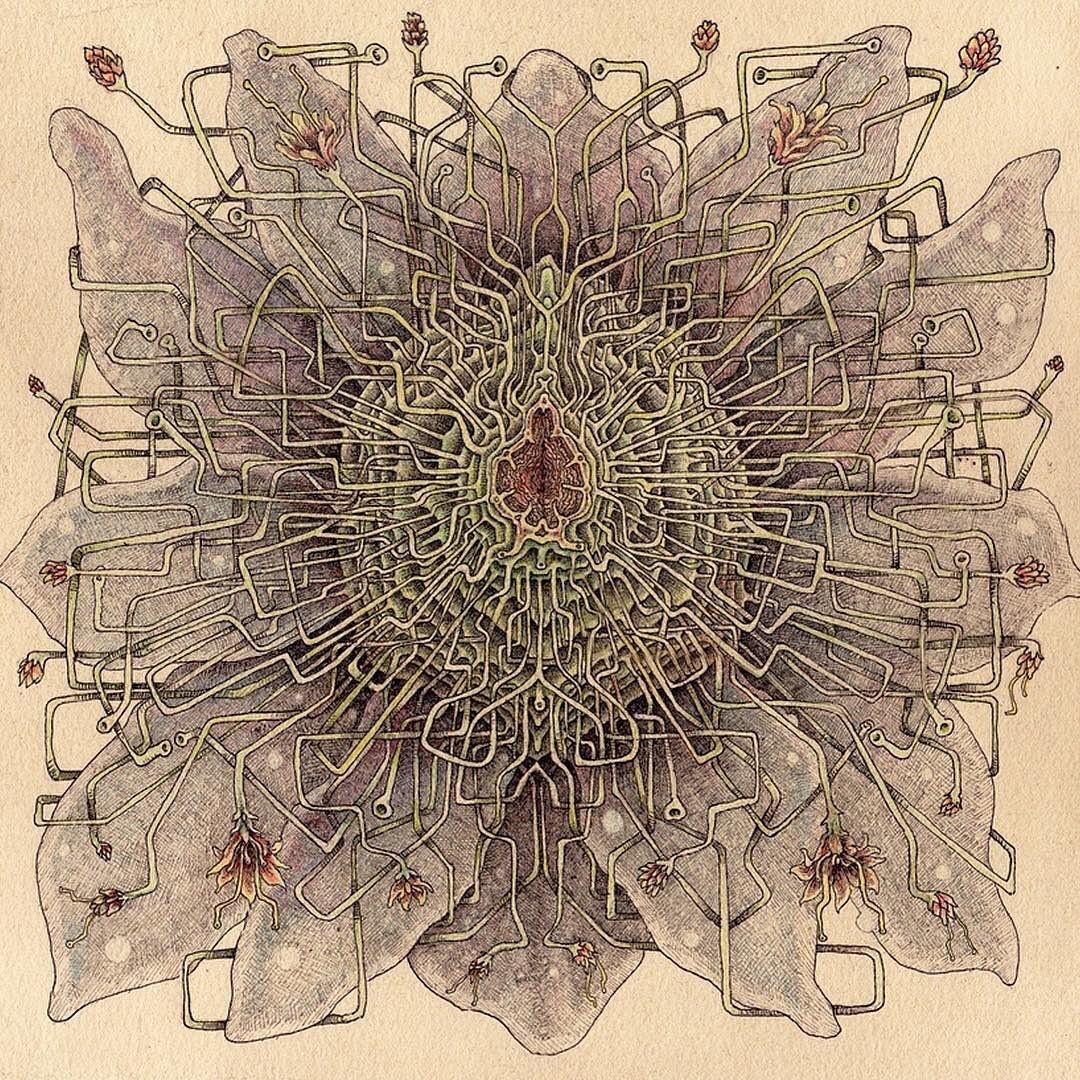
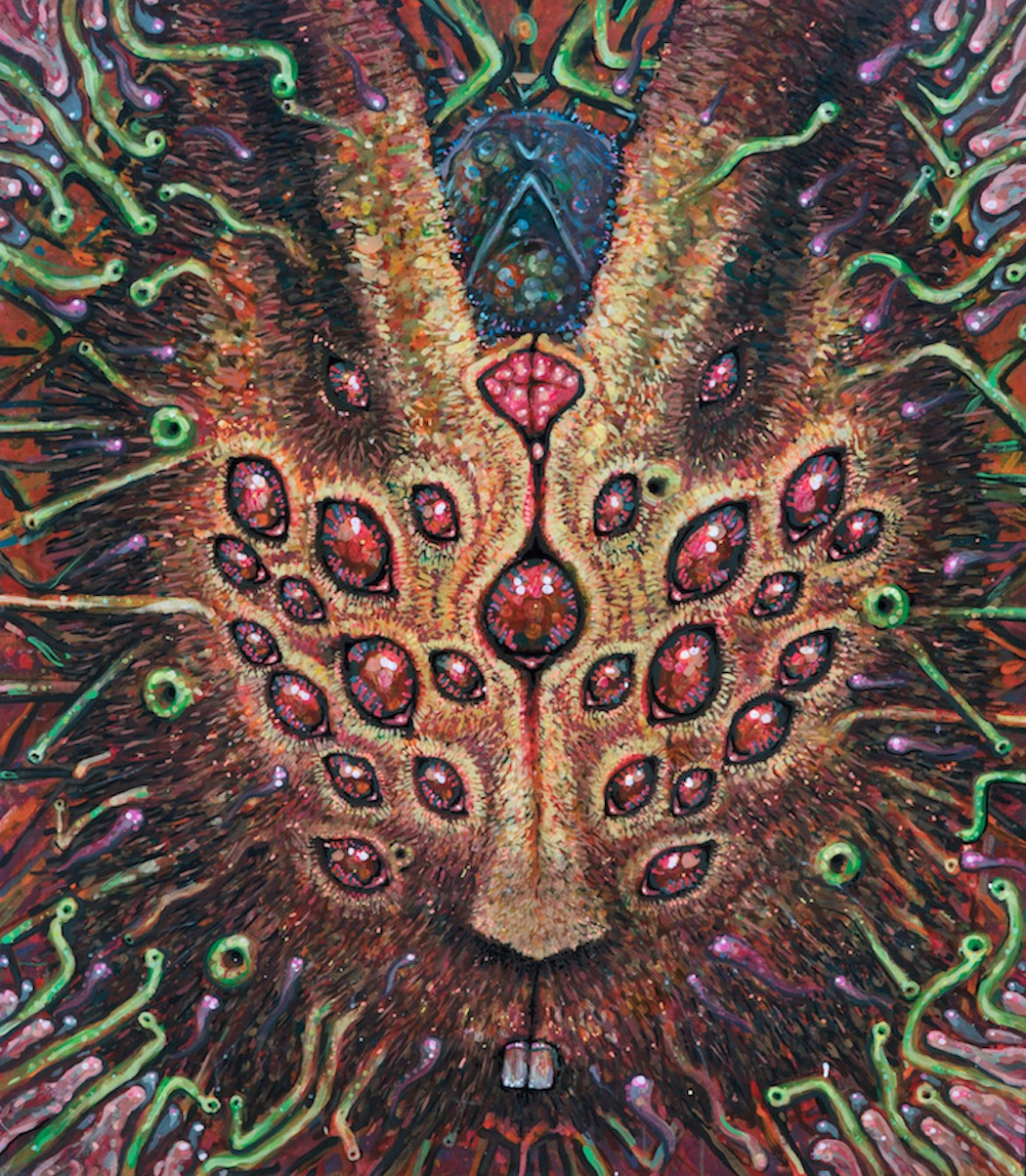
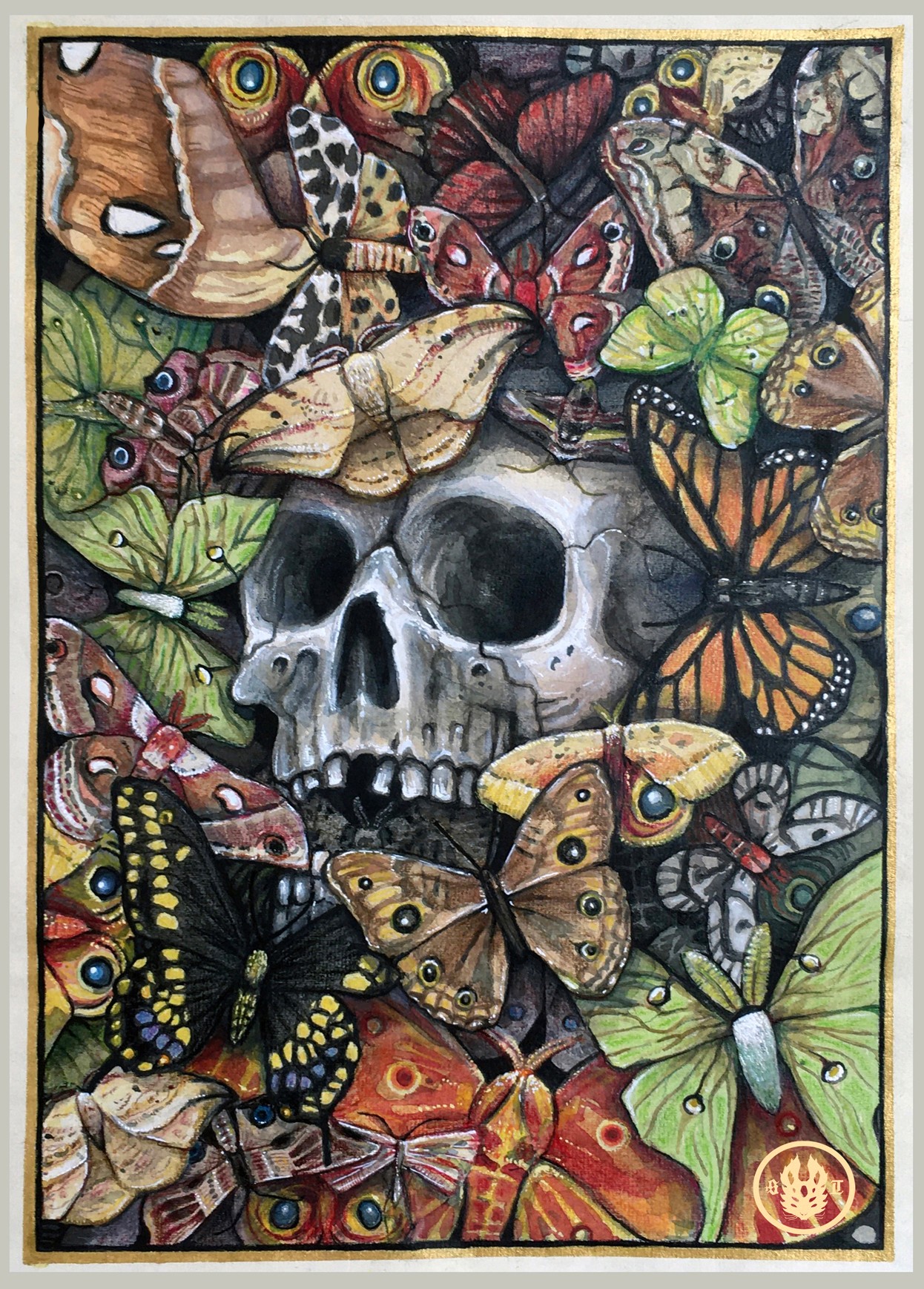
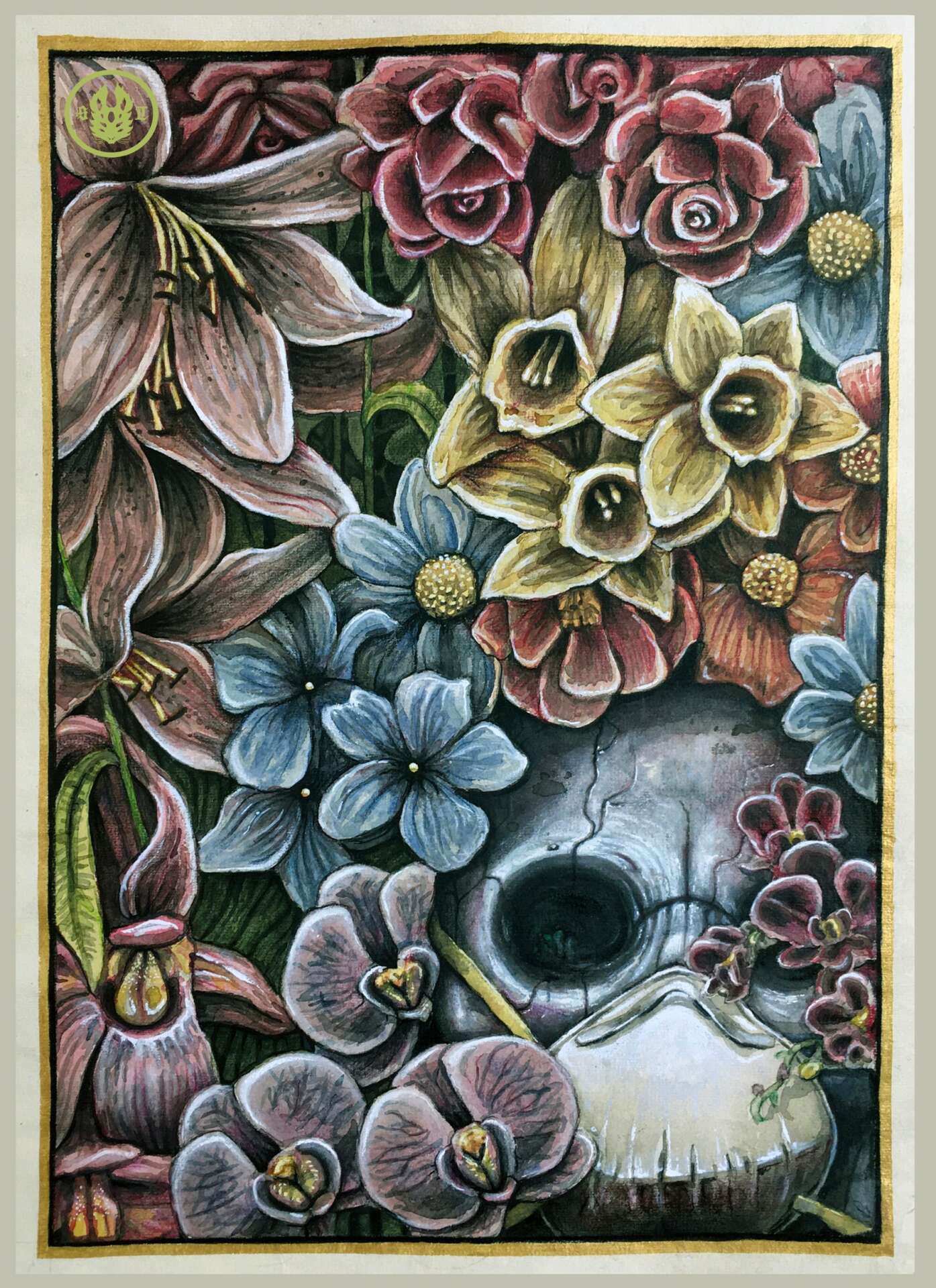
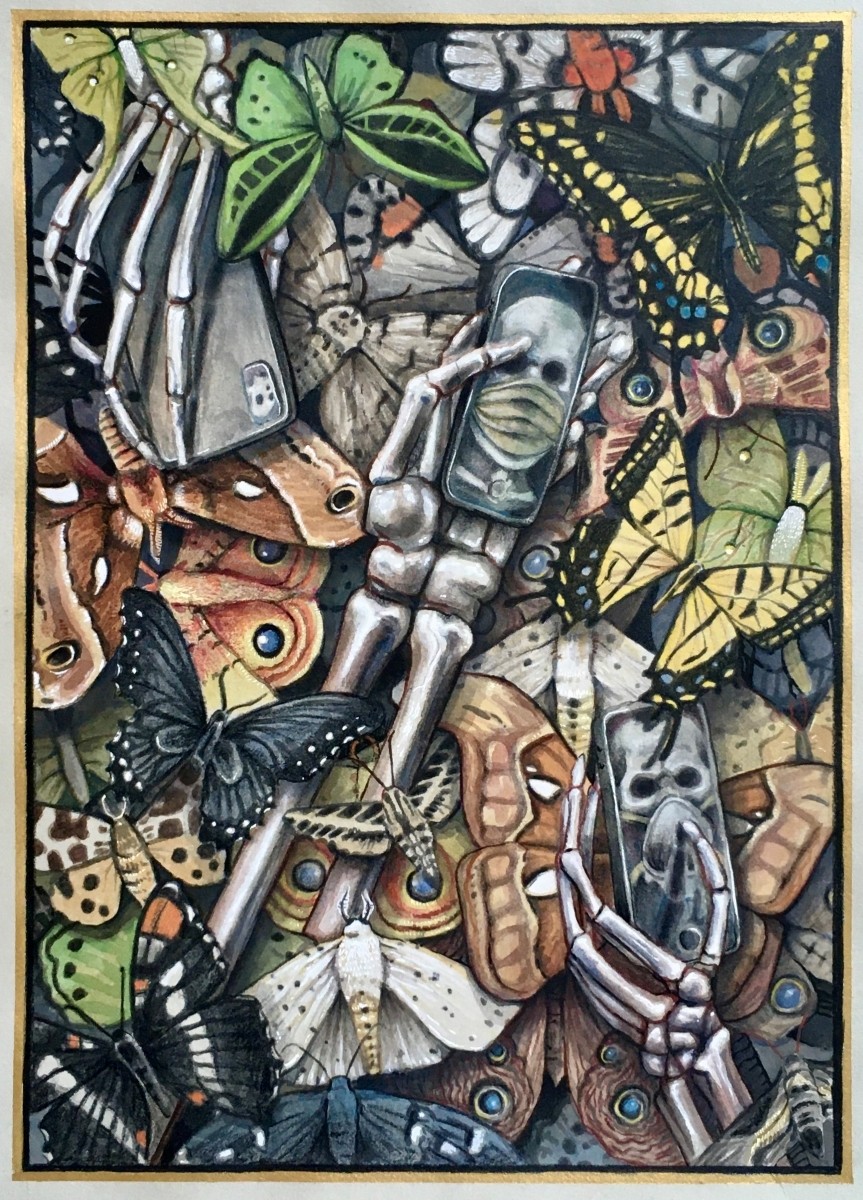
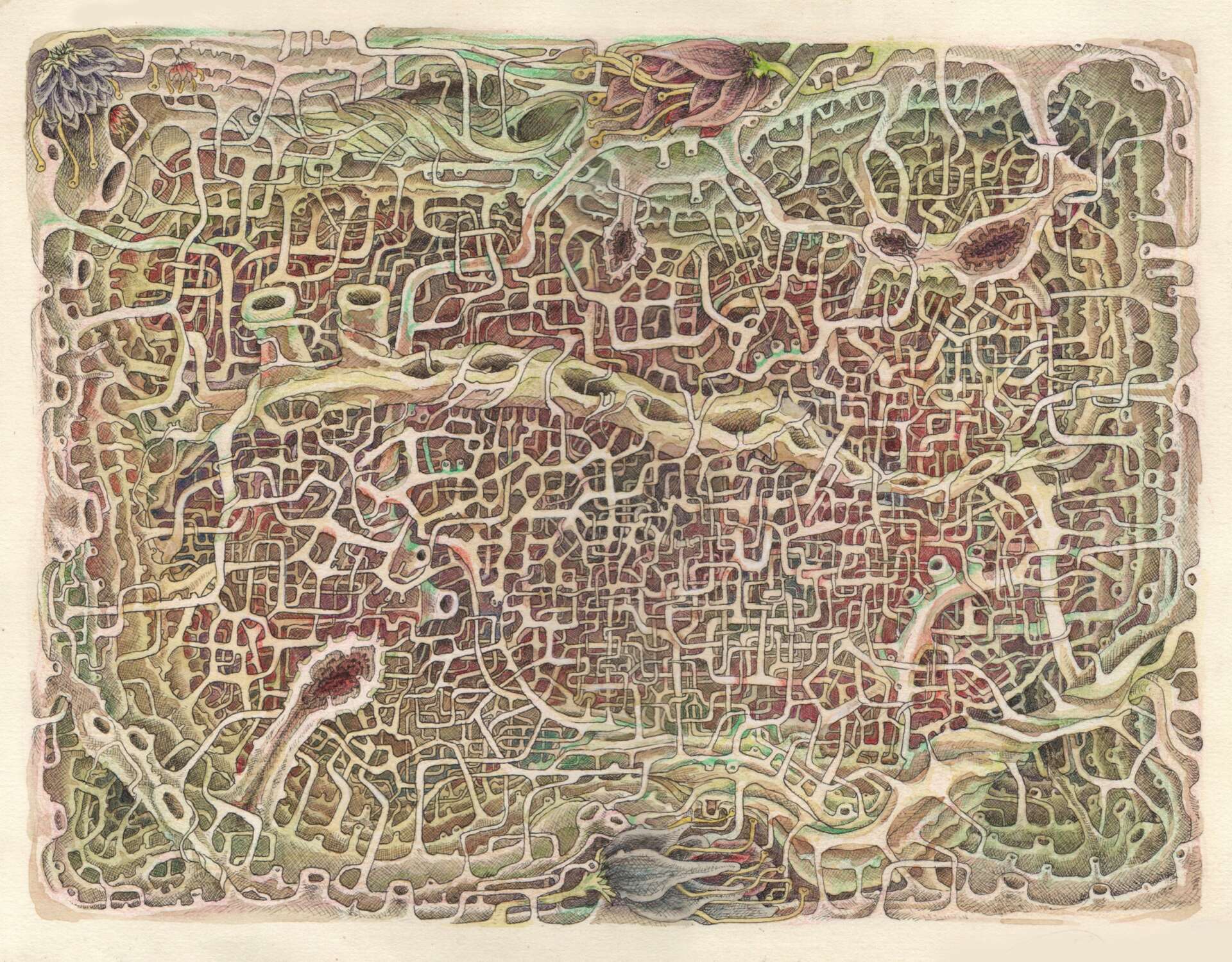
Those are all things I think set me apart, but also get at the breadth of what I do and where I draw inspiration. My work is political in a sense because I came through a system, which I was always very wary of, and which ultimately didn’t hold much of a place for me. My work embodies exclusion – and it embodies all forms of injustice through the lens of environmental devastation. As concerned as I am and as politically charged as some of the ideas are – I choose to put my attention on hope. I don’t have an optimistic view of humanity or where we are going – though I believe very much in people. So instead, I choose to focus on the resiliency of nature.
We do not have the political will we need to change course on the environment. If I sit and stew about that I’ll just lose my mind another will be that much more suffering – mine, to contribute. I’m trying to do what I can and promote awareness – but we are really putting our planet to the test and stretching the limits of what it can bounce back from. Some of it is just too late. So what comes next? Chernobyl tol us that story. About resettlement, abandonment, and irreversible damage – it’s all there.
Our children will see the first real mass climate migration. And they may see the deaths of Monarchs and countless insects. But nature doesn’t know any different than to push back in any way it knows how. It won’t be able to do it quickly enough for us to get the message. But my art is about the message it’s trying to send us. It’s about a lot of things – but that’s a big part of it.
We often hear about learning lessons – but just as important is unlearning lessons. Have you ever had to unlearn a lesson?
There are many myths about being an artist – and one of them is that all great art comes from suffering. I mentioned my struggles, and I’m open about them, but the idea that my art was better or more meaningful when I was really suffering, it’s just not true. I have come to embrace the constant changes that come with working on myself, and take opportunities to question myself – that indicates growth as a person. It means I’m getting better as a person. My awareness and my compassion get deeper, my understanding of self gets deeper – then my art gets better. I never made a piece of art that healed me. It helps – but it’s most effective in tandem with a variety of other practices a supports. Yes I have favorite pieces that were a perspective on the pains of growth, loss…but those are human things. I increasingly believe that being a good artist has more to do with being a good person. A whole and authentic person – not a mythical romantic figure.
In your view, what can society to do to best support artists, creatives and a thriving creative ecosystem?
I think listening to each other is a big thing. Again it’s the same things that good people do to create supportive, thriving ecosystems. I think if people could interact with information that they disagree with in a measured, critical way – the way one might look at a painting and have a conversation about it. The polarization is just poisonous out there. More art, less media. Make more, share more and consume less. The average time a person looks at a painting in a museum or gallery is something like 13 seconds? Slow down. Look at stuff, be curious and engage the world from an angle of building integral awareness rather than opinion or sanctimony. And yeah – we need to support the artists in our communities who have less access to materials, advocate for them and empower them. I think we need agencies in Arizona that provide skills and knowledge to help artists get their careers on track. The idea that being artist is reserved for people who have a certain level of education, come from money or don’t have to work – we really need to move past that.
Contact Info:
- Website: www.benjaminbrockman.com
- Instagram: @thesacredtrust
- Facebook: www.facebook.com/TheSacredTrust
- Linkedin: www.linkedin.com/in/benjamin-davis-brockman
- Youtube: www.youtube.com/user/atangsula
- Other: www.patreon.com/benjaminbrockman www.etsy.com/shop/TheSacredTrust
Image Credits
All images provided by Benjamin Davis Brockman