

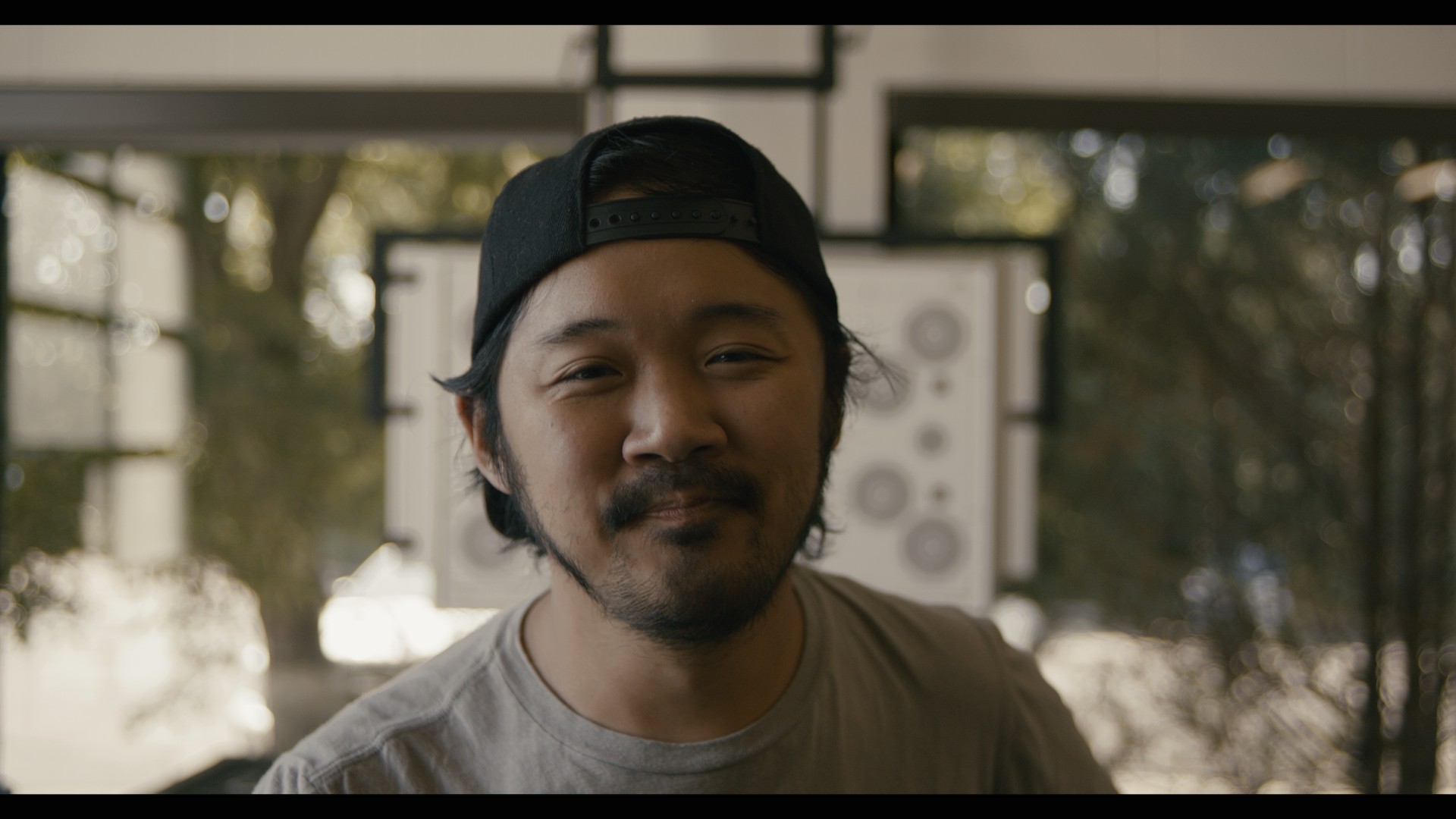

We recently connected with Ben Enke and have shared our conversation below.
Ben, thanks for taking the time to share your stories with us today What do you think matters most in terms of achieving success?
It takes a lot of bravery and a bit of recklessness to want to be a filmmaker for a living. It takes being a little scared but saddling up anyway and doing the hard work and seeing what’s on the other side.
“Successful” people in all walks of life tend to be the people who always have their engine running. Trying, exploring, motivated to work even if no one knows who they are or cares what they’re up to. The time, place, success is secondary to the energy and desire to make.
The ends never justify the means though. One of my favorite quotes is from the Danny Boyle/Aaron Sorkin Steve Jobs film, and it’s a line from Seth Rogen who plays Jobs’ eventually estranged Apple co-founder Steve Wozniak. In a heated exchange about how Jobs’ treats his employees and associates, Rogen delivers a sharp rebuttal: “It’s not binary – you can be decent and gifted at the same time.” There’s no place in any line of work for treating people with disrespect or stepping over others to get to the top, and I find that especially so on a film set, which is such a fiercely collaborative environment that
requires people to work together toward one goal and to leave individual agendas aside.
Put your head down and work. Be nice. Realize that no one ever really knows what they’re doing!
Awesome – so before we get into the rest of our questions, can you briefly introduce yourself to our readers.
I became a cinematographer completely by accident. In college I shot a lot of one-man band videos for non-profits, lots of interviews and run-and-gun shooting with just the school’s DSLR camera. I posted some things online, and somehow, someone found me and asked me to be their “director of photography” for a very low budget independent feature film.
I had to look up what a director of photography was. I had literally no idea. Turns out it’s just another title for cinematographer. Which I also didn’t know what that was.
I turned down a full-time corporate video job to shoot this feature film that wasn’t going to pay me because something pulled me in that direction. It was on that set I realized how much I loved working with others to accomplish a goal, and how amazing it felt to take something that previously only existed in your head and turn it into a tangible result that people could see, laugh at, or even cry because it made them feel that strongly.
I would go on to shoot a lot more on my own – corporate videos and weddings with some films sprinkled in over the years, until a well-known local director asked me to shoot his movie. I figured if someone of their skill level and caliber saw something in my work, then there must be something worth pursuing. I dropped all the other stuff and solely pursued cinematography from that point on.
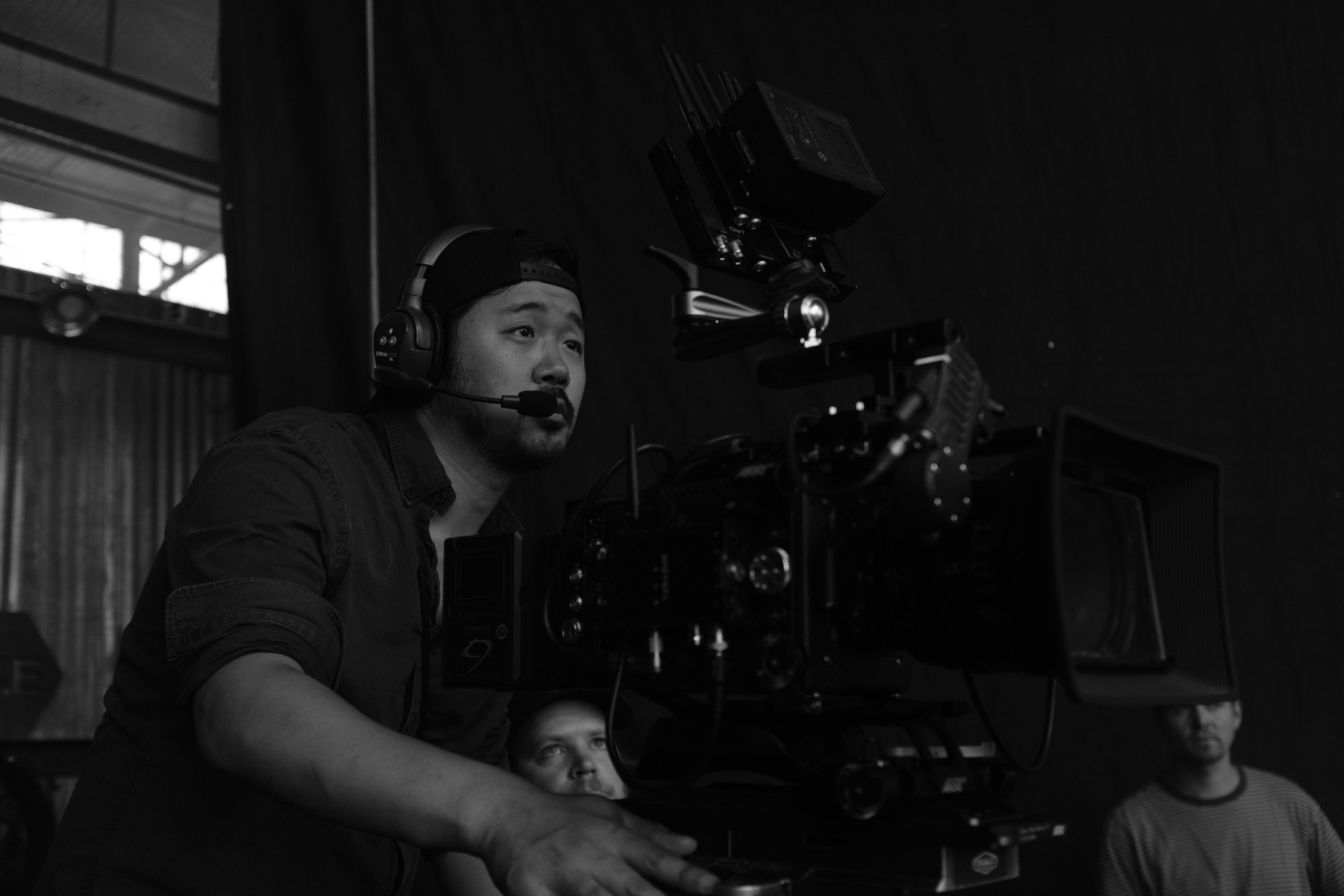
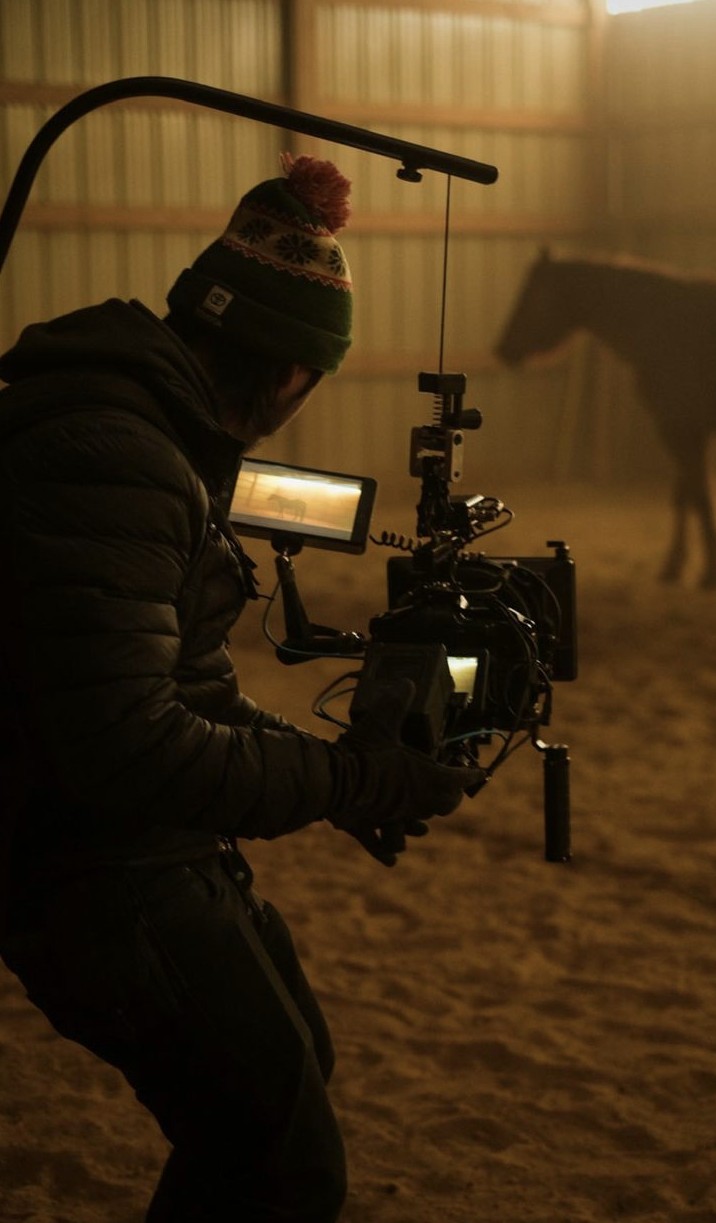
I liken the role of the cinematographer to that of a first mate on a ship. The captain (director) has the vision and the destination – the first mate relays that to the crew and helps get them where they need to go. It’s equal parts creative, technical, and middle management, and I love every aspect of it, whether it’s on a film, commercial, sports hype video, documentary, or music video.
My work is representative of how the world feels to me. People note that it’s a lot of shadow and darkness, which doesn’t mean I think everything is bleak and dark! For me, shadows is where we hide real emotion a lot of the time in our own lives. Filmmaking is a way to have a private conversation with a mass audience – so it’s always felt like a personal and honest medium to me, and I treat it as such as often as I can.
Do you think there is something that non-creatives might struggle to understand about your journey as a creative? Maybe you can shed some light?
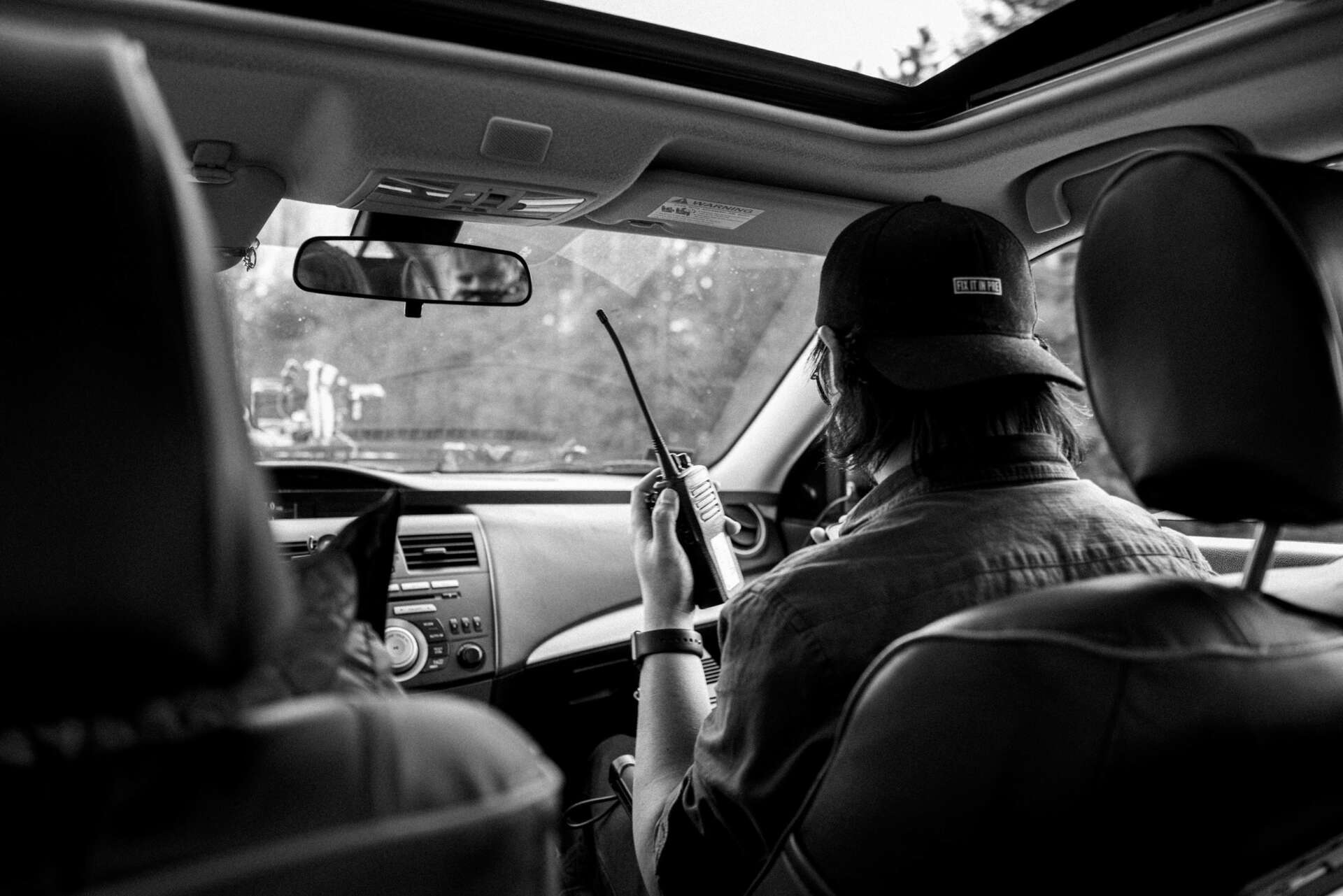
I think the most difficult part of the job for me is turning it off. I feel like I’m always on sometimes, especially when work is abundant – there’s always a phone call, text, or email to respond to. My AirPods basically live in my ears at all hours of the day. There’s always some part of the job that needs tending to, whether it’s making sure the crew have what they need, the logistics of the location, the producer asking to cut budget somewhere, the assistant director needing to cut time somewhere, getting on the same page with the director, sorting out gear, sorting out paperwork, sorting out lighting diagrams and technical problems… the list is almost never-ending… but I love it. Nothing keeps my brain fully engaged like this line of work does.
And then there’s the dark times. As I’m writing this now, I had ONE whole day off in the last six weeks, and now my schedule has a whole lot of nothing on it. Obviously that will change, but people who work a regular job may never know what it’s like to go from 60 to 0 and then look at your calendar and think “I wonder when I’m gonna get paid next….”

What’s the most rewarding aspect of being a creative in your experience?
The friendships and family you make on every job. All walks of life, all kinds of personalities, everyone’s backgrounds and ideas and energies -it all gets thrown in a blender and somehow a movie gets made. It’s actually pretty remarkable when you think about it.
Contact Info:
- Website: https://benenke.com
- Instagram: https://www.instagram.com/benenke/