

Alright – so today we’ve got the honor of introducing you to Belen Getachew. We think you’ll enjoy our conversation, we’ve shared it below.
Hi Belen, thanks for joining us today. How did you scale up? What were the strategies, tactics, meaningful moments, twists/turns, obstacles, mistakes along the way? The world needs to hear more realistic, actionable stories about this critical part of the business building journey. Tell us your scaling up story – bring us along so we can understand what it was like making the decisions you had, implementing the strategies/tactics etc.
Choosing your first business is always riskier than subsequent ventures because the success of that initial business will determine how quickly you can scale. Many small business owners dedicate their entire lives to their business due to the fear of losing it all. In contrast, companies that scale/have multiple locations not only create multiple streams of cash flow but can also absorb losses from slower locations.
For myself, once I diversified my portfolio and invested in different industries, I was able to take various calculated risks. At a certain point, the foundation of my success depended more on self-development than on external factors. Key elements include discipline, developing leadership and communication skills, spotting opportunities, being innovative and consistent, and, most importantly, taking care of your health.
I excited to launch my online educational courses this year called “No Blueprint to Success.” I believe media often glamorizes the glitz more than the hard work involved, so I wanted to create a platform to provide a more authentic and realistic perspective for people interested in entrepreneurship. “No Blueprint” implies there are no guaranteed answers for becoming an overnight success. The foundation of success boils down to developing skills and staying updated with information.
To state the obvious, as humans, we will inevitably face personal challenges and setbacks. This is why it’s said that the path to success is not straightforward; it looks different for everyone, and you’ll need endurance to overcome obstacles.


Awesome – so before we get into the rest of our questions, can you briefly introduce yourself to our readers.
I am a first generation Ethiopian, raised in Atlanta, serial entrepreneur. Although I attempted many business ventures, my initial successful business is a tax office. I started with my brother who had experience. It was seasonal business so I started exploring real estate because I notice properties values increasing. Despite doing as much due diligence as I could, my first flip I lost money but was able to bounce back with my tax office. The market was great I just needed to turn my mistakes to lessons and that I did. Once I developed the skills to analyze deals, project costs and pick qualified contractors, I was able to scale by using the profits to do more deals and buy rentals with equity.
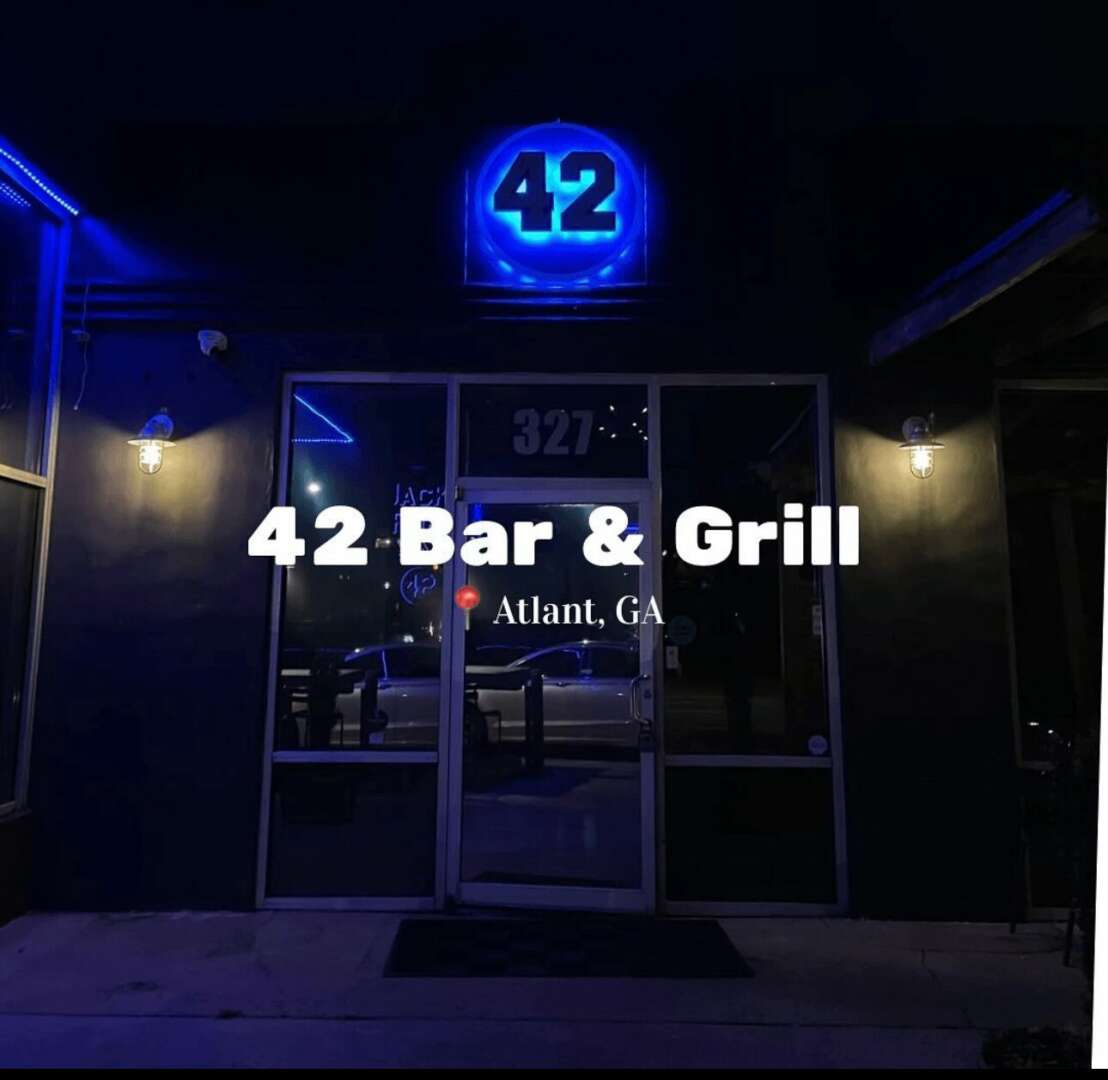
Both these industries tied up a lot of cash so I knew I needed a business to balance out the need for weekly cash flow and jumped into the hospitality space. This industry was completely different in regards to what it required out of me as an owner. There is a lot of moving parts and a huge learning curve that feels like its never ending. I believe I was able to scale and open another restaurant in the same year because I wasn’t depending on one particular business as a source of income. Also, at this point I would consider myself a problem solver and more confident in taking calculated risks.
I wouldn’t recommend taking the exact steps I did to others because timing played such an important part of my career but I would recommend using the same techniques in decision making. I would say I am most proud of all the obstacles iv overcome in my businesses and personal life. Not letting history define my future and being able to do nice things for others.

Does your business have multiple or supplementary revenue streams (like a ATM machine at a barbershop, etc)?
My goal for next year is to launch my own Tequila brand, I’m very excited about distributing my own product in my own establishments. I also want to create my own sauces down the line.


Can you tell us about what’s worked well for you in terms of growing your clientele?
Being visible is important, with so much competition I think its important to collect customer data and keep in touch via email, text, post cards etc. Coming up with creative marketing ideas and engaging with customers is important.
Contact Info:
- Instagram: _bebe.atl_
- Linkedin: https://www.linkedin.com/public-profile/settings?trk=d_flagship3_profile_self_view_public_profile