

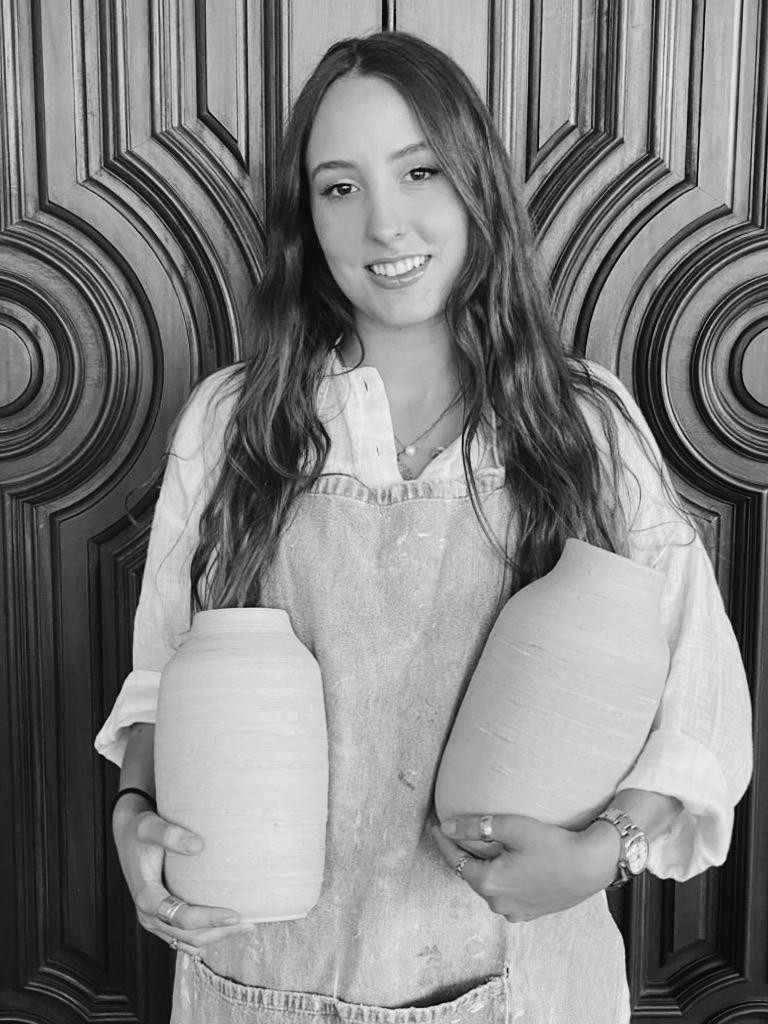

We recently connected with Begoña Herranz and have shared our conversation below.
Begoña, thanks for taking the time to share your stories with us today How did you learn to do what you do? Knowing what you know now, what could you have done to speed up your learning process? What skills do you think were most essential? What obstacles stood in the way of learning more?
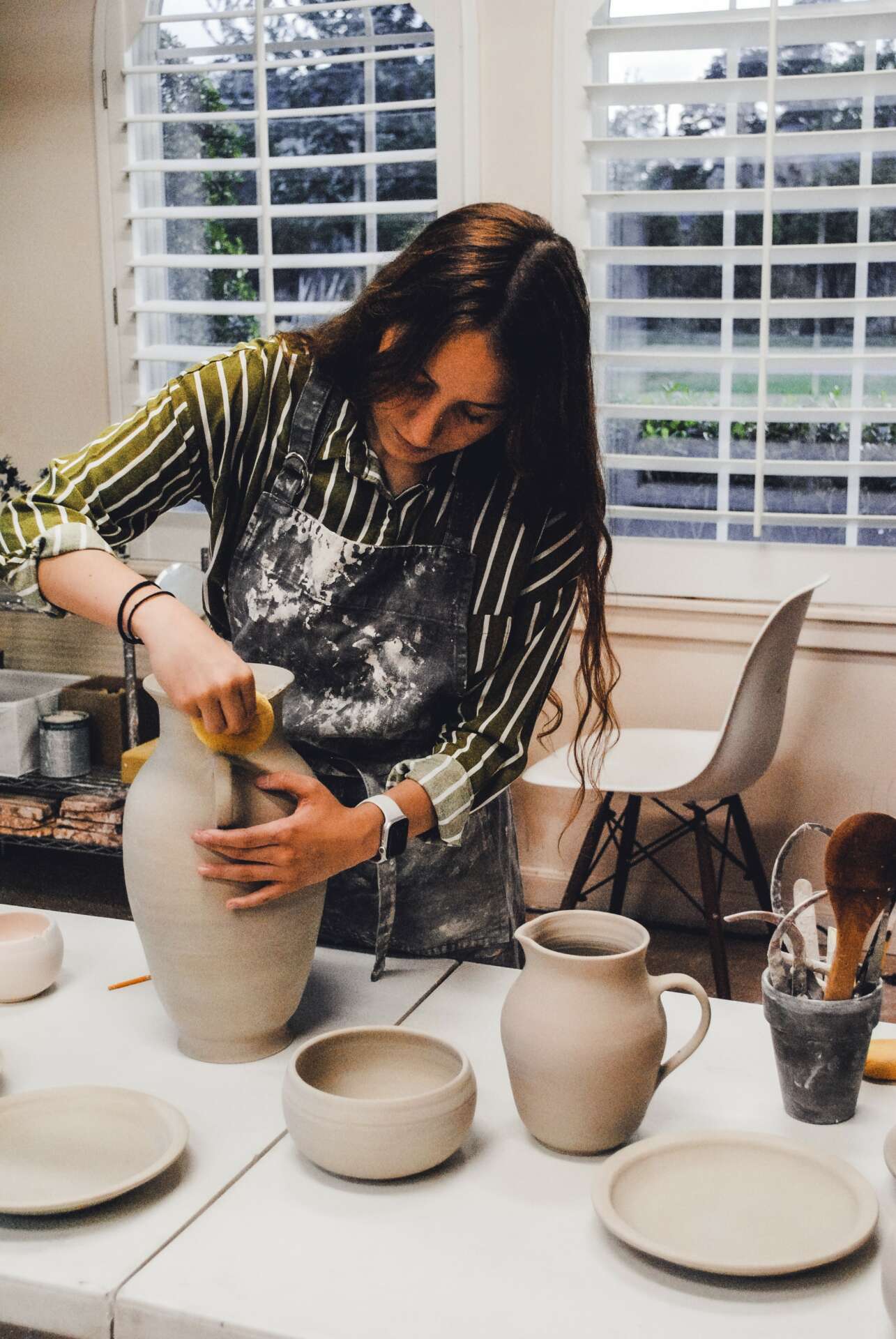
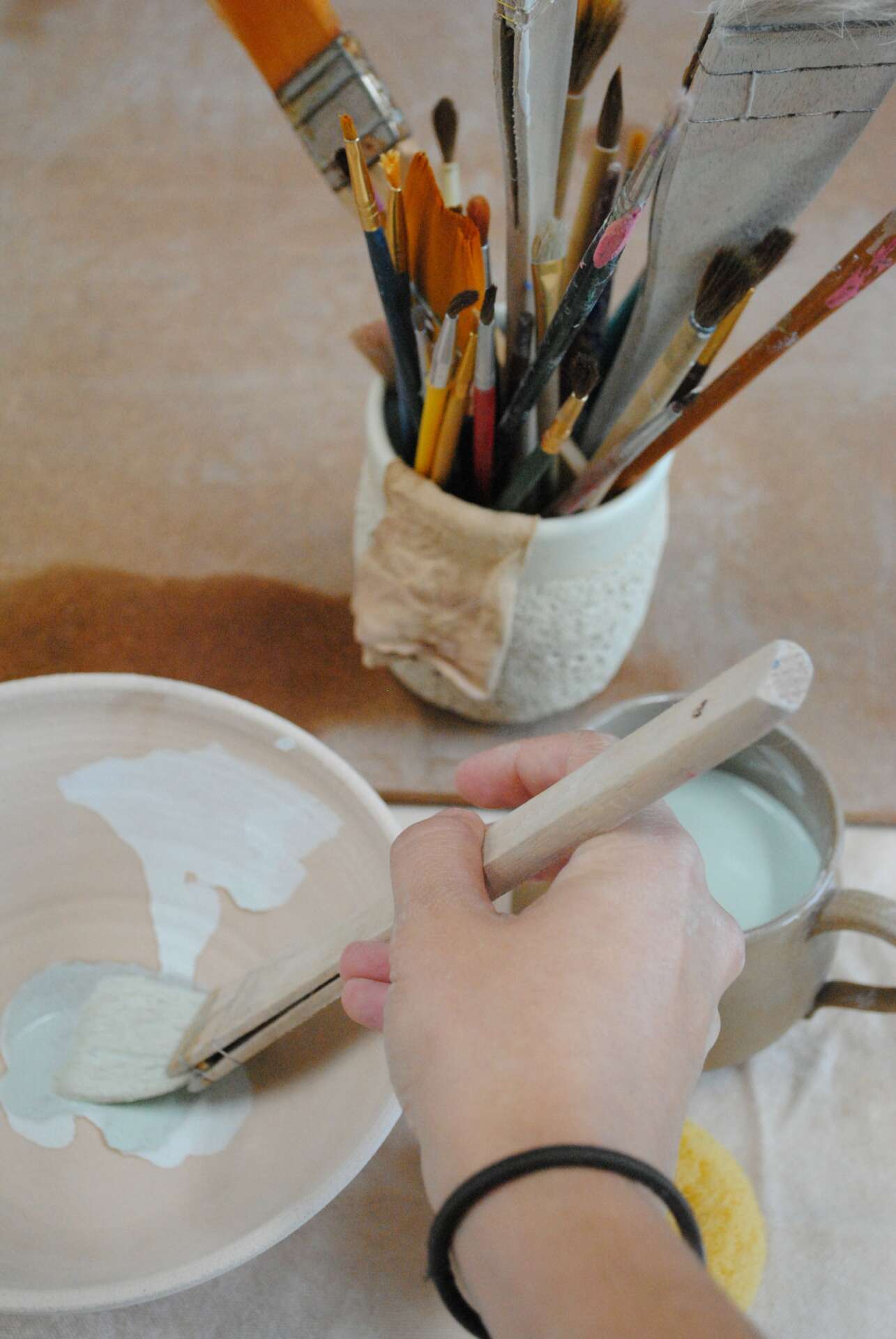
I have always been a very creative and visual person. The walls of my childhood home were covered with paintings from great Mexican artists, so I was exposed to art the moment I entered my home in the arms of my mom. I think thats when everything started. Then, growing up, my parents always encouraged me to draw. paint, and create things with my hands. I’ve been taking art classes for as long as I can remember; but, my first proper introduction to clay was in high school. I took ceramic classes there for three years, and I learned all the basics from great teachers. Looking back, I probably would have sped up my learning process by not being afraid of failing. I wish I had gotten over the fear of messing up a pot a lot sooner. In order to start throwing consistently “perfect” pots, I had to go through thousands of failed pots that ended up in the reclaim clay bucket, and at first it was very hard to learn to give up on those failed pots.
Even today, the fear of messing up still lingers. I always have to force myself to just finish the piece im working on, even if its not perfect, finishing it is part of the process that will make my next work better.
As always, we appreciate you sharing your insights and we’ve got a few more questions for you, but before we get to all of that can you take a minute to introduce yourself and give our readers some of your back background and context?
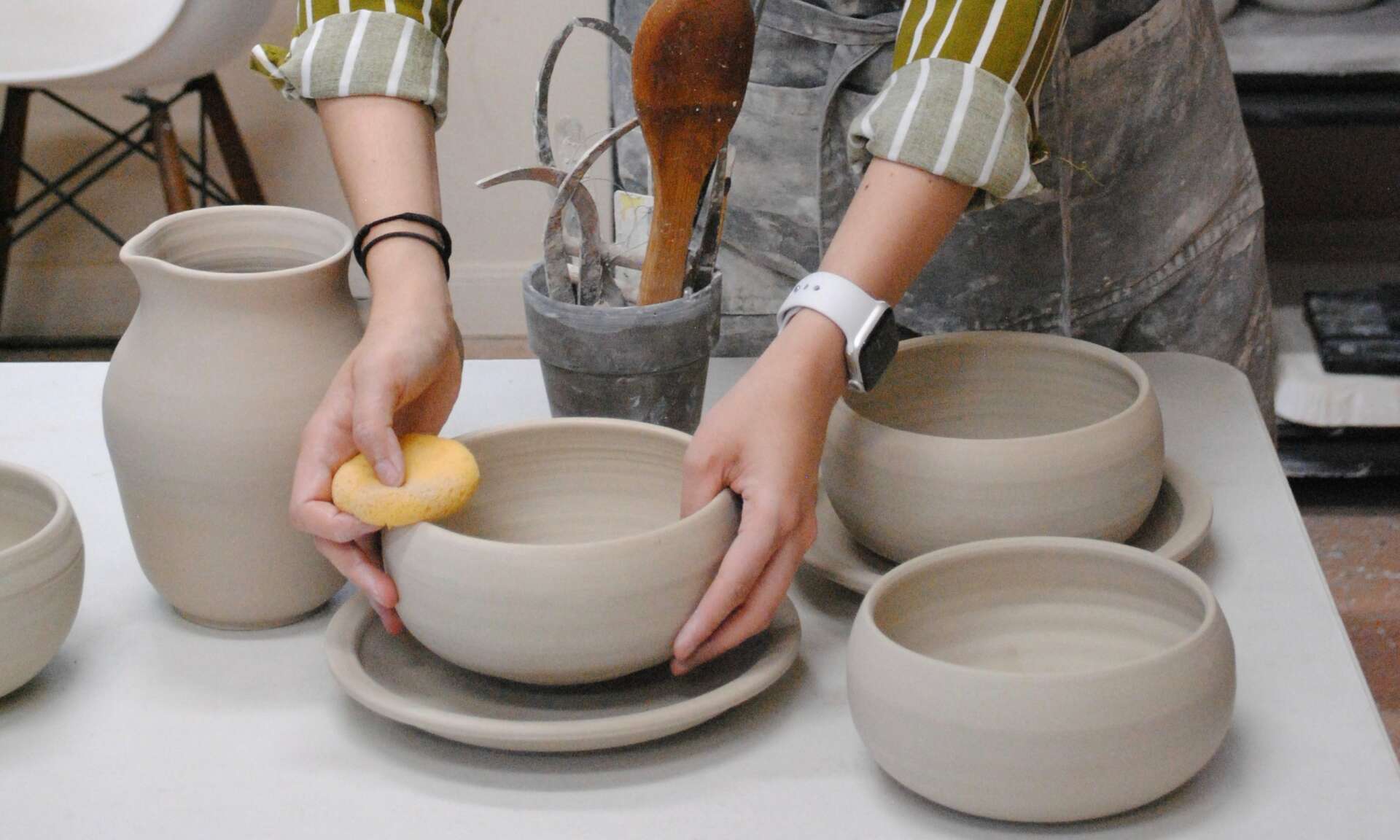
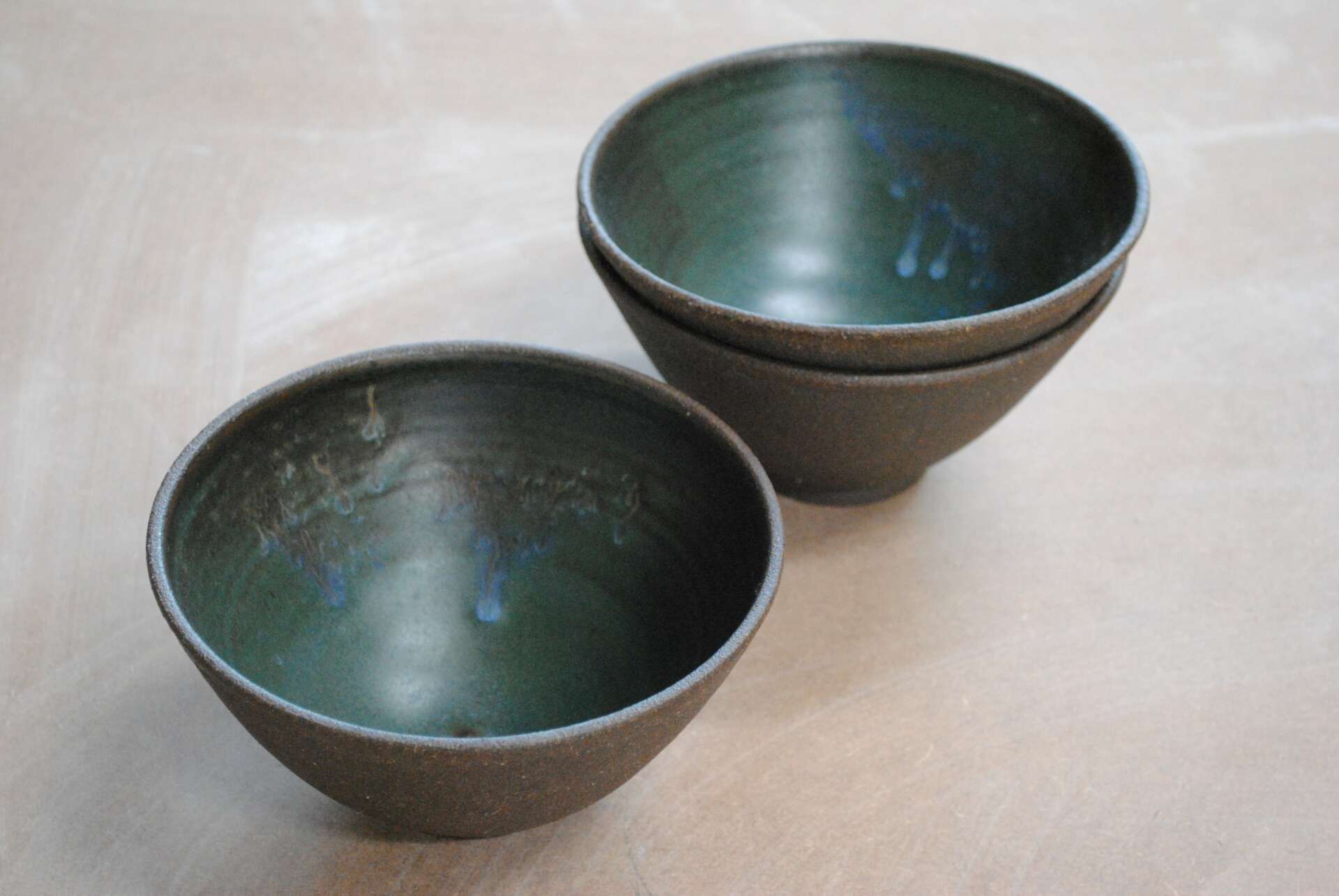
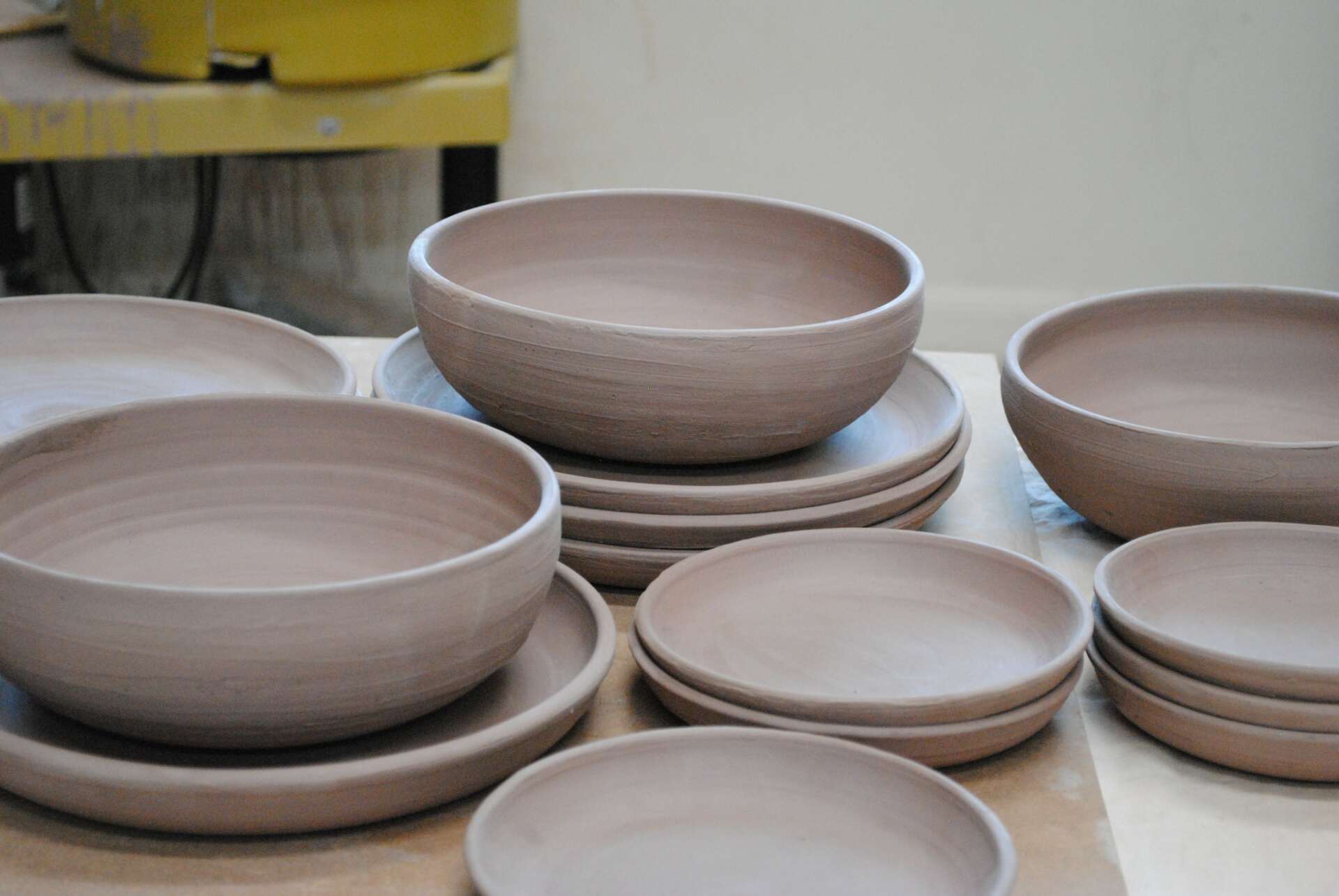
I was born and grew up in Mexico city. That is where I took my first painting classes, and learned to observe and appreciate color and light. Then, as a teenager, I moved to Houston with my family. I went to high school here and then I graduated from the University of St. Thomas with a Bachelor of Arts in Studio Arts degree with a concentration in ceramics in 2019. After graduating, I learned how a ceramics studio runs by working as a studio technician at the Glassell School of Art. That is when I formally created Begoña Ceramics. Although I am constantly painting and drawing, I mainly focus on functional pottery. I think that, rather than interrupting the growth of my ceramic work, practicing other disciplines, simultaneously, informs and stimulates my sense of design and aesthetic that I apply to my pottery. The message that I always try to carry, through my ceramics, is the importance of the preservation of traditions. I am not only talking about the preservation of the traditional practice of pottery. I am talking about, as a consumer, the traditions that owning and using handmade pottery help to preserve. For example, the tradition of gathering around a table every night to have dinner with your family is a lot more special when the objects used for it are meaningful. In my opinion, the whole dinner tradition is elevated by the pottery, even the food seems to taste better when eaten from a handmade pot. The vessel seems to create a dialogue between the potter and the consumers. The pieces carry all the years of practice and hard-work that the craftsman put into it in order for it to be right there, in that moment, accompanying that family through their dinner, almost encouraging them, to stay a bit longer, to have another bite, to crack another joke, and to do it all over again the next day.
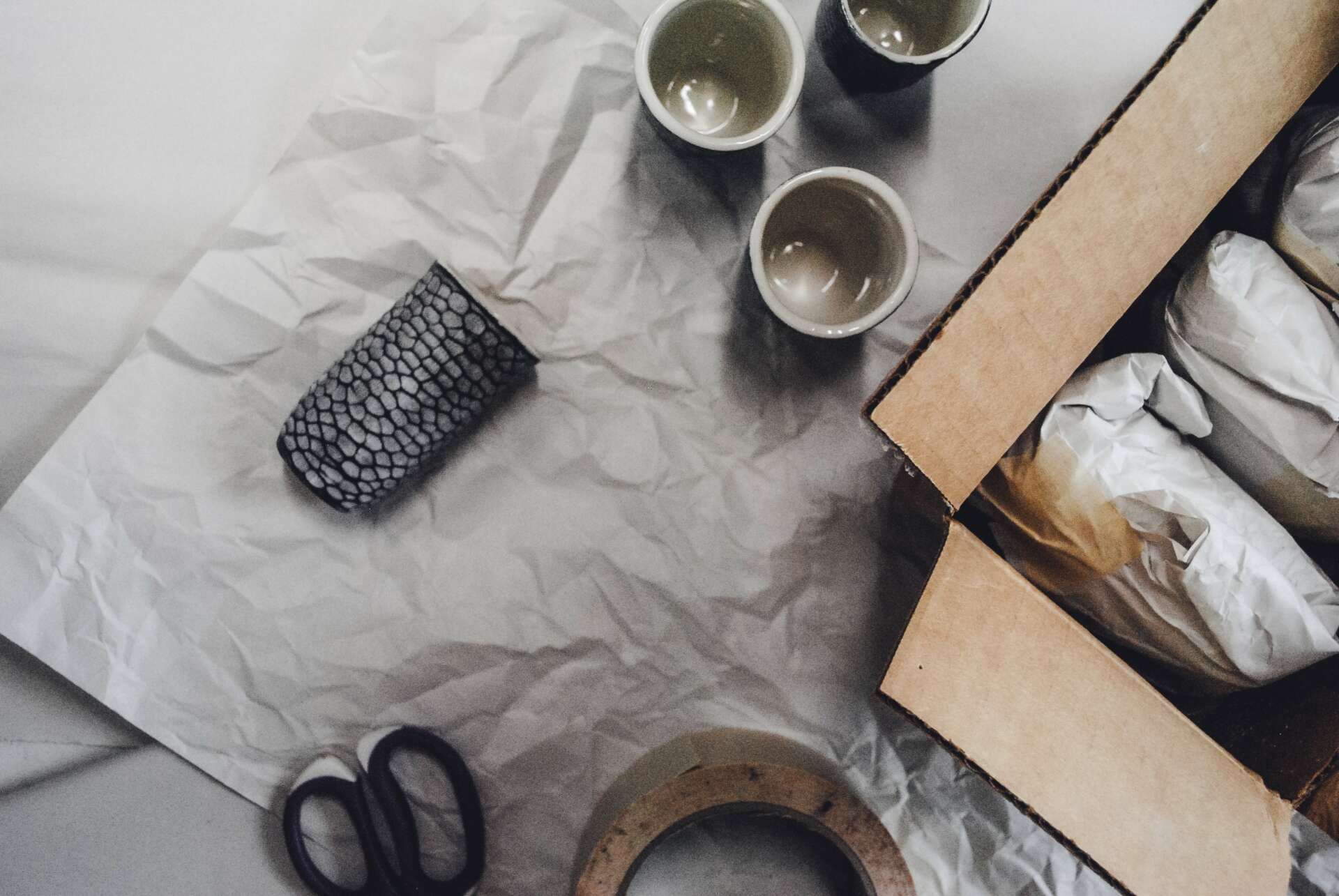
What makes me most proud of my work is the contribution that it makes, as small as it is, to the rejection of the disposable. If you invest in a well-designed handmade dinnerware set with good craftsmanship, they are going to last for a long time, they can be passed down through generations, as opposed to the cheap alternative, made by the thousands, that you throw out or leave behind every time you move.
Have any books or other resources had a big impact on you?
The books that have really helped me get inspired and focused are: The Dip: A Little Book That Teaches You When to Quit (and When to Stick) by Seth Godin. I would recommend it anyone who is deciding career paths or any struggling artist scared to take the next step.
also,
How to Be an Artist. By Jerry Saltz. Each chapter offers a different advice for aspiring artists or any kind of creator. it really helps me when I find myself in a creative block or when im afraid to start new work.
In your view, what can society to do to best support artists, creatives and a thriving creative ecosystem?
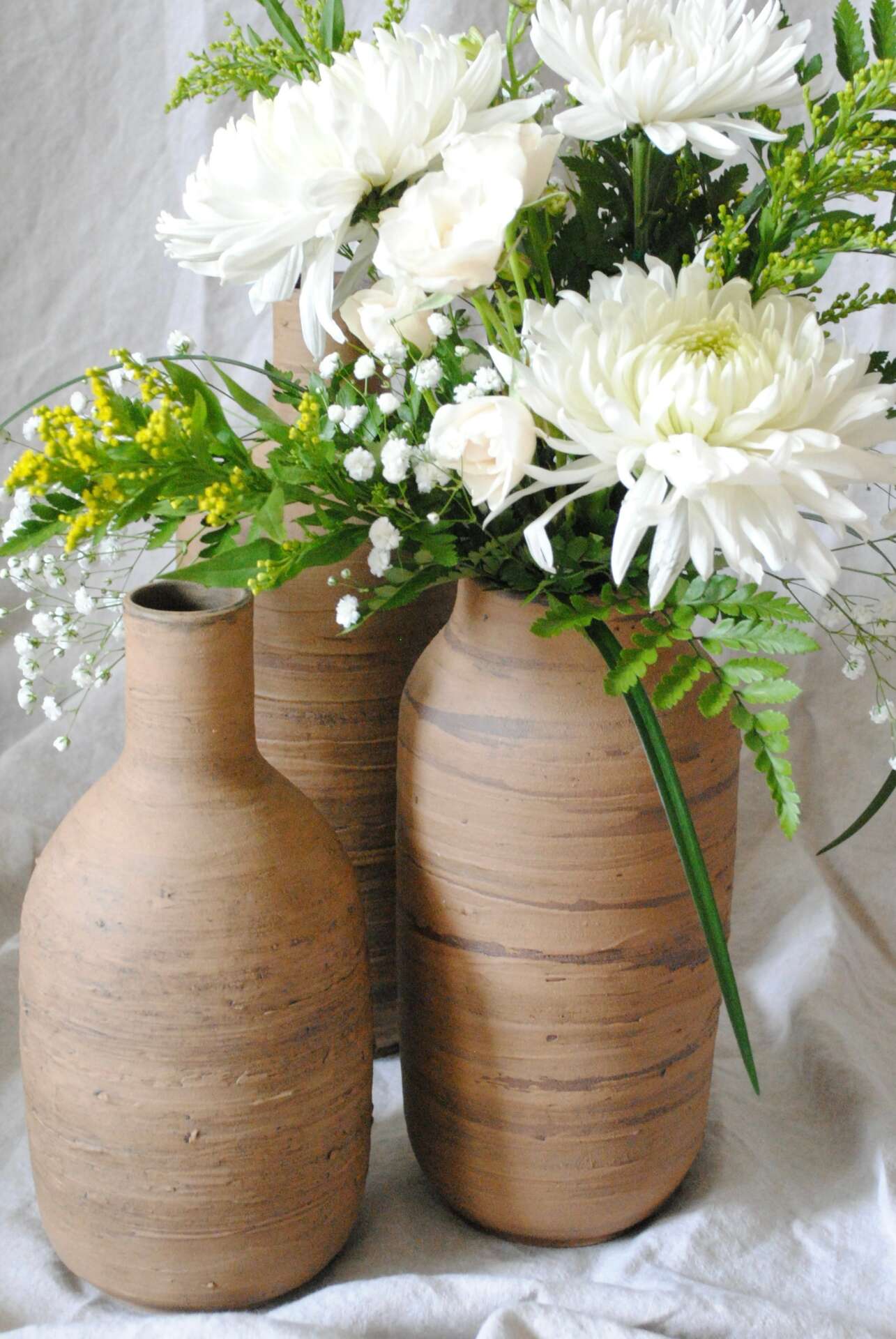
I think that a good way that society can support artists and a thriving creative ecosystem is to buy from small businesses and creators, and as costumers always demand a good product with excellent craftsmanship. I often see creators on social media that do not necessarily understand the craft yet and charge a lot of money for a crappy product. This affects the makers that are trying to keep the prices of their great work accessible for everyone. buyers should keep in mind that good craftsmanship takes a lot of practice, education, and time, so the price should reflect that.
Contact Info:
- Website: https://www.begonaceramics.com/
- Instagram: begona.ceramics
- Other: TikTok: @begonaceramics