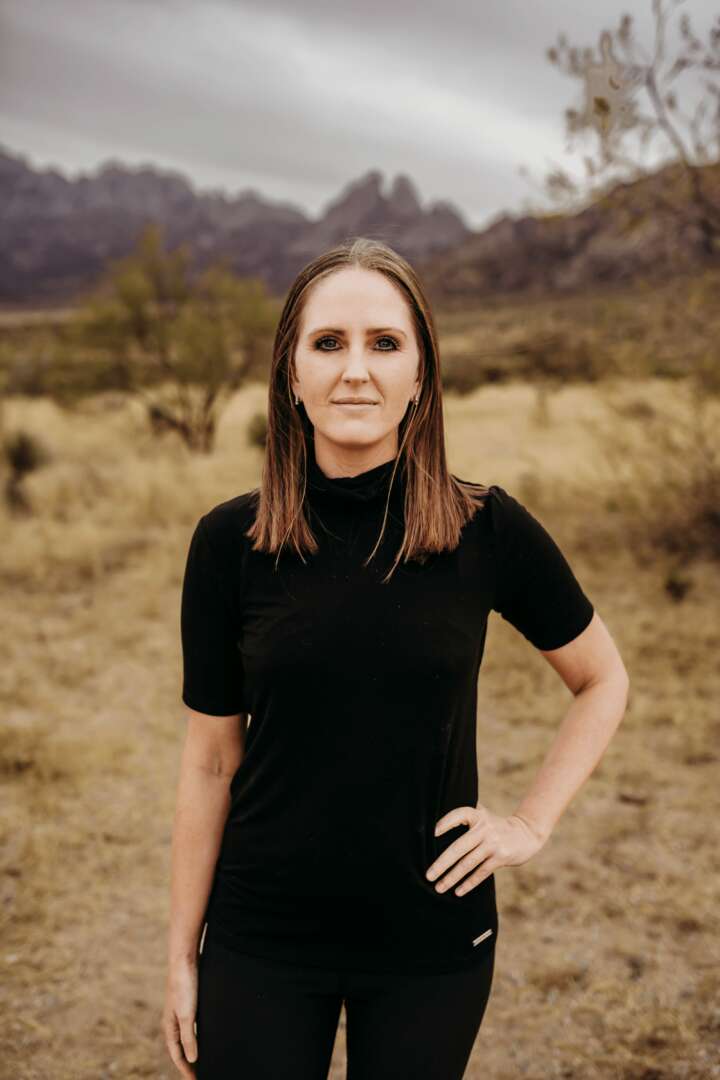

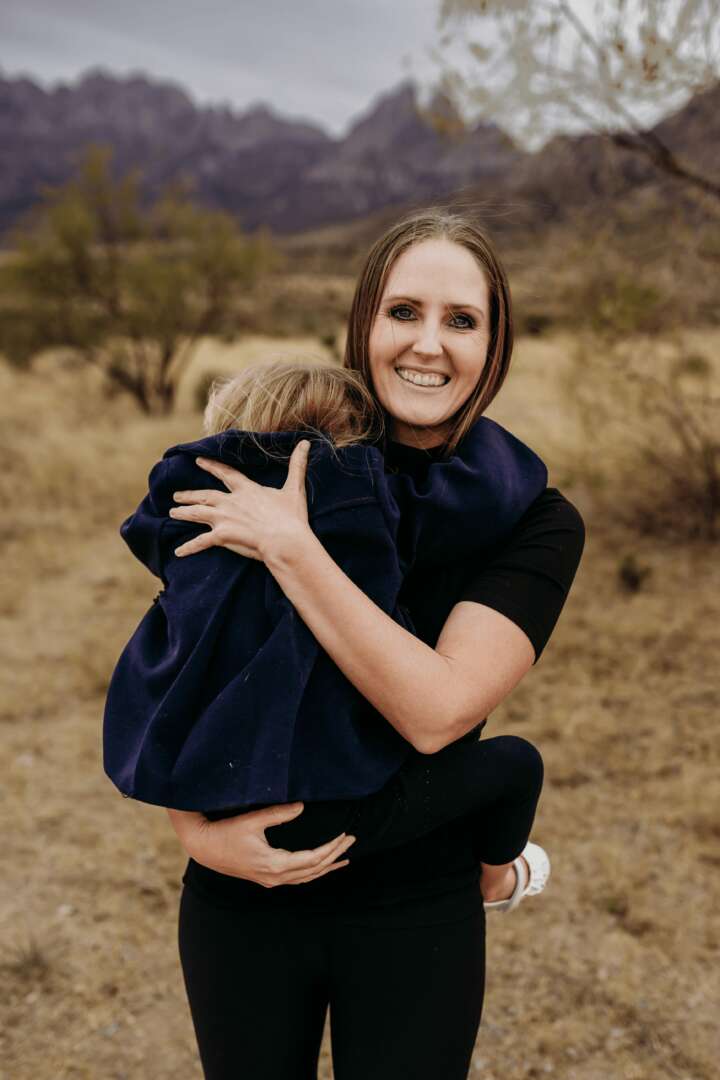
Alright – so today we’ve got the honor of introducing you to Becky Morrison Gleed. We think you’ll enjoy our conversation, we’ve shared it below.
Becky, looking forward to hearing all of your stories today. Have you ever experienced a times when your entire field felt like it was taking a U-Turn?
The original plan was to do play therapy: to help children from two to seven through play. Today my clinical focus has shifted from the children to the parents: specifically individuals and couples going through their fertility and reproductive journey.
This U-turn happened in a few phases.
I had been working in private practice and youth services, when the seeds were planted. I was going through my own reproductive journey when I decided to scale back my hours but stay a government employee by working in the emergency psych department. I assumed this unexpected pivot would be temporary, but instead it inspired my perinatal work.
In the emergency psych department where I had to assess individuals in crisis, I witnessed so many gaps in the system. I saw, first-hand, the damage caused to the vulnerable perinatal population by the lack of training and policies to support their needs. One case that crystallized the problems in my mind was when I saw a woman suffering through severe postpartum depression who couldn’t bring a breast pump with her.
I also had connections at the time to the states of New Mexico and Hawaii, where I was one of just a handful of folks with the certification to serve the perinatal community. I knew the field needed to grow and, fortunately, over the past five years, it has – but not fast enough to keep up with the growing demand.
The deeper I went into the perinatal journey, the more gaps I found: my umbrella expanded to include reproductive mental health, from infertility to pregnancy loss. There’s so much unacknowledged and untreated distress that comes with the fertility journey, for instance, the two-week wait between an embryo transfer and a pregnancy test as part of the IVF process. Doctors are doing their best to keep up with medical demand; there’s minimal capacity for psychological, emotional and relational support and coping.
That’s where I found myself, professionally.
Since 2018 when my not-so-temporary U-turn took place, I’ve been growing in the direction of reproductive mental health, a topic that becomes more relevant than ever as issues of reproductive autonomy and access make headlines every day.
In addition to seeing my own patients, I work to train other professionals to provide specific care to others, for example, adapting Cognitive Behavioral Therapy for perinatal mood and anxiety disorders. I see this as a systemic problem, which means we need as many hands on deck as possible to reach a systemic solution.
My dream: to create a manual specifically tailored for fertility clinics to have a multi-session, multi-week program to support healthy psychological, emotional and relational coping for patients receiving infertility training.
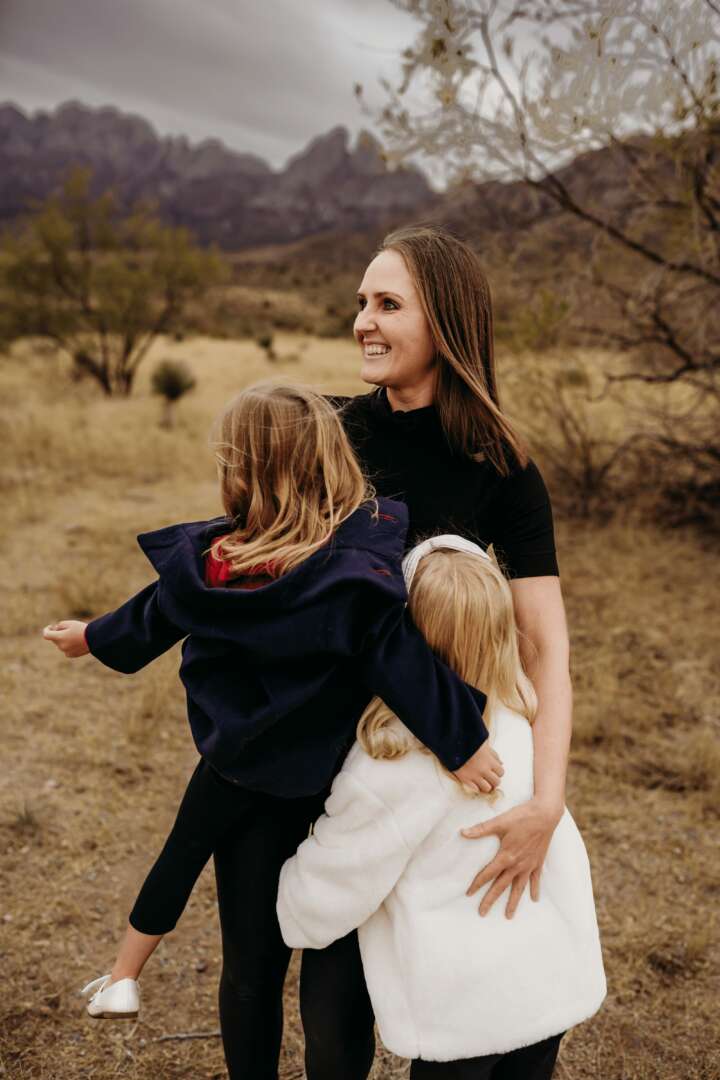
As always, we appreciate you sharing your insights and we’ve got a few more questions for you, but before we get to all of that can you take a minute to introduce yourself and give our readers some of your back background and context?
What my practice, Perinatal & Reproductive Wellness Group, currently offers:
Perinatal clinicians serving multiple states throughout the United States
Trauma-informed yogi with expertise in perinatal issues
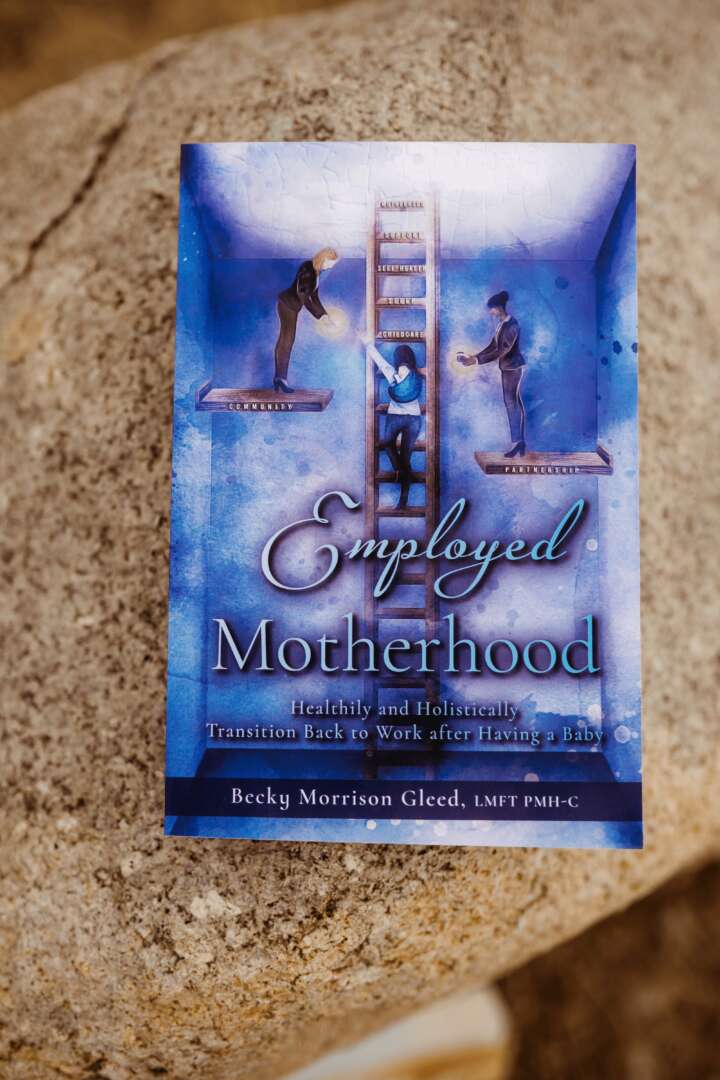
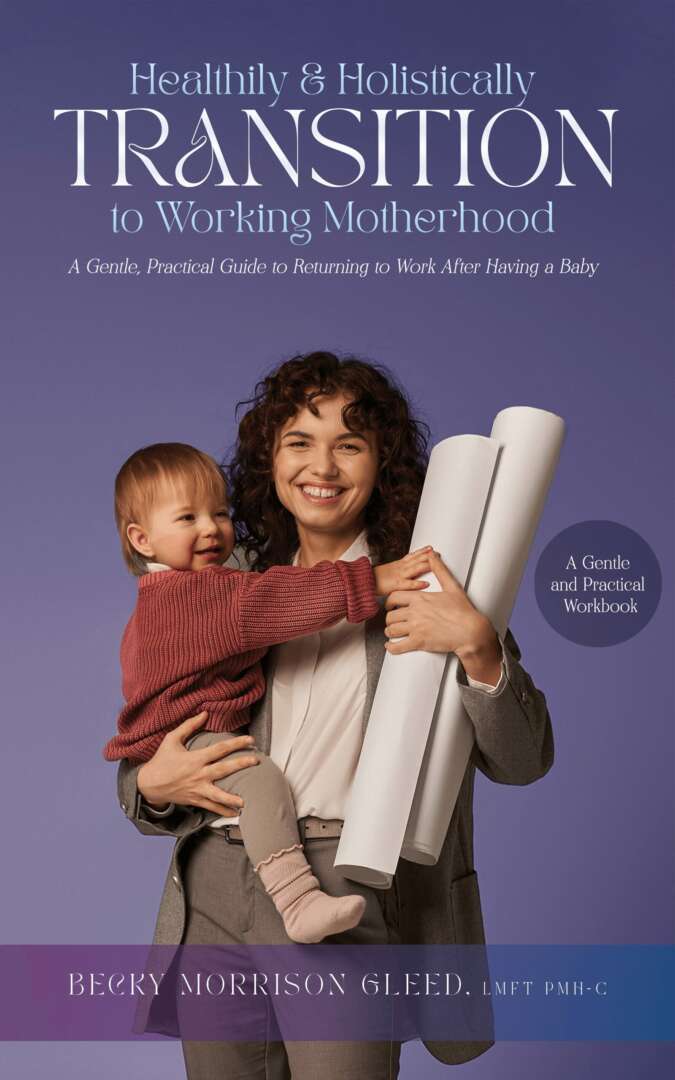
Perinatal book series
Annual retreat for mothers in Northern Virginia
Beyond the clinical work is my commitment for advocacy in a variety of forms; podcasting, activism in policy reform, blogging, speaking, magazine contributions, and my perinatal book series.


Any advice for growing your clientele? What’s been most effective for you?
Growing your clientele starts with identifying an audience. You know you have something special to offer – an x-factor – to somebody. But who are they and where can you reach them?
Answering that question will help you decide on grassroots growth methods like friend-of-a-friend referrals or content marketing on different channels. A mix of channels and content types tends to work well, so you aren’t leaning too heavily on one: articles, books, speaking engagements, as well as short, regular blogs and posts to keep your audience engaged.
I recommend starting with an audit of what you already have – maybe quarterly or annually: Is your website performing well? Is your social performance strong on one particular platform? Are there areas where you might benefit from bringing in an outside consultant, coach or mentor? (I always recommend outside help when it comes to areas where you aren’t excited to roll up your sleeves and become an expert yourself.)
When you sit down to improve your marketing strategy, know the difference between a marathon and a sprint: Is your calendar empty for next month or are you looking to change things big-picture, into the future? Is your business a fledgling startup or an established practice? Most business owners are always doing a little of both, making daily contributions and also building long-term relationships with individuals, groups and organizations. But the balance of your activities will shift with your businesses’ maturity.
One way to cross check the success of your marketing efforts is to look at the clients you are actually attracting. For example, in the mental wellness space, if your goal is to attract long-term or boomerang clients, but most of your calendar is filled with people who come in for a session or two, you may want to look at where you’re finding clients – and what you’re doing to retain them.
But perhaps the most tried and true method of growing your clientele is to become an expert in a niche area: Time and again I hear that people are more willing to spend the money to see an expert in perinatal mental health who knows all the medical terminology. They know they aren’t going to experience microaggressions, they know they’ll be listened to, and that makes all the difference.
When a client looks at you and says, “This is the first time I’ve been able to fully share my story,” that’s when you know you’ve got your x-factor: helping people to feel seen, and feel seen again, and feel seen again.
We’d love to hear about how you met your business partner.
“If you build it, they will come.”
That was a favorite saying of David, my mentor and collaborator, two generations my senior with whom I first went into private practice.
From him, I learned so much, including: You can have a strong relationship but you need to diversify it. One collaborator can’t fill every need. You need to get practice pulling from different people and different environments.
The things from David that were irreplaceable was the way he passed on wisdom to me. Even though we weren’t in the same professional niche, he passed me his baton – things that are not written in a textbook: how to read between the lines, how to run a small practice, how to stop small problems before they snowball into something big.
Working with David taught me the importance of curating my environment. If you spend 40+ hours in a space and are lucky enough to have some control over who is in it with you, think about who you share that space with and what kind of environment you want to create together, so you can be well.
“If you build it they will come.”
His saying was so simple but really profound. It’s all about having the confidence to know that if you build something, and you’re paying attention, then people benefit.
When he died, I had to ask myself the question: How do you replace someone like that? The question seems too hard to answer. But I know that part of the process of grieving and healing involves building new collaborations. For those just starting in their careers, I recommend: always draw from different places. Get support from multiple sources. There’s a reason they say not to put all your eggs in one basket.
I could never replace David, but I could draw on a village of mentors and “business partners” who provided (and continue to provide) the wisdom to support one another as we confront the constant evolution of the field. What draws us all together at the end of the day: aligning our mission to support individuals in need.
Contact Info:
- Website: https://www.perinatalreproductivewellness.com
- Instagram: @employedmotherhood