



We caught up with the brilliant and insightful Becca Spahr a few weeks ago and have shared our conversation below.
Becca, thanks for taking the time to share your stories with us today Have you ever had an amazing boss? What did you learn from them? Maybe you can share a story that illustrates the kind of boss they were or maybe you can share your thoughts on what you think made them an awesome person to work for?
When I joined the Marine Corps at age 21, an administrative error sent me to an infantry unit. Except, in 2003, women weren’t allowed in combat units. So instead of joining the infantry unit I was assigned to, I was redirected to their headquarters, filling a job meant for someone with three or four years’ more experience than me. On day one, I was leading a team of 17 Marines, responsible for HR support for nearly 2,000 people, and oh yeah, I was also the battalion commander’s executive assistant.
I had minimal training, no mentorship, and no idea how to manage my time. My days stretched to 12 or 14 hours, most of which I spent running back and forth between my boss’s office and mine, trying to stay on top of his requests. Leading my team, the one thing that should have been my priority, came dead last. But at the time, I didn’t know what else to do.
In my scramble to keep up, I leaned heavily on a few of my Marines: the ones I could count on most. And I leaned on them hard, to the point that they were drowning in work right along with me. With the others I let things slide. I didn’t have time to teach, train, and mentor. I barely had time to go to the bathroom.
When my Marines drafted correspondence that needed to be corrected, instead of actually teaching them how to do it right, I just fixed the mistakes myself. It was faster that way, I told myself. Plus, I didn’t want to be too mean.
Barf.
I was overworked, my best Marines were overworked, and the rest of my team wasn’t learning a damn thing. And whose fault was that? Mine.
After a few months, my boss noticed I was in way over my head. Deadlines were slipping, mistakes were piling up, and I was barely treading water. So, he pulled me into his office and told me to get it together.
I don’t remember exactly what I screwed up or exactly what he said. The part that stuck with me was that he wasn’t harsh. He didn’t yell. He just told me what I needed to hear, which was that I needed to tighten things up and start leading Marines. He said it clearly, firmly, and directly, in a way that made me listen. I walked out of his office thinking, Did I just get my butt chewed? I think I did… but I don’t feel like I did.
His approach taught me that authority doesn’t have to be harsh or controlling. It should be clear, consistent, and respectful. You can lead firmly while still being approachable.
That was my first real lesson in what leadership should look like. I thought that by being nice, my team would like me and therefore work hard for me. I thought letting my Marines go home early while I stayed late to fix their mistakes made me a good leader. But it didn’t.
What I learned is that the best leaders know how to strike a balance between being likable and commanding respect. I didn’t know it at the time, but that lesson would stay with me throughout my career, enabling me to lead high-performing teams in some of the most high-intensity environments possible. My boss gave me the gift of being a leader who could be kind and remain in charge.
Great, appreciate you sharing that with us. Before we ask you to share more of your insights, can you take a moment to introduce yourself and how you got to where you are today to our readers.
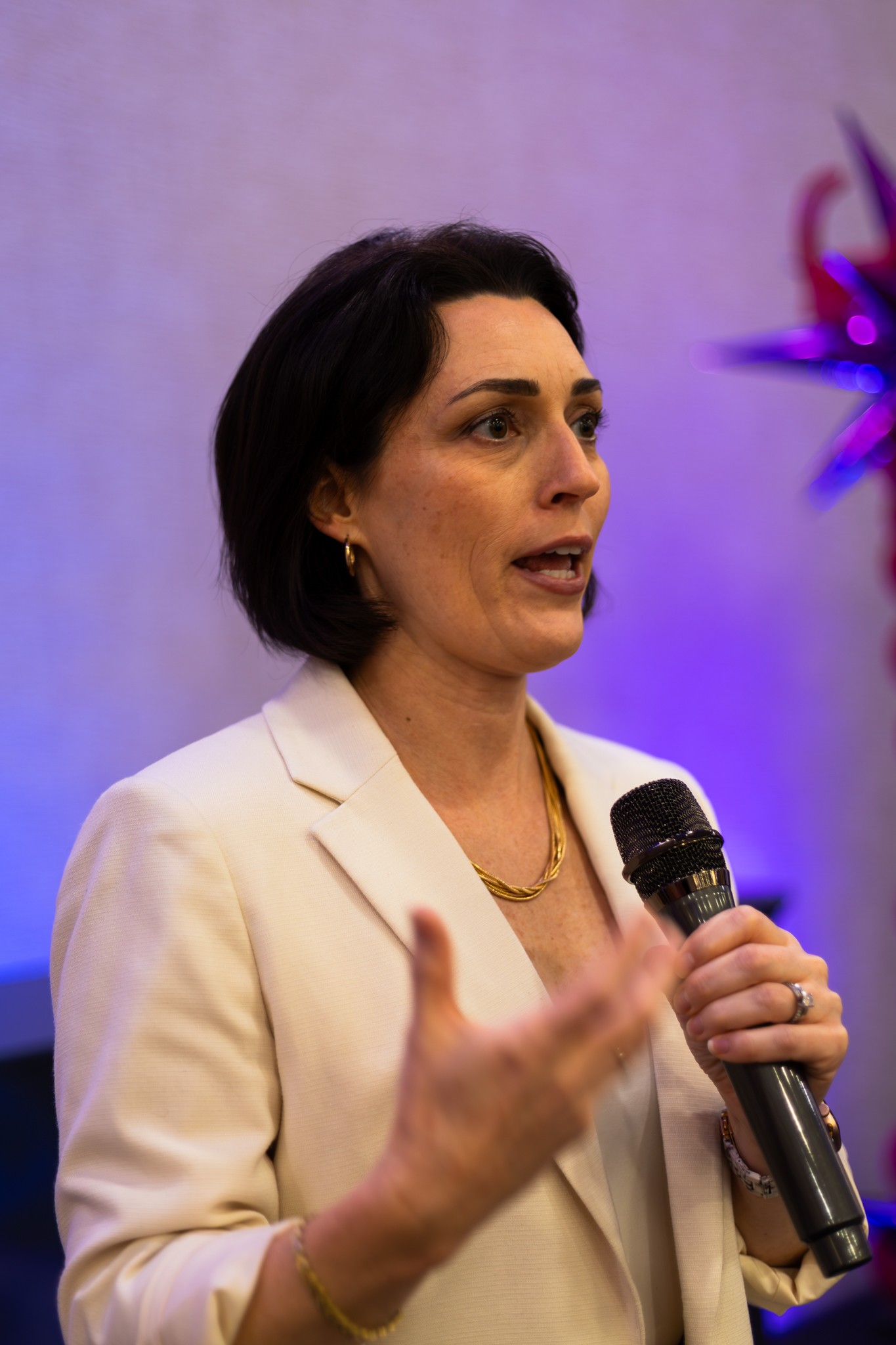
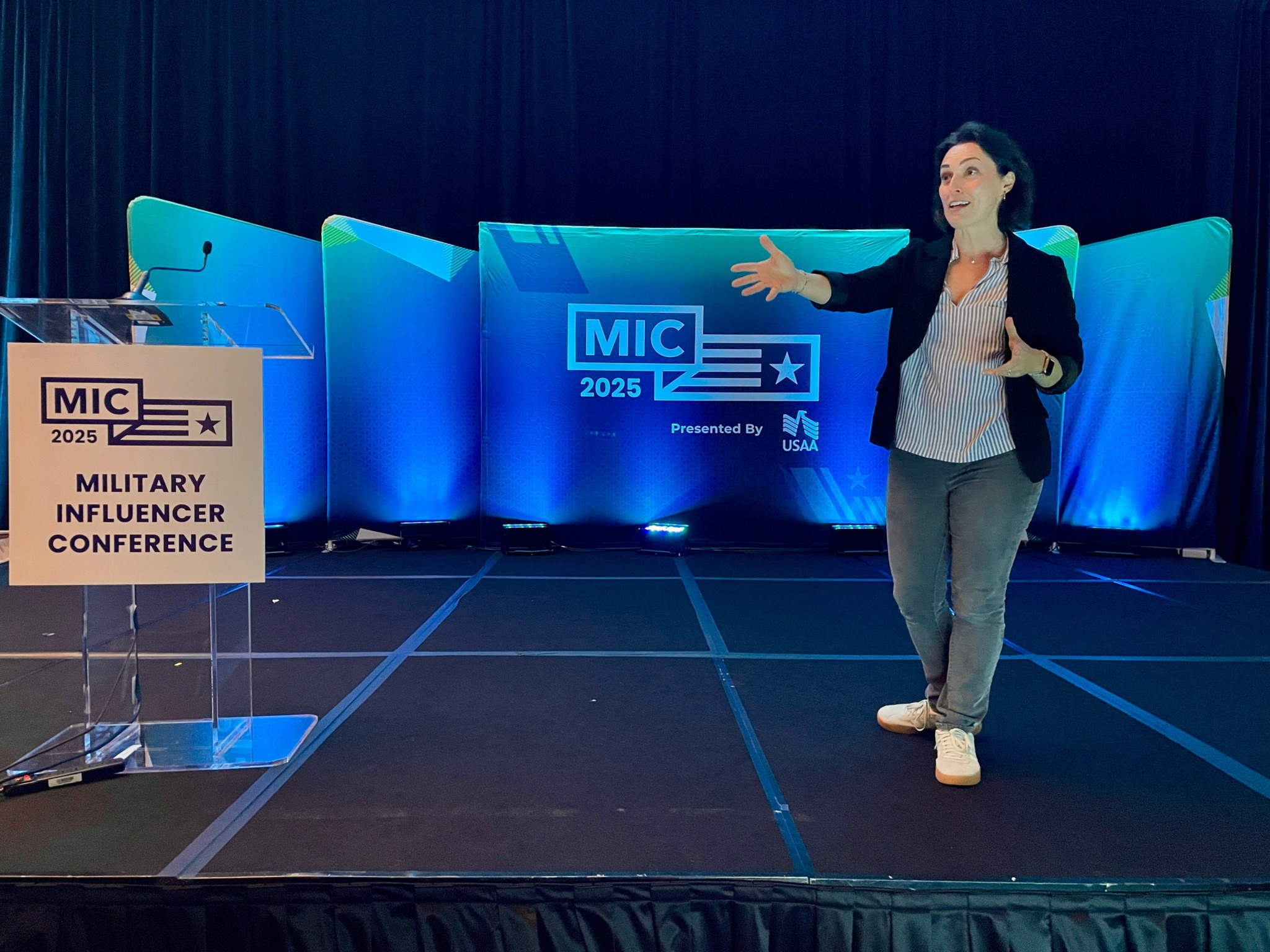
I’m a speaker and relational health educator who helps people spark meaningful connections that enrich their lives, both personally and professionally. My work centers on one simple truth: connection isn’t “nice to have”, it’s a critical part of our overall wellbeing. After spending 20 years as an officer in the United States Marine Corps, I saw firsthand how strongly our relationships shape our confidence, performance, and sense of belonging. That experience, combined with my own journey of personal growth and healing, led me to the work I do today.
I focus on social wellness, which is the the quality of our friendships, our networks, our sense of community, and I teach audiences how to embrace likability as the foundation of strong, healthy connection. Not the fake, people-pleasing version of likability, but the authentic, values-driven kind that helps people feel seen, welcomed, and energized in your presence. Whether I’m speaking to corporate leaders, women’s groups, or rooms full of veterans transitioning to civilian life, my goal is always the same: to make connection feel accessible, practical, and doable for everyone.
My signature tool, and the thing I’m most proud of, is my I-VIBE Framework, a simple but powerful set of five habits that help people become the kind of person others genuinely want to connect with. It’s become the heart of my work because it gives audiences a clear blueprint for improving their relationships without losing themselves in the process.
Through keynotes, workshops, and coaching, I help people strengthen their social health, build trust, and create relationships that support them in work and in life. At the end of the day, what sets my work apart is that it’s not just motivational, it’s actionable. I give people tools they can use immediately, conversations they can start today, and confidence they can carry into every interaction.
What I want potential clients and followers to know is that being able to connect with others is a skill, not a personality trait. Anyone can learn to be more likable, more approachable, and more connected, and when they do, every part of their life gets better. My mission is to make that transformation easier, faster, and a lot more joyful.
Have you ever had to pivot?
When I was in my mid-20s, I had a job doing event planning in Washington, DC. One of my more glamorous assignments was to escort the President of the United States while he visited my boss, a senior military leader. During a moment between events, I glanced at the President and First Lady standing patiently in the corner and began to realize (panic) that I needed to be the one to figure out how to fill the empty time.
Just as I opened my mouth to ad lib something mildly interesting about the historic home we were standing in, the President started casually moving through the room, shaking hands, smiling, asking people where they were from, tossing out high fives like he was meeting up with his old college buddies.
I just stood there and watched as he effortlessly worked the room, putting everyone at ease and making every person feel special. I thought to myself, “This is the leader of the free world, and he’s cracking jokes like he’s been friends with these people for years.” None of his multiple aides and assistants was fawning over him; they were taking in what must have been a common scene of the President making other people feel important.
As he met each person and posed for a picture with every single one of them, it dawned on me that he was a successful, respected leader because he was so likable. It was genuine, effortless, and warm. No doubt about it, he was still in charge. He was balancing likability with authority.
I figured, if the most powerful person in the world could be welcoming and kind, certainly I could do it. I had far less riding on it. This was the moment I needed to give myself permission to be a likable leader.
This is when I learned that the most impactful leaders are the ones we like.
Can you share a story from your journey that illustrates your resilience?
It was early 2005, just before we left for our deployment to Iraq, and my Marines and I went out for a final dinner together. Some of our team would be staying behind in North Carolina, while some of us would head overseas. It was our last hurrah before everything changed.
We had fun together, but underneath the party vibe there was a quiet tension. The war in Iraq had been going on for almost two years at this point, and we knew we were walking into a dangerous situation. That people would die. And I was responsible for the lives of my Marines. Pretty heavy. That night, one of them told me, “I’m not worried, ma’am. You’re a good leader and I know you’ll bring everyone home.”
I didn’t bring everyone home.
On June 23, 2005, after we had been in country for about six months, a suicide bomber drove into a convoy outside Fallujah, killing 6 American troops. One of them was my postal clerk, Corporal Holly Charette. She was 21 years old.
The next morning, I had to break the news to the rest of the team. It remains the hardest conversation I’ve ever had in my life.
Not only did I have to tell them their buddy was dead, I also had to set the tone for how this was gonna go. I could have played the role of a hardened, no-nonsense leader and told them, “Charette’s dead. We’re at war. People die. Get over it.” I could have made it about me: “I’ll never forgive myself for making the decision to send her to Fallujah.” I could have blamed our higher headquarters, our political leaders, even God.
I decided the best course of action was to acknowledge the pain alongside my Marines and sit with the discomfort. So I told them the facts I knew. Then we grieved—together and separately. We shared stories about Holly, we cried, we inventoried her personal effects with quiet reverence. We wrote letters to her family. We held a memorial service in the base chapel – standing room only.
The part that still humbles me is that we didn’t miss a beat. We kept that admin machine running like nothing had happened. But something had happened. And because we let ourselves feel it, because we processed it together instead of ignoring it or pretending it away, we didn’t fall apart. We grew stronger. We did our jobs even better than before, because we wanted to make Holly proud.
People kept stopping me to say, “Your Marines are handling this so well.”
And I would just nod and say thank you. But inside I knew: our team was handling this because we were connected to each other. By being real with them, sharing information, showing vulnerability and proving to my Marines that I had their backs, they knew they could trust me, and they felt a sense of love and belonging.
Six months later, when we landed in North Carolina and stepped off that plane, we all carried our heads a little higher. We weren’t just a great admin shop, we had proven ourselves in a combat environment. HR isn’t the sexiest job in the Marine Corps, but we had earned a kind of quiet authority. I was immensely proud to be the officer-in-charge of that group of Marines.
That experience solidified what I already knew: Strong leaders don’t hide their humanity, they use it to connect.
Contact Info:
- Website: https://www.beccaspahr.com/
- Instagram: https://www.instagram.com/beccaspahr/
- Facebook: https://www.facebook.com/beccaspahr
- Linkedin: https://www.linkedin.com/in/beccaspahr/
- Youtube: https://www.youtube.com/@BeccaSpahr
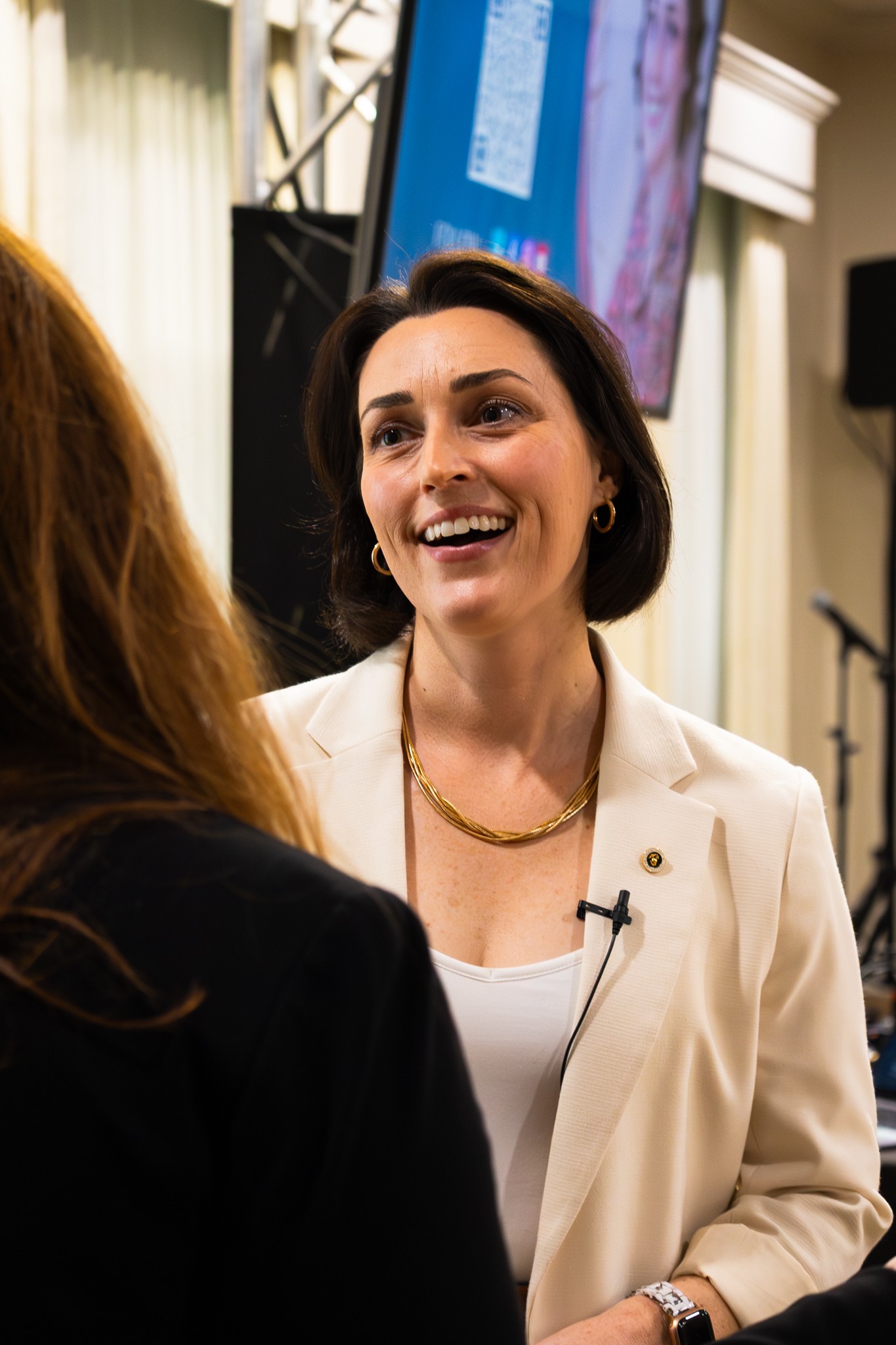

Image Credits
Giovanni Andreoli