

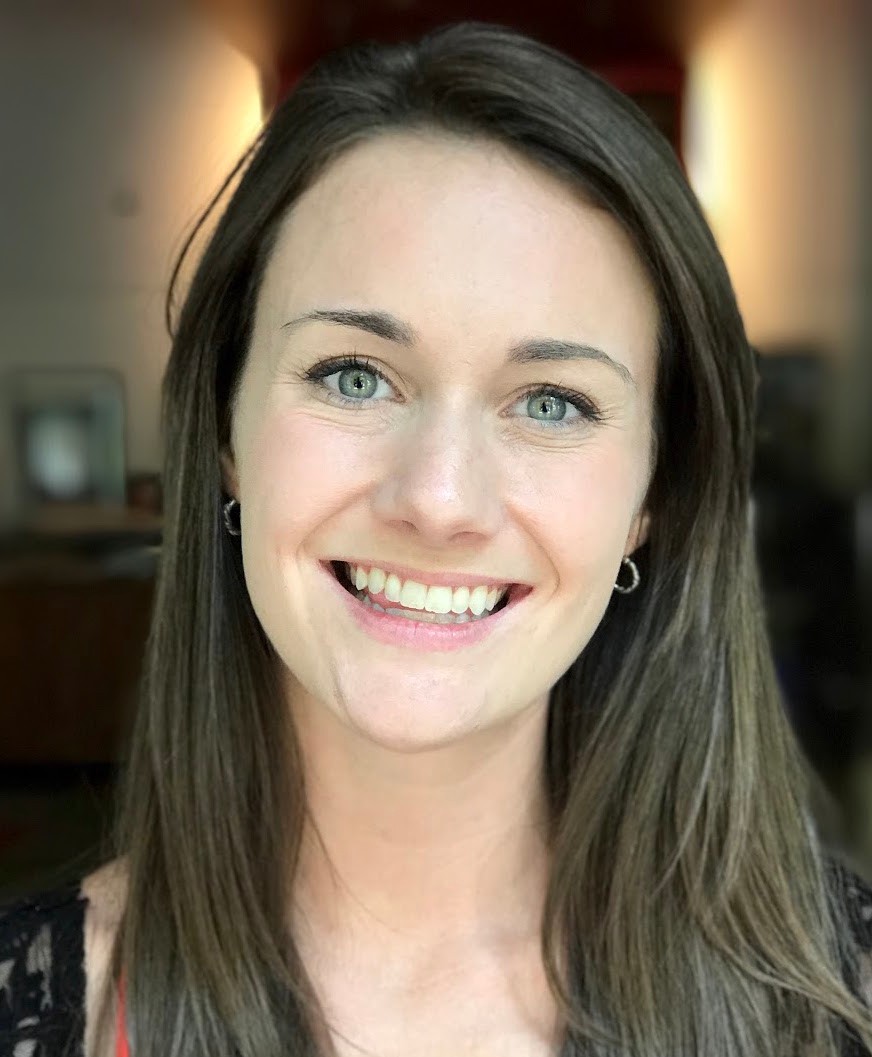

We were lucky to catch up with Becca Messenger recently and have shared our conversation below.
Becca, appreciate you joining us today. Is there a lesson you learned in school that’s stuck with you and has meaningfully impacted your journey?
As a creative problem solver, a key lesson I learned in college was to always prioritize the conceptual nature of a project. I’m a graphic designer by trade, but I graduated with a degree in Mass Communications with a plan to enter the advertising field. To do so I had to take a few concept-heavy portfolio classes with instructors from lauded agencies – so, the pressure was on. I had one professor in particular who always reminded us, even when we presented something near-perfectly executed, that it didn’t matter how gorgeous something was if it wasn’t conceptually sound. The thought behind a campaign was always the most important factor to success, and everything else was just decoration.
I remember clearly the day that this really hit home: this professor had assigned us a project in which we were to build a few social media posts for our favorite local restaurant. At this point my technical design skills were wanting, but I had a favorite brunch spot with a fun vibe that I knew I could do something cool with. They featured loads of egg-based bowls, so I masked out a photo of an egg and made a month-long content series with daily images of little egg characters doing activities matching the fun names of each menu item. Were they gorgeous illustrations that would win me awards? Far from it. In fact, I was so apprehensive of my scribbles that I was terrified to present the project. But by the time class had ended that day, it was clear my work was his favorite for that assignment since I had put my efforts into the conceptual side of things and kept the technical work light. Of course, nowadays I keep my projects balanced with a good concept and clean design, but I’m glad I learned the this lesson early on.
This may sound backwards coming from someone in my profession, but as a self-taught designer I found this learning to be vital as I cut my teeth in junior design roles. Gorgeous work can only take you so far; relying solely on appearance makes it easier to lean into trends and can hold you back from creating something timeless. Anyone can take a few tutorials and learn the basic tools of a trade, but the mentality behind your creation is what will make any piece stand out from the rest (and keep clients coming back!).
Becca, love having you share your insights with us. Before we ask you more questions, maybe you can take a moment to introduce yourself to our readers who might have missed our earlier conversations?
I knew from a young age I wanted a career with an art foundation – I was always creating things in my spare time. I went to a magnet arts high school, built up my technical skills in painting, sketching, and color theory, and then started college with a major in Studio Art. I wanted to work for Pixar one day, but realized quickly that this degree at my particular school wasn’t going to help me get very far. Eventually I realized I could work in advertising and still flex my creative skills while making a tidy salary and working with the playful minds I’d come to love.
After a few degree changes and a surplus of internships, I graduated and moved to Austin, Texas to live nearer to family and hopefully get my first job at an agency. I still didn’t realize that graphic design was the career for me – I had no formal design training and had been interning with art directors and copywriters. This missing piece became a problem when I realized how unprepared I was for the competitive field of UT grads also vying for the same roles I wanted – but with portfolios of refined projects curated by design professionals. I got a service industry job to make ends meet and began the laborious process of teaching myself what I needed to know to make it in the advertising industry as a graphic designer, while simultaneously applying for every single role I could find.
I came up with creative ways to introduce myself to companies so I could make sure my application was seen. I’d place Snapchat geotags over certain offices and send letters inviting them to snap a selfie, use the tag I designed, and share it when they took a look at my work. I made paper fortune tellers to send with my portfolio that showed off my soft skills. If there was a unique way into an inbox, I figured it out. And even with all that hard work, it took me a year and a half before I found my first full time design role.
Luckily I had connected with a recruiter who helped me find freelancing roles in the interim, so between my two paychecks and my slowly growing portfolio, I was able to get on my feet by the time I started this first “real” design job. I had still been aiming for something at an agency, as that’s where all my interning experience had been, but this first job was in-house at a movie theater company and I haven’t wanted to leave the client side since.
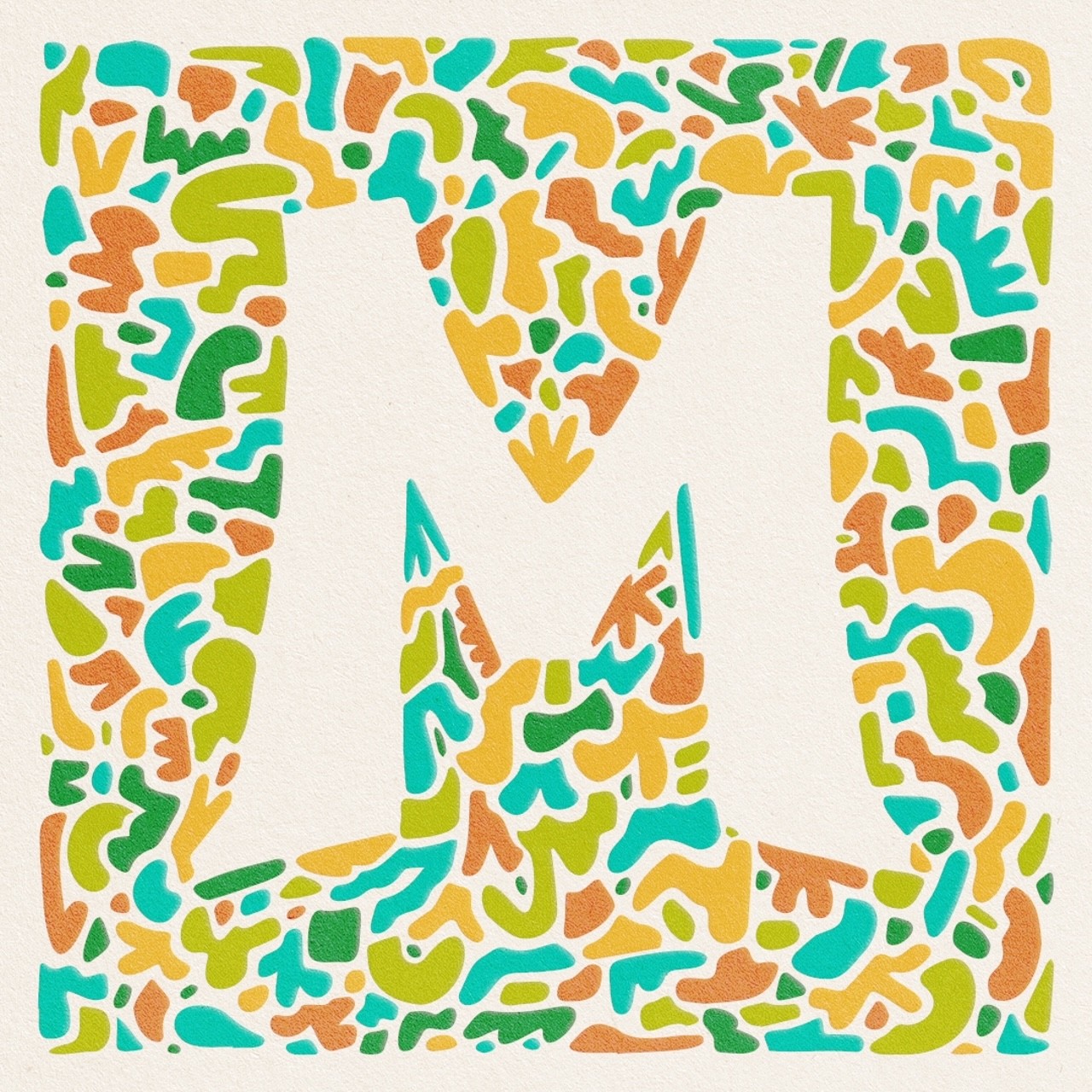
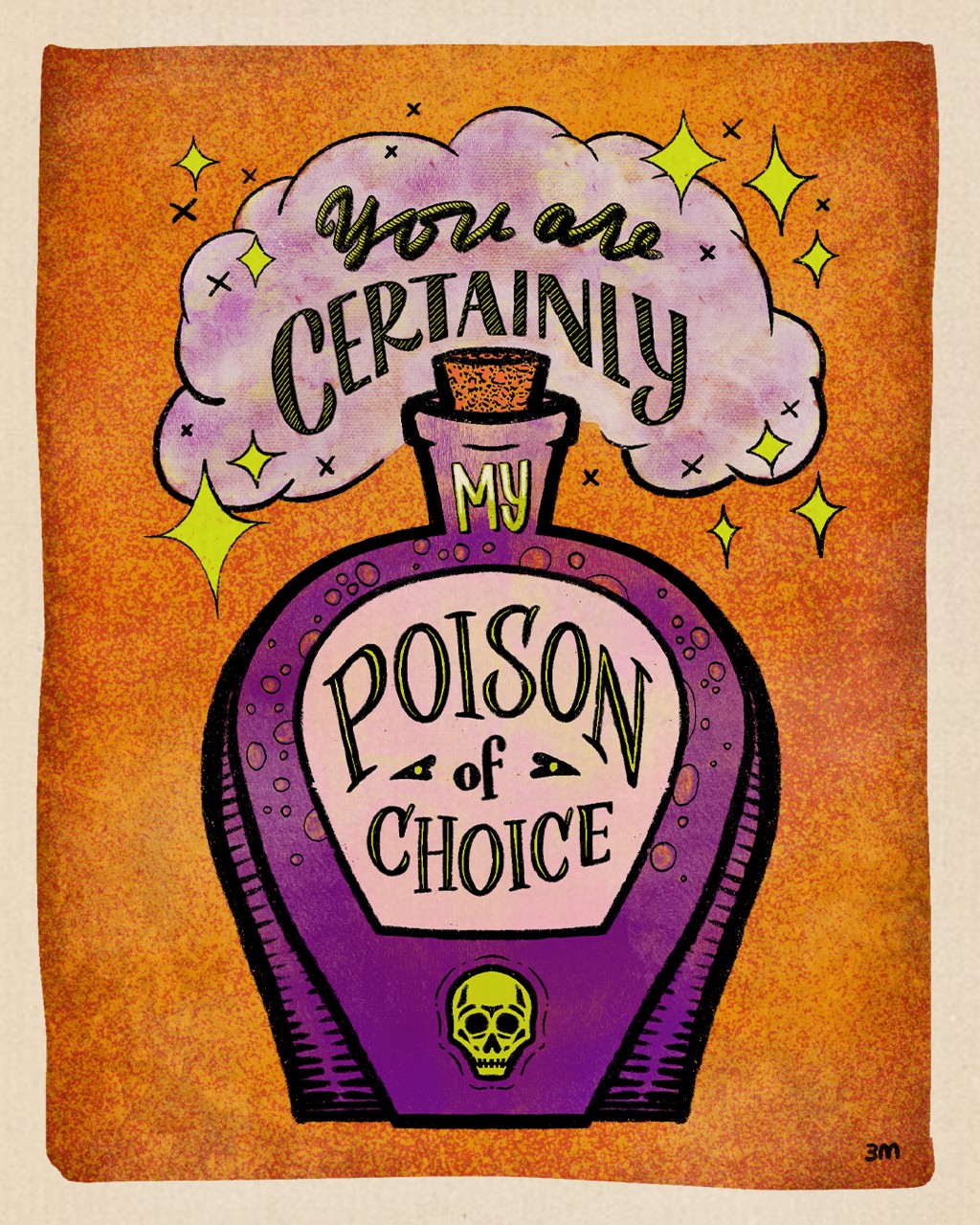
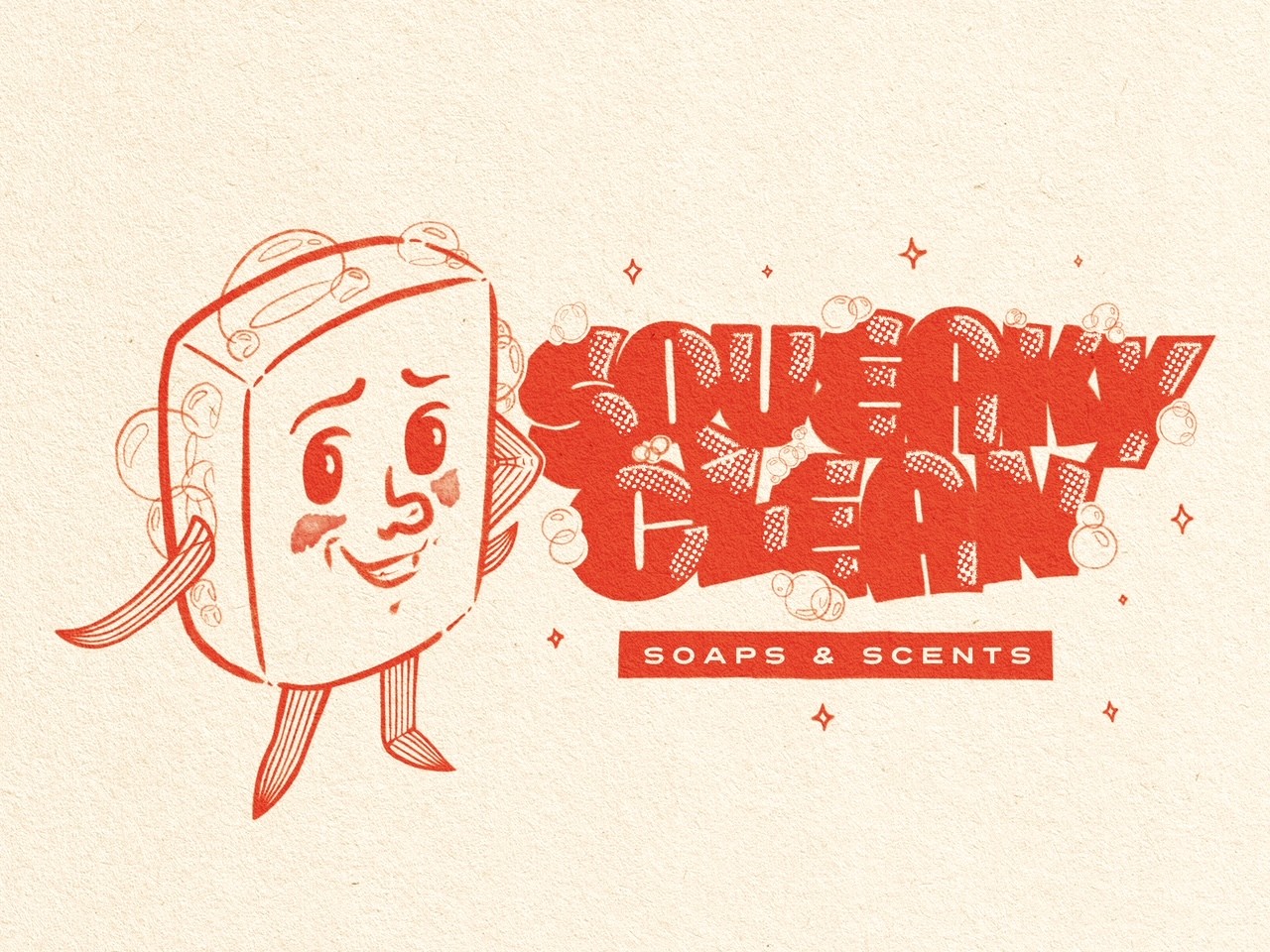
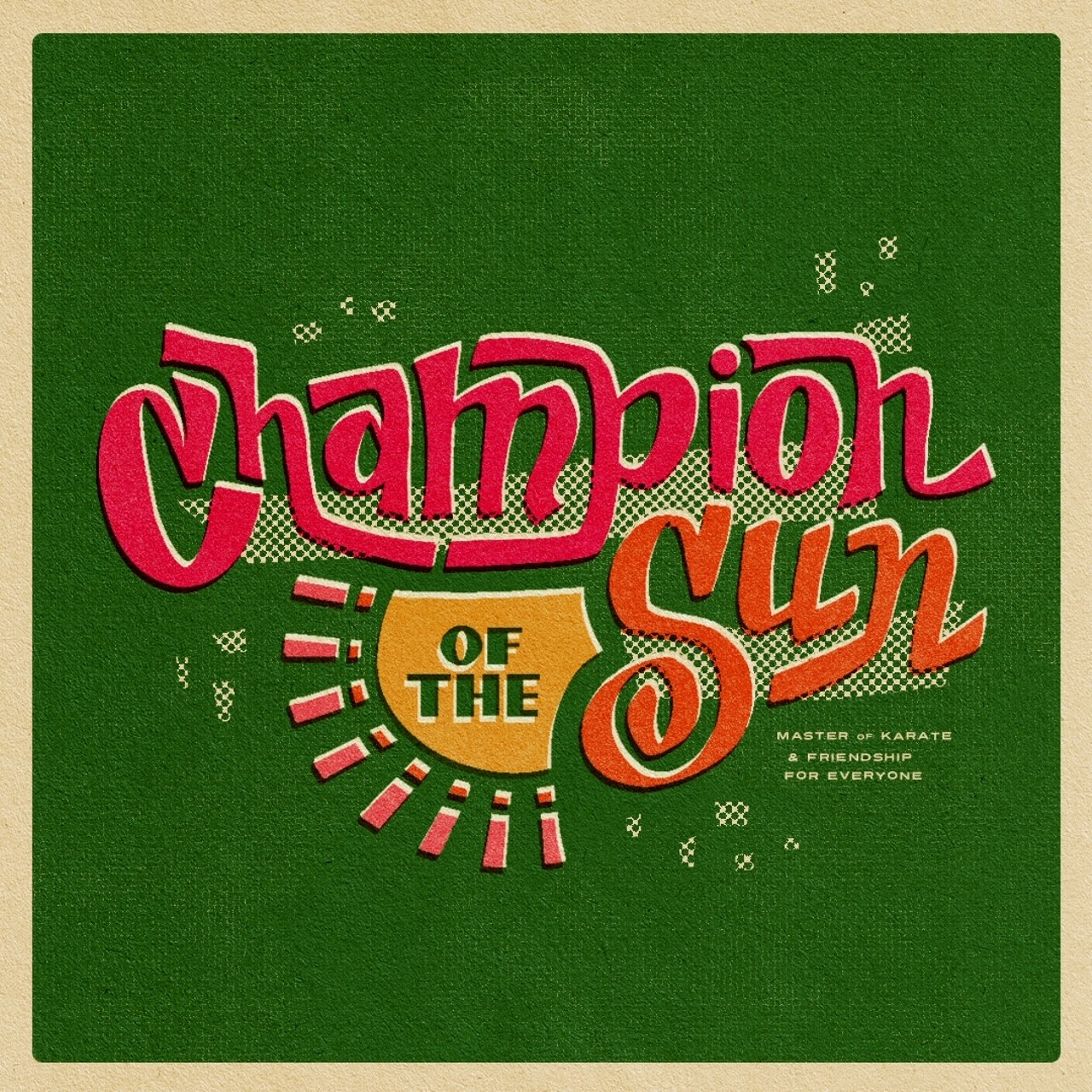
I still freelance on the side as often as possible and love to help small businesses create their look and feel. Doing this as a side hustle allows me to be selective and only take on projects I’m excited about, which usually involve illustration, lettering and typography projects, and playful brands. I am constantly grateful for the path I have chosen, especially for it’s most challenging moments, because working so hard to get where I am reminds me that I have built a strong foundation for my work and my reputation. Clients can come to me feeling confident that I will provide thoughtful solutions that honor and build upon their brands, and at the end of the day, that’s what brings me the most satisfaction.
Any resources you can share with us that might be helpful to other creatives?
As trivial as it may seem, Instagram was a resource I really underutilized as a burgeoning designer. I didn’t think to look for creator accounts for the first several years after making my own handle, and to this day I think I’ve learned more from the transparency of other designers on that app than I have in any class or tutorial. I think the community you surround yourself with is key when looking for inspiration or building a skillset, and this extends to your digital community as well. I often comment on how grateful I am that the global design community is, for the most part, one that is free from gatekeeping. I think Instagram is where you can see this the most, from process videos to lengthy captions behind struggles in the gray area where personal and professional lives overlap. Even when I’m not looking at artist accounts, I do feel like social media has really empowered people from all backgrounds all over the world to lean into their creative sides, which I love to see and am in turn inspired by.
Can you share a story from your journey that illustrates your resilience?
The COVID-19 pandemic threw quite a wrench into my personal and professional life, as it did with most people in the world. For me, that meant being furloughed with 75% of my company for half a year, then slowly working back up to part-time and then back into my original full-time role with my same employer. This was challenging on many levels – I was navigating the pandemic, hoping I could keep paying rent, and feeling conflicting emotions about how much my company valued me. I had loved this job and my coworkers, but the job felt very different now, and most of my colleagues had moved on during the furlough. I was timid about joining a new team completely remote and hesitated to apply elsewhere. Instead, I made rent with more freelance projects, and took on more responsibility at work as they failed to replenish the headcount of our original design team. It was a challenging period of time, combined with losing several family members, but each time I hit an obstacle I simply felt as though my only option was to continue on. What else was there? No one knew what the world would look like from one month to the next, so I felt as though I just had to navigate this limbo while prioritizing my peace of mind. Eventually the pressure of being a one-woman design team where formerly there had been five of us became too much to handle, and I still wasn’t feeling the value I knew I had earned. I asked some friends if they could recommend any jobs, and ended up interviewing for and then landing a graphic design role in a very different, somewhat bland industry. I was still in-house, which I loved, but the work was dry and the lingo was challenging. And then – out of nowhere and with not so much as a hint beforehand – I was laid off with 40 of my colleagues due to inflation. I had been there for two months, excited about a new direction if a little apprehensive about the work, and suddenly I was job hunting once again but without the advantage of a current paycheck. As luck would have it, after a month of searching a recruiter reached out about a design role in need of a background identical to my own. A few interviews later, and I started working with a company where my value is now undeniable and my impact is felt. I’m still there and have been able to take a lead role in a rebrand as we grow the company, and I am bolstered in knowing that I have gotten here despite the challenges of the last few years.
Contact Info:
- Website: www.beccamessenger.com
- Instagram: @beccamarlie
- Linkedin: https://www.linkedin.com/in/beccamessenger/