



We caught up with the brilliant and insightful Becca Ferguson a few weeks ago and have shared our conversation below.
Alright, Becca thanks for taking the time to share your stories and insights with us today. We’d love to have you retell us the story behind how you came up with the idea for your business, I think our audience would really enjoy hearing the backstory.
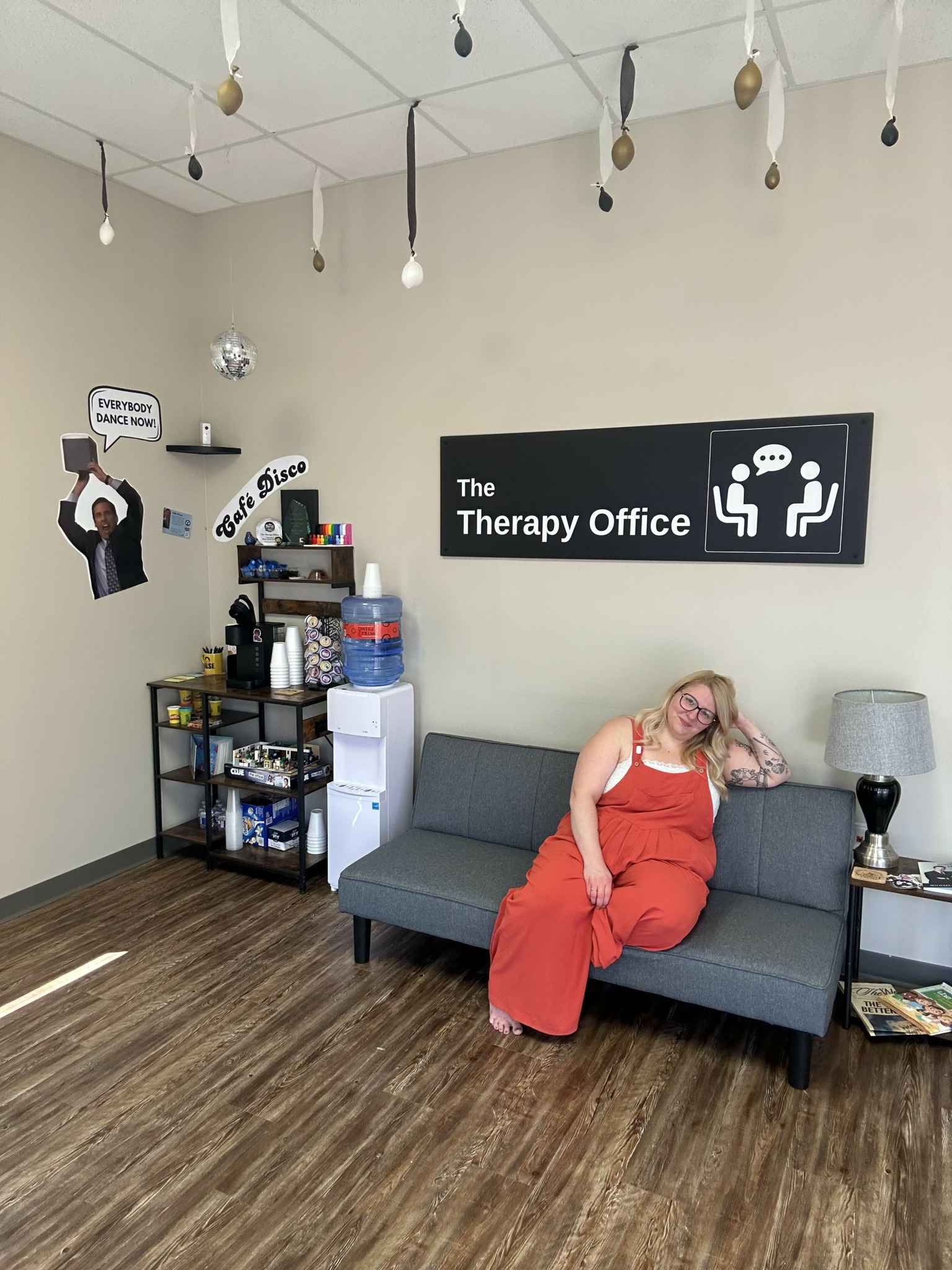
First of all, I love this question because it’s so important to ask! People on the outside often assume businesses have their brand together from day one and nothing ever changes. The name, “The Therapy Office”, was actually my husband’s idea, which still irritates me because it is just so clever! We both love The Office TV show and when he said it out loud, I could see the entire brand in front of me — Café Disco by the coffee bar, “Save Bandit” by the fire extinguisher, and a World’s Best Boss mug on my desk that I definitely bought for myself from Spencer Gifts.
The Therapy Office actually started as a simple idea. I just wanted my own solo practice. I found a building with more offices than I needed, so I decided to sublet the extras to other therapists. I thought, “Easy enough.” What I didn’t realize at the time was how much I’d end up giving to the people who sublet from me. I helped with websites, business cards, referrals, and marketing while still running my own solo practice. The group practice wasn’t even built yet, but I think that’s why I thought it would be easy once it was. I was already doing most of the work without realizing how big of a leap it would be.
As the group practice grew, I started noticing gaps. I loved mentoring and helping therapists navigate burnout, but I also had to make sure the numbers worked. I found myself managing caseloads instead of helping people reconnect with why they became therapists in the first place. It didn’t feel aligned with my values anymore.
That’s when The Therapy Office started evolving again. I realized my real passion was creating a space for therapists, helpers, and healers to build something that fits them instead of another business model to squeeze into. Now, The Therapy Office is less about managing people and more about empowering them to create sustainable work that aligns with their personal values and their life.
Becca, love having you share your insights with us. Before we ask you more questions, maybe you can take a moment to introduce yourself to our readers who might have missed our earlier conversations?
I never planned on becoming a therapist. I grew up in a really religious environment where the plan was ministry, not mental health. So that’s what I did. I went into youth ministry after college, and after awhile I realized that it wasn’t my cup of tea. Around that time, I started learning about mental health and eventually went to therapy myself. That experience completely changed how I saw people, purpose, and healing. I wanted to help others live by their own values instead of trying to force mine onto them like I had been taught to do.
When I went to grad school for counseling, I instantly felt out of place. Although ministry was always the end goal, I got my Bachelor’s degree in Radio/Television/Video and Strategic Communication. What I discovered, though, was that storytelling and listening were already my strengths. Those ended up being the heart of how I connected with clients.
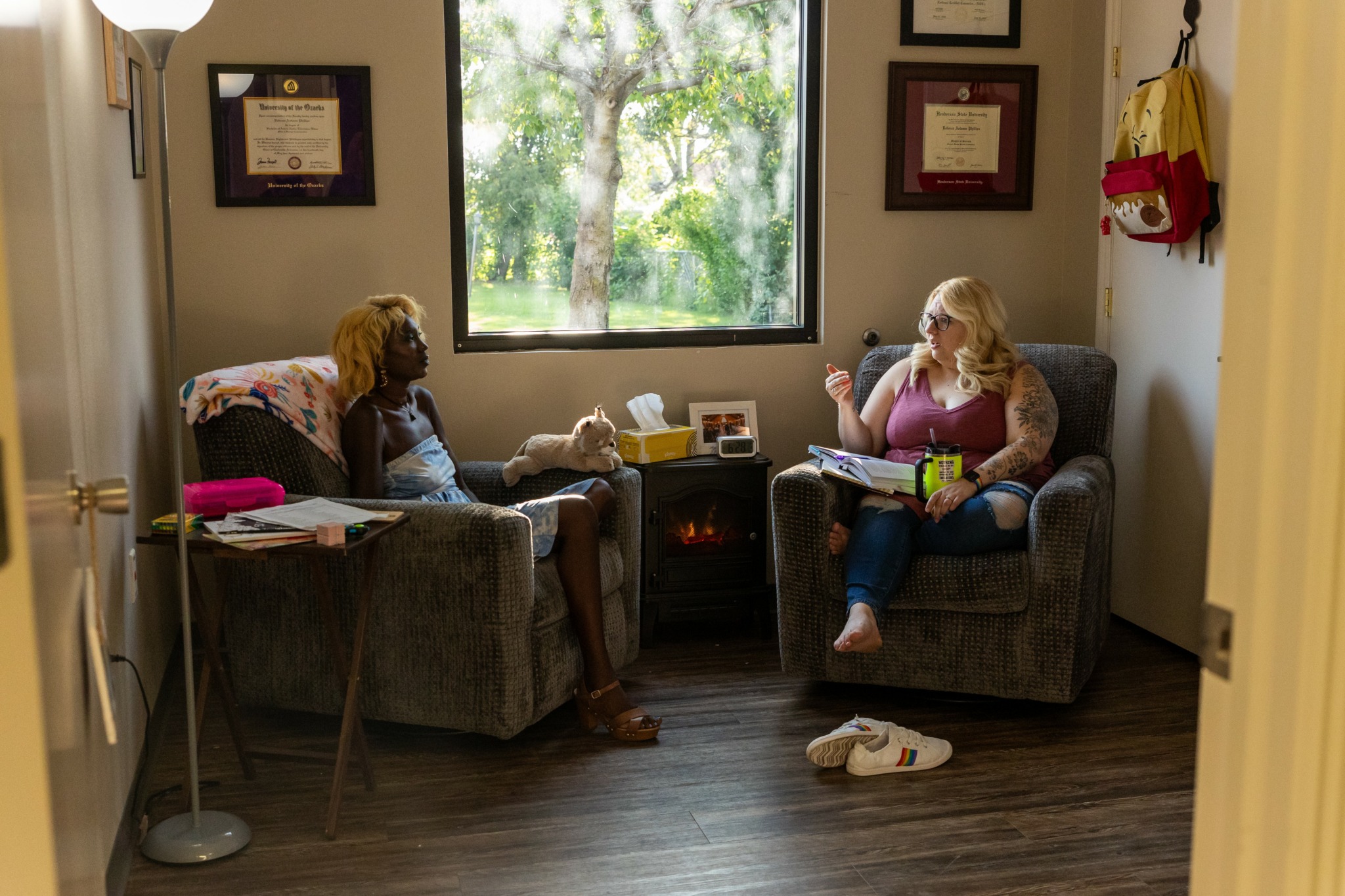
Now, I’m the owner and founder of The Therapy Office in Springdale, Arkansas. It’s a place that’s equal parts The Office TV show and real-life healing space. I sublet private offices and a group room to therapists, healers, and helpers who want to build their businesses without losing themselves in the process. I also offer business coaching and mentorship for professionals who want to do meaningful work while staying true to or discovering their values.
What sets The Therapy Office apart is that it’s not about hustle culture or fitting into someone else’s blueprint. It’s about authenticity, collaboration, and giving people the tools to build something that actually works for them. I’m most proud that it’s become a space where people can show up as themselves, talk about the hard stuff, and build careers they actually love.
How about pivoting – can you share the story of a time you’ve had to pivot?
One of the biggest pivots I’ve made was changing how The Therapy Office operated. At the time, it was a thriving group practice. On paper, everything looked great, but something in me knew it wasn’t working. I had built this beautiful thing that didn’t actually match my values anymore. Most days, I was managing policies and expectations instead of mentoring people or connecting with them in the way that I loved.
I know how real burnout is. I saw it in myself, and I saw it in the therapists around me. Running a group practice meant I had to keep firm boundaries and push for caseload goals that didn’t always feel realistic. I hated that part. I didn’t want to be the person putting pressure on therapists to meet numbers when what they really needed was rest, community, and permission to grow at their own pace. I wanted them to find their own values and build their own model of success, the same way I was learning to do for myself.
That shift taught me a lot about leadership. Sometimes success looks great on paper but feels awful in real life. Making the change wasn’t easy, but it reminded me that it’s okay to choose differently when something doesn’t fit anymore. For me, that’s what authenticity really means: choosing what’s right for you, even when it’s uncomfortable.
How’d you build such a strong reputation within your market?
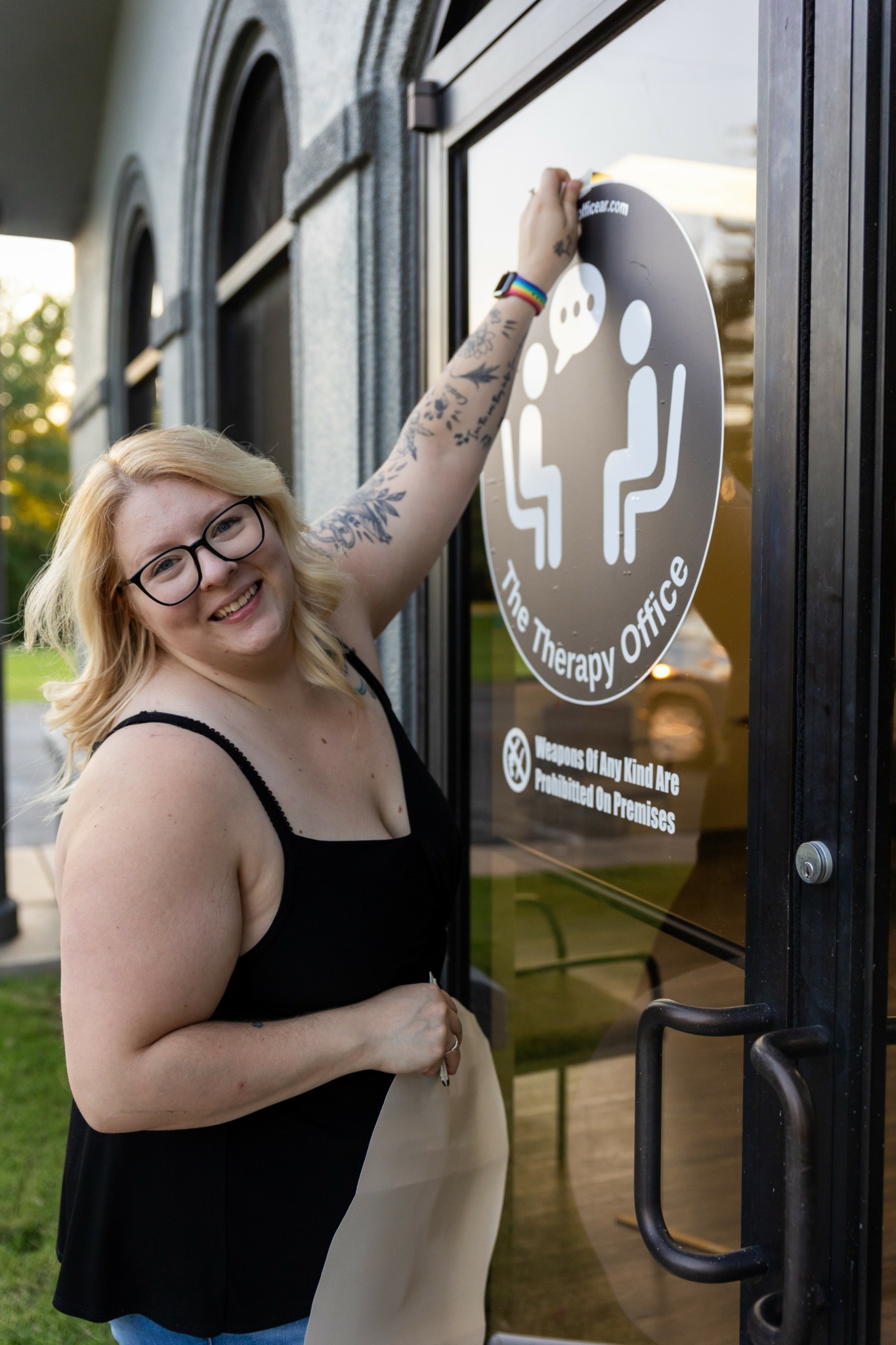
I think my reputation has been built on authenticity. I don’t try to present myself as someone who has it all figured out, because I don’t. What people see is what they get, and I think that honesty goes a long way in this field. My goal has always been to show up as a real human being first and a business owner second.
For me, everything comes back to values. I talk openly about burnout, boundaries, and the messy parts of building a business, because that’s what people actually relate to. Whether it’s through The Therapy Office or my coaching work, I try to create spaces where people can breathe, ask hard questions, and build something that truly reflects who they are.
Being authentic hasn’t always been easy. Some people question it or wonder why I’m “too honest.” I’ve had moments where I second-guessed my content or worried that being real might make me look less professional. But then I’ll get a message from someone who says, “Yes! That’s exactly what I’ve been feeling,” and it reminds me why I do it this way. Those are the moments that matter.
It’s funny, because for a long time I thought being too honest would make people take me less seriously. What I’ve learned is that it’s actually what people connect with the most. Everyone needs that kind of authenticity, even if not everyone is ready for it yet. And that’s okay. My job is just to keep showing up as myself so that when they are ready, they know they can, too.
Contact Info:
- Website: https://thetherapyofficear.com
- Instagram: https://instagram.com/thetherapyofficear
- Facebook: https://facebook.com/thetherapyofficear
- Linkedin: https://www.linkedin.com/company/thetherapyofficear
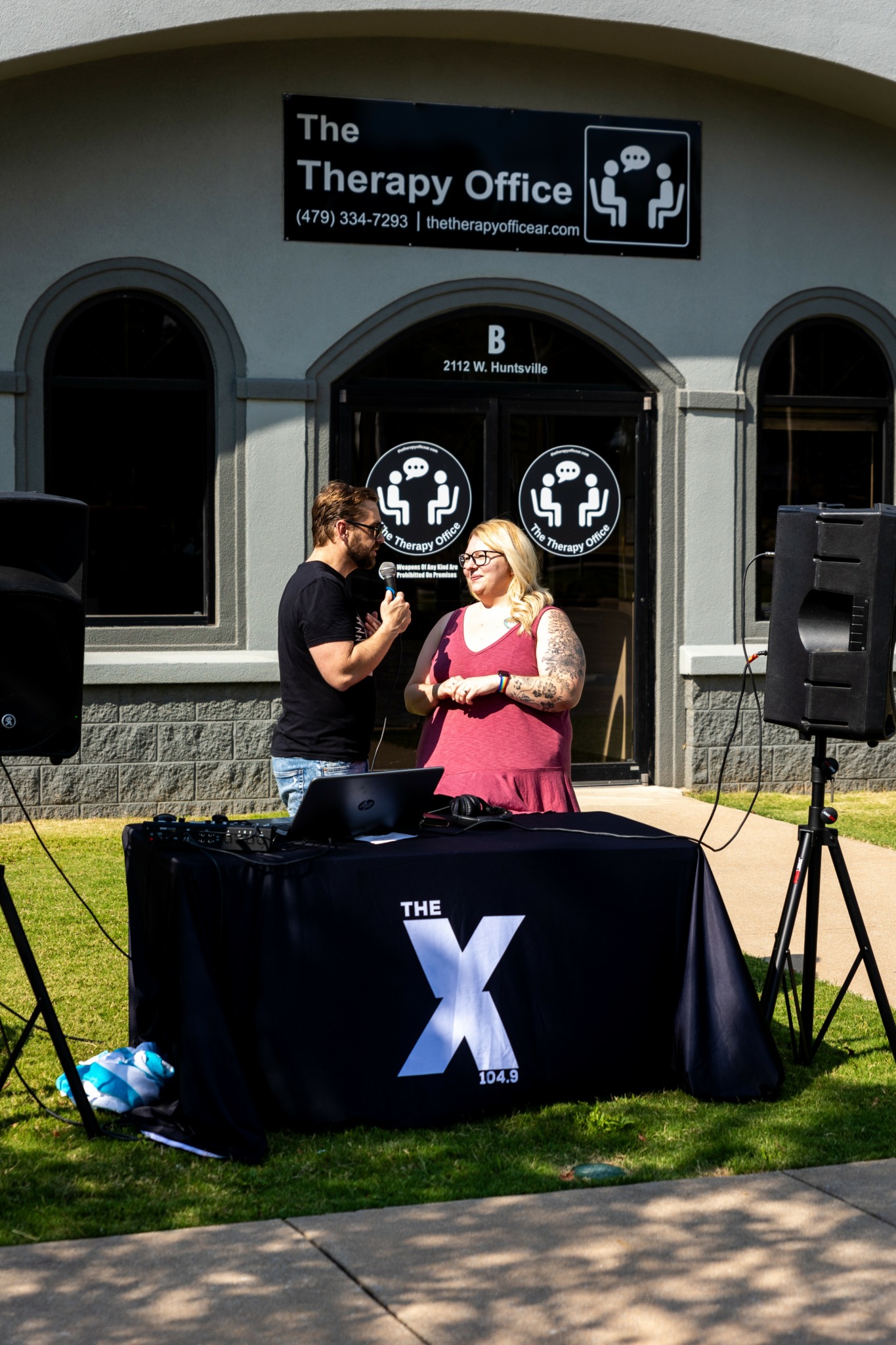
Image Credits
Allen Kent Photography
Monica Ray Photography