



We recently connected with Beau Beatrix and have shared our conversation below.
Beau , thanks for taking the time to share your stories with us today When did you first know you wanted to pursue a creative/artistic path professionally?
Owie! began in 2022 during a chaotic and difficult medical journey through chronic illness. I was in the early stages of uterine cancer which eventually resulted in a hysterectomy, after which materials that I originally was just a little sensitive to, I suddenly became severely allergic to. This unfortunately included metal allergies to most common jewelry materials.
I’ve been fat my whole life and finding jewelry that fit comfortably was already difficult, but with the added barrier of needing hypoallergenic materials, any affordable options were effectively eliminated.
This was especially distressing because as a trans person, I find great comfort in expressing myself via my presentation which heavily involves jewelry. It felt like the gender joy and confidence that I had only recently achieved were immediately taken away from me.
I really enjoyed going to Queer pop-up markets and found myself buying beautiful and unique jewelry from artists despite often being allergic to it because I genuinely loved the artistry, but no one ever had body-safe options.
I decided to take matters into my own hands and began making jewelry for myself, then my partner, then my friends. Through that process, as I created and learned to create jewelry, I absolutely fell in love with the artistry of it, to the point where if I had an idea that I wasn’t immediately able to pursue, I would get frustrated and irritable until I had tools in my hands and worked through it. I was able to put all my feelings in my work and turn the struggles and sorrows of suddenly becoming disabled into pure joy and wordless solidarity with others with similar difficulties. Eventually something clicked and I realized that if there were no options available for me at markets, that meant there weren’t options for anyone else either, and that *I* could be that option! Then Owie! was born.
Great, appreciate you sharing that with us. Before we ask you to share more of your insights, can you take a moment to introduce yourself and how you got to where you are today to our readers.
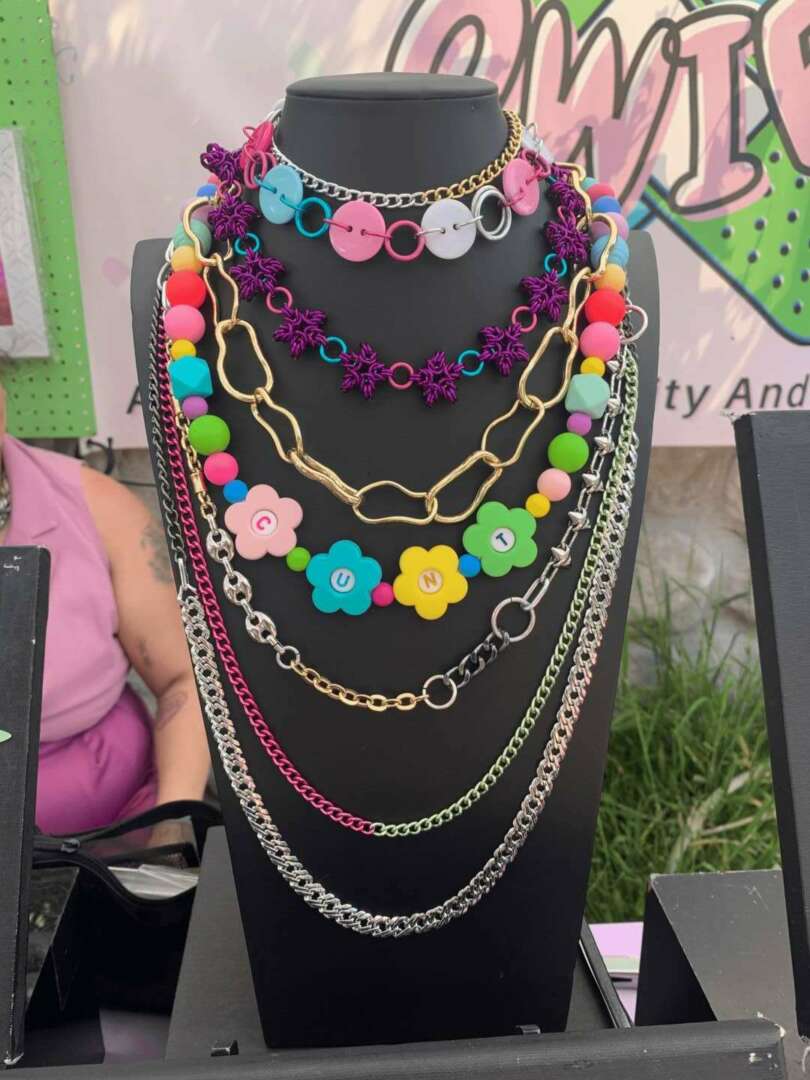
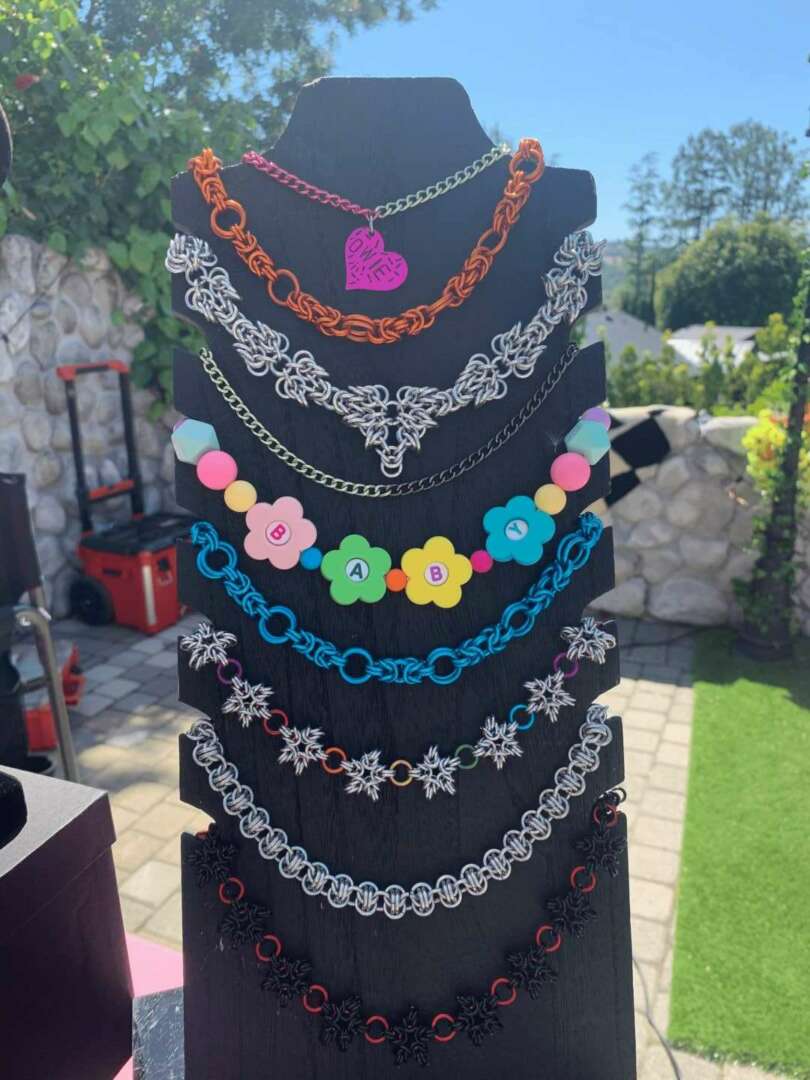
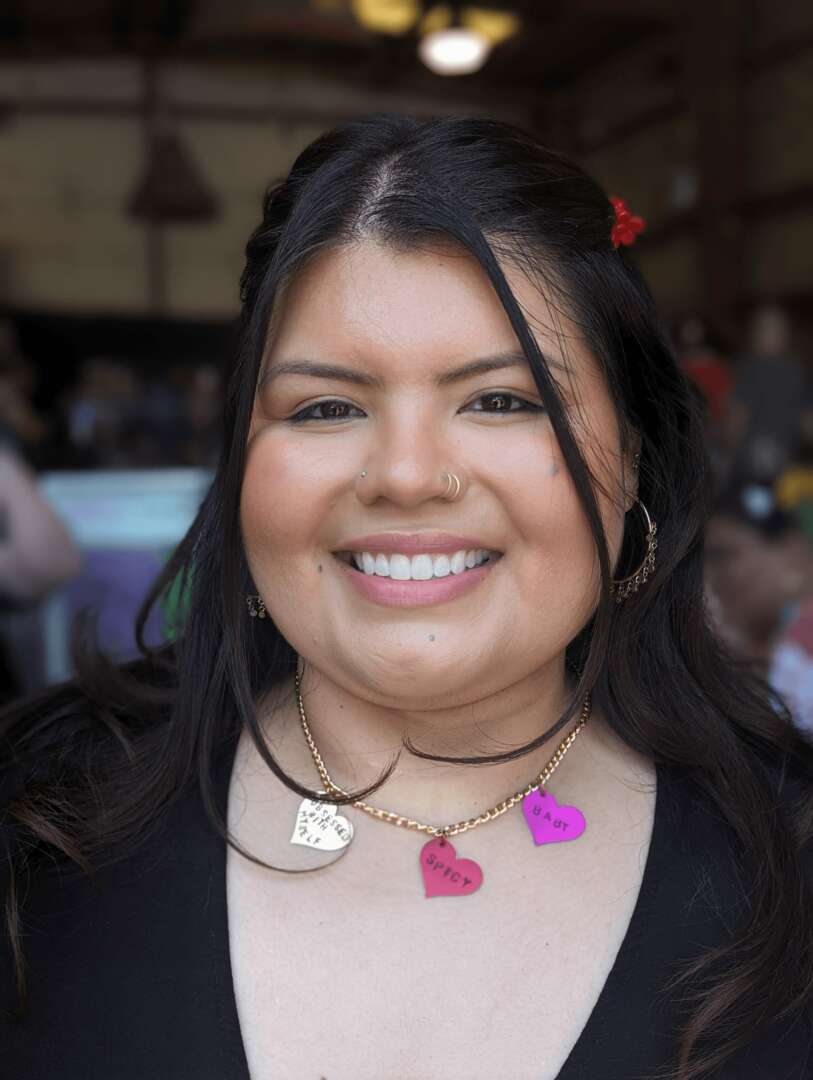
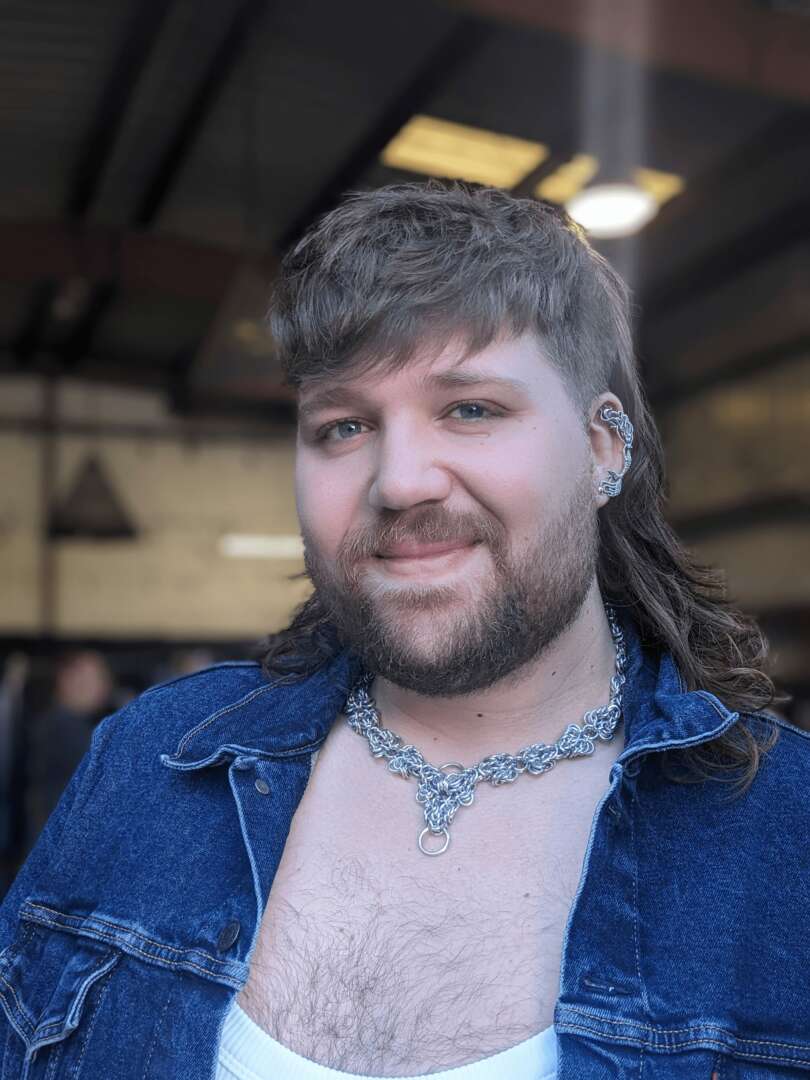
Owie! Art is genderful, size-inclusive, hypoallergenic jewelry for spoonies and is themed around disability, chronic illness, and everyday struggles and triumphs. It was created by Beau Beatrix, a Queer, Disabled, Neurodivergent, Transgender, Black & Filipino artist.
Beau only creates things that he himself would love and wear. As a fat person he remedies the constant too small and ill-fitting jewelry by having longer lengths of chain with more adjustability options as well as cuter and stronger closures in his own handmade jewelry.
He also has a myriad of metal sensitivities, which include those of the most popular non-precious “hypoallergenic” materials. After years of reactive piercings, permanent scarring, and constant keloids, he discovered truly hypoallergenic and body safe jewelry materials and from there his passion for comfy and whimsical jewelry exploded.
He currently lives in Inglewood with his partner, their cat, a house spirit, and an unknown number of plants.
Is there something you think non-creatives will struggle to understand about your journey as a creative?
The cost to ME to create the goods they enjoy–both financially, and physically–and how that’s always changing.
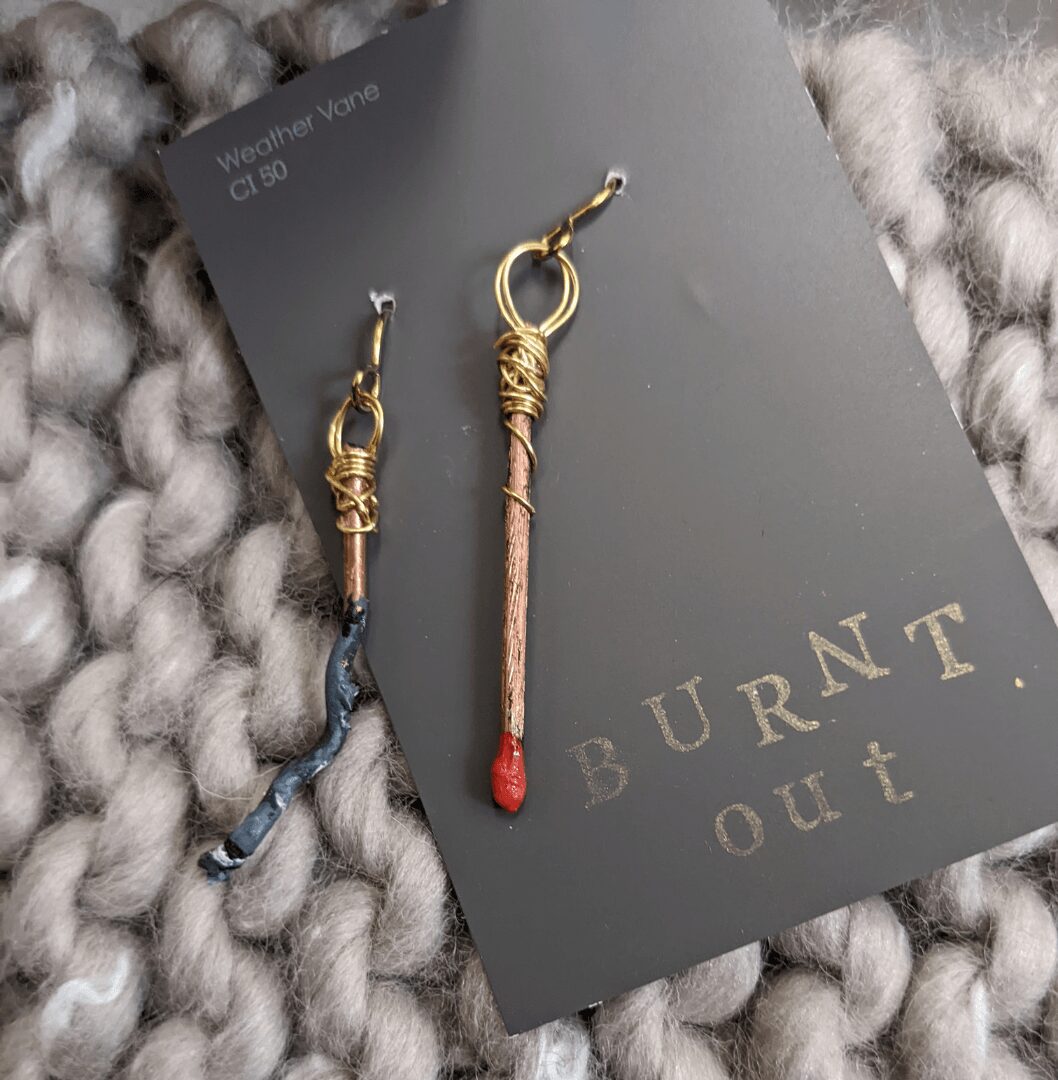
I am a self-taught jewelry artist and by nature of that, I’ve had to burn through a lot of materials in order to perfect what I sell. I’ve also had 3 hand surgeries since starting Owie!, I have chronic pain and hand fatigue, and often work obscenely odd hours to keep up with demand. I love what I do but it definitely takes a toll on my body.
As a disabled artist I have an expiry date which affects both my creative and business journey. I will always do art but I’m not sure at what capacity in the long run. What I’m capable of doing without debilitating pain can change daily.
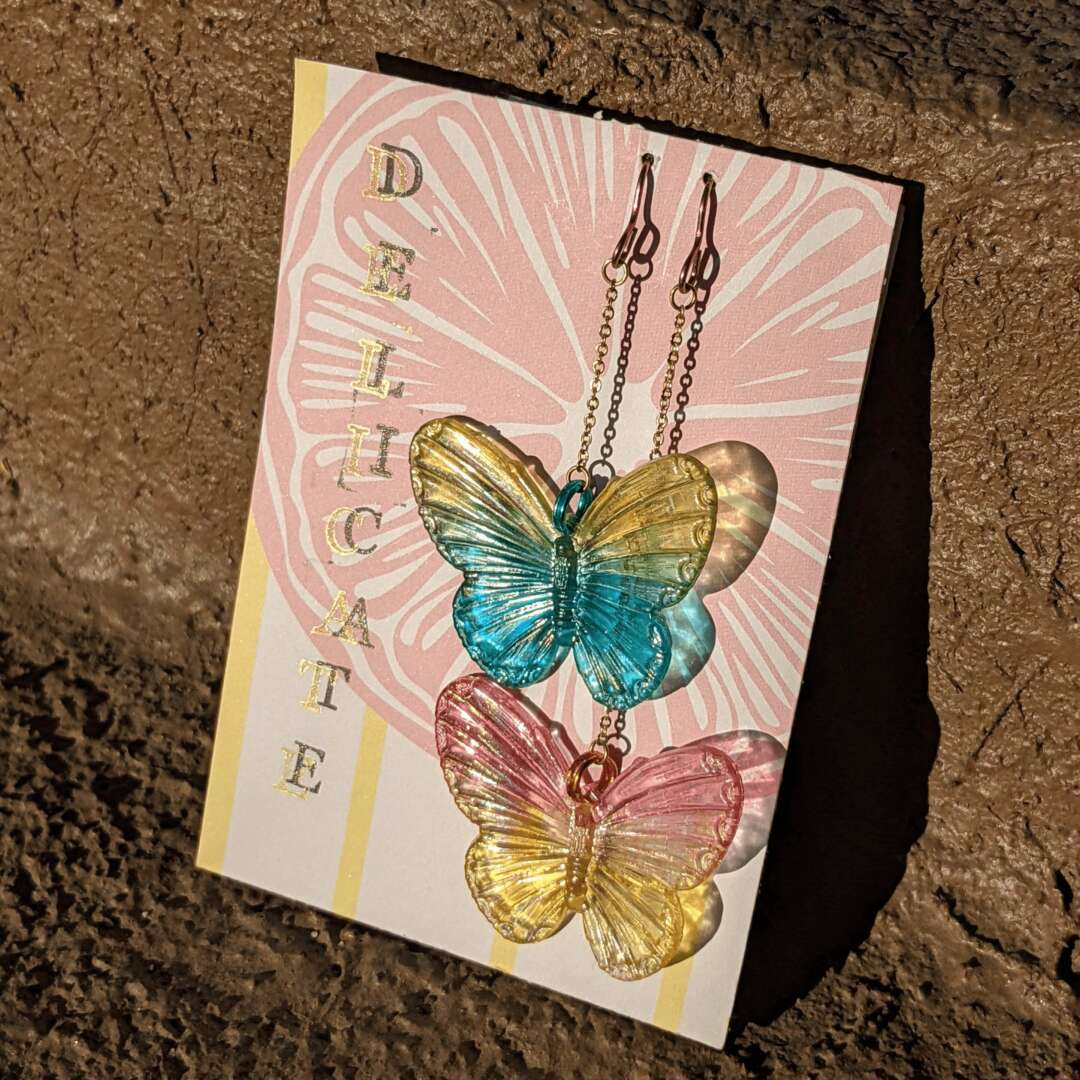
Some of my pieces take up to 18 hours to make and are priced well below what it would take to pay myself minimum wage. It always breaks my heart when someone asks the price of something and then visibly winces or comments on how it’s too expensive, or that they could just buy something similar on Amazon or at Target for so much cheaper.
People don’t fully understand the connection between the journey and the piece, and that they can’t be separated. Every piece we make is a change in our learning, experience, energy, and capacity to do more–both from a creative standpoint and a financial standpoint. We have to balance the in-the-moment needs of business with the needs of our overall creative journey.
Above all else, I wish people would take a moment of pause to understand the journey and labor that took place for a piece to end up on my table.
How can we best help foster a strong, supportive environment for artists and creatives?
Above all else, fostering community and social care. Ways to do this can include:
prioritizing buying things from individuals rather than factories or mass manufacturers, when artists hit a rough patch taking the time to reach out and express support, being considerate and cognizant of the conditions that might make their work difficult, and giving ample time for commissions and similar projects.
I also wish it were common to offer and accept other means of payment, such as trades or services, because money is scary and I want a community that is open to care for each other in alternative ways.
There are social barriers that keep the artistic community somewhat isolated and disconnected from support. Lowering some of these barriers so that more people can dabble with arts, even without becoming artists themselves, would give people an entry point into understanding what the artistic ecosystem IS, and what labor and energy and materials sustain it. Having things like maker spaces, or accessible ways to learn new crafts, would make arts more available and familiar. This would cultivate a common ground for these financial and resource exchanges to be based on.
Ultimately it all comes down to people need stability and resources in order to support and share resources with others.
Contact Info:
- Website: https://owie.art
- Instagram: https://www.instagram.com/owie.artwork/
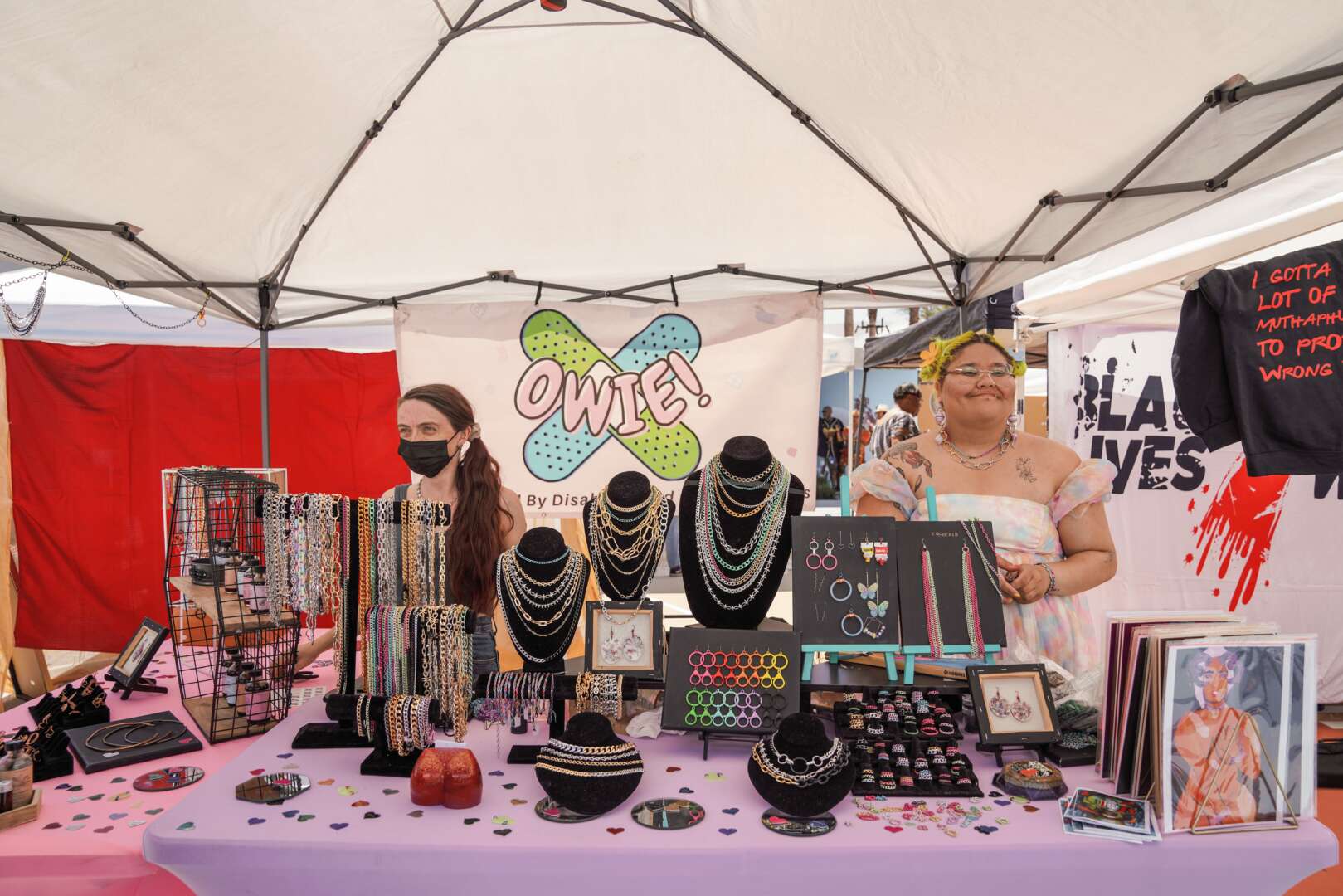
Image Credits
Owie! Artwork