


We caught up with the brilliant and insightful Barbara V. Evers a few weeks ago and have shared our conversation below.
Barbara, looking forward to hearing all of your stories today. Can you talk to us about how you learned to do what you do?
I love this question because I’ve met many writers who think they should not pursue learning the craft of writing until they finish writing their book. They tell me, “I’ll go to a conference (workshop, critique group) once I’ve finished the story. That’s a big mistake.
I’ve created stories all of my life, so you would think I know something about writing. Just like any other industry, writing norms shift over time. If you read a lot of books, you can, and should, learn from those books. However, if you’re reading older books or books outside your genre, you might learn a technique that’s no longer acceptable.
Except for one class in high school, I did not receive any creative writing education. Then, in my forties, I went back to school for my masters and decided to add an elective fiction writing course. The students workshopped each other’s work, and I couldn’t wait to share the beginning of my novel. That first feedback session was an eye-opener. I had violated a cardinal rule of writing in today’s world–use of point of view. Most books today are told through one character’s experience in the world of the story. To be in one character’s point of view means the reader only gets what that character thinks, feels, etc. They can’t tell you what a different character is thinking. You can write other points of view, but you need a scene break or chapter break in order to switch to someone else’s viewpoint. Years ago, this wasn’t the case. It was acceptable to write about a scene and hop from one character’s point of view to another within the scene. That’s called head hopping, and I had done that. I had a LOT of rewriting to do!
This is just one example, but I learned quickly that there are norms you should know if you want to succeed in today’s publishing world. You can’t point to your favorite author and say, “But he did it.” Authors do break the rules, but they choose to break a rule for a purpose. Not just because they can.
Why is this important? If a new writer doesn’t adhere to the norms, they will probably receive a lot of rejections. Please, don’t wait until you’ve finished writing your novel before seeking education in your craft. There are many workshops, critique groups, and conferences where you can learn the craft of writing.
Barbara, love having you share your insights with us. Before we ask you more questions, maybe you can take a moment to introduce yourself to our readers who might have missed our earlier conversations?
I’ve written stories all my life, but publication didn’t happen quickly for me. A short story I wrote in a high school creative writing class won an Honorable Mention in a college literary journal and became my first publication. Except for business documents and a few thousand hours of training materials, I didn’t publish anything else until my forties, although I continued to write.
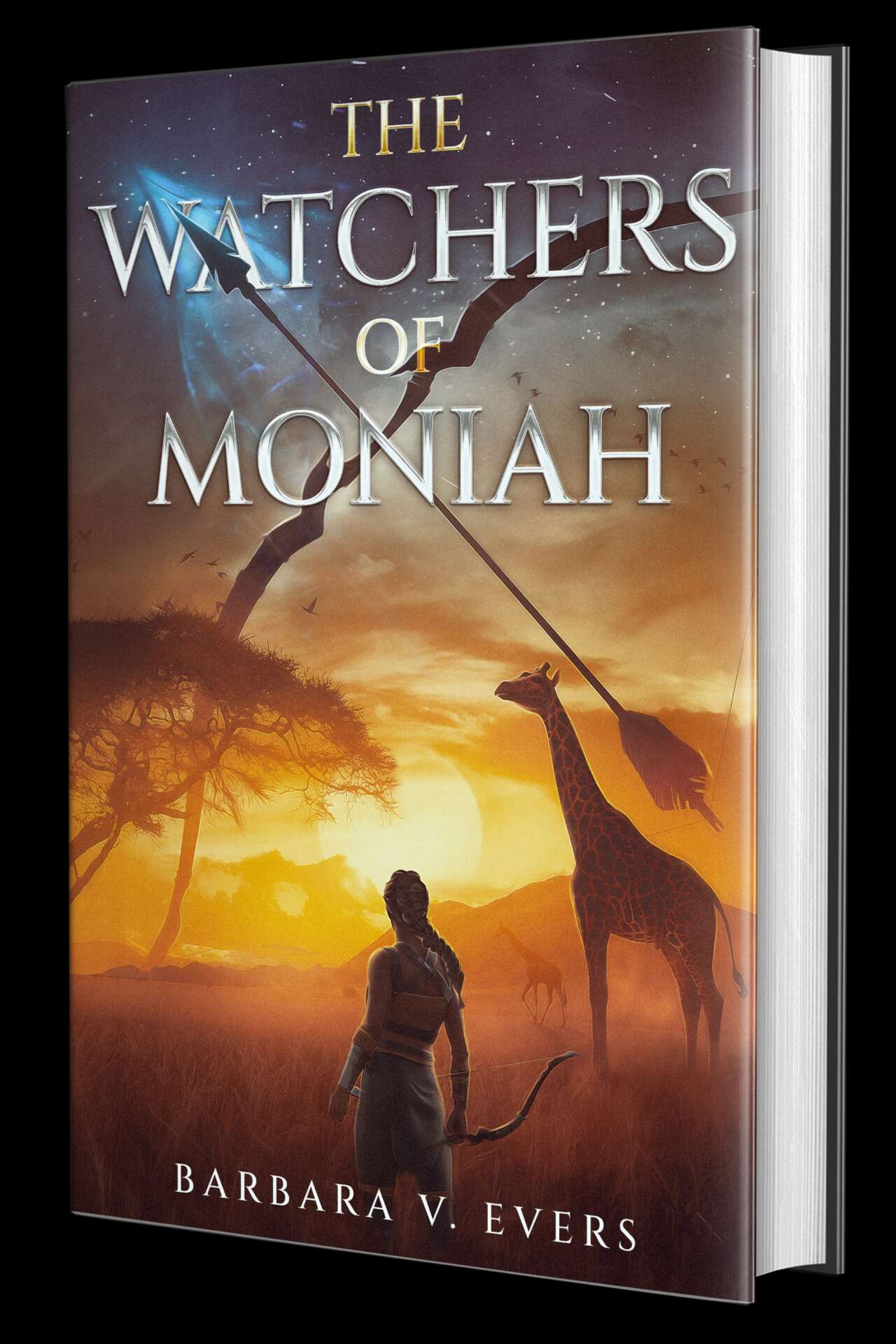
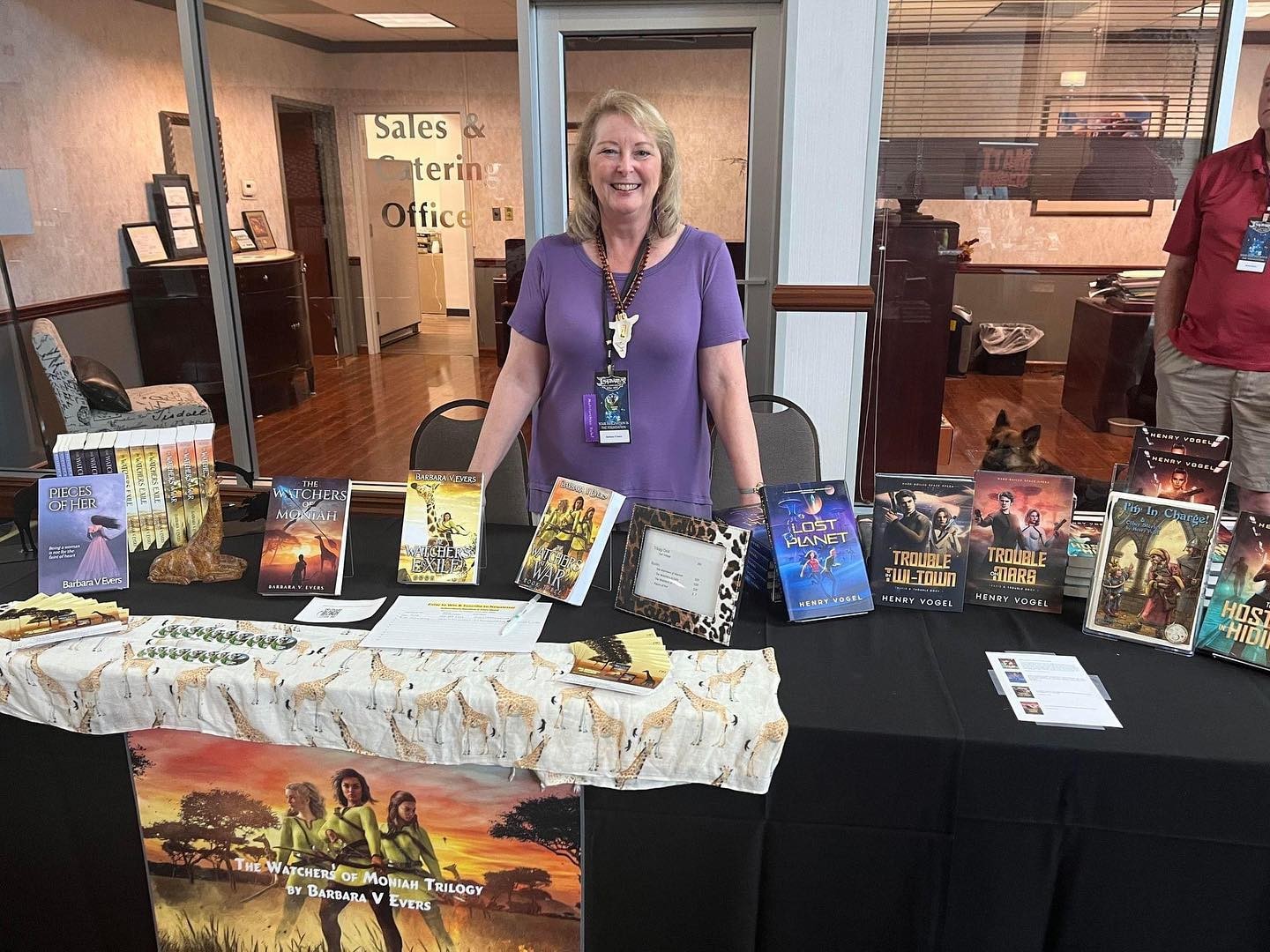
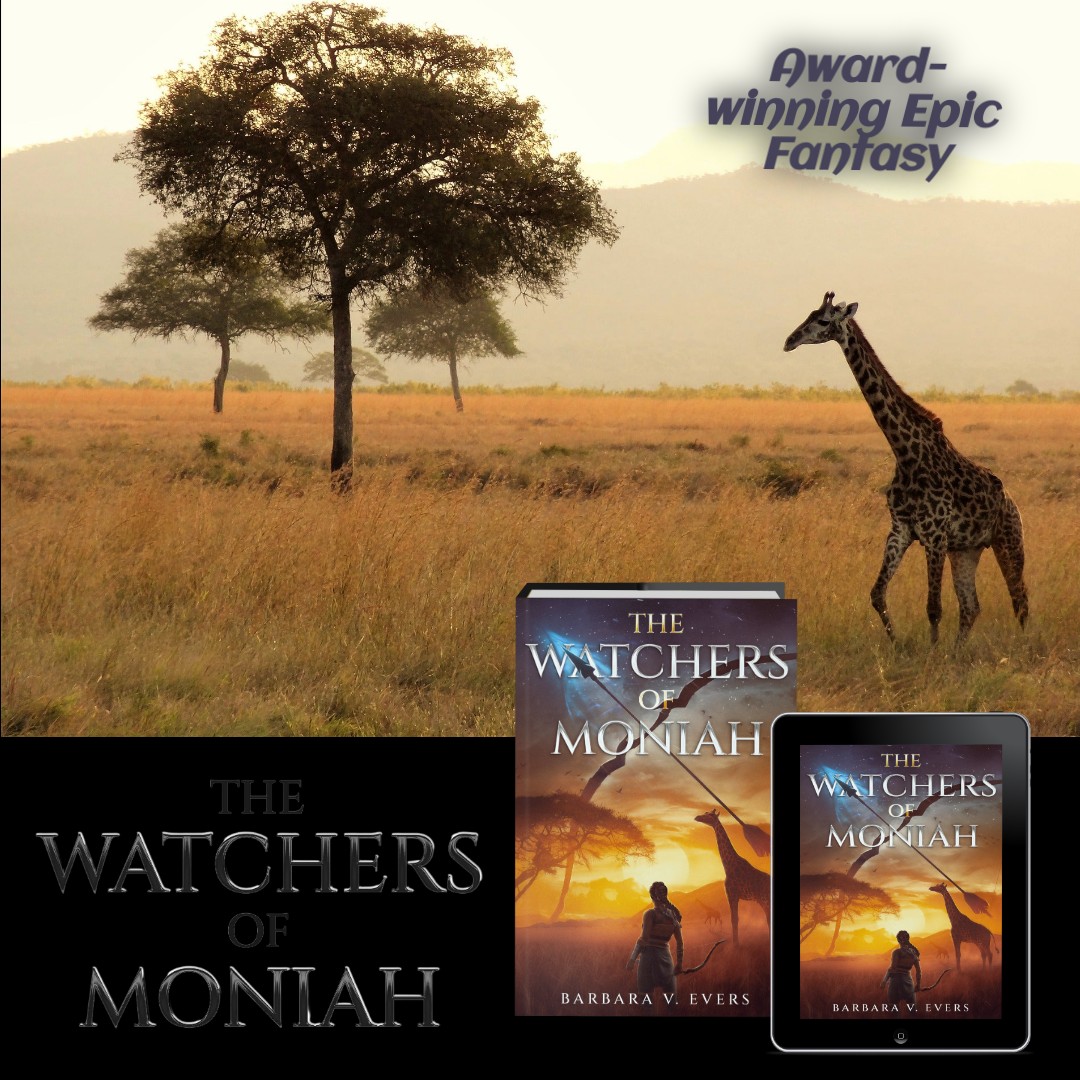
Today, I have published numerous contemporary fiction short stories and essays as well as three novels and a short story collection. I’ve won multiple prizes including a Pushcart Prize nomination and two Best Fantasy Novel awards. My epic fantasy trilogy, THE WATCHERS OF MONIAH, found a publisher in 2000 in the midst of the Covid quarantine. The first book, THE WATCHERS OF MONIAH, came out in December 2020, followed by the second and third books, THE WATCHERS IN EXILE and THE WATCHERS AT WAR, in 2021. The first and second books won the Imadjinn Best Fantasy Novel Award in their respective years, and the third book was first runner-up to the Palmetto Scribes Novel Award.
I am currently writing a middle grade nonfiction book about giraffes and an urban fantasy series. When it comes to novels, I’ve discovered I write matriarchies and uniquely gifted animals. The Watchers series has telepathic giraffes, and the new series will have wolves with special talents (no spoilers).
I did not plan to write about matriarchies or animals, but it makes sense that I do. I was raised by a very strong and opinionated mother and a father who valued my intelligence and abilities. I believed I could do anything if I wanted it bad enough. This belief took a major hit when I got involved with and married a man who became my abuser. I divorced him after four years and returned to my former determined self. Unfortunately, the books I read as a teen actually promoted borderline abuse in romantic encounters, so I had to learn about that lie the hard way. I’ve made it my mission to create positive role models for young women in my fiction. As a side note, I occasionally get asked if I slam men in my books. I do not. I try to present people as they are, so there are good and not so good men and women in my books.
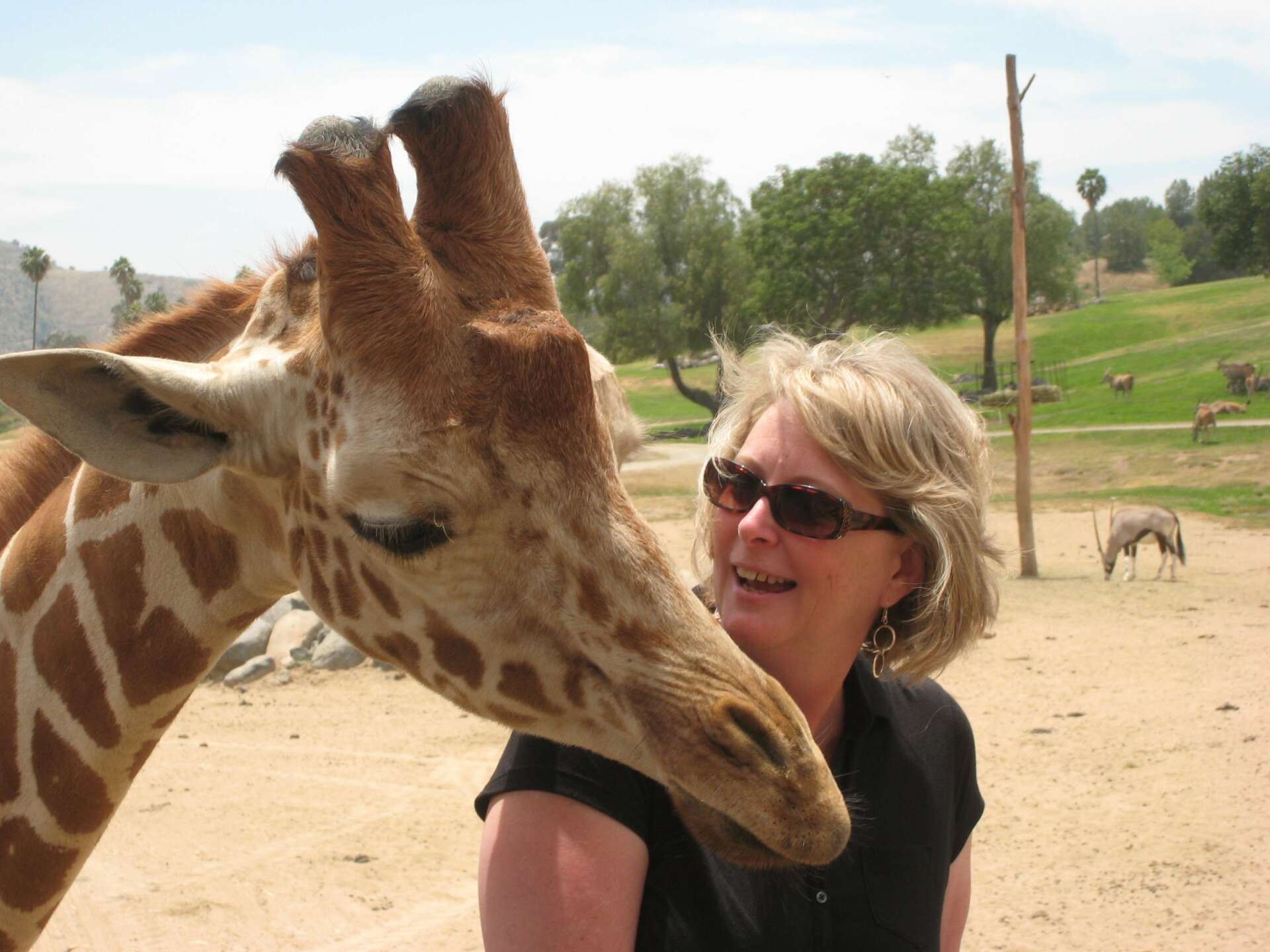
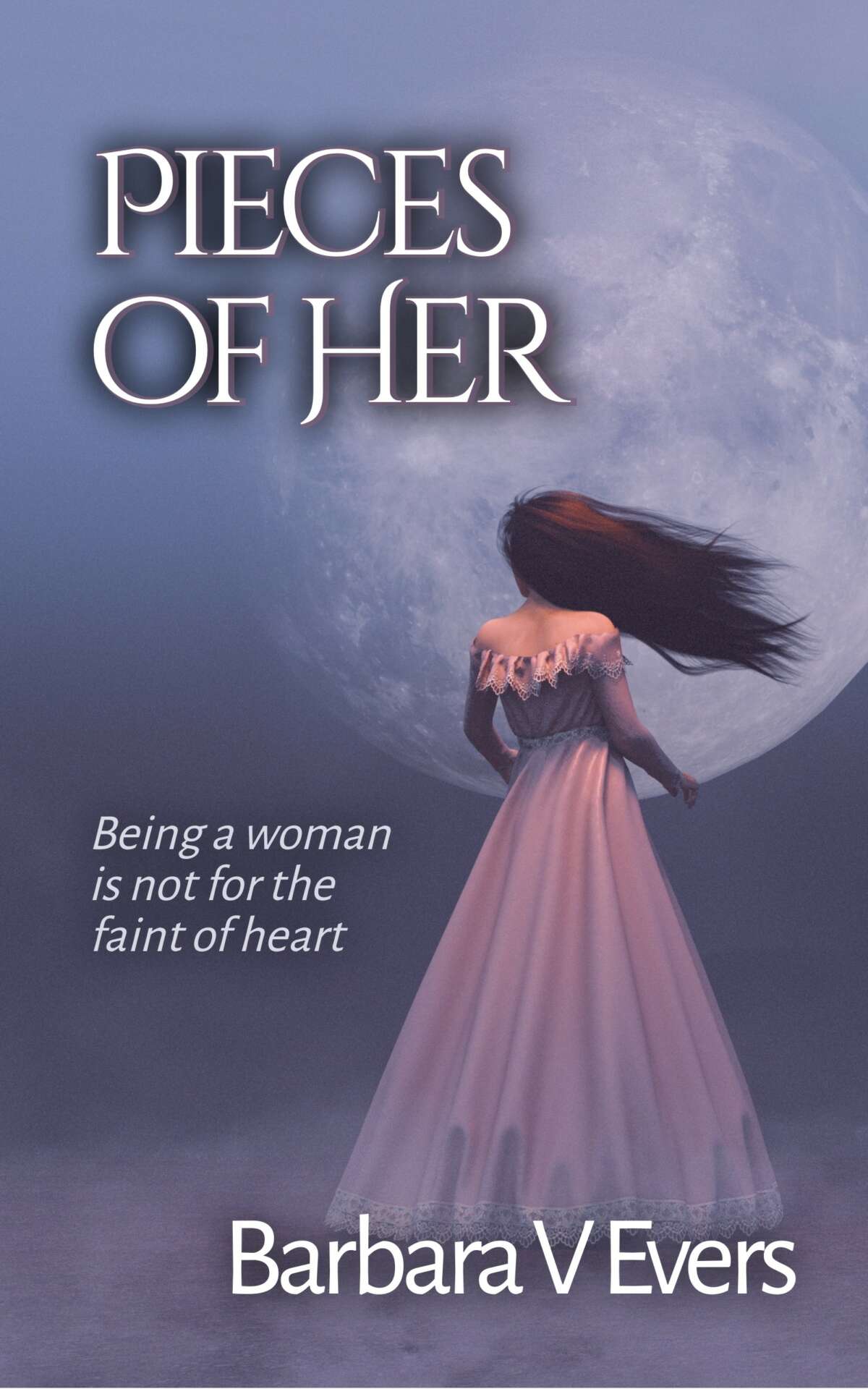
As for the uniquely gifted animals, I have a BA in Zoology and an MA in Professional Communication. The animal characters just happened, but because the animals form communicative connections with my protagonists, it looks like my educational background did leave its impact on my storytelling. Yes, I realize giraffes are an odd choice, but I’ve studied them for many years. One day they snuck into the narrative of THE WATCHERS OF MONIAH. I do give a percentage of my royalties to the Giraffe Conservation Foundation because giraffes are suffering from a silent extinction. I didn’t plan to save giraffes through my books, but it has become another one of my missions.
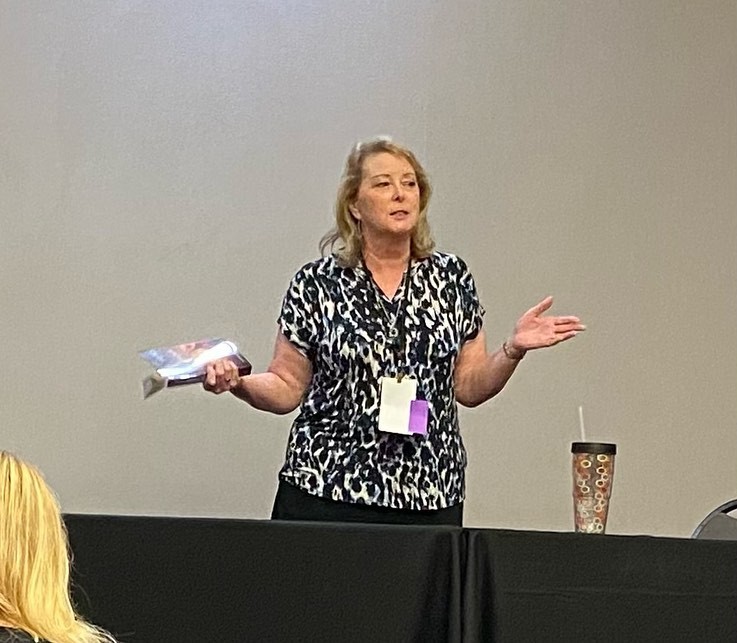
When I’m not writing, I’m a corporate trainer, business coach, and developmental editor. Thanks to many years of experience in training, I’ve been a guest at several fandom cons and writing conferences where I teach workshops and serve on panels about writing or the business of writing.
What’s the most rewarding aspect of being a creative in your experience?
I love hearing from people who have read and loved my books. For a long time, my characters lived in my head and heart. When people started talking about them by name, it felt amazing. Likewise, just receiving a thank you email can make my day. I even have a super fan who has read each of the books close to a dozen times, AND he is continuously giving his copies away and buying new ones for himself.
I’m amazed, also, by the broad age range and backgrounds of people who have read my books. I thought my target audience would be women in their 20s and 30s, but I’ve received fan mail from Vietnam veterans and thank yous from parents of 11-year-old avid readers. My superfan? He’s in his 30s. Who knew?! Added bonus–when war veterans like your books about war, you know you didn’t make a major mistake in the battle and military strategy scenes.
Is there something you think non-creatives will struggle to understand about your journey as a creative?
Ok, this is a loaded question because the world of a creative is hard to explain.
Non-creatives don’t get that:
Writers write because they must. The stories and characters pester you until you give them life on the page or screen.
Characters sometimes take over the story and do things the author did not anticipate.
Most writers don’t make a lot of money. Only 5% or less make enough to live on.
That eBook you just purchased for 4.99 or paperback you bought for 20.99 is a bargain. It represents months if not years of work.
Self-publishing, although easier than it used to be, is not an easy publication route. There are multiple steps (professional editing, proofreading, cover design, print and ebook layout, book description and marketing, distribution) that take a different kind of expertise at each step. If an author skimps or messes up on any of these steps, their book will not be what they dreamed it would be. It’s an expensive side of the business. You can pay someone to do it, but companies that do that are called vanity presses for a reason. They appeal to your vanity and charge you accordingly. Note: I did receive my rights back from my publisher and have self-published my trilogy, but if you don’t use a vanity press (I don’t) it takes a lot of time and effort to do it right. I’d rather focus on my writing.
Contact Info:
- Website: https://www.barbaravevers.com/
- Instagram: barbara_v_evers
- Facebook: BarbaraVEversAuthor
- Linkedin: barbaravevers
- Twitter: Barbara_V_Evers
- Youtube: barbaraveversauthor
- Linktree: https://linktr.ee/barbaravevers