



We were lucky to catch up with Barbara Carroll Roberts recently and have shared our conversation below.
Barbara Carroll, appreciate you joining us today. How did you learn to do what you do? Knowing what you know now, what could you have done to speed up your learning process? What skills do you think were most essential? What obstacles stood in the way of learning more?
Writers’ first craft teachers are books. You have to read a lot of books, which I did as an English major. After college I worked as a marketing and public relations writer, and my assignments often involved explaining technical subjects to nontechnical audiences. While this may not sound like good training for a children’s author, it taught me some things that apply directly to writing for children. First, before writing a word, I needed to understand my audience. And second, I needed to be precise with my language and use as few words as possible.
After I had children, I of course began reading lots of children’s books and realized that this was the kind of writing I wanted to do. I joined the Society of Children’s Book Writers and Illustrators (SCBWI), where I learned about the children’s book industry and attended conferences, workshops, and classes. But I finally had time to truly focus on the craft of writing after my youngest child went to college. At age fifty-eight I went back to school. I entered a Master of Fine Arts program in writing for children and young adults at Hamline University, where I worked one-on-one with award winning children’s authors. It was a massive amount of work, turning in both creative work and analytical work every month, as well as writing commentary on every one of the 120 books on the reading list. But it was also transformative.
Awesome – so before we get into the rest of our questions, can you briefly introduce yourself to our readers.
Though I had written creatively throughout my life — short stories and a couple of short novels that will forever live in my desk drawers — it had always been something I did on the side, in my spare time. Earning a living, raising children, caring for aging parents always took precedence.
When my children were in elementary school, I worked as a substitute teacher and found that I loved working with the youngest students. There’s nothing quite like seeing a child’s eyes light up when they first discover that those shapes on a page form words that they can read! So when our youngest child started college, I considered getting a teaching credential and becoming a reading teacher.
But I had already spent several years, on and off, working on a novel for children. I knew that some of it was good, but I also knew it had problems that I didn’t know how to solve. That I needed help. I was already in my late fifties and I realized that if I was truly going to pursue this dream of publishing a novel, it was now or never. So, as I said, that’s when I decided to apply to a low-residency MFA program — meaning a two-year program in which I’d spend ten days in July and ten days in January on campus, then the rest of the semester I’d work one-on-one with an instructor, sending my work electronically.
The first residency was exhilarating — being with a whole group of people who wrote children’s books. It was also terrifying. Most of the other students weren’t much older than my children, and when I realized how much critical writing I would need to do, I wanted to sink through the lecture room floor. I hadn’t written a college essay in thirty-plus years!
So I suppose this is the thing I’m most proud of: that I took a huge leap to begin a new career at a time in life when it would have made more sense to be seriously planning for retirement. And I’m so glad I did.
We’d love to hear a story of resilience from your journey.
I suppose there might be some writers who never experience rejection and “hit it big” right out of the gate. But I don’t know any. Writing a book is only part of the story — having it published by a traditional publisher is a whole other thing.
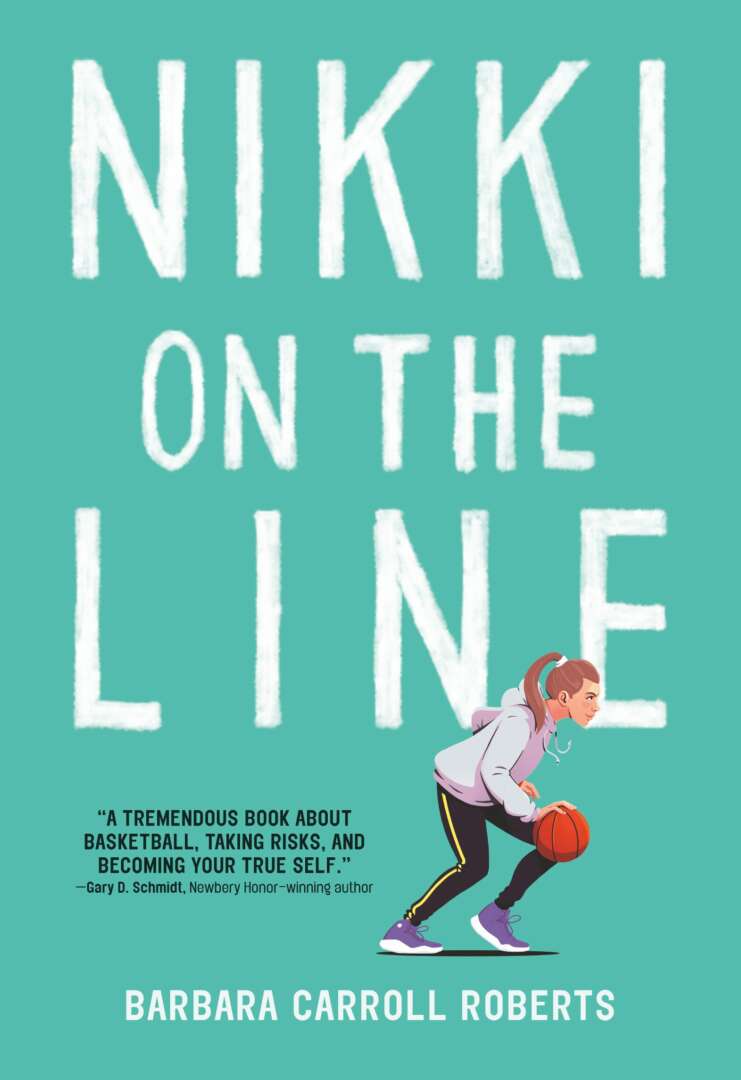
The first hurdle is finding a literary agent who wants to represent you, because the majority of publishers only accept submissions from agented authors. I spent a year researching which agents might be interested in the kind of book I had written (a contemporary middle-grade novel about a girl who loves playing basketball), sending queries to those agents, receiving quite a few requests to read the whole manuscript, and getting rejection after rejection after rejection. The rejections usually said one of two things: The basketball action is great, but I don’t connect with the characters; or Wow, I love these characters, but I don’t know anything about sports so I’m not the right agent for you. It’s hard to keep going after so much rejection. But I forced myself to continue sending out queries, and at last an agent offered to represent me. Not only did she love the characters, but she loves sports — she’s a competitive tennis player. I had no way of knowing that when I sent my query to her, but had I given up after my tenth or twentieth or thirtieth rejection, I wouldn’t have found her.
But finding an agent is only the first step. Even after having two books published and another due to come out next year, I still have to deal with rejection. My agent has been sending out a picture book I’ve written, and we keep hearing: Gee, this is fun, but . . .
Is there a particular goal or mission driving your creative journey?
I don’t have an overall goal or mission for my writing, other than wanting to write books that kids will enjoy reading. But I do have specific reasons for writing each book.
My daughter had always been an enthusiastic reader, but when she was in sixth or seventh grade she gave up reading for pleasure. Like her brother, she was extremely athletic. But though he had shelves of books about boys who played sports, my daughter found very few books about girls like her. So I decided to write one. And I can’t tell you how good it makes me feel to receive emails from young readers who say, “This is the first book I’ve ever read about a girl like me.” Fortunately, publishers seem to have finally realized that millions of young girls are devoted to their sports, and we’re now seeing many more books about sports-loving girls.
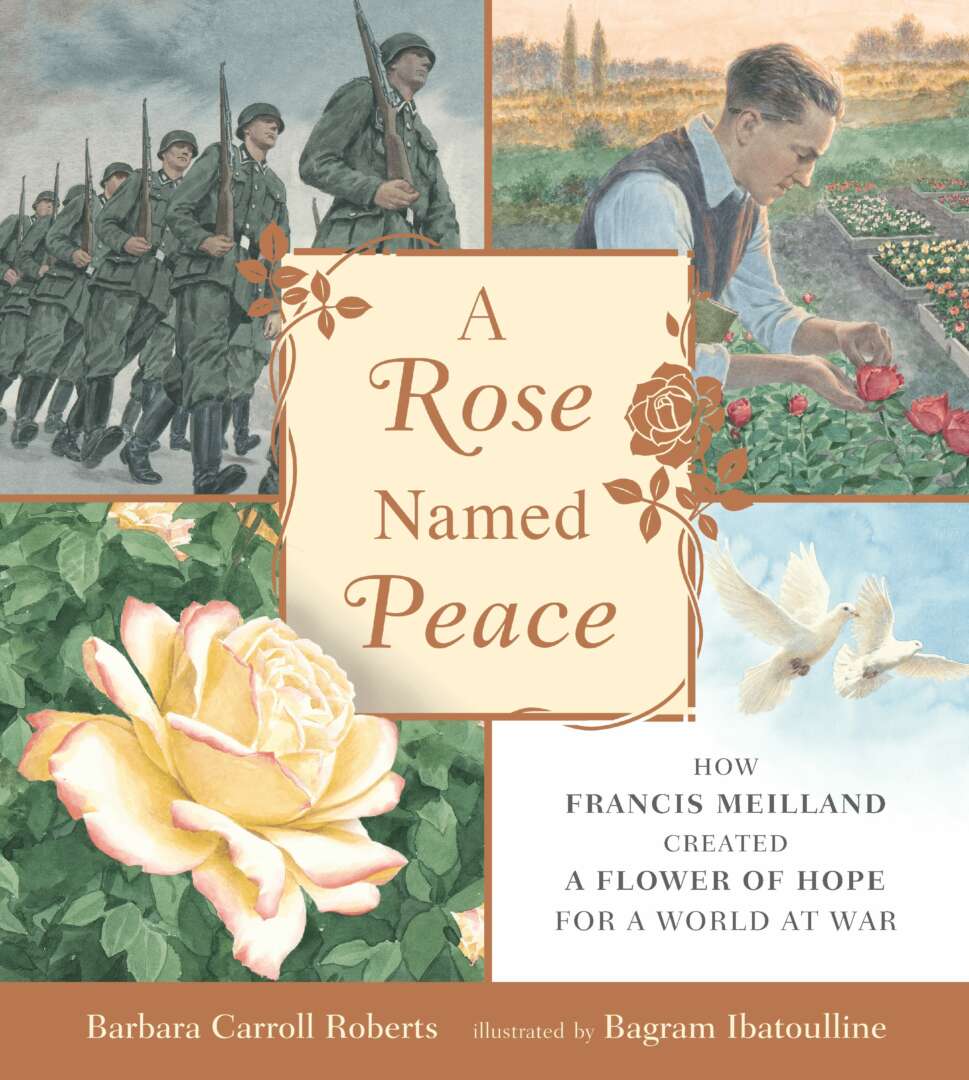
I happened to stumble upon the subject for my second book, a biography of a man who hybridized roses. I think what particularly appealed to me about his story was his desire to create something new and beautiful and his persistence in the face of failure after failure.
My next book is about a girl who is fascinated by insects. The impetus for this book came from my concern for our environment.
Contact Info:
- Website: https://BarbaraCarrollRoberts.com
- Facebook: Barbara Roberts
- Twitter: @BarbaraCRoberts
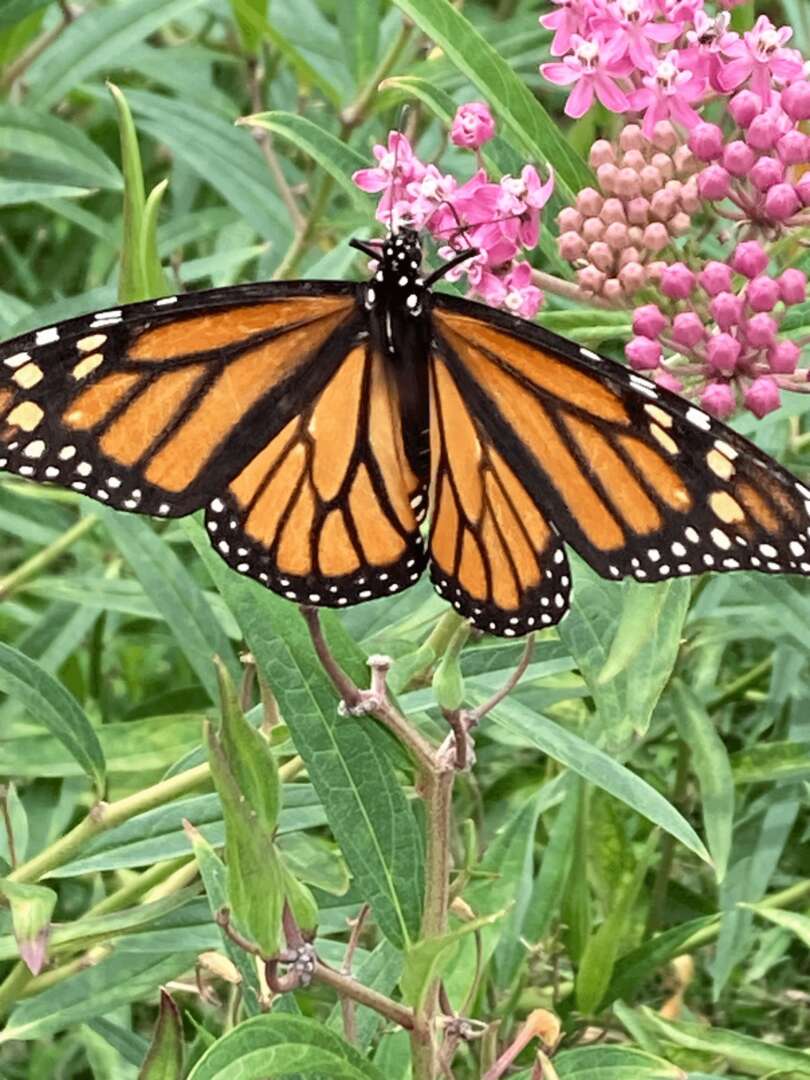
Image Credits
Craig Vitter