

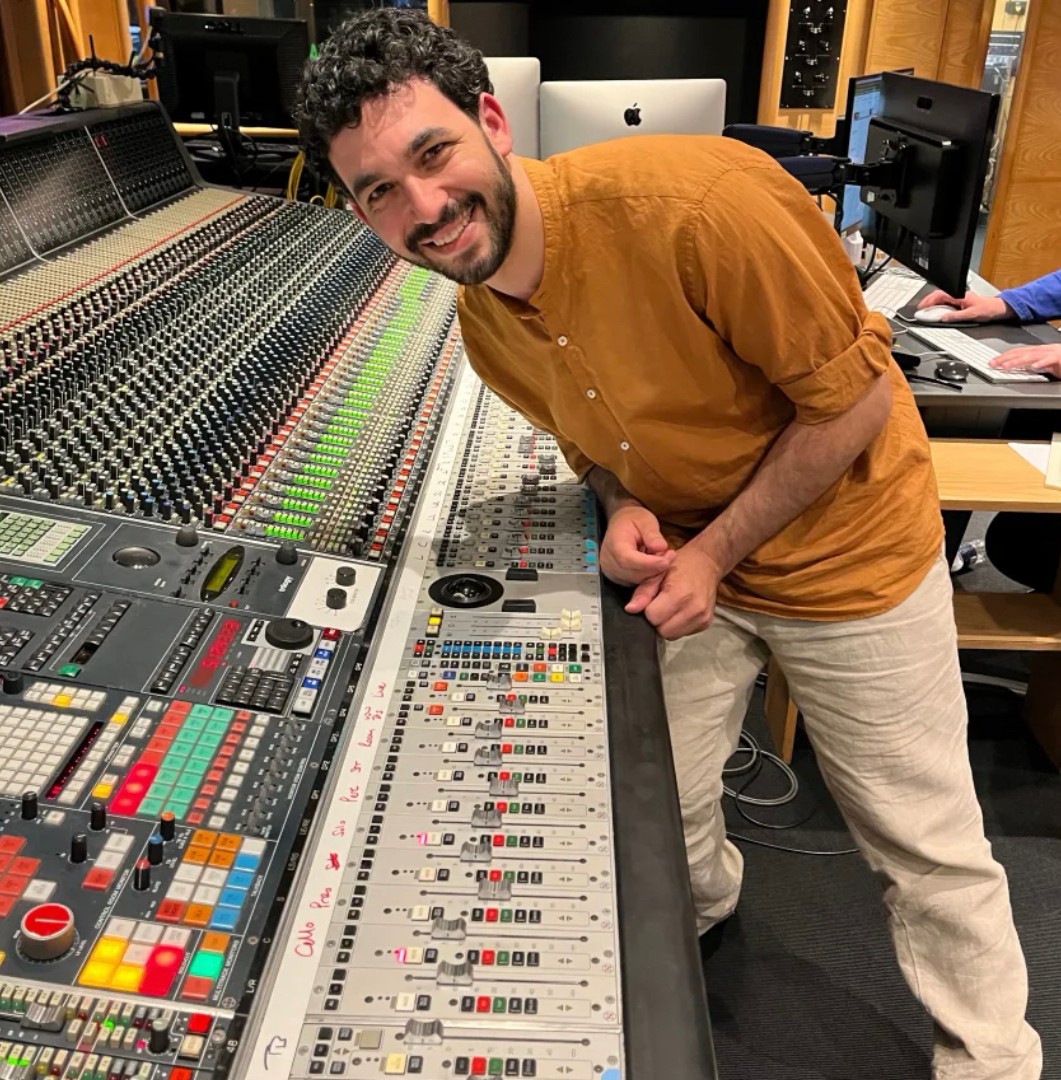

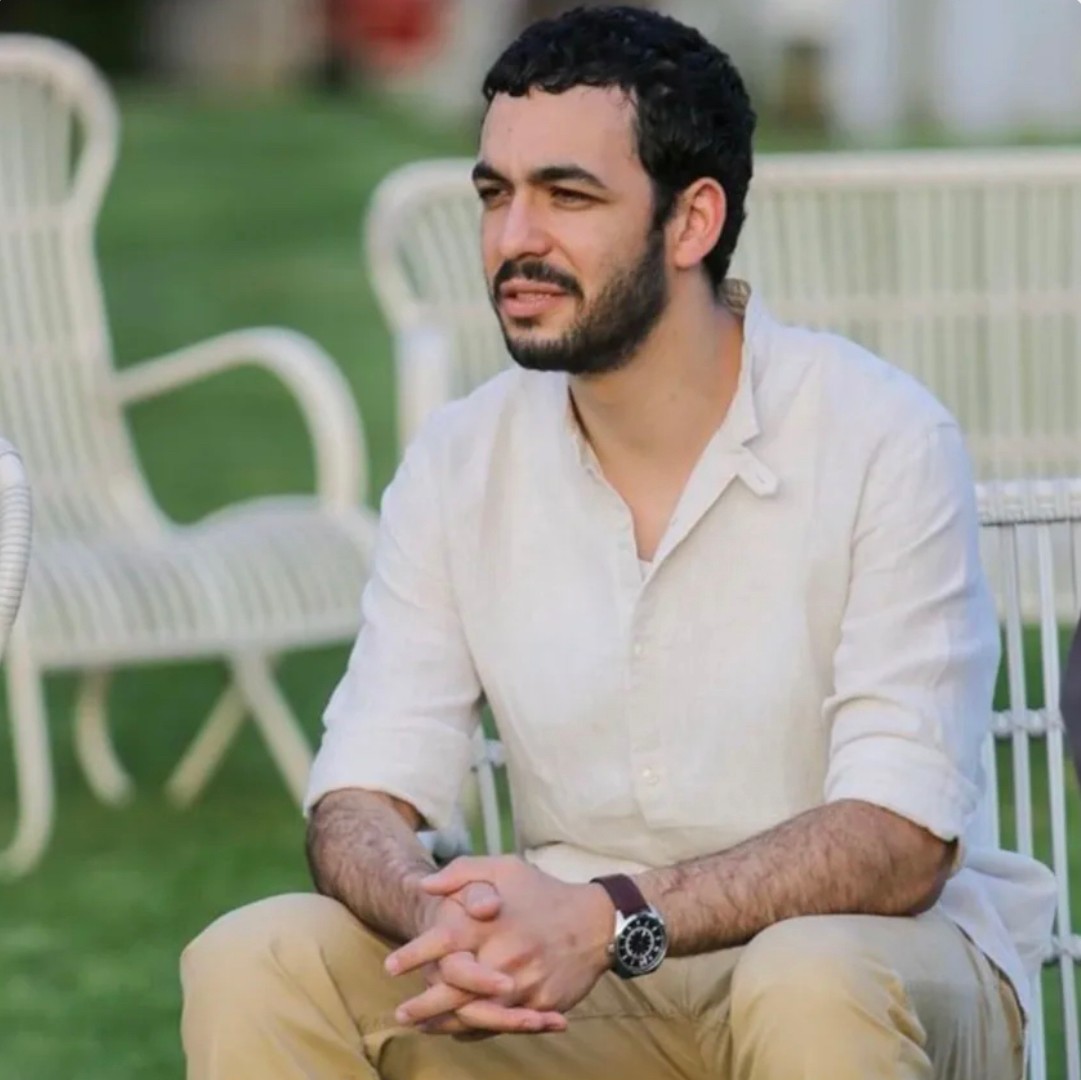
We recently connected with Aviram Spies and have shared our conversation below.
Hi Aviram, thanks for joining us today. How did you learn to do what you do? Knowing what you know now, what could you have done to speed up your learning process? What skills do you think were most essential? What obstacles stood in the way of learning more?
Well, my journey in music and composition has been a combination of dedication, education, and exploration. For me, music is an ongoing, never-ending learning process, it all started when I was a young kid and showed interest in playing music and I kept being drawn to anything musical, until I started playing the piano when I was 9. years old.
Starting with classical, but always looking towards jazz, and kept swinging the classical 8th notes.
Since music is my greatest passion, I’ve decided making it my career and with film scoring in mind, I went on to study classical-contemporary composition, building the foundations I’d need later to allow myself to have the creative freedom I’ve always wanted, and never knew how to achieve. learning how to handle motifs in a meticulous manner, learning the works of the great composers of our past, and the innovations of the 20th century, all while being active in the local indie-scene with my funk-jazz-prog band I had during my undergrad, afterwards, going to Berklee’s film scoring masters program was a crucial part of my journey. This experience allowed me to put my theoretical knowledge into practical use and challenged me daily, pushing me to evolve as a composer. Today, my music is a culmination of these experiences—a blend of classical, jazz, and contemporary influences that continue to evolve and fuel my artistic passion, while communicating with the film in the best way I can.
In order to learn faster, one needs to keep their curiosity at the highest level. Always trying to explore new approaches to music, esthetics, experiences, learning both new and old music, but there aren’t any short cuts that I know of, it’s also part of the fun!
For film scoring, an essential skill is first and foremost understanding the scene, the film, the characters, in all of it’s fine details, all while knowing how to communicate your vision to the director, and understand how to make the director’s vision come to life in a way that’ll elevate the film. The important thing is having great communication skills, and learning how to adapt.
It’s quite challenging at first, but with experience, you learn how to overcome this, and take each time as a great learning opportunity.
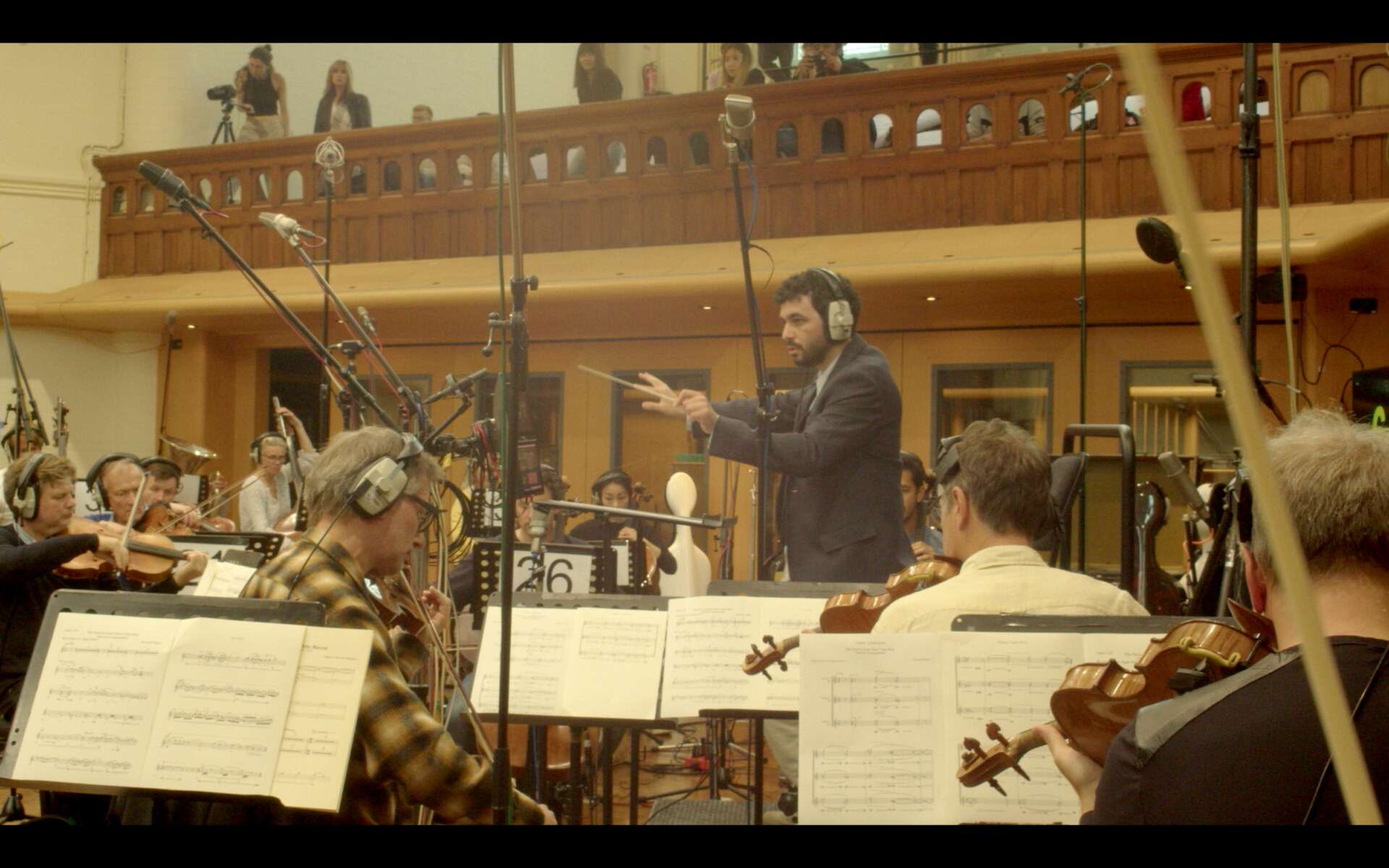
Awesome – so before we get into the rest of our questions, can you briefly introduce yourself to our readers.
To me, being a musician and working as a composer is a never-ending story that started from a very young age, from the first moments I was playing the piano I began writing, sharing my music with people I love, and being active in that world in the most professional way I can. After many years, of writing and making music, I decided to take it further and study composition professionally, taking the deep dive into the classical composition world.
Coming from a piano-jazz background, making this transition was a bit challenging at first, but after a while I was fully immersed in the language, letting my curiosity lead me to new places, explore new avenues in music I haven’t explored before, experimenting with genres, and studying the great composer through and through – From counterpoint, orchestration, and composition, primarily focusing on motifs, and doing a lot with very little.
These were meaningful and fruitful years that had shaped my music immensely.
During that time, I found myself also getting closer and closer to the film industry, moving away a bit from jazz performance, and leaning more into my composer hat and utilizing it to find my way in film.
When working with a director I’d like to be as attentive as possible to their film, and read their intentions about it. Finding out the goal of the music together with thee director is sometimes the most interesting part of the job.
They challenge me with their perception of how the music should behave in the film, and I challenge them back with my idea as well, it’s a long and fascinating process of understanding each side of the arts together.
The problems that I solve to the directors are mostly how to treat the musical aspect of the film. While I explain to them my vision to the film, and sometimes, a good piece of music can help out in a very practical way throughout the film, with transitions from one scene to another as a simple example, but also shedding some light on a certain character, or a dramatic moment, thus helping and support the narrative, just like a unique visual shot would help the scene.
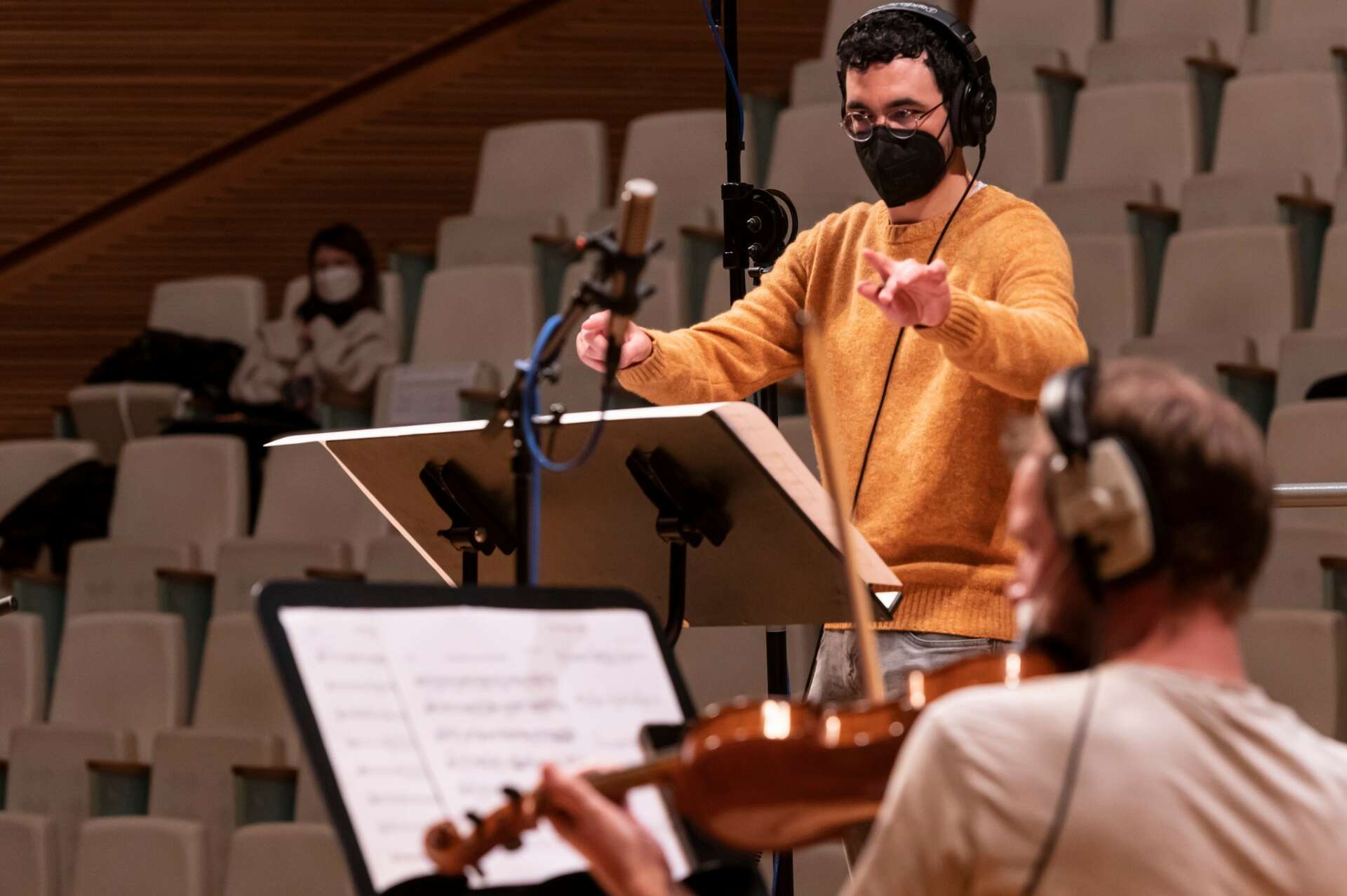
Can you tell us about a time you’ve had to pivot?
While working on one of my recent projects, at the ASCAP workshop, I started scoring it, and being inspired by a very specific esthetic. I wanted it to be wild and weird, and inspired by the great score of Birdman by composer and drummer Antonio Sánchez. After submitting my sketches to the director, he asked me to pivot completely into something entirely different.
When he said he enjoyed my string quartet and other orchestral and more experimental works, I thought of aiming towards that sort of soundscape – experimental strings, and so we started a new path completely of trying new ideas.
The director was very happy for these sketches worked for a while, but after few weeks, we thought of going back to the drums again, from a different perspective this time, so I pivoted again, for something completely different once again, making a free-jazz score, inspired by Paul Motian, Miles Davis’ – Bitches Brew, Brian Blade’s Fellowship band, Jonny Greenwood’s score for ‘Spencer’ and so much more, and mixing it all into something new that’ll fit the film and support it with every steep of the way.
That was a big challenge, full of twists and turns, but one that led to a wonderful score that I’m very proud of and feel very lucky to have made.
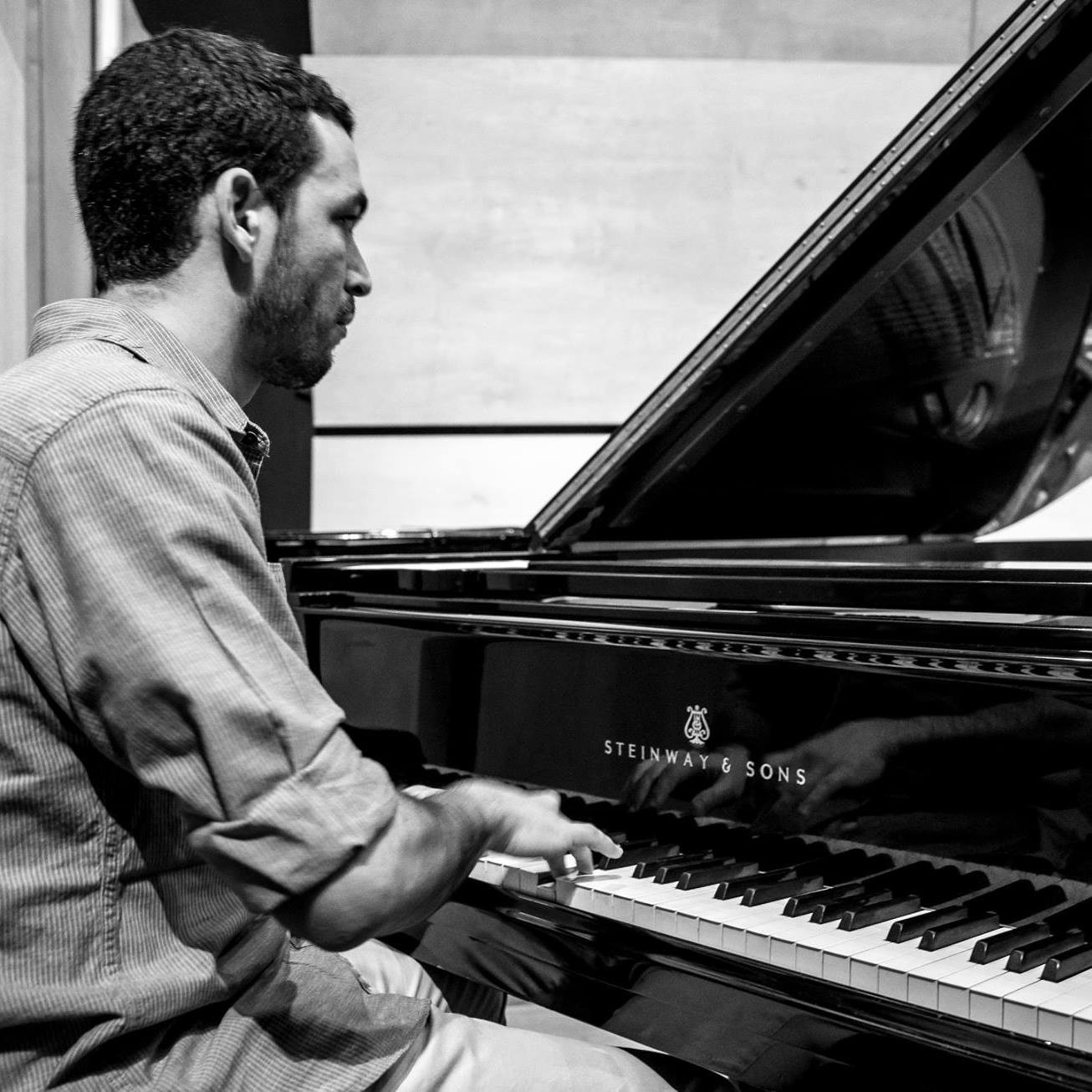
What do you find most rewarding about being a creative?
The most rewarding aspect of being an artist in my opinion is the communication. Through my music I’m able to express my self in the best way that I know how.
Weather I’m working on my own music, a film that I’m collaborating with the director, or playing in a band, they are all forms of communication, exchanging different ideas, and when the guards are down it turns into pure self and artistic expression.
There’s a huge joy in the creative process as well, writing the music, deleting sketches, improvising over a scene in the background and endlessly contemplating over what would be the best thing at this particular moment of the scene, or in general with music making.
In the end, when the music meets the audience it’s truly the most rewarding aspect of it all.
It becomes the cumulative peak of all of the creative efforts that been put into a certain project, that is why we’re making art after all, to communicate with ourselves, but mainly communicate with others, and hopefully allowing them to get connected with their emotions.
Contact Info:
- Website: https://www.aviramspies.com
- Instagram: https://www.instagram.com/sp.aviram/
- Facebook: https://www.facebook.com/AviramSpies
- Linkedin: https://www.linkedin.com/in/aviram-spies-762a0380/
- Youtube: https://youtube.com/@aviramspies?si=s4bClkQCkIPCeQn2