

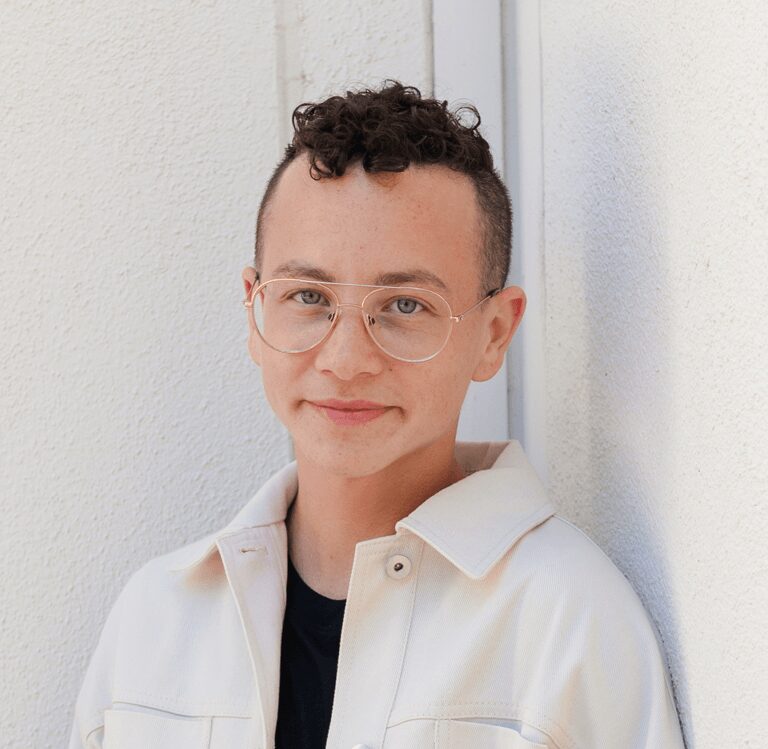

We caught up with the brilliant and insightful Avery Garrett a few weeks ago and have shared our conversation below.
Avery, appreciate you joining us today. How’s you first get into your field – what was your first job in this field?
After college, I took a job in a neuroscience lab at UCSF using a very specialized form of brain imaging called magnetoencephalography (MEG). I couldn’t have been more thrilled- it was truly a dream job, especially because at the time there were only two MEG machines in the entire state. Suffice to say, I was a huge nerd. My role involved collecting and analyzing presurgical data for brain tumor and epilepsy cases as well as for psychiatry and neurology research studies. Because of the general unavailability of MEG and the world-class reputation of UCSF’s neurosurgery department, patients would fly from all over the globe to receive care and I really felt I was at the cutting edge.
At that time, I considered myself a neuroscientist first and aspiring clinician second. My plan had been to apply to MD-PhD programs- I saw the value of clinical work being more in service of bigger picture research rather than a fulfilling experience on its own. I was shocked when what stood out to me most was the medical trauma and the profound impact it had on my clients’ brains and bodies. I found that it was the people and our interactions that were most enjoyable and where I felt the especially engaged and present.
Over the years, I took on increasingly clinical roles until I eventually decided to pursue a graduate degree in social work and walked away from the dream of working in academia. As I became more and more disillusioned with the realities of research, I fell further in love with the experience of ‘holding space’ for folks. I couldn’t be happier about that first job and the seeds it planted, although it violated all my expectations of myself and what I imagined would fill me up.
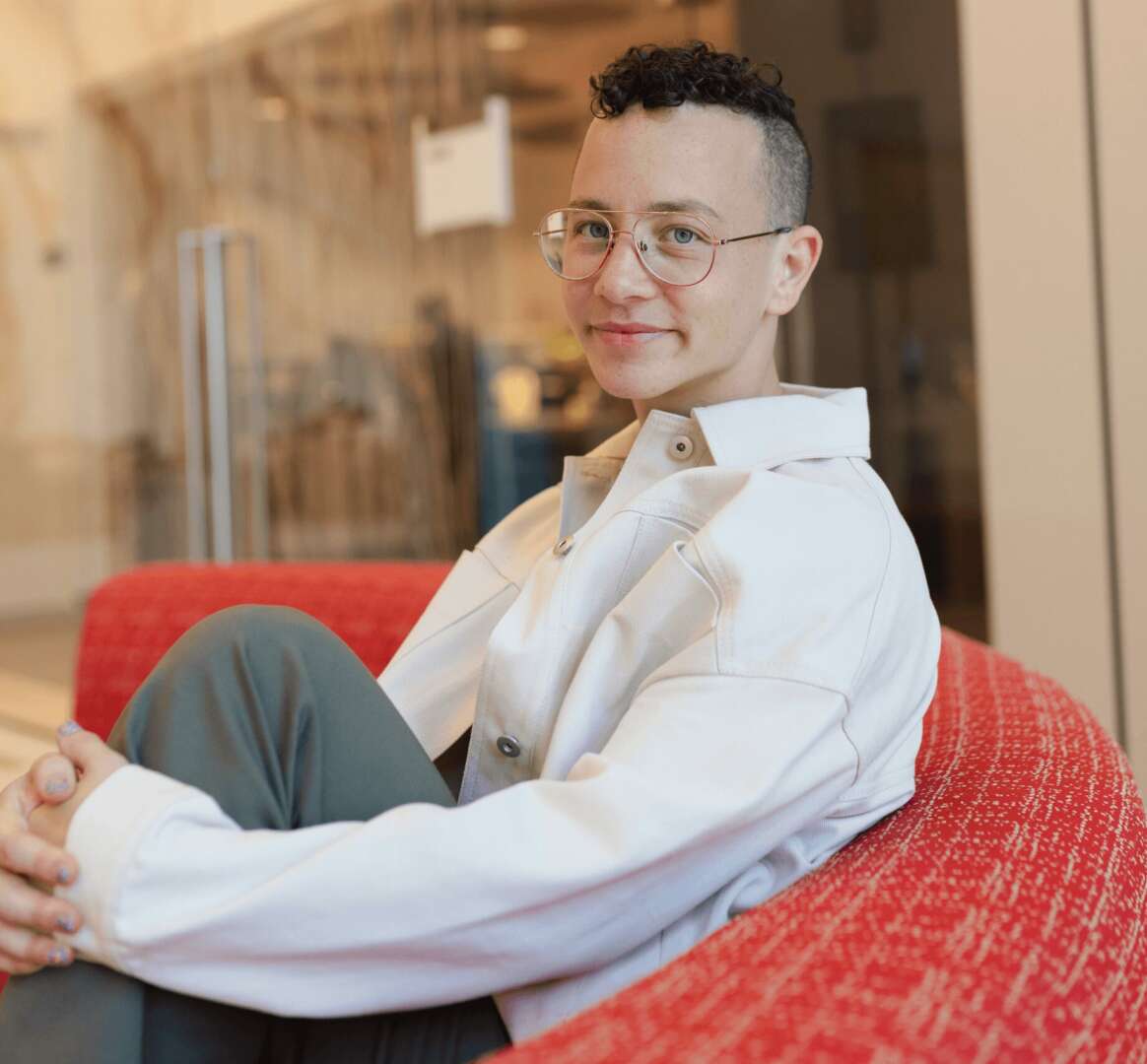
As always, we appreciate you sharing your insights and we’ve got a few more questions for you, but before we get to all of that can you take a minute to introduce yourself and give our readers some of your back background and context?
I am a psychotherapist, consultant, and trainer working in private practice. My clients tend to be anxious queer and neurospicy folks, particularly those struggling with OCD and trauma-related symptoms. As a queer, biracial, and neurodivergent clinician, my practice is built on a foundation of liberation principles, cultural humility, and deep curiosity and respect for the populations I serve. The lack of diversity in the mental health field is felt in all spaces, but most painfully in the world of OCD treatment, which is dominated by cis, white, allistic clinicians who are skilled in many ways but often ill-equipped to work with QTBIPOC, disabled, and otherwise marginalized clients. I feel very lucky not only to be able to work within my own communities, but also to be able to support therapists, treatment centers, and companies who want to deepen their knowledege in areas where they may lack lived experience.
I thrive in synthesis and really enjoy consulting and training folks at the intersections of spaces where there are traditionally divides. For instance, trauma and OCD treatment have historically been very siloed sects of the therapy world, even though the prevalence of OCD is considerably higher in patients with PTSD than the general population. I also run a free beginner’s OCD consult group for queer and BIPOC folks who generally have been gatekept from the sort of training that enables one to call themselves an OCD specialist, and I love educating other therapists on the nuances of Autistic OCD.
My understanding of my clients- their pain and their strengths- is based in both professional and personal experience. I am beyond blessed to have had an incredible (although extremely challenging) recovery from my own trauma, OCD, and eating disorder. My lived experience helps to ground and contextualize all that I’ve learned in academia, community mental health, the dependency system, and the many other spaces that I’ve been fortunate to occupy.
I am most proud of the fact that I’ve been able to build several businesses that have allowed me to engage in meaningful work with my community, support myself, and strike a balance that works well for my neurotype. I had an immense amount of help and sheer dumb luck in pulling that off, and it means the world that I’m able to pay it forward and work with others to create lives that make sense for them.
Other than training/knowledge, what do you think is most helpful for succeeding in your field?
Even more than formal training, I believe the secret to success as a therapist is to live a full, intentional life that encompasses much more than clinical work. The best therapists are the people who have traveled to hell and back, done their own personal recovery work, and have built lives that fit their values. For me, that means having many rich, intimate relationships that I cherish and also nurturing my interests outside of the therapy room- making time for art, movement, humor, nature, and trashy reality tv.
I used to feel immense shame about my non-traditional path- having an exceptionally eventful childhood, dropping out of school, and surviving as an adolescent in some less-than-socially sanctioned ways. Now, my breadth of experience feels like an enormous asset, and I could not imagine doing this work without having seen so much of life.
Learning and unlearning are both critical parts of growth – can you share a story of a time when you had to unlearn a lesson?
The biggest lesson I’ve had to unlearn is that more is better, particularly with respect to caretaking and the martyrdom trap that so many therapists fall into. Like most trauma survivors, I walked around for many years with an undying feeling that I was inherently ‘bad’ and damaged, and my work life became a protracted, needless apology for all my supposed ‘badness’. I judged myself harshly for the very understandable ways that I had learned to cope with trauma, minority stress, and being a neurodivergent person in a world that wasn’t built for me, and my caretaking of others served as a way to repent for things that were never mine. In my 20’s, I was extremely productive but also a bundle of nerves, so tightly wound and terrified of causing even the slightest harm.
Now deep into recovery from my own trauma, eating disorder, and OCD, I maintain awareness of the subtle ways that the overcontrol, survivors’ guilt, and general feelings of ‘badness’ show up. Usually, they come in the form of that nagging feeling that I should be doing more- offering more sliding scale slots, finishing consulting projects faster, doing more advocacy work, more, more, more. But I relate to that urge much differently when it pops up- with curiosity, compassion and a level of detachment that keeps me from self-betraying in ways that I know will set me back personally and professionally. I am encouraged and feel lucky to have many mentors in this field who embody balance in a way that I really admire. I am continuously amazed at how many QTBIPOC and disabled folks are able to juggle gorgeous advocacy work with the sort of self-awareness and protection that helps to mitigate burnout.
Contact Info:
- Website: https://www.therapywithavery.com/