


We caught up with the brilliant and insightful Averie Floyd a few weeks ago and have shared our conversation below.
Alright, Averie thanks for taking the time to share your stories and insights with us today. What can you share with us about the story behind how you found your key vendors?
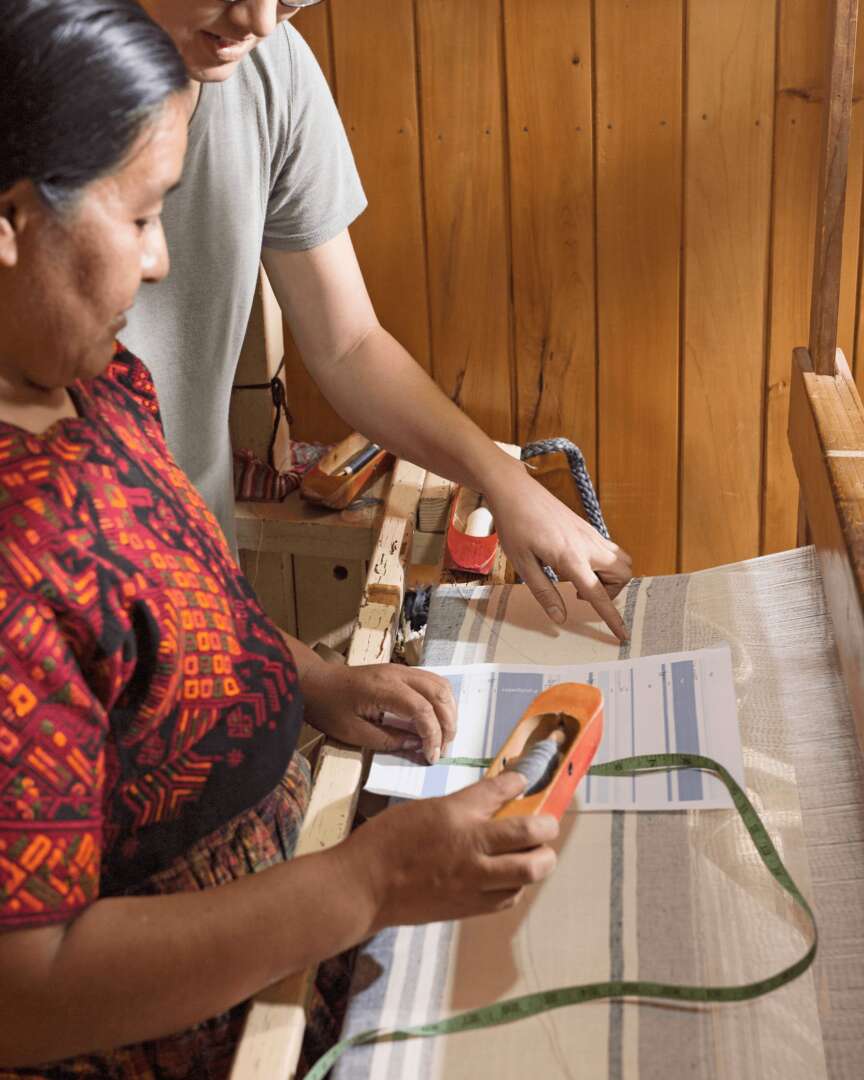
In the artisan textile sourcing community, there are many non profit organizations who’s goal is to provide as much work as possible to as many artisans as possible. This is an admirable approach. However, we have a different approach. We seek the top masters of a textile technique. The reason being that we want to be able to pay the artisan a higher rate for their textiles and view them as artists, more than a manufacturing partner. This means that we have to be extremely selective about the artisans we decide to partner with. We look for the following characteristics during our first in person meeting: 1) Passion, 2) Creativity, 3) Quality, 4) Pride. Over the years we have learned that when a vendor has these 4 characteristics we will likely have a successful partnership. In our experience, when one of these characteristics are missing, the partnership isn’t as strong.
It’s also very important that the artisans want to work with us. During the in person meeting we go over our contract terms and provide space for their feedback or questions. Trust only comes with time, so we usually start working with each new partner with a small test order and build slowly from there. The vendors we work with the most today we have known for over 6 years. Taking the time to find the right partner from the beginning saves time in the long run and builds a strong foundation for growth together.
Averie, love having you share your insights with us. Before we ask you more questions, maybe you can take a moment to introduce yourself to our readers who might have missed our earlier conversations?
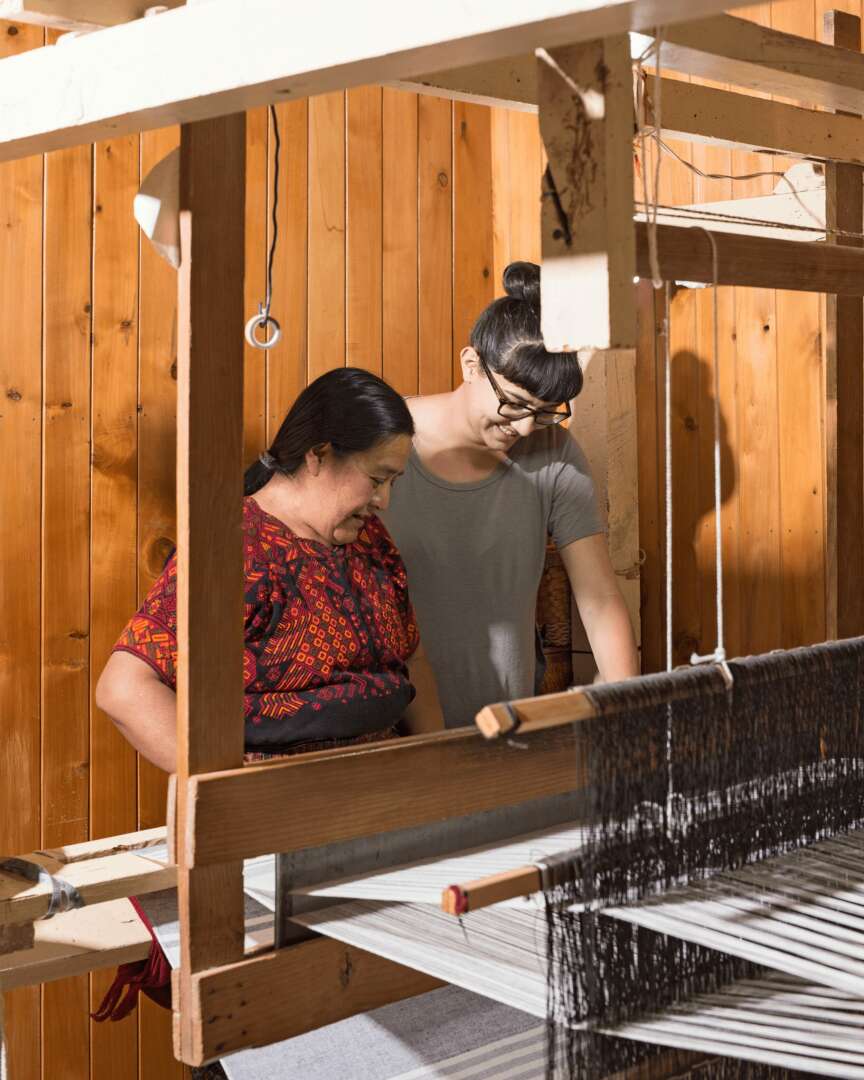
I studied fashion design in college and graduated in 2014. At the time, there weren’t many opportunities for me to work in ethical fashion, so I went to study fair trade textiles in Guatemala. I am half Guatemalan so it felt like a good opportunity to learn about my heritage as well. I was blown away by the textiles and co-founded Casa Flor Designs in 2016. We saw the opportunity for a for profit ethical clothing brand handwoven in Guatemala that was more size inclusive and embraced color. Over time I realized that I loved being on the ground with the artisans and shifted the company to operate as a B2B where I can assist international brands manage their artisan production in Guatemala. We work with interior designers and fashion brands to develop textile and products in collaboration with master seamstresses and weavers. We provide a transparent monthly retainer package for our clients offering a variety of services curated for their needs as social enterprises. Our goal is to provide sustainable and dignified work for the artisans we partner with in Guatemala.
We often hear about learning lessons – but just as important is unlearning lessons. Have you ever had to unlearn a lesson?
I had to unlearn “please the client no matter what”.
When I think back on some of the most stressful moments of owning a business, it was because I didn’t say no. Learning who to say no to or how to say no to a client has been a huge shift for me personally which of course has affected my business. I have learned that from the very beginning I need to be extremely observant and follow my gut when it comes to starting a new client relationship. If it feels like the values between a client and I aren’t aligned, it is better to decline an offer to work together. This is very obvious for me when people question our pricing structure. We work extremely hard to uphold dignified wages for the artisans we work with. If a potential client can’t support us in this, they aren’t the right client for us.
It is also very tempting to grow quickly with a brand when they are in a growth stage, however, with artisan made textiles, we have to say no often. The reality is that what we do isn’t done by machines that increase in efficiency with volume. Growth takes time, so I often have to say “no, but we can build for the future”.
Any advice for managing a team?
First, it is important to build a team that has equal levels of passion for the goal of the company. If our values are aligned, even during tough challenges, I know we have the shared goal to get through it together.
Vulnerability is important to me. Sharing when I am stressed or tired allows others on my team to be honest on how they are feeling too. Mental health is so important to me, that I want people to feel confident in sharing with me when they need a break or support from the team.
In person visits are most effective when there is a challenge. It can be difficult to read people’s emotions via email or a phone call.
Contact Info:
- Website: https://casaflordesigns.com/
- Instagram: https://www.instagram.com/casaflordesigns