


Alright – so today we’ve got the honor of introducing you to Austin Day. We think you’ll enjoy our conversation, we’ve shared it below.
Austin, appreciate you joining us today. I’m sure there have been days where the challenges of being an artist or creative force you to think about what it would be like to just have a regular job. When’s the last time you felt that way? Did you have any insights from the experience?
I’ve been creative my entire life. The pathway that many adults and schools pushed me through gave me a very limited idea of what to do with my craft. Dance was considered a fun hobby, something I could do as a child to fulfill a personal sense of pleasure. There was no concept of what I do now as a “regular job.”
For a long time, I thought if I wanted stability, I’d need to follow the traditional route. Get a degree. Find a job that fit into society’s expectations. Let dance be something I did on the side. Watching my classmates plan their futures, aiming for careers that seemed straightforward, made me feel out of place. I wasn’t meant to be a doctor or engineer, but I also didn’t have a clear idea of what kind of future I could build with my creativity. The thought of getting stuck in a box, doing something that had nothing to do with my passion, felt worse than the uncertainty of figuring it out on my own.
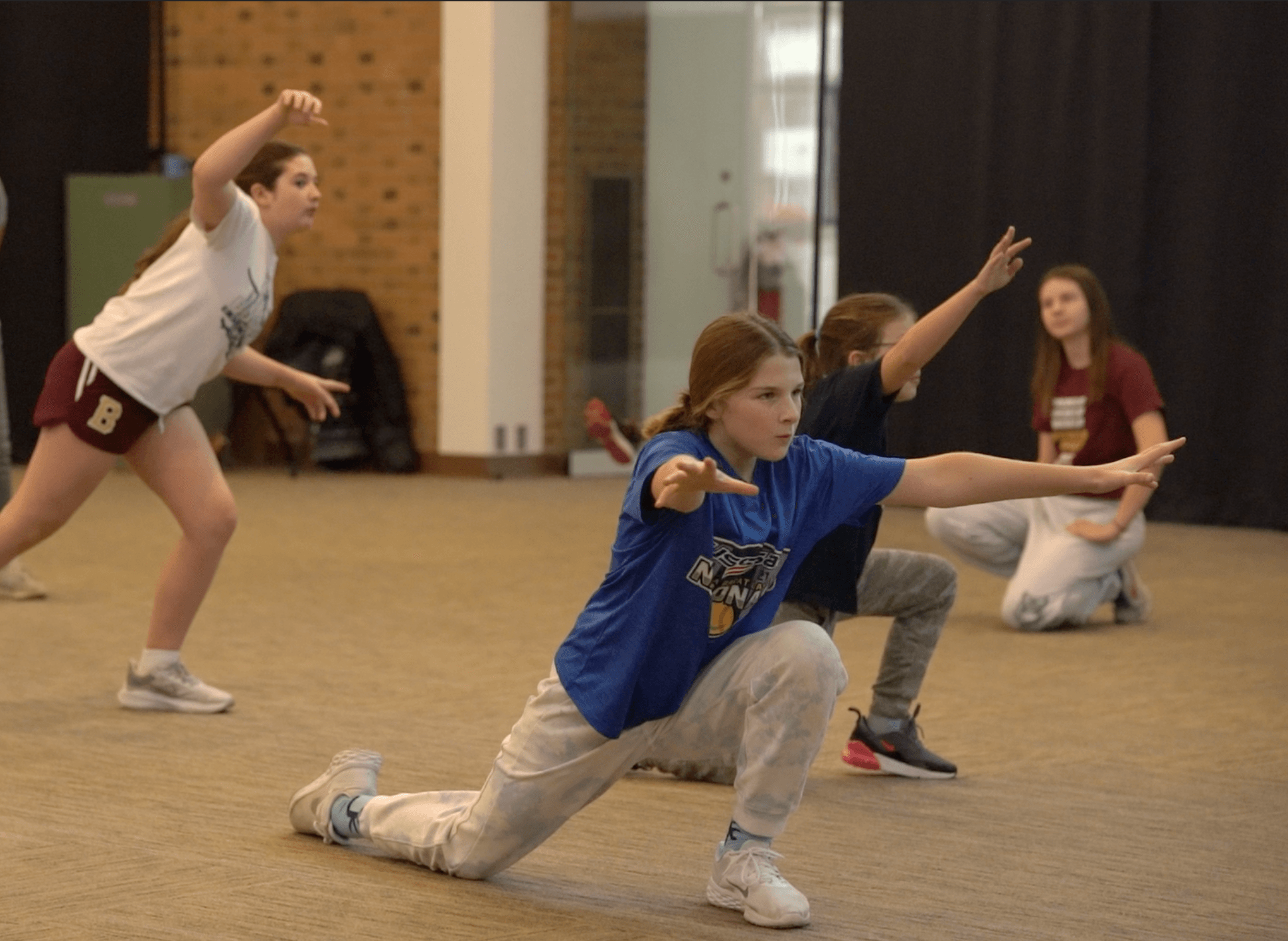
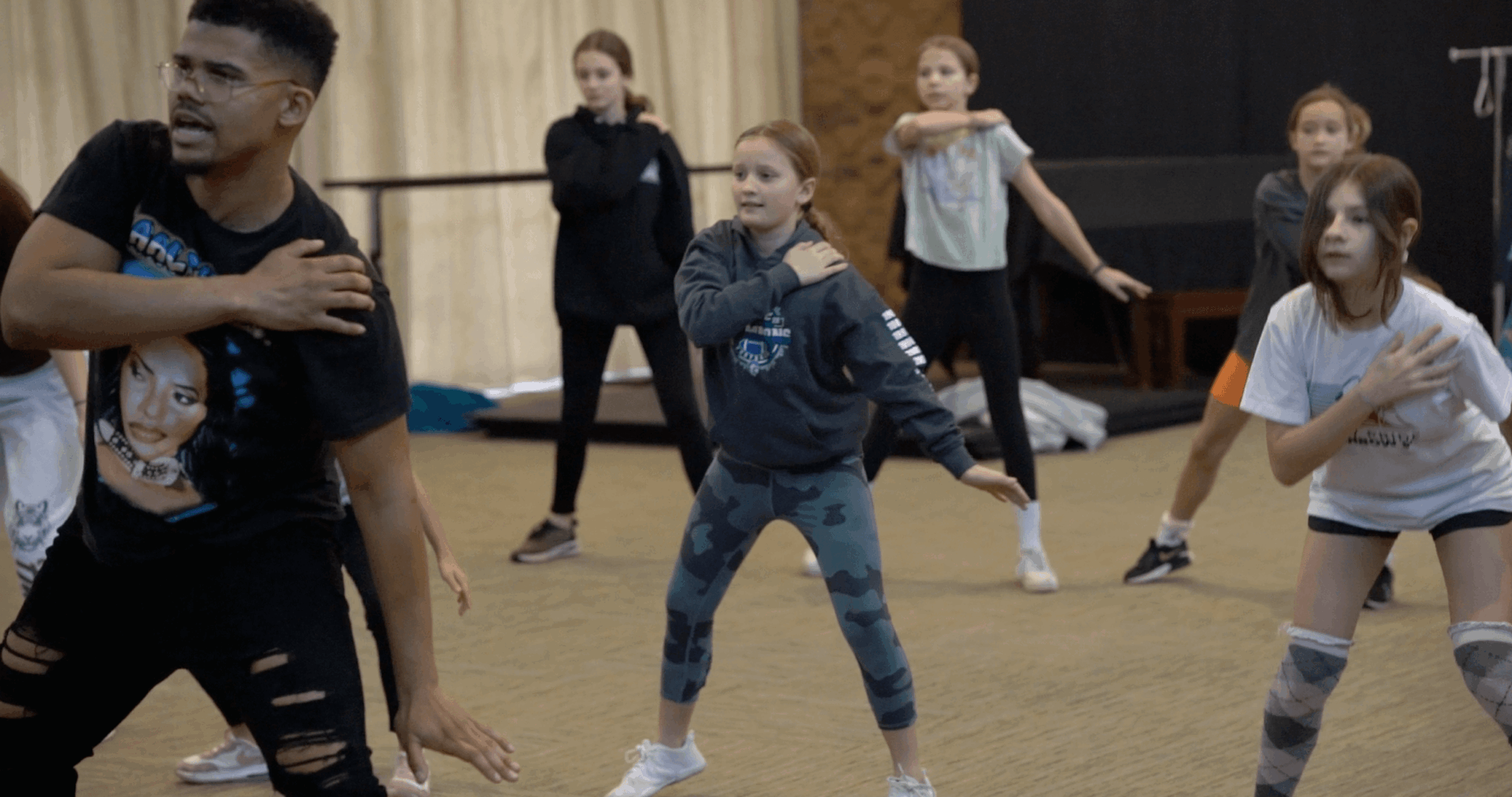
I remember one afternoon, sitting in a coffee shop after another conversation with family about finding something “more stable.” I was frustrated. At that time, I had an opportunity to lead a dance workshop for kids at a local school, but it wasn’t going to solve my financial concerns. Still, I kept thinking about the kids. The looks on their faces as they danced. The excitement when they mastered a step they thought was too hard. That joy went deeper than just having fun. I was helping them feel confident, showing them a path no one had shown me when I was their age.
That was the moment it clicked. A regular job didn’t have to mean sitting behind a desk or following a set routine. I realized I could do more than just teach dance. I could make a difference. I could show these kids that being creative wasn’t a hobby they had to leave behind when they grew up, but something they could build a future on.
Since then, I’ve embraced my role as an artist and a leader. I’ve seen how my work impacts not only the kids I teach but also the instructors I’ve hired and the other artists I’ve mentored along the way. My career doesn’t fit into the neat boxes people had in mind for me, but it’s fulfilling in ways I never imagined. I’ve seen students grow not just as dancers, but as individuals, gaining confidence and a sense of purpose. I’m proud that I’ve created a space where creativity and stability coexist.
Looking back, I’m glad I didn’t limit myself to someone else’s idea of success. I wouldn’t have been able to create these opportunities, inspire these kids, or help other artists find their own paths. I’m happy I chose a career that allows me to make an impact, build something meaningful, and share what I love.
As always, we appreciate you sharing your insights and we’ve got a few more questions for you, but before we get to all of that can you take a minute to introduce yourself and give our readers some of your back background and context?
Austin “Sirlimitless” Day, born in Indianapolis, IN, is a seasoned dancer, choreographer, and educator with over 15 years of experience. His unique style blends modern dance attributes with street-style techniques, marked by quick and staccato movements.
Austin’s dance journey began at Lawrence North High School, where he practiced with a group of dancers and choreographed pieces for school recitals. He further honed his skills at Indiana University, training with the African American Dance Company and performing with groups like Expression and Hip Hop Connection. During this time, he shared the stage with artists like Big Boi and LMFAO.
Post-graduation, Austin immersed himself in the dance scene, auditioning for shows such as America’s Best Dance Crew and engaging in street dance battles. He also became an artistic mentor for youth at the Asante Art Institute, learning the value of giving back to the community.
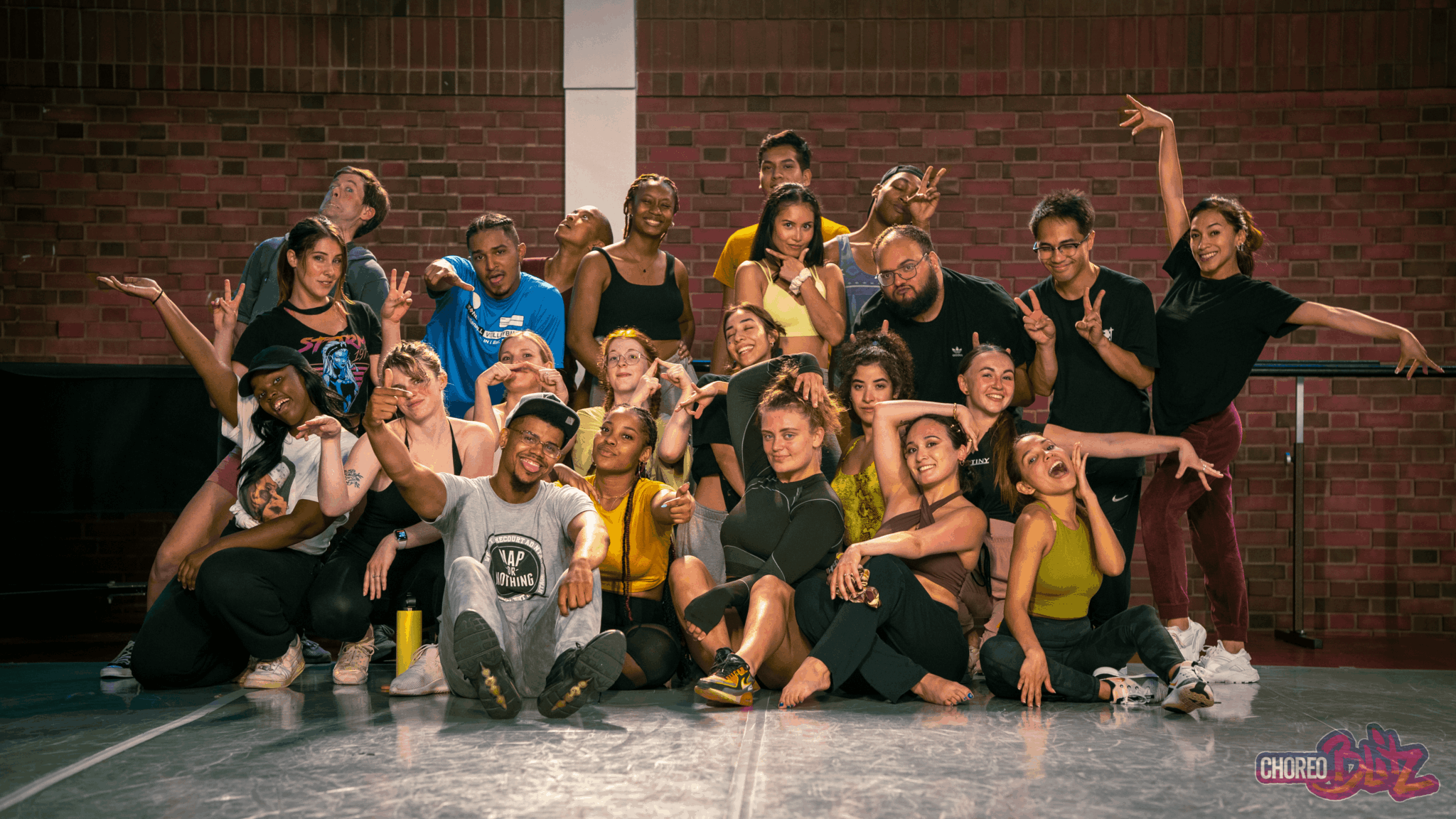
Austin founded ChoreoBlitz, a company aimed at challenging dancers with innovative programming and providing performance opportunities. Through ChoreoBlitz, he collaborated with dance companies, connected with youth programs, and performed on commercial stages. Additionally, he created classes and programs in Indianapolis, catering to diverse age groups and emphasizing a communal and challenging artistic experience.
With an impressive resume that includes performances with artists like B2K, LMFAO, and Madonna (Super Bowl XLVI), Austin “Sirlimitless” Day continues to inspire and elevate the youth in Indianapolis and the Midwest dance community. His approach, rooted in “thinking globally and acting locally,” has shaped dance programs in various studios, providing top-quality movement education to the greater Indianapolis area.
What can society do to ensure an environment that’s helpful to artists and creatives?
Society can support creatives by engaging with their local scene’s artist. Purchasing products, attending events, and sharing their work with others they feel it may impact. They can allocate funds to artistic projects that beautify the city and bring the community together. They can support efforts to empower young artists at the elementary to high school level by providing opportunities to experience the arts, practice with effective mentors, and educate them on how they can use these skills to express themselves and financially support their lives.
Learning and unlearning are both critical parts of growth – can you share a story of a time when you had to unlearn a lesson?
A change in my perspective of professional artists came when I began to work closely with them on various levels. I’ve met incredibly successful people in the industry who I was measurably better than in certain aspects. I’d also worked on more small-scale and budget projects with an artist who made me work so much harder to keep up with their brilliance. In each scenario, their success and value to their industry weren’t always determined by their skill level. You’re just as good if not better than everyone else. It allowed me to push beyond something people call “Imposter syndrome” because and allowed me to respect artists more for their attributes rather than their accolades.
Contact Info:
- Instagram: @ChoreoBlitz @Sirlimitless
- Facebook: @sirlimitless
- Youtube: Sirlimitless
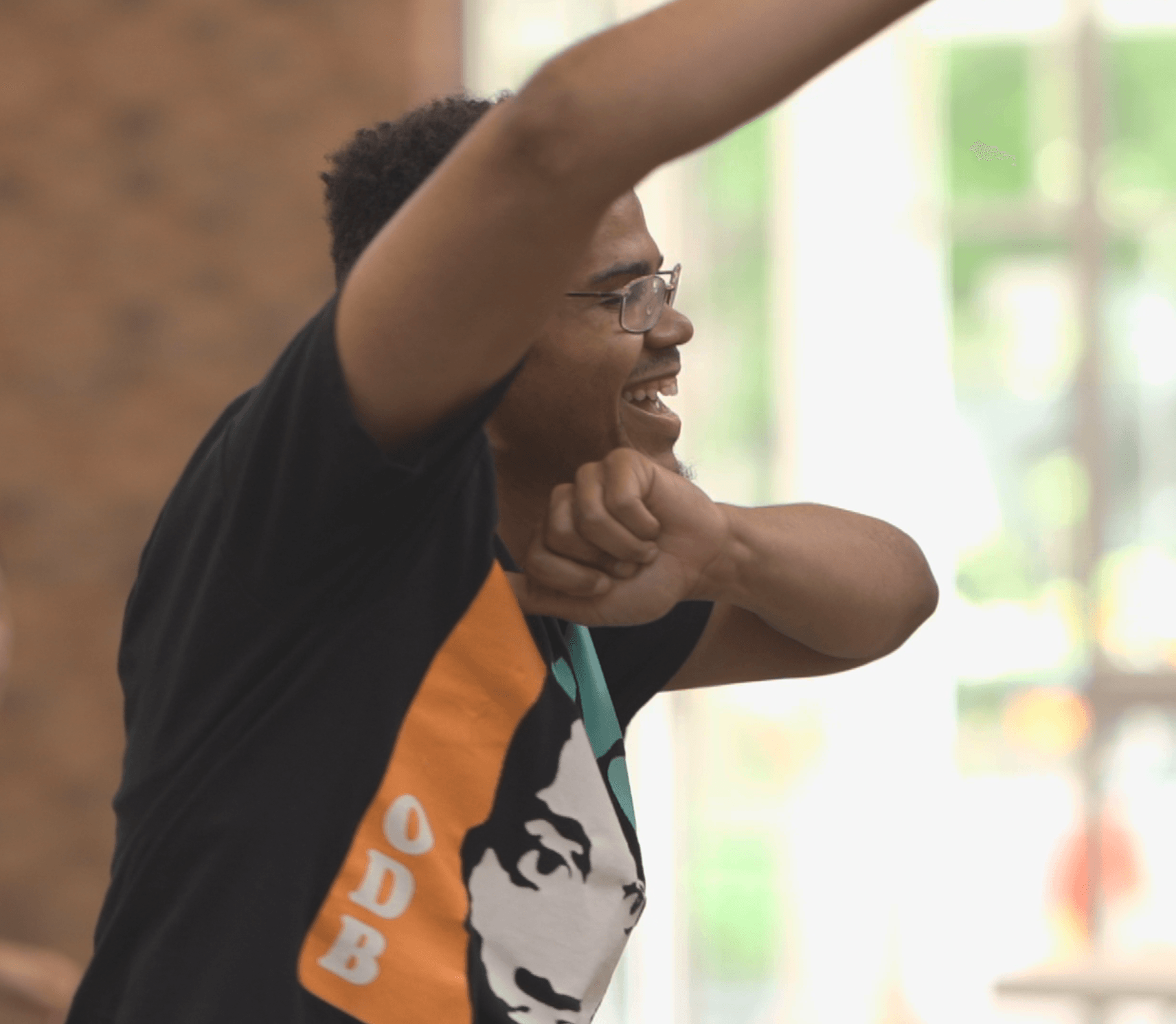
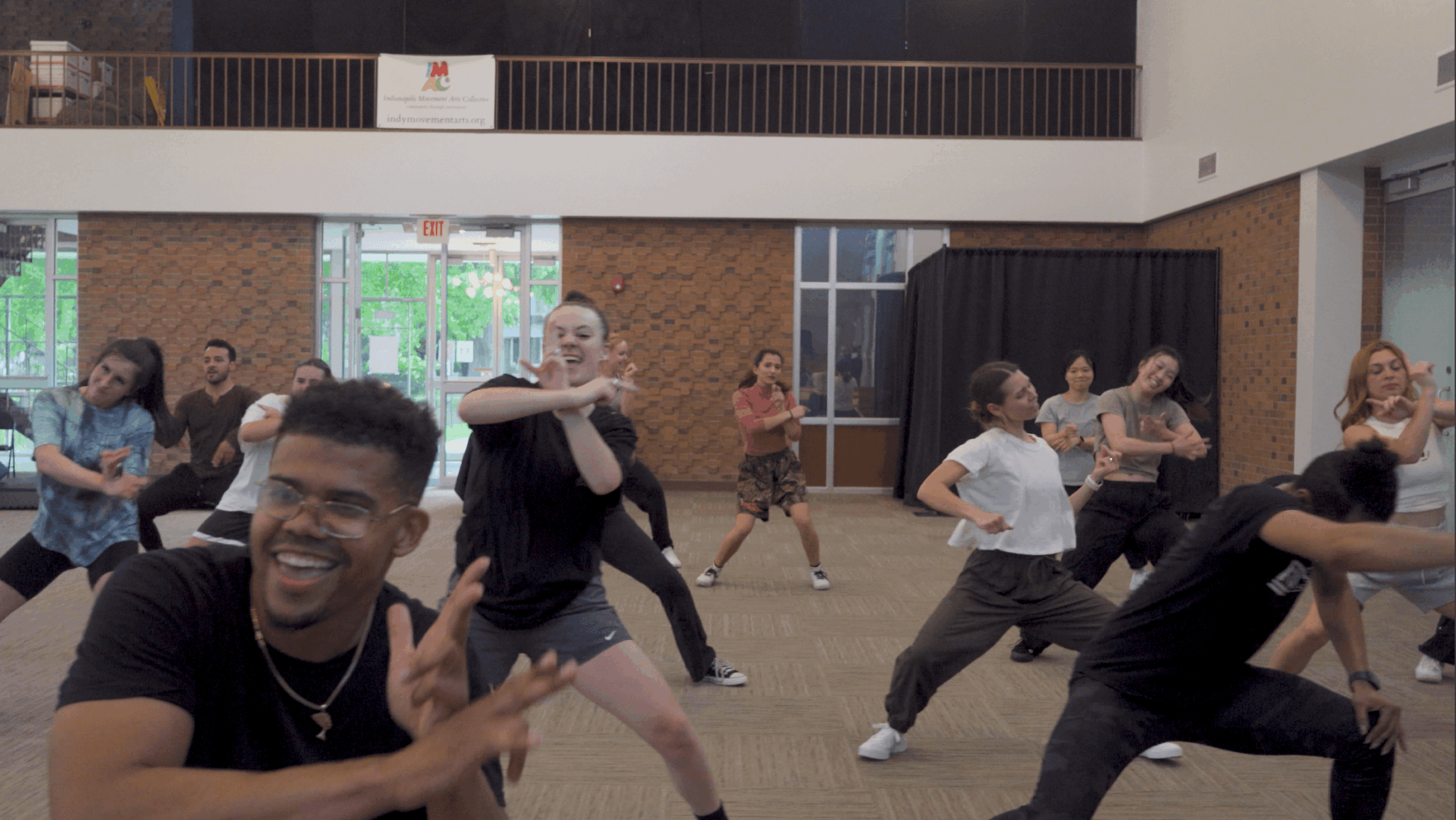
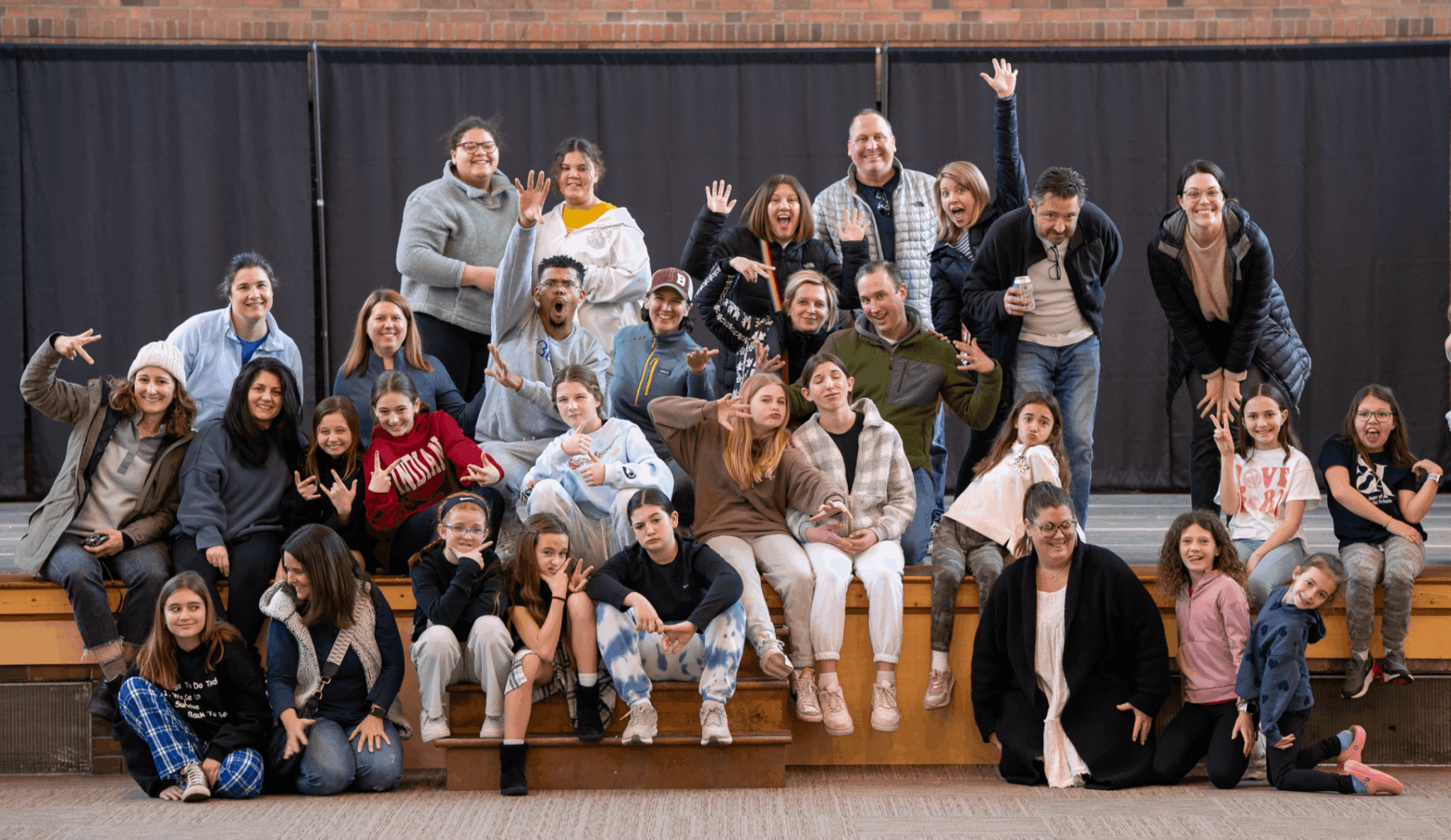
Image Credits
Alexis Taylor