



We were lucky to catch up with Asta Paredes recently and have shared our conversation below.
Asta, looking forward to hearing all of your stories today. Are you happier as a creative? Do you sometimes think about what it would be like to just have a regular job? Can you talk to us about how you think through these emotions?
I think my brain is wired differently. I’d also like to say that artists have definitely had to work “regular jobs” from time to time. That said, the way I approach things will inherently have a creative tilt and be a tad emotionally fueled. As an artist I have had to moonlight in a wide variety of survival jobs where I’ve seen first hand having a unique perspective or attitude can help pass time easier. On the other end of it I do wonder if I was in a more consistent “regular” line of work–would I be content or unfulfilled? Being an artist can be a bit like always aiming for the stars. There’s a tension to it that feels, in my opinion, aligned with mortality. A romantic drive that makes you appreciate the purpose of it all.
Great, appreciate you sharing that with us. Before we ask you to share more of your insights, can you take a moment to introduce yourself and how you got to where you are today to our readers.
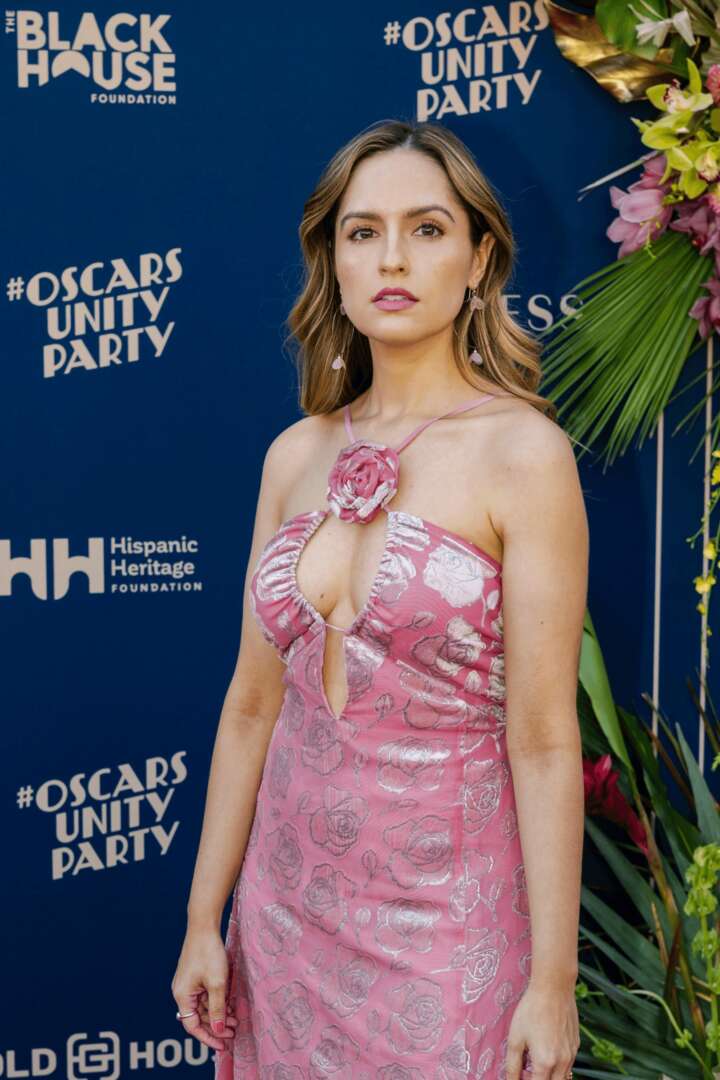
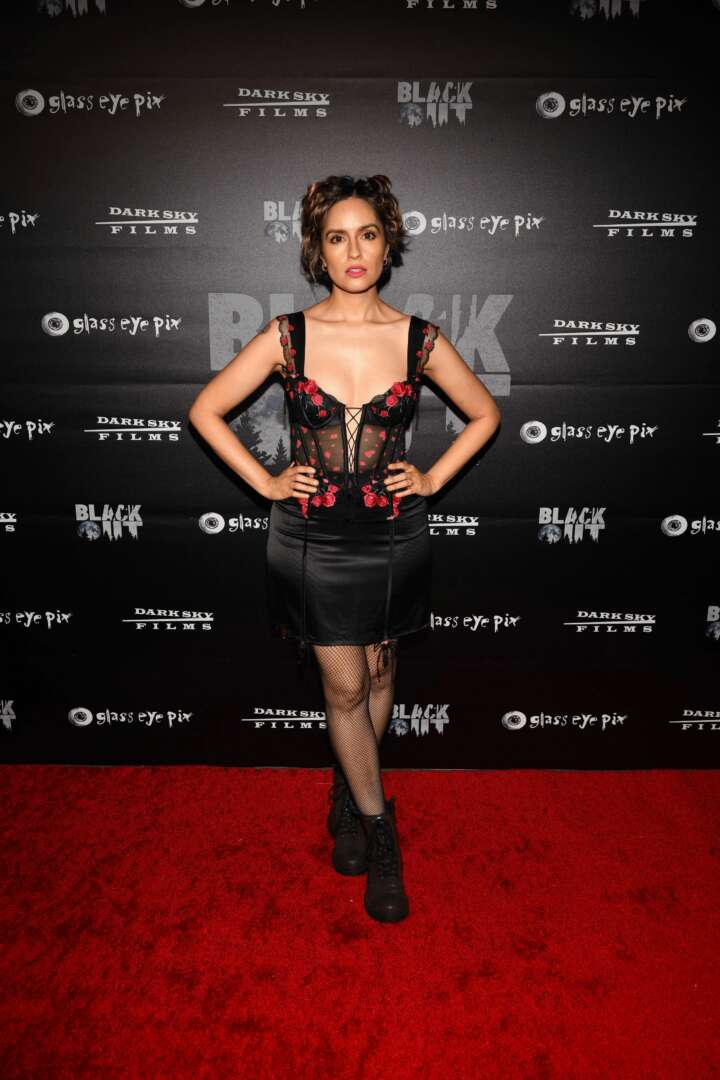
So, I’m an actress and filmmaker. When I’m not acting I’m working as a consulting producer helping to bridge gaps in everything from casting, tone, packaging and issues specific to the film. I joke sometimes that I operate like a storytelling investigator. I dig into everything about a project to ensure there is an authenticity and earnestness to it. As a performer I employ the same approach but allow myself to project it out and embody the explorations into what the project needs. I think this speaks to a part of myself that has always been curious to learn more and be more.
Early on, like many artists, I felt a desire to perform for expression and to share. This desire did have to shift over time to address my immediate needs. I needed ways to adapt, survive, and even in some cases compete. I grew up living in Europe and Texas. Very different realms. My parents raised me to see myself as a “citizen of the world”. We as a family created an identity inspired by the influences around us. As I grew up I learned to do that as a means to assimilate and joining the junior high theatre troupe was one way. An equally inquisitive group, I found open hearts where my artist self felt safe. So I performed in plays and then in competitive tournaments where acting had to be measured against others. Not unlike the real world where you audition to secure a role amongst a sea of others. Once I spent a few years in that I made the shift to pursue this professionally. I went to a BFA program studied the classics and beyond. Then I entered the real world where I needed to unlearn most of that in exchange for a modern appreciation for what art has and always meant to me as an individual. I’m proud to have been part of provocative art but also art that is fueled. So I continue to investigate the human condition, whether it be preparing for a role or participating in a full life. I work to use that as a means to make myself someone who isn’t complacent and yet grateful for the opportunities given (or sometimes taken) to me. Furthermore, I am grateful to work with organizations like Latinas Acting Up to create opportunities to connect and expand for my community.

Is there something you think non-creatives will struggle to understand about your journey as a creative? Maybe you can provide some insight – you never know who might benefit from the enlightenment.
I think it’s that it’s not easy but it is worth it. When I was in college I took courses aiming towards Pre-Med. Though I was committed to being a professional artist I felt it vital to learn outside my realm. I read two books that forever changed my perspective one was called THE MEDICI EFFECT and the other was THE ART OF HEALING. Both explored outside thinking in different ways. As a creative we often have to leave our comfort zones to embrace non linear ways of approaching issues. Traditionally people tend to see things in a straight line with marked milestones and expected cause and effect. These two books explore the discomfort that can lead to great reward. Pushing yourself to the limits could means taking that last risk leading to the defibrillator. Meeting those outside your circle could lead you to understand anatomy to better paint it like DaVinci. In short, being a non traditional thinker may have immediate issue but those lead to breakthroughs!
What’s the most rewarding aspect of being a creative in your experience?
The most rewarding thing is living a life that is full. Full of emotion. Full of projection. Full of unique perspectives. I explore it all in the name of art. Art that may have an impact because of my expanded and enriched viewpoint.
Contact Info:
- Website: https://www.astaparedes.com
- Instagram: https://www.instagram.com/astaparedes/
- Facebook: https://www.facebook.com/AstaParedes/
- Twitter: https://x.com/astaparedes
- Youtube: https://www.youtube.com/channel/UC3FfJyYi2AUP4Mfw3CYML7g?view_as=subscriber&themeRefresh=1
- Other: https://www.imdb.com/name/nm5168039/
Image Credits
Dana Patrick Photography
Andreas Branch Photography
Craig Barrit
Rome Thorpe
Tania Mejia