



We caught up with the brilliant and insightful Ashten Freeman a few weeks ago and have shared our conversation below.
Alright, Ashten thanks for taking the time to share your stories and insights with us today. What’s been the most meaningful project you’ve worked on?
The most meaningful project I’ve worked on is Anomaly.
It’s my most personal body of work and the clearest window into who I am.
People used to ask me all the time, “How can I really get to know you?” My instinct was always to say, “Listen to the music.” I’ve always been good with words, but not necessarily with saying them out loud. Writing became my therapy and my primary form of communication. Anomaly exists because of that.
Anomaly is an EP series that explores what goes on inside my head — the parts that are messy, vulnerable, funny, dark, and real. Each song represents a different emotional space:
• “Guestlist” is playful on the surface, about lining up a threesome, but underneath it’s about control, desire, and agency.
• “Strong Enough” is deeply emotional — it’s about being a mess and wondering if someone is strong enough to walk through life with you anyway.
• “Petty Boop” is my release song. It’s about messy people, fake friends, and drawing a hard boundary — choosing not to let that energy live in my aura anymore.
Each song has a connected music video, and throughout them you’ll notice a black hooded figure lurking in the background. I call them the gatekeepers. They represent the shadows I’ve seen during night terrors since I was a child — this constant feeling that something is watching, chasing, or trying to take me. Anomaly EPisode 1 represents the dark side of me, before “The Fairy” fully came into fruition.
Visually, the project tells a transformation story. In the first two videos, I’m wearing a mask — hiding, protecting, surviving. By the final video, the mask comes off. It’s me saying, enough is enough. In “Petty Boop,” the gatekeepers aren’t mysterious figures anymore — they’re fake friends, dressed in blue instead of black. It’s my version of Ashten in Wonderland — surreal, symbolic, and a little unhinged (in the best way).
Anomaly matters to me because it was the first time I let people see me without explaining myself, without softening the edges. It’s where I stopped hiding and started telling the truth — even when it was uncomfortable.


Great, appreciate you sharing that with us. Before we ask you to share more of your insights, can you take a moment to introduce yourself and how you got to where you are today to our readers.
I’m Ashten, also known as The R&B Fairy — a Houston-based singer-songwriter, music supervisor, and creative director. At the heart of everything I do is storytelling. Whether it’s through music, visuals, or live experiences, my goal is to create worlds people can feel themselves inside of.
I got into music early as a way to communicate. I’ve always had a lot going on internally, and songwriting became the place where I could say what I didn’t always know how to say out loud. Over time, that instinct grew into a career that blends R&B, soul, pop, hip-hop, and jazz influences, paired with cinematic visuals and immersive concepts. My work isn’t just about songs — it’s about building emotional experiences.
As an artist, I create concept-driven music projects like Anomaly and Sweet Nothings, where each song, visual, and performance is part of a larger narrative. As a performer, I produce intimate, whimsical live experiences like Find the Fairy, which combine music, scavenger hunts, themed décor, and fantasy elements to make audiences feel like they’ve stepped into another world.
Behind the scenes, I also work as a music supervisor and sync-focused creator, licensing music for film and television and helping productions find the right sound to support their story. With a background in psychology, I approach both music and supervision with an emotional lens — understanding how sound influences mood, memory, and behavior. That perspective allows me to solve a very specific problem for clients: helping them connect with audiences emotionally, not just sonically.
What sets me apart is that I live at the intersection of artistry, strategy, and world-building. I’m not just releasing songs — I’m creating ecosystems. My projects are designed to exist across multiple touchpoints: music, visuals, live events, sync placements, and community. I think about how a song lives in a room, on a screen, in someone’s headphones, and in their memory.
What I’m most proud of is my ability to evolve without losing myself. I took a step back from live performing for several years, expanded into sync licensing, landed placements, became a music supervisor, and built infrastructure behind the scenes — all while continuing to develop my artistic voice. Now I’m re-emerging with intention, clarity, and a deeper sense of purpose.
What I want potential fans, collaborators, and clients to know is this:
I’m here to create meaningful work. I care deeply about integrity, follow-through, and emotional honesty. Whether you’re listening to my music, attending one of my experiences, or collaborating with me creatively, you’re stepping into something thoughtfully crafted. My brand is rooted in truth, transformation, and a little bit of magic — because I believe art should make you feel seen and enchanted.


Can you tell us about a time you’ve had to pivot?
Pivoting has honestly been a recurring theme in my life. Adaptation is something I’ve always had to learn early, both personally and professionally. But one of the most significant pivots I’ve made recently was stepping more intentionally into sync licensing and music supervision.
As an independent artist, I reached a point of burnout within the local music scene. I was constantly encountering a lack of follow-through, organization, and respect for artists’ time. Promises were made that I didn’t ask for and weren’t kept. I paid for services that weren’t delivered. I found myself on the receiving end of dysfunction that drained my energy more than it moved my career forward.
One moment that really clarified things for me was live performance culture. Being asked to arrive for soundcheck at 4pm, doors at 7pm — only for there to be no soundcheck, artists showing up whenever, audiences already inside, and then being told I’d go on at 9 or 10… just to actually hit the stage at midnight. After being “on” all day, networking, waiting, and conserving energy, I’d perform and have to leave immediately — not out of ego, but because I’m a mother with real-life responsibilities and a job the next morning. From the outside, people sometimes misunderstood that, not realizing I had already given an entire workday to the process — often for free.
At the same time, I noticed a pattern where people were happy to receive my labor — singing, writing, appearing in videos, contributing creatively — without pay “for the love.” But when it was time to reciprocate, the narrative suddenly became, “I don’t work for free.” That disconnect forced me to take a hard look at sustainability.
That’s when I pivoted.
I shifted my focus toward sync licensing, where professionalism, clarity, and follow-through are non-negotiable. It allowed me to still create music I love, but within an ecosystem that values structure, deadlines, contracts, and mutual respect. That pivot didn’t mean abandoning artistry — it meant protecting it.
Ironically, that move reignited my passion. By stepping away from environments that drained me and toward ones that honored my time and skill, I found myself creating better work, setting firmer boundaries, and building a career that actually supports my life — not the other way around.
That pivot taught me that sometimes growth isn’t about pushing harder — it’s about choosing differently.


In your view, what can society to do to best support artists, creatives and a thriving creative ecosystem?
I think the most impactful way society can support artists and creatives is by valuing independent and underground work the same way they value major-label artists. Just because an artist doesn’t have a massive machine behind them doesn’t mean the work is any less meaningful, skilled, or worthy of support.
A lot of people don’t realize how little artists actually earn from streaming. Streams pay fractions of a penny, and for most independent creators, it’s not a sustainable model on its own. One of the simplest but most powerful things people can do is purchase music digitally — owning the song instead of just renting it through a platform. That direct support goes much further than thousands of passive streams.
Beyond that, supporting a thriving creative ecosystem looks like showing up. Buy the ticket. Buy the merch. Share the work. Talk about the artist the way you’d talk about your favorite mainstream act. These things may feel small to the consumer, but they’re often the difference between an artist being able to continue creating or burning out.
On a larger level, support also means respecting artists’ labor — paying fairly, honoring timelines, and understanding that creativity is work, not just passion. When artists are supported financially and structurally, they’re able to take creative risks, build worlds, and contribute meaningfully to culture.
If we want vibrant, original art, we have to invest in the people making it — not just emotionally, but tangibly.
Contact Info:
- Website: https://www.ashtenmusic.com
- Other: https://ashtenmusic.com/smart-link?brid=VeJSnekF4hA2B4qvJ_HHPQ

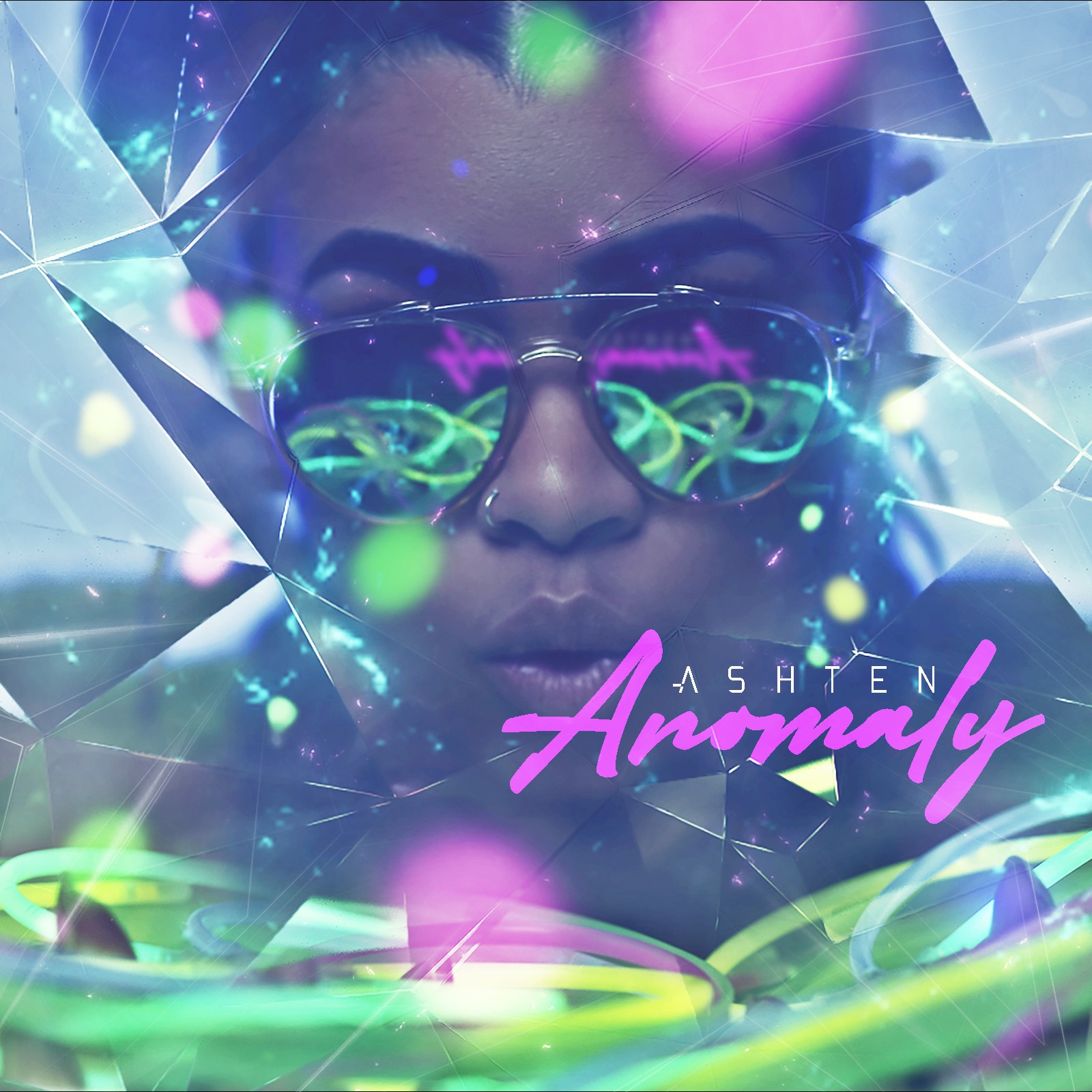
Image Credits
LeMar Freeman, The Umbrella Media Group IG: GraphicJones