

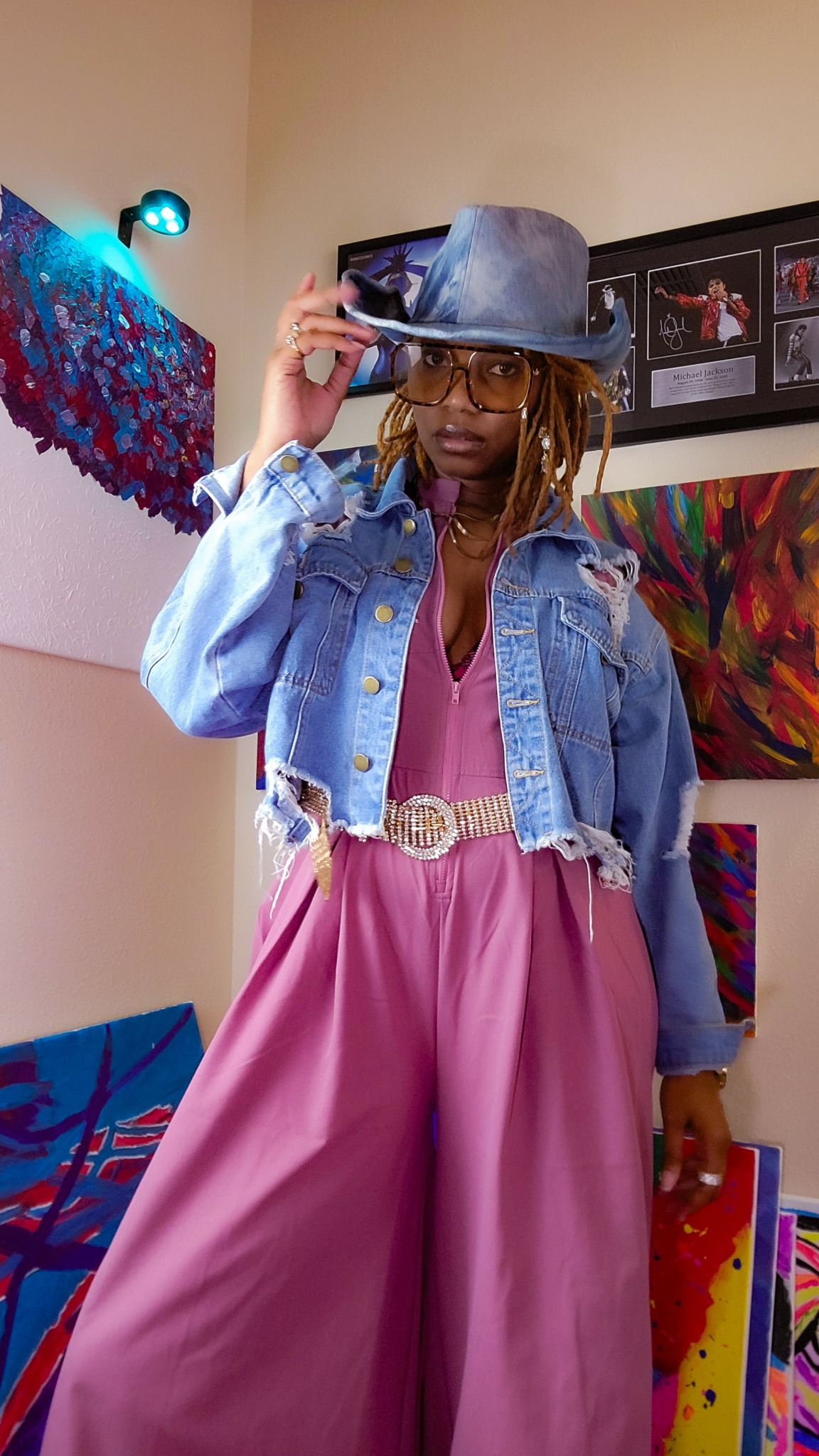

We’re excited to introduce you to the always interesting and insightful Ashley Smith. We hope you’ll enjoy our conversation with Ashley below.
Ashley, appreciate you joining us today. Alright, so you had your idea and then what happened? Can you walk us through the story of how you went from just an idea to executing on the idea
Honestly, it didn’t start as a business plan — it started as pressure.
I kept having ideas that didn’t fit neatly into anyone else’s box. Music ideas turned into worlds. Worlds turned into systems. And every time I tried to squeeze that into a traditional role, something felt off. So the idea wasn’t “I’m going to start a business.” The idea was, I need a structure that can hold the way my mind works.
The next day wasn’t glamorous. It was a lot of notes — voice memos, sketches, half-written frameworks. I started naming things. Once you name something, it stops being abstract. It becomes real enough to build around. That was step one: language.
From there, I spent months studying patterns instead of trends. I looked at how music, fashion, and culture actually move — not how people talk about them online, but how influence really spreads. I asked myself what was missing, and the answer was always the same: ownership of vision from start to finish.
The execution phase wasn’t fast. I had to figure out infrastructure — how to protect IP, how to separate art from operations, how to build something that could expand without me burning out. I didn’t launch by announcing anything; I launched by testing quietly. Small experiments. Private releases. Conversations instead of campaigns.
The biggest shift came when I stopped trying to pitch the idea and started living inside it. Once the world was clear to me, everything else followed — collaborators, language, strategy, direction. The business didn’t grow because I rushed it. It grew because it was coherent.
So the process was less “idea to execution” and more “idea to system.” I didn’t wake up one day as a founder. I woke up one day and realized the thing I was building already existed — it just needed a name, boundaries, and the courage to stand on its own.
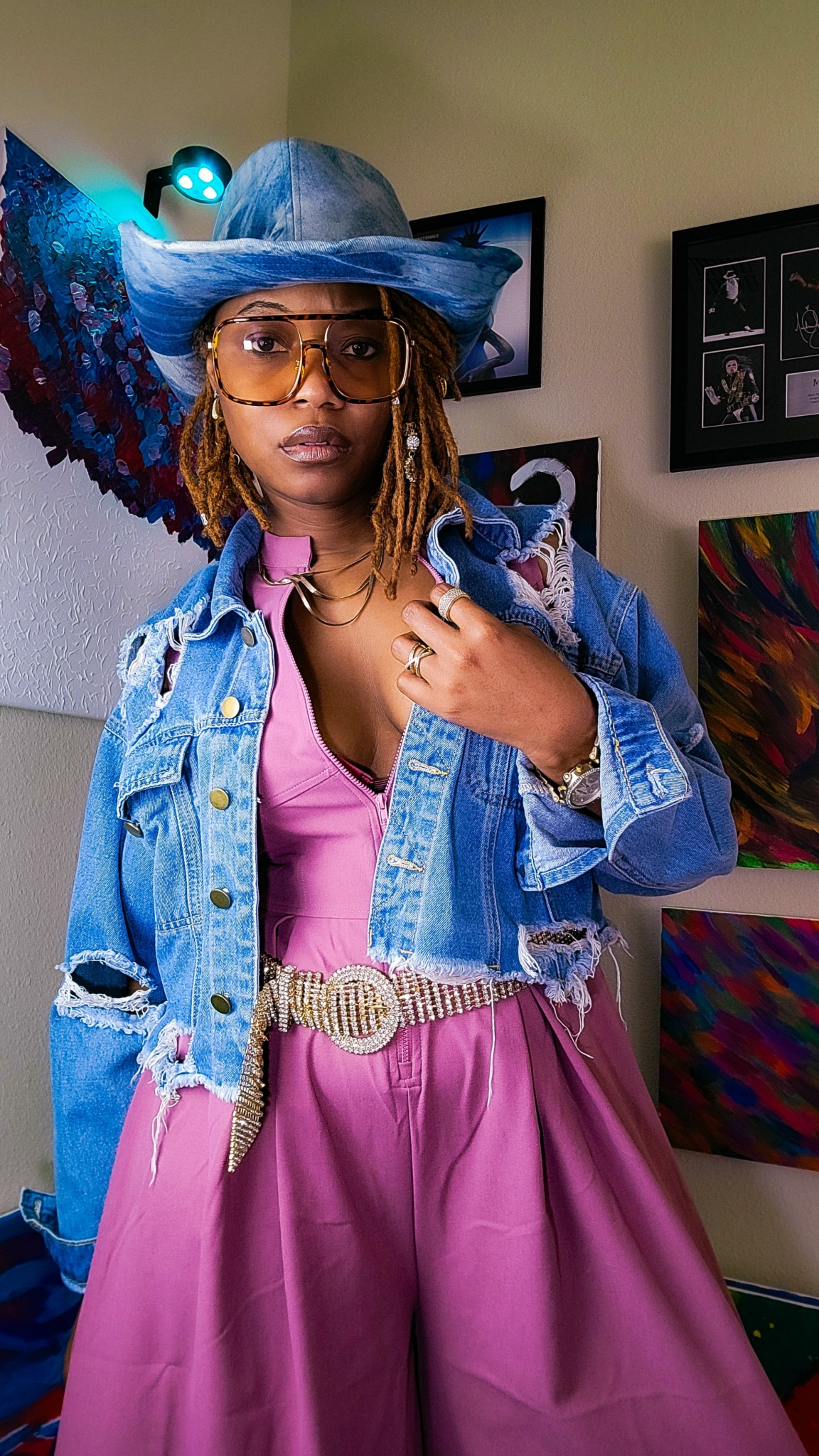
As always, we appreciate you sharing your insights and we’ve got a few more questions for you, but before we get to all of that can you take a minute to introduce yourself and give our readers some of your back background and context?
At my core, I’m a music executive and creative architect. I work at the intersection of sound, culture, and systems — not just making things, but building the structures that allow creative ideas to live, scale, and last.
I got into this work the long way — through proximity, pattern-recognition, and repetition. I’ve always been close to music, but what pulled me deeper wasn’t just the art itself, it was the machinery behind it. I noticed early on that a lot of talented people had vision but no infrastructure, and a lot of infrastructure existed without real vision. I sit in the space between those two.
What I provide isn’t a single product — it’s an ecosystem. I develop sound worlds, creative frameworks, and cultural strategies that help artists, brands, and collaborators move beyond one-off moments into something cohesive and ownable. That can look like music projects, brand worlds, campaigns, or long-term creative direction — but the throughline is always the same: clarity, ownership, and longevity.
The problem I solve is fragmentation. Too many creatives are forced to separate who they are from how they operate. I help bridge that gap. I build systems where creativity isn’t an afterthought or a service — it’s the engine, protected by structure and strategy. That’s what sets me apart. I’m not here to decorate ideas. I’m here to architect them.
What I’m most proud of is building work that doesn’t rely on hype to survive. Everything I create is designed to age well — sonically, visually, culturally. I care about legacy more than virality. I’m intentional about protecting IP, honoring lineage, and making sure the work feels grounded even when it’s futuristic.
What I want people to know about me and my brand is simple: this is not fast food creativity. This is slow-cooked, well-built, and intentional. I’m not chasing trends — I’m building worlds. If you engage with my work, you’re stepping into something that’s been thought through, felt deeply, and designed to stand on its own.
What’s a lesson you had to unlearn and what’s the backstory?
One of the biggest lessons I had to unlearn was the idea that being talented meant being available.
Early on, I thought access was opportunity. I believed that if I stayed open, helpful, and flexible, the right doors would naturally open. What I learned the hard way is that constant accessibility doesn’t build respect — it dilutes it. When everyone can reach you, no one really values your time, your ideas, or your boundaries.
The backstory is simple. I spent years being the person people came to when things were unclear — creatively, strategically, structurally. I could see the solution fast, connect the dots, and help move things forward. But too often, I was solving problems without being positioned as the owner of the solution. I was contributing vision without holding authority.
The unlearning came when I realized that clarity without containment leads to burnout. So I started building boundaries — not walls, but systems. I stopped giving away the architecture and started defining the terms of engagement. I learned that protecting your vision isn’t ego; it’s responsibility.
What changed everything was understanding that access should follow alignment, not the other way around. Once I made that shift, the quality of collaborations improved, the work deepened, and the business finally matched the level of the ideas.
That lesson reshaped how I operate. Now, I’m intentional about where my energy goes and how my work enters the world. The result isn’t less opportunity — it’s better opportunity
Can you share a story from your journey that illustrates your resilience?
One of the clearest examples of my resilience isn’t tied to a big win — it’s tied to what I did when there wasn’t one.
There was a stretch where opportunities slowed down almost completely. No active artists. No obvious next move. No external validation to tell me I was “on the right track.” And that was hard, because earlier in my journey, movement — any movement — used to feel like progress. If something came across my desk, I’d find a way to make it work.
This time, instead of panicking or filling the silence with the wrong work, I stayed still on purpose.
Resilience, for me, looked like resisting the urge to downgrade myself just to stay active. It meant saying no to roles I’d outgrown, even when nothing better was immediately replacing them. It meant doing the unglamorous work — organizing ideas, tightening language, protecting future IP, and building clarity — without an audience or a guarantee.
There were moments when it would’ve been easier to call it a pause, or even quit quietly. But I understood that if I collapsed my standards during that season, I’d eventually rebuild the same problems I worked hard to leave behind.
What kept me going was the belief that quiet doesn’t mean empty. Sometimes it means you’re being trusted with preparation instead of performance.
That period taught me that resilience isn’t always loud. Sometimes it’s choosing alignment over urgency, patience over panic, and long-term integrity over short-term reassurance. And I carry that lesson into everything I build now.
Contact Info:
- Website: https://Talented10thent.com
- Instagram: https://www.instagram.com/ashleyautumn03?igsh=MWNxMG1zb2tjZGF5Mw==
- Linkedin: https://www.linkedin.com/in/ashleyasmith03?utm_source=share&utm_campaign=share_via&utm_content=profile&utm_medium=android_app