
We were lucky to catch up with Ashley Seay recently and have shared our conversation below.
Ashley, thanks for taking the time to share your stories with us today Did you always know you wanted to pursue a creative or artistic career? When did you first know?
I’ve always known that I would be an artist! When I was a child, I dreamed of being an accomplished artist, and making a living by selling my work and traveling around the world. I would draw all over the furniture, walls, floor, my mother was very frustrated with me all the time! My grandmother told her that she should buy me coloring books, and to nourish my artistic talents by celebrating them instead of punishing me. To this day I’m thankful to my grandmother for telling her that, lol. As I grew into a preteen I would draw in my sketchbook and carry art supplies everywhere I went. It relaxed me, and I still continued to draw everywhere. I recently had an old classmate tell me that they remember me drawing on the bus and in class. I really didn’t care; it was therapeutic for me. In high school I decided that I did indeed want to go to college for art. There was also the option to go the trade route for high school. I wanted to take a woodshop class, but I couldn’t take it unless I switched to the trade path. My mom wasn’t having me not going to college, so I couldn’t switch. She also sat me down and told me that I had a math related learning disability (hairline?). This was a complete shock to me, and my first time hearing that term. I knew that I was different, and had challenges learning, etc., but actually hearing was a shock. Apparently, my whole life I was entered into an IEP and speech program and didn’t know what it was for until now. I was asked if I wanted to be in the remedial high school class, and I immediately told her no. I will figure it out on my own. I almost didn’t graduate due to a math class. Luckily my classmate helped me study outside of class, and I was able to understand and graduate.
After graduation, I choose to stay close to home and family and was later accepted into Middle Tennessee State University. At first, I chose to learn graphic design, but I quickly learned that I wanted to create more with my hands and be in a studio environment. Not long into my freshman year, I had failed all of my classes. I realized that there may really be something wrong with me, so I had myself tested and registered with the campus disability services. They told me that I was on the edge of being mentally retarded and had a learning disability (this would later be an incorrect diagnosis). I was devastated and depressed hearing this. It was even harder to study, and in certain classes I did really well, and all the others I did horribly bad. I had no idea how to study the right way, or who to reach out to for help with my mental health.
I ended up changing my major to Studio Art with a concentration in printmaking. Printmaking really interested me, and I could tell that I would love it. I took screen printing, and kind of struggled with all of the different techniques that I had to learn. Right next door to my classroom was the block printing class. I remember looking through the glass wondering, “what are they doing in there? It looks really cool”. The class was only offered once a year, and I would have to wait until next summer to take it. This was my first summer class and I loved it! The work was hard, being that we had to carve wood blocks for eight hours a day for a whole month, although I was able to focus and really retain what I learned. For homework I would work on my block even more, leaving lots of wood carvings all in my carpet. During this time, I still didn’t have an art style, but I thoroughly enjoyed learning and expressing myself creatively. After the class was over, I knew that I wanted to continue this path of block printing. However, the supplies and equipment were very expensive, and not being financially able to continue at the level I was in school discouraged me.
After 4 years of college, I ran out of financial aid. Life started to be very difficult, as I was job to job since I had to leave college due to financial and mental health issues. I tried adulting on my own and struggled every bit of the way. I tried therapy and medication, and the medicine just made things worse. For three years I was in a deep depression and didn’t create any art. I couldn’t keep a job for more than a few months and had to move back home. I put all of my art into the attic. Until one day, I got tired of depression, pity parties, not having any friends, and not living the life that I knew that I was blessed with. So, after those three years I was fed up with myself for letting it continue for so long. I felt as though I had wasted time, and there was no more time to be wasted. The year was 2017, and in that year, I declared that I am an Artist, took all of my block prints out of the attic and opened up my studio. I applied to an art show at Vanderbilt University on an old cell phone, while sitting on an air mattress with loose seams in my mother’s house. Who knew that the attic art was that good? I got accepted and was shocked. The show was called, “Ambassadors of Autism”. I wasn’t autistic, (so I thought…) and applied anyhow. It was a great experience that boosted my confidence. I also started networking and traveling to Nashville. There was an event called, “Portfolio Day”, that my friend Joseph Bazelais told me about, where you can bring your portfolio for review by accomplished artists in the North Nashville community. Joseph has helped me a great deal with his organization Ether and Career Catalyst, and also informing me of opportunities that could possibly help me. I happily packed up my discolored ’94 Honda accord with paintings and block prints from my college days. I had gotten there late (traveling from Murfreesboro), and there was one artist left who could review me. This was my first time meeting one of my future mentors, Elisheba Mrozik. I showed my paintings first, and she gave me some really good advice on how to improve my technique and be a better artist. DoughJoe was there as well and overheard our meeting. When I pulled out the block prints, she said, “Stop! Forget everything I just said. This is what you need to work on and pursue from now on!”. I was like wow; this is amazing feedback. Then DoughJoe comes across the room saying, “You had these the whole time?! It was at this moment that I heeded their advice and made a vow to myself that I would be the best block printing artist I can, by any means necessary.
Since 2018 I have led art talks, workshops at museums and universities, won an award, printed blocks live at events, and create custom commissions. Fast forward to October of 2023, I decided to test myself again, due to hardship with jobs and trying to figure out what is going on with me. I was then diagnosed with Autism and ADHD. I still struggle with employment and finances, but at least now I have an idea as to why. At first, I was upset about it and didn’t tell anyone. It took months to be able to even tell someone, let alone a magazine (progress!). I’ve been told more than once that I have a story to tell. Well, this is some of it, and I’m finally comfortable enough to share it without any shame lol. I realize now that it is a part of me, and it changes nothing. I am who I am. If anything, it gives me clarity on why I’m so creative! I will continue to live my life as I have and be as creative as possible in this lifetime.
Great, appreciate you sharing that with us. Before we ask you to share more of your insights, can you take a moment to introduce yourself and how you got to where you are today to our readers.
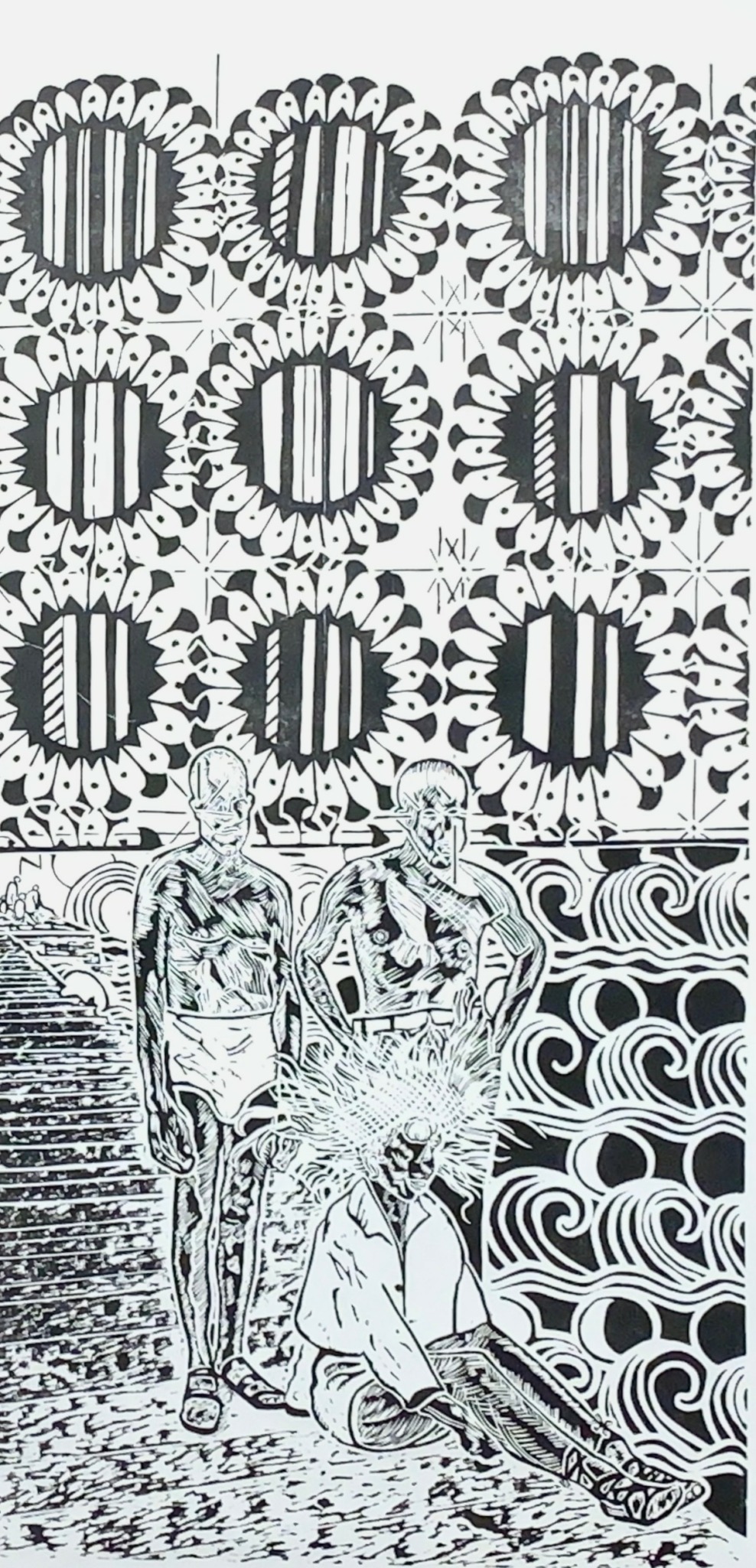
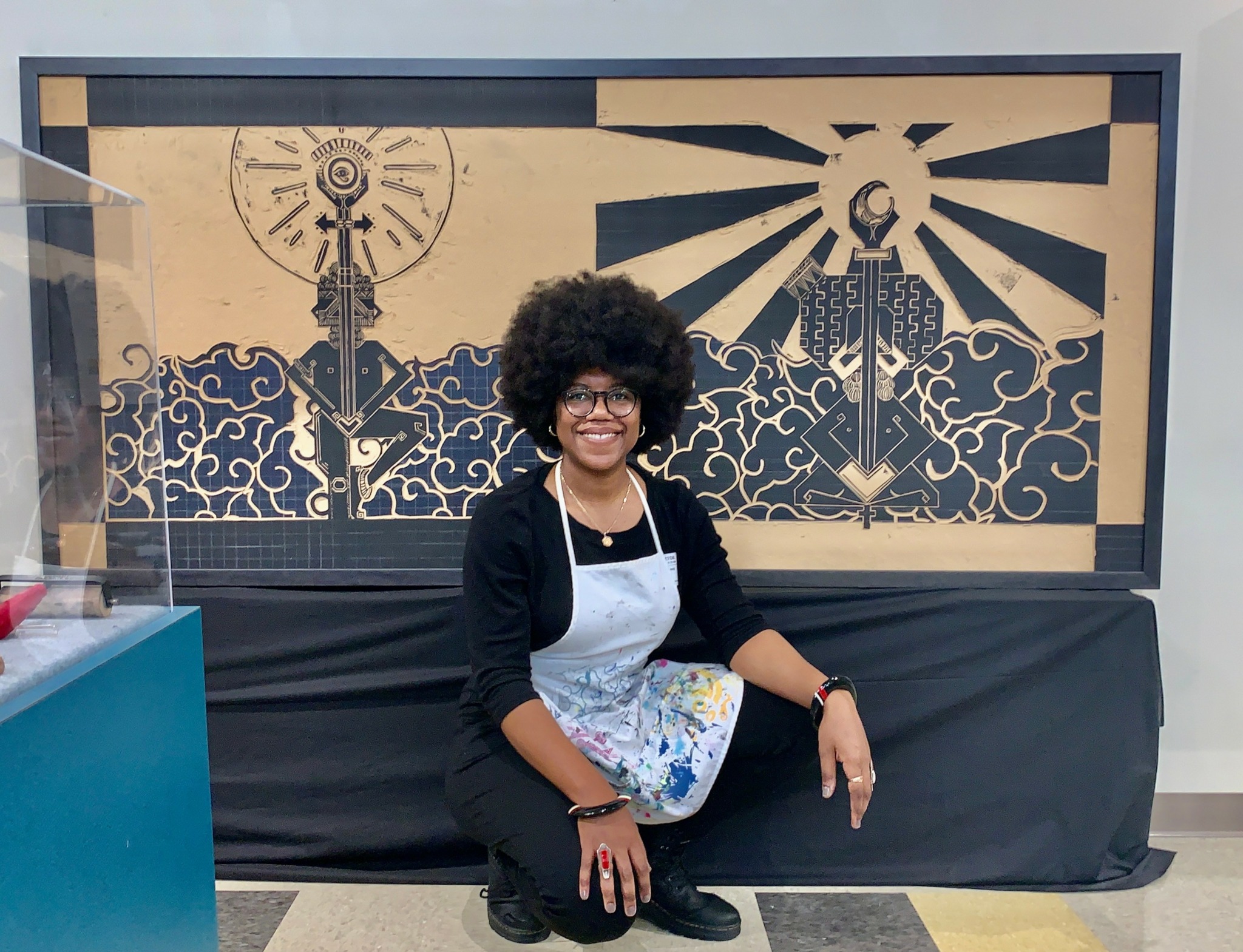
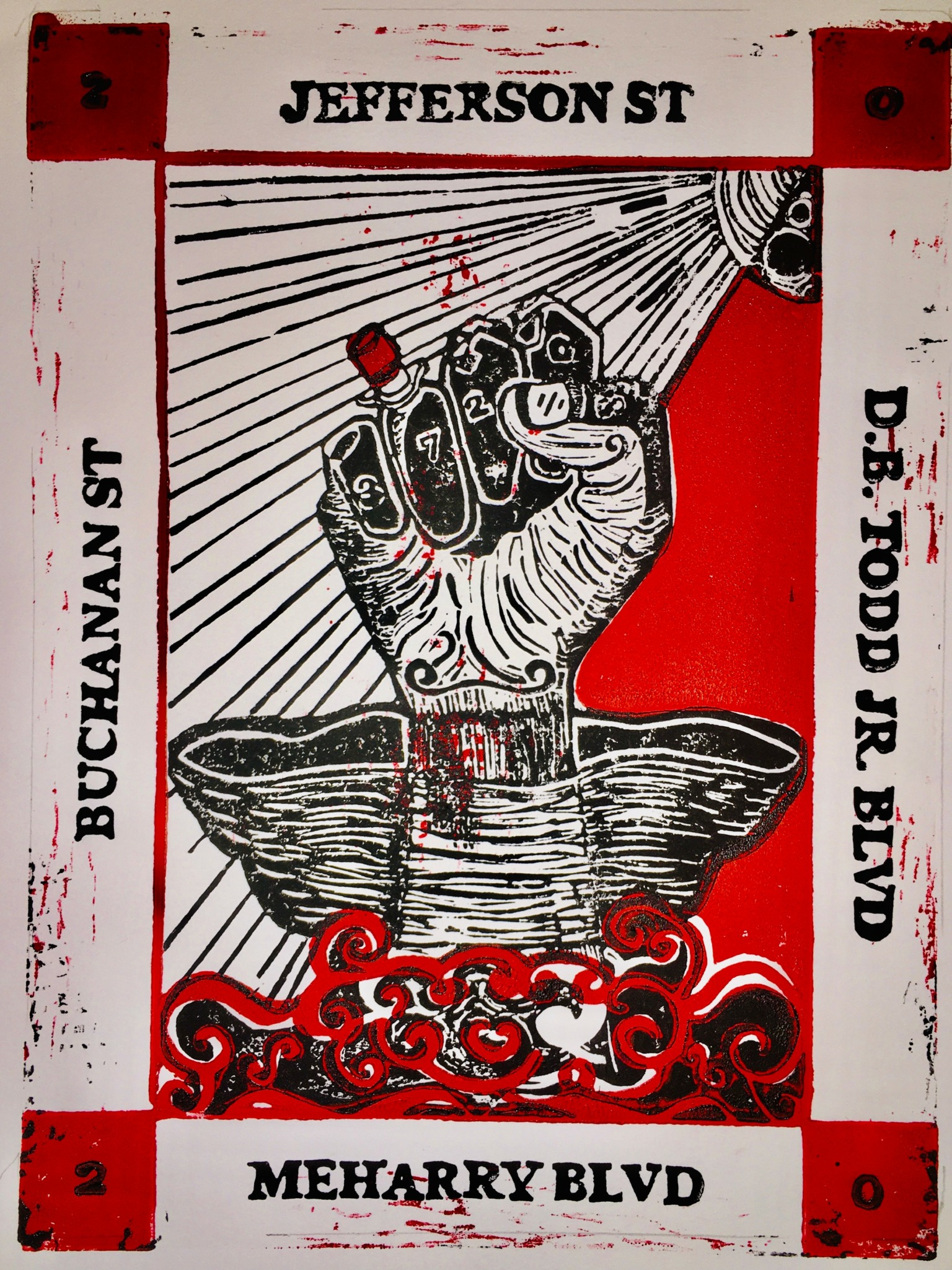
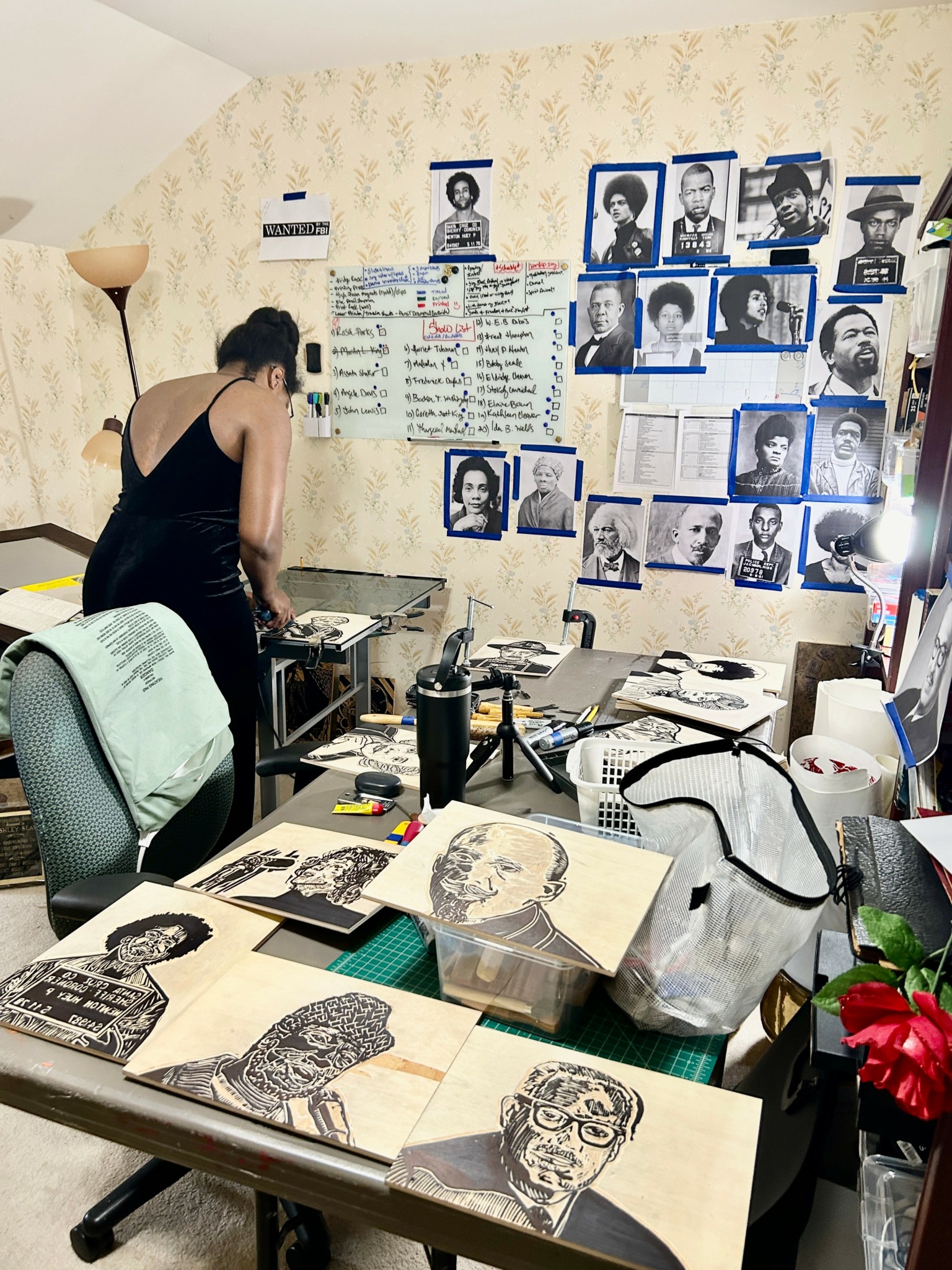
I am the owner of Relief Printmaking Studio, which offers original art with a focus in woodblock printing, custom logo woodblocks, wood sculpture and design, pattern design, and fabric printing. The studio’s motto is to produce “relief you can see and feel”. I have over 10 years of experience in the printmaking medium. Woodblock printing is how the first newspapers, books and bibles were produced. My artwork is inspired by history, culture, nature, Ancestors, Universe, and family and friends. Recently I was an artist in residence with Metro Nashville Public Schools. I led a course at Cane Ridge High School, and two classes at the Nashville School of the arts. I also won third place at the Best of Tennessee Craft Exhibition, featured and taught at the Frist Art Museum, National Museum of African American Music, Tennessee State Museum, Belmont University, and Cheekwood Mansion. I am very passionate about mental health advocacy, helping others and being creative in every way possible. In my free time, I enjoy creating art, listening to music, retro RPG gaming and console collecting, roller skating, watching anime and movies, and being active outdoors. My favorite season is summer, and gold is my favorite color.
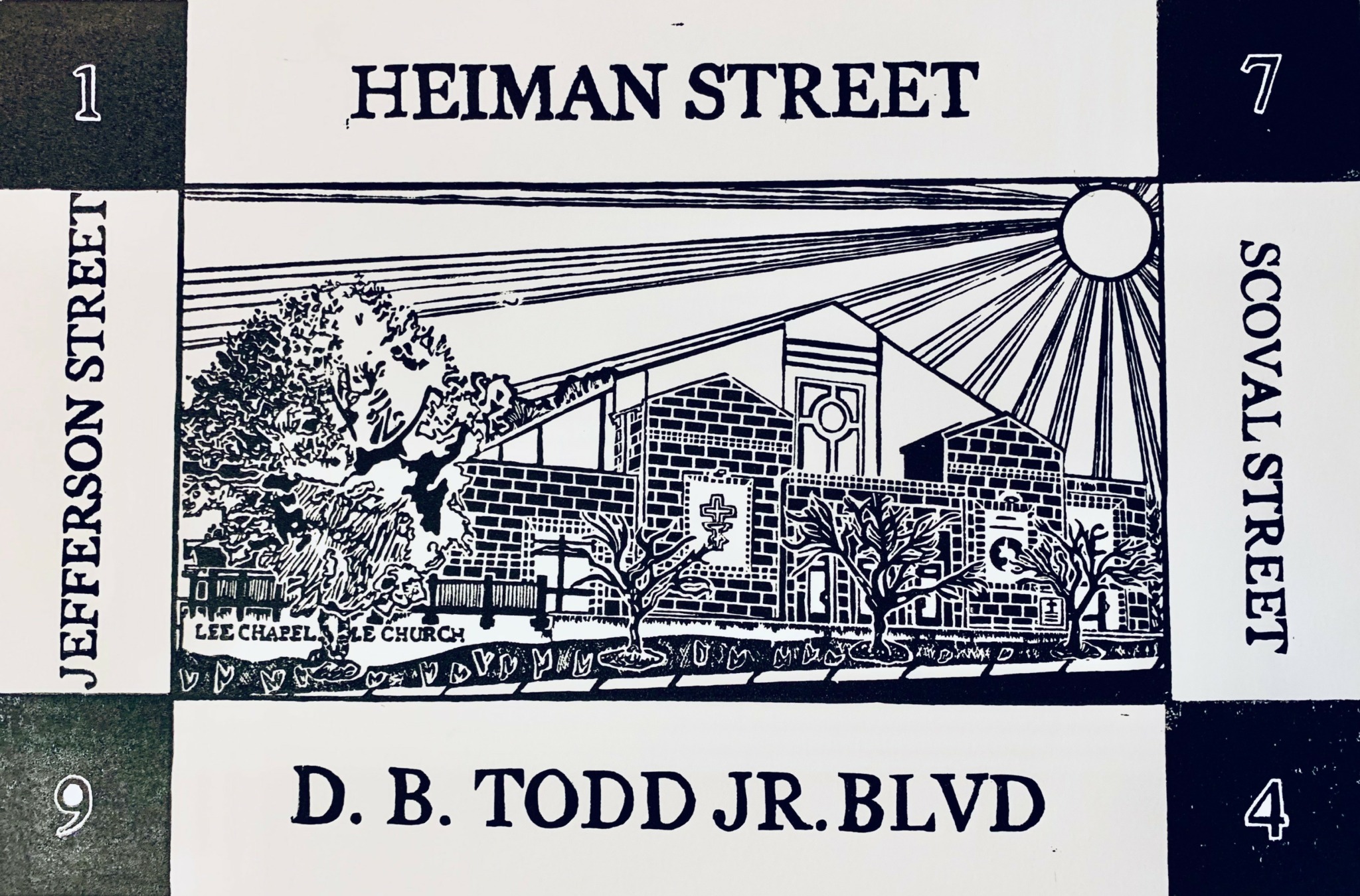
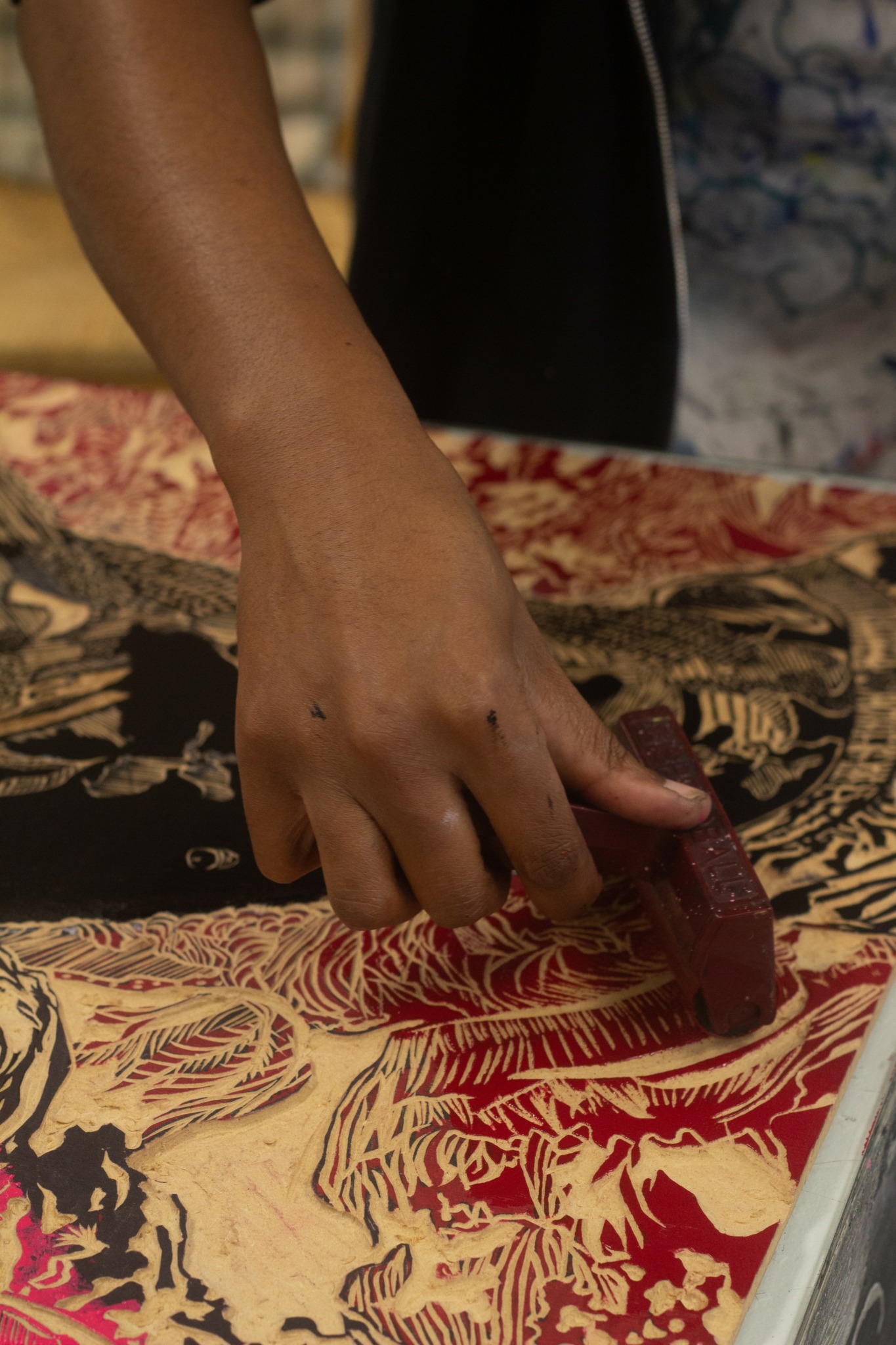
Taking a block printing class at MTSU was how I began my journey with relief printmaking. Relief printmaking means that the print will print in an opposite orientation, or a ‘mirror image’ of the block. This means that if I want words or the left side of a face to print the right way, I have to carve it backwards or flip it. My services include custom hand-carved and printed wood blocks, Carved 2D sculptures, baby footprint block prints, portraits, logo blocks, or a block of passed loved one’s and/or pets. Basically, I can carve anything, especially if you have a photo reference for something specific. The blocks vary in size, I have carved from as small as a 2 in x 3 in to 8 feet wide! This gives me the ability to accomplish large scale projects, panels, and block printed murals as well. Logo blocks can be your business’ logo, hashtag, or a family crest. Once a commission is ordered we then have a meeting to discuss the project details, I carve the block, print it by hand or printing press, and deliver or mail the print to you. Purchasing just a block is an option as well, which can be framed as a sculpture piece!
The problem that I solve for my clients is cutting out the middleman. Everyone loves t-shirts, right? Blocks can print on fabric, as long as you use the correct ink. When I complete a custom block for that intent, I have a consultation with them and show them how to print it on the shirt/fabric THEMSELVES. All they have to do is follow the instructions and purchase the ink I recommended. I sometimes throw in complementary tools or ink in the service price, so that they have everything they need to continue creating. The result is having a custom printed shirt, etc, that they didn’t have to pay per print for. What I mean is, when you go to a screen print shop, they ask you what you want, and where you want it. Each placement of the image will cost you, plus the shirt itself. Imagine how much it will be if it is a small, repeated image all over the shirt! If you commission a custom wood block and want to learn how to do it yourself (and save some $), then this is a great option. It also cuts out the middleman.
My services, art style, professionalism and knowledge set me apart from others. Art is an expression of the soul, and I believe that we should always keep that in mind when we create. I am most proud of myself, and what I have achieved thus far. Each and every day I wake up I strive to be a better person and artist than I was yesterday.
What can society do to ensure an environment that’s helpful to artists and creatives?
First of all, society needs to respect and recognize artists in the same aspect as a lawyer, doctor, or scientist. When they issue their prices, terms and conditions, do we question the doctor, or tell the lawyer that their prices are too high? If we were to receive the same respect and support as they do, the term “starving artist” wouldn’t exist. There needs to be more financial and housing support, along with more opportunities so that we can make a living and not have to work a 9-5. People don’t realize how not being in your element as an artist and forced to work a job you hate takes a toll on mental and physical health. Not to mention the artwork suffers greatly.
As an autistic / ADHD art educator I cannot afford to live in Nashville, nor can find housing. Nashville is where the majority of my work and opportunities are.
Questions that I have for the Metro Nashville government: Is Nashville not the music city that supports artists? What does it say about Nashville if the artists, musicians and teachers cannot afford to live here? Is this still considered Music City if the majority of the artists and teachers had to move out due to high rent and gentrification? What are your plans to remedy this? What programs or support can we come up with to help artists who deal with mental health?
History would suffer greatly without artists. We would have no cave drawings or sketches of the past to show us how people looked like and lived. After all the contributions artists have given to the world, we are not as respected, and art programs are the first to get cut in schools. I experienced this at my old elementary school and had to keep myself busy for years until I had another class. Most people give up on art when things like this happens. Also, art therapy should be more available and talked about. I think that it would help so many people with mental health, especially those who have an aversion to traditional therapy. Degrees in Art Therapy are expensive, and so are the sessions. Therapy in general is as well. This is a huge problem for those who have a financial need.
If we answer these questions and implement these suggestions into society, the world would be in a much better place.
We’d love to hear your thoughts on NFTs. (Note: this is for education/entertainment purposes only, readers should not construe this as advice)
I’ve been asked about this subject many times. A lot of us in the artist community either support it (within reason), or completely reject it.
For me, having an NFT of my work defeats the purpose of the traditional way that block prints are made. Block prints are hand-carved, hand printed, which is very hard and intense labor. This also includes a lot of mental labor as well. To do all of that, then reduce it to a digital image, negates all of my hard work. This is because someone who isn’t knowledgeable of block prints and history will look at my print and assume that it is a painting. So, why even bother at that point?
This is my personal opinion, and I have no issues at all with NFT’S. I just think that they don’t serve every art form the way people think it does. I would personally argue that it works better for digital works than traditional studio artwork.
The other argument artists have discussed is… there is a potential that it could drive up the value for traditional studio art (non-digital artwork). Think about it. You have someone who has an NFT of a cartoon character that sells for thousands, if not, millions of dollars. it can be sold to anyone who has the money; thus, it is not a 1 of 1 original editioned artwork. Then there’s an artist that has an original painting. They can potentially sell it for more since people are collecting NFT’s that everyone else has. The question now is, which does society value more? I’m still waiting for that answer.
Contact Info:
- Website: https://www.facebook.com/supernaturalstudio
- Facebook: https://www.facebook.com/AshleyC21
- Other: Instagram: @supernatural.relief.studio
https://www.instagram.com/supernatural.relief.studio/