



We were lucky to catch up with Ashley Burton-Mims recently and have shared our conversation below.
Alright, Ashley thanks for taking the time to share your stories and insights with us today. It’s always helpful to hear about times when someone’s had to take a risk – how did they think through the decision, why did they take the risk, and what ended up happening. We’d love to hear about a risk you’ve taken.
Sometimes the biggest risks don’t come with a warning—they come with a deadline.
When I relocated to Detroit, the company I had worked at for years gave me 60 days to continue employment, even though they didn’t have a replacement lined up and my manager actively wanted me to stay. I offered to support the transition, but the decision was made. It ended up taking them six months to find someone to fill the role.
At the time, it felt like the rug had been pulled out from under me. I had poured so much into that job—and like many women of color in corporate spaces, I believed loyalty and performance would protect me. It didn’t.
But that moment gave me clarity. If I was going to rebuild, it had to be on my own terms.
That’s when I committed fully to building Emerald & Rose Consulting. I wanted to create something that didn’t just respond to burnout—it would prevent it. I wanted to build a business rooted in community care, rest, and resilience. One that reminded people—especially women and gender-expansive folks of color—that our worth isn’t tied to how much we can endure.
What started as an unexpected ending became the most liberating beginning.
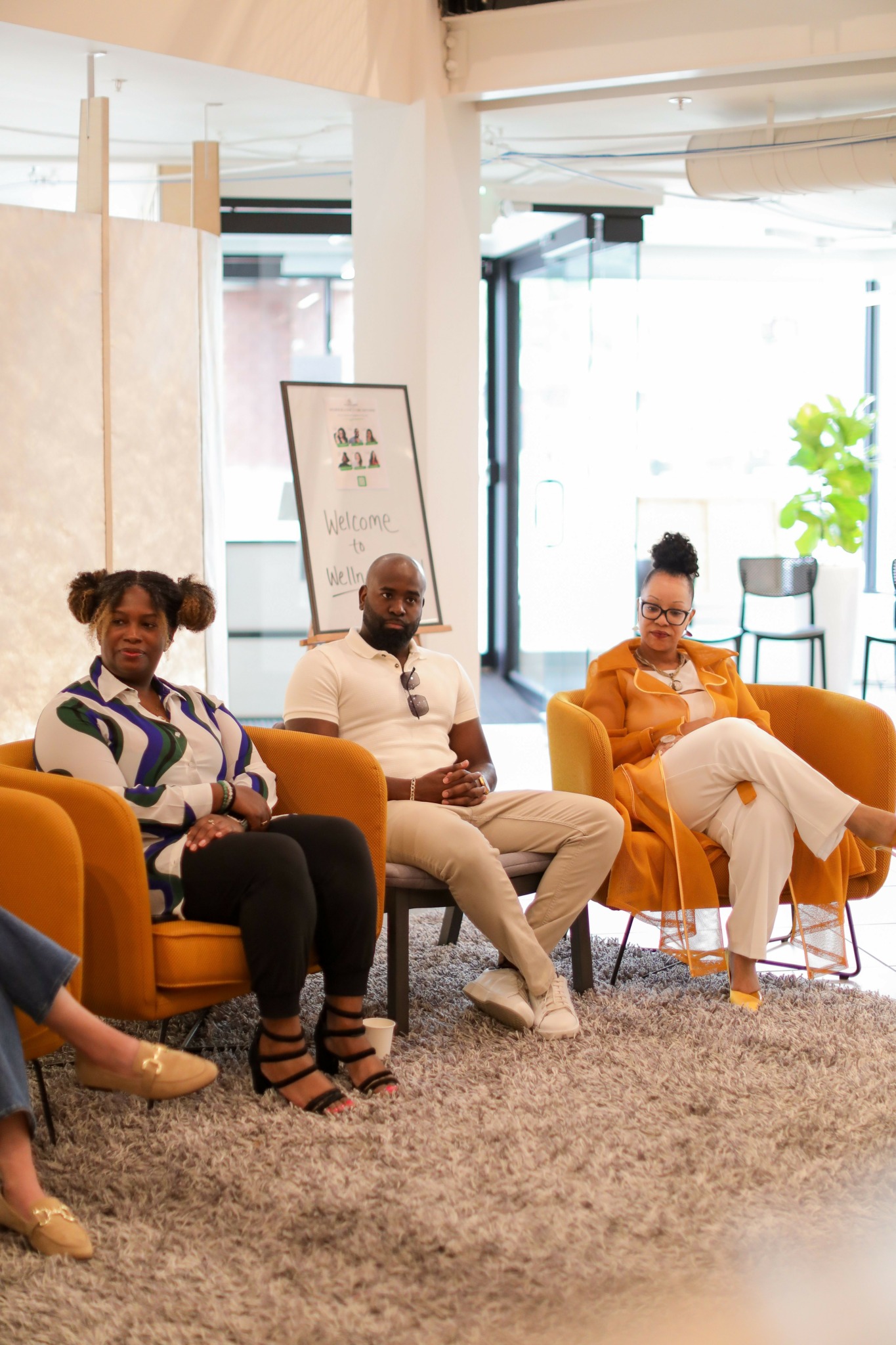
Awesome – so before we get into the rest of our questions, can you briefly introduce yourself to our readers.
I’m Ashley Burton-Mims, founder of Emerald & Rose Consulting, and I empower women and gender-expansive people of color to heal from burnout and build lives rooted in rest, joy, and purpose. After spending nearly 20 years managing billion-dollar businesses in corporate America, I experienced a complete breakdown—panic attacks, physical exhaustion, and the constant pressure to “push through” until I literally couldn’t anymore. That breaking point became the catalyst for my healing—and the birth of my business.
At Emerald & Rose, we believe rest is not a reward—it’s a right. I offer burnout coaching, wellness workshops, and leadership development that center care, community, and capacity-building. Our signature Burn Bright Sessions provide healing spaces for folks who are tired of being tired, while our leadership series helps organizations reimagine what it means to lead without losing yourself.
What sets us apart is the honesty and humanity we bring into every room. I don’t believe in hustle culture—I believe in sustainable success. I help my clients unlearn the myth that burnout is a badge of honor and instead guide them in creating rhythms of rest that fuel their leadership and their lives.
I’m most proud of the community we’re building—the Burn Bright Collective—where people don’t have to suffer in silence, and where healing is possible through connection, clarity, and care.
If there’s one thing I want people to know about my work, it’s this: you don’t have to wait for a breakdown to make a breakthrough. You deserve to thrive now—not just after the next deadline, degree, or disaster. And I’m here to walk alongside you as you reclaim your light.
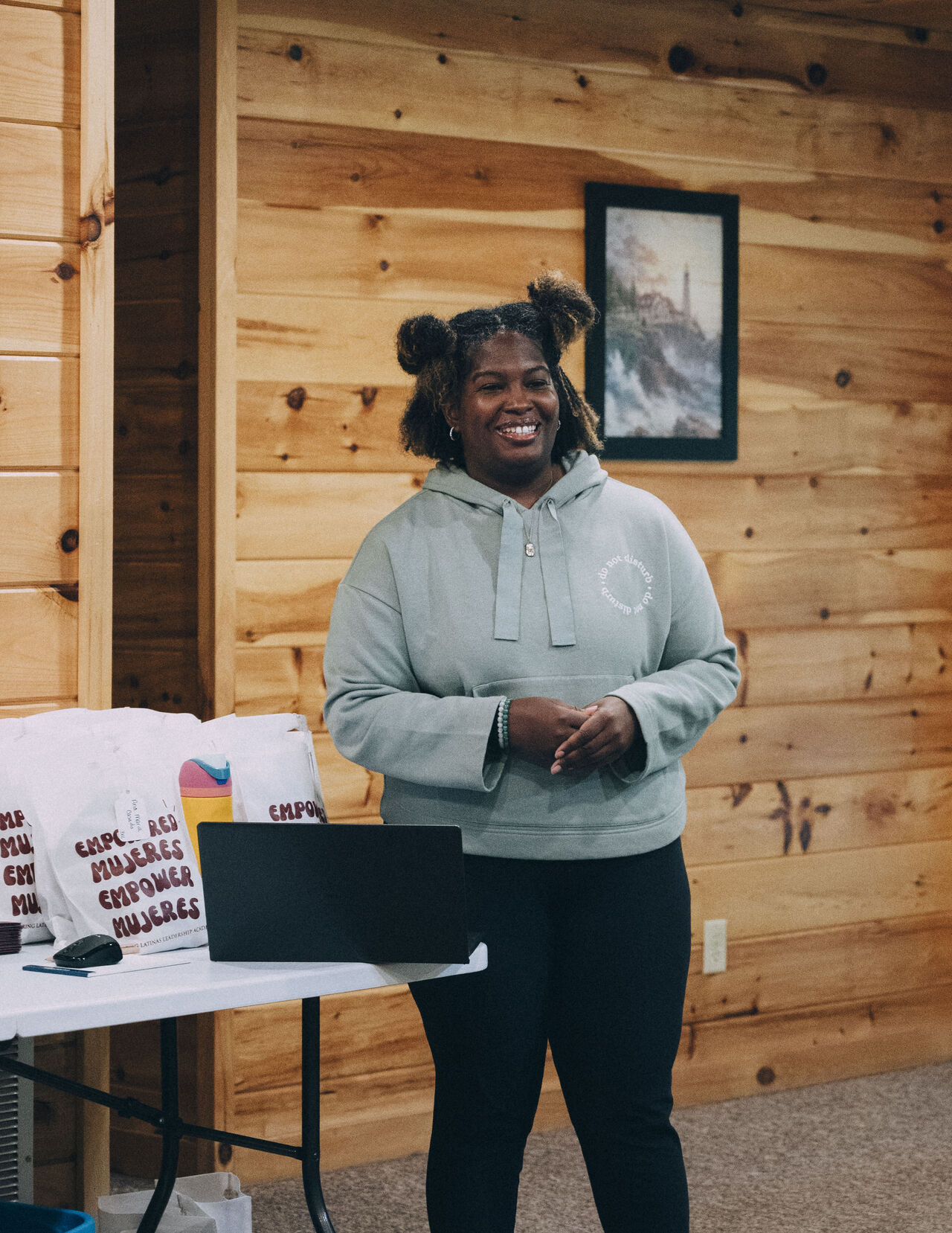
Are there any books, videos or other content that you feel have meaningfully impacted your thinking?
Absolutely—there are several books and resources that have shaped the way I approach both leadership and healing-centered entrepreneurship:
Rest Is Resistance by Tricia Hersey
This book was a game-changer. Tricia’s unapologetic stance on reclaiming rest as a form of resistance spoke directly to my lived experience. It reminded me that capitalism doesn’t get to define my worth—or my pace—and deeply informed how I coach clients around redefining productivity and success.
The Four Pivots by Dr. Shawn Ginwright
This book offered me a powerful framework for shifting from trauma-informed to healing-centered leadership. The chapter on rest especially validated my belief that rest isn’t just personal—it’s political, strategic, and necessary for collective liberation.
The Myth of Normal by Dr. Gabor Maté
This book reframed how I think about wellness—not as the absence of illness, but as the presence of connection, safety, and self-awareness. Dr. Maté does a powerful job of exposing how “normal” in our society is often rooted in disconnection, trauma, and suppression. His work helped me deepen my understanding of how burnout and chronic stress are symptoms of a culture that rewards over-functioning and punishes vulnerability. It’s been foundational in shaping how I guide clients through healing and unlearning.
We Should All Be Millionaires by Rachel Rodgers
Rachel challenged me to think differently about wealth, especially as a Black woman in business. Her book helped me embrace entrepreneurship not just as survival—but as a tool for liberation, legacy, and joy.
Sisterhood Heals by Dr. Joy Harden Bradford
This book is a love letter to Black women and the power of community. It affirmed my belief that healing doesn’t happen in isolation—it happens in relationships, in story-sharing, and in spaces where we feel seen and safe. It’s been foundational in how I approach community care and group coaching.
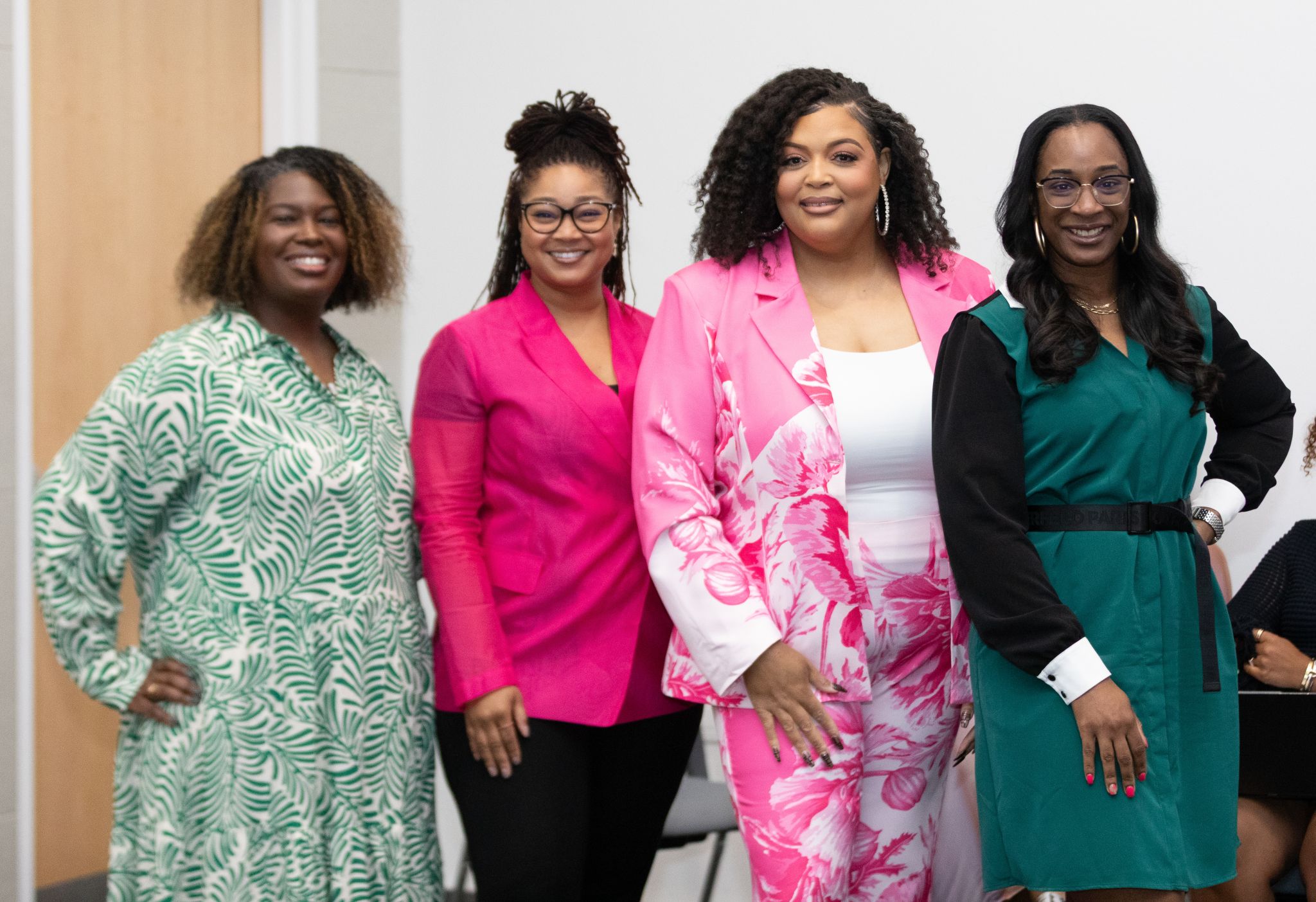
How do you keep your team’s morale high?
My advice for managing a team and maintaining high morale? Lead with humanity first.
Too often, management focuses on output over wellbeing. But people are not machines—they’re whole humans with needs, emotions, and lives beyond the workplace. When you honor that truth, everything changes.
Start by creating a culture of psychological safety where people feel seen, heard, and valued—not just for what they produce, but for who they are. Regularly check in, not just on deliverables, but on how your team is doing. Normalize conversations about capacity, rest, and boundaries.
Encourage restorative practices—not just PTO, but real moments of pause built into the team’s rhythm. Celebrate not just wins, but effort. Recognize burnout before it becomes a crisis, and model what it looks like to lead without overextending yourself.
Also, don’t underestimate the power of clarity and communication. Ambiguity breeds frustration. Be transparent, affirm progress, and invite feedback often. It builds trust and helps people feel empowered rather than micromanaged.
At the end of the day, high morale isn’t about constant motivation—it’s about consistent care. When your team knows they’re supported as people first, they’ll bring their best to the work not out of fear or pressure, but from a place of purpose and belonging.
Contact Info:
- Website: https://www.emeraldandrose.com
- Instagram: https://www.instagram.com/burn.bright.not.out/?hl=en
- Facebook: https://www.facebook.com/people/Emerald-and-Rose-Consulting/61572511513447/#
- Linkedin: http://www.linkedin.com/in/emeraldandrose
- Youtube: https://www.youtube.com/@emeraldandroseconsultingllc
- Other: https://linktr.ee/emeraldandrosellc
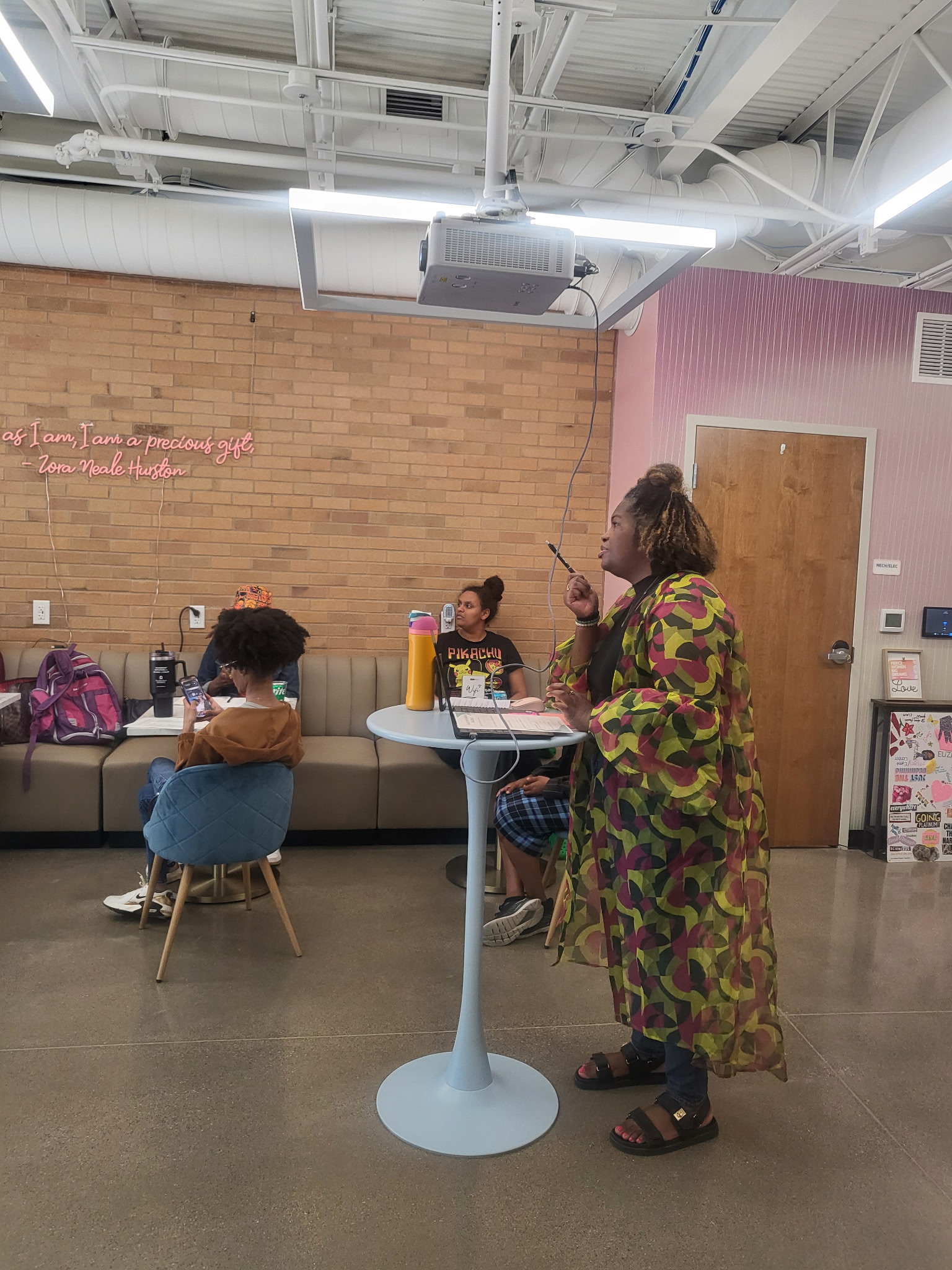
Image Credits
Image Credits:
Photo by Heart of the City Photography
Courtesy of Empowering Latinas Leadership Academy (ELLA)
Courtesy of Bamboo Royal Oak
Courtesy of Black Tech Saturdays
Courtesy of Ashley Burton-Mims