



We’re excited to introduce you to the always interesting and insightful Asher Shafer. We hope you’ll enjoy our conversation with Asher below.
Asher, looking forward to hearing all of your stories today. Learning the craft is often a unique journey from every creative – we’d love to hear about your journey and if knowing what you know now, you would have done anything differently to speed up the learning process.
My creative engine was fabricated through my long transit commutes to school, which over time allowed my imagination to be nurtured and enlarged. These bus rides led to my curiosity
pushing me onto other bus routes throughout the city of Portland, where I absorbed the
personalities and secrets that each route contained. Inspiration is my true key to being
successful with practically anything. I mean, you can be extremely skilled at something, but
without that creative drive to help guide you, everything remains stuck in the mud.
Photography ended up taking the wheel a few years ago when I was infected with the same
shutterbug illness that was given to a majority of people my age who received a smart phone
with a camera. This enabled me to add a new element to my transit adventures, where I would
sharpen my composition skills by taking pictures of the hidden parks and sanctuaries I
discovered among the many bus routes in Portland. I never felt confident shooting in low light at
the time, plus I had a fear about getting stuck in certain areas after dark, which looking back on
was just an abusive belief system that ended up stunting my growth.
One morning I left home to go to work, and it looked like someone spilled a
massive bottle of Pepto Bismol in the sky. I still don’t remember why I never attempted to even
take a “phoney picture” with my cell phone, but the whole scenario screamed that I needed to
pursue better lighting to give my photography the voice and presence to stand out. It wasn’t
long before I realized that a cell phone wasn’t going to cut it; I needed a camera to give my
pictures the life they deserved.
I told my Grandpa about the sunrise when he picked me up, since I worked for him at the time.
He ended up giving me a Nikon Coolpix point-and-shoot camera to start out with. I really loved
that camera, especially with how light it was to carry around. I ended up shooting with point-
and-shoot cameras for a few years until I finally bit the bullet and bought a DSLR camera of my
own at the age of 23. Even with a DSLR camera, I still held myself back by shooting in automatic
for such a long period of time, which did lead to better pictures than my point-and-shoot camera but
still muted the colors of my sunset photos, leading to disappointment and missed opportunities.
You see, I have this tendency to not give myself enough credit because I have these perfectionist
qualities that prevent me from allowing myself to proceed to the next phase. However, I also
believe that it is just as helpful as it is harmful, because everything ties down to the basics, and
mastering the fundamentals of something is the best way to become an expert.
Another obstacle that really crippled me was my anxiety. It took me awhile to summon up the
courage to start taking photos of buses and trains, it was because I always had this fear of being
judged by people. I also thought that the bus driver would yell at me or, even worse, cause a
collision. My remedy to this dilemma was to just keep shooting, as every click from my camera
was a punch in the face of my anxiety. I eventually learned that most drivers aren’t aware of me
when I take photos since they have more important things to stay focused on than some guy on
the sidewalk with a camera in his hands. As for handling the curious bystanders, I started to just
own who I was and what I was doing as it led to the opportunity to inform people about an
entirely different aspect of public transit that they had never been exposed to before. Rather than
being ridiculed, people would become fascinated with my art, as they had never opened their
eyes wide enough to see how beautiful public transit really is. My favorite thing to hear from my
encounters after we part ways is “I’ll never look at a bus or a train the same way again.”
Long story short, I would say the most challenging aspect of being a photographer is how much
of a mental battle it can be with yourself. I always feel like I should be farther along than I am,
and in some cases that’s true, but in general it’s not. Even when you take the perfect shot that
you planned for, it almost always feels like it could be better, so celebrate any wins you receive
on your journey, whether they are large or small. You can’t control other people’s opinions,
but you can control your own thoughts and opinions about yourself.
As always, we appreciate you sharing your insights and we’ve got a few more questions for you, but before we get to all of that can you take a minute to introduce yourself and give our readers some of your back background and context?
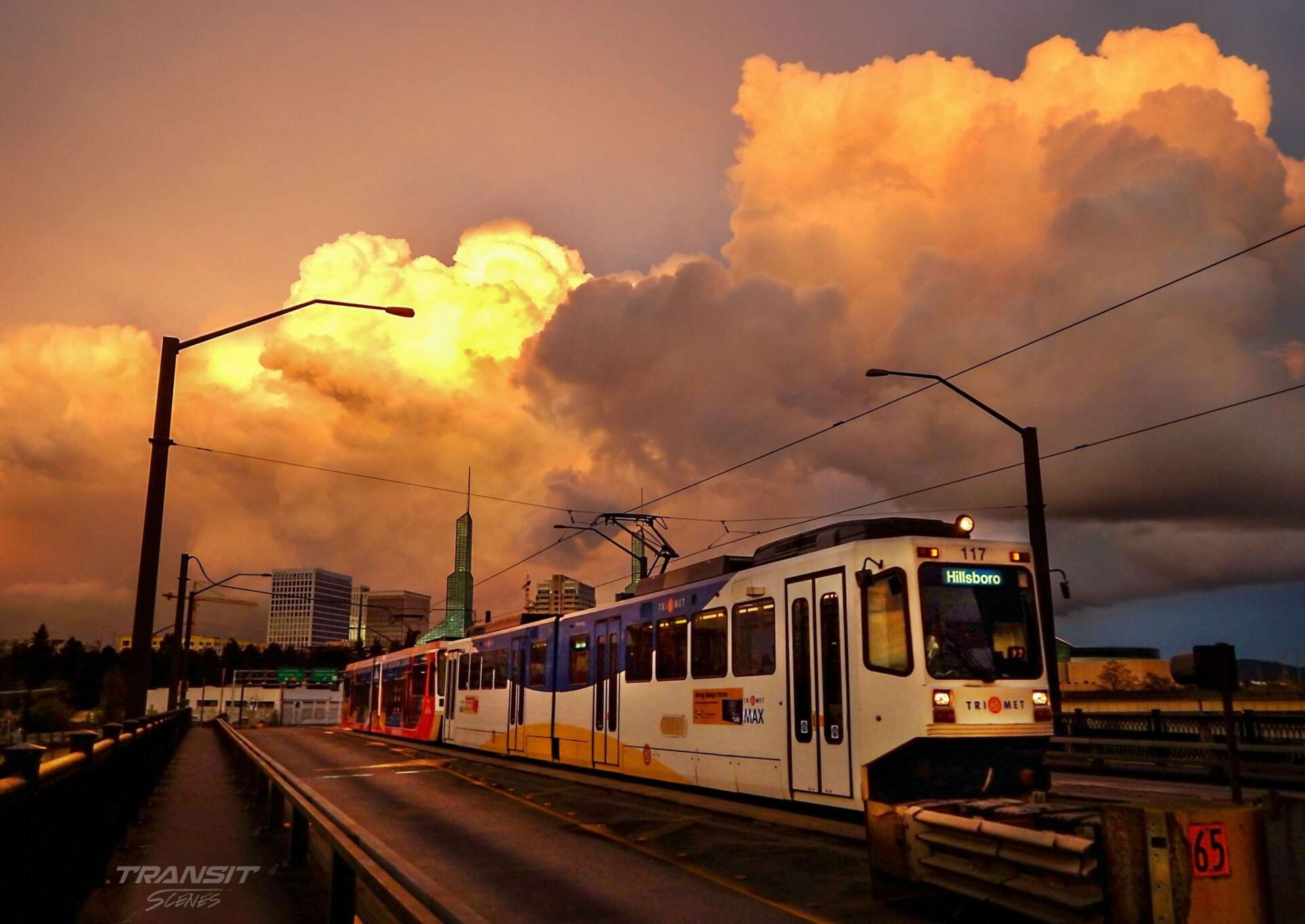
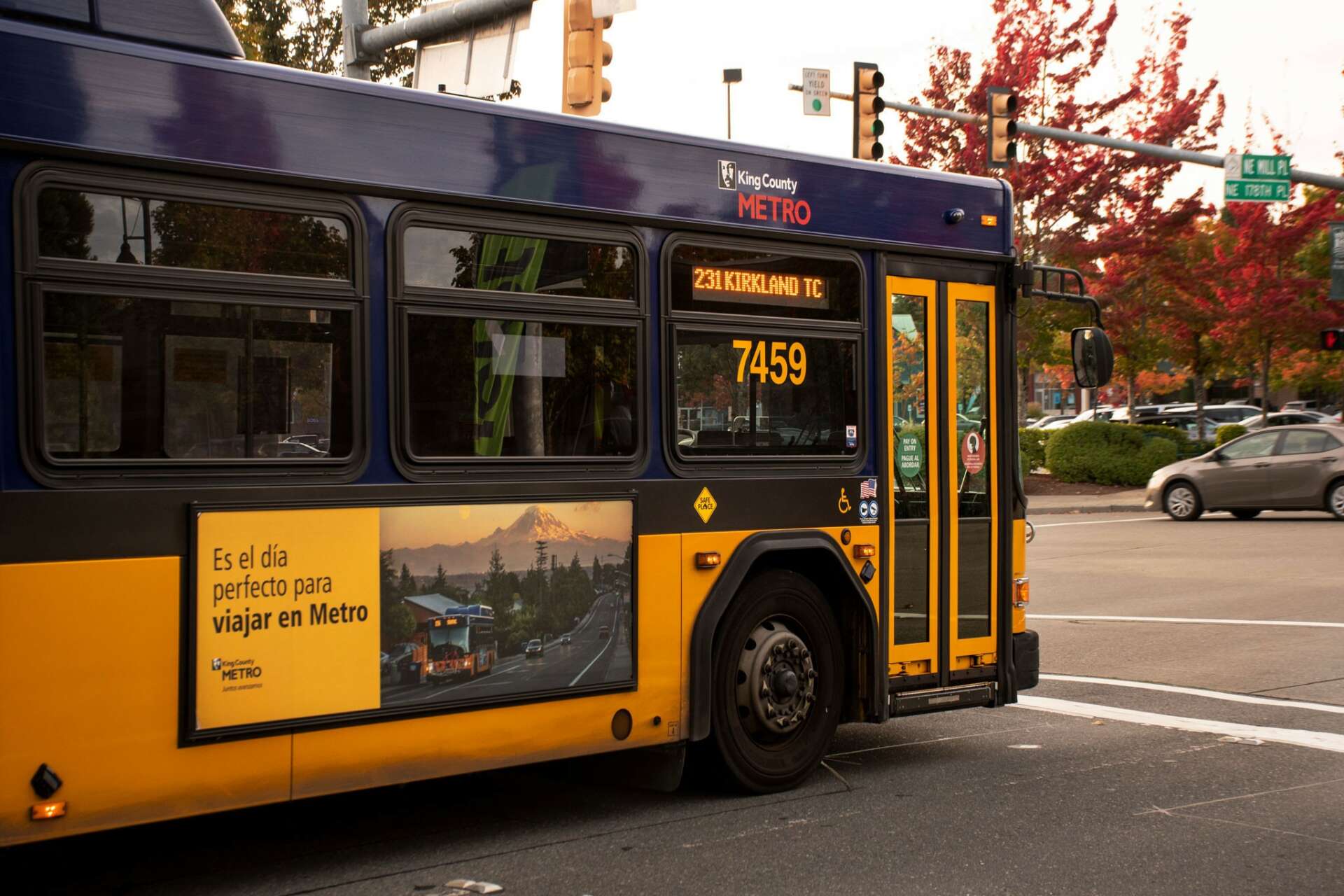
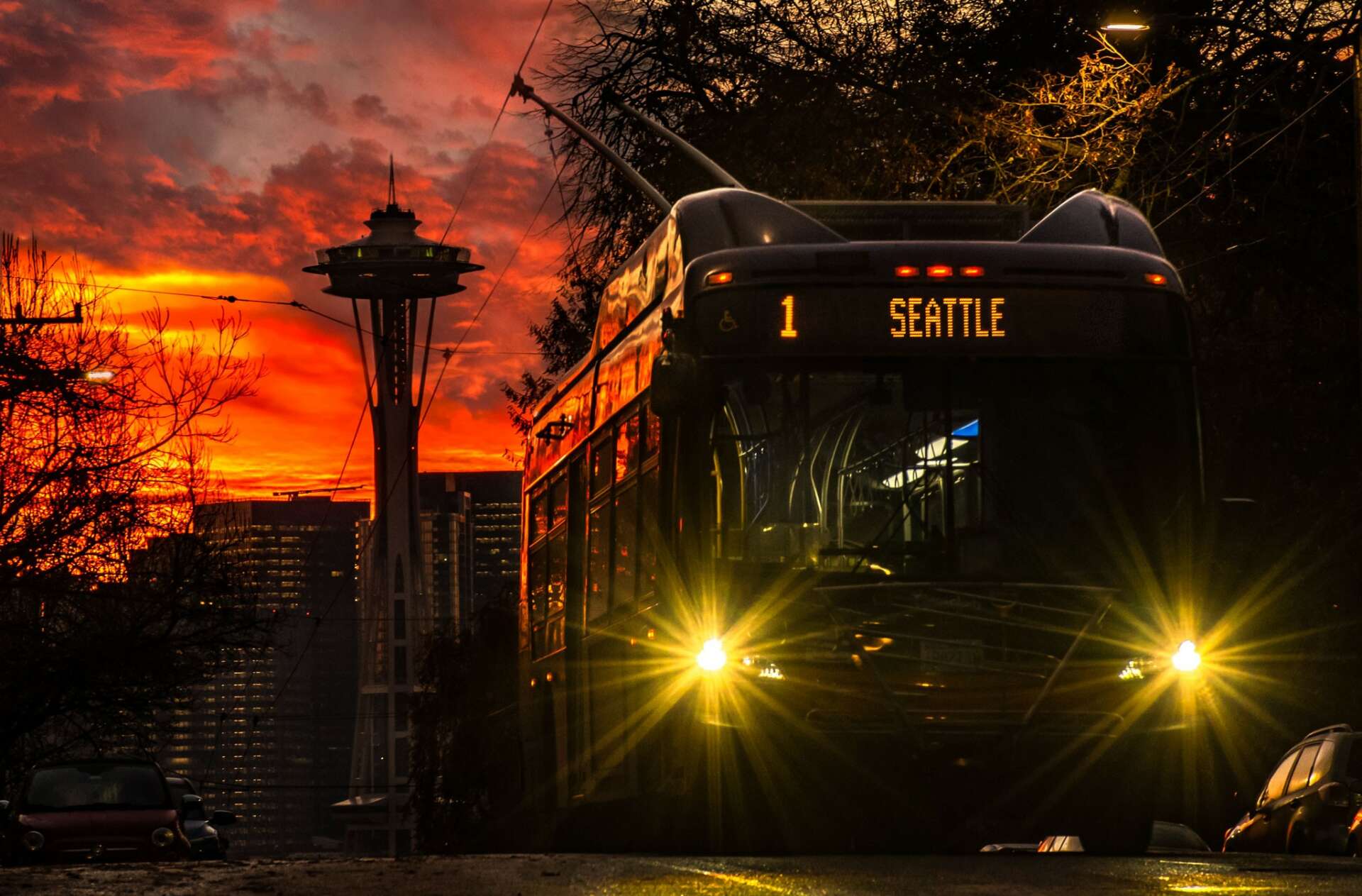
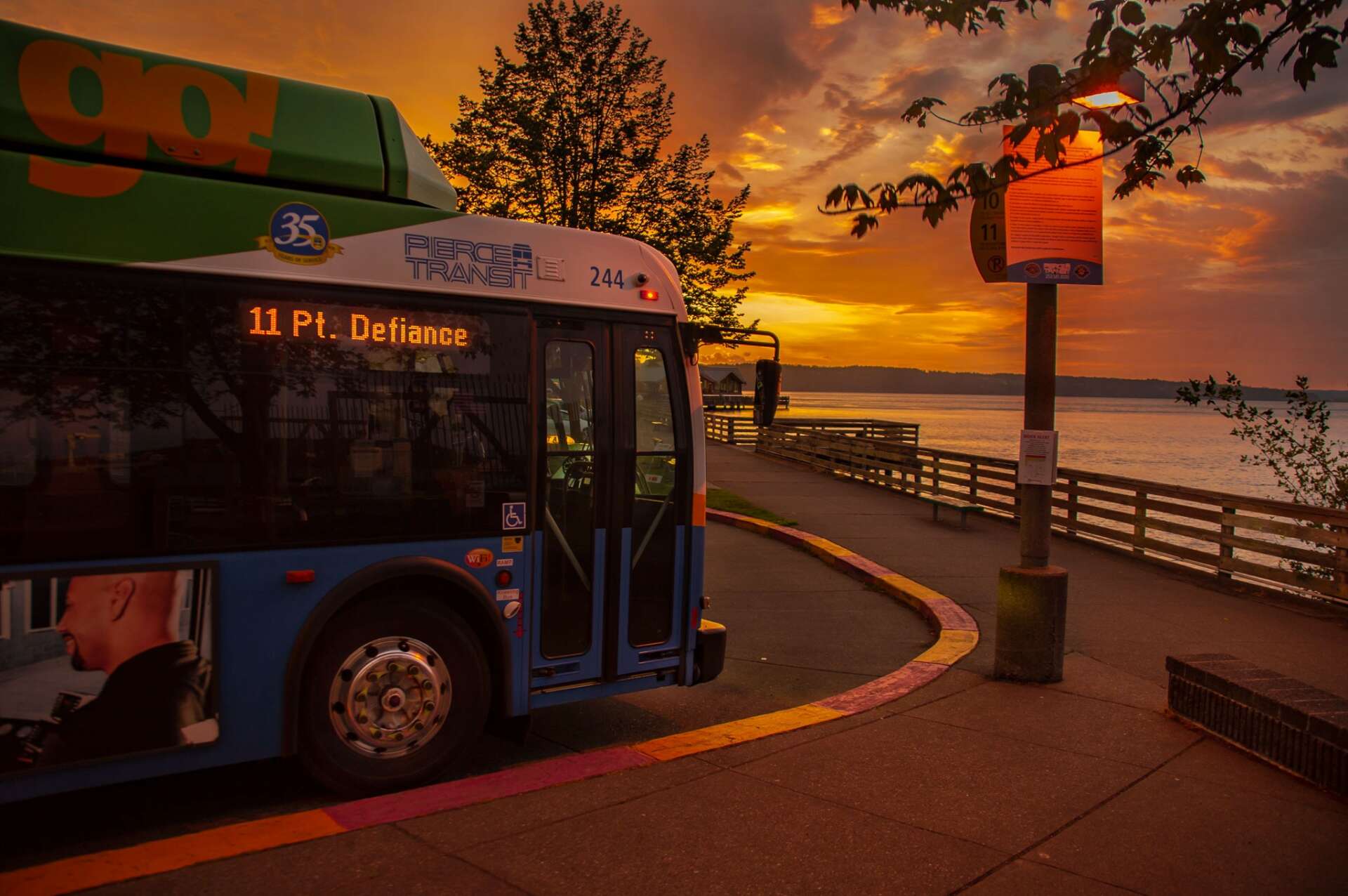
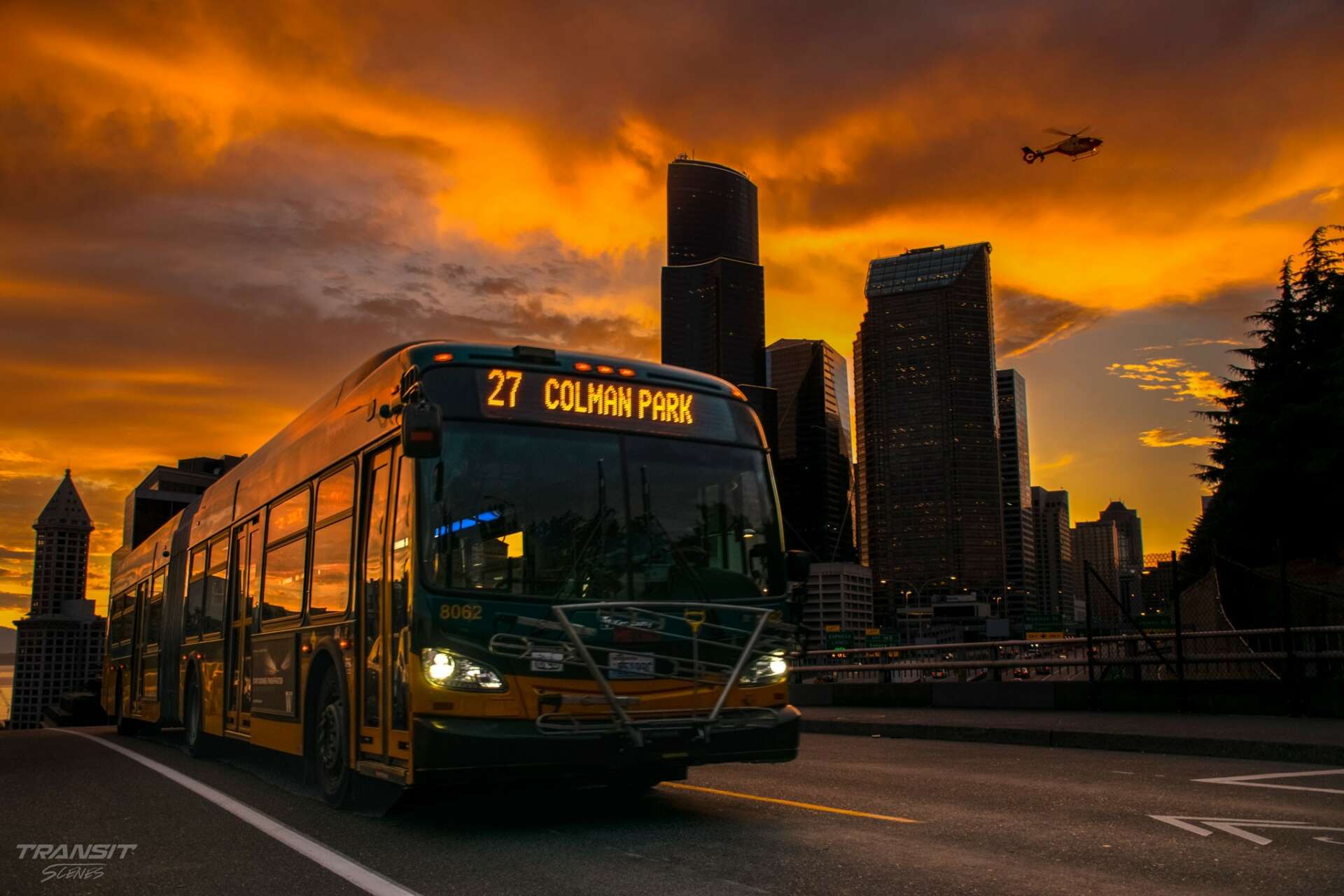
My name is Asher Shafer, and I am a photographer that specializes in bringing public transit to life with captivating photos fueled by sunsets and sunrises. I have collaborated with King County
Metro in their “It’s A Great Day To Ride Metro” campaign, which featured myself starring in a
commercial based on my photography work and included my transit photos on billboards and
on the sides of buses around Seattle. You are probably wondering why I take photos of buses
and trains. To answer that, we are going to travel back in time to the commute that started it all.
I may be better known for my work with King County Metro in Seattle, but my love for transit
actually stems from my hometown of Portland, Oregon, and their system, Trimet. I was in 7th
grade when I made the switch to a different school on the opposite side of the city, which
unfortunately meant that I was too far away to commute with the school bus. My neighborhood
offered me a solution to this dilemma with the city bus. At the time, I wasn’t too thrilled with
the idea of a 75 minute commute that consisted of 2 separate bus routes, including a transfer
downtown, but little did I know that this slice of time would become my most cherished part of
the day.
I grew up on Portland’s Northside, where I had a variety of bus routes to choose from for my
daily commute to school, including the 4 Fessenden. This route definitely put some hair on my
chest, as it was usually packed full of characters from all walks of life, with a good amount of
them waiting for their chance to star in a role on a new TV show. There was never a dull moment on the 4, and its
passengers granted you the ability to become a legendary storyteller. You could say it was one
of the more “dangerous” routes, but that term is tossed around more than an empty can left on
the floor of the bus. You see things happen, but it was never directed at you; it was more like a
show where you got the front seat to witness all of the gritty and pretty moments that can
happen in our society. Long story short, the bus fills your life with all of these colorful
experiences; it’s the perfect remedy for those who struggle with captivating conversations.
However, it’s not the wild side of transit that makes me love it so much; it’s actually the sense of
peace and inspiration I get from riding it.
The bus is one of the most affordable and effective teachers you can find in life; for example,
transit has taught me that commuting is one of the most important aspects of our day, as it sets
the tone for the rest of what we encounter in our waking moments. That’s what makes the
concept of driving so amusing to me, where people would rather waste their precious time and
energy focused on the road, taking it out on other drivers, all in order to dive into the
destination that they expended all of their power getting to. Meanwhile, when you ride transit,
the bus has this ability to slow life down and reveal things about your neighborhood that
might’ve been under your nose for years. You begin to notice stores and restaurants you might
have overlooked in the past, from hole-in-the-wall eateries that serve Food Network cuisine to
vintage clothing stores where you might find your next identity. The bus is really just your
neighborhood on wheels, and the people that ride it are just different parts of its personality, all
interacting and coexisting with each other. Not to mention that you are free to read or catch up
on some details from that project you were falling behind on, allowing you to arrive at your
destination more present than you would if you were coming off of some road rage from the
guy who cut you off. As you’re taking in all of this new information during this ride, you start to
think to yourself about life and this is where the bus takes on the role of being your favorite
therapist.
You see, there’s this unwritten rule where people don’t engage with each other on the bus for
the most part. This leaves you with the ability to just be present with yourself and shut out the
world while you ponder the issues that you face in life and how to overcome them. Bring your
favorite playlist, choose a scenic route, and enjoy the ride as you are absorbed into the beauty
of the city that you live in, allowing it to give you the epiphany you’ve been praying for. You
might experience this in your own thoughts, or you might roll past a certain sign around town,
or perhaps you hear a couple of strangers on the bus a few rows down discussing ways to
overcome your issues without even being part of their conversation.
I have spent so much time exploring cities with public transit that I think it truly is the best way
to see and interact with a city (depending on which city you visit). Public transit has given me
more of an edge with photography. I started out shooting landscape photos and would use the
transit system to discover these hidden parks that haven’t been milked to death by Instagram.
The destination never ended up being the best part; in fact, it was the scenes that I would notice
along the routes where nature met the city that sparked my imagination. As I started feeling
more comfortable as a photographer, I began to incorporate the buses I loved so much into
my photos with the hope that I could reveal the personalities that each route possesses.


What do you think is the goal or mission that drives your creative journey?
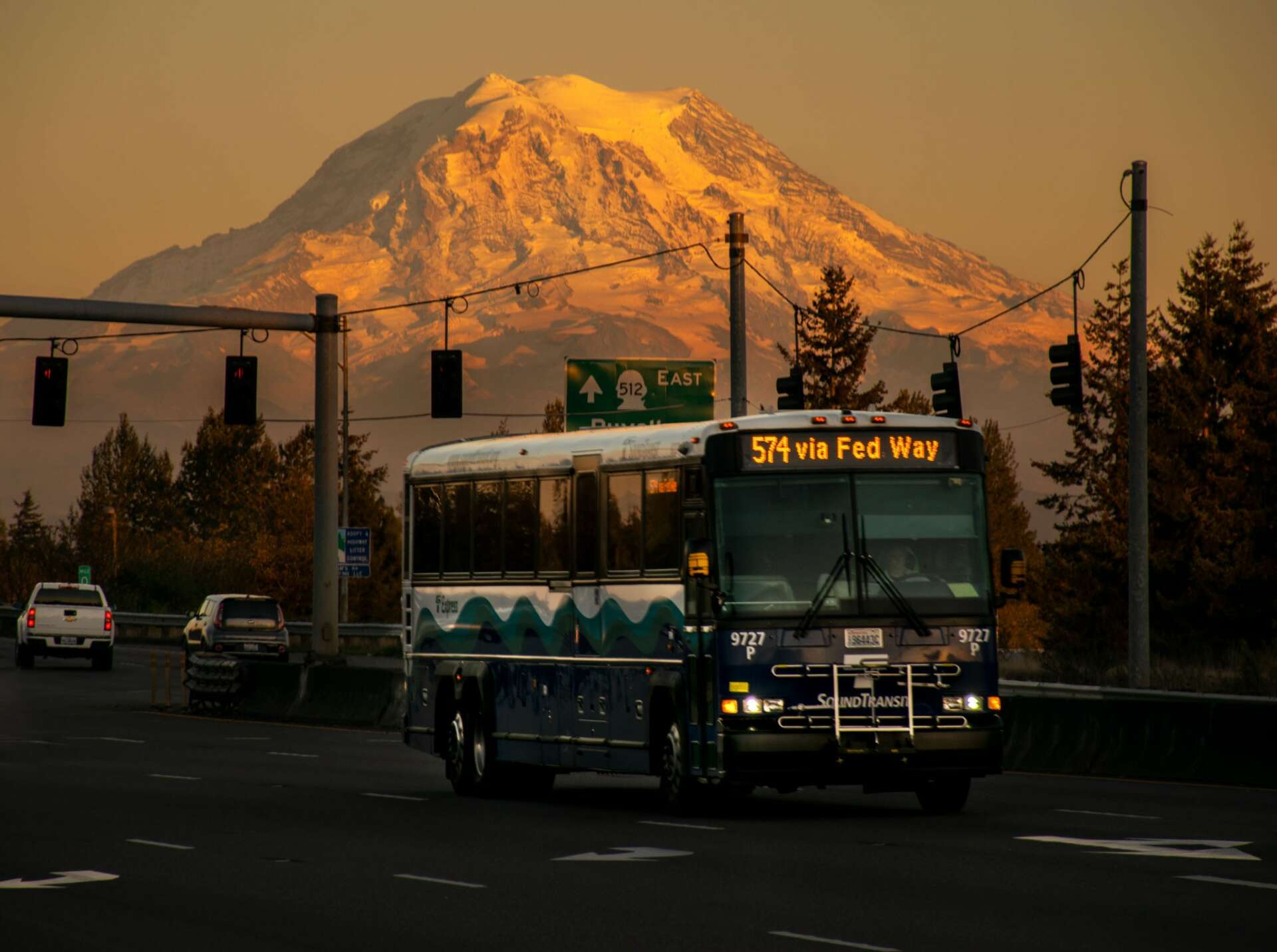
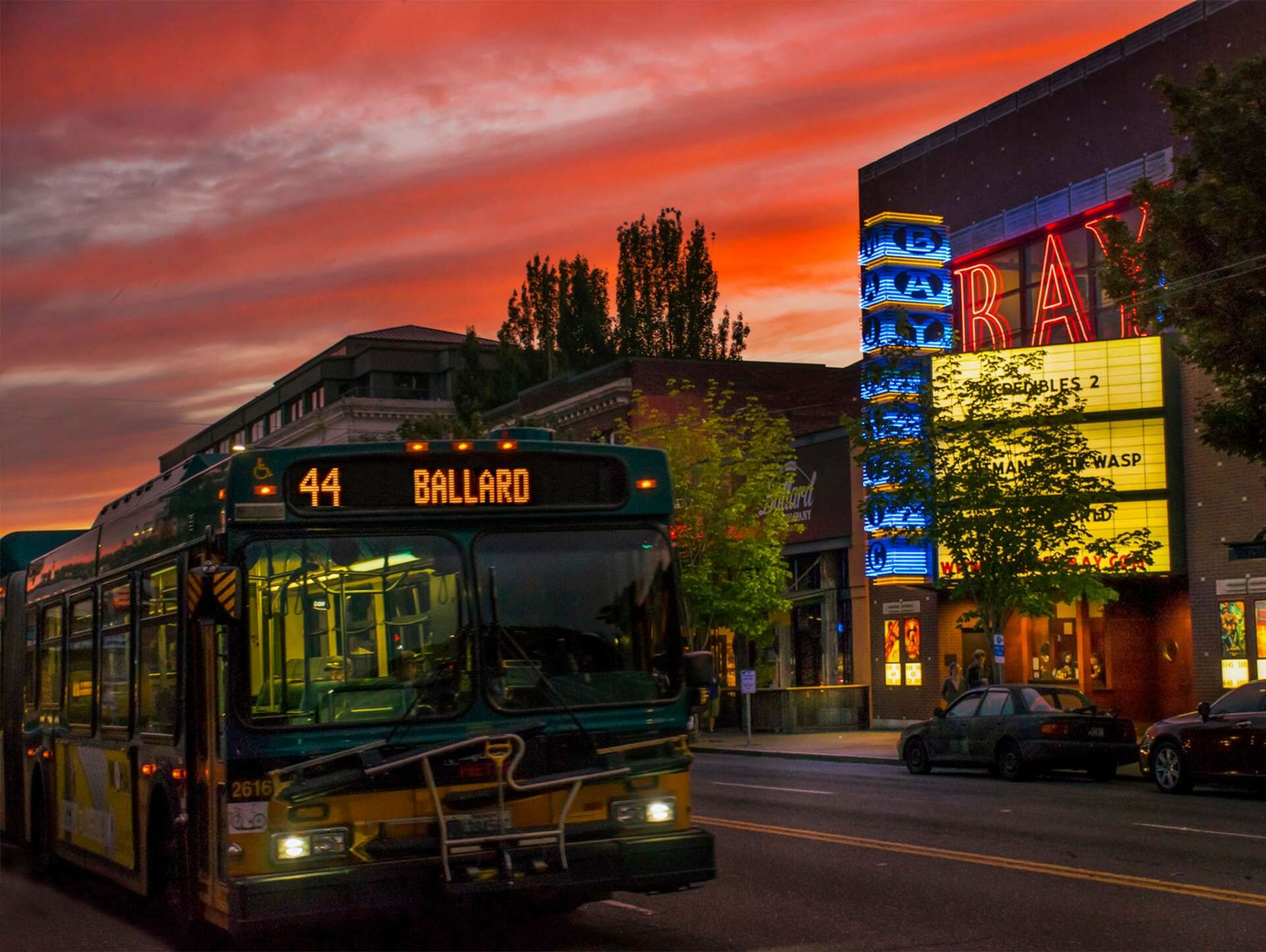
My mission is to bring as much positive awareness to public transit as possible, as it has a stronger impact on our lives than most realize. Like human beings, the more love transit receives, the better it becomes, which blossoms into better communities and cities. I have been at this since 2013, but 2020 was when I discovered the weight of the value I held with my photography as public transit became both the hero and the villain during the pandemic.
Headlines began to surface from all corners praising the bus drivers as heroes; as they still had to navigate the contaminated, yet empty streets of the city to cater to the essential workers that were left out of the stay-at-home orders that the majority of people had to adhere to. Praise wasn’t all that was being given to transit, as more articles and stories began to surface labeling buses and trains as potential super spreaders for the virus.
At the time, I was living by myself in a studio apartment just outside of downtown Seattle in the International District, which can be considered a little rough around the edges, especially on the closest main street to me, Rainier Avenue. On the first day of the stay-at-home order, I went on my usual grocery store run that involved taking the 7 on Rainier. I would usually ride to the second grocery store past my place since it was larger and had an overall better selection, except given the current circumstances, I wanted as quick a ride on the 7 as possible since it has the tendency to advertise Seattle’s more unsanitary qualities, so I opted for the first store instead. When I entered, I was pulled into a scene out of a blockbuster film, which consisted of people scrambling to get their necessities, and two cashiers in close proximity to me getting punched in the face by an aggravated woman. I vowed to give Rainier Avenue some space to recollect itself before I would return to my old shopping establishments and routines.
I have always been more on the germophobic side of things, but due to the current circumstances, that aspect of myself had only increased. For the first time in my life, I stopped riding the bus except to get groceries, but rather than roll the dice with an action packed ride on the 7, I chose to go out of my way and ride the 554, which has always been a route more on the mellow side to Mercer Island. Even though it was further out of my way, I was rewarded for my efforts with the gift of the beautiful view of Lake Washington and Mt. Rainier as I rode across the I-90 Bridge to a grocery store that appeared to be more on the stable side. Other than that, the only time I left the house was to go on walks through the nearby trails to Lake Washington, which eventually expanded to strolls around downtown Seattle. The more I involved the city in my walks, the more diluted my fears became.
Whenever I would come back home from walking on the waterfront, I would have to stroll by large groups of homeless people across the street, who would dwell on 12th and Jackson. Every time I would walk by, the group’s size remained the same; no one ever dropped dead in front of me. Sometimes I heard some coughing, but that seemed to be from whatever they were smoking. I also walked by First Hill on occasion, close to where the hospitals are; my footsteps seemed to echo due to the streets in such a desolate state. I always found it kind of weird to see what I thought would be the one bustling part of the city during a pandemic appear as a ghost town—there weren’t even any ambulances driving around.
After some time, I mustered up enough courage to start taking my regular bus routes again, as I was over the long grocery walks from Mercer Island. Despite the high levels of anxiety within me, I did pretty well, as I was armed with a mask and hand sanitizer and tended not to touch things when I went places. The only differences were that there were fewer people, with some wearing masks. I think the most frustrating part about those rides was that the people who should’ve worn the masks never did while the people who seemed fine wore them. In general, if someone was being a little extra and unsanitary, I would simply move away from them and everything would be fine, but my health wasn’t the only thing I needed to keep tabs on.
A new threat arose during a period of the pandemic that I don’t think was talked about enough. In the late spring, the Washington State Department of Corrections released over 300 prison inmates to combat the spread of COVID, as well as over 600 more inmates to be released with electronic monitoring. The inmates all had non-violent charges and were on the verge of being released anyway; however, in Washington, non-violent charges can include assault, burglary, and drug charges, among other things, not to mention that I am sure a lot of them had nowhere to go except occupy the streets. My walks felt the shift shortly after, especially in downtown, where the only people I saw out and about had a very threatening demeanor. You could even feel the tension in the air. There was a day that I decided to take the 106 back to my place, which was a 10 minute ride as opposed to the normal 35 minute walk. There were only two other people on the bus, and one of them approached me and asked if I could use my phone. I replied no, and he immediately became aggravated and said, “We’re on one of the old buses, and there are no cameras. I got away with killing someone a few years ago; I can easily do the same to you.” I chose to ignore him and pretended to listen to music since my stop was close. He began to try to kick me in the head as I felt his shoe graze my hair, but I continued to ignore him, since there is this unwritten rule in Seattle where you’ll most likely be fine as long as you don’t engage with intense situations. Clearly this person was trying to get me to make the first move in order to gain some leeway with whatever hostility he intended to inflict on me. Thankfully, my stop approached quickly, and I got off without him following me; it was only the second time in my life that I felt threatened while riding public transportation. This is coming from someone with a transit rider resume that consists of thousands of bus rides on over 600 routes, across 18 states, and 2 Canadian Provinces.
This incident took place around the time of CHAZ and CHOP (Capitol Hill Autonomous Zone and Capitol Hill Occupied Protest) and the protests that were sparked from the tragic death of George Floyd in Minneapolis. Thankfully, this time period wasn’t permanent, as things started to level out a few months later. However, while safety on public transit does remain an issue, it isn’t as extreme as the situation I just shared (at least in my experience). The situations I encounter are more annoying than threatening, but they are all things that I can easily move away from without being directly affected.
Going back to how “unsanitary and hazardous” transit is, the truth is that buses (at least with King County Metro) have always been equipped with an enhanced air filtration system using HVAC filters that are within the MERV 8 classification. This means that the system successfully traps viruses and bacteria, including those in droplet form, from moving throughout the HVAC system. Believe it or not, air quality and health have been a focus for transit agencies long before the pandemic started, so the bus really isn’t the worst place you could be. I’m not saying that it is completely safe, as there are still plenty of improvements that could and should be implemented. It’s still good to be cautious, but what I’m trying to relay is that it’s not as bad as people make it out to be. In fact, as a germaphobe with multiple chronic illnesses, I got sick more when I worked at a call center than when I rode buses from 2020 to 2023. However, I am aware that the pandemic has had a ruthless impact on many lives, including those of some transit operators, to whom my heart goes out to, but this is just my own experience from the 2020 decade that I am sharing with you all.
To cut a long section short, public transportation is more important now than ever, especially in light of the recent climate crisis we have been swimming in. The positive part about this is that it has so much room to grow if we shift our priorities less towards the automobile and more towards funding and expanding public transit. I believe that there is still a bright future ahead for us all in more ways than one; we just need to adjust our course a little. I have a goal to expand to other cities and transit agencies around the United States and other countries as well, to help give the buses and trains the voice they’ve been looking for.

Let’s talk about resilience next – do you have a story you can share with us?
I have been “blessed” with a superpower that I am still trying to figure out how to control. This rare medical condition is called Multiple Hereditary Exostoses. I essentially grow extra bones, or benign bone tumors, in my body called Osteochondromas. These wonderful extensions of my body come in various shapes and sizes and tend to grow in my joints or in my ribs, which can dig into my muscles and nerves, or worst case scenario, press into some of my vital organs. That’s only the window to the storefront, as even some of my normal bones grow differently; for example, my tibia and fibula on my right leg have somehow fused together. Doctors frequently scratch their heads when looking into this condition, as their favorite play from the playbook tends to involve tons of x-rays, which will pave the way to cutting me open and removing the problematic bones. All in all, this has led me to believe that I am not really from this planet, and my body doesn’t know how to properly exist on it.
Almost 10 years ago, I was dealing with really bad chronic pain in my right leg, especially where my hamstring and knee are. The pain felt like my leg was being yanked out of its socket, but thankfully, it was only present at night in the beginning. Usually, in these chronic pain battles, my body would eventually sort itself out, and I would just continue with my day to day life. However, this pain continued to get worse, which led to me being prescribed hydrocodone to help cope with it all. I have always been against painkillers, as I have seen firsthand the damage that they inflict on people and their lives. However, I couldn’t live with this kind of pain; it would keep me up all night, resulting in me averaging 2 hours of sleep if I was lucky. I also had difficulty getting around because I felt every bump and pothole on the road. If you’ve ever ridden a bus, you know that it tends to be on the bumpy side. I started out with a half pill to try to function with everyday life and my photography adventures, but the problem with hydrocodone is that you develop a tolerance, which took me on a ride to needing 4 high dose 10 mg pills just to make it through a day. Regardless of the pain I experienced, I still pushed myself to get outside and take pictures; it was the only thing that kept me sane, at least from my point of view. I ended up buying a seat pad to carry around with me for my bus rides, which helped a bit and also attracted some smirks and a few chuckles from other riders. Little did they realize that they were the foolish ones thinking they were superiors, sitting on rock hard plastic seats. I could go into a whole rant about how transit agencies need to implement better interiors for their riders, but I feel like that belongs somewhere else.
After fighting with the insurance company for about 10 months, I was approved to have the surgery on my right leg and my right foot. I was so relieved to see light at the end of this painful tunnel. Unfortunately, the surgery didn’t quite take care of the pain like I had originally hoped. I was referred to the Brain and Spine Institute at OHSU to plunge deeper into the matter. I was confused as to why I had to get my spine and brain looked at since the pain was still in my leg. I was immediately hit with a wave of worst case scenarios, even though I knew that Osteochondromas don’t grow on the spine or head. I went to see my new doctor after being crammed in an MRI tube for 2 hours, and he greeted me with a look of concern that made me feel nauseous. He said that I have multiple tumors in my spine, which are from a condition called Neurofibromatosis or what ended up being Schwannomatosis (NF Type 3). I didn’t know what to think; it kind of felt like my life was over. I asked him between tears what the next steps were, and he replied that it would be best to remove them surgically and that there was a chance that I might lose my ability to walk, but there was also a strong chance that I would come out of the surgery fine with maybe a little nerve damage as a side effect. I couldn’t imagine my life without the ability to walk upright, even though it’s perfectly feasible on public transportation; however, the dark tunnel I thought had ceased turned out to have another section within it, as the chapter continued for another six agonizing months.
My health wasn’t the only part of the storm I had been enduring; my mom was also suffering from episodes kindled by schizophrenia. This was an ongoing saga that ended in tragedy a few months before my chronic pain started. I used to be close with my mom until I was 17, when I started distancing myself due to the pressures of adolescence. Her issues from her condition started to sprout a little after I graduated high school. Our phone calls started to become disrupted by manic paranoia and accusations about collaborating with figures that I had never met or knew existed. The phone calls started to weigh on me to the point where I was afraid to talk to her. There was a lot of guilt attached to that, but I didn’t have any good methods to cope with the heavy and disoriented conversations. I eventually stopped talking to her completely, receiving the occasional update from a text message or from my grandpa, knowing that she was alive and chipping away. Summer arrived, and I boarded the 4 Fessenden from St. Johns to return home, when my phone rang, and my grandpa on the other end of the line informed me that she had committed suicide. My entire world shook, as I sat on the bus stunned by the news, void of emotions from the lunacy that my ears had just told me. It was the longest bus ride of my life as the 4 navigated the endless twists and turns of North Portland to reach downtown, and I still had to transfer to the 44 Capitol Highway for the next portion of the ride.
I finally reached my apartment and had the space to break down and reach for the sky, pleading for my hand to be grabbed by my mom I never said goodbye to. I found out that she was staying in a halfway house at the time, trying to overcome her mental condition, and she was seeing another person who was staying at that residence. This man showed up to the funeral service, and I’ll never forget when our eyes met as his gaze penetrated my body. I look a lot like my mom, and I could sense what felt like guilt and regret screaming at me as he went and gave me a big hug. The whole experience felt wrong as my heart sank. Granted, my mom was the type of person who would let me know if she would make the extreme decision that she made since one of her best traits was how she was always able to show me such strong, unconditional love, regardless of the circumstances. Yet there were no letters or any other indications of foul play, so the police ruled it a suicide, despite my heart’s disagreement.
I was never able to properly process my grief because I chose to avoid my emotions by working to keep my mind off the incident that had just occurred. This leads me to the point I’m trying to make with this portion of the story: I believe that my spine tumors (or Schwannomas) were created from holding in all of that trauma, along with other deep wounds from incidents in my life, so it is really important to seek the help you need when it comes to healing from trauma. As traumatic as this experience was, I can say that it has helped me connect with the spiritual side of life, where I have found other ways to connect with her and God. Whether it is from a sunset or finding a beautifully wrapped amethyst crystal at a bus stop—I continue to be shown that I am not alone and that I am being watched over.
Now we’ll fast forward to the point in time when I finally had my spine surgery, which ended up being on Thanksgiving Day. Thankfully, the procedure was a success, and the staff at OHSU ended up going above and beyond to make it a great Thanksgiving. I was placed in the “VIP room” in the hospital, which was bigger than a studio apartment and had a breathtaking view of Mt. Hood and the OHSU Tram. The fact that seven nerve tumors had been removed from my spine sweetened the deal even more. Physical therapy had me out of the hospital in 3 days, as I could already kind of walk on my own. I had a huge humpback from the procedure and asked when that would finally dissipate, and according to the doctor, it might never go away—thankfully, that was not the case. It took me about a month to get back to feeling like a functional person again; the procedure did wonders for me, as my pain was practically nonexistent. I like to call this my biggest win in life because this period was stuffed with so much uncertainty and pain that felt impossible to overcome.
Believe it or not, this is only half the story, as this nightmare re-entered my reality last January after 8 years of feeling like a functional human being. The pain started igniting in my right leg again with each step I would take, but I wasn’t too phased by it as my body usually develops an attitude problem during cold weather anyway. February rolled in and brought more discomfort and agony with it, as my hip started feeling like it was trying to leave my body a couple of nights out of the week. I was able to pace around for about 10 minutes and walk it back into place, but as the nights went on, more footsteps were needed to get my hip to settle down and convince my body that it was ok to go back to sleep. I looked forward to March, as that was the time period I generally started feeling more physically comfortable; however, this time was different.
Instead, whenever I would get out of bed, my back would scream in pain as it felt like it was on the verge of snapping in two like a Kit-Kat bar. It would take a few minutes of standing in one place with a grimace on my face to allow my body to reassemble itself. Unlike before the surgery, I would feel completely fine in the afternoon, but every night and morning filled my mind with dread, as if I had to take a test for which I had not prepared; it was as if some new ailment appeared every night. I knew I had to take action and see a doctor again before the pain would start to seep into my afternoons too, even if I still had a bitter taste in my mouth from previous doctor experiences.
This wasn’t the case with all doctors; however, it happened a lot more than it should. The routine generally consisted of waiting weeks or even months at a time for an appointment, which entailed loitering in a waiting room for 40 minutes only to be transferred to another waiting room for an even longer period of time, all while being surrounded by the echoes of laughter from doctors and nurses in the hallway. When I would finally see the specialist, I was usually greeted with a flat handshake and given a really sped up rundown of what was going on, kind of like I was being rushed out of the room, only to leave with the recommendation of more MRIs and X-rays that were sometimes even suggested in the same areas that I just had scanned. I had to get over my resentment of the previous experiences and try to find a new doctor that showed the level of empathy and knowledge I was seeking since I live in Seattle now.
The search proved to be challenging as both of my conditions are extremely rare; having one of them is found in 1 out of every 50,000 people. Apparently having both Multiple Hereditary Exostoses and Schwannomatosis was a “1 in 1 billion” chance according to the doctors I have talked to. A lot of them who specialized in either condition refused to see me, saying I was too complex for their expertise. What ever happened to the knowledge hungry doctors who desired to make history with medical breakthroughs? I mean, I get it. I have had 4 previous surgeries with 12 incisions on my medical resume, which aren’t really the all star numbers sought out by doctors seeking new patients, not to mention one of those surgeries was a large procedure involving my lumbar spine. It took a few months, but I finally found a neurologist at the Swedish Seattle hospital that was willing to see me, unfortunately, my body was even more resentful towards me than when I first started my search.
At this point, I was getting about 30 minutes of sleep per night as my body felt like it was being ripped apart from all ends. When I would move too fast getting in and out of bed, sometimes I would get stuck, and my mind would be flooded with thoughts, fearing that I had caused permanent damage, preventing me from ever getting up. Not only that, but my foot also felt like a truck that was on fire would periodically get run over, while my toes would bear a few strikes of lightning at a time. The littlest things, like laughing or clearing my throat, were the hardest, as it felt like a horse would kick me with every reaction. Unlike the first pain episode before the spine surgery, this time I couldn’t leave the house as I felt every pothole and bump in the roads, and if you’re familiar with Seattle, you already know how infamous and abundant its potholes are. I couldn’t wear a backpack or a belt because they would dig into my back, causing even more irritation, so I had to accept that my two of my favorite coping mechanisms: photography and taking the bus were off the table.
When I saw the neurologist, he continued to shower me with compliments on how unique my case was, and how I was practically the only person in the Swedish medical system who had both conditions. “Do I get a prize for being such a unique individual, like maybe a case study in an exotic location?” I asked. The only prize I ended up receiving was a list of specialists to see about my pain, which at the time was a 13 out of 10 on the pain scale, along with a prescription of Gabapentin to try to hold me over between appointments. To my dismay, I ended up getting a bad reaction to the Gabapentin, as it caused my feet and legs to swell up to twice their size. I lost the ability to put on my shoes and even my socks by myself. I also couldn’t put any pressure on my feet when I walked, which gifted me my first ride in an ambulance to make sure I didn’t have any blood clots.
The ambulance ride was quite the experience; I mean, just because you’re inside doesn’t mean your problems are close to being over, as I cringed in agony with each shake from the impact of potholes on the way to the hospital. On the bright side, the EMT workers were really entertaining and pleasant to be around. I really wanted to give them a shout out for making the experience bearable, but they wouldn’t let me, as they had the goal of being fired due to the lack of income they made from the demanding position. They even waited with me for an hour at the hospital until I was given a room since they said I was one of the more engaging and entertaining patients they’ve worked with. I arrived in my room and spent a total of 8 hours in the ER, only to leave with a little morphine and few answers in regards to what was causing all the issues. They did reveal, however, that there were no blood clots, thankfully.
The neurologist switched my Gabapentin to Cymbalta to help soothe my nerves. I was also referred to a pain specialist and a physical therapist for more resources. I discovered that I now had a third condition in my medical history: chronic lymphedema, a condition in which my lymphatic system creates fluid buildup, resulting in swelling in my legs and feet. I was given exercises and compression socks, which eventually shrank my feet and legs back to their normal sizes in a few weeks time. It now took me 20 minutes to put on my socks by myself rather than an hour, so I gained a little flexibility. I was also given Buprenorphine patches to assist with the pain, which helped me add an additional 2-3 hours to my 30 minutes of sleep each night. I finally started making progress, but I was nowhere near the end of the swamp I was stuck in, as I still needed a hand full of MRIs and X-rays to tell the full story of what was going on inside my body.
I felt like a hacky sack for the next few months as I was passed around to various specialists and surgeons in the Seattle area who might have an idea on what to do. Each MRI scan revealed another portion of the map in my body that was required to see who the main culprit was that was causing all of my pain. The scans revealed that I had 2 large benign schwannoma tumors in my L4/L5 portion of my spine, or essentially my lumbar spine by my tailbone, where I had my surgery. Not only that, but more osteochondromas were also revealed on my ribs, hips, and scapula, while more schwannomas were revealed by my ribs, hamstrings, and feet. I also discovered my right tibia and fibula have fused together and are digging into a part of the leg that was previously operated on. Sadly, I still couldn’t find a doctor who had a good approach to what the next course of action should be, so I continued to wait on more referrals that would take months at a time.
I was in it for the long haul, as I still wasn’t even close to being in the right shape to work a day job and none of the transit agencies in Seattle were currently in need of any images for marketing, so I needed to let go of trying to be in control. I had to accept that I wasn’t okay financially and physically and that I needed help, despite the fact that I had always prided myself on being an independent person who could take care of himself. As soon as I let go of this somewhat toxic mental state, family and friends immediately stepped up to the plate to lend a hand, giving me money, food, and supplies to make me feel comfortable, like blankets, pillows, seat cushions, and even an eagle head cane. Not only that, but I also live in a house full of loving individuals who didn’t hesitate to take me to my doctor’s appointments and help me put on my socks. I was embarrassed and even a little ashamed that people had to take care of me, as being a burden has always been one of my biggest fears, but the love I received from everyone continued to silence the inner critic in my head and change its tune to remind me that I was handling the situation better than I could fathom. Before I knew it, July was approaching, which ended up being the period when the storm finally showed breaks in the clouds, things were shifting for the better.
My body has always done better in warm weather, and this time was no exception, as my sleep improved to 5 hours a night. The added sleep helped my overall flexibility and gave me some much needed mental clarity. For the first time in months, I was finally able to take short rides on the bus again. It felt so good to be out of the house with the warm breeze singing to me; I needed more, so I decided to go on a ferry ride to get my transit fix. The sun and the waters of the Puget Sound teamed up to create the perfect mint my soul desperately needed after being stuck in the house for so many months. I started going on two ferry rides a week, and I noticed that my pain levels started to drop a little bit. I told my physical therapist that, and she insisted on that becoming part of my exercise regime. I can’t stress enough how healing a ride on the ferry can be for your overall well being! This helped pass the time until I met my next specialist.
As the weather was heating up, events and get togethers were sprouting up all around me. Seattle gets the reputation of being a very socially isolated city, which is true to an extent; however, if you look hard enough, you will stumble upon the real emeralds from which Seattle’s nickname really originates. I have found very vibrant and healing communities that play a huge role in my recovery and overall growth as a person. I’ll start with the Modern Mystery School, which has introduced me to more than a handful of key people in my life that have made a huge impact, such as my mentor guide, Vila Loukas, and friends Seth Pearson, Luke Rain, Andrea Jeffrey, Genie Markwell, and Connor Igielski who have all supported me with their unconditional love. They also have vast knowledge of a toolbox worth of healing modalities that focus on all the aspects that Western medicine seems to brush over but that have played a part in my recovery, with Life Activation leading the way.
The Life Activation restores and balances your whole system and turns on your greater potential. It infuses your physical and spiritual DNA as well as your biofield with new energy and vitality. Since receiving my life activation, I’ve seen my entire life turn upside down in a good way, as old patterns that had been holding me back began to fall away. I have also accomplished great things since having it, like starring in a commercial based on my photography work with King County Metro. I have also received other powerful healing modalities, such as Etheric Reconstruction, Hermetic Rebalancing, and cord cuttings that have had a huge impact on my health.
Emotional support has been a clear necessity during this healing journey, which is where Seth Pearson has also come through with his Purpose Accelerator Program, which is fueled by the teachings of self love. I have always had a tendency to be really hard on myself, as every time I made a mistake, my brain would put me in the corner and think about how the consequences would not only impact me but everyone around me. Even when I would have big accomplishments, it was never enough to satisfy my mind’s impossible standards for myself. My favorite part about taking part in Purpose Accelerator was that even when I showed up as a hot mess with everything crashing around me, I was still loved and accepted; in fact, I was even encouraged to show up as that part of myself to teach me that even the parts of myself I was ashamed of weren’t as bad as my mind tried to convince me. I also loved how a lot of the themes from the lessons each week ended up being tied to the events and circumstances I would face at that specific time period. Seth also did a great job of being present and available if I needed someone to listen to the challenges I was facing internally and externally; overall, it did wonders for my nervous system. Emotional support remained a priority for me during this time because it was one of the few things I felt I still had some control over, which ended up teaching me the benefits and healing powers of community.
As I previously stated, community is actually a key aspect of Seattle, believe it or not. Through my friends within the Modern Mystery School, I was able to discover a community housing facility referred to as the Emerald Grove, where events such as dinner gatherings and meditation ceremonies take place. These meditations consist of events such as Spencer Tribwell’s Breathwork ceremonies, which are inspired by the powerful programs orchestrated by Natalie (Suntaya) Stryffeler and Jerrod (Elohim) Locke. These events usually come with the added benefit of Cacao and Spencer’s famous Kombucha, known as Squirrel Pop, available in a whole platter of flavors. These beverages are full of benefits that go hand in hand with the meditation, such as boosting your creativity, energy, and clarity, as well as opening up your heart center to give way to a powerful emotional release.
I started really feeling the healing side effects after my second breathwork event, which also turned out to be blended with Sarah Conner (The Nomadic Healer’s} Angel Ascension meditation. I learned how to let go of suppressed trauma and emotions and how much relief it can bring to your physical and energetic bodies as a result of these events. After the event, I was able to receive some physical adjustments from Darrick (Lionijah) Morrison and Genie Markwell, which resulted in more physical discomfort when I got home. The next day, however, I was able to roll out of bed without that breaking feeling in my back. I also set a new record with putting on my socks, clocking in at 10 minutes instead of 20, as I was finally able to reach my feet again. My housemates watched in awe as I was able to walk down the stairs at a somewhat normal pace. I can’t express enough how beneficial all of this was for my body; I would say that this was one of the keys to changing the course of my grim situation. I try to attend as many ceremonies as I can, as they are not only beneficial for my physical body, but they are also essential for my emotional health, as each event is full of other warm hearted individuals who excel at holding space for the challenges I face at that time.
More gatherings occur at a space called OmCulture, which is filled to the brim with individuals with hearts of gold who encourage all to show up as their authentic selves as they dance without judgement to ecstatic sets, which are held at least twice a week by a rotating list of talented DJs, such as Luke Rain and Dmitry Levin (Twerkaba), and anyone else with a great music palette willing to share their favorite playlists with everyone. Deep conversations also occur around the plush bean bags, with a stunning view of downtown for those who aren’t feeling the call to dance. Alcohol is absent from the establishment, so people tend to drink cacao, kava, or other sacred drinks.
I had to quit drinking alcohol in April of last year due to how it increased the inflammation in my body. This has been a separate healing journey all on its own, as I have used alcohol to suppress my social anxiety for years. Alcohol rarely had a negative effect on me because I had a high tolerance for it; however, when I did drink, it was usually between 3-5 drinks in a night, which has undoubtedly caused physical damage to my body. Now I’m still developing new habits and learning how to be fully present in large social gatherings without turning to alcohol, as I am an introvert at heart and crowds tend to overstimulate me. Ceremonial drinks like cacao and kava have shined a light on this mental battle of mine, as they both tend to muffle my overthinking and increase my relaxation.
I am not referring to the corporate variants that are purchased in grocery stores, but to sources that are full of intention and knowledge about tapping into the full medicinal benefits and love that the plants have to offer. Dorothy Farrell told me about a great company called Cacaosource. This company gives out cacao grown in organic soil in isolated Mayan forest garden communities so that it can be used in ceremonies to heal and connect with the plant.
Kava was introduced to me by two of the three founders of Diaspora Cafe: Yan McCluskey and Hector Ayala. I like to look at this as my favorite alternative to drinking alcohol, as my body feels more relaxed and at ease after consumption. I also feel more cheerful and outgoing as the Kava drowns out the repetitive, anxious thoughts that tend to plague my mind in large social settings. Anti-inflammatory properties are also present in this drink, which has been effective at soothing the nerve pain that barrages my legs and feet. I just recently found out about this drink, which makes me even more excited about the benefits of developing a closer bond to Kava.
Plants have so much to teach us in the realm of healing, but Western medicine and the pharmaceutical industry have created a barrier between us and our plant allies. Hannah (Haazel) Aashvi of Witcheye Awakenings specializes in finding the right plants to assist on your healing journey. She revealed that even common flowers like St. John’s Wort can be effective in combating the emotional imbalance the Cymbalta I was taking was causing me. I was taking Cymbalta to relieve the burning I would feel in my nerves, but it’s also an antidepressant with severe withdrawal symptoms. If I missed a dose, I was put under some kind of spell where my rage was sky high and I would feel like I would want to throw up my insides. The St. John’s Wort tincture I was using helped me ween off the Cymbalta by allowing me to take smaller doses until I didn’t need either. I still have a lot to learn from Hannah about developing a stronger alliance with plants and the benefits that are revealed from doing so,
I checked in with my pain specialist, as it had been two months since our last check-in. During the first check-in, I had recently left the ER and had just regained the ability to slowly put my shoes on my swollen feet by myself. Now I was able to maintain a somewhat average walking speed as I awkwardly strutted in pride down the hallway without my cane. My specialist flashed me a look of surprise and said, “You’re incredible; the amount of progress you have made since the last visit is mind blowing!” I then gave him a rundown of all the other methods I had been taking to help me get to this point since I was still waiting on more specialist referrals to try and see if there was a procedure that could be done to fully free me from this nightmare. In my experience, a lot of doctors didn’t seem to give me much time to explain other methods that seemed to work in my favor, but Dr. Xing was fully engaged, taking notes to share with his colleagues. He’s one of the good ones that helped me break my negative outlook towards doctors, as he seemed to have more of a grasp on my situation than most. Unfortunately, his role was just to numb the pain I was experiencing instead of ending it all together. I informed him that I had recently been cleared to quit my Cymbalta, so I asked him if I could start working towards getting off of the Buprenorphine pain patches; he agreed but also ordered another box of them for me to have on hand in case things took a turn for the worst.
Four months later, it’s now January, and my prescription box remains unopened. I have been medication free since September, and my pain levels are still present but much more manageable than before. If it weren’t for my foot spasms, I would feel like a human again in the afternoons, but I’m still troubled by the burning sensation, except instead of the truck on fire, it has now turned into a hot bowl of soup being dropped on my toes. However, more answers to my troubles would continue to arrive.
I had recently taken part in a workshop for entrepreneurs led by life coaches Aliko Tree and Mia Anderson, where I met a talented energy healer named Katy Harrison. We had only recently started doing sessions, but Katy has this ability to make energy healing more simple than grade school as she aligns the proper techniques that are catered towards your body and energetic field. These techniques only take minutes out of my day, and they have been extremely effective at revitalizing my energy levels and keeping my mind clear. I love how even after our sessions, she still researches other ways to help combat the discomfort I’m in. She recently showed me a video from a footwear site, naturalfootgear.com, that goes into shrinking and healing Neuromas, which are some of the benign nerve tumors in my foot. The video even pointed to the spot where my worst growth is located and called the region one of the more notorious areas where these tumors tend to grow. Granted, this is all within only three sessions I was able to get all of this useful information and techniques; I couldn’t recommend Katy enough, and I am excited to see what more comes to the surface from future sessions.
I finally saw the specialist, who said he was confident enough to perform spine surgery on me a month ago. I have been waiting for this appointment since the middle of July, but now at this point I feel about 70% better overall, besides the burning feet and the intense back pain I get the first two hours of every morning. He gave me a complete rundown from all the scans and said that he could remove up to 90% of the two problematic tumors in my spine, but the problem was that I already had a previous surgery in that region, which meant that side effects were almost guaranteed. He also warned that the tumors could grow back even after being removed since there would likely still be a portion remaining from the procedure and that another surgery at that point would not be an option. Some of the side effects could permanently change the way that I walked, and of course there’s a chance that I wouldn’t be able to walk again on my own. Nerve damage was almost guaranteed, and he stated that it could make me feel worse than I already do in the current moment. I told him about all of the measures I have taken since I have been waiting for the appointment, and he told me it’s better to keep doing what I am doing and to keep surgery as a last resort option, so we agreed to meet in 6 months.
If I had heard this news back in the spring, I would have been devastated, but instead, thanks to all my friends and family, I remain optimistic that I, or “we,” can find a permanent solution to all of these “permanent conditions” I have accumulated in life. I can’t express how thankful I am for everyone in my life; so many have stepped up to try to pull me out of this pit I’ve fallen into. This year, I felt like I was suffocating in my feelings of guilt and shame for not being able to fully take care of myself. I despised the feeling of being a burden, as my rule has always been to not allow my problems to seep into the lives of others. During this ominous time in my life, I have also found emeralds of knowledge that have come to the surface from the challenges I have faced both inside and outside of myself.
I apologize for the length of this article; I wasn’t expecting it to cause me to unload all of this trauma that needed to be brought to light. I may not have handled my life the way I wanted to this year, but I want to at least express my gratitude for those who had the patience and unconditional love to keep me afloat as rocks continued to create holes in my ship. There are so many more loving individuals to thank for the support I have received, to those reading that have helped, just know that you are also a part of this expression of gratitude. I have watched just about every part of my life I have been familiar with ignite in the fire; even if I haven’t fully lost something that was caught in that blaze, it still transformed into something different from the pressure.
I am thankful for this opportunity to share the darker aspects of my life that have unconsciously influenced my photography. The most beautiful moments in life are when you feel like giving up because the challenges you face have taken on an impossible form, until you realize that all you need is a tiny spark of hope within to ignite and transform into the hero you were born to be.
Contact Info:
- Website: https://www.ashaferphoto.com/transit-photos
- Instagram: https://www.instagram.com/transit_scenes/
- Facebook: https://www.facebook.com/Transitscenes
- Youtube: https://www.youtube.com/watch?v=vWb4XUbUHlY
- Other: King County Metro: It’s A Great Day To Ride Metro Campaign: https://kingcountymetro.blog/2021/08/11/its-a-great-day-to-ride-metro-campaign-launches/ Article with Voyage Minnesota: https://voyageminnesota.com/interview/life-work-with-asher-shafer-of-seattle-washington/
Image Credits
Cover photo taken by Darrick (Lionijah) Morrison More shout outs to those who helped me and their businesses: Luke Rain (Producer and DJ instructor): www.lukerainmusic.com Dorothy Farell (Cacao Source): https://sourcecacao.com/ Mia Anderson (Life/Business Coach): msha.ke/divinevibrancy Tyler Woods (Life Coach): http://tylerisit.com Hannah (Haazel) Aashvi (Plant Medicine: https://www.witcheyeawakened.com/