



Alright – so today we’ve got the honor of introducing you to Asha Dahya. We think you’ll enjoy our conversation, we’ve shared it below.
Asha, appreciate you joining us today. Can you talk to us about a project that’s meant a lot to you?
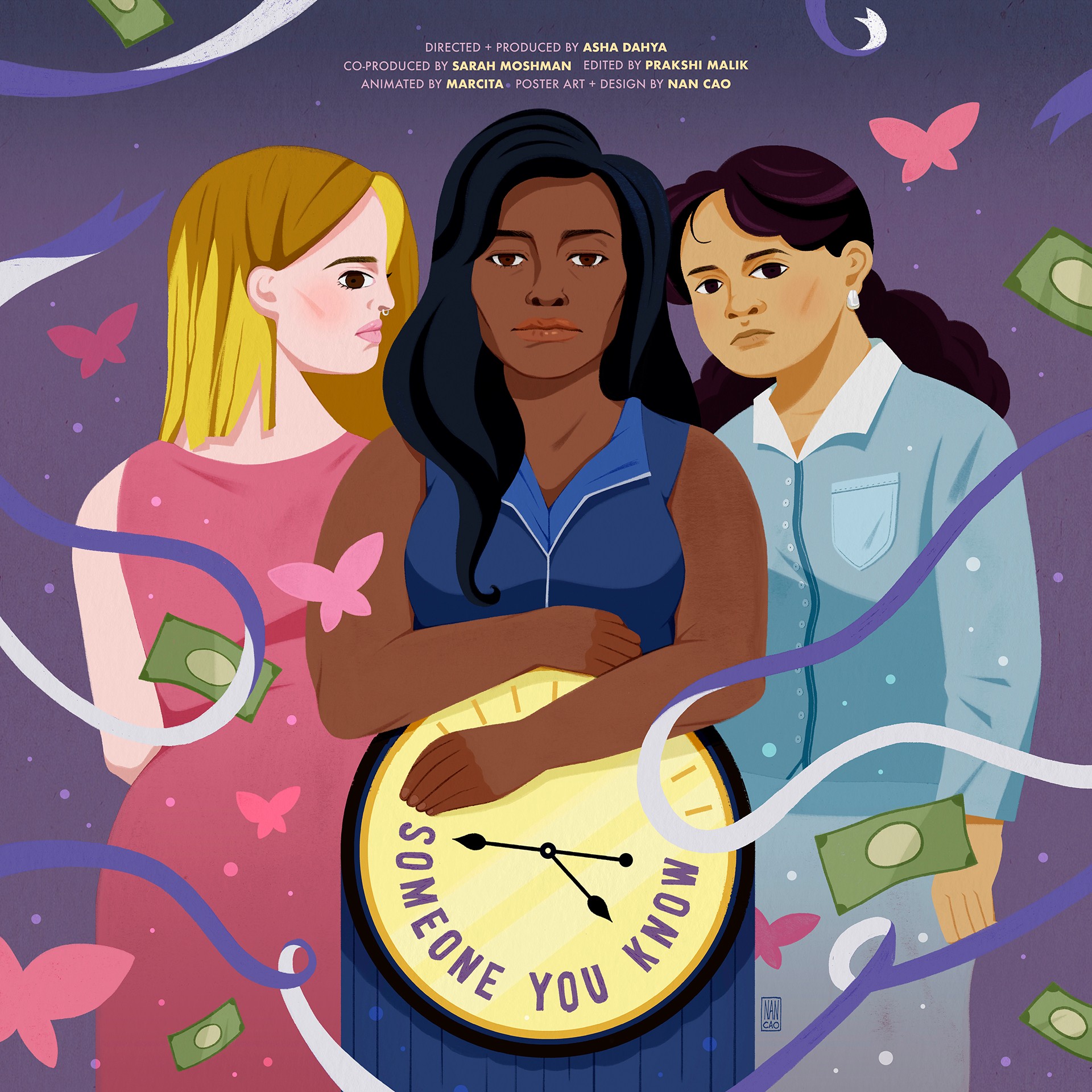
I am the director and producer of a new short documentary called SOMEONE YOU KNOW, which features three women sharing their experiences navigating a hostile landscape, as well as numerous barriers, to get a later abortion. The film will be premiering at the Athena Film Festival in March 2nd in New York City, and I couldn’t be more thrilled! Considering we are in a presidential election year, where a dozen states are set to vote on abortion ballot measures, and the Supreme Court is going to hear arguments in two cases that could decimate access to abortion even further, there has never been a more important time for my film. But my film isn’t just a film about abortion, it focuses on later abortion, with the goal of dismantling myths and showcasing why abortions throughout all stages of pregnancy are necessary and should not be restricted based on time.
Even before Roe v Wade was dismantled in the 2022, getting an abortion later in pregnancy in the United States was extremely difficult. For the women in SOMEONE YOU KNOW, it meant battling religious restrictions within the Catholic hospital system, raising thousands of dollars to travel out of state, being passed off to numerous doctors whose hands were tied by state laws, and having to navigate confusing messages and misinformation from anti-choice crisis pregnancy centers, to name a few of the barriers in their way. Storytelling has now become their advocacy, helping others in similar situations.
I want to see this film used as a powerful resource among pro choice voters in 2024, as a way to challenge internalized abortion stigma, and push back on false rhetoric around later abortion.
Awesome – so before we get into the rest of our questions, can you briefly introduce yourself to our readers.
I have worked in film and TV for 20 years, in Australia as well as the United States. I have always had a passion for using the media as a way to elevate personal stories and create deeper connections. Filmmaking is arguably the most effective and powerful communication tool in the world, and this is the reason I took up a career path in the film and TV industry right out of college. I’ve always had something to say, and these messages have varied throughout my life. From what it takes to be a powerful woman, to pushing back against the patriarchy, and even to amplify the lived experiences of typically marginalized voices (women of color especially). Because of this, it was only natural that I had my sights set on this industry from a young age, and I am still here today. I am the founder of a digital intersectional feminist magazine called GirlTalkHQ.com, I am the author of a book called “Today’s Wonder Women: Everyday Superheroes Who Are Changing The World”, and I am also the director and producer of a new short documentary called SOMEONE YOU KNOW, which features three women sharing their experiences navigating a hostile landscape, as well as numerous barriers, to get a later abortion.
I am most proud of finding my own way through my career, creating my own opportunities, and using my voice for important causes, such as reproductive freedom.
Is there mission driving your creative journey?
My mission right now, especially with my short film SOMEONE YOU KNOW, is to destigmatize later abortion among pro choice voters, using the stories in my documentary as a way to generate empathy. In this election year, pro choice voters can no longer be on the fence about this issue, and we must speak out in favor of later abortion. As we’ve seen in recent stories, like Texas woman Kate Cox being denied a lifesaving abortion by her own state, it is not just abortion rights that are on the line, it is the ability for anyone to make decisions about their own lives and bodies without interference from elected officials, or the imposition of public opinion. As a former anti-choice conservative Christian, and now a mother of two who has spent years challenging my own internalized abortion stigma to become more progressive on the topic, I believe I am using my filmmaking stills to shift perspectives and change hearts and minds.
What’s a lesson you had to unlearn and what’s the backstory?
The biggest lesson I had to unlearn was my former anti-abortion stance. I was never a political person and didn’t take the time to do any research about the topic. I just believed whatever the church leader was preaching from the pulpit, thinking that made me a good person. It wasn’t until I learned there were many “pro life” women in my church secretly getting abortions themselves, that I actually starting thinking about this topic more deeply. Why would someone claim to be “pro life”, but then decide an abortion was ok for them in secret? How did they justify that, while voting to take away the same rights for others?
By listening to more personal stories, it really challenged my stance and I realized that there is no way a political slogan, or even one law banning a medical procedure, has the ability to protect anyone, let alone the babies my former church was so focused on.
I took the time to read research, familiarize myself with data showing how harmful abortion bans are, and how these bands were disproportionately impacting women of color and young people.
Recognizing my own privilege in being able to change my mind, I decided that I wanted to use my filmmaking career to share more abortion stories, in the hope they can reach other people like me who are perhaps going through a change of heart, and want more than just data or research to look at.
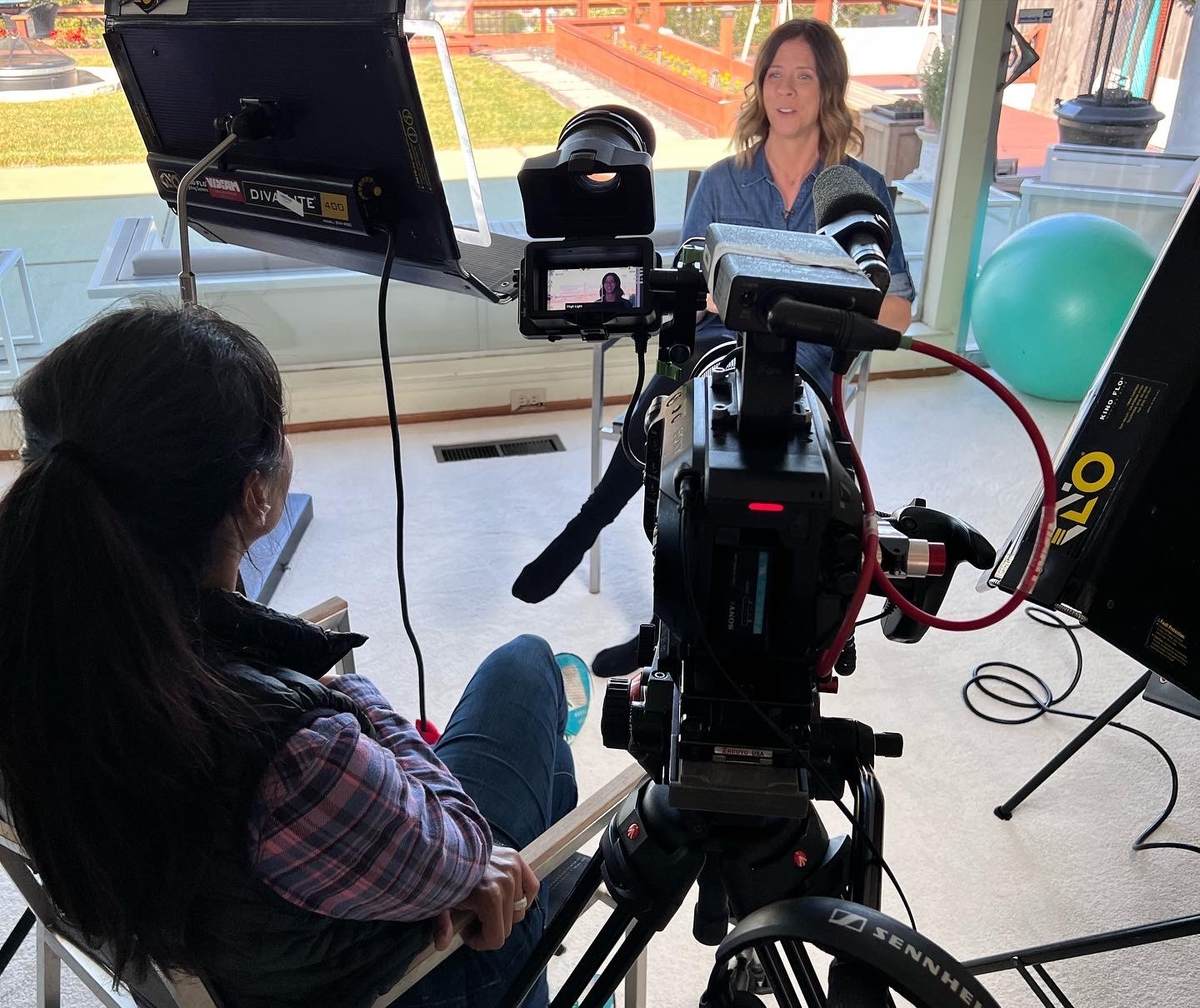
My short film SOMEONE YOU KNOW is my way of doing this. The film was made using 50% animation and 50% interview footage. Each of the women chose to use their real names and likenesses in the hope that their experience navigating numerous barriers to getting an abortion later in their pregnancy will generate empathy among those who don’t understand why someone would need a later abortion. There is a lot of misinformation surrounding later abortion, and I hear far too many well-meaning pro choice people justify their stance, saying, “I am pro choice, except when…” and they usually proceed to name abortions in the 7th or 8th month. If more people understood that barriers to accessing abortion push people later into pregnancy, the high cost of the procedure later in pregnancy means many people have to travel out of state or potentially put their lives at risk, and that these patients have no choice because they find out information about their pregnancy that they could not have known earlier, perhaps we would see more vocal support for later abortion. If my film can play a role in educating people, being shared far and wide among everyday folks as well as elected officials and medical professionals, I will be happy. Films really can make cultural change, and that is my mission.
Contact Info:
- Website: www.ashadahya.com
- Instagram: @ashadahya
- Linkedin: https://www.linkedin.com/in/ashadahya/
- Twitter: @ashadahya