
We were lucky to catch up with Aseel El-Baba recently and have shared our conversation below.
Aseel, thanks for taking the time to share your stories with us today We’d love to have you retell us the story behind how you came up with the idea for your business, I think our audience would really enjoy hearing the backstory.
The idea for my business didn’t arrive as a lightning-bolt moment. It grew slowly, quietly, during my years as a financial planner. I spent almost a decade working in Canada’s financial industry, growing into an office on Bay Street managing a portfolio of over $100 million. On the outside, I was doing everything I was trained to do: building wealth strategies, planning retirement, advising on portfolios, running projections, and keeping clients on track financially.
But something unexpected kept happening behind closed doors.
Clients weren’t just walking in with investment questions. They were walking in with fear, shame, self-doubt, scarcity, and unresolved stories about money. The more successful they were financially, the more emotional the conversations became. I wasn’t trained in any of this, but I was fascinated by it. I found myself drawn less to their portfolios and more to the patterns: Why does someone with millions still feel unsafe? Why do people sabotage their progress even when they have the knowledge? Why do intelligent, successful people crumble when talking about debt, inheritance, or investing?
I began to notice that money was never really about the numbers. It was about the relationship we have with money.
The moment that changed everything came with one of my highest net-worth clients, a well-known executive. We went through his strategic plan like usual, but I couldn’t ignore the deeper emotional patterns I kept noticing in his decisions. So I asked a different set of questions—questions that weren’t about returns or cash flow, but about his childhood, his identity, and how he felt about money.
And he broke down in tears.
It was one of the most powerful conversations of my career because for the first time, someone had helped him make sense of the emotional weight he had been carrying for decades. That moment shook me. I realized that people weren’t just coming to a financial planner for financial guidance. They were yearning for healing, clarity, and a healthier relationship with money.
When he left my office, I opened my computer and typed:
“How to become a therapist in Toronto.”
That single question became the beginning of an entirely new career. I enrolled in a five-year psychotherapy program in 2018, and by March 2020, I launched my financial therapy practice.
I knew this idea would work because no one was bridging the two worlds—traditional financial planning and deep emotional healing. The industry was focused on tactics, strategy, and spreadsheets, but not on why people stay stuck, why they overspend, avoid, freeze, panic, or feel deeply unworthy. Financial literacy alone couldn’t solve those deeper blocks.
What excited me most wasn’t just helping clients build wealth. It was helping them rewrite their relationship with money, break generational patterns, and finally feel safe, empowered, and in control.
That’s how my business was born— from a moment of truth. I realized that money is a doorway into healing. And once you see that, you can never go back
Aseel, love having you share your insights with us. Before we ask you more questions, maybe you can take a moment to introduce yourself to our readers who might have missed our earlier conversations?
Who I Am and How I Started
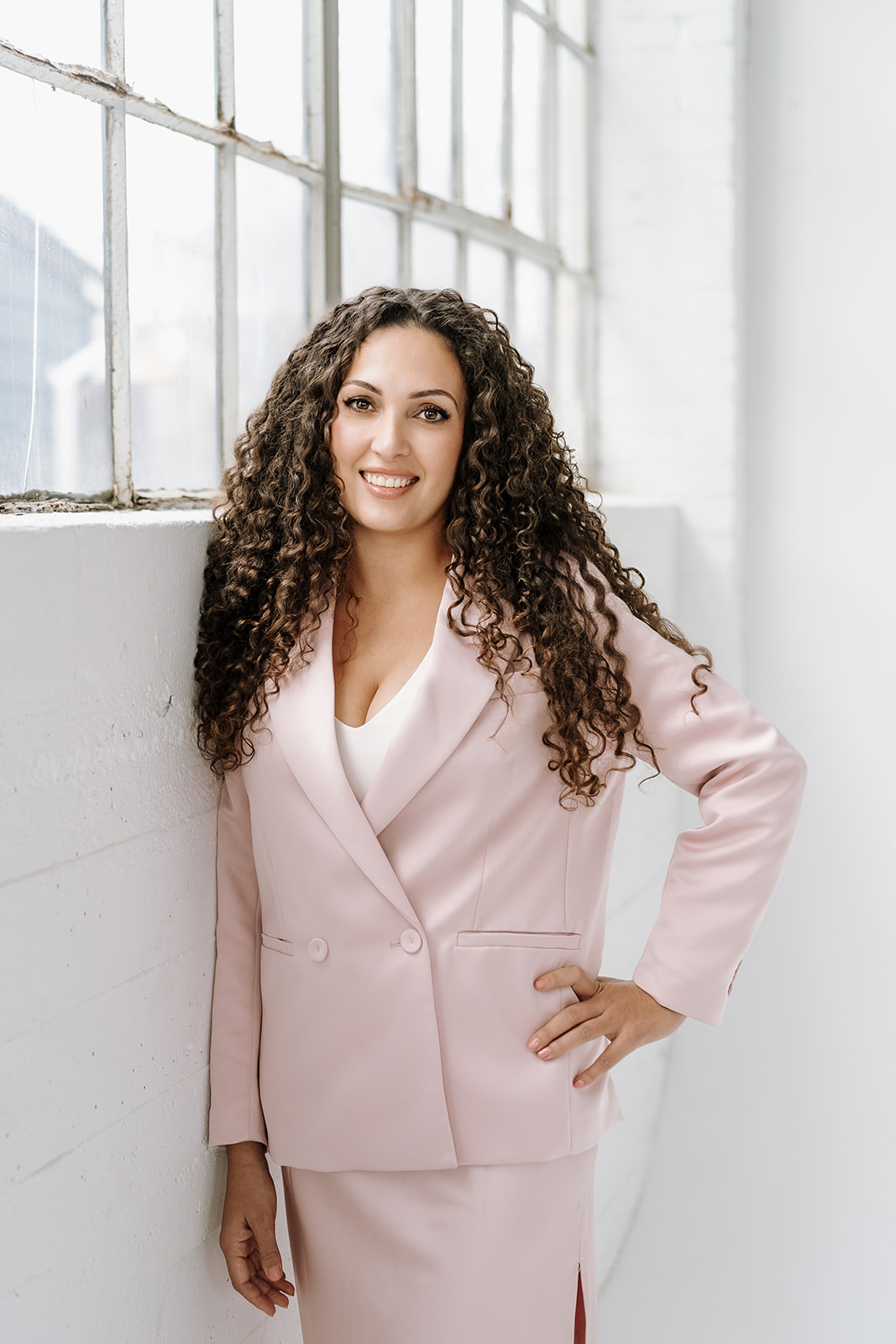
My name is Aseel El-Baba and I am a Financial Therapist and Registered Psychotherapist (Qualifying). My work combines financial planning, trauma-informed therapy, and emotional healing. I began my career on Bay Street at age 22 and built a $100M portfolio as a financial planner. But what transformed my path was realizing that financial problems weren’t caused by a lack of knowledge—they were rooted in fear, shame, scarcity, and old emotional patterns.
That realization led me to pursue psychotherapy training and eventually launch my financial therapy practice.
What I Do
Today, my work blends strategy with deep therapeutic insight. I help people navigate the emotional side of money and build aligned, empowered financial lives through:
Private financial therapy
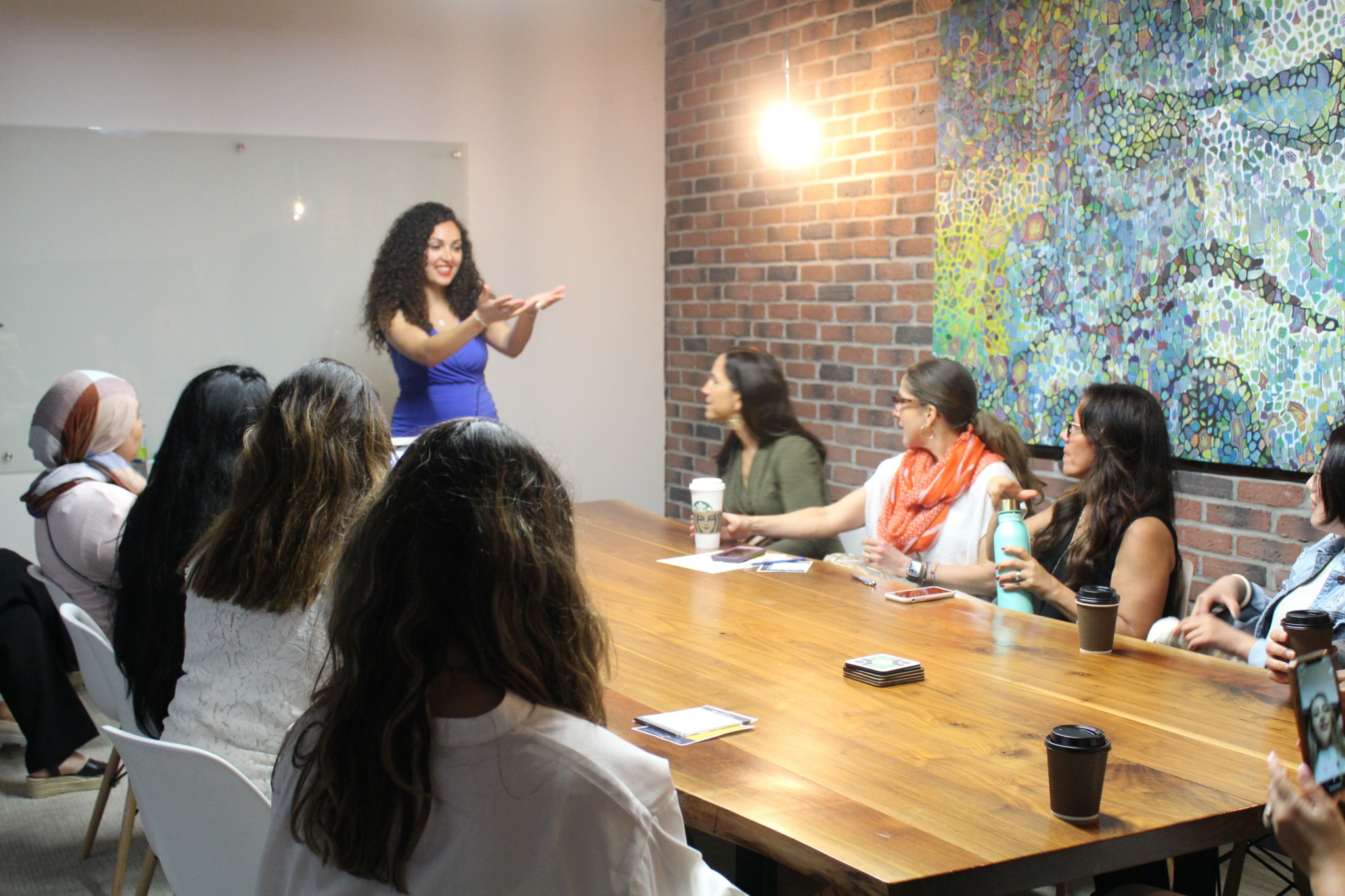
Group programs and workshops
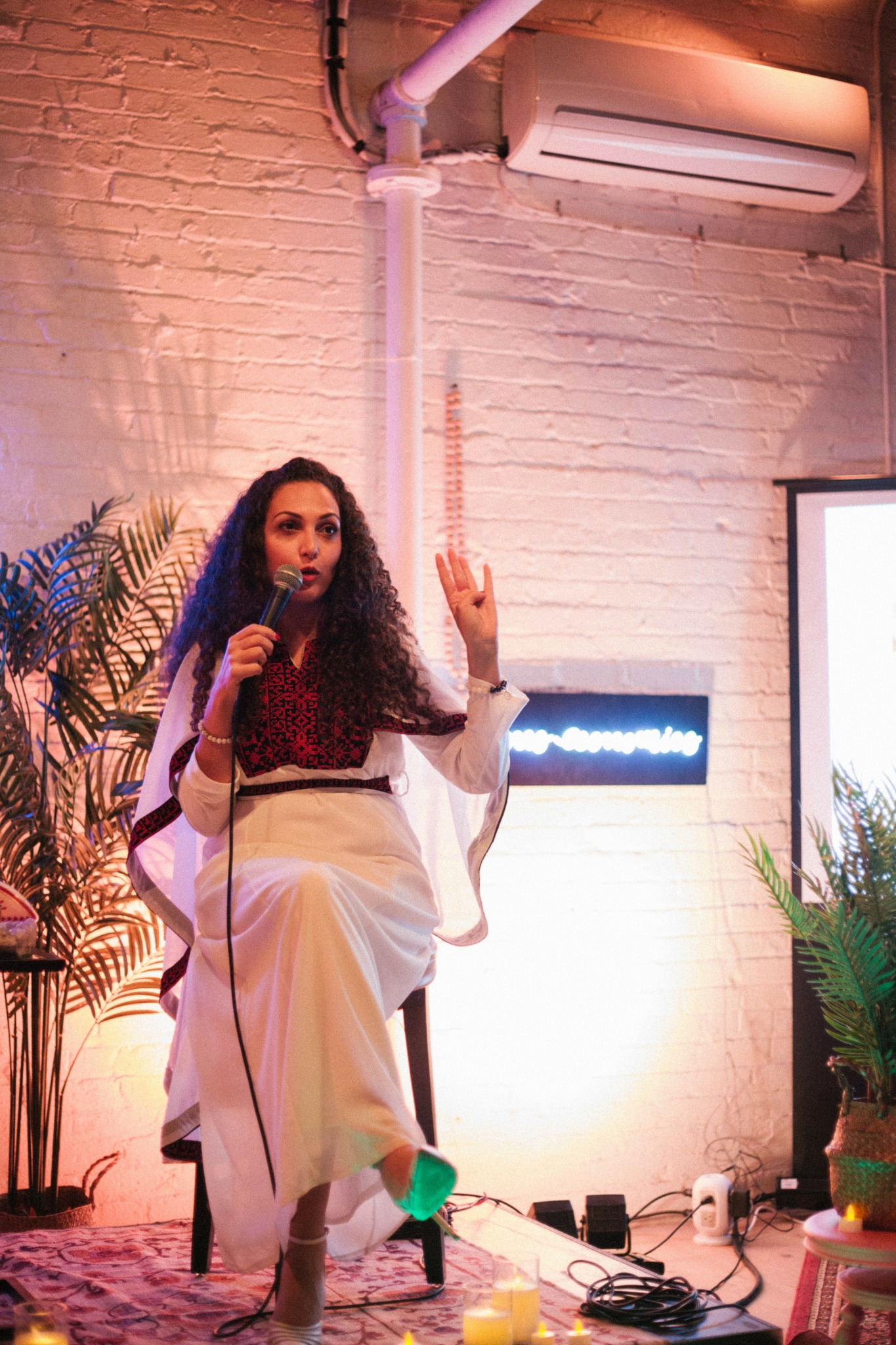
Corporate training and speaking
Financial wellness curriculum and consulting
The Problems I Solve
I support clients who want to change their financial behaviors and emotional patterns. I help people:
reduce anxiety and shame around money
break cycles of avoidance or overspending
build healthier habits and boundaries
rewrite their money narratives
It’s not just about wealth—it’s about inner peace and clarity.
What Makes My Work Unique
Financial advice focuses on numbers. Therapy often ignores money. My work bridges both worlds. I help clients connect the mind, emotions, and nervous system to financial behavior. It’s practical and emotional. Strategic and spiritual.
What I’m Proud Of
I’m proud to be part of a movement that’s changing how we talk about money. I’ve supported clients in transforming their relationship with money, breaking generational patterns, and creating wealth with intention—not fear.
What I Want Clients to Know
Money is not just a financial topic—it’s a healing journey. When you transform your relationship with money, it impacts every part of your life. My mission is to help people build wealth from the inside out and access a future that feels aligned, empowered, and abundant.
Learning and unlearning are both critical parts of growth – can you share a story of a time when you had to unlearn a lesson?
One of the biggest lessons I had to unlearn was that financial success equals safety and self-worth.
I grew up seeing money as something unstable, unpredictable, and often attached to fear. Growing up in a war zone, I internalized the belief that money was the solution to all insecurity and the key to belonging and success. When I became a financial planner on Bay Street, I carried that belief into my career. I thought that wealth, credentials, and external success were the way to create stability and self-esteem.
Then I sat across from client after client—people with high incomes, massive portfolios, and outward success—who were still struggling with fear, shame, and scarcity. That was the moment I realized how wrong the belief actually was.
Money doesn’t fix our emotional wounds.
It amplifies them.
Watching people who “had it all” still feel unworthy or unsafe forced me to confront my own story. I had to unlearn the idea that we have to earn our security, earn our belonging, and earn our sense of worthiness. Safety doesn’t come from a salary, a bank account, or a status. It comes from healing the emotional relationship we have with money.
That realization completely changed my work and my life. It showed me that true wealth is emotional, relational, and internal first. And it’s now the foundation of every client conversation I have.
Any stories or insights that might help us understand how you’ve built such a strong reputation?
I believe my reputation was built on doing something the financial industry wasn’t doing—bringing emotional intelligence, trauma-informed thinking, and human compassion into a space that has traditionally been driven by sales and performance.
From the beginning, clients trusted me not just because I knew the financial strategies, but because I could hold space for their fears, shame, confusion, and the deeper stories behind their financial decisions. I didn’t talk at people; I listened. I treated money as a human experience, not a spreadsheet.
I also built my reputation by showing up in multiple spaces—as a financial planner, a psychotherapist, a speaker, and an educator. I became known for bridging both worlds and translating complex psychological and financial concepts into meaningful, relatable tools that people could actually apply in their lives.
What helped most was consistency and integrity. Clients came to me because they felt safe. Organizations hired me because I brought a holistic and innovative approach. Word spread because people experienced real transformation in their relationship with money, not temporary solutions.
At the core, my reputation grew because I wasn’t just offering information—I was offering a new way of thinking about money and a new level of compassion in an industry that often overlooks the human being behind the numbers.
Contact Info:
- Website: https://holisticoptimalwealth.com
- Instagram: aseelbaba
- Linkedin: https://www.linkedin.com/in/aseel-elbaba/