

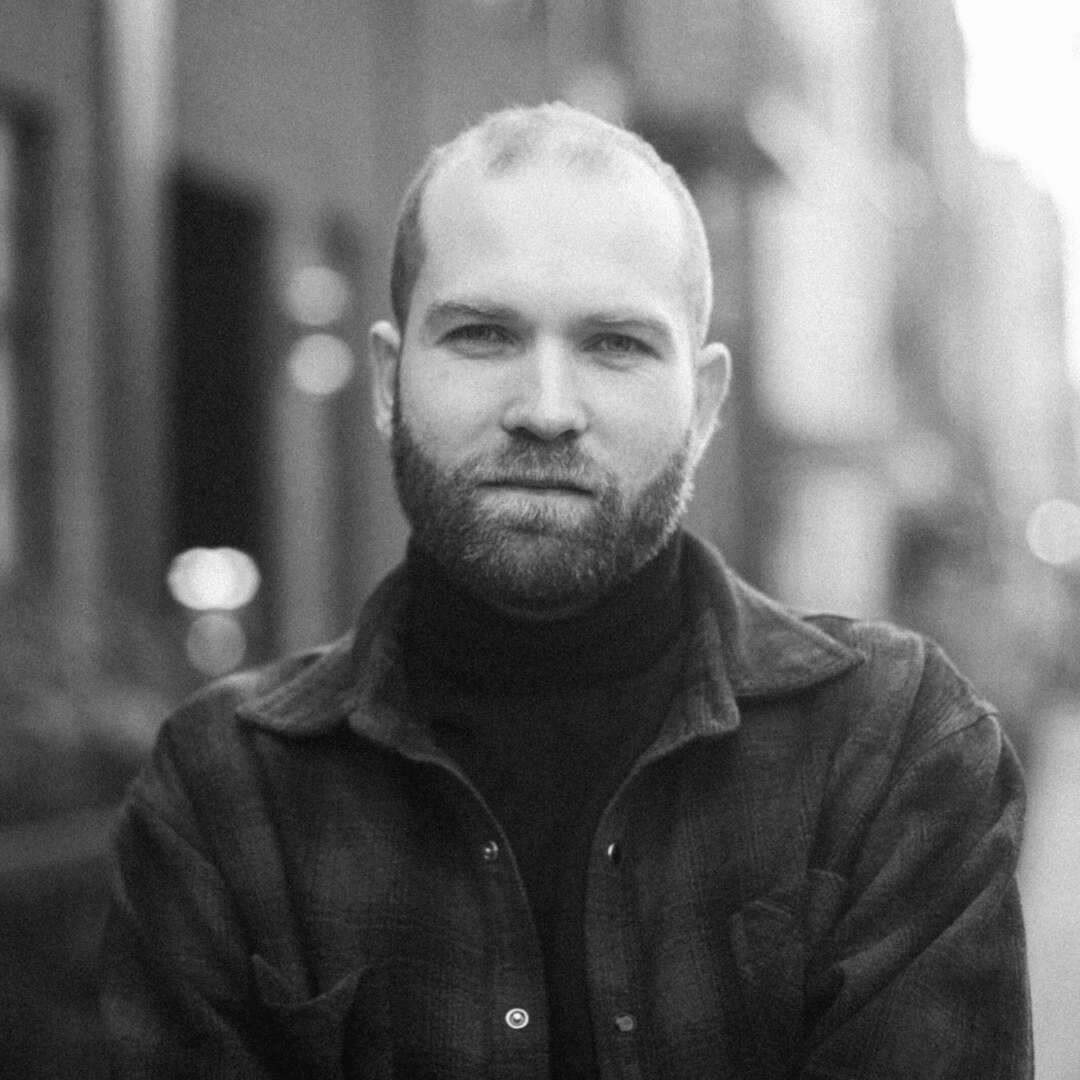

We’re excited to introduce you to the always interesting and insightful Arthur Gay. We hope you’ll enjoy our conversation with Arthur below.
Arthur, thanks for joining us, excited to have you contributing your stories and insights. We’d love to hear about when you first realized that you wanted to pursue a creative path professionally.
I was a teenager, maybe seventeen, when I first discovered that film was not just as a medium of pure entertainment but an artistic medium. I had been introduced to some of the greats like Tarkovsky and Antonioni, and they were extremely moving for me. Like any teenager, I was beginning to reflect, in a disorganized and confusing way, on my childhood. I was starting to ask the basic questions of who I was, where I came from, and where I belonged. I feel like these are pretty universal ideas that present themselves in very personal ways. It was an extremely formative period of my life and a time when I was perhaps at my most emotionally vulnerable to that date. So, when I was shown films that examined questions that felt so relevant to me, I think I latched onto that.
I decided to make my first short film. I cast my friends and shot it over 5 weekends. Honestly, I had no real idea of how to make films at that point but for me it felt refreshing and empowering. I was granted a tool to examine questions that I struggled to articulate with words or fully comprehend emotionally. It was a tool, almost abstract in nature, that allowed me a certain distance from subjects that were deeply personal and emotionally charged. Although my voice and ability to practically make a film were very limited at the time, I knew that this was the medium and discipline that I wanted to work with for the rest of my life.
As always, we appreciate you sharing your insights and we’ve got a few more questions for you, but before we get to all of that can you take a minute to introduce yourself and give our readers some of your back background and context?
Having spent my early years often moving countries with my mother, my work focuses on ideas of existentialism and belonging. In my fiction, my characters are often in a state of transience, grappling with the meaning of what ‘home’ means to them and what the future holds. I’m particularly interested in characters that naturally exist on the fringe of societal norms, providing a different lens on the world. After eventually settling back in Tāmaki Makaurau, New Zealand, I went on to study film at Unitec, graduating with a Bachelor of Performing and Screen Arts with a major in Directing and Writing for Screen.
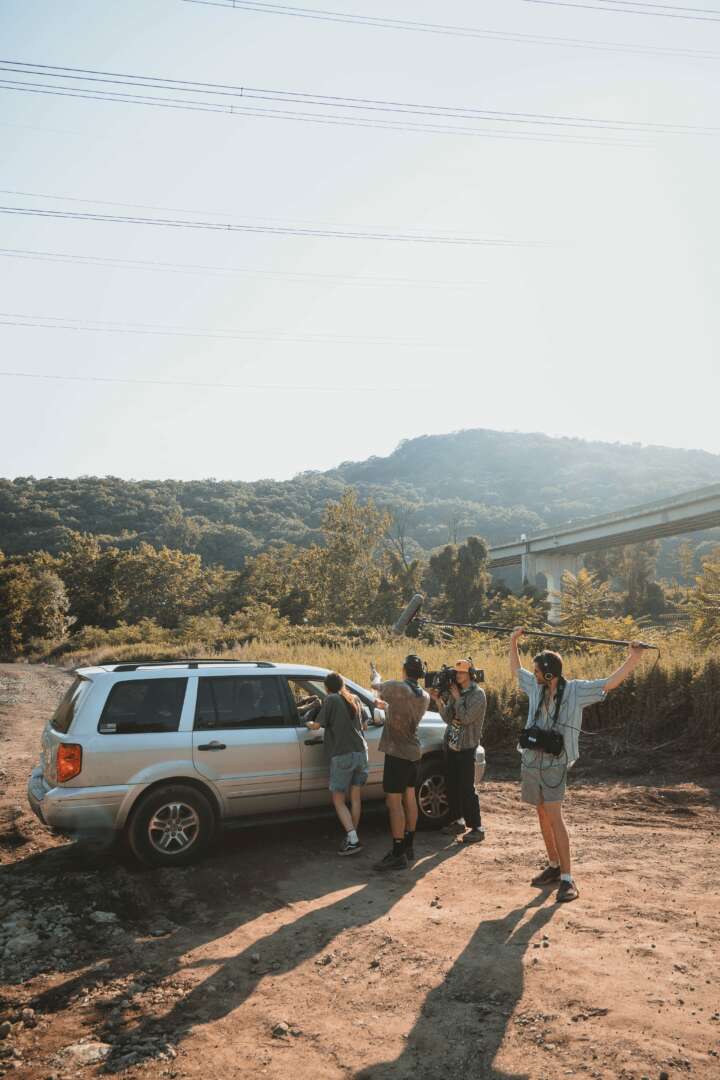
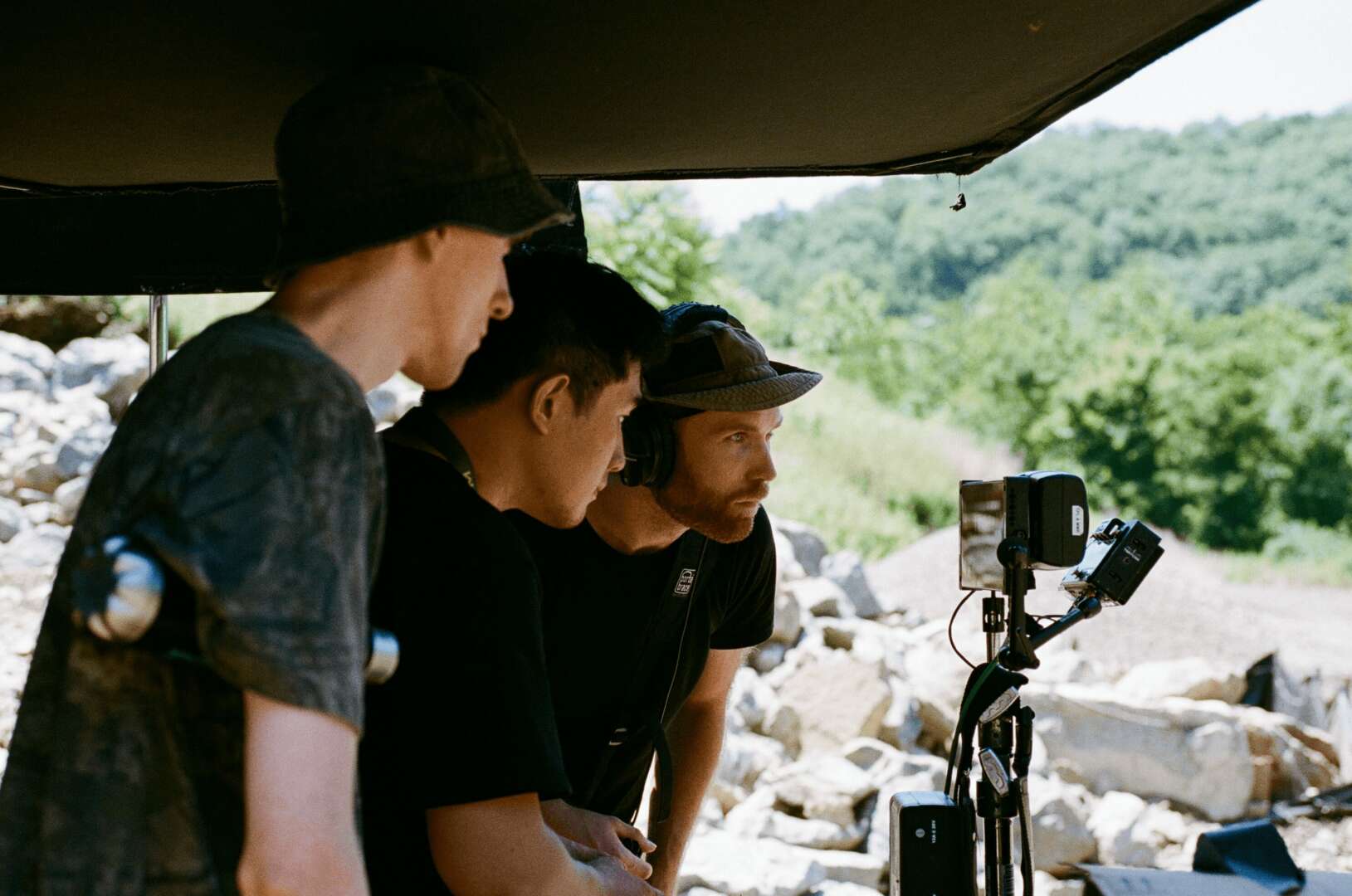
I then spent about five years crewing professionally in the New Zealand film industry, expanding my production skillset across multiple departments, while pursuing my own work between paid jobs. During that time, I made several short films (‘What Do You See’ & ‘Lipstick’), music videos (‘Neptune’ & ‘Darksong’, both for Terrible Sons), and two feature documentaries (‘Malerverksted’ & ‘Somewhere in Between’). In 2020, I was accepted into the Columbia University Graduate film program. During that time, I made three short films, most notably ‘Sunshine City’, that had its premiere in the New Zealand International Film Festival. Recently, my co-writer Rali Chaouni and I were accepted into the 2024 Sundance Screenwriters Intensive for our feature script ‘When the Goats Came’. I hope to shoot this as my debut fiction film at the end of 2025.
What do you think is the goal or mission that drives your creative journey?
Look, I think the reason why we do things always has many layers. I would be lying if I didn’t say that my mission isn’t partly driven by my personal desire to understand and examine the world through my own lens. As I said before, it’s an important tool for me to pick at the rocks in front of me.
But film is also meant to be shared with others. For others to experience a different reality for a moment and I think film has the power to create positive change. I don’t mean that films need to necessarily have happy endings and give us little butterflies in our stomachs, although that’s fun too. But that, importantly, films can offer us emotional and intellectual insight into experiences that we are not familiar with. Simply put, it can create and foster empathy. Of course, it can do the opposite too, and we see so many examples of this in history. I guess I hope that I can be a small part of a large puzzle in helping to create empathy. For me, these two reasons are what compel me to carry on making films.
In your view, what can society to do to best support artists, creatives and a thriving creative ecosystem?
Celebrating and encouraging art in schools for our children and teenagers is crucial. Humans need to feel free to express themselves through whatever means feels intuitive to them, and it all starts with the celebration of artistic expression in childhood. As Picasso said, “Every child is an artist; the problem is staying an artist when you grow up.
Contact Info:
- Website: https://www.arthurgay.com
- Instagram: https://arthur.elias.gay
- Linkedin: https://www.linkedin.com/in/arthurgay/
- Other: Vimeo: https://vimeo.com/arthurgay
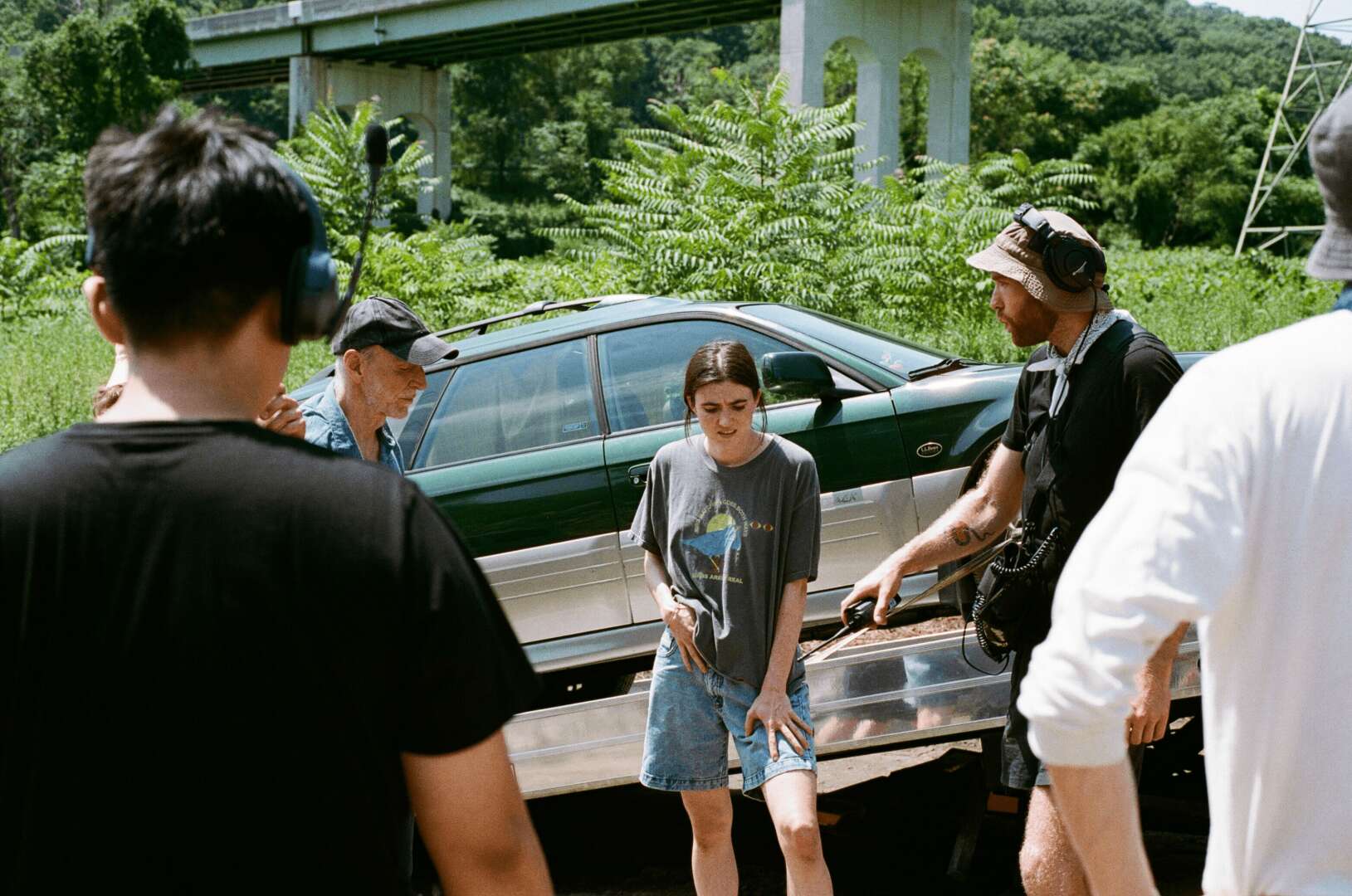
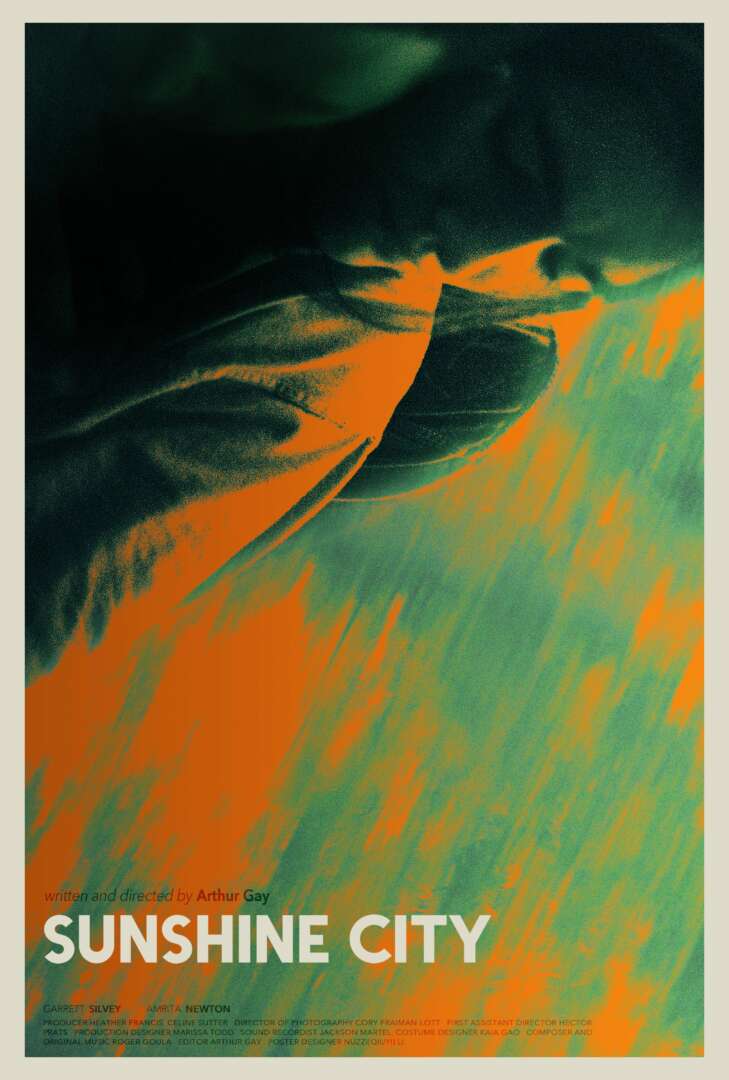
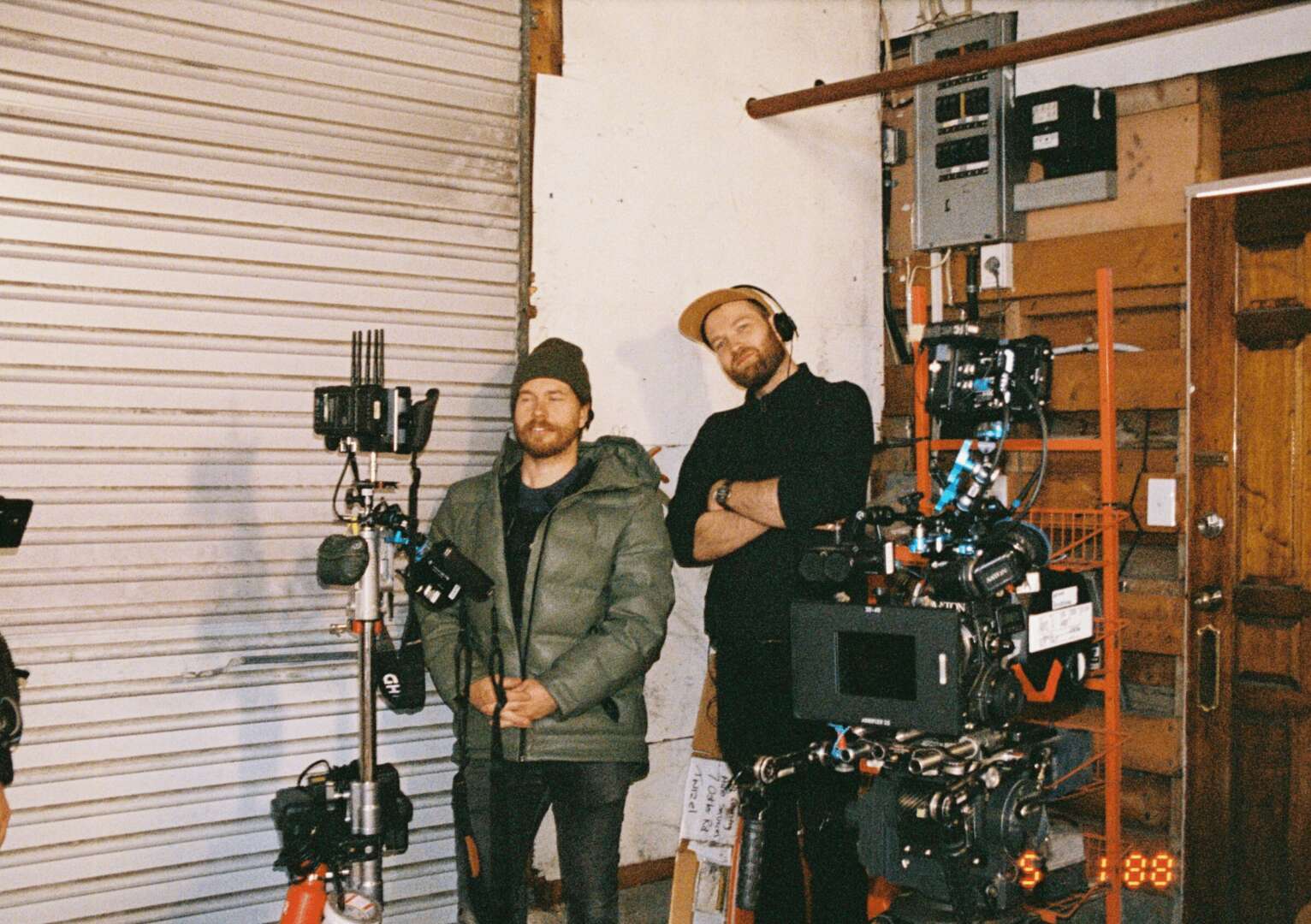
Image Credits
-Derin Çelik
-Tia D Carr
-Qiuyi Li (Nuzzi)