



We caught up with the brilliant and insightful Aromal Rajagopal a few weeks ago and have shared our conversation below.
Aromal, looking forward to hearing all of your stories today. What do you think matters most in terms of achieving success?
Defining success is a concept riddled with challenges, in my opinion. Life unfolds in stages, each presenting us with a mix of clear and vague goals. At its core, success is deeply personal—a culmination of achieving our life’s objectives, which often bring lasting satisfaction, happiness, and value to our lives.
Success manifests in various domains, be it academic, professional, or personal achievements. For me, true success entails a harmonious blend of accomplishments across all facets of life, extending beyond personal gains to benefit a broader community—be it family, society, or humanity as a whole. Rather than a solitary pursuit, I view success as a shared endeavor, enriching the lives of those around us.
The journey to success begins with identifying passions and areas of excitement, despite the inevitable setbacks and failures along the way. Embracing this paradox, we understand that success is not a predetermined path but a process of continual learning, adaptation, and growth. Central to this journey is the cultivation of a calm, mindful mindset—a state of stillness that fosters clarity, purposeful action, and awareness in every moment.
Incorporating mindfulness practices into our daily lives allows us to navigate challenges with grace, stay attuned to our progress, and make intentional choices that align with our goals. While aimless wandering may have its place, sustained progress often requires the guidance of mentors or peers who offer support, feedback, and course correction.
A healthy definition of success should inspire personal motivation, encouraging individuals to expand their horizons, embrace learning, and pursue achievable goals that foster happiness and fulfillment. In essence, success is within reach for everyone, attainable through perseverance, self-awareness, and a commitment to meaningful growth.

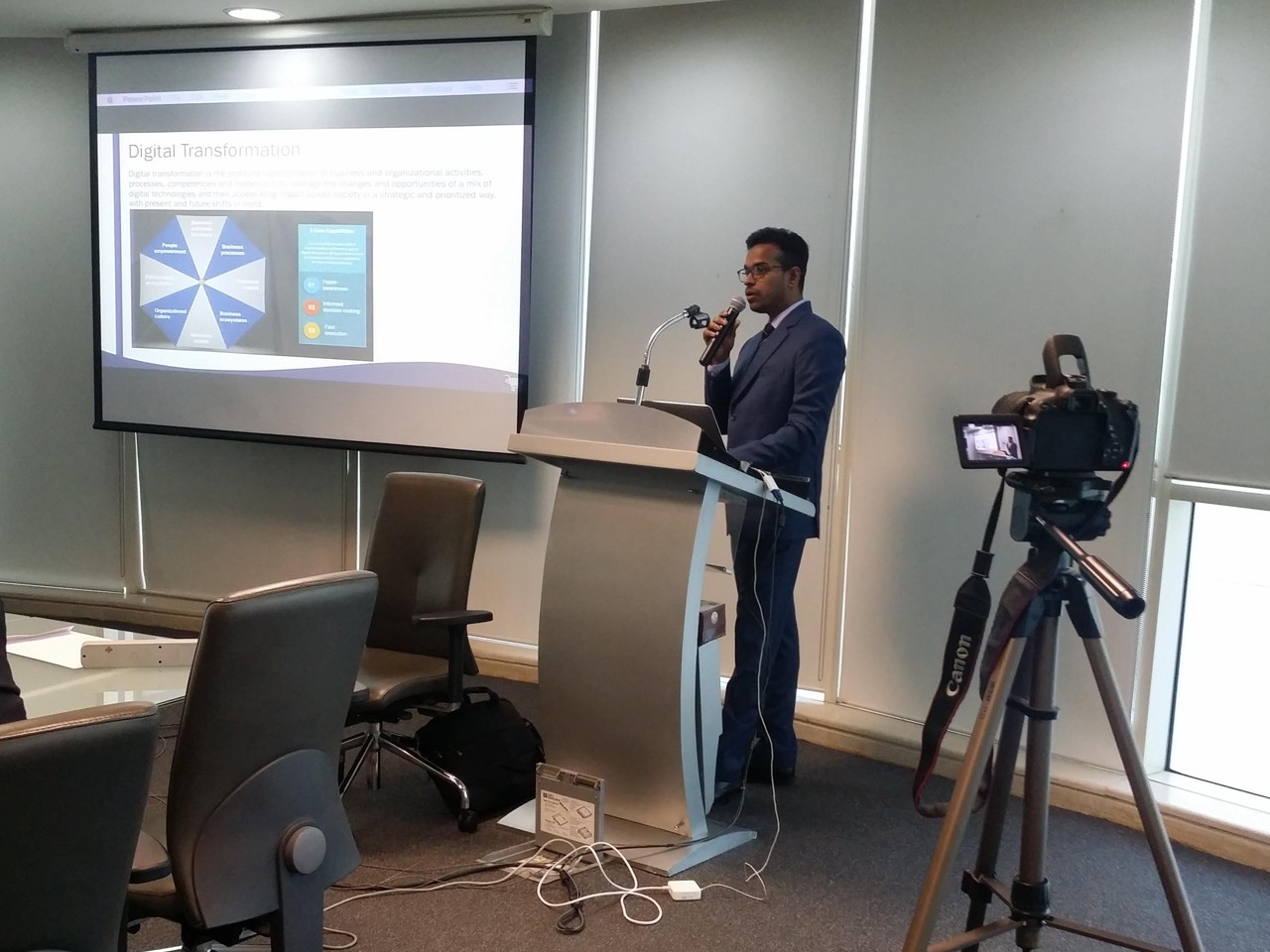
As always, we appreciate you sharing your insights and we’ve got a few more questions for you, but before we get to all of that can you take a minute to introduce yourself and give our readers some of your back background and context?
My name is Aromal Rajagopal, a first-generation IT entrepreneur. I started my career in business at the age of 16 and then founded my first IT company in 2003 offering services to the US market by offering IT infrastructure management services for the hosting industry. Since then we have branched out to multiple industries and services, today our company Carmatec offers Digital transformation services that cover turnkey implementation of digital solutions that involve data storage, management, analytics, apps on multiple platforms all backed by cloud technologies in a vendor-agnostic manner. We employ cutting-edge technologies for performance measurements and continually employ optimizations at all levels of the IT stack to improve end-customer experiences. Carmatec delivers services to more than 11+ industries that include but not limited to, Banking and Insurance, e-commerce, Software product companies, Manufacturing, Retail, Internet startups, Healthcare, and Hospitality.
What’s a lesson you had to unlearn and what’s the backstory?
Learning to prioritize recruitment as a pivotal aspect of our business was a lesson I had to unlearn. Initially, I viewed it as just another operational area, deserving equal attention alongside other departments. However, as our business thrived on people-driven operations, with a substantial portion of our expenses allocated to human resources, I came to understand the critical importance of giving recruitment the utmost focus.
The realization struck during a period of rapid business expansion when we onboarded over 30 new employees. Unfortunately, the efficiency of our hiring team was compromised by unqualified and untrained staff. Moreover, the integration of new hires with existing team members was disjointed, leading to inefficiencies in team engagement and overall performance.
This lack of streamlined processes resulted in subpar hires, triggering a domino effect of project delays, delivery issues, and ultimately, diminished profitability. It became evident that our company needed robust recruitment processes and filtering mechanisms right from the outset, starting with assembling the right recruitment team.
Reflecting on my approach, I recognized the importance of listening to candidates’ life situations while ensuring a keen focus on assessing their actual skill sets. I learned that potential employees with the right mindset and relevant skill sets should take precedence above all else. This shift in perspective was instrumental in shaping our recruitment strategies and fostering a more efficient and effective hiring process.
Any advice for managing a team?
For effective team management and fostering high morale, prioritizing quality individuals is paramount. Empower your team members to make decisions, granting them the autonomy they need to thrive while providing ample opportunities for growth and learning.
Clear communication of expectations and implementation of systems to measure both sub-goals and overarching objectives are crucial. These systems offer early indicators for course correction, enabling managers and team members alike to gauge performance effectively.
Utilizing agile methodologies for project management can be beneficial, facilitating daily status updates to ensure transparency and alignment, regardless of project duration.
High morale flourishes in a healthy work environment characterized by minimal politics and proactive resolution of lingering issues. Nurturing strong interpersonal relationships among team members is vital, as they significantly impact overall performance.
Encouraging cross-functional collaboration by rotating team members across different roles enhances collective understanding and improves overall team performance. This approach provides individuals with a comprehensive view of the work environment, beyond their immediate responsibilities.
To bolster workforce engagement, prioritize various activities and interactions that foster team cohesion. Especially in times of remote work, organizing virtual and in-person events can help create a more integrated team dynamic.
Contact Info:
- Website: https://www.carmatec.com
- Linkedin: https://www.linkedin.com/in/aromalr/
Image Credits
All images taken owned and copyrighted by Aromal Rajagopal