

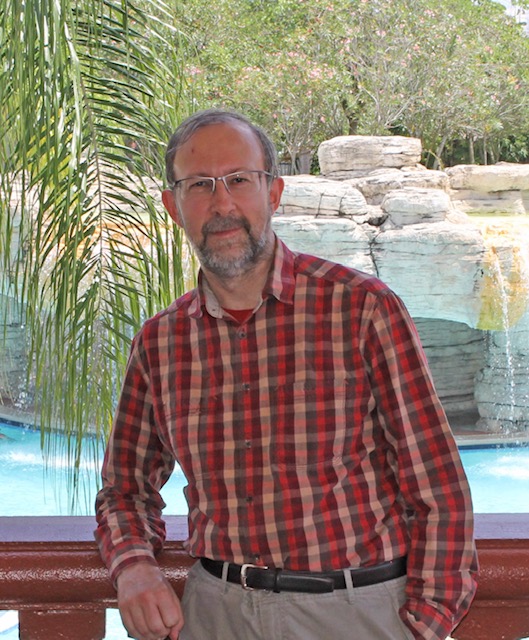

We’re excited to introduce you to the always interesting and insightful Archie Roy. We hope you’ll enjoy our conversation with Archie below.
Alright, Archie thanks for taking the time to share your stories and insights with us today. We’d love to hear about a project that you’ve worked on that’s meant a lot to you.
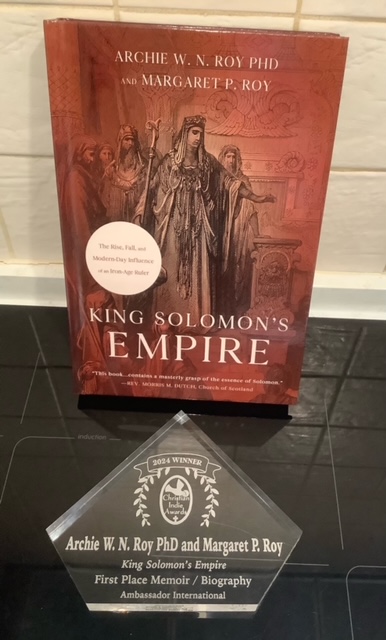
The most meaningful project lately was the non-fiction book, King Solomon’s Empire: The Rise, Fall and Modern-Day Influence of an Iron-Age Ruler. I got this published by a publisher in South Carolina in late 2022.
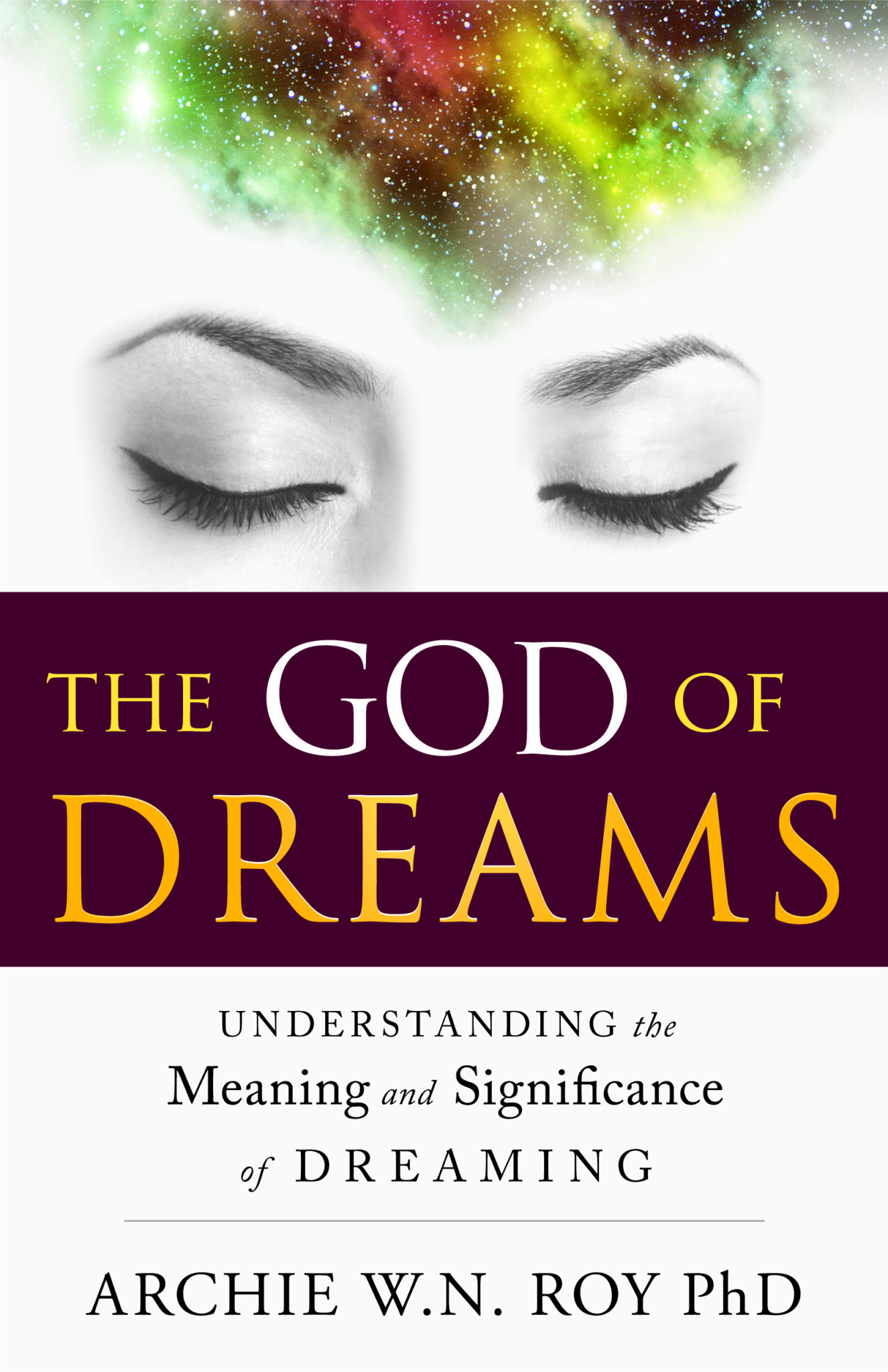
I had published a previous book called The God of Dreams in 2017. This was published in Oregon by Deep River Books.
In one of its chapters, I focused on dreams recorded as occurring to King Solomon who was the King of Israel at the start of the Iron Age in the middle east.
The book did well but I felt there was a lot more to Solomon and I started to focus much more on him. When I did, I discovered he was relatively neglected by authors and commentators. I decided to research a book which would be entirely about him. I liken it to being an explorer with a camera seeking out a rare wild beast, wondering what if any shots I’ll get of him. I believe that I did get some good close-ups but at the same time, Solomon remained elusive and out of reach in some respects.
In some key ways though, I managed to plot his family background, his rise to power and the extraordinary empire he governed until he passed away. I examine his strengths and flaws as far as it is possible from the evidence.
In the book, I also chose to focus on modern-day Israel and the extent to which its policies have been inspired by, among other things, Solomon’s wisdom. I look at the history of the Jews post World War 2 right up to the modern day. I researched the extraordinary ways in which Jewish people have excelled often against immense odds. I believe that there is no natural explanation for it.
For instance, and I mention one of them in my King Solomon book, both my Psychology professors back at university were Jewish emigrees from Central Europe. One of them, Professor H R Schaffer, arrived as a child in London and got off one of the last Kindertransport relief trains from Nazi Germany. He only had a few coins in his pocket and the clothes he was wearing. He had absolutely no family to support him – they were all killed in concentration camps. Yet he studied and excelled in the U.K. and became a leading developmental psychologist. In fact, in a survey by the British Psychological Society, he was rated as one of the top 100 most influential psychologists of the twentieth century.
Both these books are available on Amazon and there is a Kindle version of the Solomon book.
Great, appreciate you sharing that with us. Before we ask you to share more of your insights, can you take a moment to introduce yourself and how you got to where you are today to our readers.
I have about sixty non-fiction publications (books, book chapters, journal articles, journalistic pieces) and currently I have a number of research papers being considered by journals.
I have been employed by many organisations but I found I could work for two of these for long periods of time. I worked as an adviser for the University of Glasgow for almost twenty years, mainly offering one-to-one advice to students on areas like graduate skills, employability, volunteering, and how to present themselves to graduate employers to maximise chances of success.
Prior to that, I was employed by a very specialised non-government organisation which supported blind and partially sighted people. Again, a lot of my work there was one-to-one but I was able to do a lot of research. Two of these research papers were published by Nature and focused on making the SPSS statistics package accessible to blind computer users.
I am now semi-retired and I enjoy being free to engage in creative projects which are not tied to an employer and its interests. I am also the branch chair for a national charity which supports international students.
I am a writer and researcher first and foremost and have a background in psychology and offering educational support, helping people work out their pathways and how to make the right choices for them.
Any resources you can share with us that might be helpful to other creatives?
Yes, absolutely! I wish I had known about the Society of Authors. This is a trade union for writers and creatives based in London. It has regional support groups for writers but it also has teams of staff in London who will support a writer with everything from critiquing a draft contract presented by a publisher to advising on agents and even advising on situations with publishers if something goes wrong from the writer’s point of view.
Being a writer should not be a solitary experience and organisations such as the Society do give a community as well as the pooled resources of its members and staff.
I am also quite taken with The Artist’s Way by Julia Cameron. I only ordered it recently but I’m quite intrigued by it and I’m sure it has helped a lot of writers with the techniques she advocates. I will be reading it over the coming weeks and hope to apply the techniques in the new year.

How about pivoting – can you share the story of a time you’ve had to pivot?
Yes, I pivoted some years ago from the nonprofit or voluntary sector to the university sector – that pivot took a while. Initially when I worked for a nonprofit, the organisation wanted everyone working in client guidance to be suitably qualified and I was happy to participate in that so I qualified in a couple of years as a guidance practitioner but continuing to work full-time for the organisation.
At the same time, the organisation had shifted from a social welfare model of practice to an income generating one and I found that this curtailed things I had enjoyed doing and wanted to continue doing like face to face client work and research.
I took voluntary severance and then did a couple of jobs very short-term, just a few months duration for each of them. But by qualifying as a guidance practitioner, I could apply for career counselling roles in the university sector. I did finally get an open-ended contract with a university and this then allowed me to continue research and writing as well as direct face-to-face client work.
Contact Info:
- Linkedin: https://www.linkedin.com/in/archie-roy-68026b2a/
- Other: https://ambassador-international.com/books/king-solomons-empire/
https://www.amazon.com/s?k=king+solomon%27s+empire&crid=3EUDGTKMJVKGE&sprefix=king+solomon%27s+%2Caps%2C185&ref=nb_sb_ss_p13n-expert-pd-ops-ranker_7_15
https://deepriverbooks.com/books/god-of-dreams/
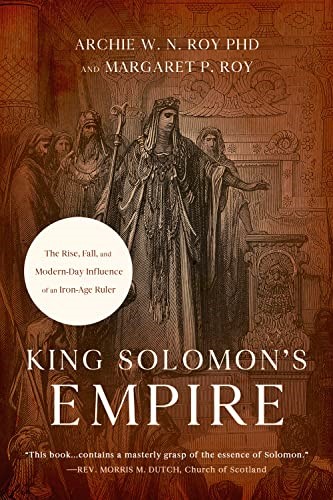
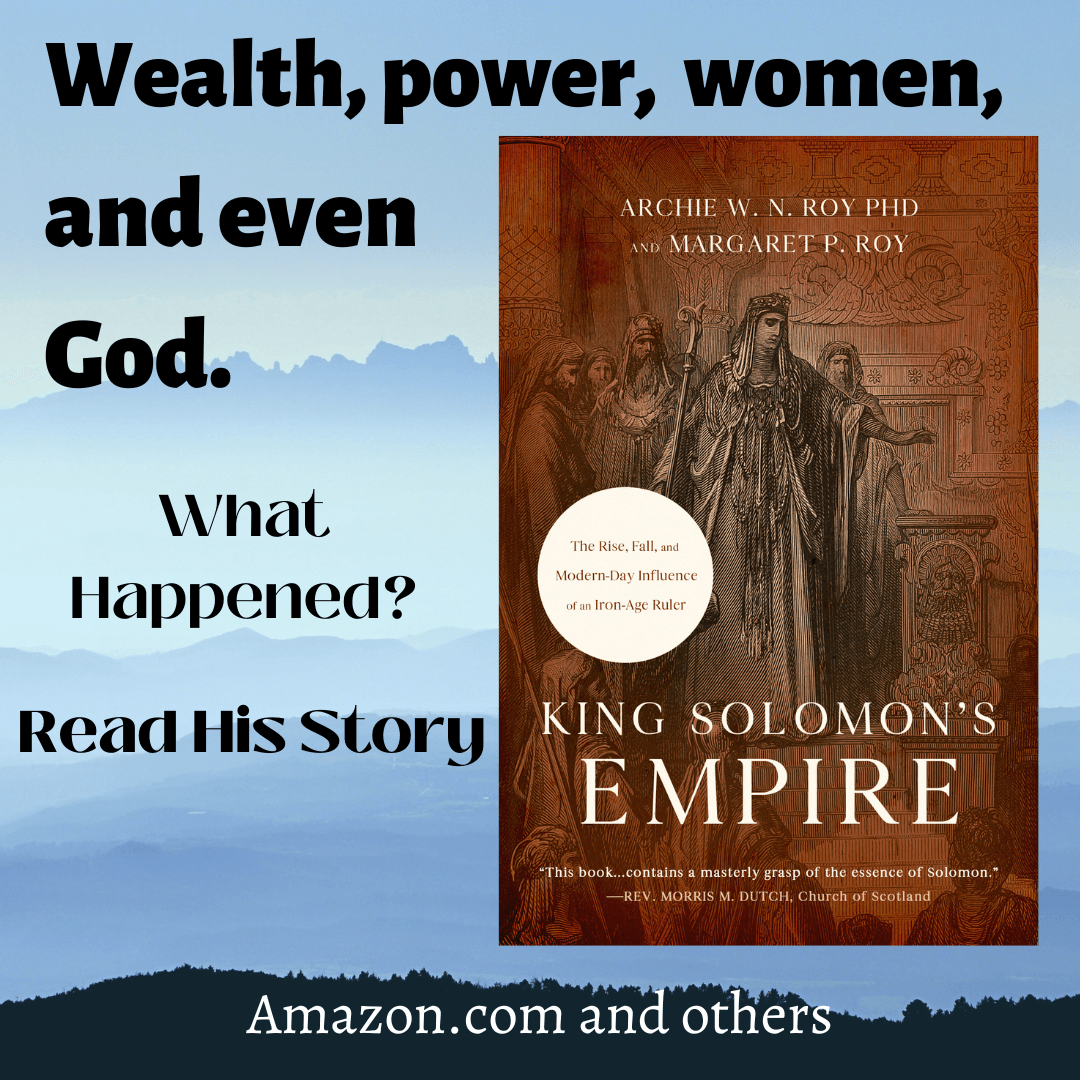
Image Credits
Joe Bailen (The God of Dreams cover design)
Hannah Linder (King Solomon’s Empire cover design)