

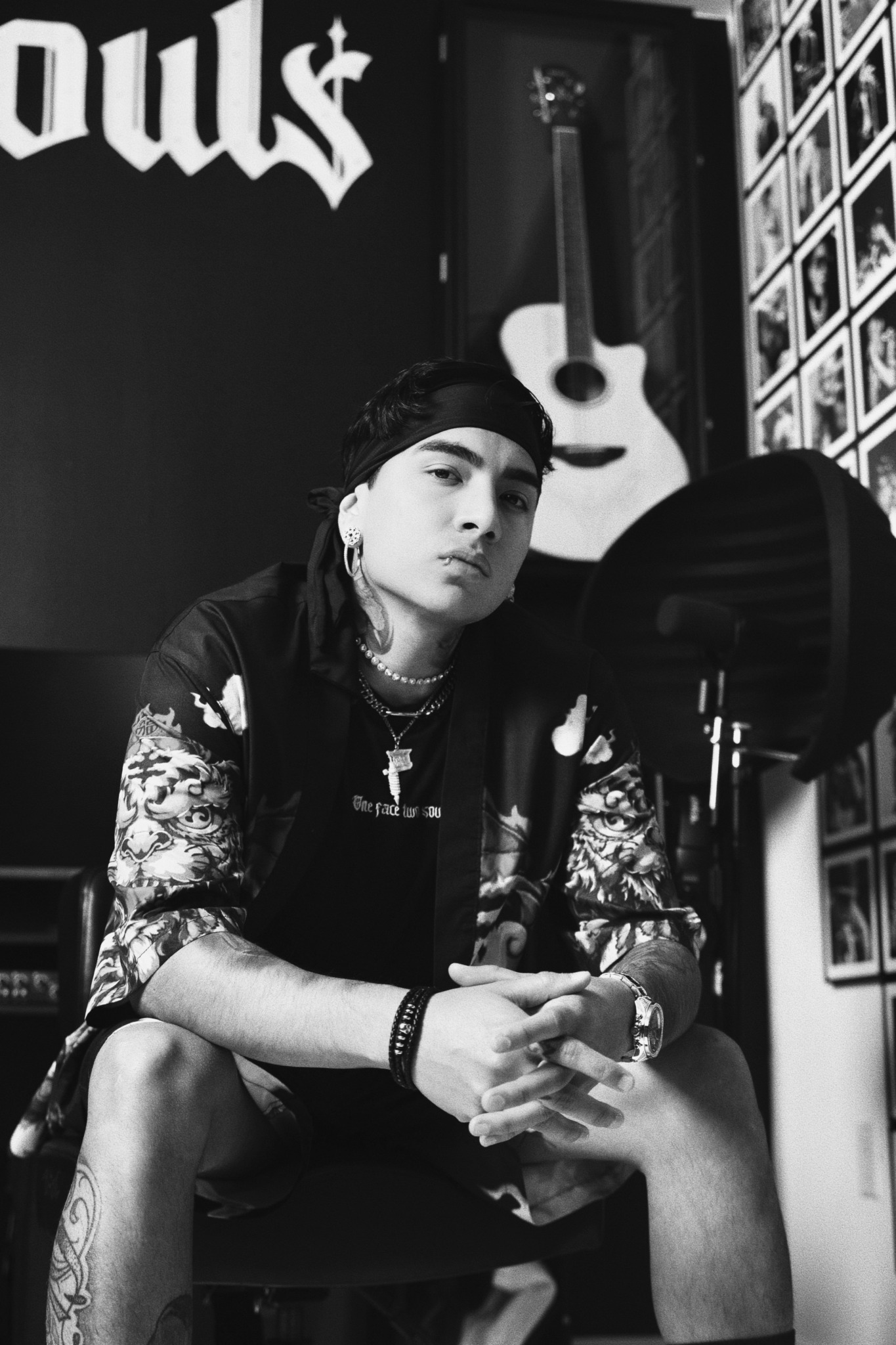

We’re excited to introduce you to the always interesting and insightful Arcangel Tattoo. We hope you’ll enjoy our conversation with Arcangel below.
Arcangel , thanks for taking the time to share your stories with us today How did you learn to do what you do? Knowing what you know now, what could you have done to speed up your learning process? What skills do you think were most essential? What obstacles stood in the way of learning more?
I learned the craft largely on my own. In the beginning, it was endless practice, independent study, and an obsession with perfecting every detail. Over time, I strengthened that foundation through specialized training at Pigmalion Art Academy and mentorship from Deivys Viera, who helped me refine my approach to Black & Grey realism. Later, I had the privilege of working at The Golden Needle Tattoo Studio in Miami alongside artists like Bolo, in an environment where growth is part of everyday life.
But I did not learn in an easy environment. I started my journey in Venezuela, where access to specialized equipment, international training, and professional opportunities was far more limited than in established markets such as the United States or Europe. On top of that, I grew up in a very strict religious household that made it difficult for years to fully express who I was. Looking back, those challenges became some of my greatest teachers. They shaped the duality that would later become the foundation of One Face Two Souls — the tension between who I was on the inside and who the world expected me to be on the outside.
If you ask me which skill was most essential, it was not technique. Technique can be developed through thousands of hours of practice. The skill that truly changed everything for me was learning how to listen. Learning how to understand the story, the emotion, and the meaning behind what a person wants to carry on their skin.
Because realism, to me, is not about reproducing a photograph with technical precision. It is about translating a person’s story into an image that continues to speak long after the tattoo is finished. A portrait can be technically perfect and still feel empty. What gives it life is the emotional connection behind it. That approach is what allowed me to move beyond realism and develop a voice of my own within Black & Grey tattooing.
Throughout my career, younger artists have often approached me for guidance, and I have always tried to share what I have learned — not only technique, but how to understand the story behind a piece and how to develop an artistic identity of their own. For me, knowledge only becomes valuable when it can help someone else grow.
That same journey eventually led me to serve as a judge at international tattoo conventions, evaluating the work of fellow artists from around the world. It is a responsibility I have never taken for granted, because I still remember the artist I was when I was searching for guidance myself. In many ways, being able to contribute to the next generation of artists feels like becoming for someone else the guide I was once looking for.
As always, we appreciate you sharing your insights and we’ve got a few more questions for you, but before we get to all of that can you take a minute to introduce yourself and give our readers some of your background and context?
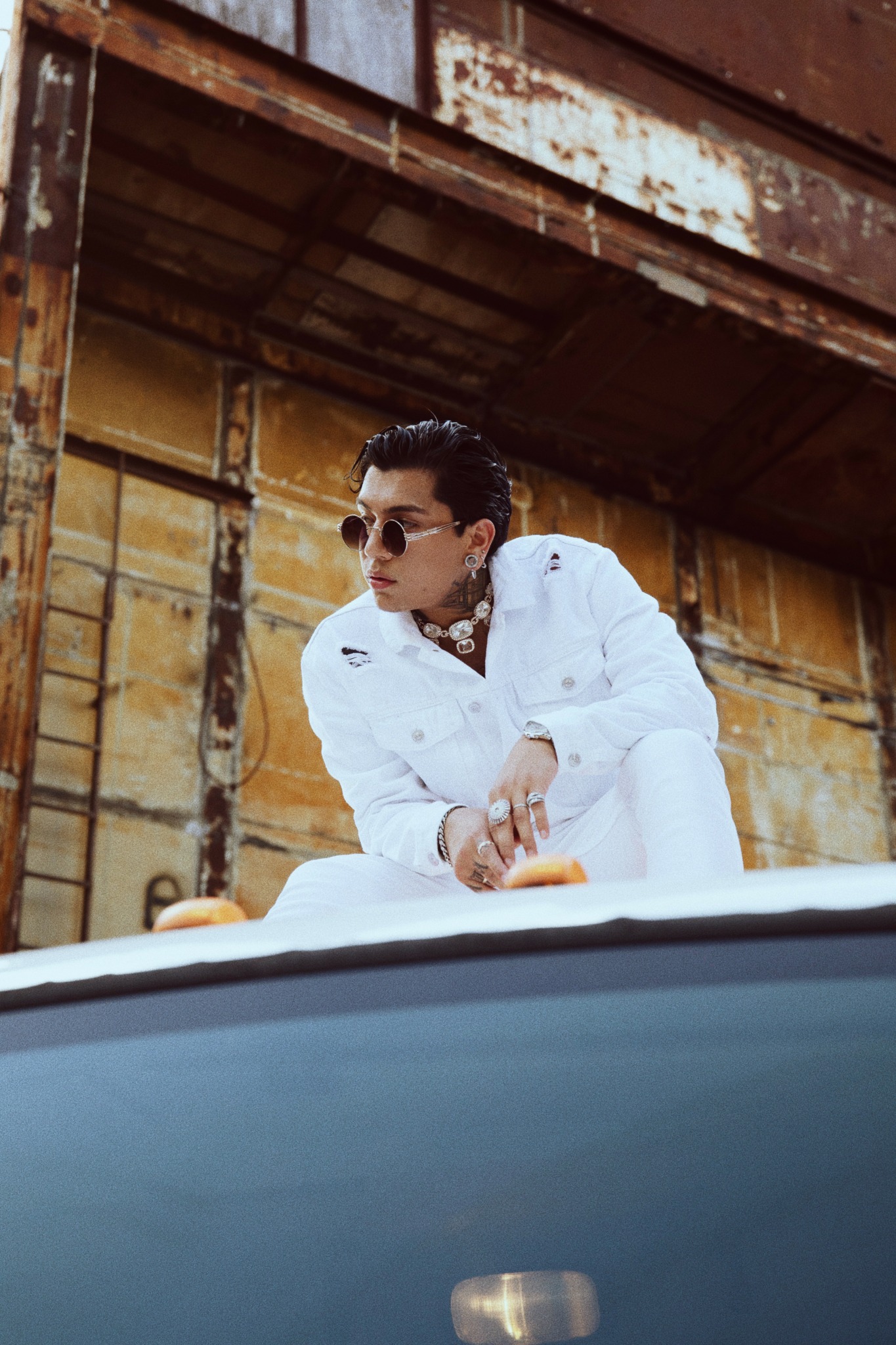
For those who don’t know me yet — my name is Miguel Arcángel, though the world knows me as Arcangel Tattoo, and increasingly as TA2, The Tattoo Poet. I’m a Venezuelan artist specializing in Black & Grey realism, currently based in Miami.
I didn’t grow up in an easy place to become an artist. I started my journey in Venezuela, where access to specialized materials, professional training, and international opportunities was far more limited than in established markets such as the United States or Europe. I am largely self-taught, built through endless practice, discipline, and an obsession with detail. Over time, I strengthened that foundation through specialized training at Pigmalion Art Academy and mentorship from Deivys Viera. What began as curiosity eventually became the language through which I understand people.
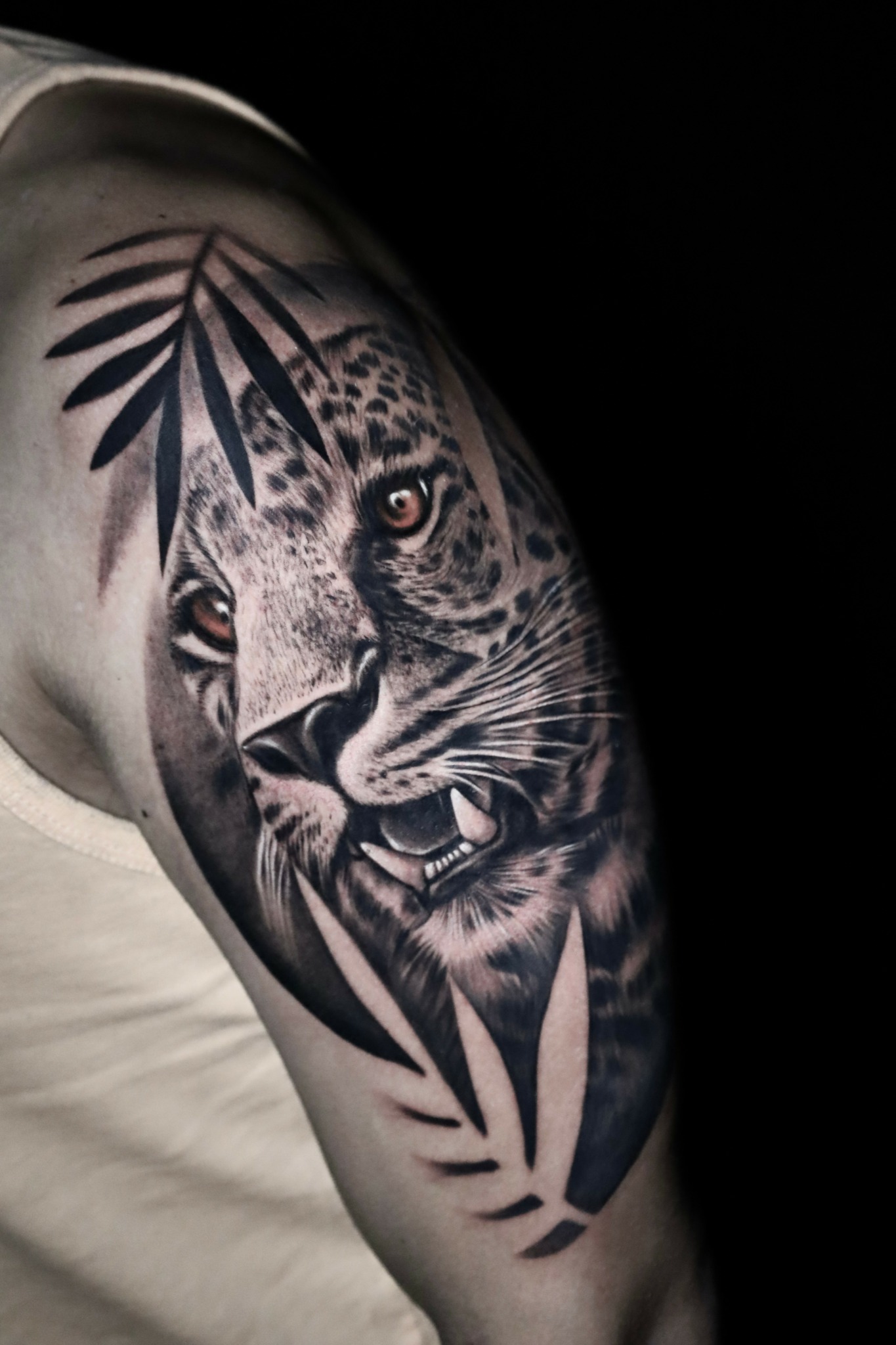
What I do has never been about simply putting ink on skin. It’s about translating a person’s story, emotion, and identity into an image that continues to speak long after the session ends. A portrait can be technically perfect and still feel empty. What gives it life is the emotional connection behind it.
That philosophy has shaped my entire career. Before I draw a single line, I want to understand who is sitting in front of me, what they have lived through, and what they want to carry with them for the rest of their lives. To me, realism is not about copying a photograph — it’s about creating something that feels alive.
Over the years, I’ve had the honor of tattooing artists and athletes such as Nicky Jam, Farruko, Kendo Kaponi, Miguel Cabrera, Carlos Arroyo, and many others. But the privilege was never their fame. It was their trust. When someone who could choose any artist in the world chooses you, they are not giving you their image — they are giving you their confidence, and I have always treated that as something sacred.
What I’m most proud of is not a single tattoo, award, or achievement. It is having built a voice of my own — one that now extends beyond tattooing through One Face Two Souls, a project that merges tattooing, music, storytelling, and identity into a single artistic vision. More than a concept, it is the reflection of a lifelong journey to understand the duality that exists within all of us.
If there is one thing I want people to know about me, it is this: I believe our contradictions do not weaken us. More often than not, they are exactly what make us unique. My work is for anyone who has ever felt divided between who they are and who the world expected them to be. Because sometimes the things we try hardest to hide are the very things that make us extraordinary.
Can you share a story from your journey that illustrates your resilience?
Resilience, for me, was never a single dramatic moment. It was the quiet decision to keep moving forward when everything around me suggested it would be easier to stop.
I began my journey in Venezuela during one of the most difficult periods in the country’s history. Becoming a tattoo artist there meant facing challenges that artists in more established markets rarely have to think about. Access to specialized equipment was limited, international education felt out of reach, and professional opportunities were scarce. I had passion, discipline, and a vision — but very few resources.
There were times when my clients paid me not with money, but with boxes of gloves, needles, or ink so I could continue practicing. I wasn’t building a career yet; I was investing in a future that existed only in my imagination.
At the same time, I was facing a different kind of struggle. I grew up in a very strict religious environment, where for years I found it difficult to fully express who I was. I lived with a constant tension between the person I felt I was inside and the person I believed I was expected to be.
Looking back, I realize resilience taught me something far more valuable than endurance. It taught me that obstacles are not always there to stop you. Sometimes they are there to shape you.
Leaving my country, rebuilding my career in a new culture, starting over from zero, and earning trust all over again was not easy. But every challenge became part of my artistic voice. The same duality that once felt like a burden eventually became the foundation of everything I create today.
If I could erase those struggles, I wouldn’t. They taught me discipline, perspective, gratitude, and purpose. Most importantly, they taught me that your circumstances may influence your path, but they do not have the power to define your future.
What do you think is the goal or mission that drives your creative journey?
Yes — and it goes far beyond tattooing.
For most of my life, I felt like I was being asked to choose between different parts of myself. Between art and practicality. Between music and tattooing. Between who I was and who I thought I was expected to be. Over time, I realized the question itself was wrong.
My mission is to show that we do not have to choose a single version of ourselves in order to be whole.
That idea became the foundation of One Face Two Souls, a creative vision that brings together tattooing, music, storytelling, and identity into a single artistic universe. At its core is a simple belief: the duality we all carry inside is not a weakness to overcome, but a truth to embrace.
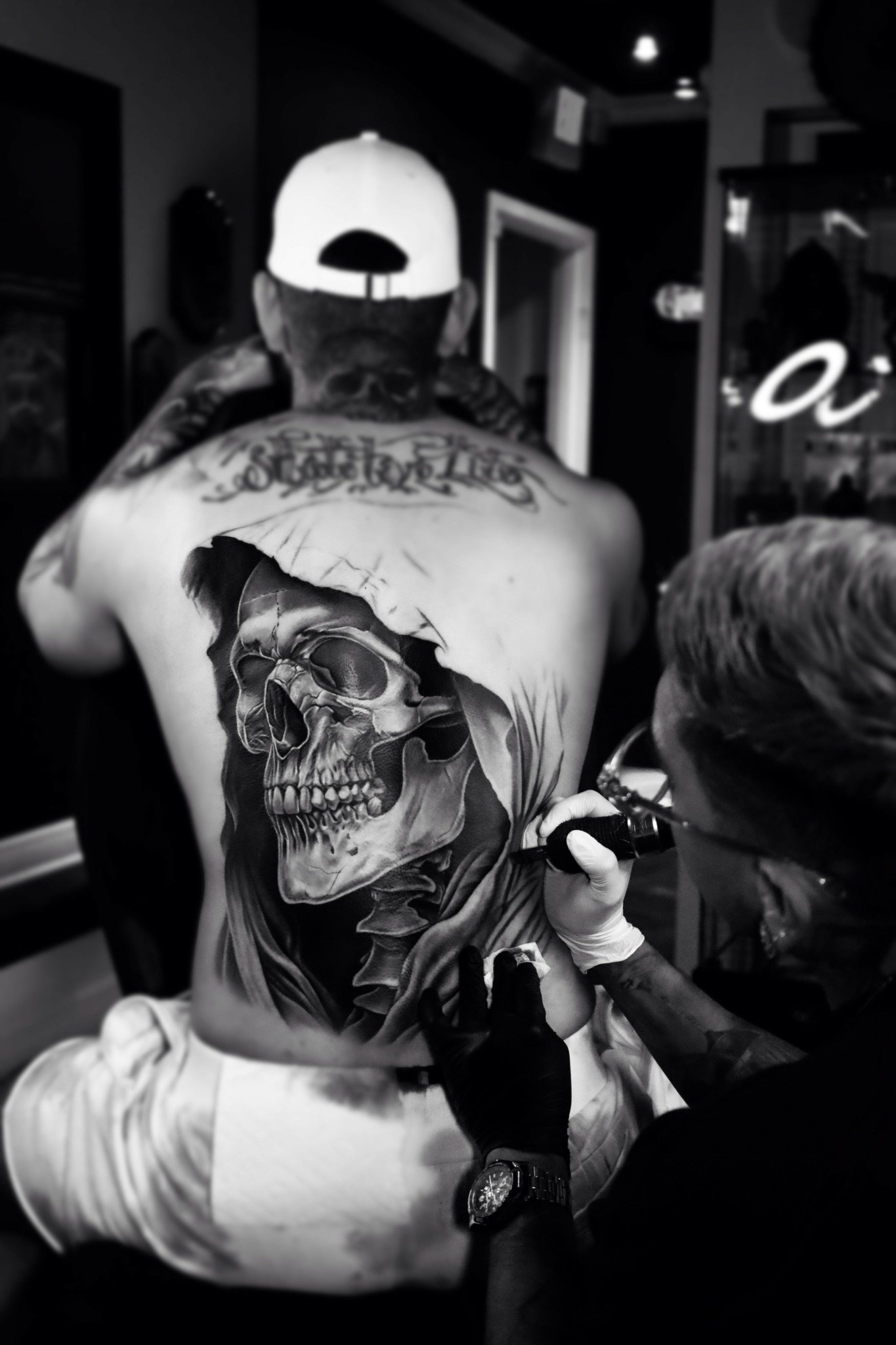
On a personal level, my goal is to continue raising the standard of my craft for as long as I live. I want every tattoo to be more than technically impressive. I want it to create an emotional connection that survives time. I want people to look at my work years later and still feel something.
But my vision extends beyond the skin. I want to create projects that connect with people through multiple forms of expression — visual art, music, storytelling, and experiences that make people feel seen, understood, and less alone.
There is also something deeply personal that drives me. I come from a place where becoming an artist often felt unrealistic. Because of that, I want my journey to stand as proof for the next generation that their current reality does not determine the size of their dreams.
If my story can help even one young artist believe that their circumstances do not define their future, then everything I have built will have been worth it.
Contact Info:
- Website: https://onefacetwosouls.com/
- Instagram: https://www.instagram.com/arcangeltattoo?igsh=enZqdHJyZzVubWJt
- Facebook: https://www.facebook.com/share/1Eemp3WdJ2/?mibextid=wwXIfr
- Youtube: https://youtube.com/@eltatuadorpoeta?si=ldKpkeiOgl71y9qV
- Other: Spotify: https://open.spotify.com/artist/7fET8dFeITwAARht0XVCTQ?si=6_cqyRHDRAWGH3YSqwJsGg
Apple Music: https://music.apple.com/us/artist/ta2/327532682
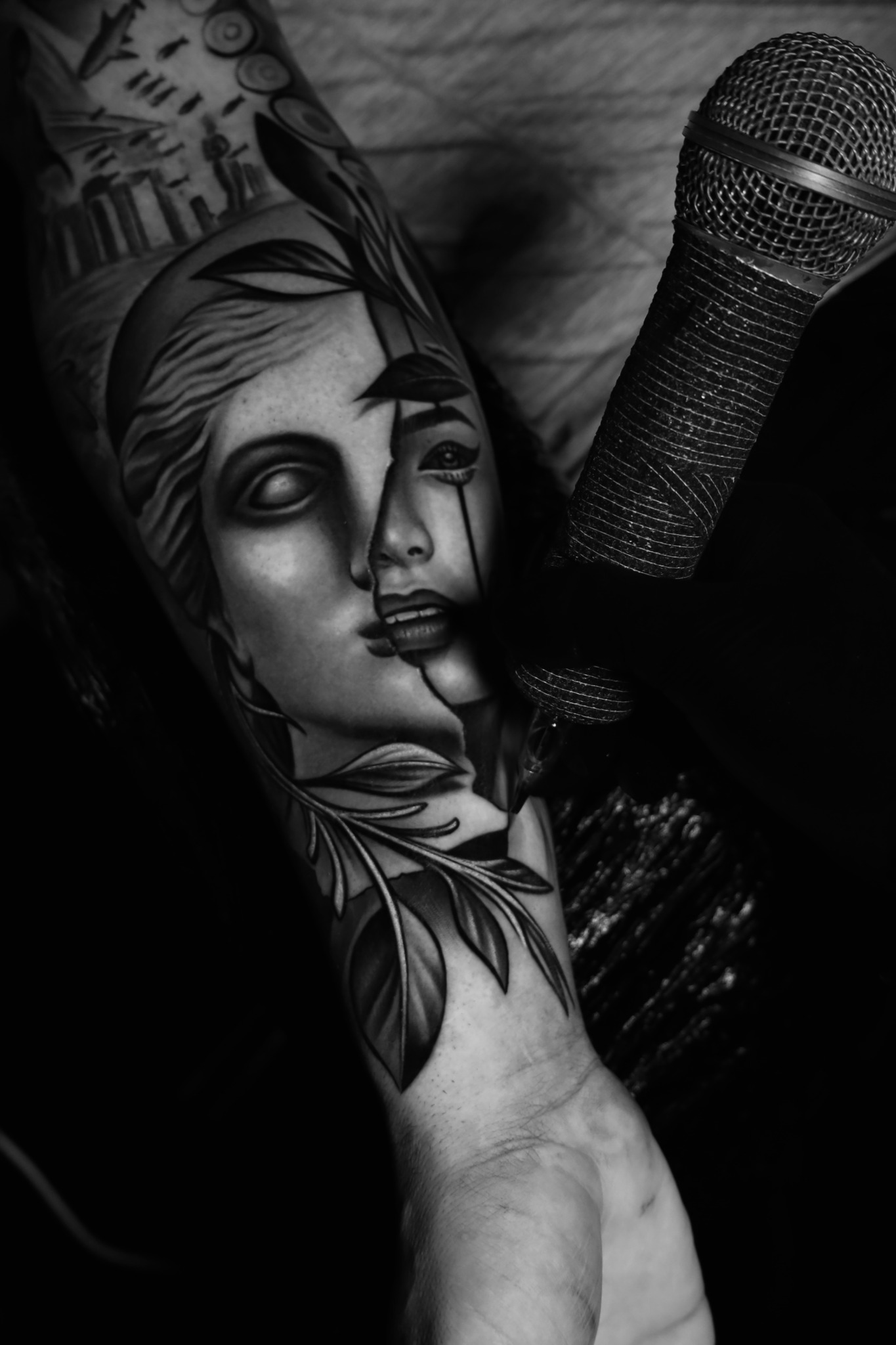
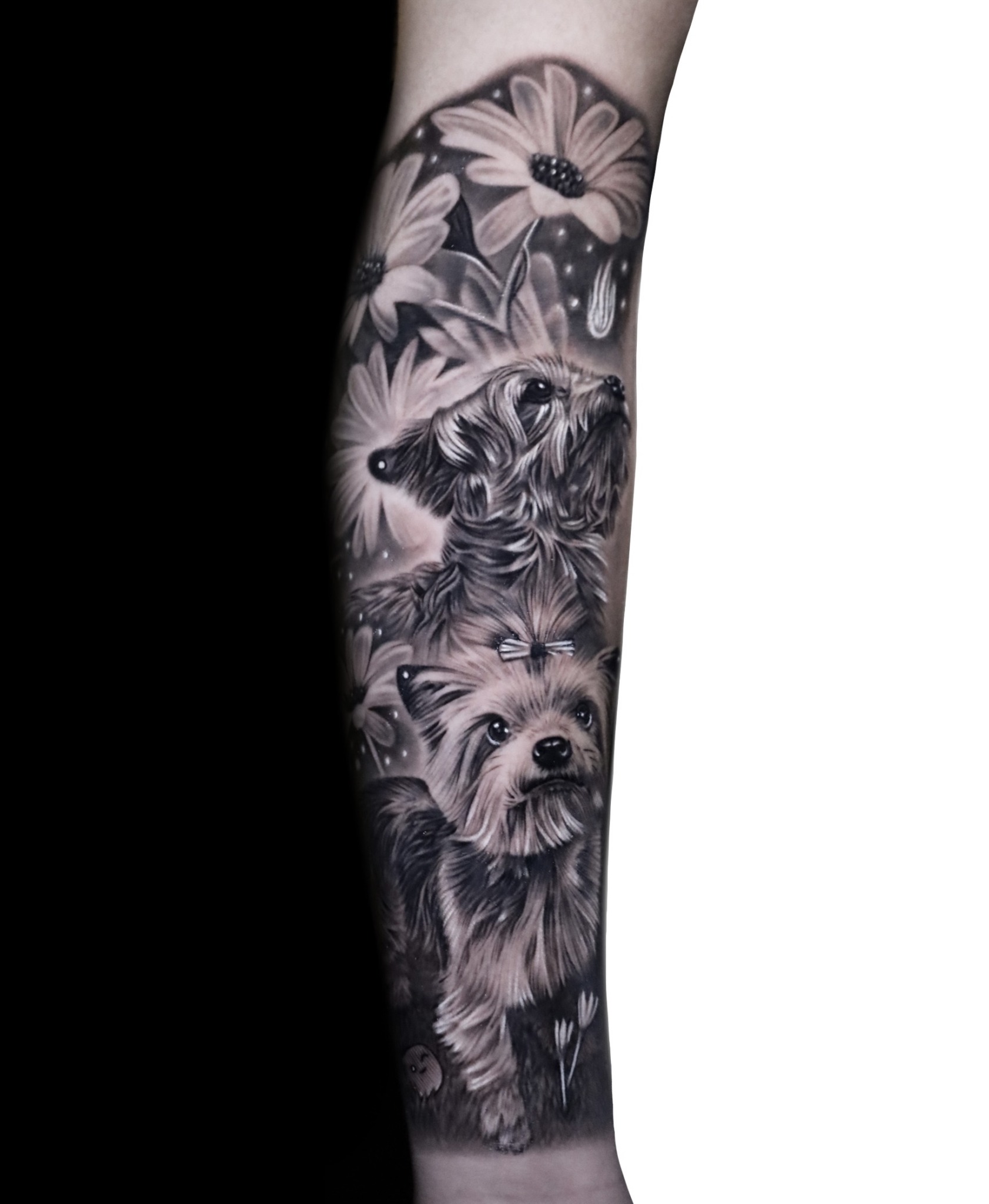
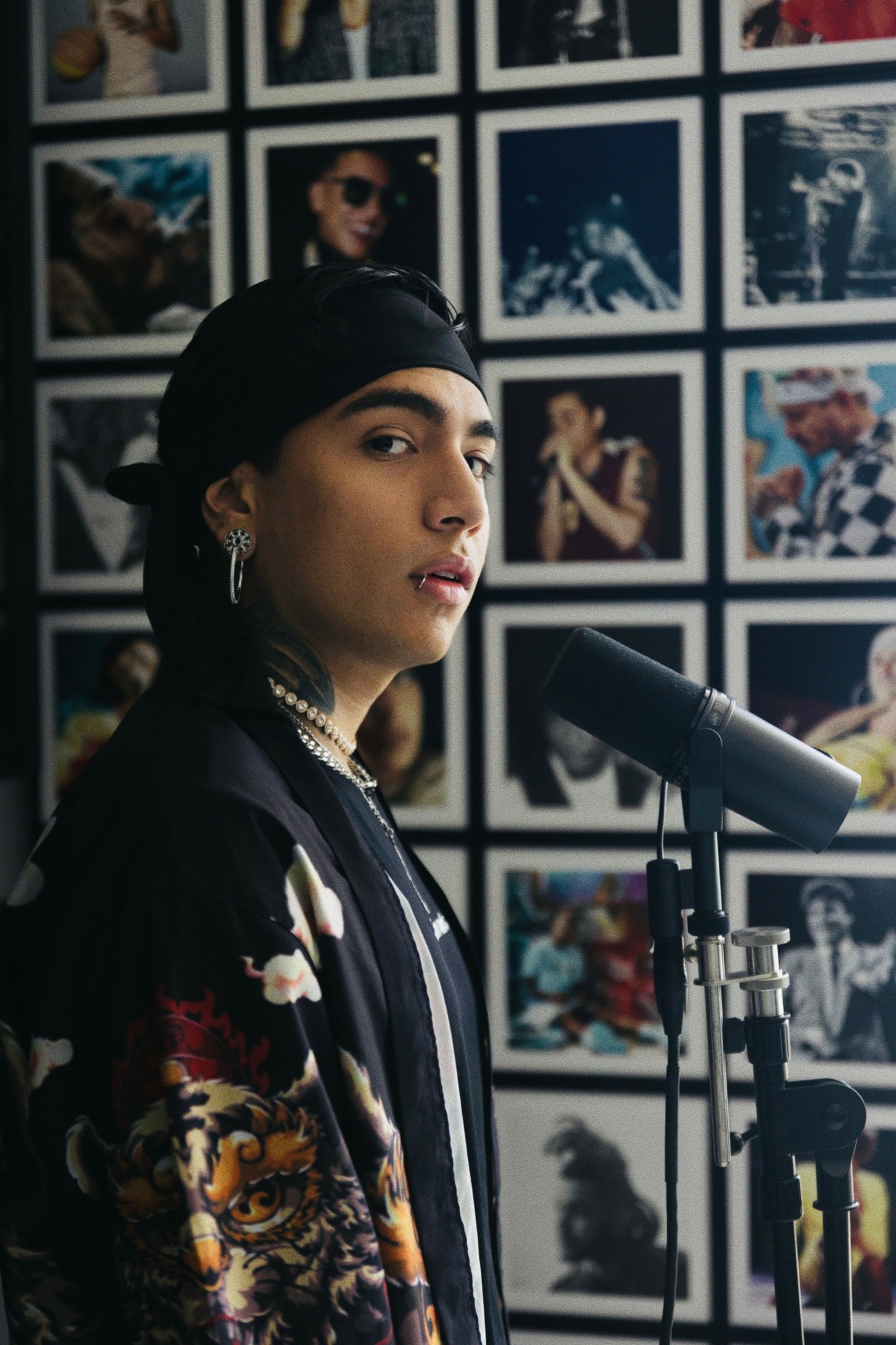
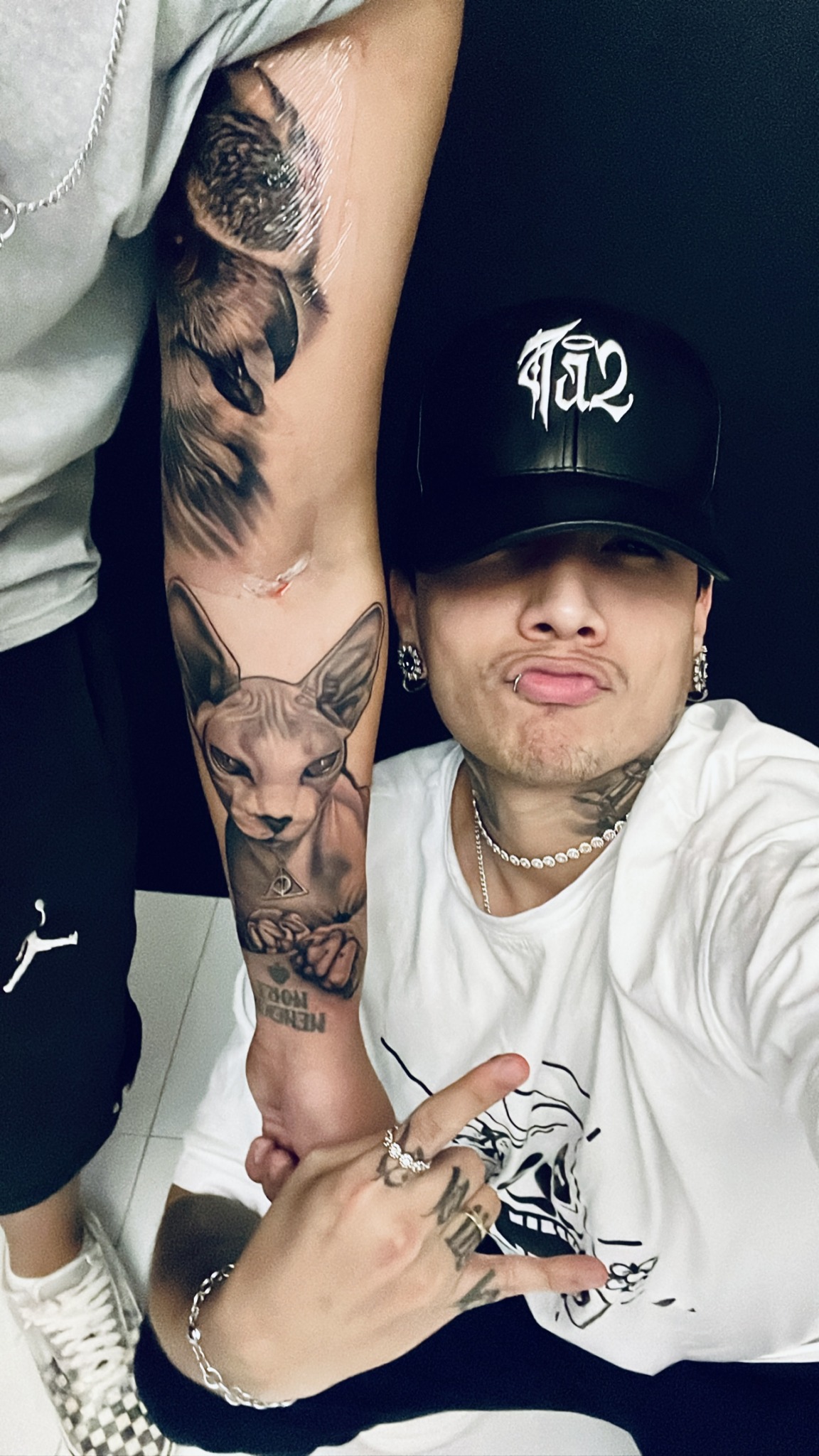
Image Credits
https://www.instagram.com/twokeii?igsh=cG45aGlkMDlobHE2
Photographer.