

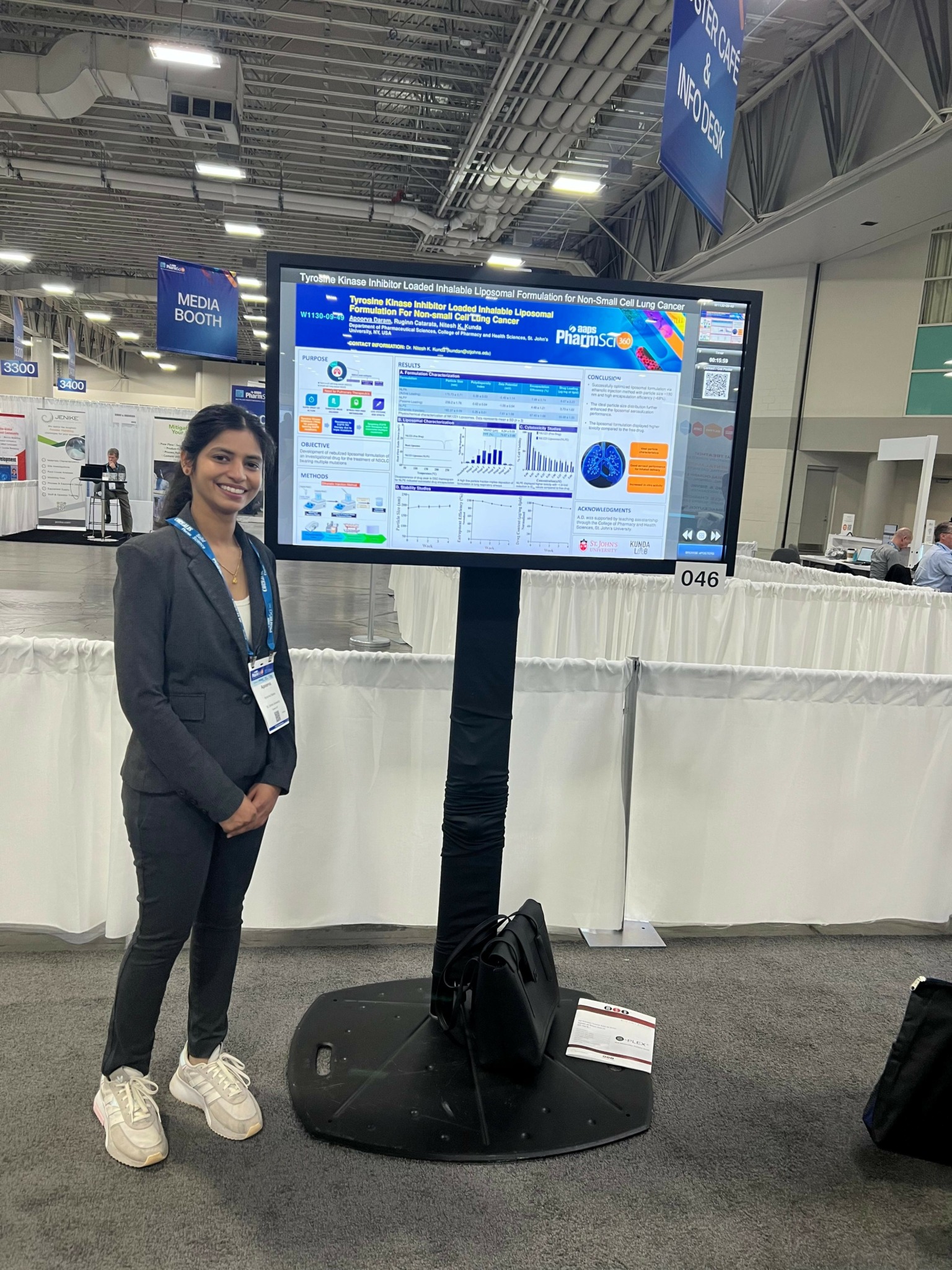

We’re excited to introduce you to the always interesting and insightful Apoorva Daram. We hope you’ll enjoy our conversation with Apoorva below.
Hi Apoorva, thanks for joining us today. We’d love to hear about the things you feel your parents did right and how those things have impacted your career and life.
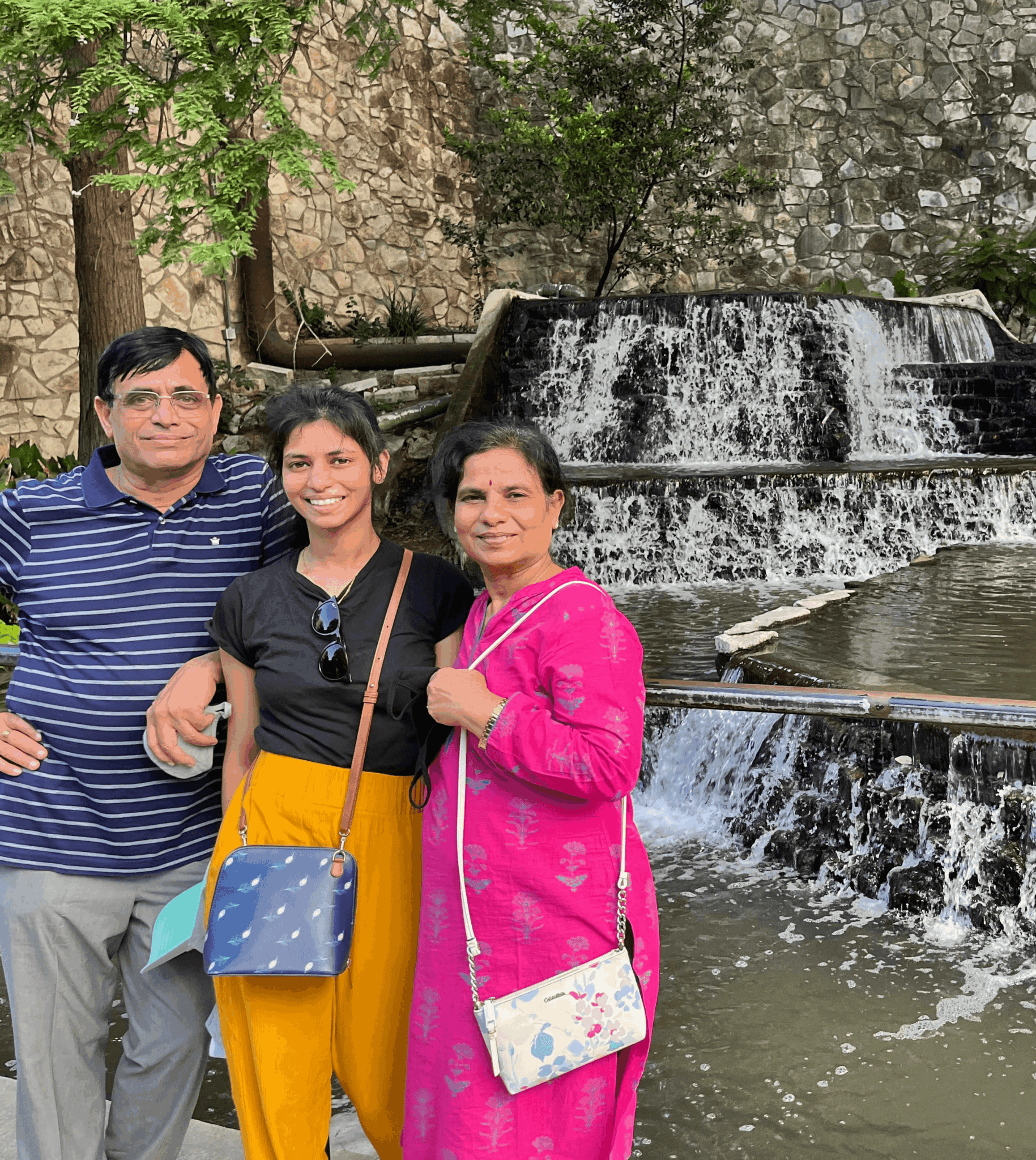
One of the most meaningful things my parents did right was nurturing a deep sense of curiosity and creating an environment where science was part of everyday life. With my father having a background in chemistry and my mother having a background in biology, I was fortunate to grow up in a household where learning was not limited to textbooks—it was integrated into conversations, daily observations, and even small experiments at home.
Some of my earliest and most formative memories involve my father performing simple but captivating chemistry demonstrations. I still remember how captivated I was watching him add potassium permanganate to water, see it turn a deep, vibrant purple or dissolving copper sulfate, and patiently wait as brilliant blue crystals slowly formed over the next few days. These moments weren’t structured lessons, but they sparked a genuine curiosity in me about how and why these changes happened—and they planted the seeds for my early interest in chemistry and scientific observation. My father never simply explained the science—he asked questions, challenged me to think, and encouraged me to explore the “why” behind what I saw.
My mother had a quiet but lasting influence on how I understood biology. Whether we were working in the garden or taking a walk, she would use those everyday moments to explain how living things function. She might point out why a plant was bending toward the light or why an animal behaved a certain way in its environment and then connect it back to the systems working within their bodies. The way she explained biology was rooted in everyday observation and simple conversations, which made complex ideas feel natural and easy to grasp. Because of her, I never saw biology as just a subject in school—it became a lens through which I understood the world around me.
That perspective stayed with me even when I moved into the pharmaceutical industry after completing my undergraduate degree. Despite stepping away from academia, the foundation my parents had built continued to shape how I approached scientific work and thought about my future.
Even when I stepped into the pharmaceutical industry after completing my undergraduate degree, their influence remained strong. Working in industry gave me valuable experience, but over time, I realized I was more drawn to the questions behind science than just the application of protocols. During that period of reflection, my parents’ guidance became particularly meaningful. They never pushed me in any particular direction, but through honest and thoughtful conversations, they encouraged me to think beyond immediate goals and consider what would be truly fulfilling in the long run. Their steady support helped me find the clarity—and confidence—to return to academia and pursue a Ph.D.
Throughout my doctoral journey, I’ve often found myself drawing on the values they instilled in me early on: resilience in the face of setbacks, a genuine curiosity for how things work, and a deep respect for the process of scientific inquiry. Their influence continues to shape how I approach my research, navigate challenges, and engage with others – whether collaborating with peers or mentoring younger students.
More than anything, they helped me understand that science isn’t just a body of knowledge – it’s a way of thinking. It requires patience, persistence, and the willingness to keep learning, even when the answers aren’t immediately clear. That perspective has become central to how I view my work, which I carry with me as I continue to grow as a researcher in pharmaceutical sciences.
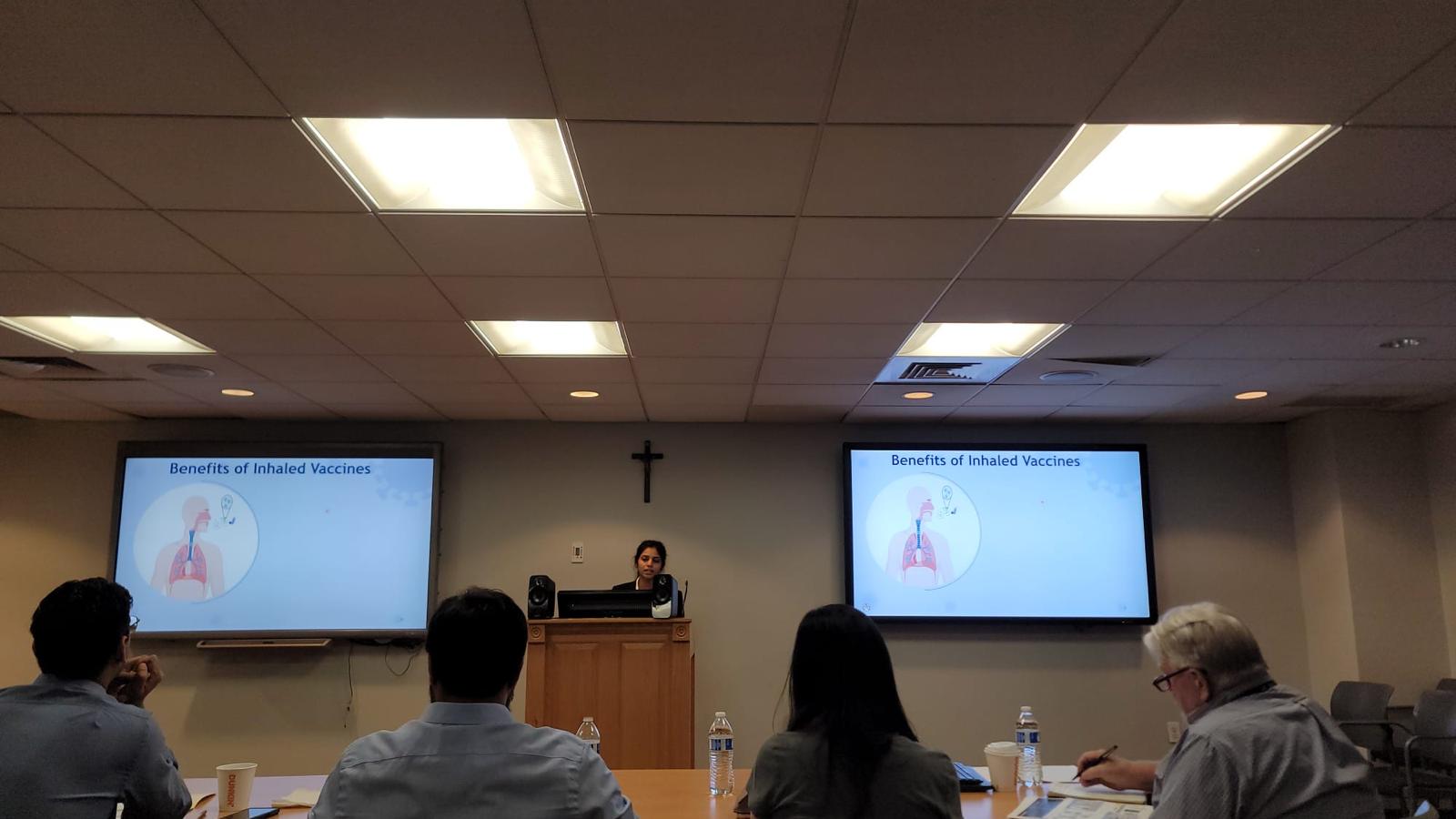
As always, we appreciate you sharing your insights and we’ve got a few more questions for you, but before we get to all of that can you take a minute to introduce yourself and give our readers some of your back background and context?
I’m Apoorva Daram, a pharmaceutical scientist pursuing my PhD in Pharmaceutical Sciences at St. John’s University in New York. My journey into this field began in India, where I completed my Bachelor of Pharmacy at Manipal University. Early on, I was drawn to the challenge of translating complex scientific principles into practical healthcare solutions. This led me to pursue a Master’s in Pharmaceutical Sciences at Campbell University and, eventually, advanced research here in New York.
My career has been shaped by a deep curiosity about how medicines work and how we can improve them to be safer, more effective, and more accessible. Over the years, I’ve worked in various settings, from academic labs to industry-leading R&D teams. For example, when working in the pharmaceutical industry, I developed formulas for over a hundred new dietary supplements and numerous over-the-counter and prescription drugs. My role there went beyond formulation—I was involved in everything from raw material specification to scale-up and quality assurance, which gave me a holistic view of the pharmaceutical development process.
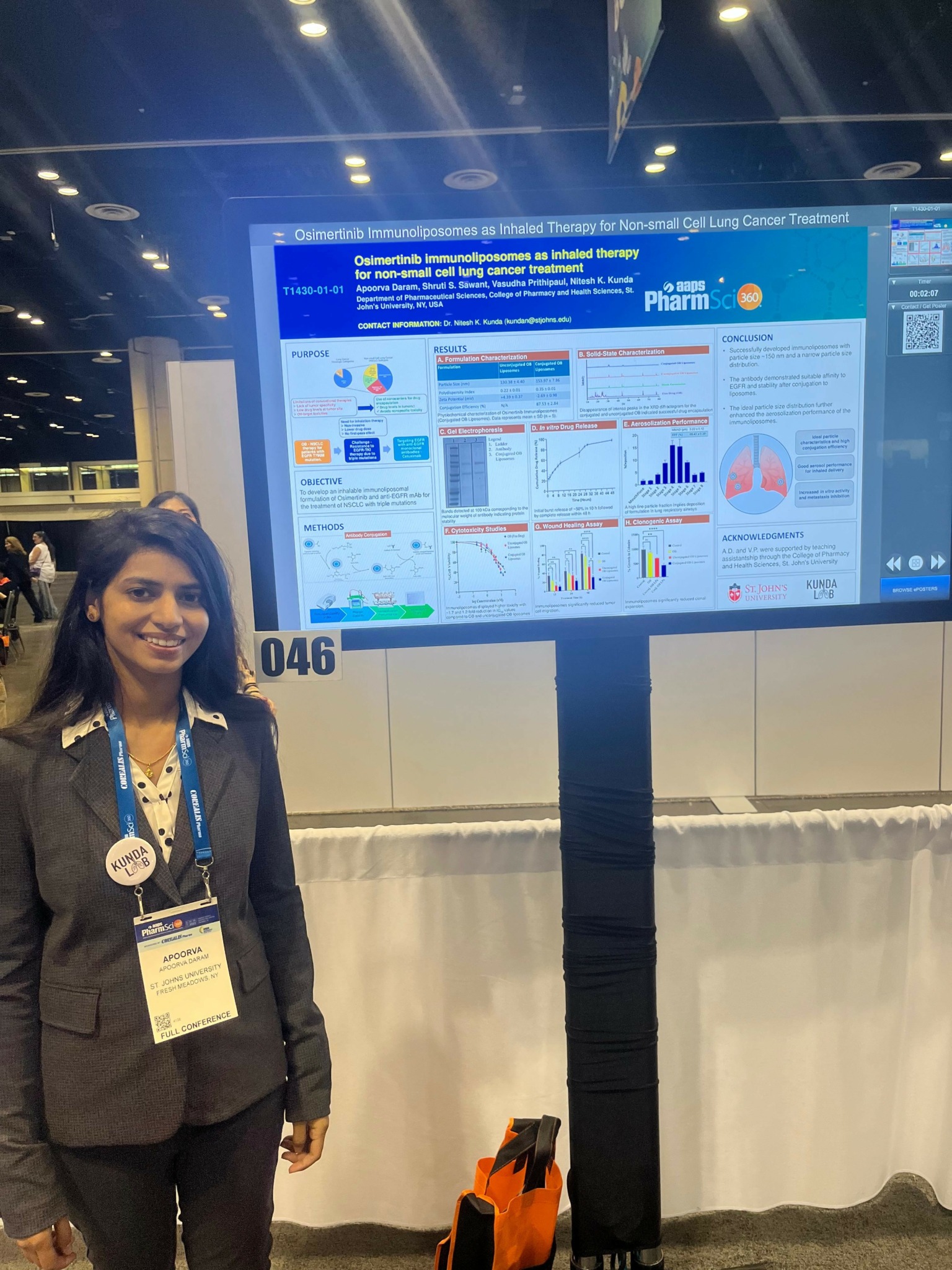
Currently, my research focuses on innovative drug delivery systems, particularly inhalable and thermostable vaccines, and therapies for diseases like non-small cell lung cancer. One of the projects funded by the government I’m most excited about is developing inhalable, thermostable vaccines. The idea is to make immunization simpler and more accessible, especially in places where keeping vaccines cold isn’t always possible. I’ve also been working on targeted therapies for lung cancer using immunoliposomes—essentially, these are tiny, antibody-tagged carriers that deliver medication directly to cancer cells in the lungs. The hope is that this approach not only makes treatments more effective but also reduces side effects for patients.
What really sets me apart in this field is the blend of practical lab expertise and the collaborative, problem-solving mindset I bring to every project. I’m very hands-on in the lab—whether designing new formulations, running aerosol performance studies, or troubleshooting tricky experiments, I genuinely enjoy the technical side of the work. However, I also love working with people, whether mentoring students as a teaching fellow at St. John’s or coordinating with cross-functional teams on R&D projects.
Teaching has become a big part of my journey. I’ve delivered lectures to pharmacy and biochemistry students, supervised lab work, and helped students get comfortable with everything from HPLC to formulating syrups and tinctures. Seeing students build their confidence and skills is incredibly rewarding, and I think it’s essential to make science approachable and engaging for the next generation.
For anyone considering working with me—whether you’re a client, collaborator, or student, I want you to know that I’m driven by a genuine desire to make a difference. My approach is grounded in scientific rigor, but I believe creativity, adaptability, and good communication are key to solving real-world problems. I bring integrity and a commitment to quality to every project, and I’m always eager to learn from others and share what I know. In my experience, the best solutions come from blending deep technical knowledge with an open mind and a willingness to listen and adapt.
Ultimately, I’m most proud of the impact my work can have—whether that’s a new therapy reaching patients faster, a student finding their passion, or a team overcoming a tough technical hurdle. I aim to keep pushing the boundaries of what’s possible in pharmaceutical science, always with an eye toward real-world impact and patient well-being.
Other than training/knowledge, what do you think is most helpful for succeeding in your field?
While technical knowledge and training are the foundation of a career in pharmaceutical sciences, I’ve learned that it’s the qualities beyond textbooks and protocols that really make the difference. Adaptability stands out to me. This field never stands still—regulations change, new technologies appear, and sometimes experiments take you in unexpected directions. I’ve had plenty of moments where a project suddenly needed a new approach or a piece of equipment I’d never used before. Being able to adjust quickly and stay open to change has helped me keep projects moving forward, even when things don’t go as planned.
Collaboration is another big one. Even though a lot of my day-to-day work happens at the lab bench—designing experiments, running tests, analyzing data—the best outcomes always come from working with others. I’ve been lucky to team up with chemists, engineers, analysts, and regulatory folks, and I’ve seen firsthand how much stronger a project becomes when everyone brings their own perspective. Some of the most exciting breakthroughs I’ve been part of started as open conversations and brainstorming sessions.
Resilience and optimism are also essential. In research, setbacks are part of the process—experiments fail, timelines shift, and sometimes your best ideas don’t work out. What keeps me motivated is believing in the bigger picture and being willing to learn from every challenge. Staying positive and persistent, even when things get tough, has been key to my growth.
Finally, I think curiosity and a passion for learning set successful scientists apart. The most rewarding discoveries often come from asking new questions and exploring ideas outside your comfort zone. For me, that drive to keep learning—whether it’s a new lab technique or the latest in drug delivery—has been just as important as any technical skill.
We often hear about learning lessons – but just as important is unlearning lessons. Have you ever had to unlearn a lesson?
A lesson I had to unlearn over the years is that there’s always a single “right” way to solve a problem—especially in pharmaceutical research and development. Early in my career, whether working on a new formulation in the lab or troubleshooting equipment, I’d often get caught up in following established protocols to the letter, thinking that strict adherence was the safest route to success. My academic background partly shaped this mindset, where precision and accuracy are drilled into you from day one.
The turning point came during my time working in the industry. I was working on a particularly challenging formulation that wouldn’t behave as expected, no matter how closely I followed the textbook methods. After multiple failed attempts and a fair amount of frustration, I realized that sticking rigidly to the “usual” way was holding me back. It took stepping back, talking things through with colleagues from different departments, and being willing to try unconventional approaches—sometimes even combining techniques from other projects—to finally crack the problem.
That experience taught me that flexibility and creative thinking are just as important as technical expertise. In fact, some of the best solutions I’ve found have come from being open to new ideas, either tweaking a process parameter, borrowing a method from another field, or simply asking for a fresh perspective. It’s a lesson I carry with me, in whatever I’m doing, be it mentoring students in the lab or collaborating on a new research project. Letting go of the idea that there’s only one correct answer has made me a better scientist—and honestly, it’s made the work a lot more rewarding, too.
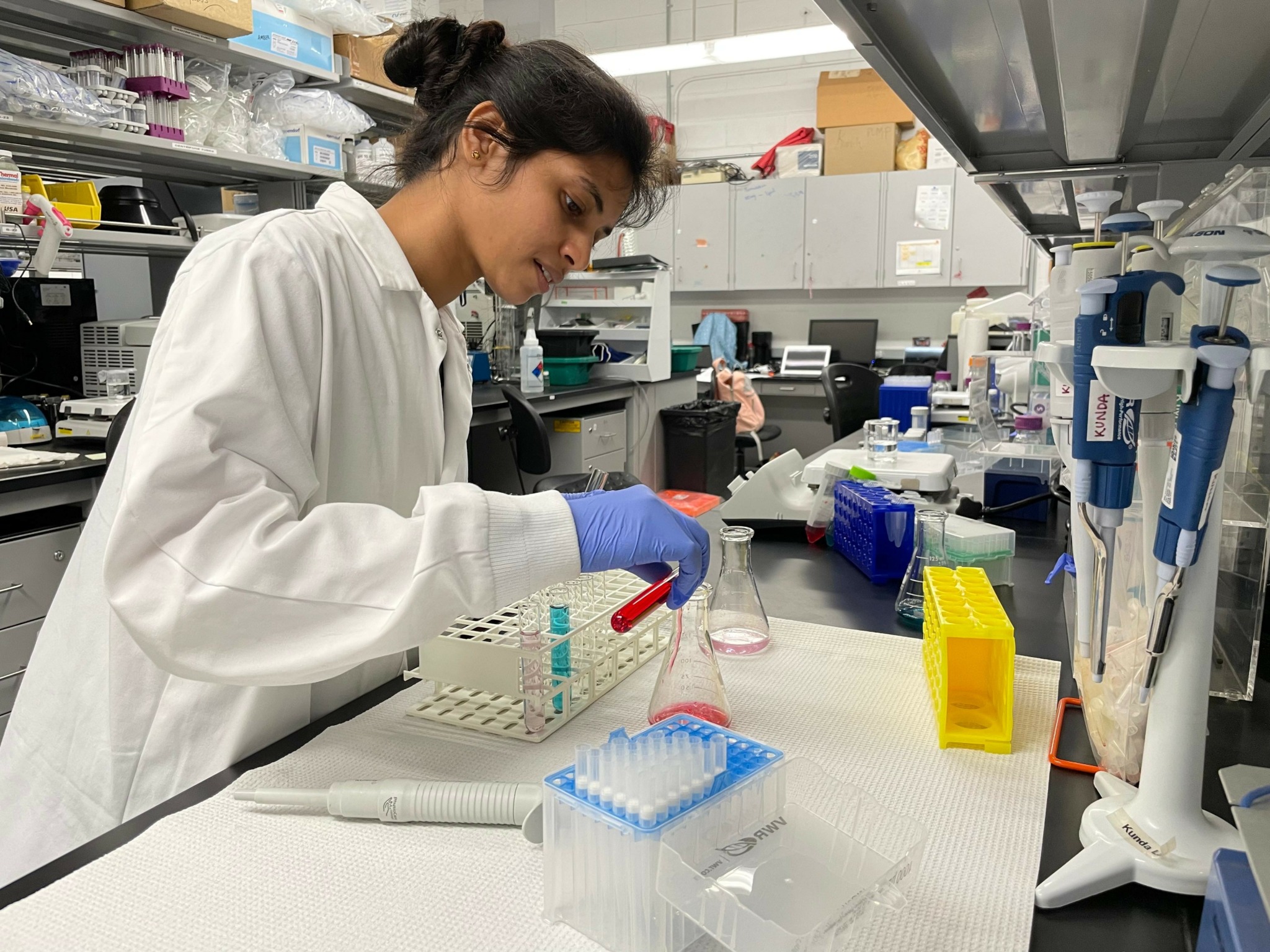
Image Credits
Not applicable