

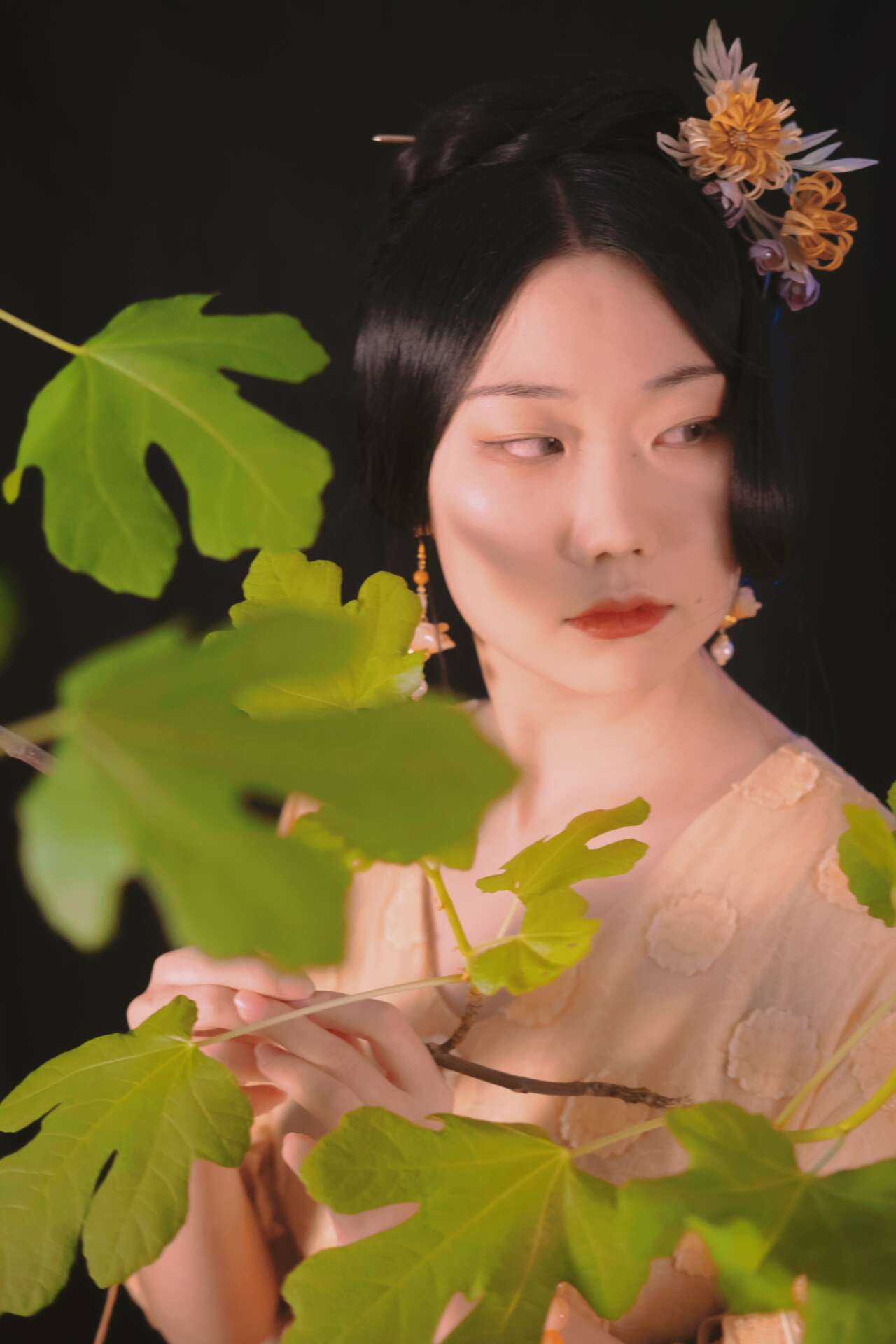

We caught up with the brilliant and insightful Aodan a few weeks ago and have shared our conversation below.
Alright, Aodan thanks for taking the time to share your stories and insights with us today. Can you talk to us about how you learned to do what you do?
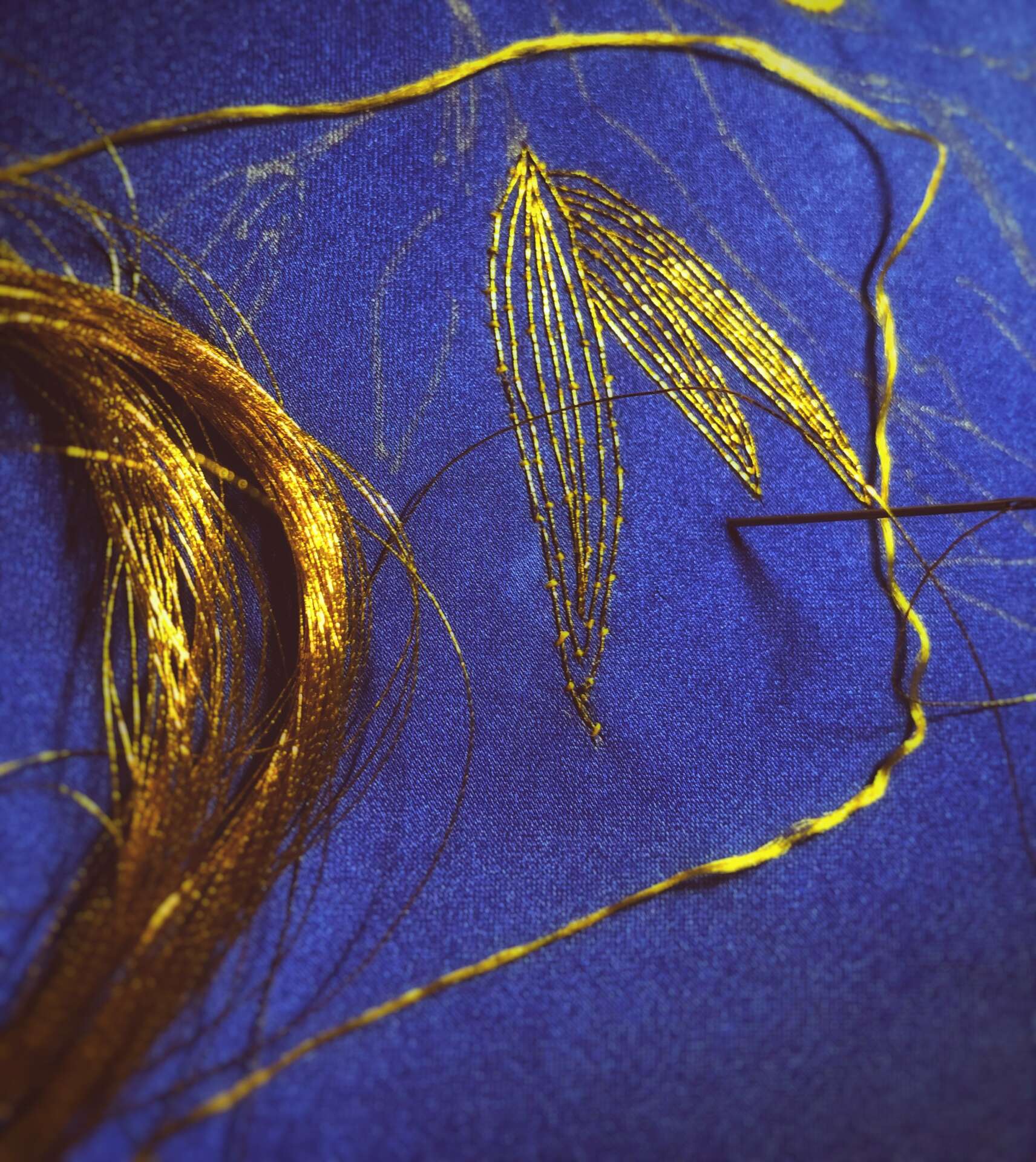
I find it remarkable that I’ve largely taught myself intricate ancient craft arts, such as traditional embroidery and Thread Wrapped Flowers (Chanhua). Whether it’s a natural gift or a keen observation that allows me to absorb the intricacies of these crafts, I often find myself mysteriously figuring out how they work. It’s as if, from the moment I lay my hands on a new art form, I instinctively know what to do. While my skills undoubtedly improve with practice, I consider myself fortunate never to have experienced a “beginner’s blockage.”
My journey has been enriched by accessing knowledge from old books and taking classes with professional crafters. Even more fortunate is the discovery of small, intimate online communities where enthusiasts willingly share their passion and expertise. Knowing that these communities are dedicated to preserving ancient crafts in the face of a modern, industrialized world brings me comfort.
Despite occasional doubts about lacking formal “professional training,” learning directly from authentic craft artists, particularly embroiderers from various ethnic groups in China, has been enlightening as I realized that these techniques and skills are passed down through generations, from mothers to daughters and grandmothers to grandchildren. These simple, ancient, yet mesmerizing skills are what I consider the most essential of traditional craft arts. Our commitment is not just about perfecting and refining for aesthetic pieces; it’s about preserving memories and ensuring they endure before we can bring them further.
While I feel fortunate to hold onto the heritage of the past, as a crafter, I must acknowledge the frustrations. The lack of exposure and education, coupled with the time-consuming nature of these arts that prevent mass production, has led many crafters to leave the industry. This exodus makes it even more challenging for learners to find the right mentors and access proper resources. Those who remain face the real struggle of sustaining an endangered craft industry, striving to provide more opportunities for these arts to be cherished and understood.
Aodan, love having you share your insights with us. Before we ask you more questions, maybe you can take a moment to introduce yourself to our readers who might have missed our earlier conversations?
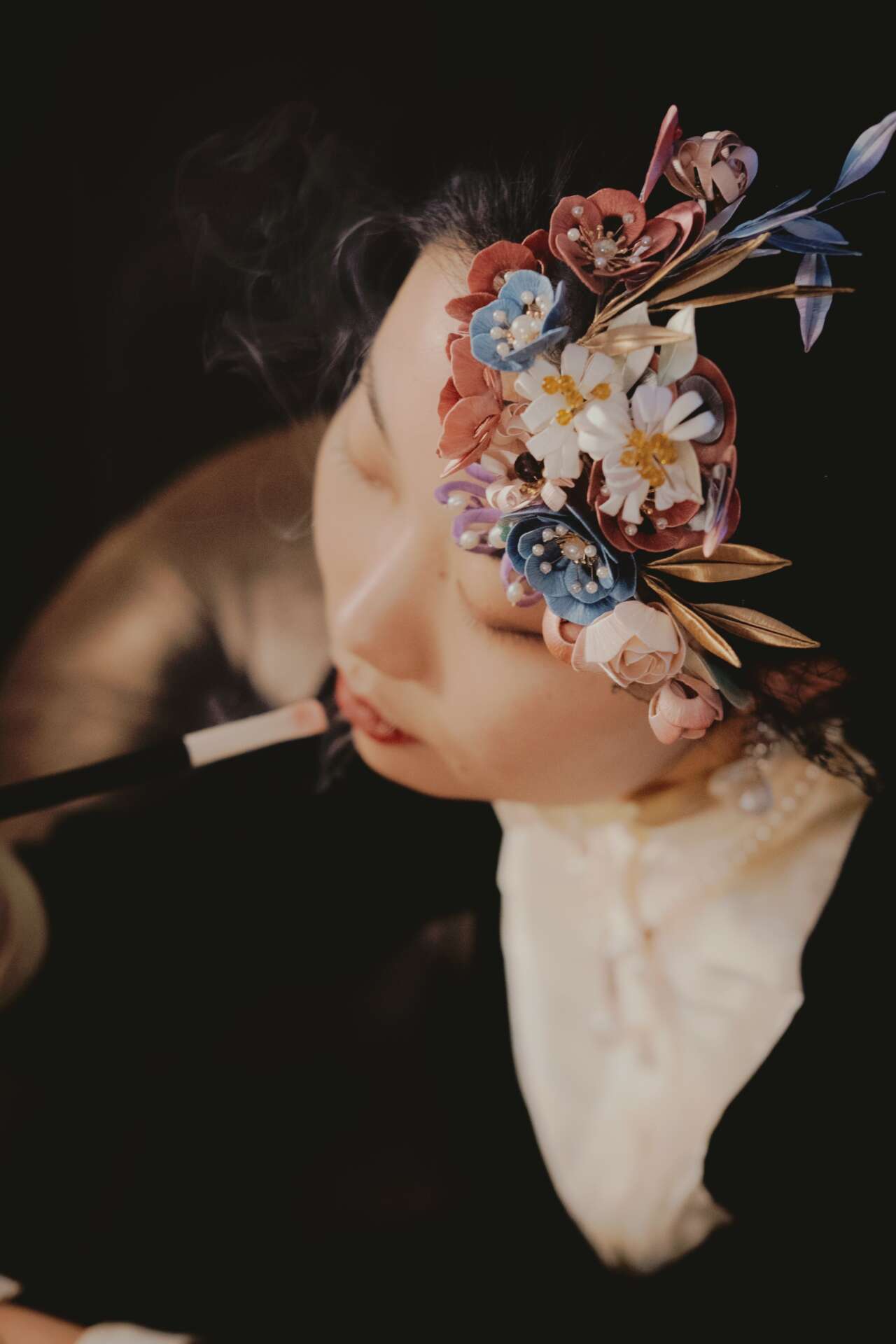
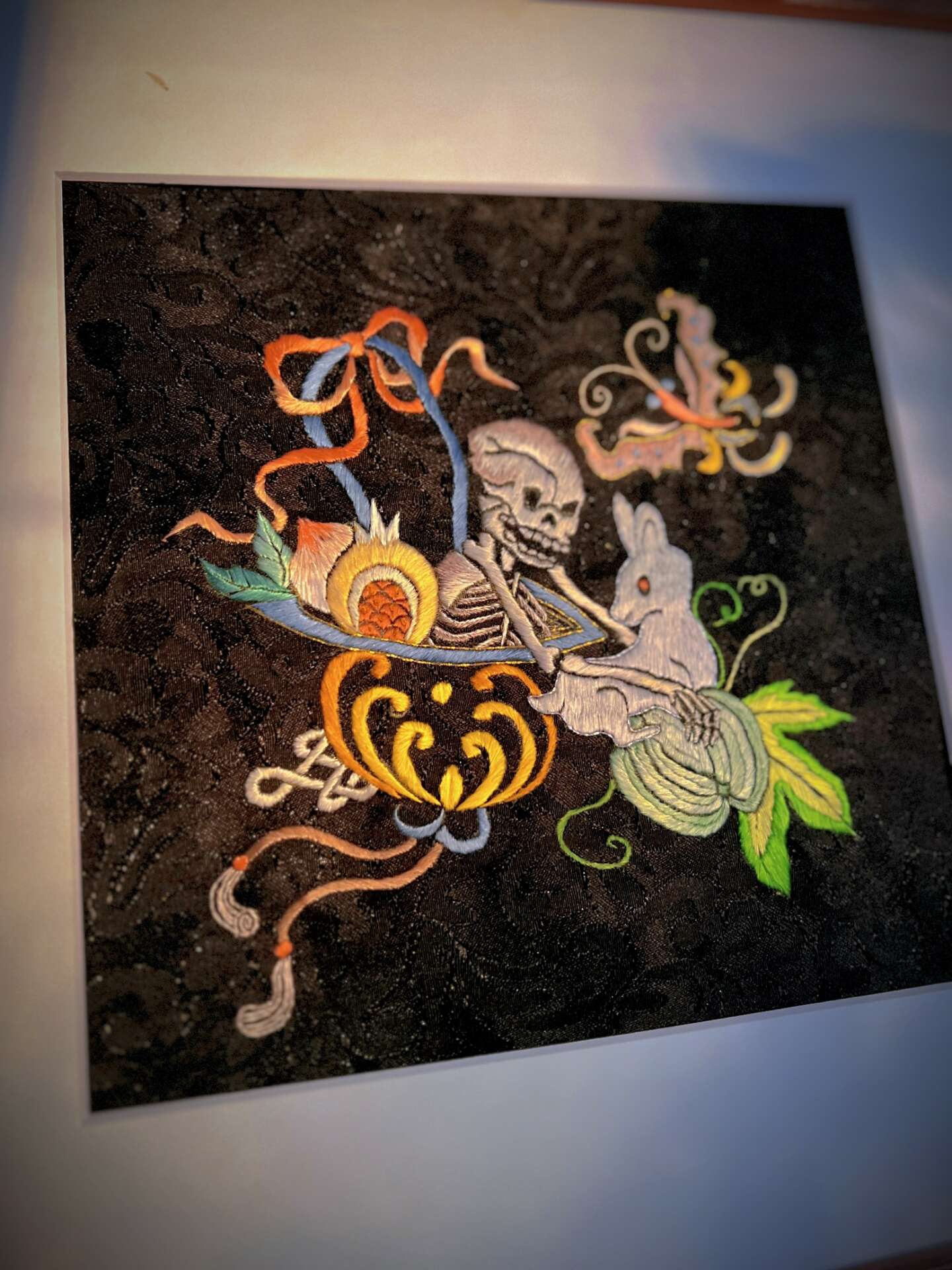
My body of work delves into the complicated tableaux with aggressiveness, gentleness, fragility, softness, toughness, struggles, emotions and pain within femininity and female gender in delicate and cryptic looks. I dig into the neglected, unorthodox, forgotten and hidden parts in “Yin” out of love, desire and fear. On my way of striving to explore, redefine and externalize femininity and “femaleness”, I take multiple traditional craft arts including Thread Wrapped Flower, embroidery and Liuli as my tools.
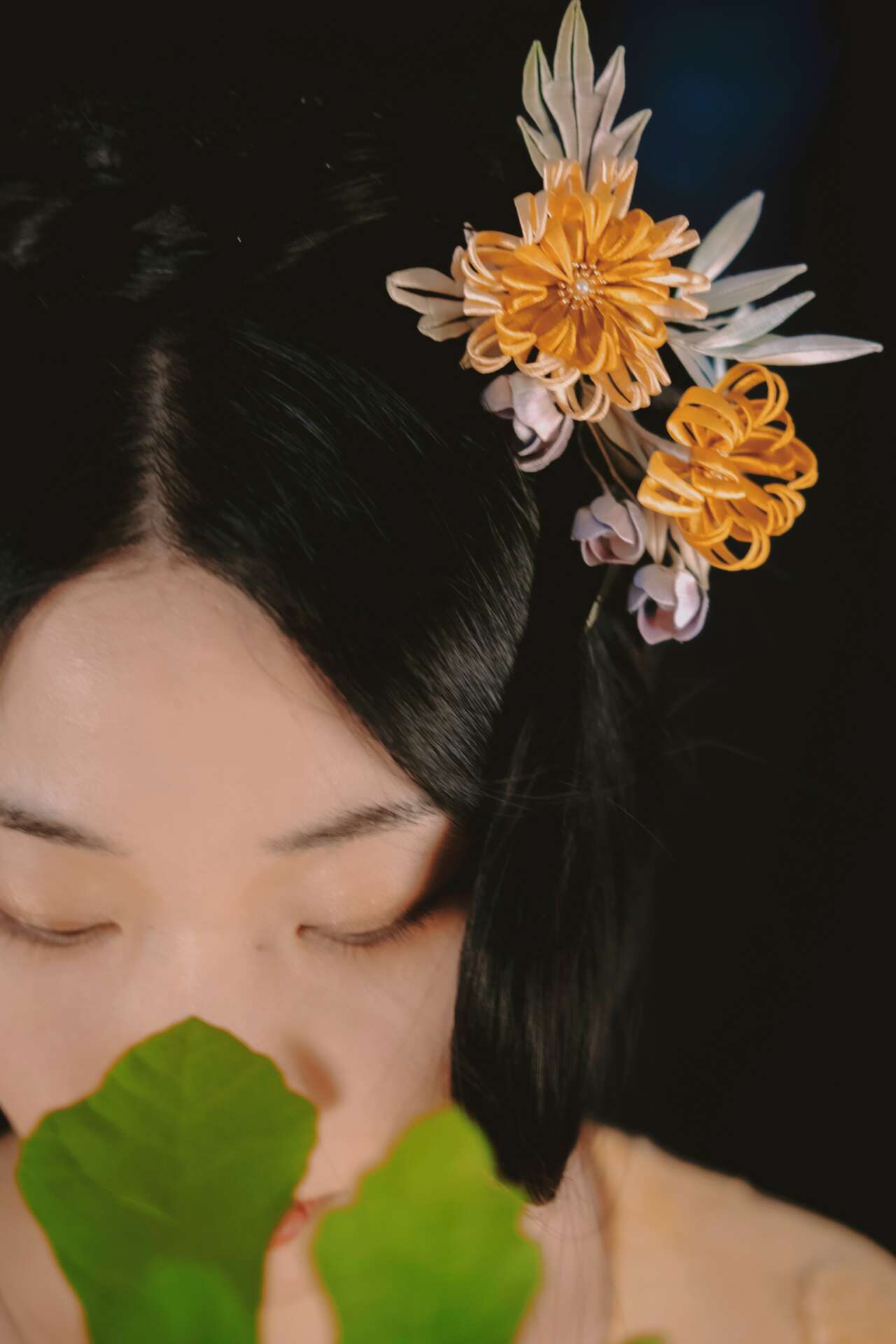
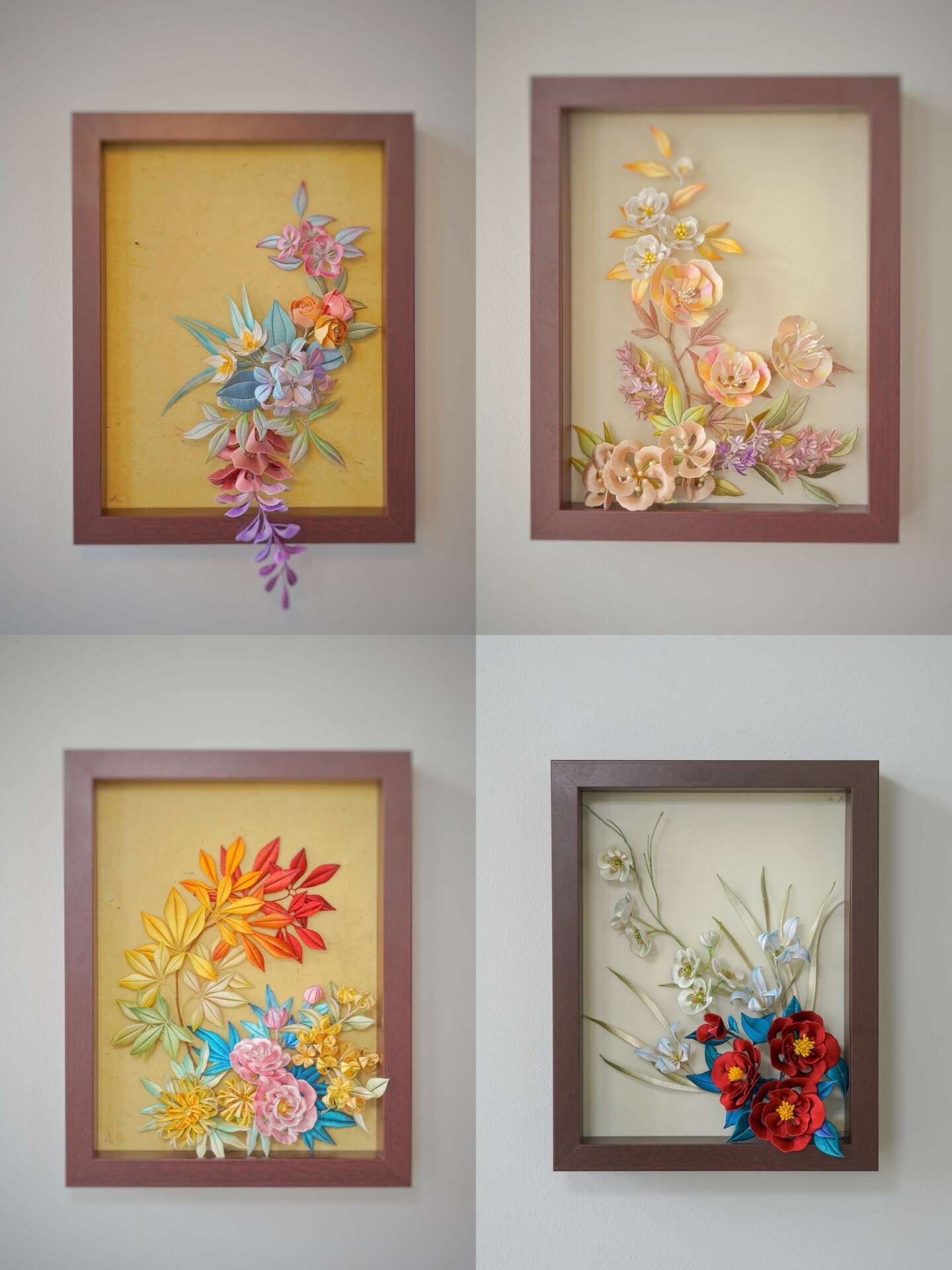
Thread Wrapping Flower (aka Chanhua) is a traditional Chinese craft art of wrapping silk threads onto paper cuts; it originated in Ming Dynasty (1368-1644) and thrived during Qing Dynasty (1644 to 1912), combining multiple art forms including sculpture, embroidery, and paper cutting. Chanhua has been designated as an Intangible Cultural Heritage of China.
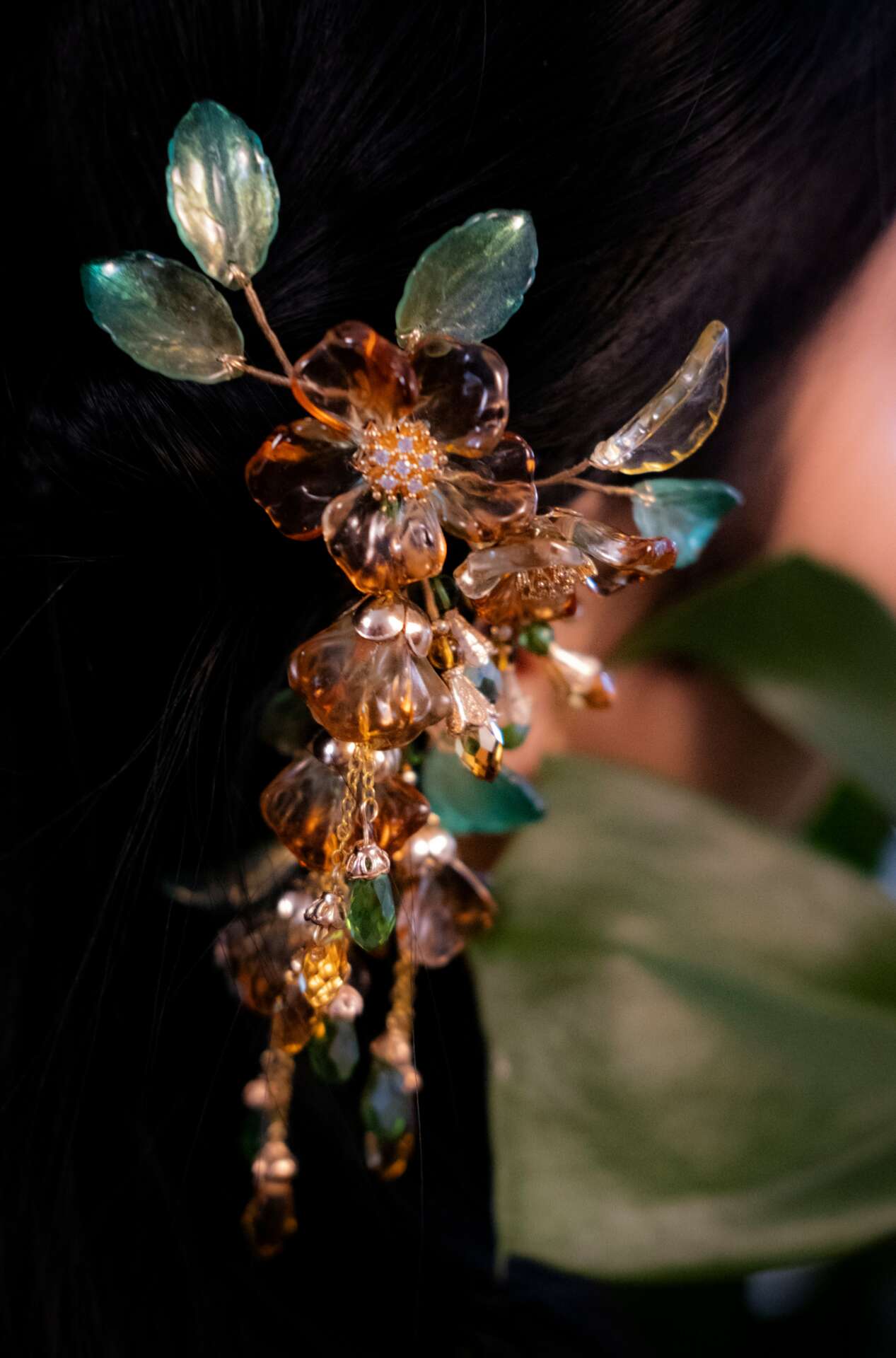
I also make Liuli glass jewelry combining traditional Chinese aesthetics and contemporary tastes. Liuli is a Chinese term from the Han Dynasty for glass art and It’s designated as part of China’s intangible cultural heritage, representing a fusion of artistry and craftsmanship passed down through generations. As Liuli has been revitalized as a contemporary art form, I’m striving to bring it into appliances and utilities, to make it part of our daily lives, and let it shine on whoever wears it.
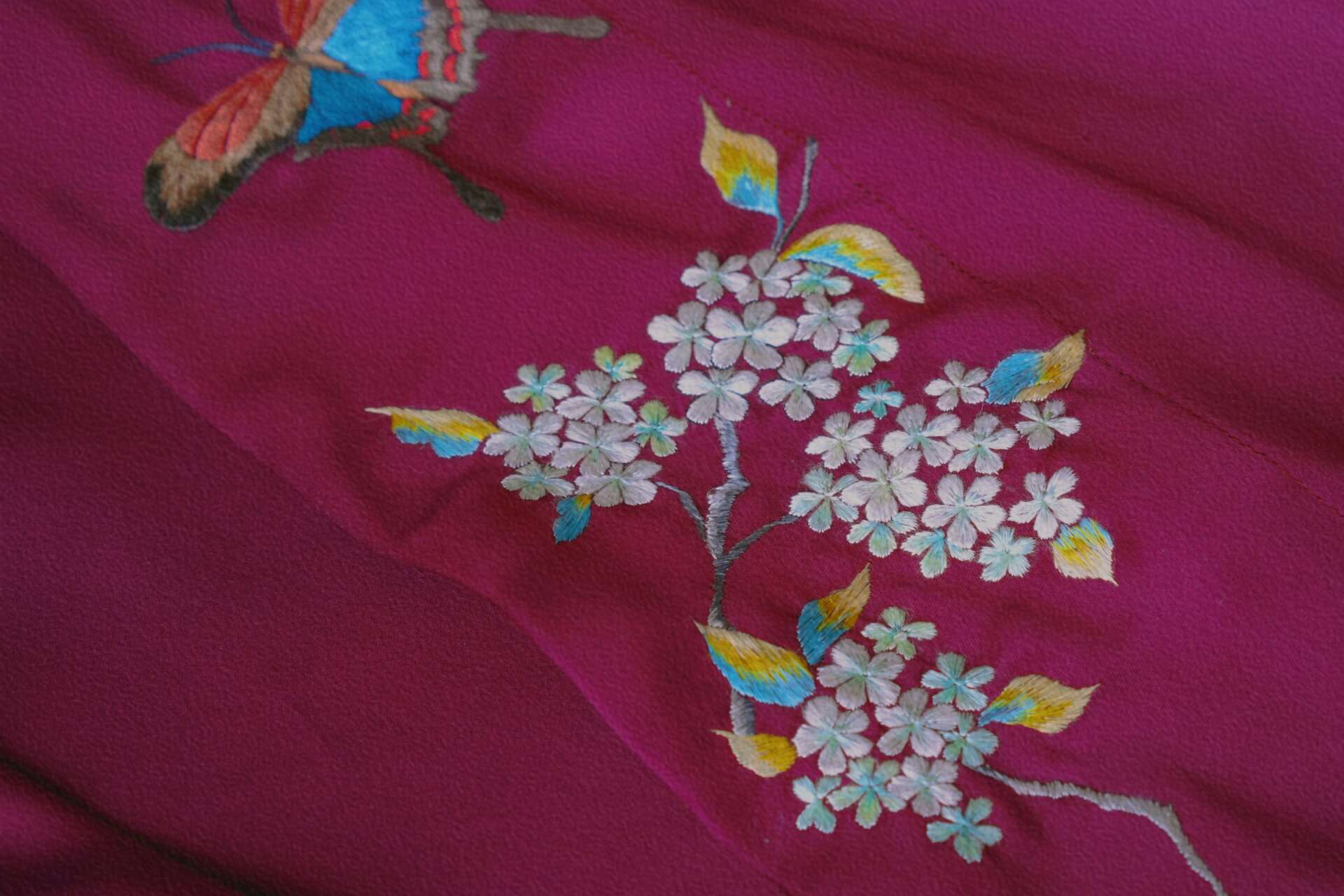
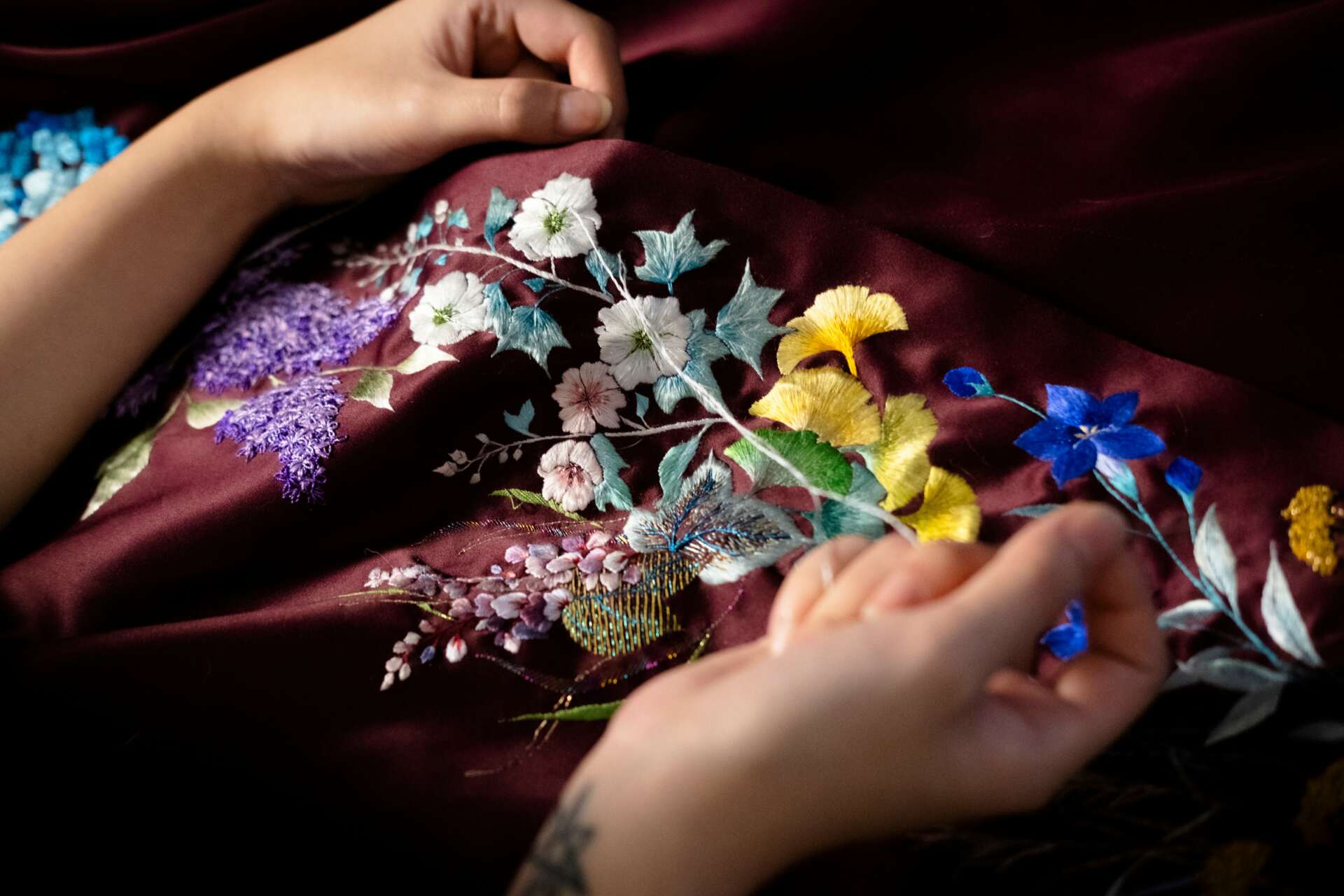
Embroidery is another medium I work with a lot. Embroidery is always considered as a “womanly” and “feminine” craft. I taught myself embroidery at a young age out of interest, but as I grew up, I learned that they are part of a cultural and social expectation for women. Nevertheless, I never saw them as must-learn womanly skills. Using these media, I create tableaux that convey themes outside of the patriarchy’s social expectation for women, with the intention of stimulating a deeper exploration into who we are and what we can be as women.
There are times that I was told that the my arts are “too crafty for modern art, too feminine for men, too unfamiliar to foreigners, too “Chinese” to the Westerns, and too time consuming for mass production”, yet still I treasure it by carrying on perfecting it as it is a precious memory passed down to us with the remaining temperature from fingertips.
What do you think is the goal or mission that drives your creative journey?
I want the unseen beauty to be seen, and I want the forgotten to be remembered. The traditional crafts I immerse myself in exude breathtaking beauty, and my genuine aspiration is to share the richness of underrated ethnic art with a wider audience.
This endeavor extends beyond advocating for my own culture or a specific group; it is a stand for my gender. Many craft arts, once dismissed as “house-made invaluable pieces,” were excluded from the art world simply because they were crafted by women. Despite being neglected and underrated, women throughout history persevered in their pursuit of craft arts even if it’s just a mother teaching her daughter how to create delicate flowers with the simplest silk thread and cut paper, women maintained an artistic legacy across generations.
Even in times when education was out of reach and abundant materials were scarce, women never stopped making art. The Thread Wrapped Flower, for example, was an art form traditionally passed down by women through generations. I aspire to channel the courage of these women and spread their artistic legacy, transcending the limitations imposed on their craft by societal norms.
For you, what’s the most rewarding aspect of being a creative?
I consider myself lucky to find immense satisfaction in the entire creative process. I never find myself counting down the minutes, eagerly awaiting an end, whether I’m carefully selecting the right colors for my embroidery threads or delicately cutting paper pieces for a Thread Wrapped Flower. In every step, I experience the joy of crafting something beautiful with my own hands.
Throughout this joyful creation journey, I’m consistently excited to witness people of diverse races, genders, countries, and cultural backgrounds appreciating my arts and understanding the craftsmanship behind each piece. It brings me great delight to see my Liuli or Thread Wrapped Flower adorning blond hair and my traditional Forbidden Stitch scarf complementing an African kaftan. While ethnic craft arts may have roots in specific cultures, there’s no reason why they can’t radiate their beauty on anyone else. The universality of art transcends boundaries, allowing these creations to shine across a spectrum of individuals.
Contact Info:
- Website: https://www.aodantheescapist.net/
- Instagram: https://www.instagram.com/kaamosl/
Image Credits
all the art/crafted pieces by Aodan photography by Qixuan Mai