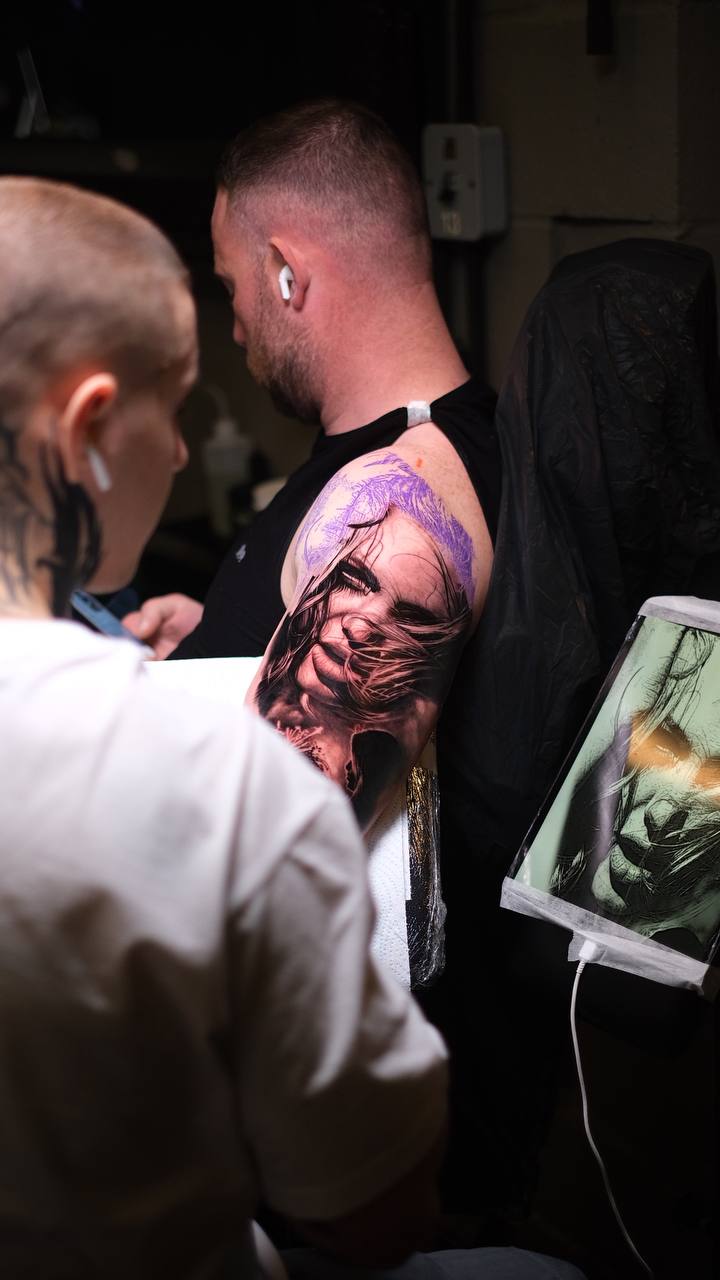

Alright – so today we’ve got the honor of introducing you to Anton Martiushev. We think you’ll enjoy our conversation, we’ve shared it below.
Hi Anton, thanks for joining us today. I’m sure there have been days where the challenges of being an artist or creative force you to think about what it would be like to just have a regular job. When’s the last time you felt that way? Did you have any insights from the experience?
I’m definitely happier as an artist. I don’t really fantasize about having a “regular job” – mostly I compare what my life looks like now with what it could have been.
In my small hometown in Russia almost everyone followed the same script: study, find a stable job, don’t take risks. When I started tattooing, most people didn’t even see it as a real career. For them it was a hobby that would end one day. Sometimes I caught myself thinking: what if I had chosen that safer path? Office, fixed hours, same schedule every week.
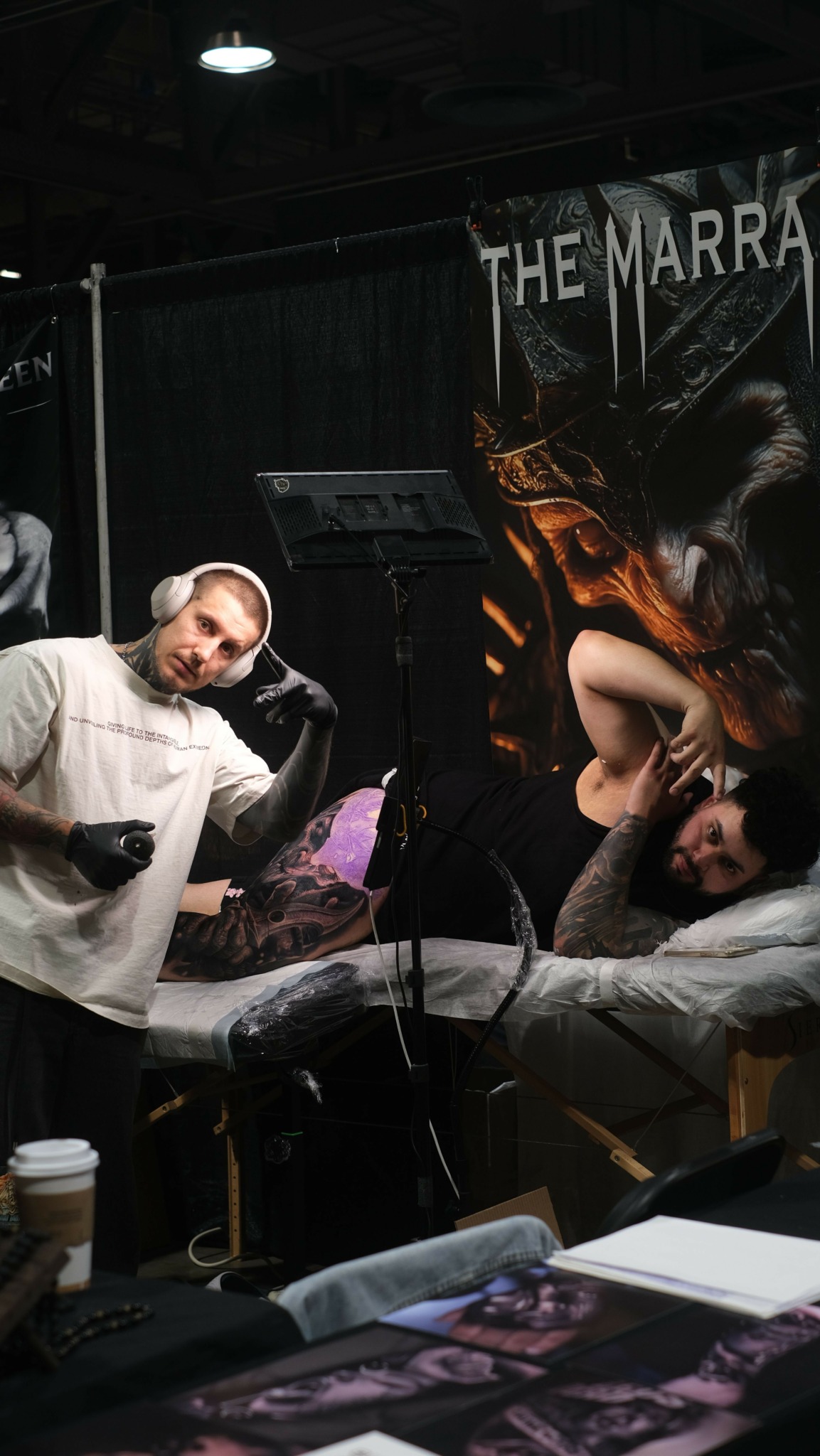
But when I really look at my life now, tattooing is actually just as stable – and much more interesting. I work full-time as a tattoo artist, I’ve built a solid client base, I travel for guest spots and conventions, and I know that if I keep my quality high, the work doesn’t disappear. The difference is that my “office” can be in Los Angeles, in Saint Petersburg, in New York or at a convention in another country.
What I love most is that this job lets me grow constantly. I’m not repeating the same task every day – I’m building big black and grey projects, collaborating with other artists, judging competitions, creating handmade masks that become trophies. There’s a lot of responsibility, but also a lot of freedom.
So yes, I’m happier as an artist. For me, tattooing is a real profession with real stability and the added bonus of creativity, travel and a sense that every project actually matters. A regular job might look safer on paper, but I’ve never felt more “at home” than in this creative life.
Great, appreciate you sharing that with us. Before we ask you to share more of your insights, can you take a moment to introduce yourself and how you got to where you are today to our readers.
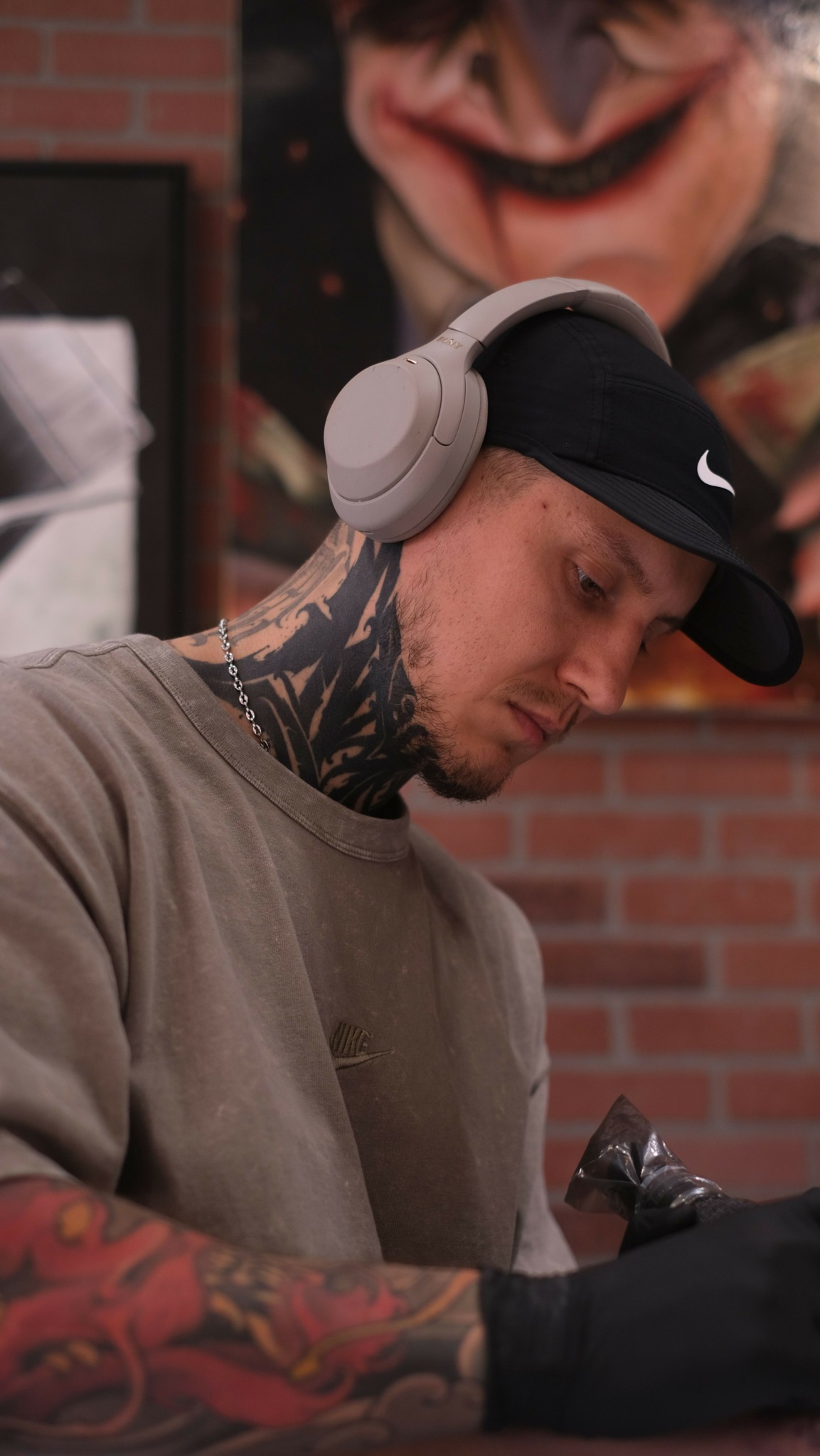
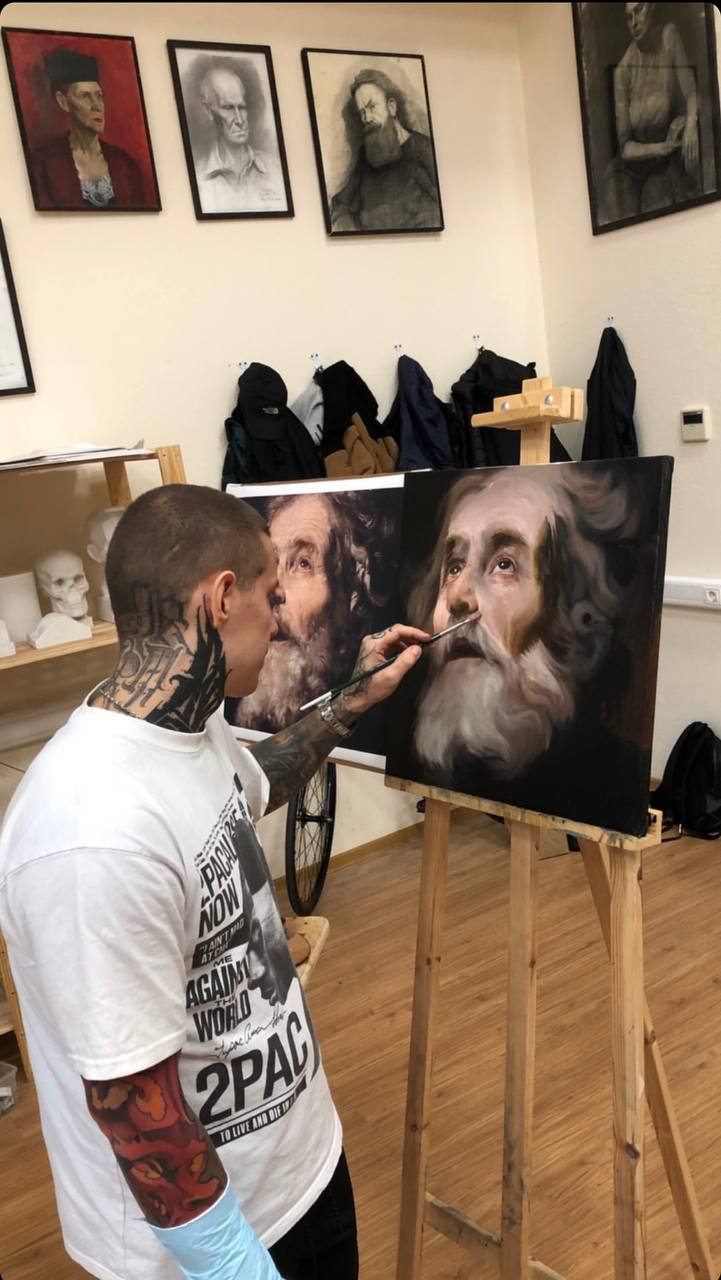
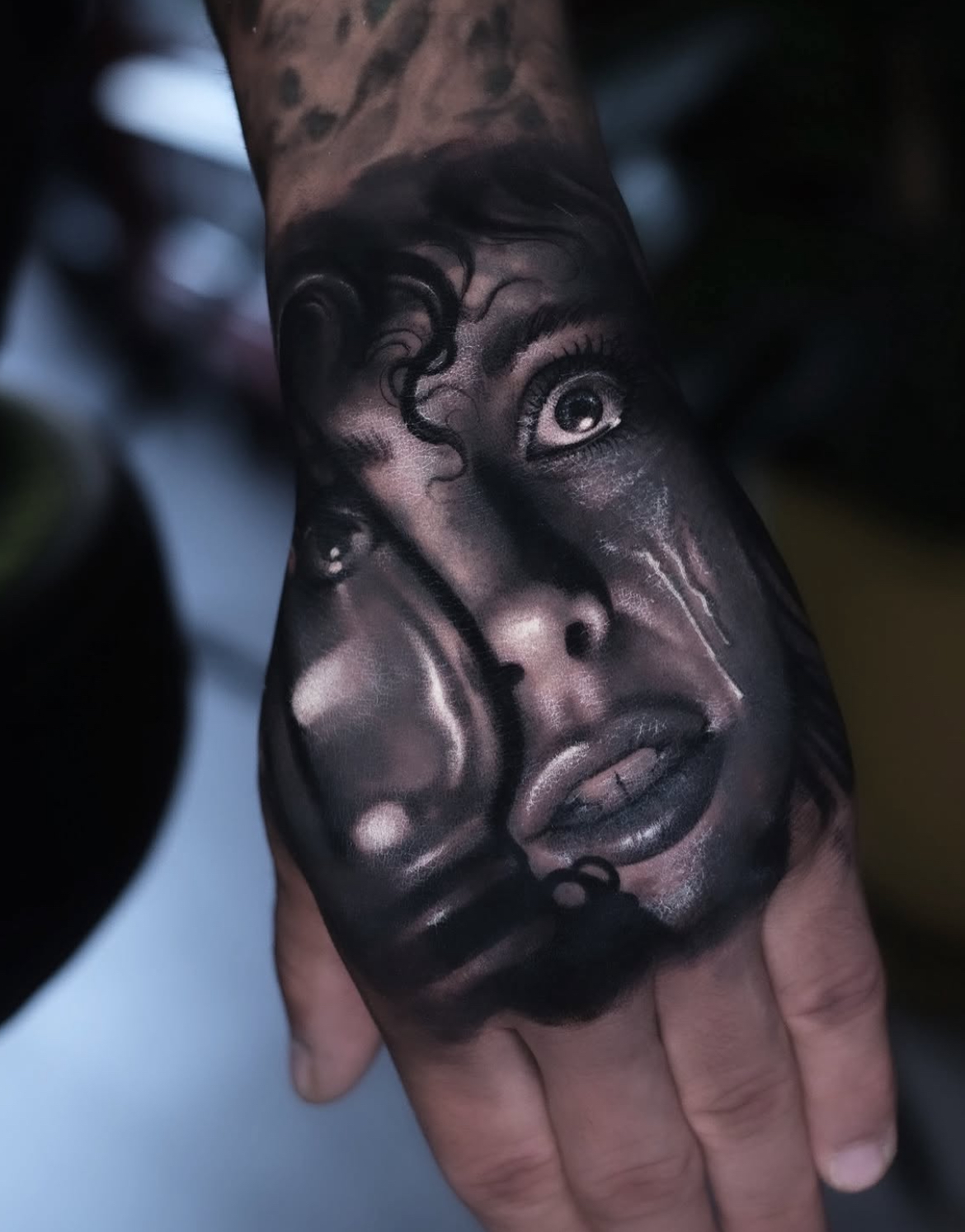
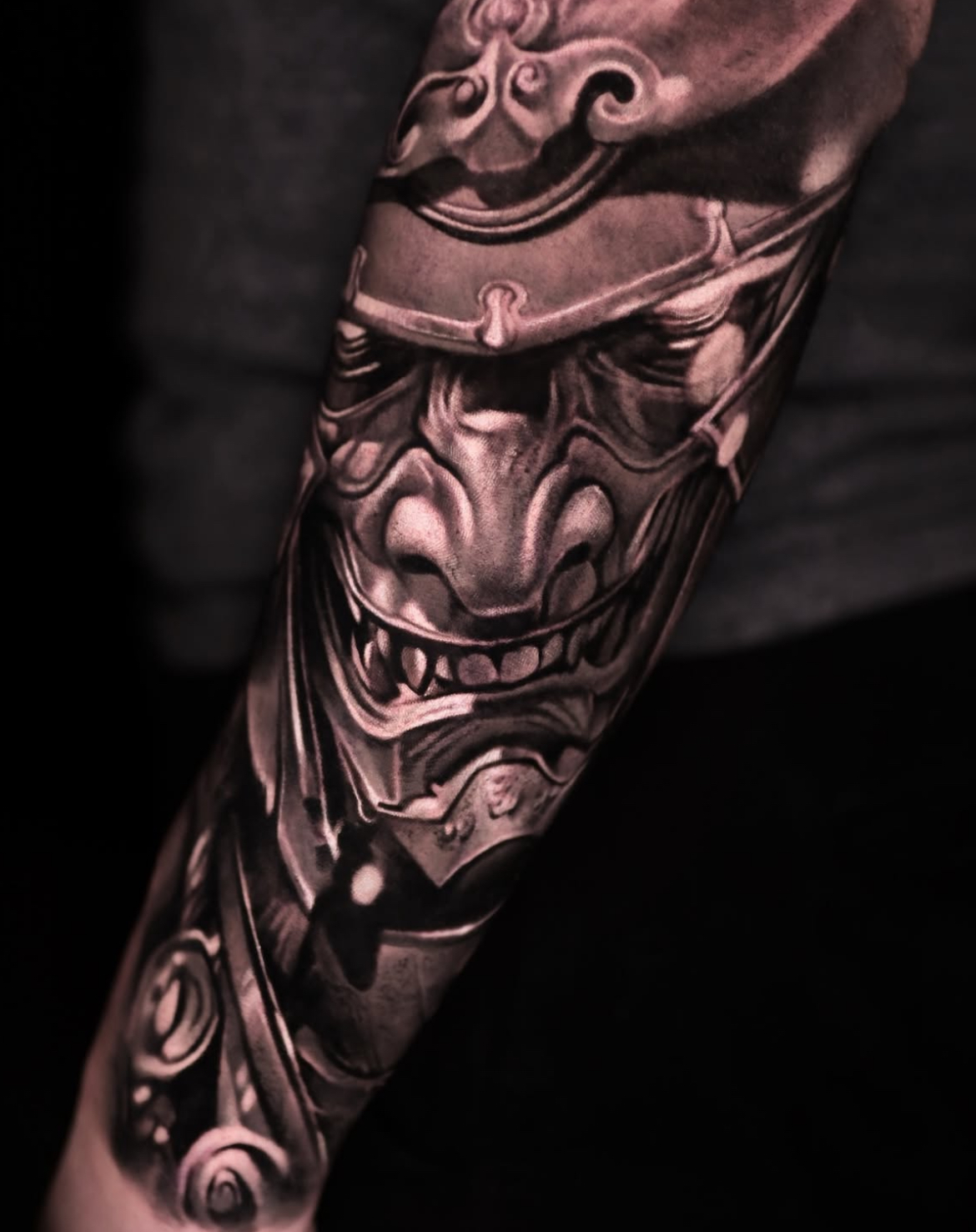
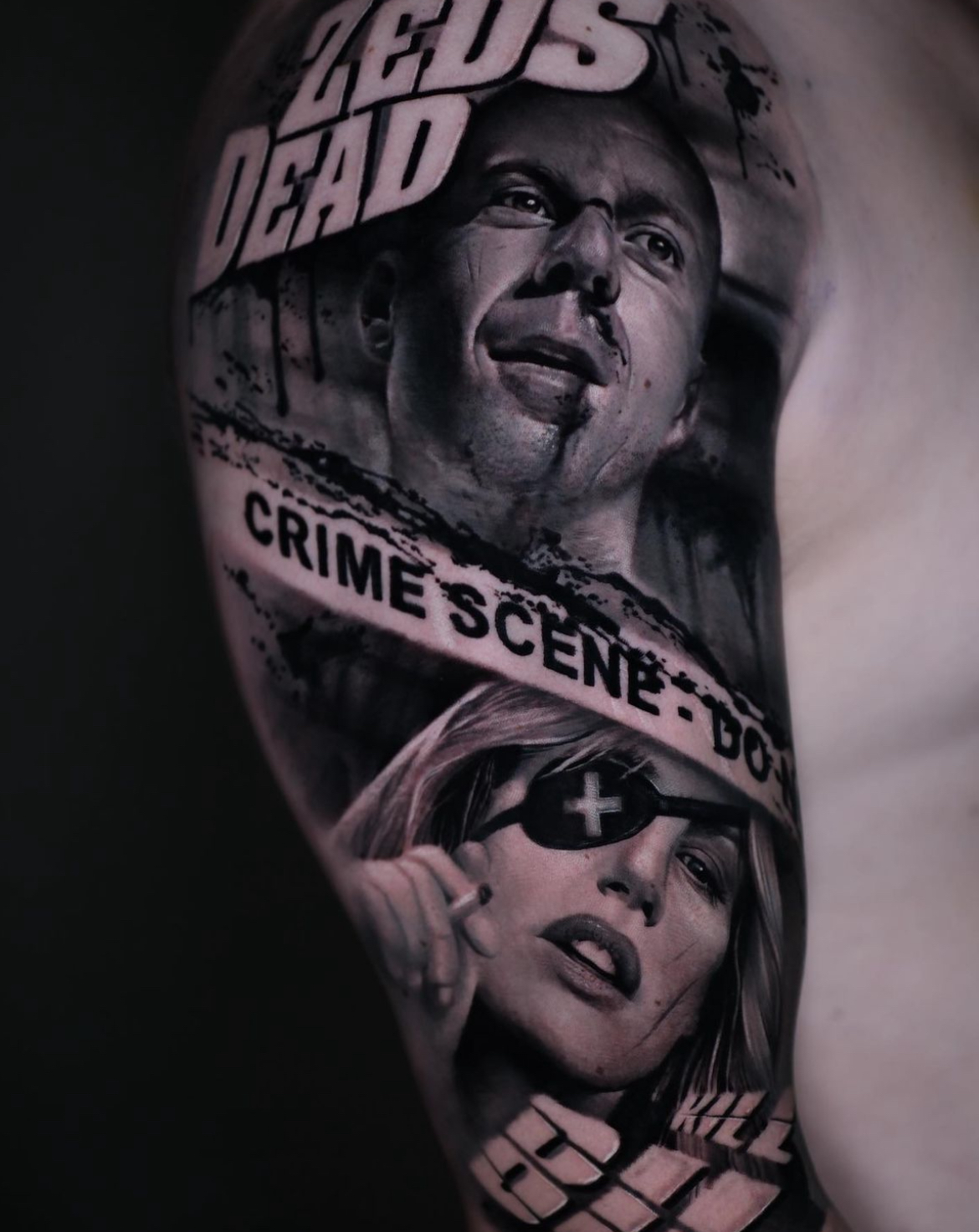
I’m a tattoo artist working primarily in black and grey realism. My focus has always been on large-scale, story-driven pieces that work with the body rather than just sitting on it. For me, tattooing is not only about technical execution, but about composition, flow, contrast, and how the piece will live on the skin for many years.
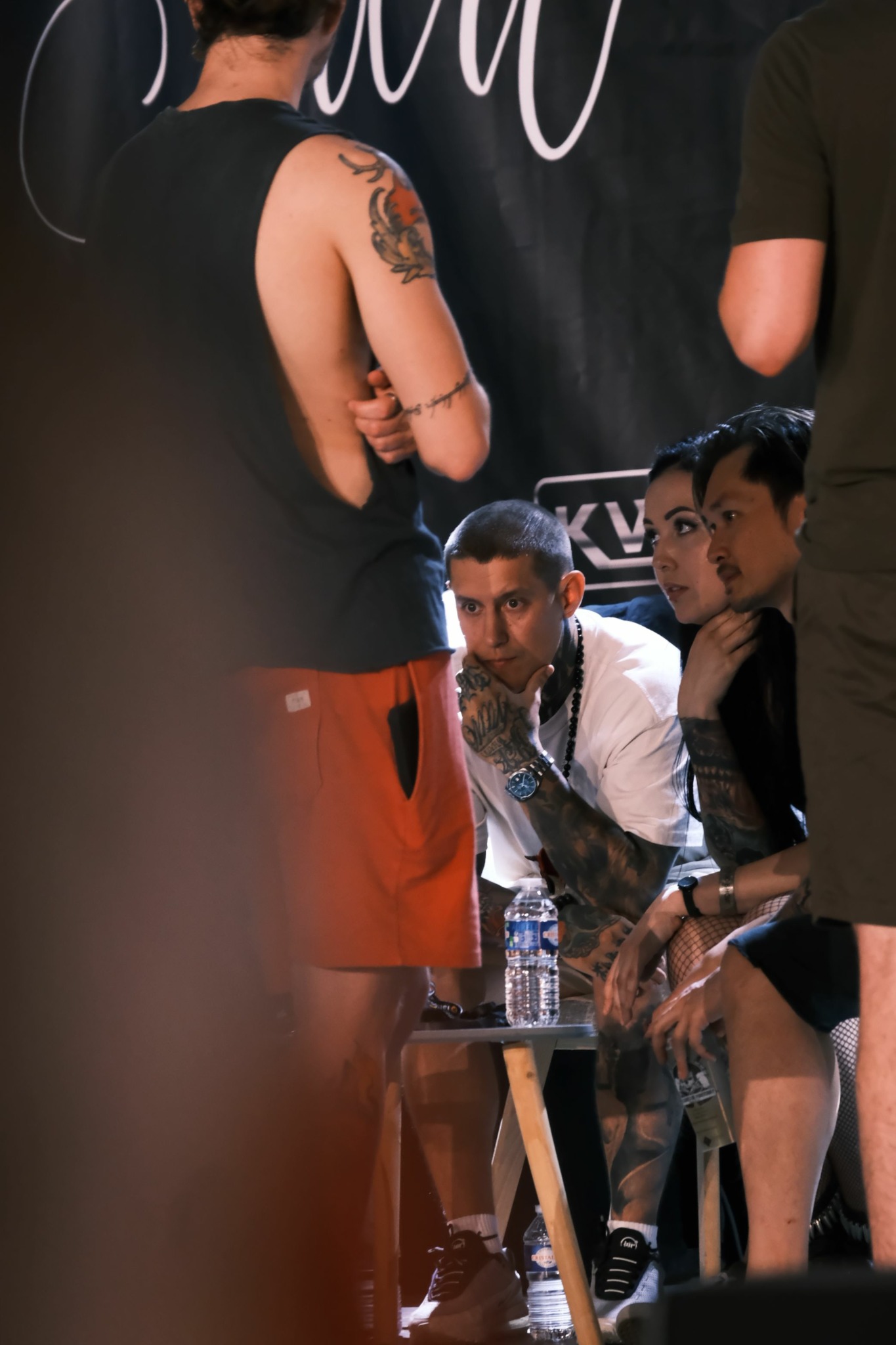
Over the years, my work has been recognized at international tattoo conventions, where I’ve consistently placed in top categories such as Best of Show, Best of Day, and Black & Grey Realism. I’ve also had the honor of being invited as a judge at major tattoo conventions in different countries, including events in Turkey, Israel, France, the United States, and New York multiple times. Being invited to judge is especially meaningful to me, as it reflects trust from the industry and recognition of my experience and eye for quality.
What sets my work apart is my approach to design. I pay a lot of attention to anatomy, dynamics, and readability. A tattoo should look powerful not only in photos, but in real life and in motion. I spend a lot of time thinking about placement, scale, and how light and contrast will age over time. My goal is always to create work that feels intentional, balanced, and timeless.
I’m most proud of projects where there is full trust between me and the client. When that trust exists, the result is almost always stronger, more original, and more personal. Whether I’m tattooing, competing, collaborating, or judging, I try to contribute to the industry by pushing quality and encouraging thoughtful, well-built tattoos rather than trends.
For people discovering my work, I want them to understand that I take this craft seriously. Every tattoo is approached as a long-term piece of art, and every project is built with respect for the client, the body, and the culture of tattooing itself.
Is there mission driving your creative journey?
One of my main goals today is education and sharing experience. After more than 13 years in tattooing, I feel that I’ve accumulated a lot of practical knowledge that can be genuinely useful to both beginner and working artists.
I’m interested not only in showing results, but in explaining how those results are achieved — from design thinking and composition to technical decisions and workflow.
I plan to create an online educational course, and potentially an offline format as well, where I can break down my approach to black and grey realism in a clear and structured way.
I’ve also developed my own method for building tattoo stencils and project layouts, which helps simplify the design process and reduces unnecessary steps during the session.
This system is useful not only for beginners, but also for experienced artists who want a more efficient and thoughtful workflow without sacrificing quality.
Beyond education, my mission is to continue contributing to tattoo culture itself — promoting strong fundamentals, long-term thinking, and respect for the craft. Tattooing has grown fast over the years, and I believe it’s important to pass on knowledge responsibly, so the industry keeps evolving without losing its standards.
How can we best help foster a strong, supportive environment for artists and creatives?
I think the best way society can support artists and creatives is by taking their work seriously and valuing it as a profession, not just as a hobby or entertainment. Creative work requires years of practice, discipline, and responsibility, and it deserves the same respect as any other skilled profession.
Support also comes from education and access to knowledge. When experienced artists share real, practical information instead of gatekeeping it, the entire creative ecosystem becomes stronger. Mentorship, workshops, open conversations, and honest feedback help raise standards and push the industry forward.
Professional associations play an important role in this process, and I’m personally part of a professional creative association. Being involved in such organizations helps show our industry from the inside — how much work, expertise, and responsibility is actually involved. Associations create professional standards, support growth, encourage collaboration, and help artists represent their field in a more structured and credible way to society.
Another important aspect is giving artists platforms where quality and originality matter more than trends or algorithms. Media, events, and cultural institutions play a big role here — they help highlight artists who focus on craftsmanship, long-term thinking, and meaningful work.
Finally, I believe clients and audiences are also part of this ecosystem. When people take time to understand the process behind creative work and trust professionals, it allows artists to do their best work. Strong creative industries are built on mutual respect — between artists, institutions, and the community around them.
Contact Info:
- Instagram: https://www.instagram.com/the_marra_