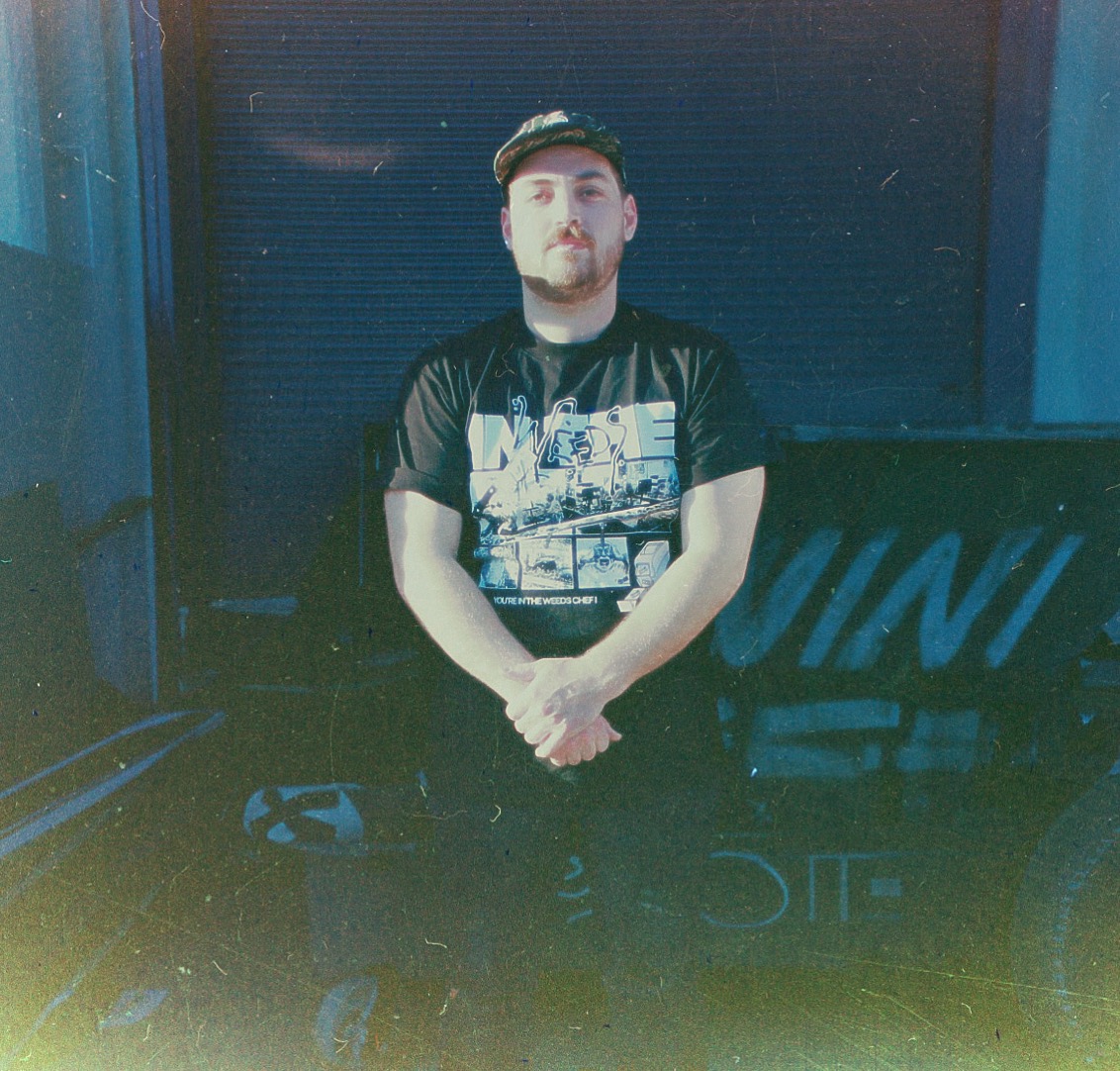

Alright – so today we’ve got the honor of introducing you to Anthony Laquatra. We think you’ll enjoy our conversation, we’ve shared it below.
Anthony, thanks for joining us, excited to have you contributing your stories and insights. Parents can play a significant role in affecting how our lives and careers turn out – and so we think it’s important to look back and have conversations about what our parents did that affected us positive (or negatively) so that we can learn from the billions of experiences in each generation. What’s something you feel your parents did right that impacted you positively.
My dad was a chef, but he wasn’t just that—he was an artist, through and through. In the kitchen, sure, but beyond it too. He could carve ice sculptures like they were marble, doodle little masterpieces on scraps of paper, and now? He spends hours hand-painting this sprawling model train set he built himself. He’s always loved trains.
He taught me something simple but critical: anything is possible. That might sound cliché until you see where he came from. He was a tough kid, getting into trouble early. My grandma got him a dishwashing job at a horse track, and that was his doorway. From there, he became an executive chef. He earned a 5th-degree black belt and ran his own karate school—something that supported our family and taught hundreds of kids, including me, how to show up with discipline and pride. Now, he’s giving back again, teaching culinary skills to troubled youth. He’s proof that hard work and tireless determination can override the hand you’re dealt. No excuses, no shortcuts. Watching him, I learned you don’t just survive—you create.
My mom was cut from the same cloth but with a different thread. She taught me empathy and what it means to truly serve others. She worked harder than anyone I’ve ever met—three or four jobs at a time if that’s what it took to take care of me. She didn’t need anyone’s help, even though she probably deserved it. And still, she found the time to give back. She’d feed the homeless, show up for her church, or help a coworker who was struggling. She didn’t have to say anything about how you treat people—I saw it every day. You don’t turn your back when someone needs you. You give, even when you’re tired.
For a long time, I ignored these lessons. I was young, selfish, and too cool to admit my parents might have it right. I wasn’t listening, wasn’t learning—just burning through my time like I had all the answers. I look back now, and I hate how blind I was. But getting sober forced me to embrace my past, to own it, and to appreciate where I came from. My parents’ hard work and sacrifice hit me like a brick wall when I finally slowed down and looked at my life.
My dad showed me how to build something out of nothing. My mom showed me how to care for people. Those lessons are everything to me now. They’re in the way I work, the way I write, the way I create Dinner Rush. Every design I sketch, every hour I put in on the line, every connection I make—it’s all built on what they gave me. Their examples didn’t just shape me; they gave me a foundation. I’m still building on it.
Awesome – so before we get into the rest of our questions, can you briefly introduce yourself to our readers.
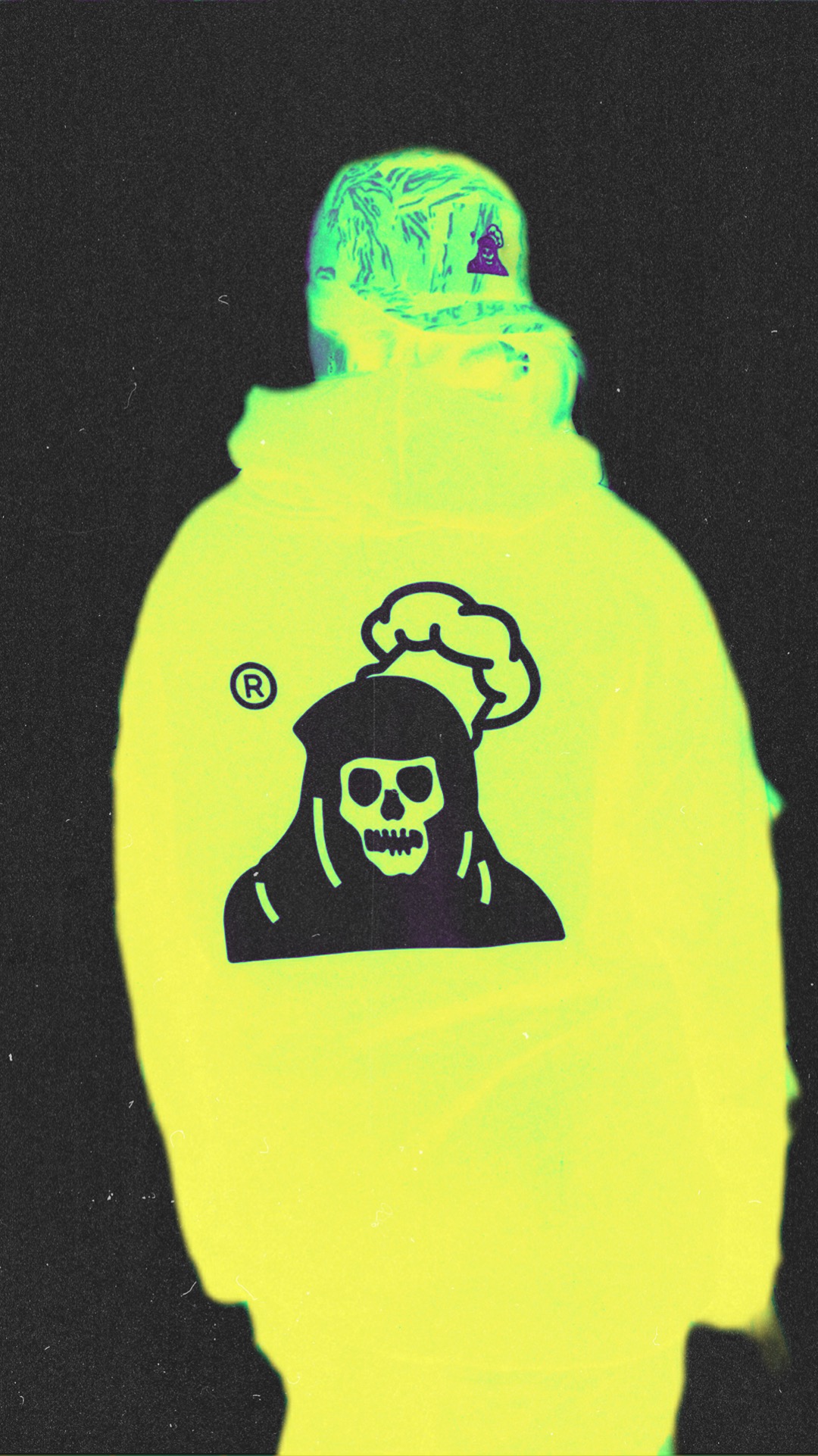
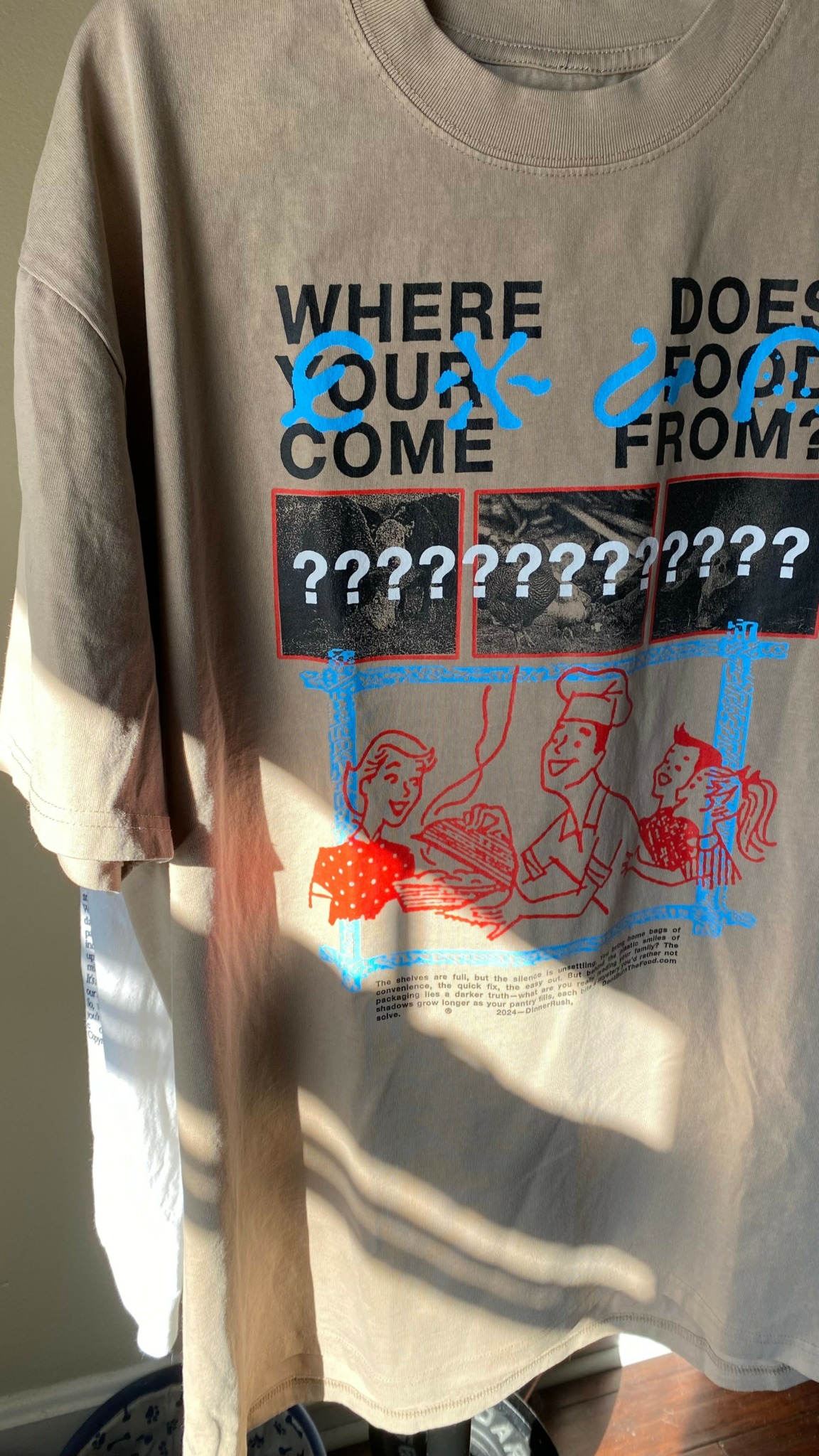
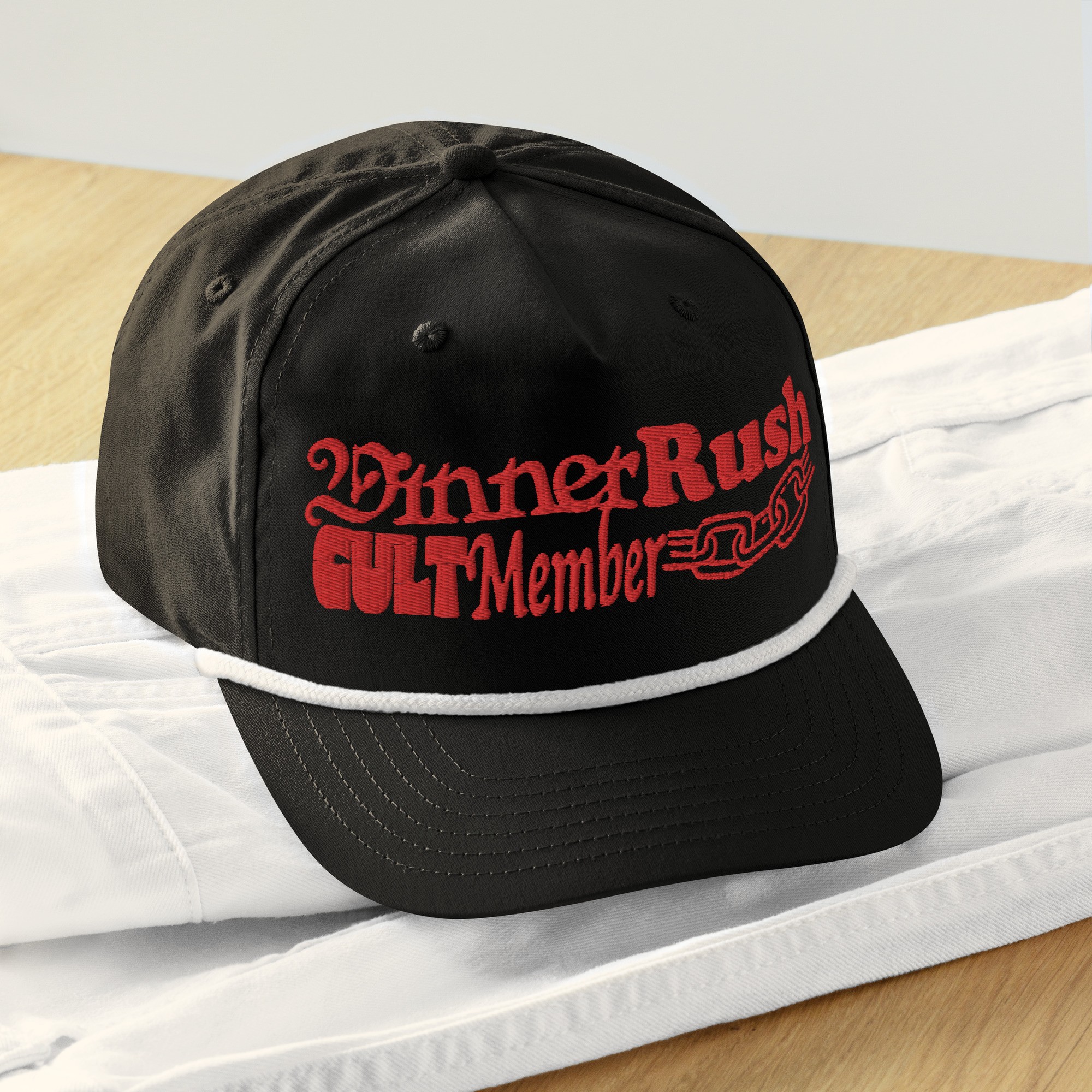
For folks who don’t know me, my name is Anthony Laquatra, and I’m the founder and creative director of Dinner Rush—a streetwear brand built for chefs, line cooks, servers, bartenders, and everyone who’s felt the pressure, the heat, and the chaos of the hospitality industry. But it’s more than that. Dinner Rush is for the misfits, the ones who don’t feel like they fit anywhere—because I’ve been there. My whole life, I’ve felt out of place, even in a room full of people. I know what it’s like to feel unseen, unheard, like you’re on the outside looking in. Dinner Rush is about giving people who feel that way a place to belong.
I came up in design and marketing, but my story took a hard turn when I started working in kitchens. I found myself surrounded by people who didn’t fit society’s mold either—people with tattoos, scars, stories, and struggles—gritty, creative souls who thrive in the chaos. That’s when Dinner Rush was born: a brand that speaks to the people who clock in, push through the pressure, and carry something more beneath the surface. It’s for those of us who’ve found purpose, identity, or even refuge in this industry.
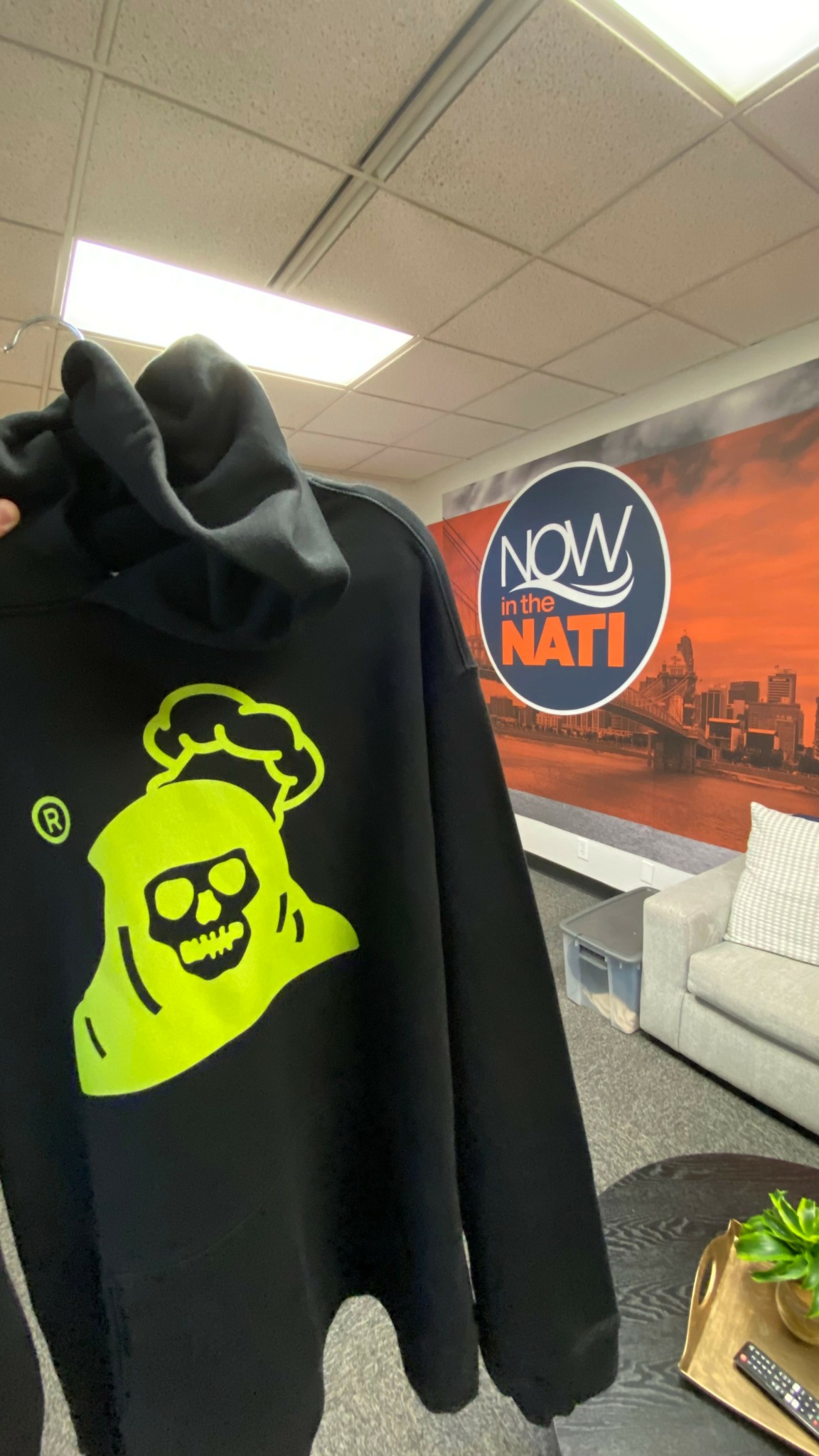
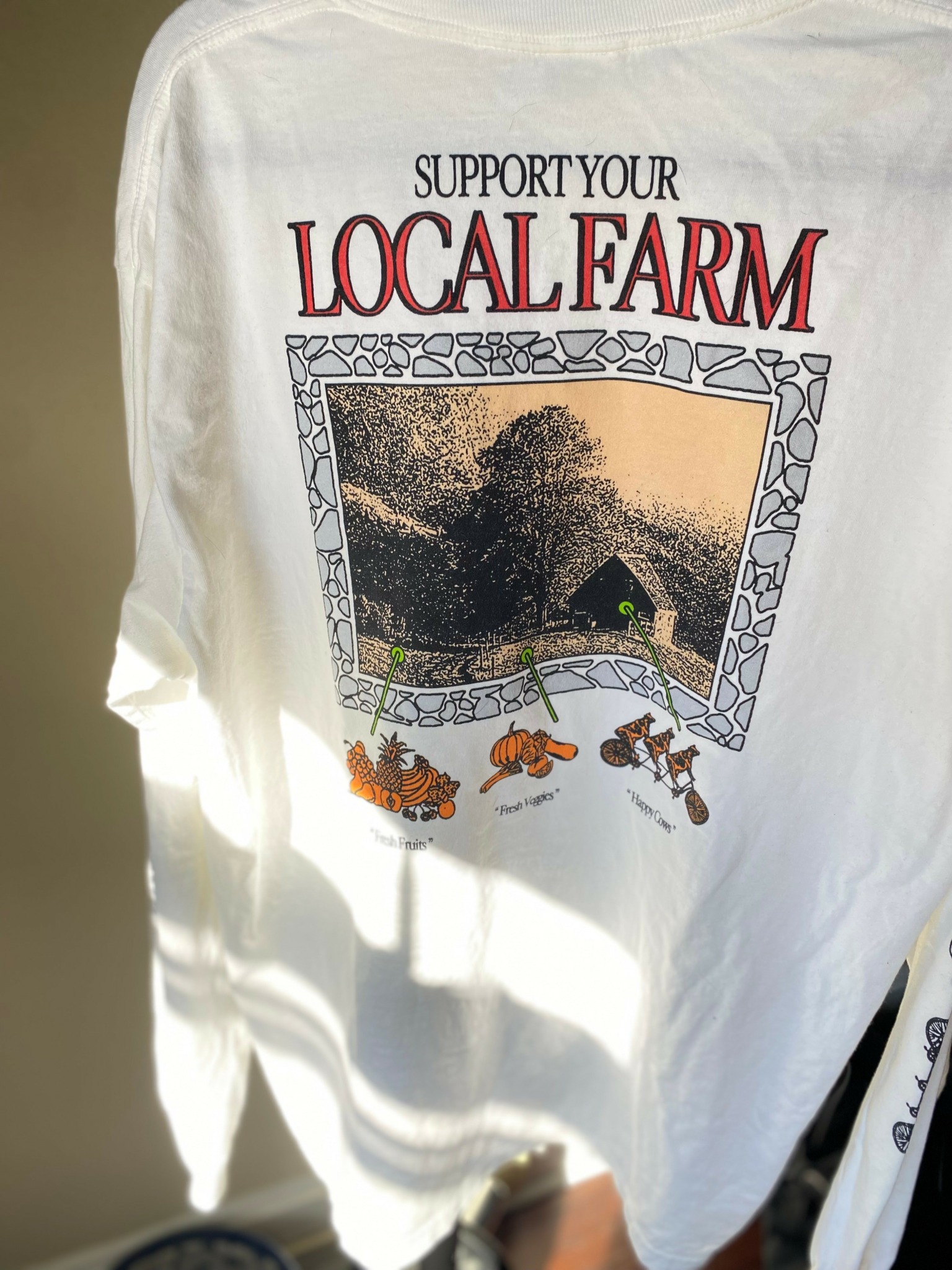
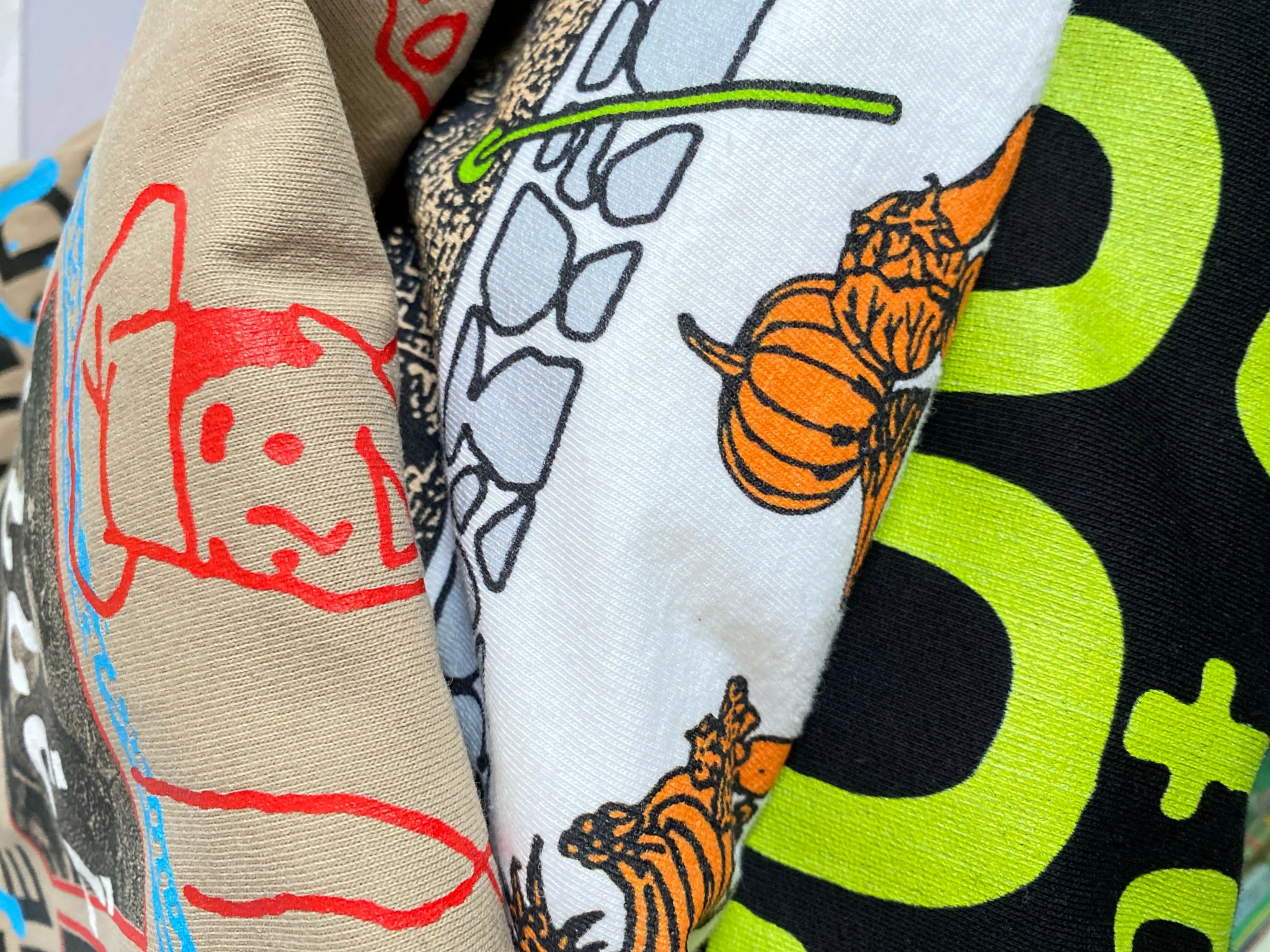
Dinner Rush isn’t just clothing—it’s about connection and community. I make products that reflect who we are and where we come from—simple, gritty, honest. T-shirts, limited drops, and designs that celebrate this life without sugarcoating it. But more importantly, I’m building a community for the ones who feel like they’re never quite enough for the world around them. Dinner Rush says: you are enough. This place is yours.
What sets us apart? I’m not an outsider looking in. I’ve been on the line. I’ve worked those brutal shifts. I’ve dealt with the long hours and the mental toll this industry takes. I’ve struggled to feel like I belong, even surrounded by people, and I know I’m not the only one. That’s why Dinner Rush supports mental health awareness in the hospitality world. We see each other. We’re here for each other.
What I’m most proud of is the connection this brand is creating. Whether it’s a cook tagging us after a brutal service, someone wearing our gear as armor in their daily grind, or someone finding community in our industry-only Discord, Dinner Rush is becoming a place where people can be themselves—tattoos, scars, broken parts and all. It’s not about fitting in. It’s about finding your people.
For anyone finding Dinner Rush for the first time, here’s what I want you to know: This brand is for you. For the ones who feel like outsiders, who’ve been told they’re “too much” or “not enough,” who find a strange comfort in the chaos of a busy kitchen or a loud bar. It’s for the cooks, the bartenders, the servers, the chefs, and the dreamers. It’s for the people who get knocked down, get back up, and keep pushing—because good is not enough.
Dinner Rush isn’t here to fit into anyone else’s mold. It’s here to create something for the ones who never fit in. If that sounds like you, then welcome. You’ve got a place here.
How do you keep in touch with clients and foster brand loyalty?
I keep in touch with the Dinner Rush community the same way I would with my crew in a kitchen—real, honest, and consistent. The people who support this brand aren’t just customers; they’re part of something close-knit. I make sure they know that.
It starts with showing up. I connect through Instagram, our industry-only Discord server, and in real life—dropping off gear at local spots, supporting fundraisers, or just shaking hands. When someone reaches out, I listen and respond like a human, not a brand. Loyalty comes from trust, and trust comes from being there.
The Discord has been huge. It’s a private space for cooks, servers, bartenders, and chefs to talk about life, vent about service, share wins, or just hang out. A lot of us feel like outsiders even when we’re surrounded by people—this gives us somewhere to belong.
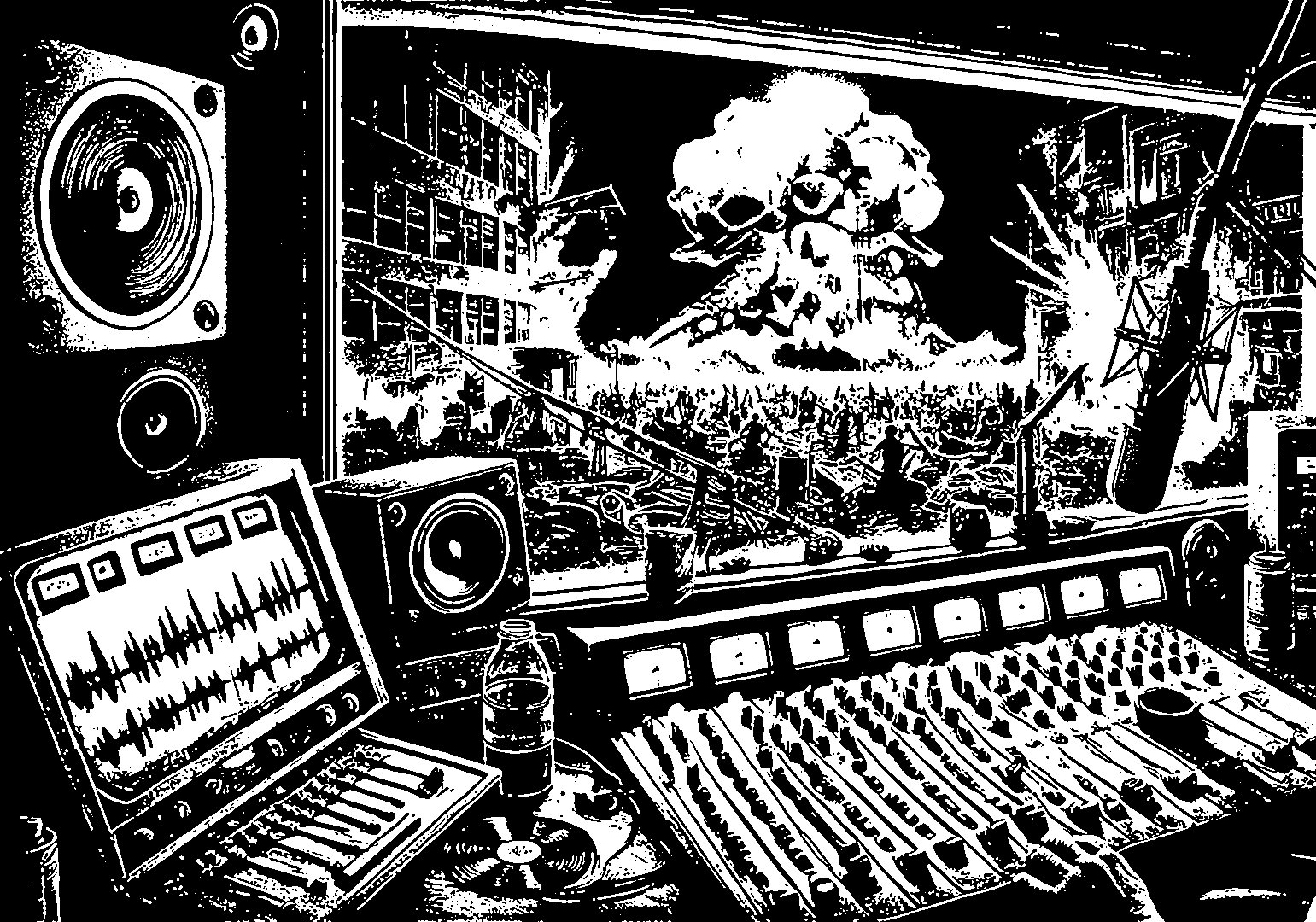
I also stay connected through content—whether it’s posts about mental health in the industry, blogs about music, or stories highlighting chefs and bartenders who deserve more recognition. I want people to feel seen, to know someone gets it.
At the end of the day, I foster loyalty by being consistent and real. I show up, listen, and make sure the community knows they have a place here. Dinner Rush isn’t just clothing—it’s a crew, and I’ve got their back.
How did you build your audience on social media?
Be yourself, and drown out the noise. Don’t follow the trends just for the sake of doing it. Create what you want and your people will find it. Don’t sell out to the algorithm just for a few likes. This will help create a niche audience that supports you instead of inflate your numbers.
Contact Info:
- Website: https://www.dontburnthefood.com
- Instagram: https://www.instagram.com/shopdinnerrush