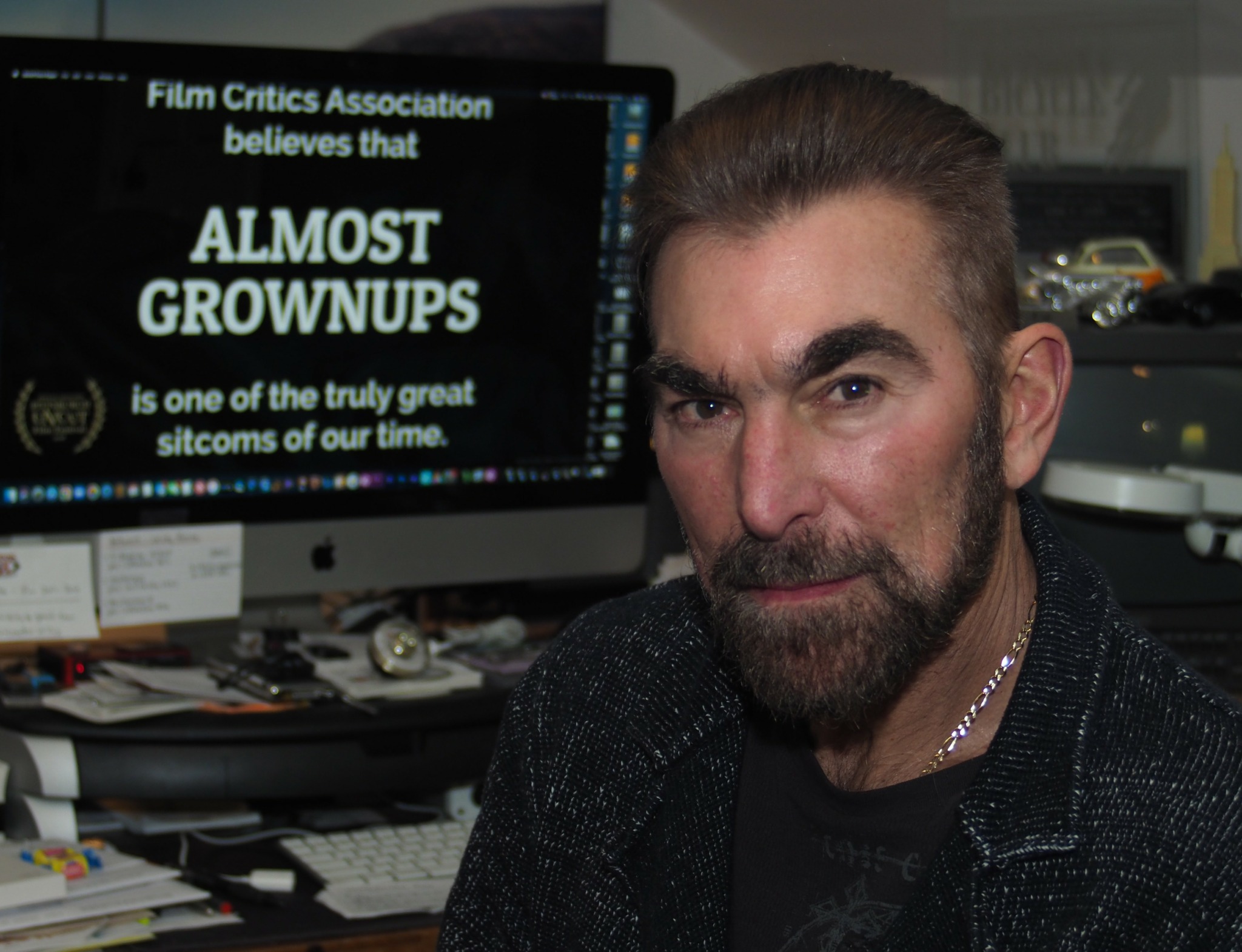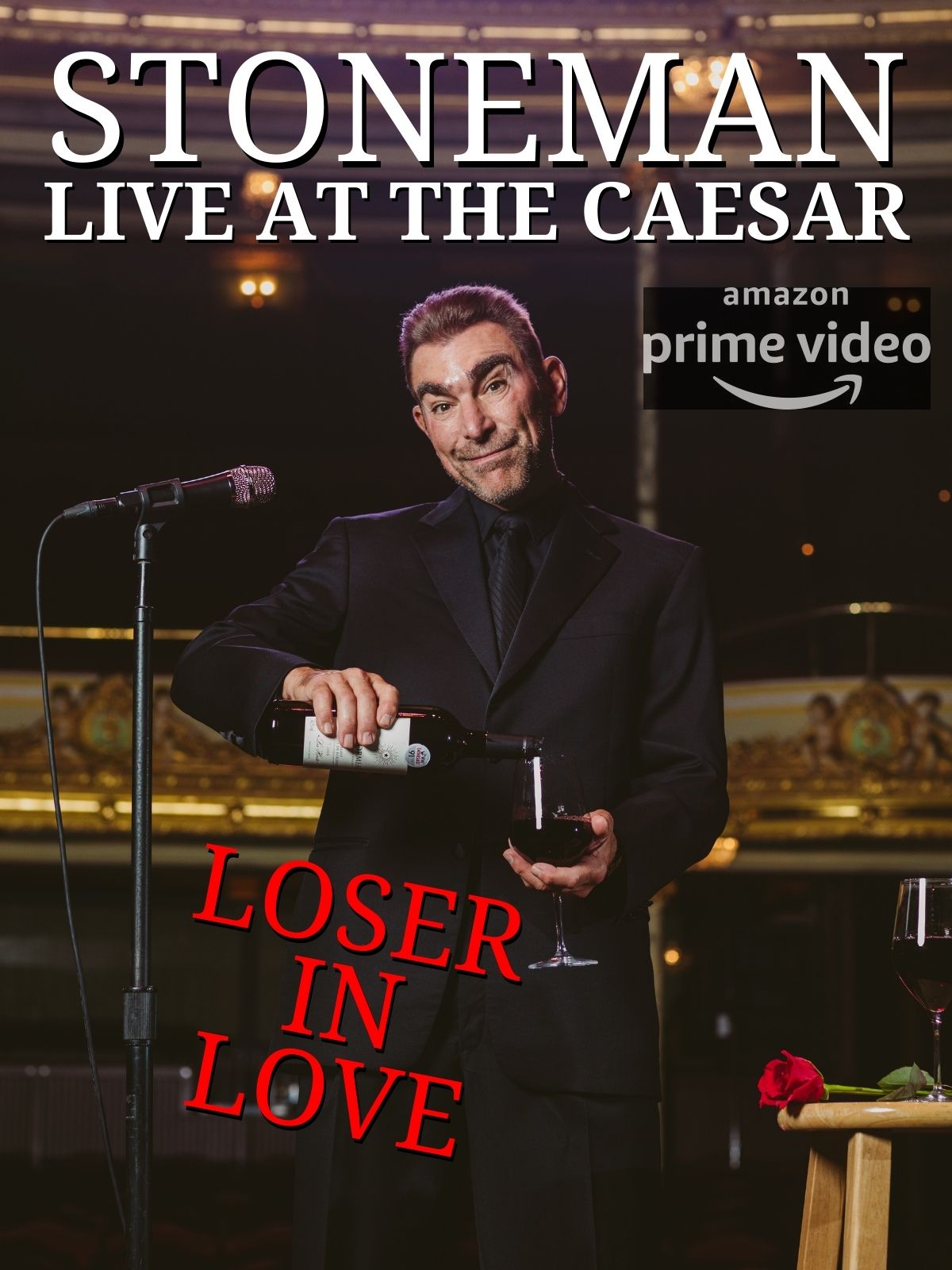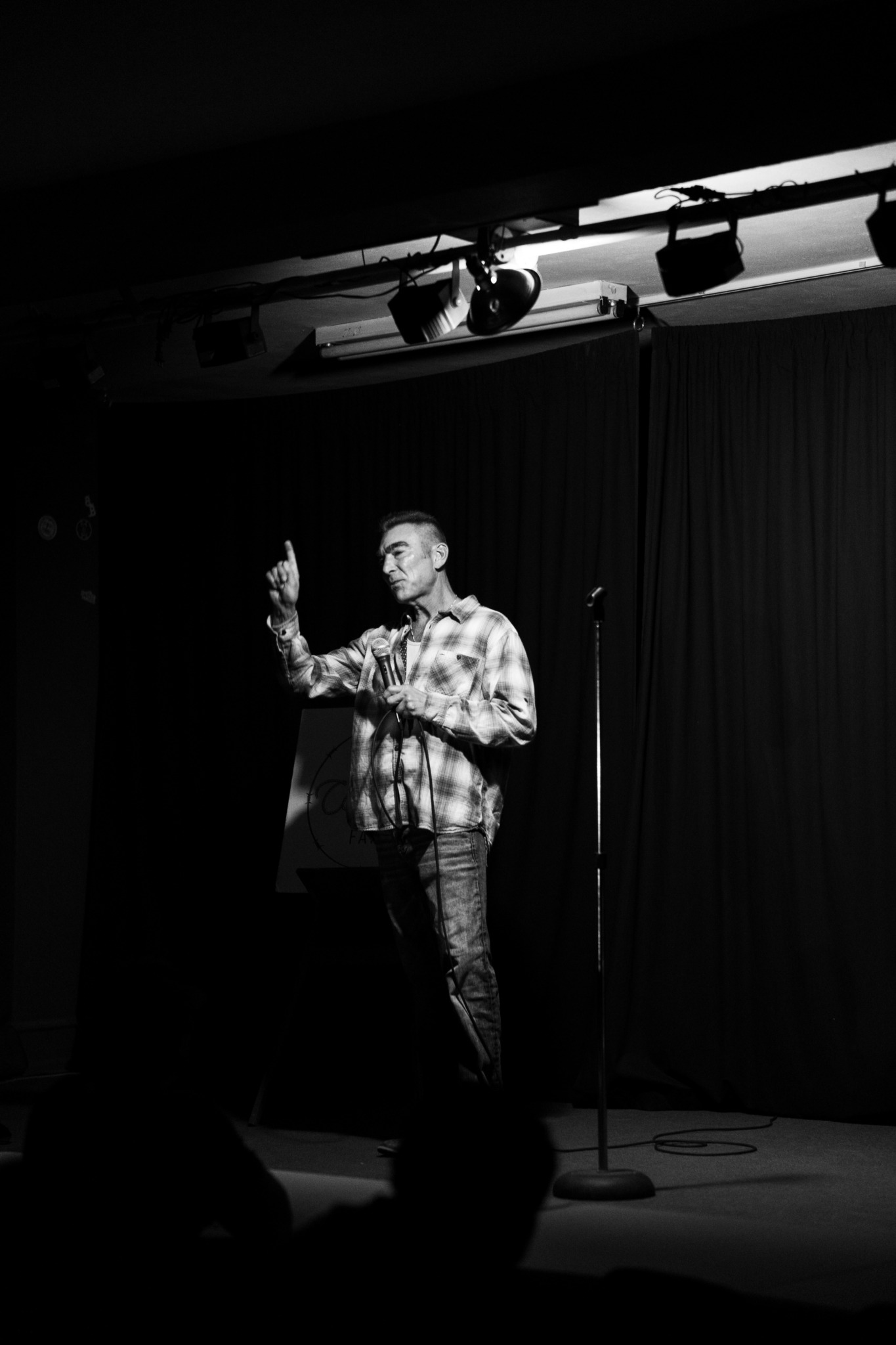

We were lucky to catch up with Anthony Bambocci recently and have shared our conversation below.
Anthony, looking forward to hearing all of your stories today. It’s always helpful to hear about times when someone’s had to take a risk – how did they think through the decision, why did they take the risk, and what ended up happening. We’d love to hear about a risk you’ve taken.
Let me take you back to 1988 when I was in this software startup . At that point, I was broke. Not bad quarter broke—eating generic peanut butter with a finger because the knife broke broke. My partners and I had burned through our cash chasing one of those ‘million-dollar ideas’ that turned out to be worth about fourteen bucks. We were seriously considering closing the doors.
One day, I’m at a racquetball court waiting for my buddy who, of course, doesn’t show up. Some random guy offers to play. We get to talking—turns out he’s a professor taking students to interview a convicted murderer at a state prison. And for reasons I still can’t explain, I ask if I can tag along. Not because I had some grand vision, just because I’d never seen the inside of a prison and figured, “Why not?”
We go. We’re in the cellblock. And I’m watching these correctional officers shuffle reams of paperwork—actual reams, like 1980s file cabinets exploded. There’s zero technology. Nothing’s automated. And in that moment, the lightbulb goes off: I can build software to fix this. I mean, I was a programmer by trade—I figured, why not apply it to something nobody else seemed to be touching?
So I go home, start coding at night while working whatever paid the bills during the day. We give the first system away for free—yes, free—on the condition that they’d give us a glowing reference if it worked. That county became our launchpad.
Here’s the kicker: not long after, the state of Pennsylvania puts out a call to pick one vendor to automate all its county jails. We hear about it two weeks before the deadline, and when I call the state office to get in, they basically say: Too late, kid.
Now here’s where the real risk kicks in: I cold-call our state senator—never donated a dime, never met the guy—and I ask him to get me into the meeting. And somehow, he does. We walk into that pitch room, no name recognition, no political clout, competing against IBM and other tech giants… and we win. That contract not only saved our company—it became the cornerstone of everything that followed.
So, yeah—the risk? Showing up uninvited. Betting on a free software install. Calling a senator out of the blue. Going all-in when we had nothing left. The result? A national business. Hundreds of employees. And the lesson? Opportunity doesn’t always knock—it sometimes hides in missed racquetball matches and jail food.

As always, we appreciate you sharing your insights and we’ve got a few more questions for you, but before we get to all of that can you take a minute to introduce yourself and give our readers some of your back background and context?
Fair warning: my story’s not linear. It’s more like a bar fight between entrepreneurship, creative obsession, and dark humor.
I started my first company in 1988 with two friends, a stack of napkin business plans, and a completely unearned sense of confidence. We thought we’d make a fortune fixing hobbyist computers through the mail. We made $8,000 that year… collectively. Turns out, the computers failed less often than our logic did. But we kept going. We pivoted. We failed better. Eventually, we built a tech company that became a national leader in automating jails and prisons. (Yes, you read that right—I went from basement hobbyist to creating the software backbone for the criminal justice system. It’s a long story. Bring wine.)
Along the way, we bootstrapped everything, risked everything, and turned one free software install into a $50 million business with hundreds of employees. What set us apart then—and still sets me apart now—is that I don’t just solve problems; I find them before you know they exist. I mix brutal honesty with relentless execution. I build systems, cultures, and products that last because they’re born out of clarity, not chaos.
But that’s just Act One.
These days, I’m deep into creative work—writing screenplays, delivering speeches, pitching reality TV, and doing stand-up comedy with the same intensity I once reserved for closing million-dollar contracts. The through-line in all of it? Storytelling. Whether I’m giving a TED-style talk, developing a thriller about a broken cop on a redemptive spiral, or ranting like Bill Burr about public groping in a stand-up act, I use humor and hard truth to connect with people in a way that’s memorable and real.
I don’t believe in separating the “business side” from the “creative side.” That’s a lie people tell themselves so they can keep compartmentalizing their talent. For me, strategy is creative. Humor is strategy. Vision isn’t worth anything unless you can communicate it. That’s why I now help others do the same—whether it’s helping a startup founder tell their origin story, a company draft legacy messaging, or a production team sharpen a pitch.
What am I most proud of? That I never played it safe. I built a business people said would never last. I turned failure into momentum. I’ve mentored people, made people laugh, and built things that mattered—sometimes all in the same day.
So what should readers know about me? I’m not just one thing. I’m a founder who writes jokes. A tech CEO who writes screenplays. A guy who can get laughs at a wedding or land a punchline in a boardroom. I’ve lived the American Dream—and now I want to tell better, stranger stories about it. You can find some of my projects on: imdb.me/AnthonyBambocci or on Amazon Prime.

Do you think there is something that non-creatives might struggle to understand about your journey as a creative? Maybe you can shed some light?
Most non-creatives struggle to understand that being creative isn’t a hobby. It’s not something we do “after work” or “when we have time”. It’s a compulsion. It’s something that hijacks your brain in the middle of the night, makes you pull over on the highway to jot a joke down, or skip sleep because you’re two plot twists away from a breakthrough.
What they don’t get is that the same mindset that built my tech company—the relentless need to solve problems, to tinker, to push past what people said was “enough”—that “is” creativity. Building a software empire and writing a screenplay about a depressed cop on the edge? Different tools, same engine.
Non-creatives often think in straight lines: input → output → paycheck. Creatives? We’re in the jungle with a machete hoping this path might lead somewhere. And guess what? Sometimes it doesn’t. Sometimes you write 60 pages and realize it was all setup with no punchline. Sometimes the joke only makes sense to three people in the world—two of whom are in your group chat. But you keep swinging anyway.
What I wish more people understood is that creativity isn’t some magical burst of inspiration. It’s work. Brutal work. It’s rewriting, bombing, doubting, and doing it anyway. It’s turning pain into material. It’s showing up when there’s no deadline, no paycheck, and no applause—because you have to.
And ironically, the people who don’t consider themselves creative? They usually are. They’ve just been taught to shut that part of themselves off. Maybe they were told they weren’t “artistic” enough or “funny” enough or “original” enough. I say screw that. Creativity isn’t a talent—it’s a muscle. The only difference is: some of us never stopped using it.
For you, what’s the most rewarding aspect of being a creative?
Honestly? It’s the freedom to tell the truth—my truth—in whatever form I want. Business success is great. Building a company from scratch and creating jobs was one of the proudest things I’ve done. But there’s a different kind of high that comes from creating something that didn’t exist yesterday—whether it’s a joke that slays, a scene that hits hard, or a speech that makes someone feel seen.
As a creative, I get to take all the stuff life throws at me—the wins, the screwups, the trauma, the ridiculous family moments—and turn it into something useful. Something that might make someone laugh, or think, or even cry a little. There’s power in that. There’s healing in that.
And maybe the most rewarding part? When someone hears a story I’ve told—on stage, in a script, even just in conversation—and says, “That’s exactly how I feel. I just didn’t know how to say it.” That’s it. That connection. That moment where what’s personal becomes universal.
Also, let’s be honest—being able to say, “This insane thing happened to me… and now it’s a monologue” is way more fun than therapy.
Contact Info:
- Website: https://www.stonemanproduction.com
- Instagram: stonedmanproductions
- Facebook: https://www.facebook.com/anthony.bambocci?mibextid=wwXIfr&mibextid=wwXIfr
- Linkedin: www.linkedin.com/in/ anthony-bambocci-8826689
- Twitter: @stonemanpro
- Youtube: @stonemanpro