



We caught up with the brilliant and insightful Annine Fan Zhang a few weeks ago and have shared our conversation below.
Annine Fan, appreciate you joining us today. Can you talk to us about a project that’s meant a lot to you?
Throughout all the shorts and features I’ve been involved in, I’m particularly proud of a passion project I produced—a small yet award-winning short film titled *No Worries*, a coming-of-age drama.
What made this film unique was its use of the Hokkien language, a dialect from my hometown, Xiamen, a small island in southern China. Only about 2% of Chinese people understand Hokkien. This film was a tribute to our beloved hometown. For me, leading this project wasn’t just about producing—it also involved planning the film festival circuit, which broadened my perspective and deepened my understanding of the festival world.
My biggest achievement with this project was diversifying the festival strategy and taking the film from our city to an international stage.
First, I submitted the film to a special cultural panel at a local film festival. Fortunately, it was nominated and screened in one of the most historic theaters in my hometown—the same theater where I first experienced movies as a child. It felt like coming full circle. We invited our family and friends, and to our delight, the film received positive feedback from both the audience and the jury during the Q&A session. Jun Geng, a famous Chinese director, complimented us, saying it was a difficult story to film but that we had impressed him greatly.
Furthermore, I believed that our dialect-based film could resonate internationally, so I submitted it to culture-focused festivals outside of China. Initially, I didn’t have high expectations, but to my surprise, a U.S.-based festival nominated and screened our film. This was a huge encouragement, reaffirming my belief that stories know no boundaries between cultures and audiences.
After completing the festival circuit, I had the idea of distributing the film. It might sound unrealistic, especially considering how challenging it is for filmmakers to sell short films—especially low-budget ones. But we did it! After being nominated by a well-known Chinese film festival, an online distributor approached me, expressing interest in buying the film for their short film platform and releasing it internationally. To me, this was a major victory, proving that language isn’t a barrier when it comes to connecting with an audience through a compelling story.
This experience was a huge confidence boost for me. It drives me to keep diving into new stories and connecting with people from all walks of life. I’m passionate about finding those universal threads that link cultures and values. This journey is just getting started, and I’m committed to creating authentic stories that resonate with everyone, no matter where they’re from or what language they speak.
Great, appreciate you sharing that with us. Before we ask you to share more of your insights, can you take a moment to introduce yourself and how you got to where you are today to our readers.
Hi folks, my name is Annine, and I’m a LA-based Producer! :)
I believe my journey into film traces back to my childhood. Every night, my father would read me bedtime stories, and I particularly cherished the moments when he brought Hans Christian Andersen’s fairy tales to life. He would give each character and animal a unique voice, allowing me to immerse myself in these vivid, magical worlds. Even in my dreams, these characters continued to play a significant role—marking what I consider my earliest encounter with creativity.
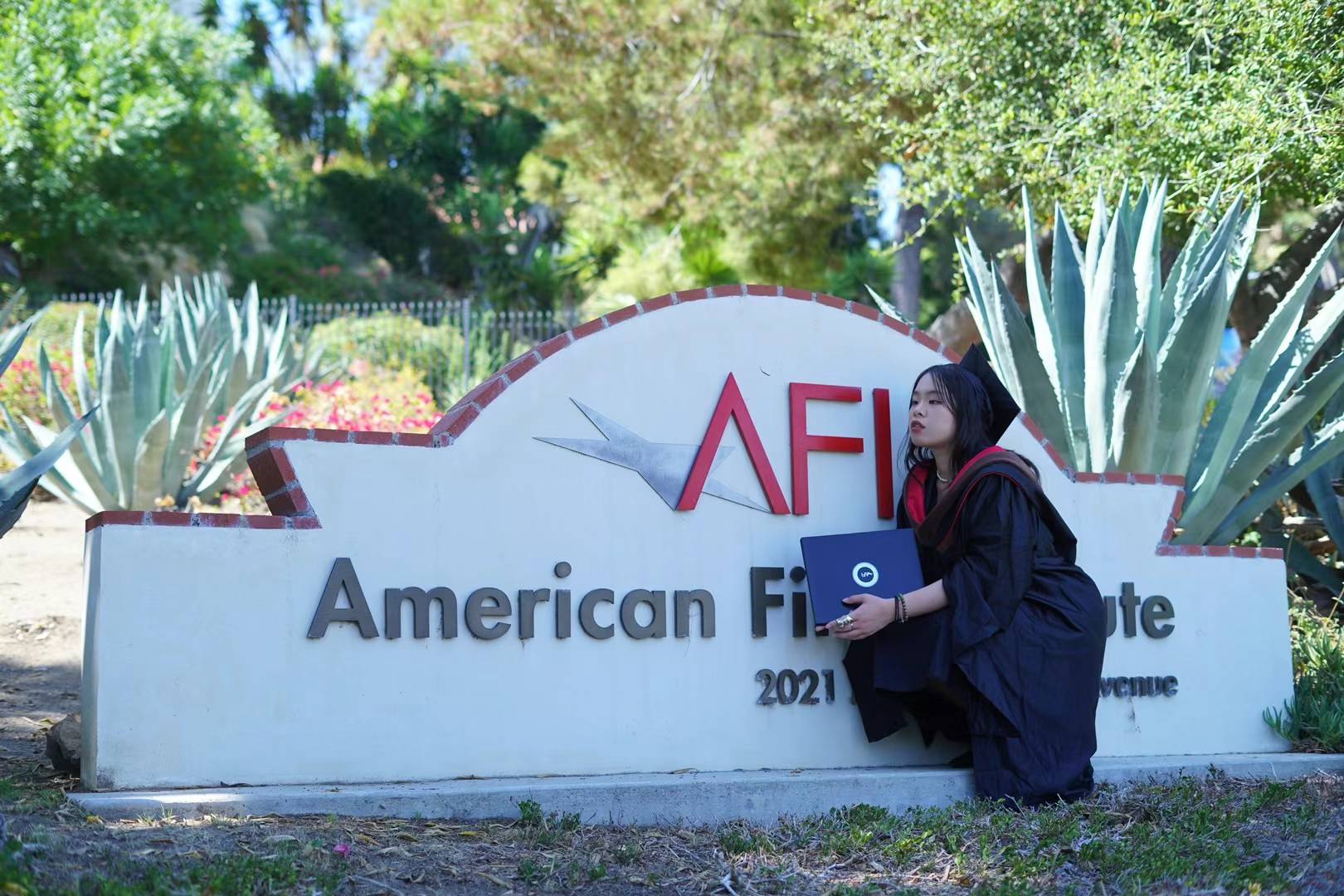
During my undergraduate years, I majored in film producing but mostly focused on working on film productions. During and after college, I worked as a line producer for four years, which exposed me to many aspects of on-set work. I learned how to collaborate with teams and see a project through to completion. However, I felt unsatisfied—the role of a line producer didn’t give me the creative fulfillment I was looking for. So, I began to shift toward more creative work. For instance, I worked in the fashion industry as a photographer, telling stories through portrait photography. Simultaneously, I worked in the new media industry, writing numerous short scripts and articles. These jobs separated my visual and storytelling skills, preventing me from fully engaging in storytelling as a true filmmaker. That’s when I decided to leave my hometown and move to the United States to study creative producing at AFI.
My understanding of the industry deepened through my experiences working with film festivals, development, and distribution companies in Hollywood. Over the past six years, I’ve gained extensive experience in film development, production, and distribution across both Chinese and American markets. I’ve produced over 20 short films and 3 feature films, with my work being recognized at over 40 international film festivals, including more than 20 Oscar-accredited festivals.
Now, after graduating from AFI, I jumped into the Hollywood jungle, exploring the latest trends in the film industry. I co-founded AYYA STUDIO, a short film distribution studio, with my best friend from school. Our goal is to discover young filmmakers’ voices and help their short films reach a broader international festival stage. Recently, I teamed up with a short film streamer from Singapore, helping them to acquire outstanding short films all around the world. Meanwhile, I’m also exploring new content creation methods like AI-generated videos, vertical TV dramas, and more. I believe it’s essential to keep my eyes open, embrace change, and dig into new developments in the world..
Is there mission driving your creative journey?
As a young filmmaker breaking into Hollywood, I think my peers and I are all pondering the same question: how can we blend our cultural backgrounds into today’s storytelling? And does Hollywood even need global narratives?
Personally, as a bilingual producer, I’m proud that I understand diverse cultures and languages. This gives me the flexibility to handle different work environments and the open-mindedness to approach challenges from various perspectives.
Frankly, we’re in a new era of creation, with new technologies and art forms emerging. At the same time, media audiences’ preferences have shifted significantly post-pandemic. Throughout history, we’ve moved from radio to cable TV, to cinema, and now to streaming. I believe anyone living through such transformative times has probably wondered, “Where are our stories going?” For me, on this creative journey, I feel more like a businessperson because I genuinely care about what kind of audience my content reaches.
It might sound rebellious, and “Reaching the audience” may seem like a simple concept, but it’s the ultimate goal of all media.
Right now, my mission is to go where the audience is. I want my work to connect with viewers and build long-term relationships with them. So, the areas I’m exploring in my creative work are all audience-driven. For example, if vertical dramas have an audience in today’s Hollywood, I dive into creating vertical content, turning it into something refined and artistic—breaking away from clichés. If AI is gaining ground on the global stage, I explore every AI tool on the market and use them as part of my creative toolkit. And if short films by young filmmakers need an audience, I use my connections to bring those films to the people who will watch them.
As someone in the media industry, I feel that as long as I know where my audience is, I’m not afraid of changes in the world or shifts in industry models. I’m confident I’ll always be able to tell the stories I’m passionate about.
For you, what’s the most rewarding aspect of being a creative?
It’s absolutely when I build meaningful connections with people in this industry.
The film industry is a classic “people business,” and I’m very much a people person. From my perspective, the most rewarding part of my journey has been seeing many colleagues evolve from work partners into close friends.
There’s one moment that really stands out. When I was working on a show I produced, I visited the set on the first day of shooting. As soon as I arrived, everyone was so happy to see me—they came over to give me hugs. Some were people I had worked with before, while others I had only collaborated with online during pre-production, but everyone was genuinely excited to see me and kept saying, “It’s so good to see you here.” My crew often tells me that I provide strong emotional support, which gives me a great sense of fulfillment. A few days later, when I visited the set again, everyone was telling me, “Annine, you’ve put together such a strong team. I really enjoy working here.” For me, that’s the highest compliment a producer can receive!
Throughout my journey as a producer, I’ve worked hard to balance bringing diversity into my teams, aligning different people’s strengths, fostering collaboration, and meeting everyone’s needs with an open mind. While creativity is, of course, a key part of the process, team building is equally essential for a producer. This is a skill I’m excited to continue exploring and developing in the future.
Contact Info:
- Website: https://www.imdb.com/name/nm15081210/?ref_=ext_shr_lnk
- Instagram: https://instagram.com/anninefanzhang?igshid=OGQ5ZDc2ODk2ZA%3D%3D&utm_source=qr
- Linkedin: https://www.linkedin.com/in/fan-zhang-418405261/
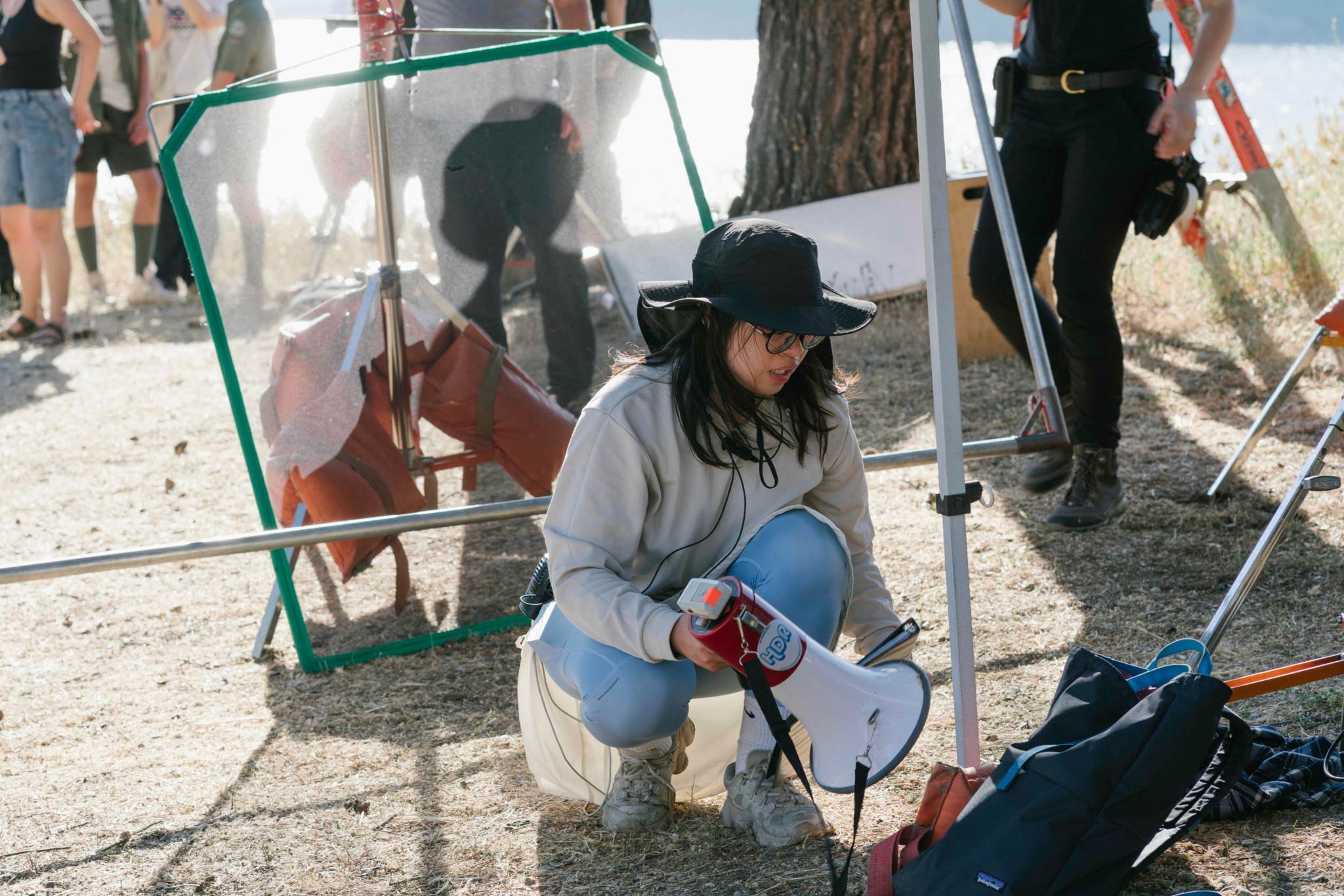
Image Credits
Roger Lin, Michael Roesler, Zora Zhang