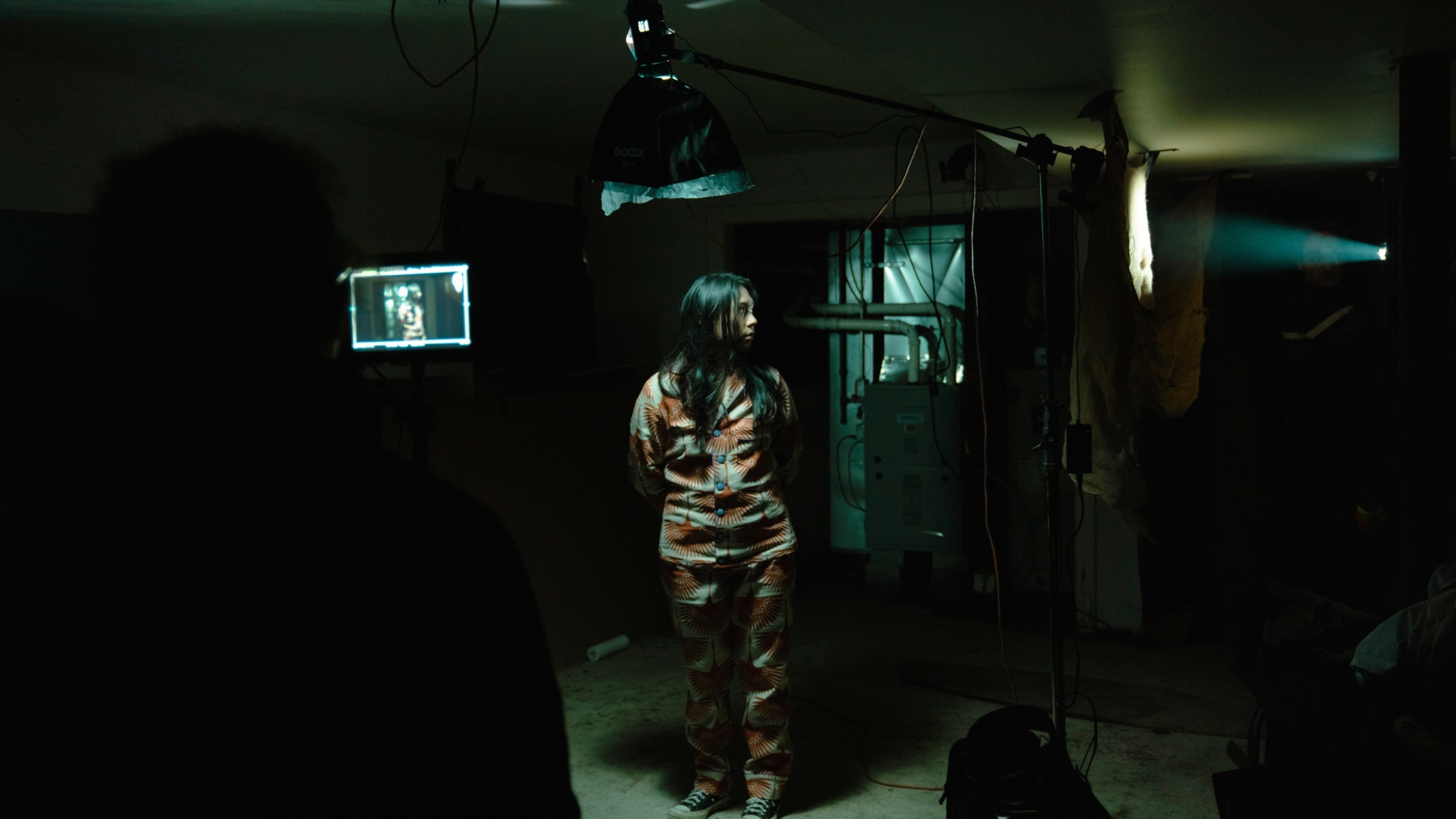
Alright – so today we’ve got the honor of introducing you to Annelise Ratner. We think you’ll enjoy our conversation, we’ve shared it below.
Hi Annelise, thanks for joining us today. Can you talk to us about how you learned to do what you do?
When the COVID-19 pandemic first hit in March of 2020, I was in my sophomore year of college and about to shoot my first collaborative short film. That project got cancelled when we were all sent home to finish our classes online. As the academic year wrapped up on Zoom and the pandemic drew out, I was already dreading the prospect of having to enter my junior year through a laptop screen in my parents’ basement. I realized then that I really wanted to learn film production, and not through theory or Zoom-modified remote assignments, but in a way that was truly hands-on and with other people.
During the summer, a classmate reached out to me expressing a similar desire. He pitched that we take a leave of absence the following term and create a quarantine pod with the goal of giving ourselves our own in-person filmmaking education. We ended up gathering a group of eight — students from our school with varied interests in cinematography, writing, acting, directing, etc — with the intention to shoot some short films over the fall term. In a pre-vaccine era, we came up with strict health and travel protocols so we would all feel comfortable living together in a remote upstate New York home. We came up with a budget for the production, as well as living expenses for three months, a community meal plan and cooking schedule, and a writer’s group to workshop our script ideas.
Over the course of this term, these seven other people, who mostly started off as strangers, became not only my closest creative collaborators to this day, but also some of my best friends. We all brought a shared desire and vulnerability to learn from one another to this film collective, leaning on the knowledge and experience each other had in different areas of the craft. We were not bound by grades or syllabi or “experts” telling us how filmmaking or storytelling should be done. We got to try production and creative roles that we would have otherwise been hesitant to put our hands up for back at school, creating an environment that allowed us to define our own stakes, and ultimately experiment and play.
I still consider this leave of absence to be the best filmmaking education I’ve ever had, and it was entirely self-structured. We ended up taking the next semester off too, and producing a total of ten short films over that gap year. We returned to campus with much more practical experience than our peers, not only in our technical skills but in our collaborative and communicative ones too. Even at school, we continued with the ethos of being the arbiters of our own education, setting up workshops and initiatives that prioritized teaching ourselves and other students the skills that we craved to learn.

As always, we appreciate you sharing your insights and we’ve got a few more questions for you, but before we get to all of that can you take a minute to introduce yourself and give our readers some of your back background and context?
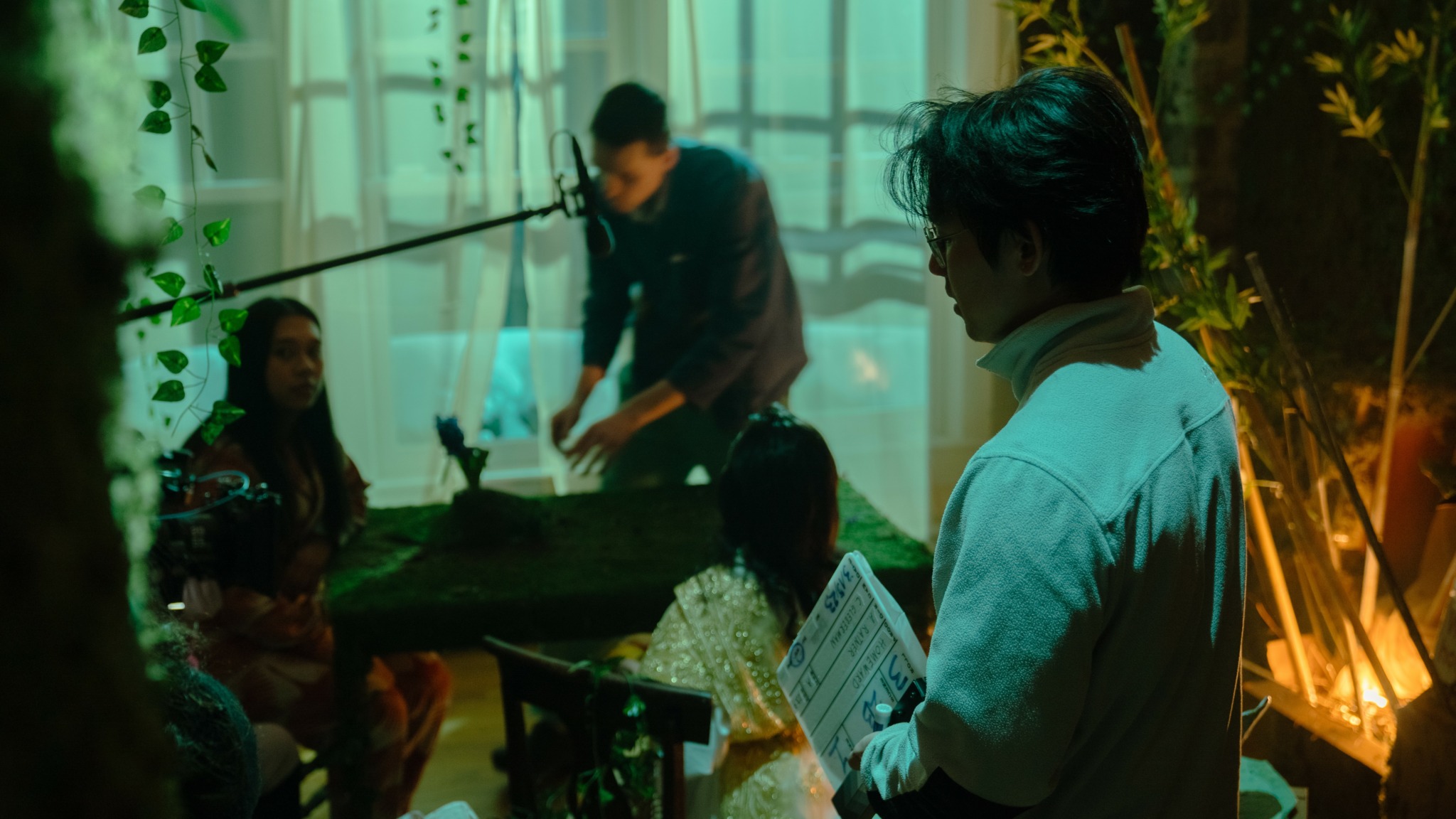
I’m a Cambodian American filmmaker and photographer, now based in Brooklyn, who freelances across all sorts of production roles, from writing and directing to cinematography and editing. I work on a variety of projects — short films, documentaries, music videos, media content, etc — with my strongest hard technical skills in camerawork, lighting, and editing. Though I have had many other interests throughout high school and college, I realized that filmmaking was the only one where I never once resented the work that came with it, even when it is exhausting and irritating, which it often is. When I went to Yale for undergrad, I studied a lot of different things and loved a lot of them too, but filmmaking is just what stuck.
I credit that hugely to Foothills, the film collective that I co-formed during my pandemic gap year, which made me fall in love with the lifestyle and friendships that this work offers. It’s very social industry. A big part of your job is to show up on set and be friendly and fun, and someone people trust and want to have around. I get to meet a lot of people from all over, with all sorts of stories, and I find that super rewarding. I want the work I engage with to be reflective of the values I hold as person and as a member of society. I think this is an industry that can too often turn toxic or exploitative and I want to make sure I’m participating in it in a way that feels generative and ethical.
What do you find most rewarding about being a creative?
You’ve already decided on a path that’s precarious and individual — so why not be ambitious and critical in other parts of your life? I think this work gives you permission to take control over how you engage with your world in a larger sense — how you engage with your relationships, your communities, your spirituality, your politics. Not to say that you shouldn’t or can’t engage thoughtfully with any of these if you’re not an artist or creative, but as one, it’s kind of your job to. You have to be present. You have to show up.


Is there a particular goal or mission driving your creative journey?
I mostly grew up in Southeast Asia and bring those experiences to my approach in storytelling. As a Cambodian, and the daughter and granddaughter of genocide survivors and refugees of war, I think a lot about what it means to engage with the legacy of film and imagemaking. During the Khmer Rouge regime, filmmakers and artists were among those specifically targeted as political threats, and so I place great responsibility on the decision to engage with that history — to create images of other people, their bodies, their culture, and their land. I’m interested in challenging different perspectives and politics around storytelling and its aesthetics, with the endeavor to create and share stories that are emotionally intimate and formally inventive.
Contact Info:
- Website: https://anneliseratner.com
- Instagram: https://www.instagram.com/anneliseratner/?hl=en
- Linkedin: https://www.linkedin.com/in/annelise-ratner-39b325179/
- Youtube: https://www.youtube.com/@anneliseratner