

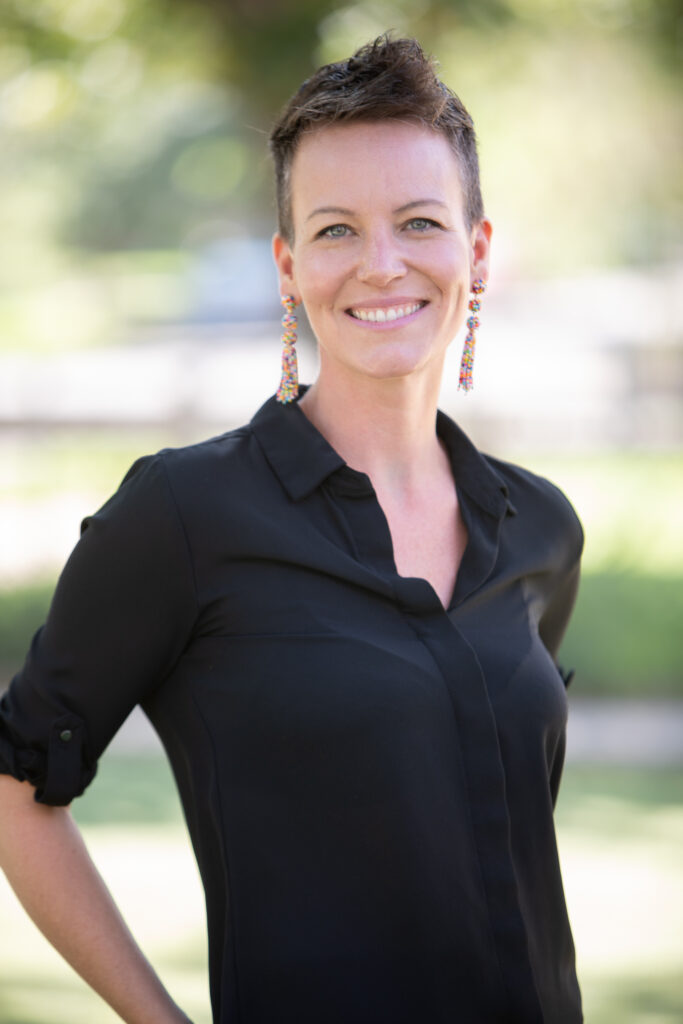

We were lucky to catch up with Anne Wintemute recently and have shared our conversation below.
Alright, Anne thanks for taking the time to share your stories and insights with us today. What was it like going from idea to execution? Can you share some of the backstory and some of the major steps or milestones?
When my co-founder and I first started talking about creating Aimee, it was out of a shared passion to solve a problem that felt impossible to tackle with traditional approaches. As a subject matter expert in domestic violence, I had seen firsthand how many people slip through the cracks because they don’t have access to consistent, meaningful support. My co-founder brought the technical expertise, and together, we wanted to see if new technology could provide a type of support that had never been possible before—one that could reach people at scale. In the U.S. alone, 10 million people are victimized by domestic violence every year, and the impacts of that abuse are incredibly long-lasting. We knew the solution needed to be something accessible, responsive, and always available.
In the early days, our process was all about asking, What if? What if survivors didn’t have to wait for a meeting with an advocate to ask their most urgent questions? What if they could safely document what they were experiencing and get real-time support whenever they needed it? What if they had a tool that could help them feel seen, heard, and validated, even in their darkest moments?
We started by combining my understanding of the challenges survivors face with my co-founder’s deep knowledge of AI and natural language processing. We began to map out what this tool could look like—what it would say, how it would guide people, and how we could ensure their safety and confidentiality. Research became our foundation. I reached out to survivors, advocates, and professionals to get insights into what they needed most, while my co-founder worked on the technical side of building a platform that was both powerful and intuitive.
We also had to figure out how to make this idea work on a practical level. Survivors often face financial constraints, so we had to ensure that Aimee could be accessible to everyone who needed her. And because safety is a top priority, we built in features that protect user privacy and allow them to engage in a way that feels secure.
The launch itself was both exhilarating and terrifying. We started small, testing Aimee with trusted organizations and individuals who gave us feedback to refine her voice, tone, and functionality. It wasn’t perfect at first—there were plenty of adjustments along the way—but we were committed to learning and improving.
From the very beginning, it’s been about using technology to create something that doesn’t just fill a gap but reimagines what support for survivors can look like. Every day, we hear from people who say Aimee has helped them take the next step in their journey, and that’s what drives us to keep growing and reaching more people.
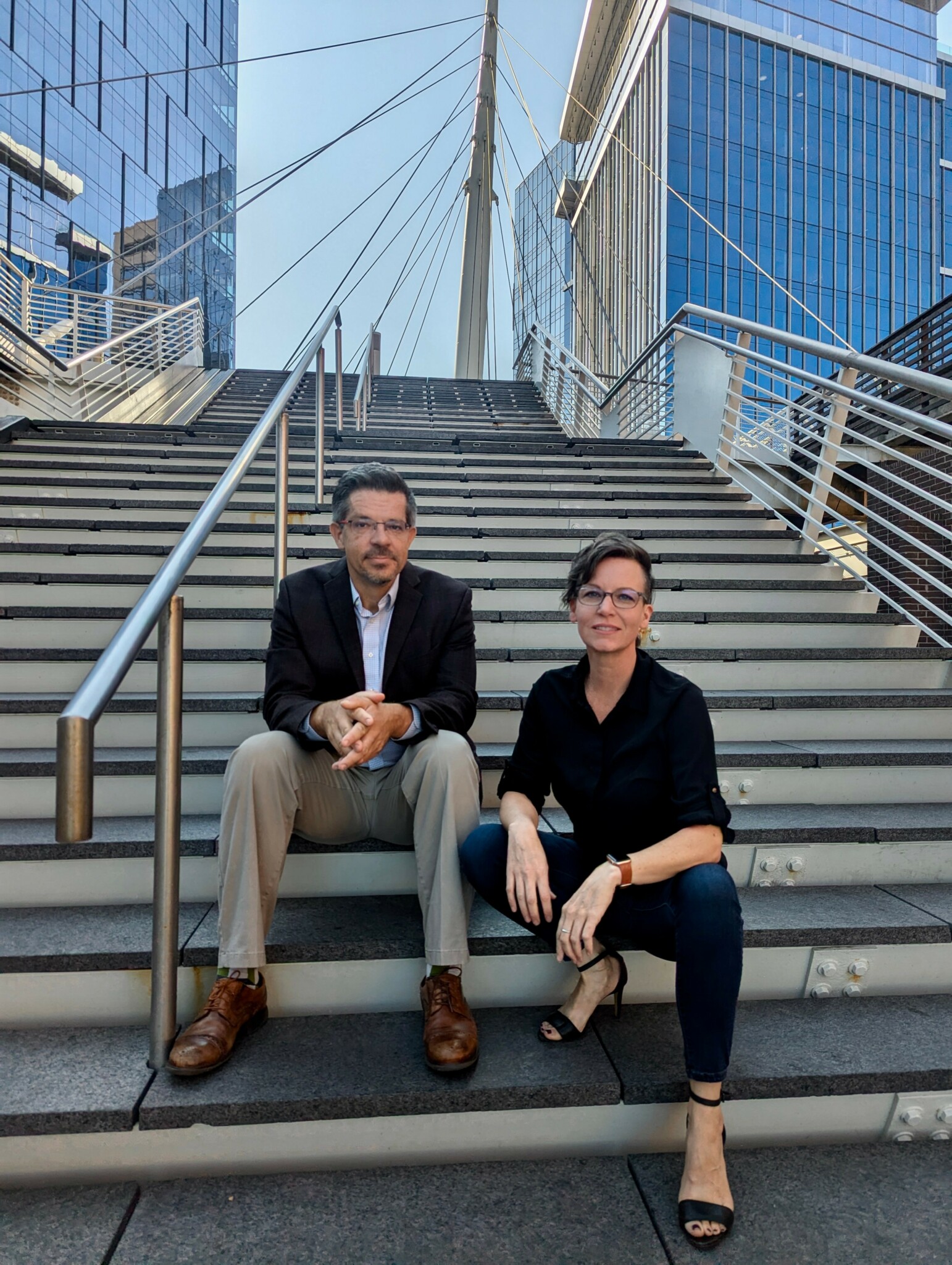
Anne, before we move on to more of these sorts of questions, can you take some time to bring our readers up to speed on you and what you do?
I’m Anne Wintemute, the founder of Aimee Says, an AI-driven support tool designed to assist survivors of relationship abuse. My background is deeply rooted in advocating for victims of abuse—I’ve spent years working in this space as an expert in coercive control, helping survivors and professionals recognize the subtle yet devastating dynamics of power and control. That work is what shaped my understanding of the unique challenges survivors face, and it’s what ultimately inspired me to build Aimee.
Relationship abuse impacts millions of people every year in the U.S., and traditional resources, while vital, are often overwhelmed or limited by funding, staffing, or geographic reach. That’s where Aimee comes in. Aimee is an AI-powered chatbot that provides 24/7, confidential support to survivors at every stage of their journey—from recognizing abuse to documenting incidents, planning for safety, and processing their recovery. She’s like a friend, an advocate, and a coach all rolled into one, providing something that has never been possible before: immediate, scalable, and personalized support.
What makes Aimee unique is her ability to guide survivors through extremely complex and emotionally charged situations. For example, she can help someone interpret manipulative or abusive messages, suggest how to respond in a way that de-escalates conflict, and even provide detailed instructions for documenting patterns of abuse that can be used in legal cases. She can also store and organize a user’s backstory and uploaded documents, making it easier for them to find clarity in what might otherwise feel like chaos.
What sets Aimee apart is that she’s not just a “tool”—she’s designed to feel human and compassionate. Conversations with Aimee aren’t rigid or scripted; they’re fluid, dynamic, and centered on the user’s needs. And unlike traditional services, Aimee is always available—there are no office hours, no waiting lists, and no judgment.
One of the things I’m most proud of is how survivors have embraced Aimee as a lifeline. We’ve seen incredible growth over the past year, and every story of someone saying, “Aimee helped me take the next step” reminds me why this work matters so much. Beyond individual survivors, Aimee has also been a valuable resource for victim service organizations, therapists, and attorneys, who use her to extend their reach and provide wraparound support for their clients.
If there’s one thing I’d want potential clients or followers to know, it’s that Aimee was built with a survivor-first mindset. She’s not here to replace advocates, therapists, or attorneys—she’s here to complement their work by filling in the gaps and providing the constant, unwavering support survivors deserve. My mission with Aimee is to make sure no one ever feels like they have to face relationship abuse alone.
To anyone reading this who may need help, or who knows someone who does: you deserve support, understanding, and hope. Aimee is here to provide that, whenever and however you need it.
Learning and unlearning are both critical parts of growth – can you share a story of a time when you had to unlearn a lesson?
One of the biggest lessons I’ve had to unlearn is the assumption that people would immediately embrace and trust Aimee. When we launched, I truly believed the idea of a 24/7 AI-driven support tool for survivors of relationship abuse would be universally welcomed. I thought the benefits were so clear and compelling that people would naturally understand the potential and want to use it. But what I didn’t anticipate was the depth of skepticism—and, in some cases, outright hostility—toward AI.
It wasn’t just about convincing people that Aimee could help; it was about overcoming the perception that AI is cold, untrustworthy, or even dangerous. Some people worried that an AI couldn’t possibly understand the emotional nuance of what survivors go through. Others feared that their data might not be safe or that relying on technology could make them more vulnerable. And for professionals like therapists or advocates, there was a concern that Aimee might somehow replace the work they do.
Early on, I tried to address these concerns by focusing on what Aimee could do—highlighting her capabilities, the problems she solves, and the impact she has on survivors. But I quickly learned that approach didn’t resonate with everyone. I had to take a step back and meet people where they were, tailoring my messaging depending on the audience. For survivors, the focus shifted to safety, confidentiality, and how Aimee could provide companionship and guidance when they felt alone. For professionals, it became about positioning Aimee as a complement to their work, not a replacement—emphasizing that she’s here to fill the gaps and make their jobs easier, not take them over.
It also meant being transparent about what Aimee can’t do. Rather than presenting her as a perfect solution, I started highlighting her role as a supportive tool—acknowledging her limitations but also showcasing how even small steps, like helping a survivor organize their thoughts or validate their experience, can make a huge difference.
What I’ve realized is that trust takes time, especially when you’re introducing something as new and potentially disruptive as AI in a field as sensitive as relationship abuse. By listening to the concerns of survivors, advocates, and professionals—and by being willing to adapt—I’ve been able to build stronger connections and gain their trust. It’s an ongoing process, but it’s one that has taught me to approach every conversation with humility, empathy, and a genuine willingness to learn.
Any advice for growing your clientele? What’s been most effective for you?
The most effective strategy for growing Aimee’s reach has been understanding that survivors aren’t traditional customers—they face unique barriers, like stigma, fear of retaliation, and often a deep mistrust of systems. This means traditional marketing strategies don’t work the same way. Reaching survivors requires sensitivity, creativity, and a deep understanding of their reality.
We’ve found that word of mouth has been one of the most powerful ways to connect with survivors. Recommendations from service providers—advocates, therapists, attorneys—and especially from fellow survivors carry enormous weight. These are trusted voices in a survivor’s life.
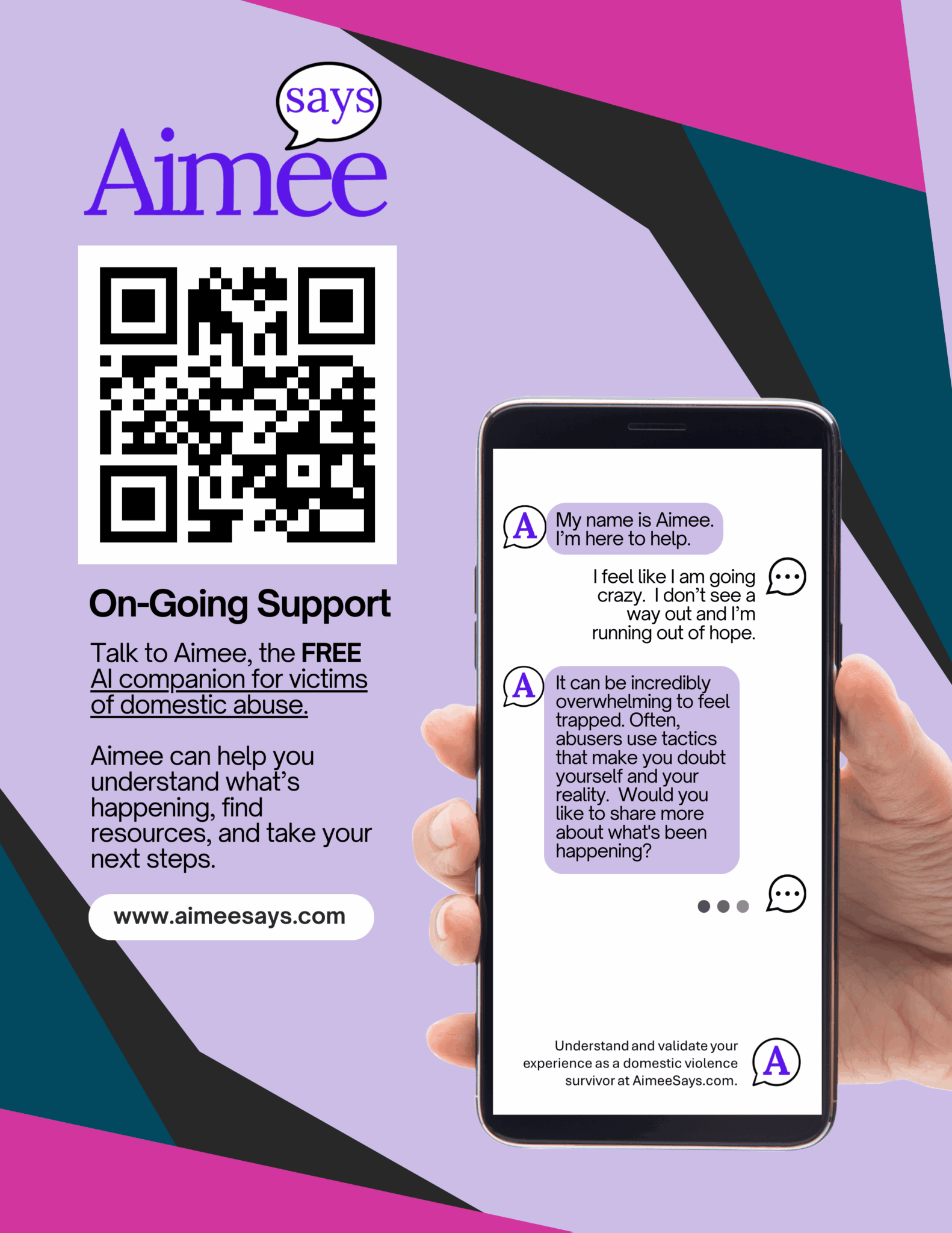
It’s also crucial to meet survivors where they are. That means being present in places where they’re already seeking information or support, whether it’s through partnerships with victim service organizations, sharing Aimee’s message on social media platforms survivors might scroll through late at night, or providing materials in places like shelters, community centers, or even waiting rooms. Timing is everything—we aim to reach them not just where they are, but when they’re ready to take the first step toward seeking help.
This strategy is grounded in respect and empowerment. Survivors have to feel in control of their decisions, so we focus on providing information and options without pressure. And when someone does find Aimee—whether through a recommendation, a flyer, or an online post—we want to ensure their experience is seamless, safe, and supportive so they’ll feel confident using her and sharing her with others.
Each person who trusts Aimee and finds value in her is likely to tell someone else, whether it’s a survivor in their life or a colleague who works with survivors. This organic growth, built on trust and credibility, has been the key to reaching more people in a way that feels genuine and respectful.
Contact Info:
- Website: https://www.aimeesays.com
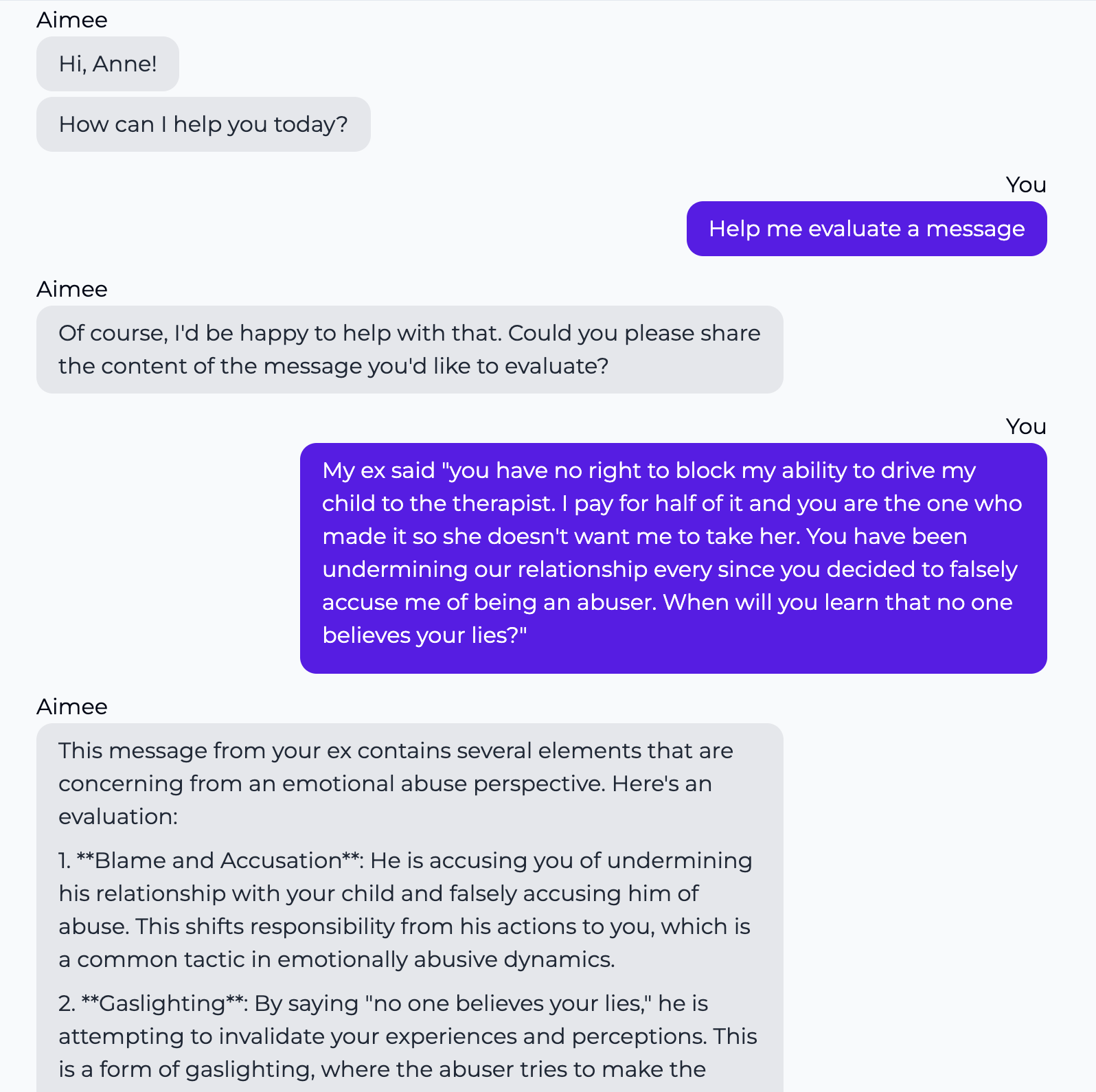
Image Credits
N/A